
This Illinois Prairie Preserve Lets You Walk Through Grasses Taller Than You Are
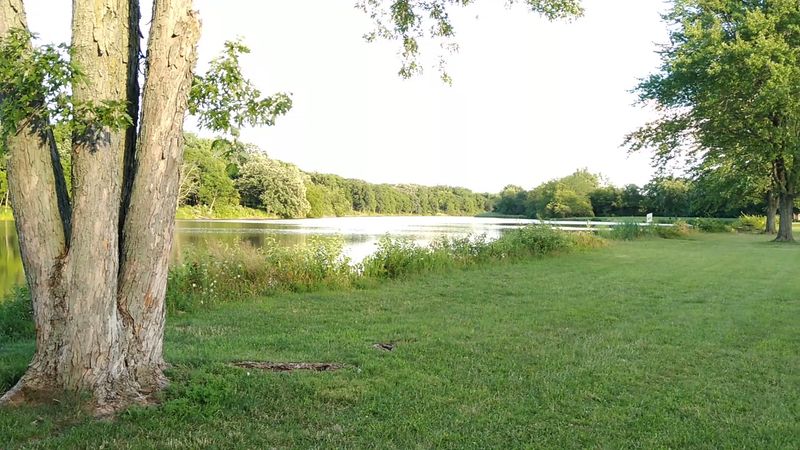
Stand next to a stalk of big bluestem in late August and you might find yourself looking up. Illinois once had millions of acres of this towering grassland, and today a handful of preserved and restored sites let visitors get a feel for what that world was like.
The experience is real, but it comes with some important details worth knowing before you lace up your boots.
The tallgrass experience needs a precise promise
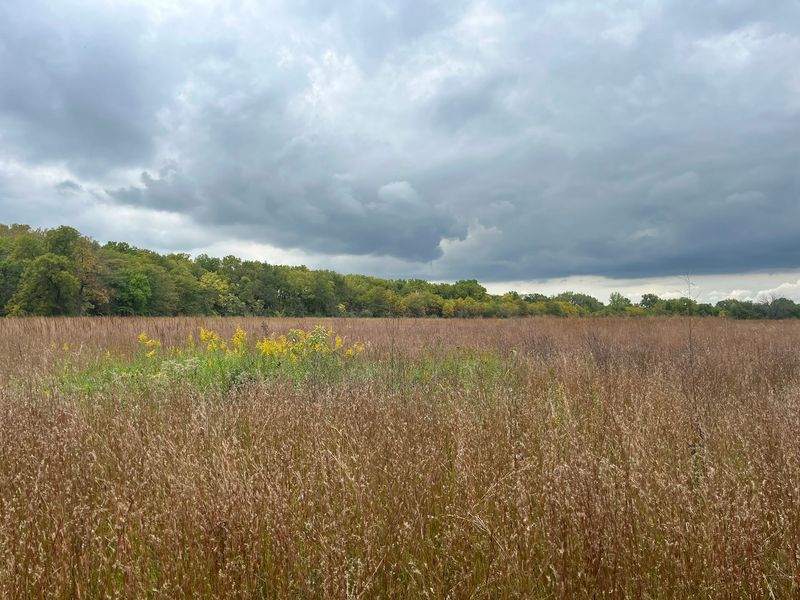
Marketable shorthand can outrun what a trail actually delivers, and that gap matters when you are planning a trip. Illinois prairie sites can absolutely contain big bluestem and other vegetation that rises above eye level, sometimes well above it.
What that does not mean is that every step of a walk passes through a continuous green tunnel of head-high grass. Height varies by species, soil moisture, management history, and the specific patch of ground underfoot, so some sections of a trail may be bordered by chest-high stems while others open onto shorter forbs and sedges.
A second honest note: the supplied background information behind this article does not identify a single named preserve as the source of the title’s claim. Rather than attach a specific location to an unverified promise, this article covers Illinois tallgrass prairie sites generally.
Several well-documented options exist, including Nachusa Grasslands, Morton Arboretum’s Schulenberg Prairie, and sites managed by the Illinois Department of Natural Resources. If a singular preserve is eventually confirmed and its seasonal conditions verified, the article can be updated to reflect that site precisely.
Even the National Park Service, describing its own tallgrass preserve, notes that trails are mowed paths or old gravel ranch roads rather than routes through uncut vegetation. That framing is helpful: the towering grass is real and it surrounds you, but the path itself is managed for safe passage.
Expect to walk beside tall grass, to look up at seed heads, and to encounter portions of prairie that genuinely exceed your height. Just do not expect every footstep to feel like pushing through a curtain of stems.
Big bluestem can rise above a visitor
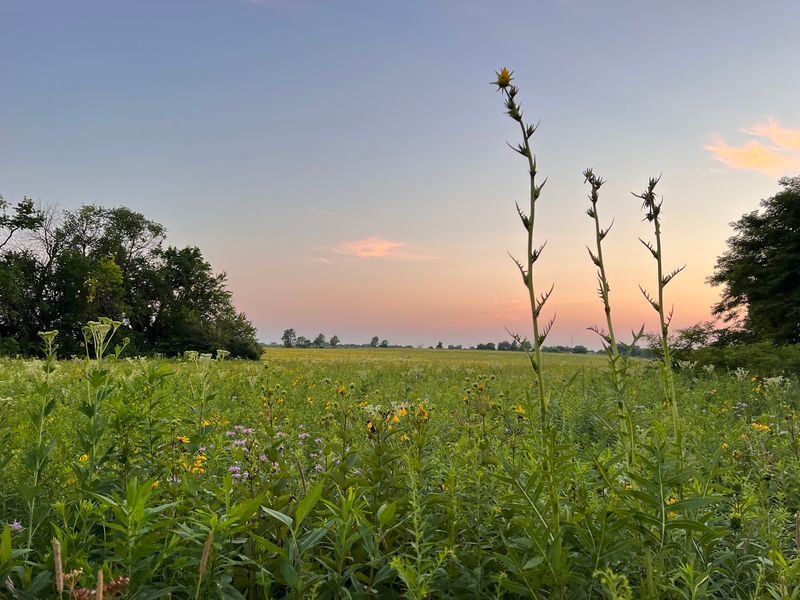
Big bluestem carries an official title in Illinois: it is the state’s designated prairie grass, and it earned that recognition honestly. This native warm-season species is one of the plants most closely associated with the historical tallgrass ecosystem, growing in dense stands across mesic and wet-mesic sites where deep, fertile soils once supported some of the continent’s most productive grasslands.
University of Illinois Extension describes big bluestem as commonly reaching 6 to 8 feet in height, while the Illinois State Museum gives a broader range of 3 to 10 feet depending on growing conditions. Under favorable circumstances, a combination of rich soil, adequate moisture, and a long warm season can push individual plants toward the upper end of that range.
Seed heads and flowering stalks can add several more inches, meaning that even a plant at the middle of its height range may hold its tip well above a visitor’s head.
The plant’s identity is easy to confirm once you know what to look for. Its distinctive seed head splits into three finger-like branches that early settlers compared to a turkey’s foot, giving big bluestem one of its most common nicknames.
The stems often take on a blue-green or reddish-purple cast in late summer, and the leaves feel rough to the touch. These field marks help visitors spot the tallest plants rather than guessing at species.
Prairie height is never uniform across a site. Shorter grasses like sideoats grama and prairie dropseed, along with dozens of flowering forbs, fill the spaces between the dominant tall stems.
That variation is part of what makes a prairie walk interesting: the landscape shifts between open, knee-high stretches and dense patches where the grass closes in above shoulder level.
Late summer brings the prairie’s biggest display
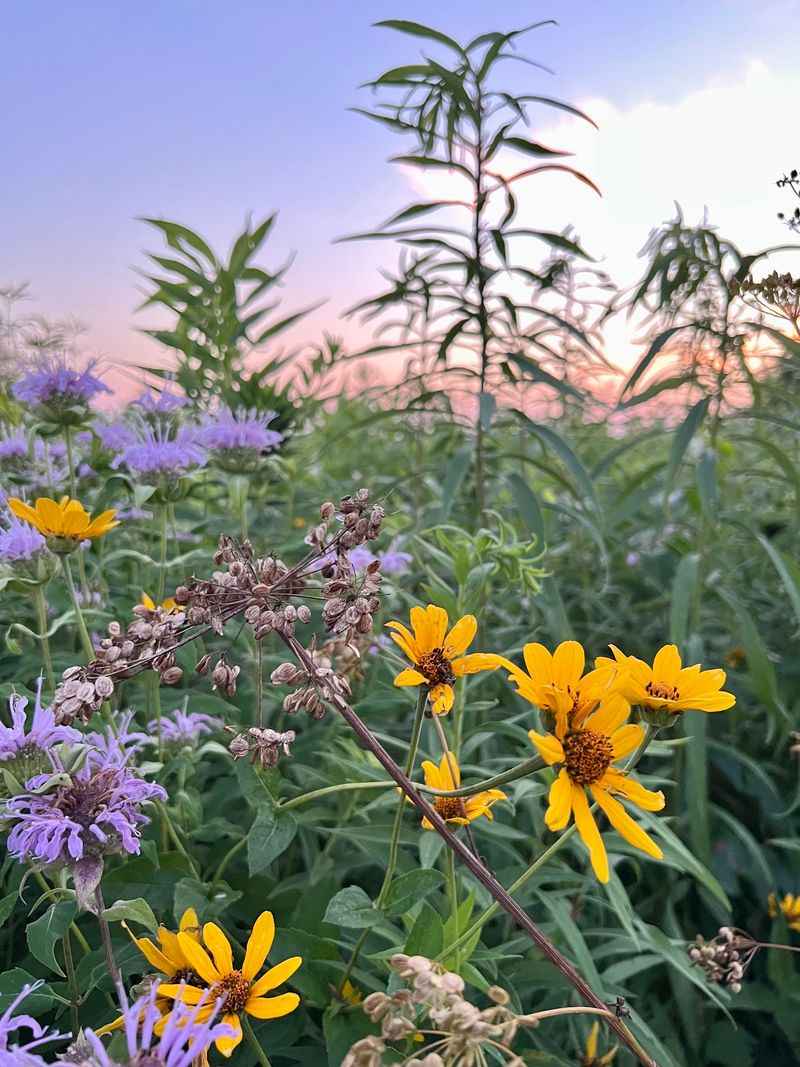
Timing shapes everything about a prairie visit. Big bluestem is a warm-season grass, meaning it sits largely dormant through the cool months and then accelerates through spring and summer as temperatures climb.
Most of its vertical growth happens during July and August, when hot days and warm nights fuel rapid stem elongation. By mid-August, a well-established stand on a moist, fertile site can look dramatically different from the same patch in late May.
Seed heads appear in late summer and persist into fall, making that window the most visually striking period for most visitors. Illinois Extension notes that big bluestem is a late-season plant whose flowering and seed development occur as summer gives way to fall, which aligns with the period when height is also at or near its maximum.
Late August and early September tend to offer a combination of full height, emerging seed heads, and the plant’s characteristic late-season color shift toward bronze and rust.
Some tallgrass sites reach their absolute maximum height a bit later. The National Park Service observes that prairie grasses at a tallgrass preserve grow through summer and can reach their tallest point in late September or October, depending on site conditions and the specific growing season.
Illinois sites follow a similar general pattern, though local soil moisture, rainfall totals, and management timing introduce variation from year to year.
A practical takeaway: plan a late-August or September visit if you want the fullest display, but check with the specific site beforehand. A dry summer can suppress height noticeably, while an unusually wet season can push growth well beyond average.
No calendar date guarantees a specific outcome, and a quick call or email to site managers before you go will give you a much clearer picture than any general guide can offer.
Illinois was mostly prairie, not entirely prairie
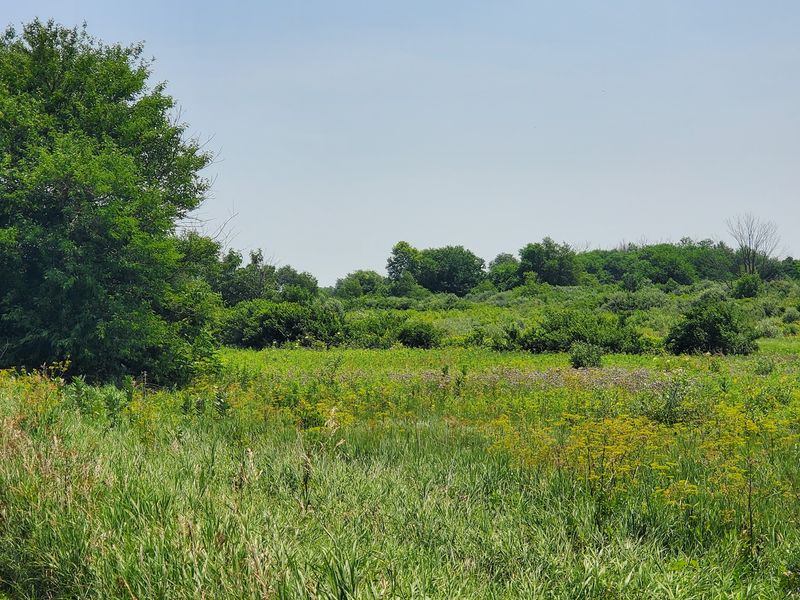
Before European settlement reshaped the land, Illinois held one of the largest concentrations of tallgrass prairie on the continent. The Illinois Natural History Survey estimates that prairie covered more than 60 percent of the state, or roughly 22 million acres, before large-scale cultivation began.
That same source puts the current figure at just over 2,000 acres of original prairie, less than one-hundredth of one percent of the historical total. Those numbers together explain why a walk through even a small restored or remnant prairie carries a weight that goes beyond the sensory experience.
Sixty percent is a striking majority, but it is not the whole state. Illinois also contained extensive oak savannas, where widely spaced trees shaded a ground layer of grasses and forbs.
Forests covered the river bluffs and the southern counties. Wetlands, fens, and floodplain communities occupied low-lying areas throughout the state.
The Illinois Natural History Survey identifies 14 natural divisions across Illinois, each defined by a distinct combination of geology, soils, and plant communities. Prairie was dominant across the central and northern portions of the state, but it was one part of a much more varied landscape.
Describing Illinois as a former sea of grass is an understandable shorthand, and the sheer scale of the original prairie does make the image apt for much of the state’s interior. The problem with taking it literally is that it flattens a landscape that included real ecological diversity.
Forests along the Illinois and Mississippi rivers were significant enough that early travelers used them as landmarks. Savannas graded between open prairie and closed woodland in ways that resisted simple categories.
Understanding that complexity matters for visitors because it explains why prairie restoration looks different in different parts of the state, and why a site in the Shawnee Hills may have a different character from one in the Grand Prairie region of central Illinois. The loss of that original mosaic is what makes any surviving prairie, however small, worth the drive.
A prairie site may be restored, reconstructed, or a remnant
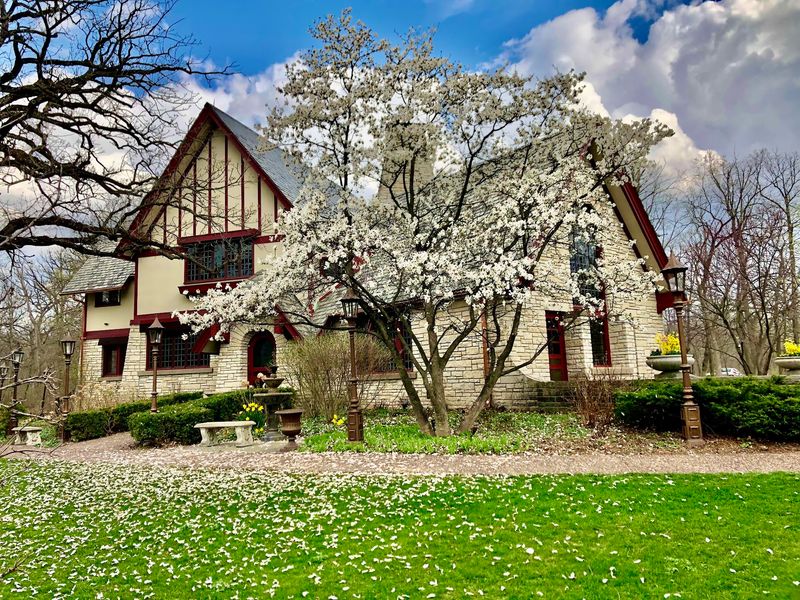
Words like “restored,” “reconstructed,” and “remnant” carry specific meanings in conservation ecology, and using them interchangeably can mislead visitors about what they are actually walking through. An original prairie remnant is a piece of ground that was never plowed, never converted to cropland, and has supported a continuous native plant community since before European settlement.
These sites are extraordinarily scarce in Illinois, and their plant diversity, soil structure, and insect communities reflect centuries of unbroken ecological continuity.
The Illinois Natural History Survey notes that restored sites often contain only a fraction of the plant diversity found in comparable remnants, even when they are seeded with native species and managed carefully. Restoration is valuable and increasingly sophisticated, but it is not the same as finding an untouched piece of the pre-plow landscape.
Soils on former cropland may take decades to recover their original structure, and some insect and microbial communities may never fully return.
That distinction does not diminish what restored prairies offer visitors. The Chicago Botanic Garden describes its Dixon Prairie as a recreation of prairie types formerly common in northeastern Illinois, and it provides a genuinely immersive experience of tallgrass structure and seasonal change.
Morton Arboretum’s Schulenberg Prairie was established partly on former cultivated land and now supports a rich community of native species. Both sites are honest about what they are, and both deliver the visual scale and seasonal drama that draw visitors to tallgrass prairie.
For this article, the featured site’s precise designation remains unverified. Before calling any site “restored,” “reconstructed,” or a “remnant,” a writer needs documentation from the managing agency.
Using the wrong term is not a minor stylistic issue: it tells readers something false about what they are standing in. Until the site is confirmed, the safest approach is to describe it conditionally and encourage readers to check the managing organization’s own language.
Management helps maintain an open grassland
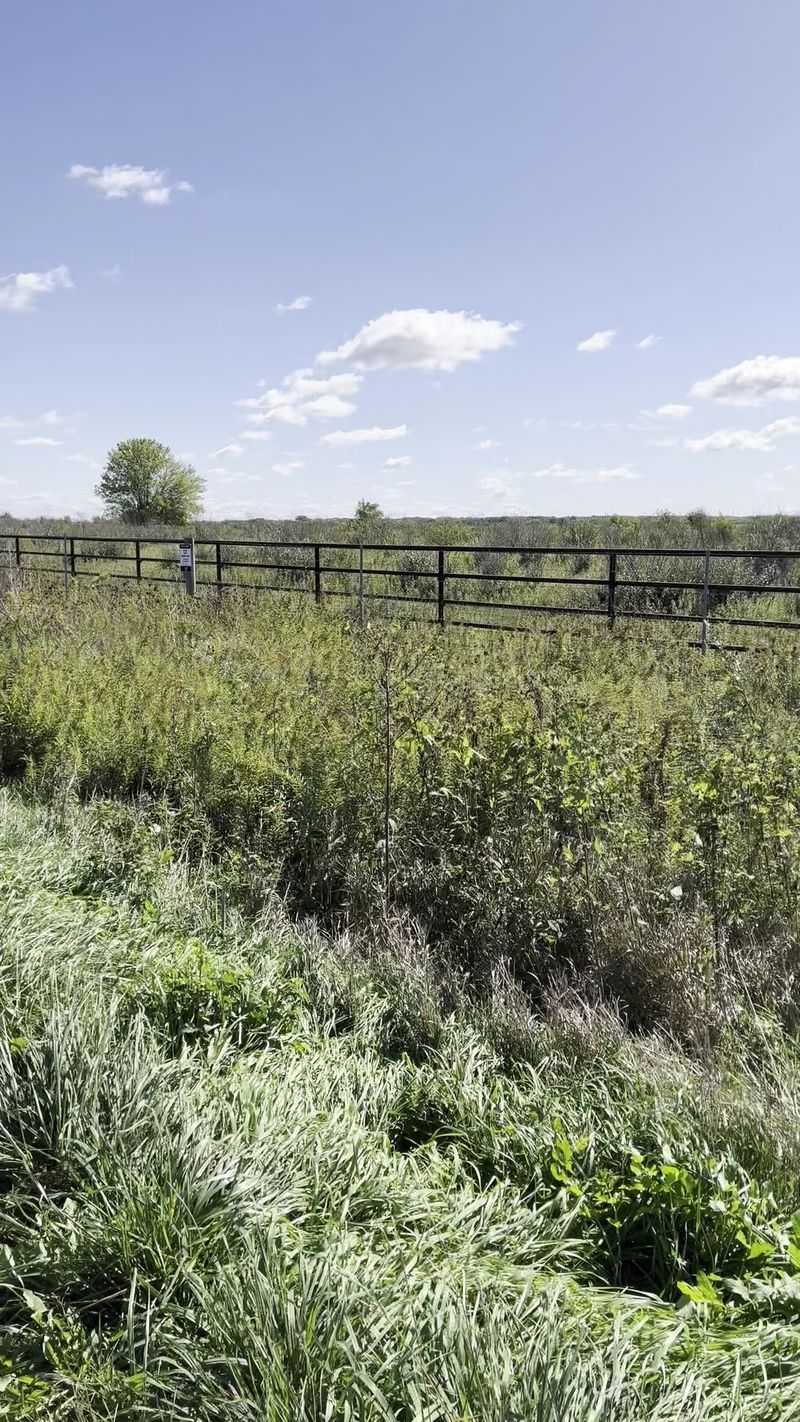
Prairie does not maintain itself passively in Illinois. Without active management, woody plants, including shrubs like gray dogwood and trees like cottonwood and box elder, gradually colonize open grassland and shade out the sun-dependent native species.
The process can be surprisingly fast: a prairie that looks healthy today may show significant shrub encroachment within a decade if management lapses.
Prescribed fire is one of the most commonly used tools for keeping that encroachment in check. The Illinois Department of Natural Resources describes prescribed fire as an important historical and contemporary management tool that mimics the natural and Indigenous-set fires that historically maintained prairie conditions across the Midwest.
Fire kills or top-kills woody stems, returns nutrients to the soil, and stimulates the deep-rooted native grasses that evolved alongside periodic burning. Many prairie managers burn sections of a site on a rotating schedule, so not every unit burns every year.
Prescribed burning is not casual or improvised work. Illinois regulations require a certified prescribed-burn manager on site during burns, and the practice involves detailed planning around weather windows, fuel moisture, wind direction, and containment lines.
Safety procedures protect both the surrounding landscape and the personnel conducting the burn. Visitors who arrive at a site during or shortly after a burn may find access temporarily restricted, which is another reason to check current conditions before making the trip.
Fire is also not the only management tool in use. Mechanical removal of woody plants, targeted herbicide application, and hand-pulling of invasive species all play roles at different sites and in different circumstances.
Some preserves use grazing as well. The right combination depends on the site’s history, resources, and management goals, so no single method applies universally across Illinois prairie preserves.
Plan the walk around rules and prairie conditions
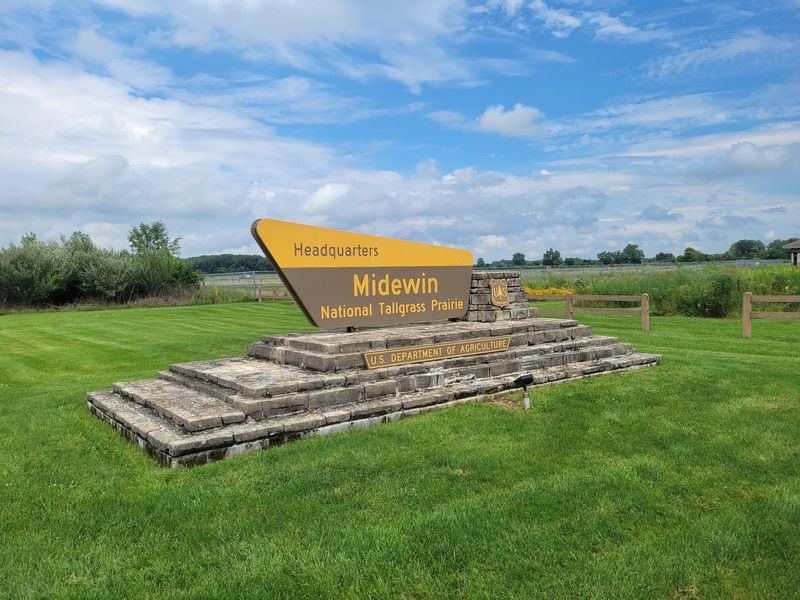
A prairie walk in late summer is genuinely rewarding, and a little preparation makes it safer and more comfortable. Illinois DNR recommends staying on designated trails, carrying water on longer hikes, and wearing appropriate footwear for uneven natural surfaces.
Sturdy closed-toe shoes or hiking boots handle the transition between mowed paths and rougher ground much better than sandals or casual sneakers. Tall grass holds moisture, so even a dry day can leave boots damp if you wander off the maintained trail.
Ticks are a genuine concern in late-summer prairie. CDC guidance recommends walking in the center of trails, using EPA-registered repellents on exposed skin, and considering permethrin-treated clothing or gear for added protection.
After returning to your car, check your clothing, body, pets, and equipment carefully. Ticks can be very small and easy to miss, so a thorough check in good light is worth the few extra minutes it takes.
Every Illinois prairie site has its own rules, and those rules can change with the season. Hours, trail access, dog policies, prescribed-burn closures, and hunting seasons all vary by preserve and by time of year.
As one example, Nachusa Grasslands permits hiking in designated units but prohibits entry into its fenced bison area. Treating any named site’s rules as a template for another site is a mistake that can lead to real problems, from an uncomfortable encounter with livestock to a visit during a closed burn window.
Some preserves restrict dogs entirely because of the sensitivity of their natural resources. Others allow leashed pets on certain trails only.
Lockport Prairie, for instance, does not permit dogs on site. Confirming the current policy directly with the managing organization before you arrive will save you from turning around at the trailhead.
A quick check of the preserve’s website or a phone call to the managing agency is the most reliable way to get current, site-specific information.
The view is a living approximation of the past
Standing beside a mature stand of big bluestem in late summer does something that a photograph cannot fully replicate. The scale registers differently in person: the stems rise past your shoulders, the seed heads nod above your line of sight, and the ambient sound shifts as wind moves through the grass around you.
For a few minutes, the prairie loss documented by the Illinois Natural History Survey becomes easier to feel than to calculate. Those 22 million original acres were not an abstraction; they were a physical environment, and a fragment of that environment is still perceivable at carefully managed sites across the state.
The experience is real, but it is also conditional. Height varies by site, season, rainfall, and management.
A restored prairie approximates historical tallgrass structurally without being identical to it, and an honest visit acknowledges that difference rather than papering over it. The grass is tall, the roots go deep, and the landscape has been carefully tended back toward something that once covered most of the state.
That is genuinely worth seeing.
Before you go, confirm the preserve’s name, acreage, trail access, and current seasonal conditions with the managing agency. Stay on designated trails, check for ticks afterward, and let the site’s own documentation tell you what category of prairie you are standing in.
The most memorable thing about a late-summer prairie walk may be the simplest: the moment you realize the grass has grown past the top of your head and the horizon has disappeared behind it.