
This Illinois River Is Ideal For A Laid-Back Kayak Trip
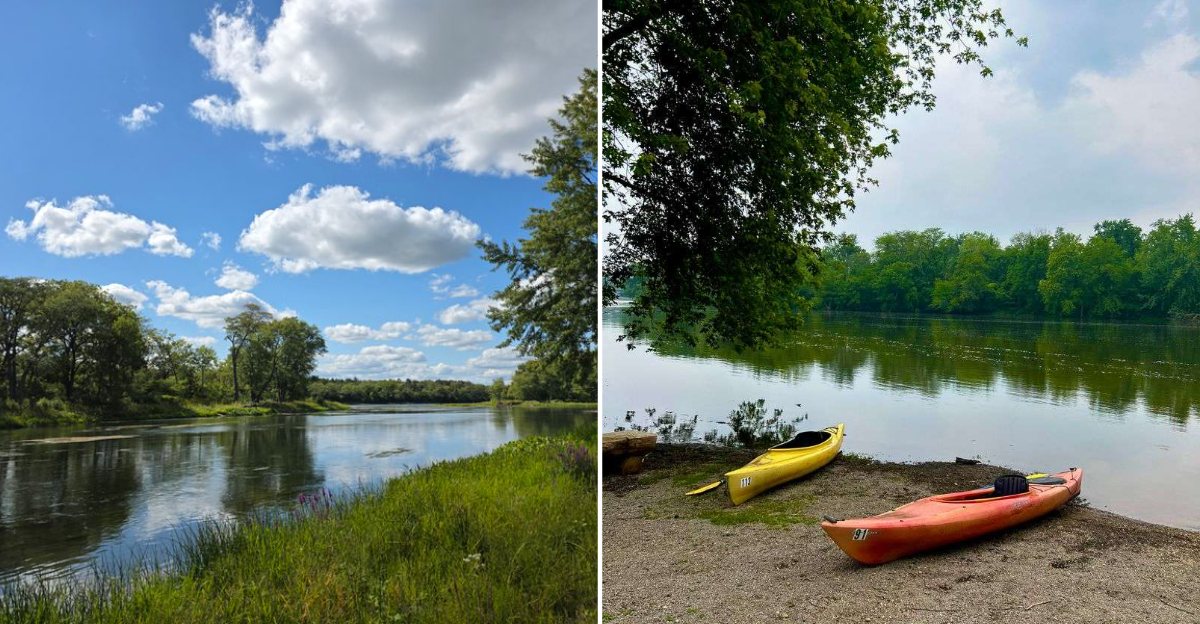
I still remember the first time I dipped my paddle into this river, the blade slipping quietly beneath the surface as the current pulled me forward almost before I was ready.
The limestone bluffs rose slowly along the shoreline, pale and weathered, while tall trees leaned over the water as if curious about the lone kayaker passing below.
In this part of Illinois, the river moves with an unhurried confidence, carving through 11 miles of protected parkland where traffic noise fades and the rhythm of paddling takes over. I found myself settling into that rhythm within minutes, letting the gentle push of water set the pace.
The surrounding forest stretched across thousands of acres, and with every bend, the scenery shifted just enough to keep me looking up instead of at my watch.
Eleven Miles Of Uninterrupted Natural Beauty
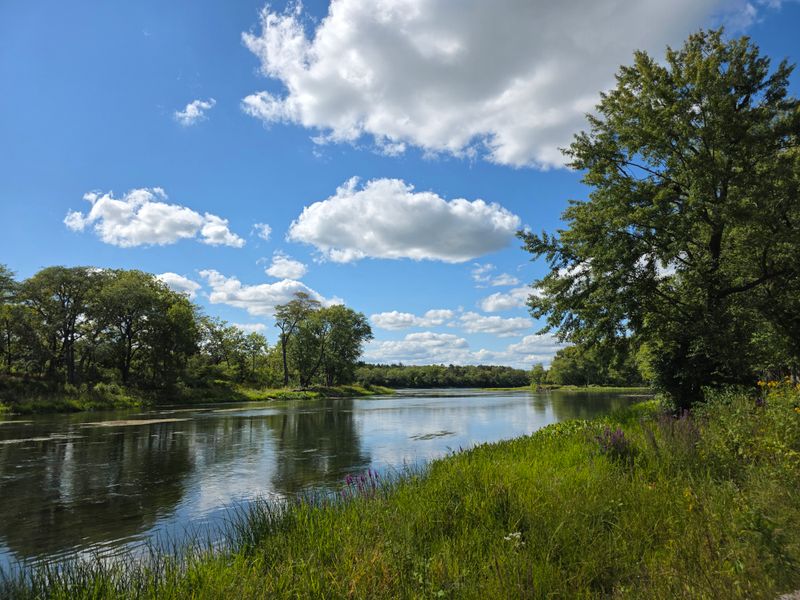
Paddling through 4,000 acres of protected land means you won’t encounter strip malls, parking lots, or roadside billboards interrupting your view. The park protects both sides of the river for about 11 miles, creating long wooded stretches where natural scenery dominates much of the paddling experience.
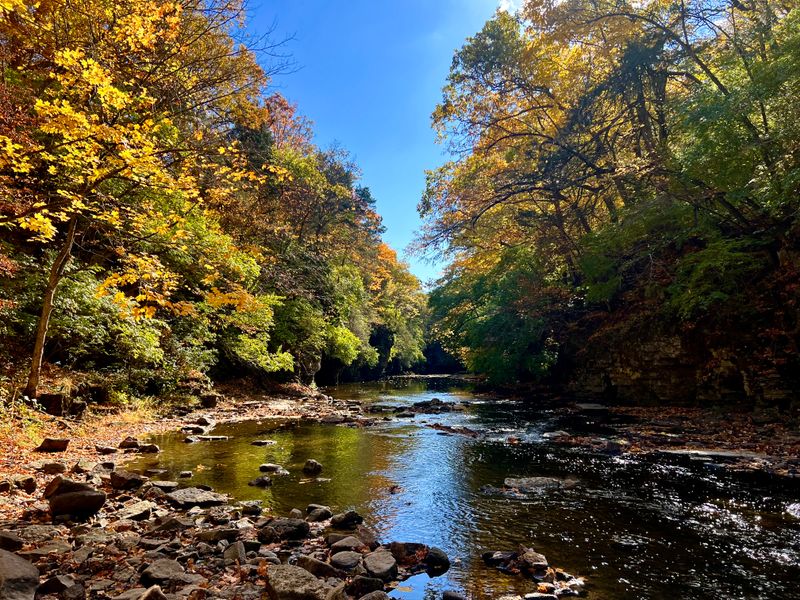
During autumn, the fully grown trees that reviewers rave about transform into a canopy of reds, oranges, and yellows that reflect off the water’s surface. I’ve paddled this stretch in October and felt like I was moving through a painting, with every bend revealing a new composition of color and light.
Spring brings different magic as wildflowers carpet the riverbanks and migratory birds use the corridor as a highway.
Summer offers the deepest shade when those towering trees create natural cooling tunnels over the water, and winter transforms the landscape into a stark, quiet beauty that few paddlers brave but those who do never forget.
The limestone bluffs rising along certain sections add geological interest to your journey. These ancient rock formations tell stories millions of years old, their layered faces showing the slow work of water and time.
A River Built For Beginners And Experts Alike
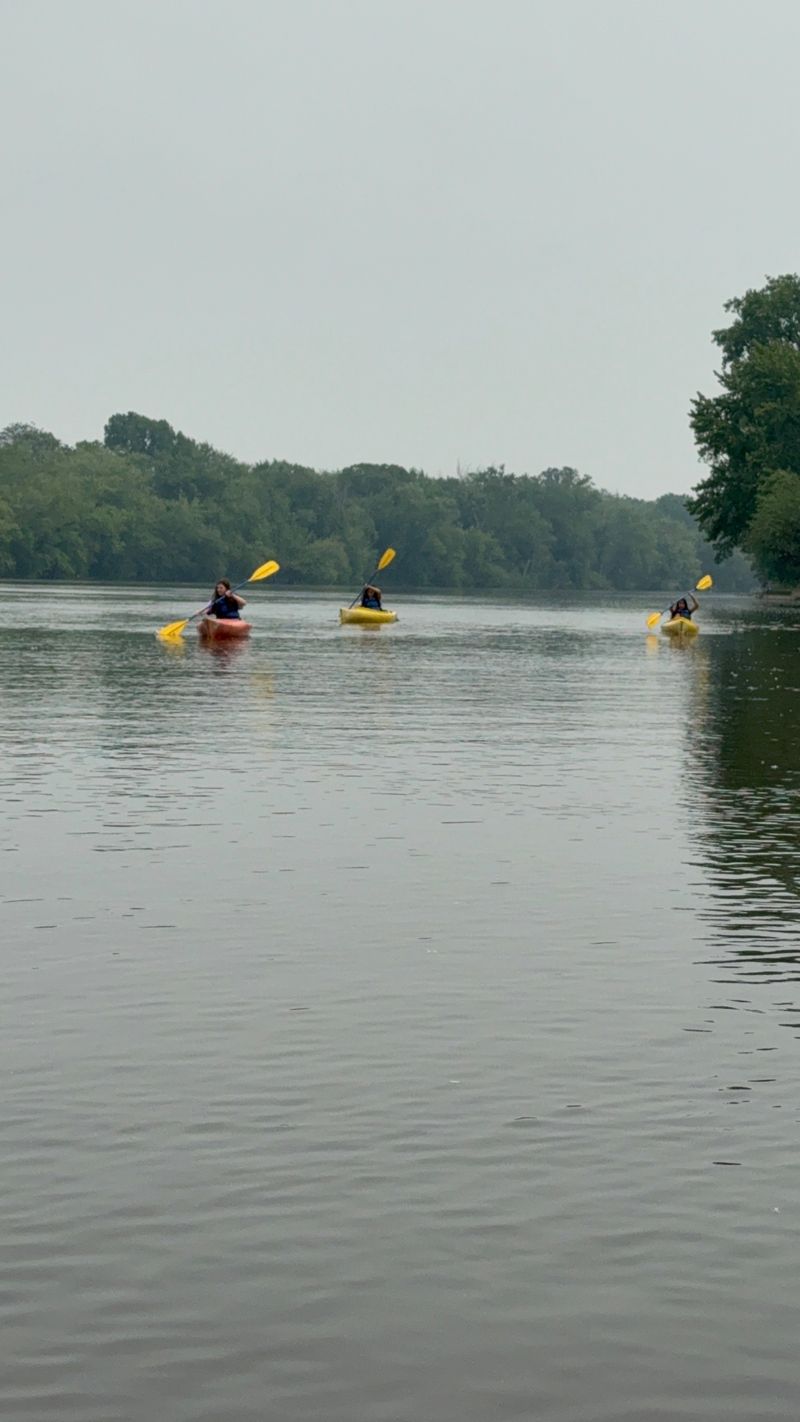
The Kankakee River earned its reputation as a beginner-friendly waterway for good reason. Its gentle current moves you along without demanding constant attention or advanced paddling skills, making it perfect for families with kids or anyone trying kayaking for the first time.
I’ve watched countless first-timers launch from the park’s access points with nervous excitement, only to find themselves grinning within minutes as they realize how manageable the water feels.
The river’s width gives you plenty of room to correct course if you drift, though water levels and sandbars can vary by season and rainfall, so it’s wise to check conditions before launching.
Experienced paddlers appreciate this river too, though for different reasons. The predictable conditions let you focus on wildlife watching, photography, or simply enjoying the scenery without fighting the water.
During my visits, I’ve seen solo kayakers meditating mid-river and groups practicing their strokes in the wider sections.
The park offers several river access areas, including boat ramps at Warner Bridge Day Use Area and the Area 9 launch, allowing you to customize trip length based on time and experience. Rangers at the park office can suggest routes matching your skill level and available time.
Wildlife Watching From Your Kayak Seat
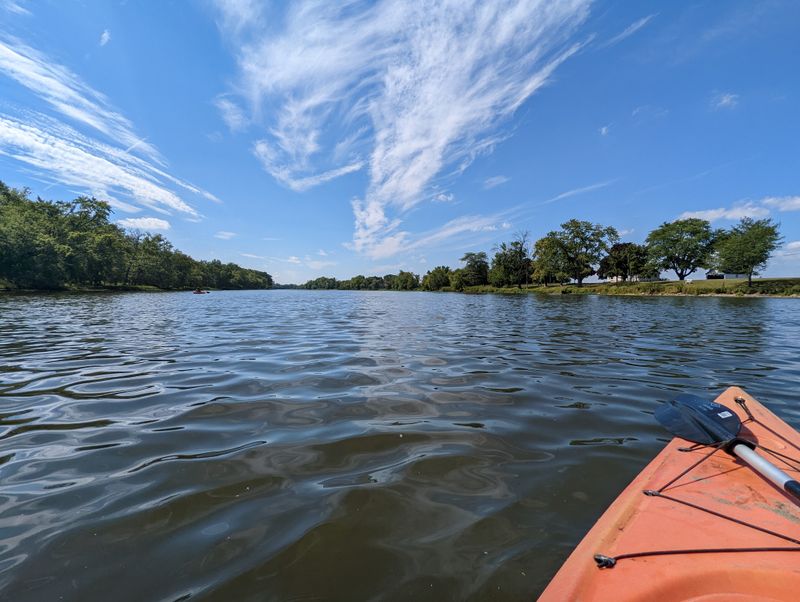
Your kayak becomes a floating wildlife blind on the Kankakee River. Animals tolerate the quiet approach of a paddler far better than hikers crashing through underbrush, giving you front-row seats to behaviors you’d never witness from shore.
Great blue herons hunt the shallows with patient focus, freezing mid-step when they spot movement beneath the surface. I’ve drifted within ten feet of these prehistoric-looking birds without spooking them, close enough to see individual feathers and the intense concentration in their eyes.
Turtles pile onto every available log for sunbathing sessions, sometimes stacking three deep in their quest for prime spots. Deer approach the water’s edge for drinks during early morning and late afternoon paddles, their heads jerking up at your approach but often holding their ground if you move slowly.
Beavers maintain lodges along quieter sections, and you’ll spot their engineering projects in the form of gnawed tree stumps and small dams. Kingfishers announce your presence with rattling calls as they relocate from branch to branch ahead of you.
The park’s diverse habitat supports a wide variety of birdlife throughout the year, making it a favorite destination for birders who bring waterproof field guides and binoculars in dry bags.
Multiple Access Points For Custom Adventures
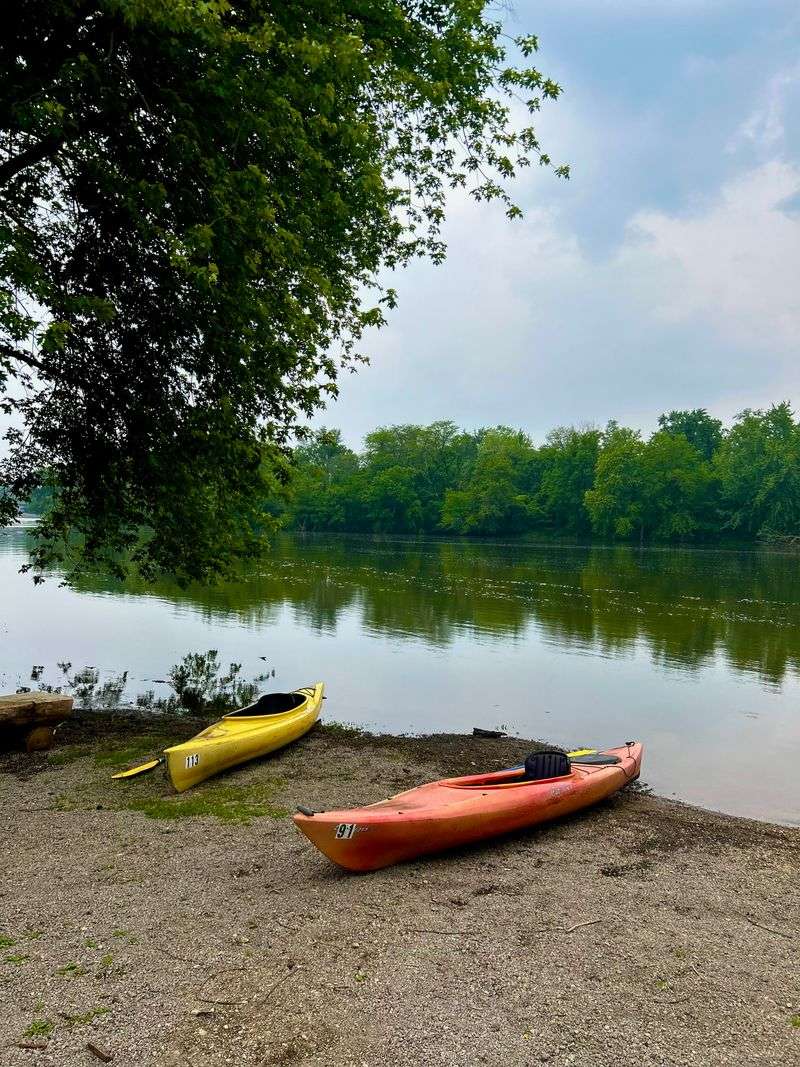
The park planners understood that not everyone wants the same river experience. Multiple launch points along the 11-mile stretch let you design trips matching your schedule, fitness level, and ambitions for the day.
I’ve used the northern access for quick two-hour paddles when time was tight, launching after work and catching the golden hour light on the water. Other days, I’ve started at the southern end for longer journeys that consumed entire afternoons and left my arms pleasantly tired.
Major access areas include parking, and some feature basic facilities like restrooms and picnic areas. The park website and office staff provide maps showing distances between points, typical paddling times, and current conditions that might affect your plans.
Private outfitters operate shuttle services during peak season if you want to paddle one-way without backtracking. Local outfitters also offer rental equipment and transportation, handling the logistics so you can focus on enjoying the water.
The flexibility extends to group outings too. Families with mixed abilities can choose shorter sections, while adventure-seeking friends can tackle the full distance.
I’ve seen Scout troops, church groups, and birthday parties all finding their perfect stretch of river within the park boundaries.
The Famous Suspension Bridge Views
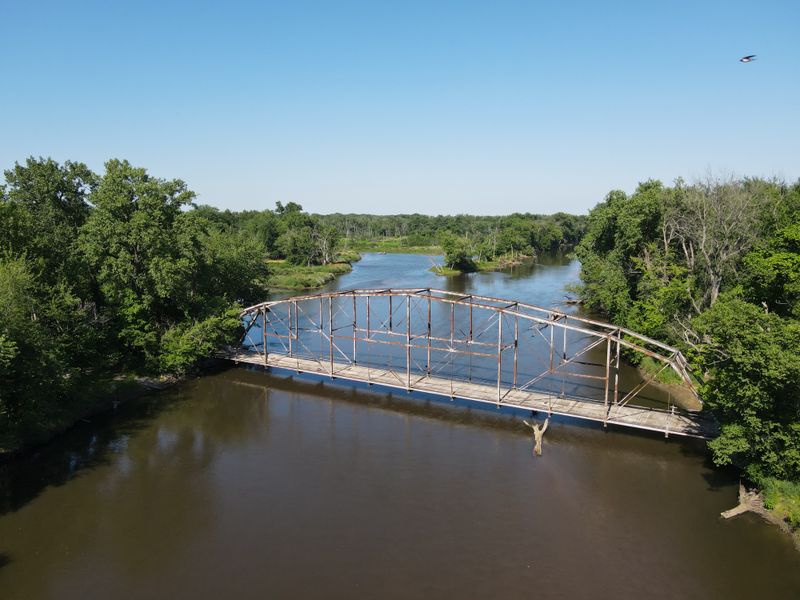
Paddling beneath the park’s suspension bridge creates one of those memorable moments that defines a trip. The park’s Rock Creek Suspension Bridge spans the Rock Creek gorge, its cables and wooden deck framing the sky above while casting shifting shadows on the water and canyon below.
From your kayak, you gain a unique perspective that land-based visitors never experience. Looking up through the bridge’s framework creates geometric patterns against the clouds, and the acoustics change noticeably as you pass underneath, your paddle strokes echoing differently in the enclosed space.
Many paddlers time their trips to include a bridge stop, beaching their kayaks on the rocky shoreline to climb up and see the river from above. The view from the deck shows the water’s path through the forest, revealing bends and features you couldn’t see from water level.
Reviewers consistently mention this bridge as their favorite park feature, and I understand why. It serves as a landmark dividing your journey into before and after, a physical marker of progress that also offers a chance to rest, stretch, and appreciate how far you’ve traveled.
The area beneath and around the bridge has become a popular gathering spot where paddlers share stories, compare notes on river conditions, and sometimes share snacks before continuing their journeys.
Perfect Water Conditions Year-Round
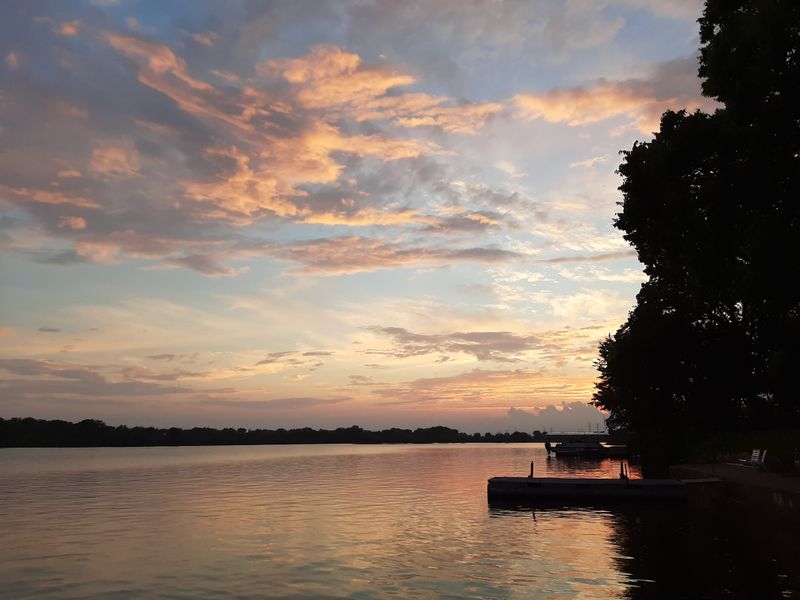
While the Kankakee is often paddleable through much of the main season, water levels can rise quickly after heavy rain and may drop during dry periods, so checking conditions is essential.
Its watershed and flow patterns create remarkable consistency that trip planners appreciate when booking adventures weeks or months ahead.
Summer brings the warmest water temperatures and longest daylight hours, making it the most popular season for family outings. Water depth is generally suitable for paddling in the main season, though shallow stretches can appear during low water and currents may move faster after storms.
Spring sees higher water levels from snowmelt and rain, which speeds up the current slightly but rarely reaches unsafe conditions. I’ve paddled in April when the water moved noticeably faster, cutting my usual three-hour trip to just over two hours without any additional effort.
Fall offers the most spectacular scenery with those famous tree colors, plus cooler temperatures that make physical activity more comfortable. The water remains warm enough for accidental splashes without causing shock, though I always recommend layering appropriately for the air temperature.
Even winter paddling is possible during mild stretches, though you’ll need proper cold-water safety gear and should check with park rangers about current conditions and ice formation.
Camping Options That Extend Your River Time
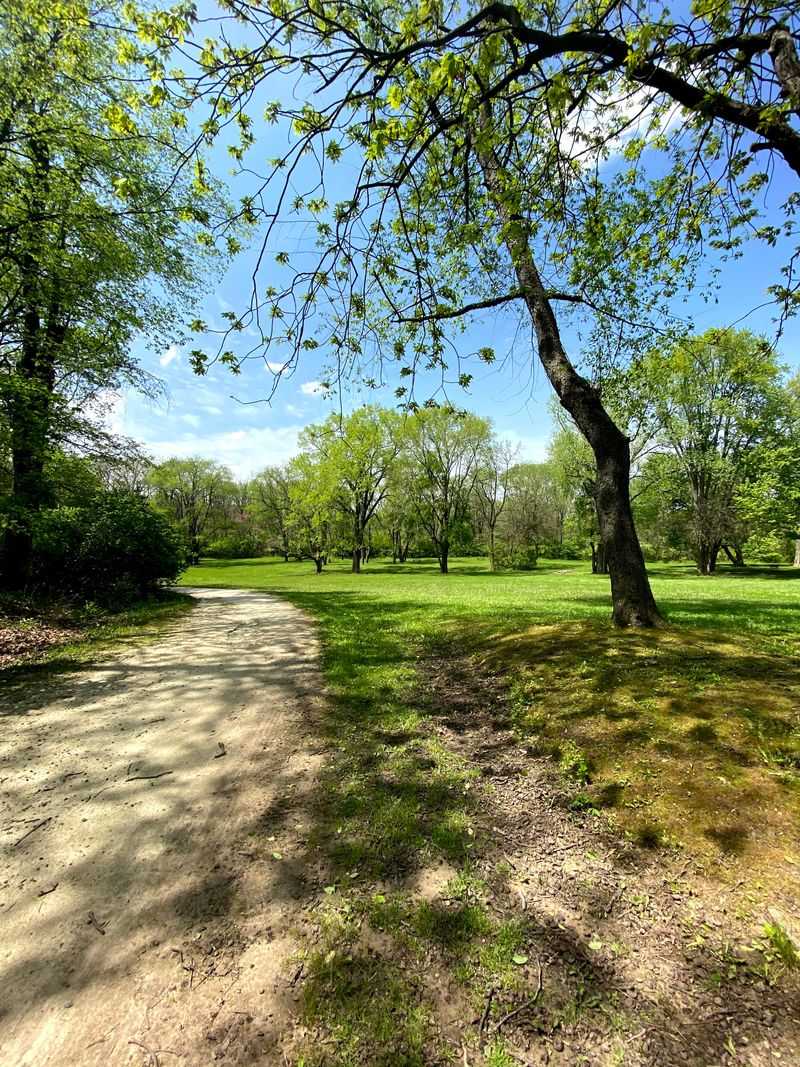
Why limit yourself to a few hours on the water when you can wake up beside the river and fall asleep to its sounds? The Potawatomi Camp area receives glowing reviews for good reason, offering well-maintained sites that let you build a full weekend around your paddling adventures.
I’ve stayed here multiple times and always appreciate the wooded separation between sites that creates privacy without isolation. You hear neighboring campers but don’t feel like you’re sharing their living room, a balance that many campgrounds fail to achieve.
The shower houses stay clean and functional, with hot water that feels amazing after a long day on the river. Flush toilets, electrical hookups for RVs, and level tent pads show attention to camper comfort that distinguishes this park from more primitive options.
Multiple campgrounds within the park boundaries offer different experiences. Some sit directly along the river for maximum water access, while others nestle deeper in the woods for those seeking more seclusion.
All connect to the trail system that winds through the park.
Reservations fill quickly during peak season, especially for riverside sites and holiday weekends. The park website handles bookings, and rangers recommend securing spots at least a month ahead for summer camping.
Trail Systems For Land-Based Exploration
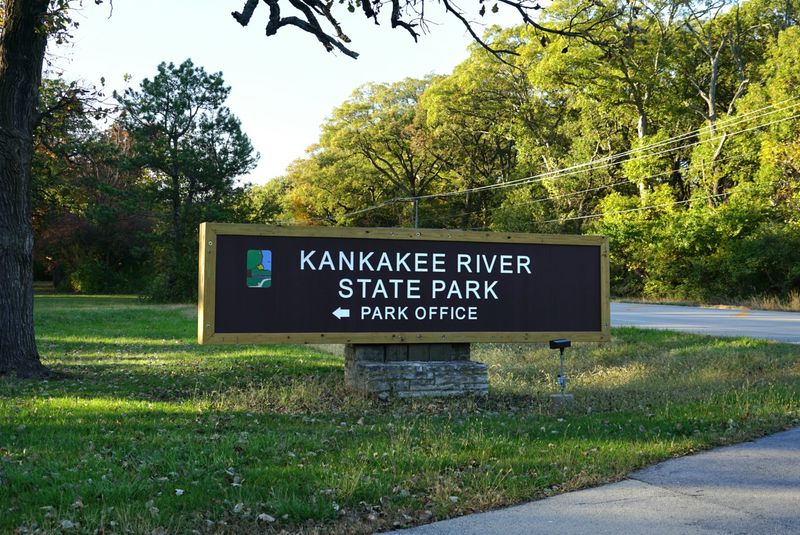
Your river adventure doesn’t have to end when you beach your kayak. The park maintains an extensive trail network that showcases different perspectives on the same landscape you just paddled through, including the mix of paved and gravel paths that reviewers mention with enthusiasm.
The bike trails follow the river’s course, offering riders views of the water from elevated vantage points. I’ve cycled these paths after morning paddle sessions, enjoying how the changed perspective revealed features
I’d missed from water level, like the way certain trees lean toward the river or how the bluffs rise more dramatically than they appear from below.
Hiking trails branch into the forest interior, leading to overlooks, historical sites, and quiet spots perfect for wildlife watching. These paths range from easy walks suitable for young children to more challenging routes that climb the bluffs for panoramic views.
The trail system connects to parks in nearby towns, extending your exploration options if you have time and energy for longer adventures. Local cyclists use these connections for training rides and touring routes that showcase the broader region.
Trail maps are available at the park office and online, showing difficulty levels, distances, and points of interest. Many visitors combine paddling and hiking into full-day or weekend itineraries that exercise different muscle groups.
Family-Friendly Features That Welcome Everyone
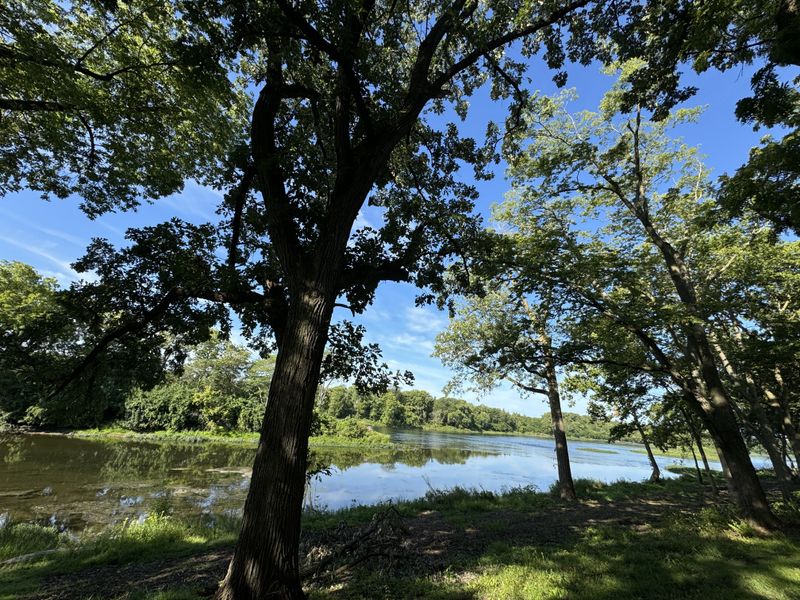
Parks and playgrounds dot the riverside, creating spots where families can take breaks, let kids burn energy, and enjoy meals without requiring everyone to stay in kayaks for hours.
These thoughtful additions transform the park from a single-activity destination into a place where different family members find their own fun.
Swing sets and play structures give younger children alternatives when their attention spans for paddling run out. I’ve watched parents rotate through activities, with one adult supervising water play while another pushes swings, then switching roles to keep everyone engaged and happy.
Pavilions offer shaded gathering spaces for group meals and celebrations. Several reviewers mention using the park for birthday parties and family reunions, taking advantage of facilities that accommodate crowds while maintaining that natural setting.
The pet-friendly policies mean your dog can join the adventure, whether riding in your kayak or exploring the trails alongside your campsite. Clean, well-maintained restroom facilities throughout the park eliminate the anxiety parents feel about bathroom emergencies with young children.
Accessibility features at launch points and along certain trails welcome visitors with mobility challenges. The park staff can provide information about which areas offer the easiest access for wheelchairs, strollers, and other adaptive equipment.
Practical Tips For Your Visit
Planning makes the difference between a good river trip and a great one. Start by calling the park office at 815-933-1383 or checking their website for current conditions, especially after heavy rains that might affect water levels and clarity.
Arrive early during summer weekends when parking fills quickly at popular launch points. I’ve learned to target weekday visits or to show up before 9 AM on Saturdays to secure prime spots and enjoy quieter water before afternoon crowds arrive.
Pack sun protection even on cloudy days, as the water reflects UV rays and you’ll spend hours exposed without shade. Bring more water than you think you’ll need, securing bottles in your kayak where they won’t roll around but remain easily accessible.
Waterproof bags protect phones, keys, and snacks from inevitable splashes. I’ve watched too many people learn this lesson the hard way, fishing soggy belongings from the river bottom after a tipsy moment.
Illinois state parks generally do not charge an entrance fee, though camping and certain amenities require payment. Camping reservations and site fees apply, and frequent visitors often plan ahead for peak-season availability.
Local outfitters in the greater Kankakee area rent equipment and provide shuttle services to and from park access points.