
This Illinois Town Is The Home To The World’s Largest Monopoly Game
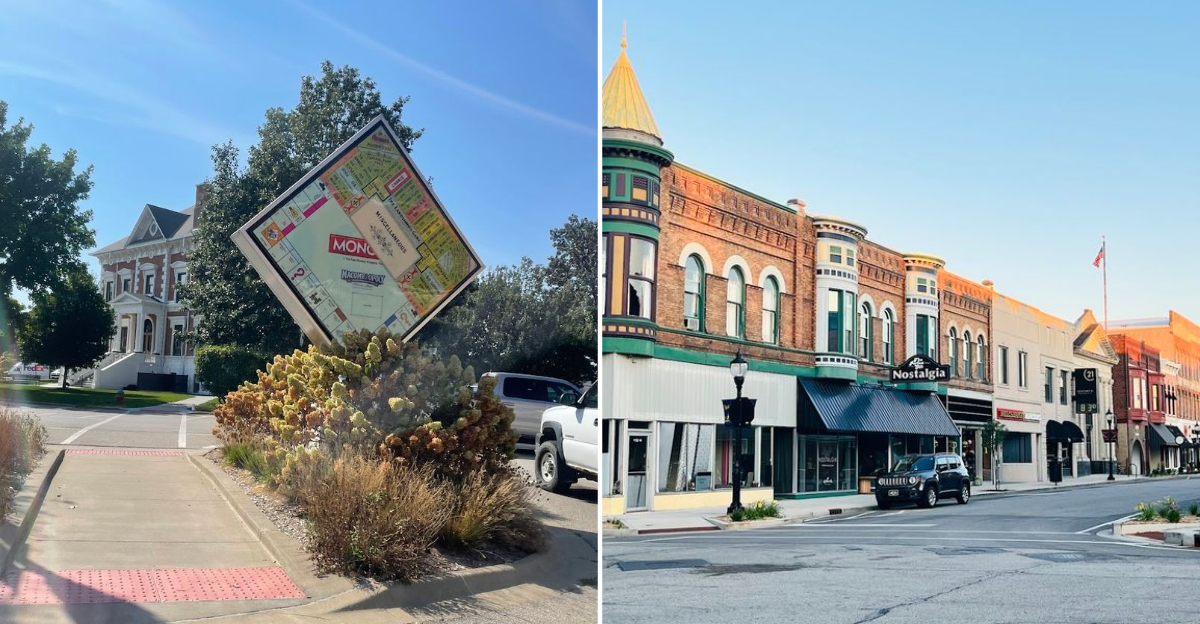
In western Illinois, there’s a small city with a surprisingly cool connection to one of the most famous board games ever made. It’s home to Western Illinois University, a classic courthouse square, and a bit of history that traces back to Lizzie Magie, the creator of the game that eventually became Monopoly.
What really makes people pause is a large, walkable Monopoly-style board added in 2024, built right into the downtown area and inspired by local places. It turns something familiar into something you can actually step into.
It’s the kind of place that doesn’t look flashy at first, but once you learn the story, it sticks with you. For a small Illinois city, that’s a pretty memorable claim to fame.
The World’s Largest Monopoly Game
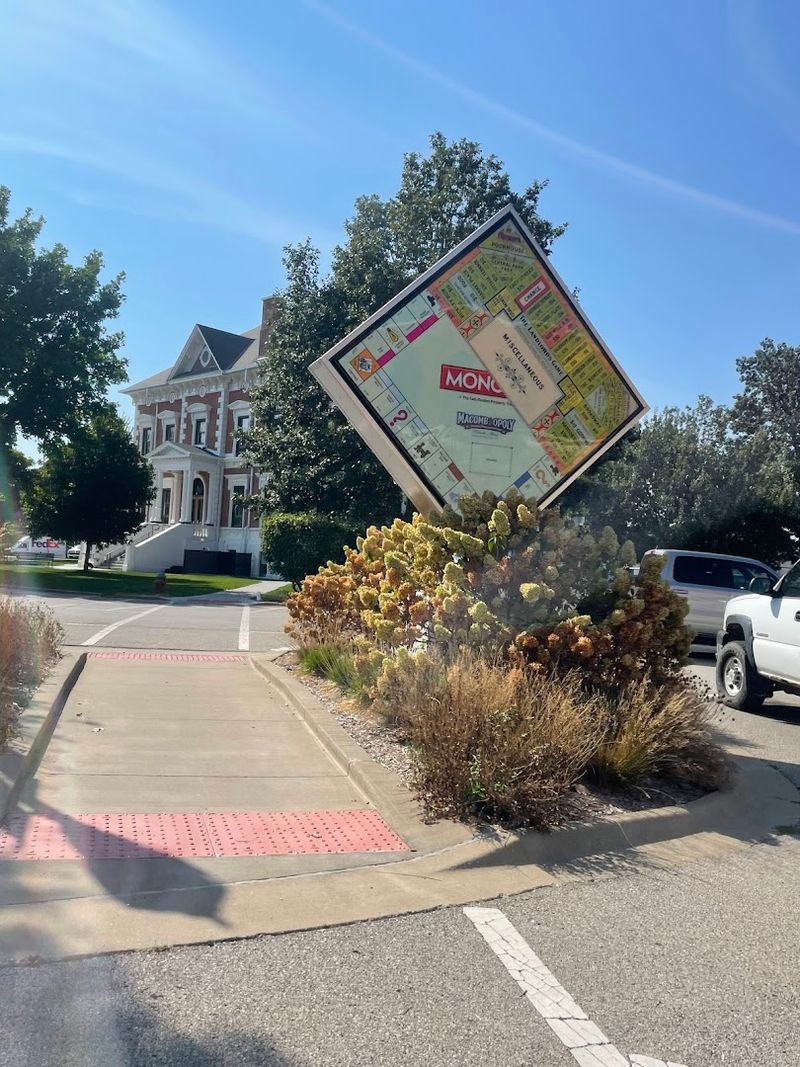
Macomb’s connection to Monopoly comes from its ties to Lizzie Magie, who was born in the city in 1866 and created The Landlord’s Game, widely recognized as the precursor to Monopoly.
Building on that history, the city introduced “Macombopoly” in 2024, an oversized, walkable Monopoly-style board installed around the downtown square that highlights local landmarks and businesses.
The project was developed through collaboration between local organizations, tourism officials, and community members, turning the classic board game concept into a public attraction rooted in Macomb’s own story.
Rather than a temporary stunt or record-setting event, it is a permanent installation designed to celebrate both local history and community identity.
What makes this especially notable is that it brings a globally recognized game back to one of its historical roots, right in a small Midwestern city. Macomb’s version stands out not because of a past record claim, but because it connects a widely known cultural icon to a specific place and its history.
Western Illinois University Anchors The City
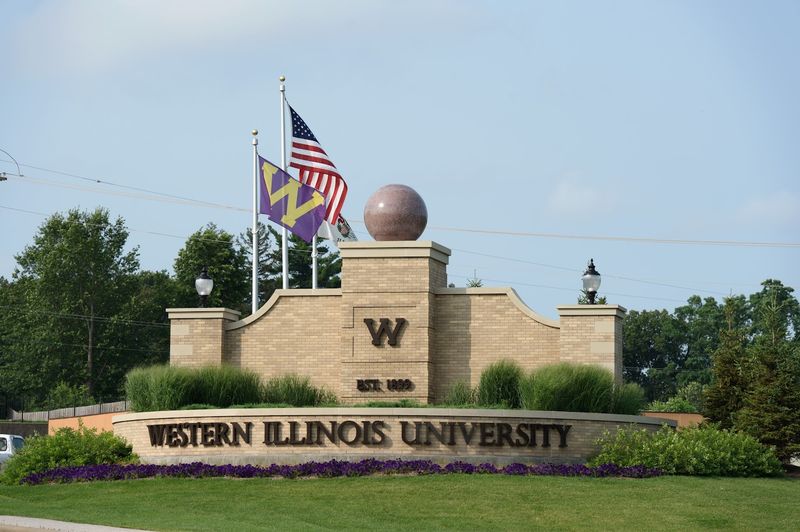
A university town has a certain kind of energy that is hard to replicate anywhere else. Western Illinois University, founded in 1899, sits right in Macomb and gives the city its distinct rhythm of activity, culture, and youthful momentum.
With several thousand students enrolled, the campus continues to play a central role in the life of the community.
The university offers programs in education, business, fine arts, and sciences, drawing students from across Illinois and beyond. Campus events, athletic competitions, and performing arts shows keep the calendar full throughout the academic year, giving residents plenty of reasons to get out and get involved.
Beyond academics, WIU contributes significantly to the local economy and shapes the character of Macomb in ways that go far beyond classroom walls. The relationship between the university and the city is genuinely intertwined.
Spend a day walking the campus and you quickly understand why this institution is considered the backbone of everything that makes Macomb tick.
County Seat Of McDonough County
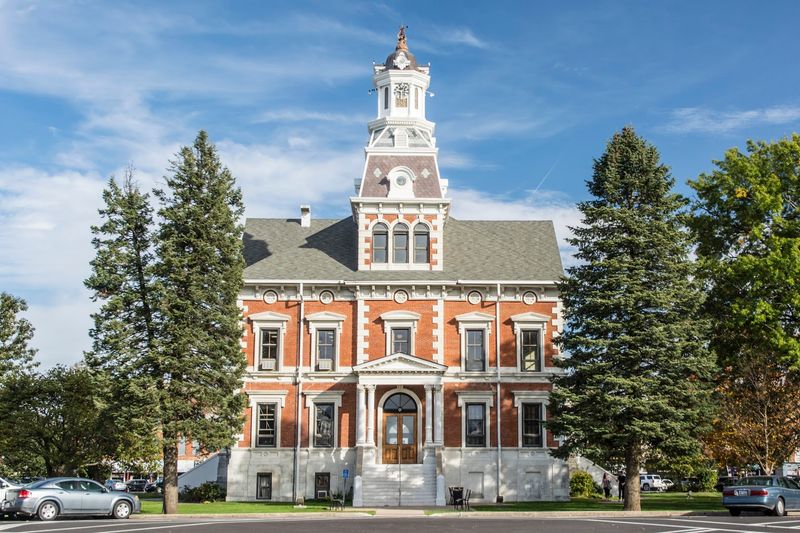
Serving as the county seat of McDonough County means Macomb carries a certain civic weight that shapes its identity.
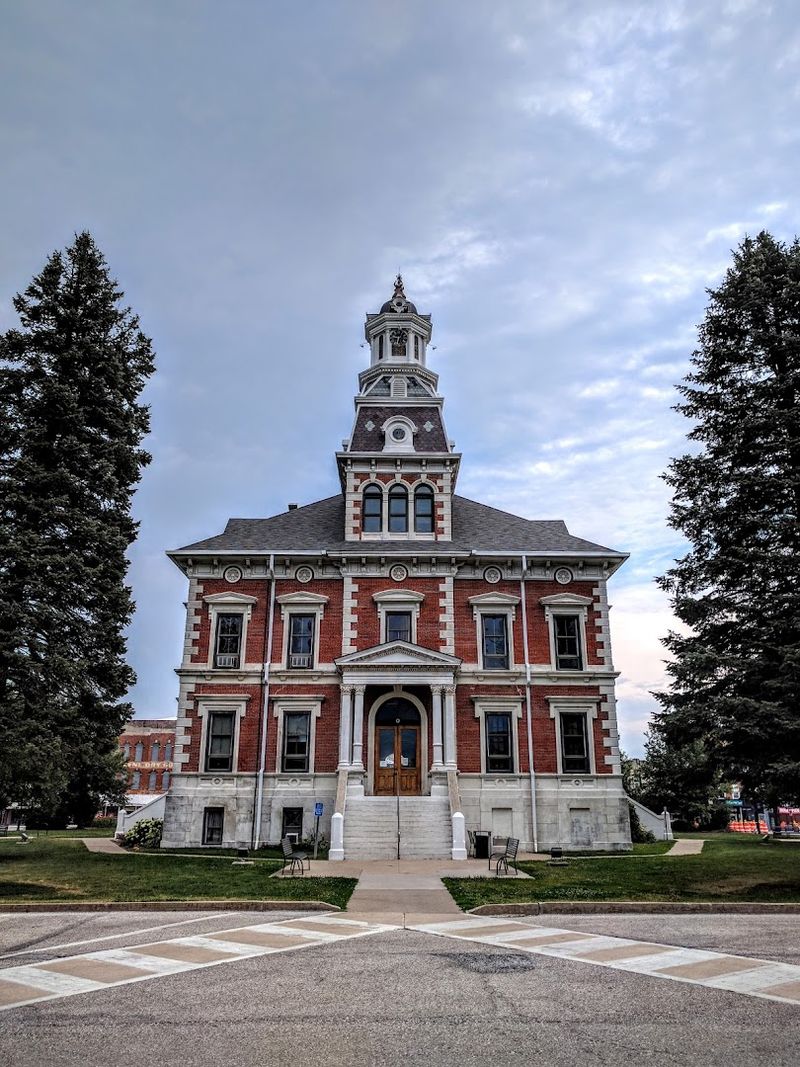
The McDonough County Courthouse stands at the center of the city square, an architectural reminder of the region’s long history and the role Macomb has played in local government for well over a century.
The courthouse square itself is a focal point for the community, surrounded by local businesses, restaurants, and gathering spaces that give downtown Macomb a genuinely walkable, small-town feel. Seasonal events often take place in and around the downtown area, while the local farmers market is held nearby in Chandler Park.
There is something grounding about a city that still organizes itself around a central square. It signals a place that values community, tradition, and the idea that public life matters.
Macomb wears its county seat status with quiet pride, and the energy around that courthouse square is the clearest proof of it.
Location In Western Illinois
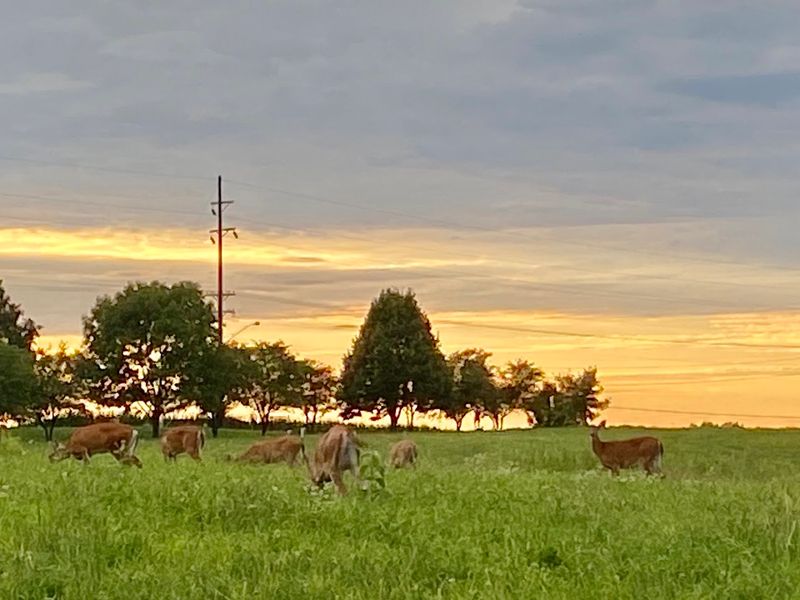
Positioned about 75 miles southwest of Peoria, Macomb sits in the broad, flat landscape of western Illinois where corn and soybean fields stretch as far as the eye can see.
The geography here is quintessential Midwest, open and honest, with big skies and wide roads that make the drive in feel like a genuine escape from urban noise.
That location also puts Macomb within reasonable driving distance of several larger cities, including the Quad Cities to the north and Springfield to the southeast.
This makes it accessible without feeling like it has been swallowed up by suburban sprawl. The city maintains its own distinct character precisely because of that buffer of open land around it.
Visitors who appreciate the slower pace of rural Midwest life will find Macomb’s setting refreshing rather than remote. The landscape itself tells a story of agricultural heritage, seasonal change, and the kind of quiet beauty that only reveals itself when you slow down long enough to actually look around.
Population And Community Size
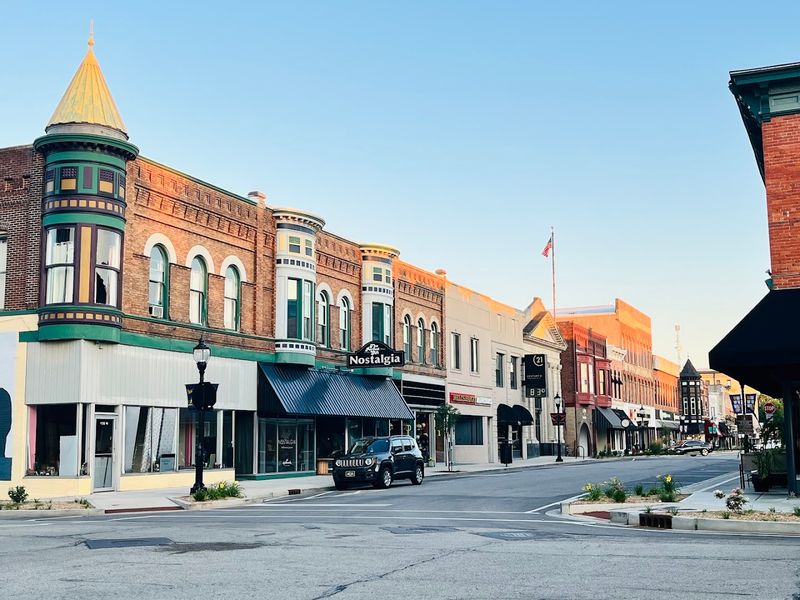
As of the 2020 census, Macomb had a population of 15,051 people, making it a genuinely small city by most standards. That size creates a particular kind of social fabric where familiar faces are common, neighbors actually know each other, and the sense of community feels real rather than performative.
Small cities like Macomb often get overlooked in favor of larger urban centers, but there is a lot to be said for a place where the local coffee shop owner knows your name and the park is never too crowded. Life here moves at a pace that many people actively seek out after years of city living.
The population also benefits from the steady presence of university students, which keeps the demographic mix dynamic and prevents the city from feeling stagnant. Young people bring fresh ideas, creative energy, and a willingness to try new things.
That combination of long-time residents and rotating student population gives Macomb a layered, interesting social texture that surprises many first-time visitors.
A History Rooted In The 19th Century
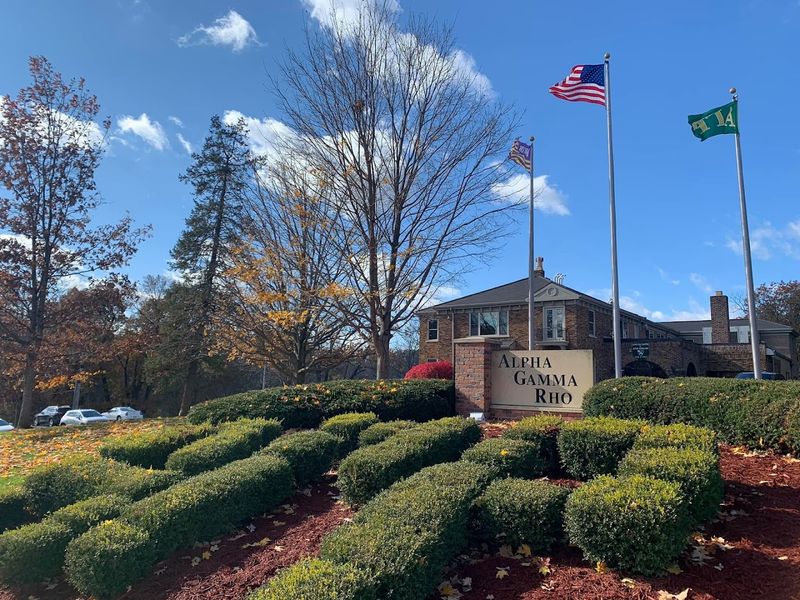
Macomb was founded in 1830, giving the city a history that spans nearly two centuries. Named after General Alexander Macomb, a hero of the War of 1812, the city carries that military namesake with understated dignity.
Most residents know the name, even if the full story behind it does not come up in everyday conversation. The 19th century brought rapid growth to the region as settlers moved west and agriculture transformed the Illinois landscape.
Macomb grew alongside that expansion, developing the commercial and civic infrastructure that still defines its downtown core today. Many of the buildings around the courthouse square date back to that era of early development.
Understanding that history adds real depth to a visit. Walking past buildings that have stood for over a century and knowing the city was already thriving before the Civil War ended gives Macomb a sense of permanence that newer places simply cannot manufacture.
History here is not a museum exhibit, it is the street you are standing on.
The Downtown Square Experience
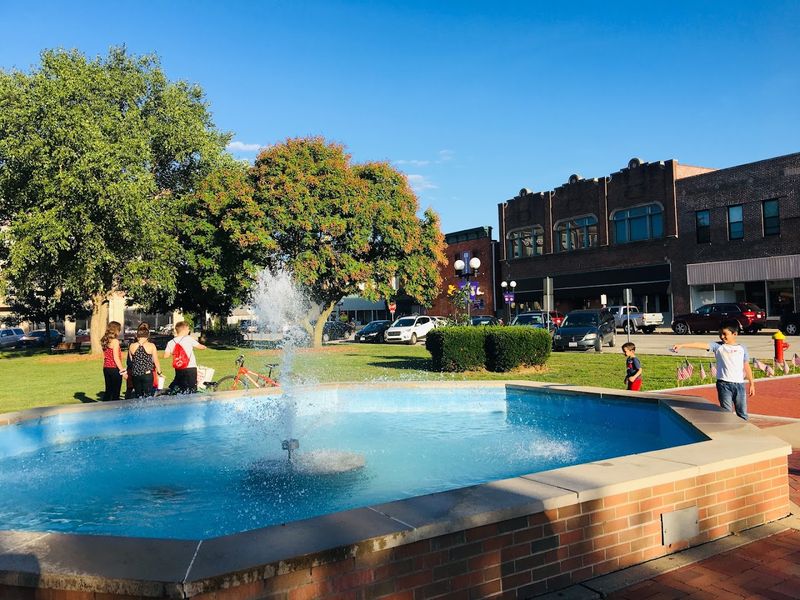
Few things capture the spirit of a small American city better than its downtown square, and Macomb’s version is genuinely worth spending time in.
The area around the courthouse is lined with locally owned businesses, from diners to boutiques to hardware stores, each one contributing to a streetscape that feels lived-in and authentic rather than manufactured for tourists.
On weekends and during community events, the square transforms into a social hub where people gather without needing a specific reason to be there.
Seasonal festivals, outdoor concerts, and holiday celebrations regularly draw the broader community together in ways that keep the downtown area feeling relevant and alive.
Supporting local businesses in a square like this one is not just shopping, it is participating in the ongoing story of a place.
Every purchase at a locally owned store is a small vote for the kind of community Macomb has always been. That kind of economic and social ecosystem is increasingly rare, which makes Macomb’s downtown square something genuinely worth appreciating.
Arts And Culture On Campus And Beyond
Having a university in a small city does wonders for the local arts scene, and Macomb is a clear example of that effect.
Western Illinois University regularly hosts theatrical performances, art exhibitions, musical concerts, and guest lectures that are open to the broader community, not just enrolled students. The cultural calendar stays surprisingly full throughout the year.
The Hainline Theatre and other campus venues bring professional-quality productions to a town that might otherwise have limited access to live performance arts.
Local artists also benefit from the presence of an arts-focused academic community, finding collaboration opportunities and audiences that would not exist without the university’s influence.
Beyond campus, community organizations and local groups contribute their own cultural programming, from gallery shows to outdoor events that celebrate regional heritage and creativity. Macomb is not a place where culture happens only in big cities while small towns watch from a distance.
The arts here are woven into daily life in a way that feels organic, unpretentious, and genuinely inviting to anyone curious enough to show up.
Athletics And The Leathernecks Spirit
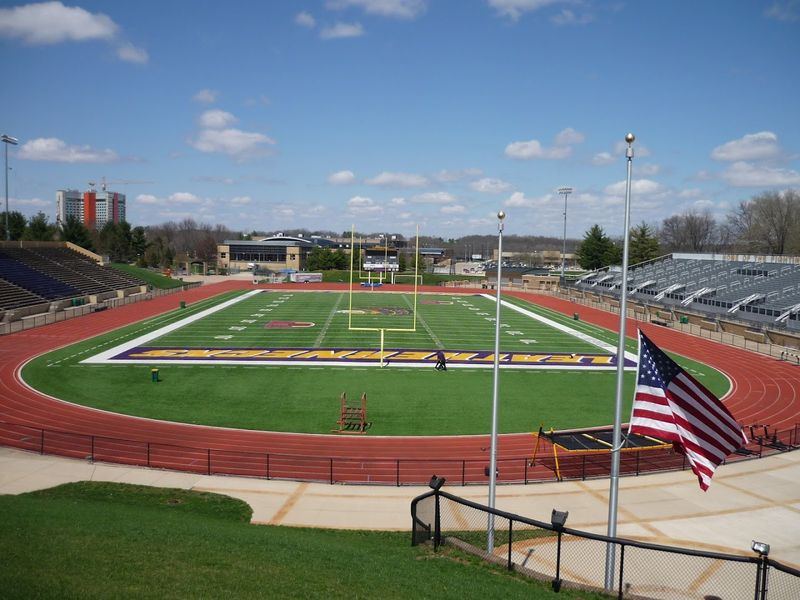
College athletics bring a particular kind of excitement to a small city, and in Macomb, that excitement has a name: the Leathernecks. Western Illinois University competes in NCAA Division I athletics, and the passion surrounding game days is something you can feel throughout the entire city, not just on campus.
Football Saturdays at Hanson Field are a community ritual. Purple and gold colors appear on storefronts, front porches, and car windows as the city collectively roots for its team.
The atmosphere is friendly, enthusiastic, and genuinely inclusive in a way that big-stadium Division I games sometimes struggle to replicate.
Basketball, soccer, track, and other sports also draw dedicated followings and give student athletes a platform to compete at a high level while representing a city that takes real pride in their performance.
For visitors, catching a Leathernecks game is one of the most authentic ways to experience what Macomb is actually like on a day when the whole community shows up and cheers together.
Why Macomb Deserves More Attention
There’s a lot going on in Macomb, Illinois for a city of about 15,000 people. You’ve got the energy of Western Illinois University, a historic downtown square, and a strong sense of local pride that shows up in everyday life.
Sitting in western Illinois in McDonough County, it’s the kind of place that quietly challenges what people expect from a small Midwest city.
Most people just pass through, but those who stop for a while usually come away seeing it differently. It’s not about big attractions or packed itineraries.
It’s more about the feel of the place and how connected everything seems.
Macomb shows how much character a smaller city can have. A unique local story, a university that keeps things lively, and a downtown that still brings people together. it all adds up in a way that’s genuinely worth experiencing.