
This Illinois Trail Feels Like It’s From A Storybook World
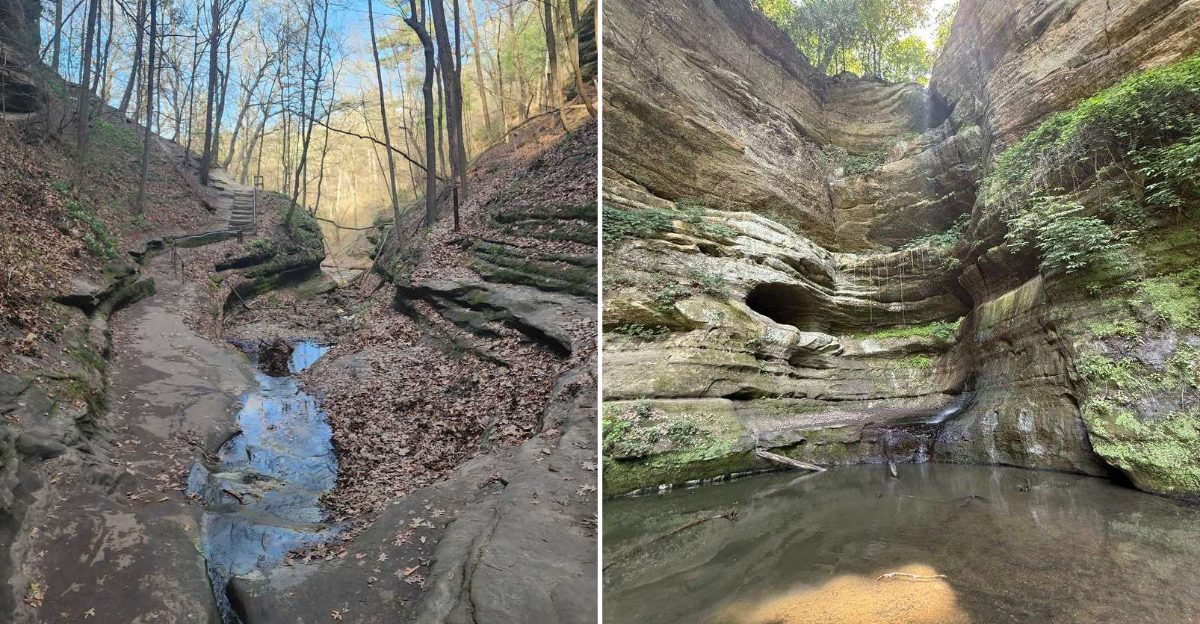
Stepping onto the Wildcat Canyon Trail feels like entering a different world. Suddenly, the Illinois River valley is alive with a quiet magic, like the trees have been holding onto secrets for centuries.
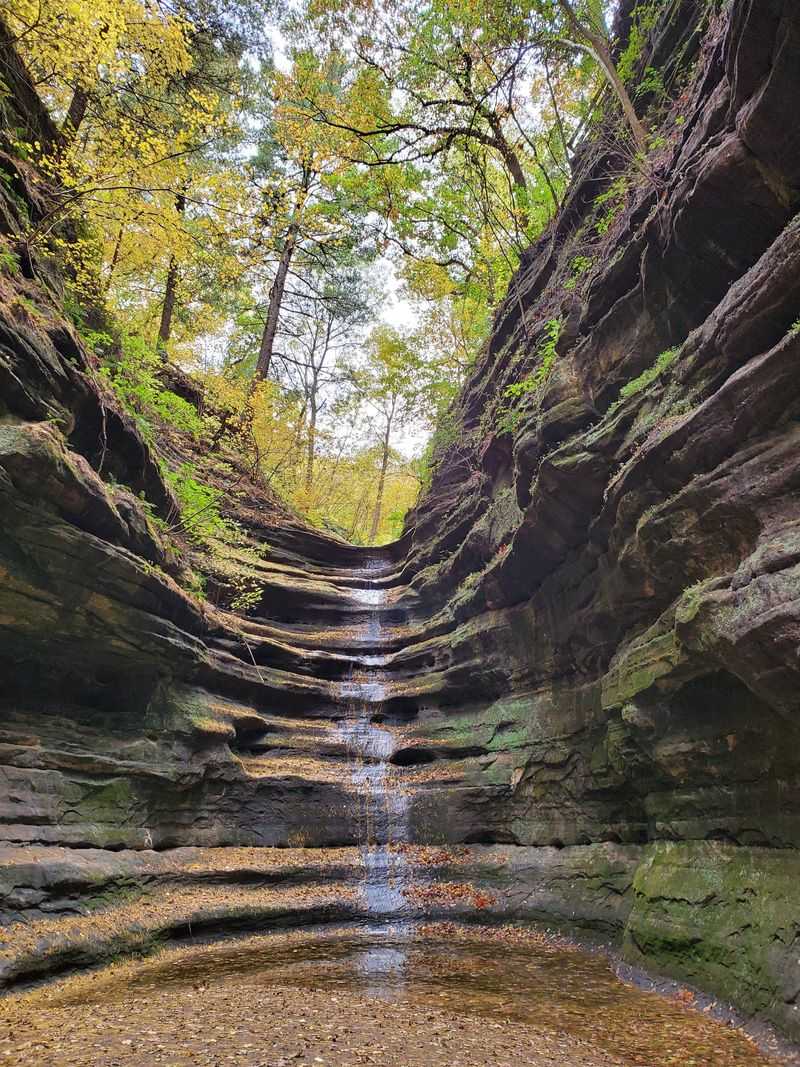
The sandstone walls rise in rippled layers, and even on dry days, the canyon seems to hold its breath, as if it’s waiting for something to happen. After rain or snowmelt, waterfalls appear, cascading down the stone in a misty dance, filling the air with cool freshness.
There’s something deeply calming about this place, a stillness that wraps around you, making everything else fade into the background. Lace up your shoes, breathe in the pine-scented air, and come along with me as we follow the trail.
What starts as a simple hike soon becomes a story, one that unfolds with every stair you climb and every turn the path takes.
Finding The Trailhead And Your First Breath Of Canyon Air
You step out near the Starved Rock Visitor Center, and the air hits you with the scent of damp leaves and river breeze. The path to Wildcat Canyon winds through tall oaks and maples, the ground shifting from firm dirt to wooden steps that creak softly under your boots.
It’s not a long walk, but it feels immediate, like you’re leaving behind the noise of the world and slipping into something quieter, almost as if the canyon walls have been waiting for you. Trail signs with their familiar brown and yellow colors point you toward Wildcat, and you follow them past overlooks where the Illinois River glints like a silver ribbon.
Then, the stairs appear and there are a lot of them. You take them at your own pace, your hand brushing the railing.
There’s no entrance fee, and the park opens early, around sunrise, with gates closing in the evening, usually around 9 PM (though the hours can shift with the seasons). By the time you reach the mouth of the canyon, you can hear your footsteps echoing off the walls.
If it’s been dry, the waterfall may be just a faint line on the stone. But after rain, it turns into a full curtain of water, and the air feels cool and misty.
Either way, stepping into Wildcat is like crossing into a place that knows how to keep its secrets.
The Sandstone Walls That Hold The Story
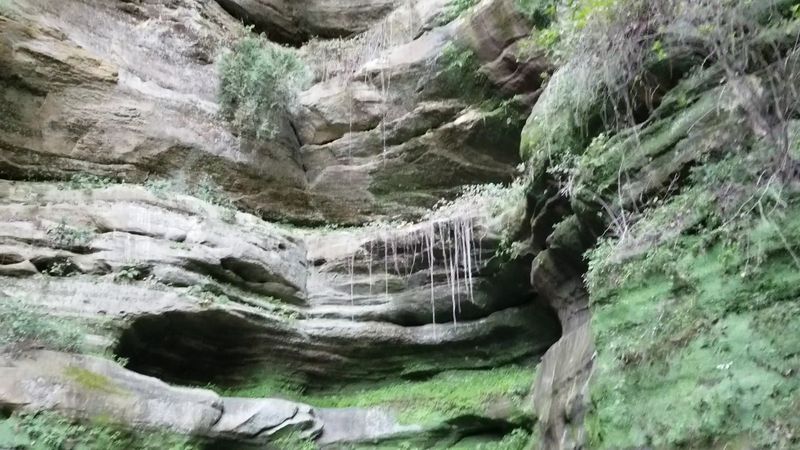
Wildcat Canyon is a lesson written in sandstone, pages stacked in pale gold and gray. The walls rise in soft curves, worn by water over ages, with ripples that hold tiny bits of quartz glinting like sugar.
Press your palm to the stone and it feels cool even on warm days, slightly damp where thin seeps trace silver lines down the face. This is St. Peter Sandstone, shaped by floods and freeze-thaw, and the canyon echoes with your footsteps as if testing the story you are telling yourself.
Look close and you will see graffiti is not welcome here, and there are signs to remind you to leave the rock as you found it. Ferns hide in seams, and small ledges hold fallen leaves like bookmarks nobody will ever remove.
When the waterfall runs, the walls gather a sheen that deepens their color, almost honeyed in low light. On drier days, the surfaces go matte and chalky, but just as beautiful, like a photograph in soft focus.
Either way, the canyon keeps its composure. It is a patient teacher, more interesting the longer you stand still.
Step back, look up, and let your eyes climb the curves until they meet sky framed like a page margin.
Climbing Stairs And Earning The Overlooks
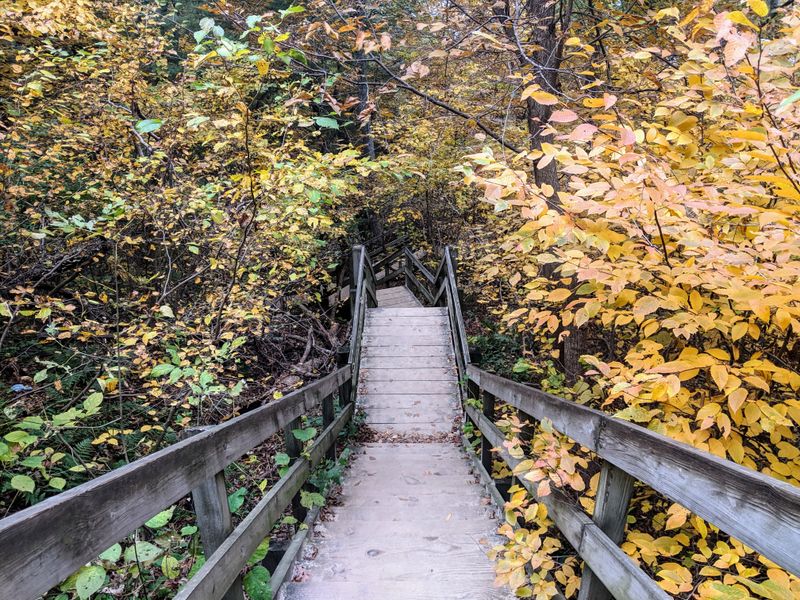
You will hear about the stairs before you see them, and then there they are, a wooden ribbon switching through trees. The climb is steady, not technical, but it makes calves sing just enough to feel earned.
Handrails are solid, the boards slightly weathered, and the air up here smells like warm pine and wet bark. Pausing at a landing, you get a quick peek through leaves at the canyon, then the trail turns and saves the big reveal for later.
Weekdays can feel quiet, while weekends fill fast, so an early start buys you space to move at your own rhythm. Even in summer, the shade softens the heat, but bring water and shoes with good tread because stairs plus humidity can be slick.
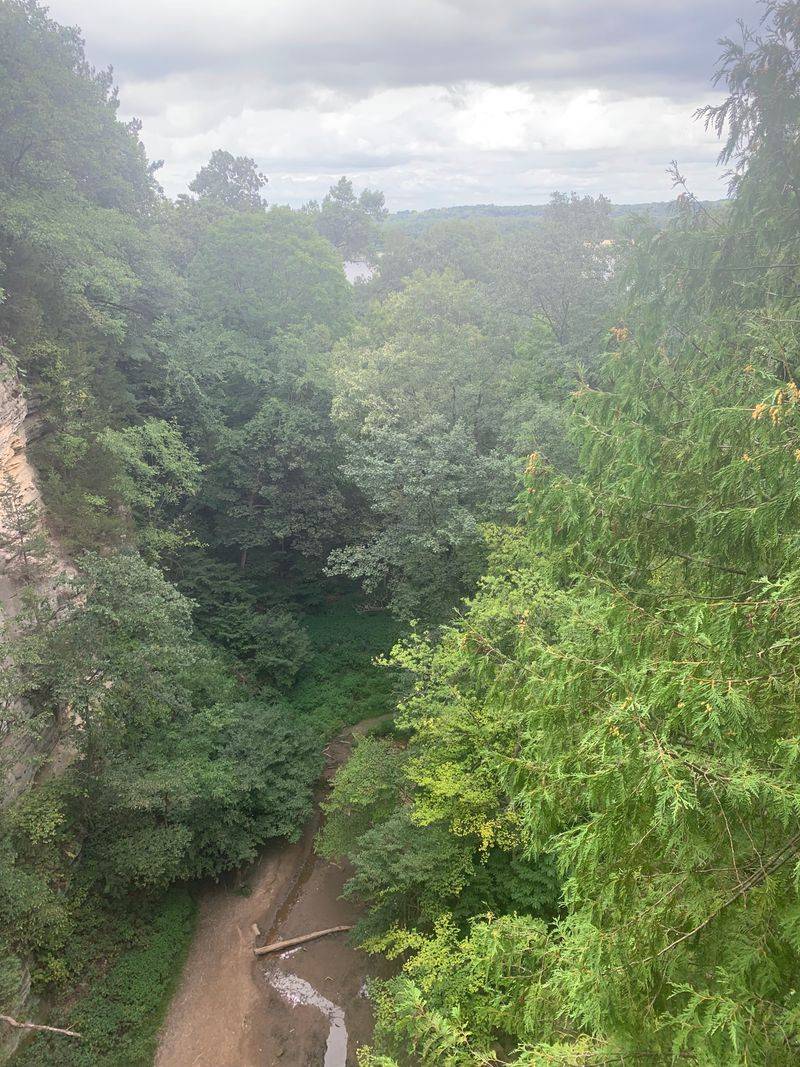
When you reach the overlook platforms, everything opens into a theater of stone. The drop is dramatic, and you lean into the rail, scanning for the waterfall line.
It might be roaring after storms or silent during drought, but the view from up here always thrills. The stairs you climbed fade from your legs, leaving a rush of satisfaction and a clean breeze across your face.
Bottom Of The Bowl: Standing In The Amphitheater
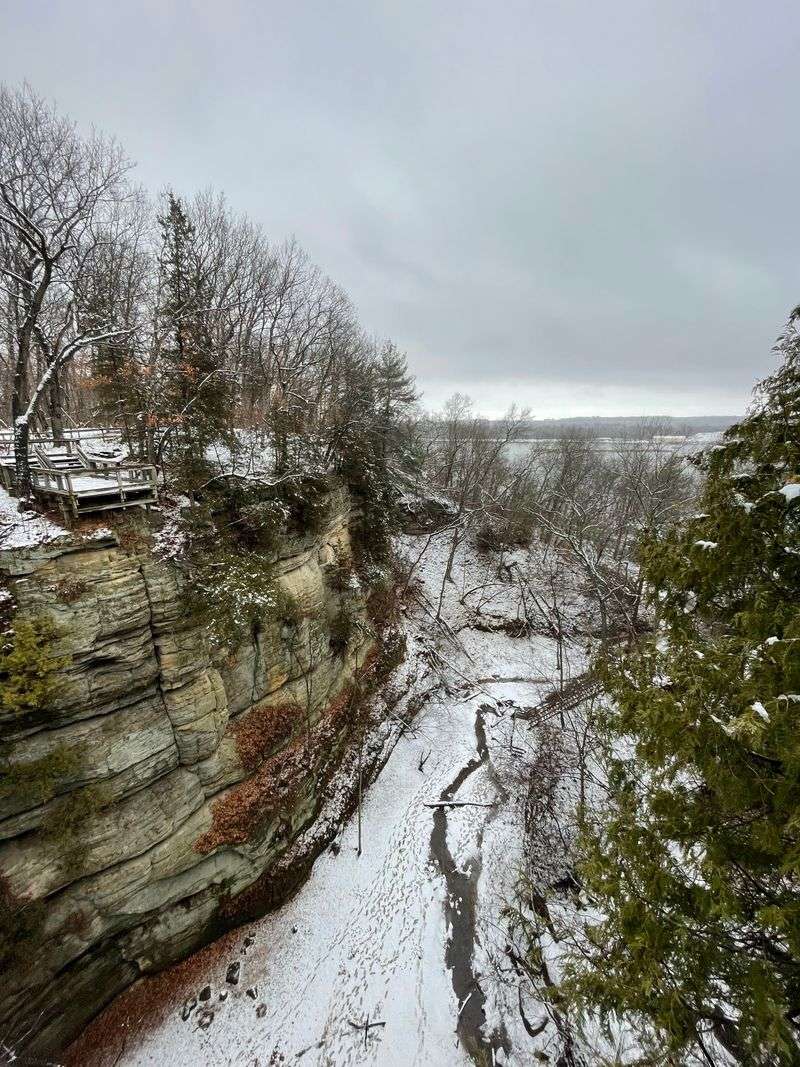
Drop into the bowl and sound changes first. Your voice gets a gentle echo, and each footstep on sand or damp rock makes a soft thump that carries to the far wall.
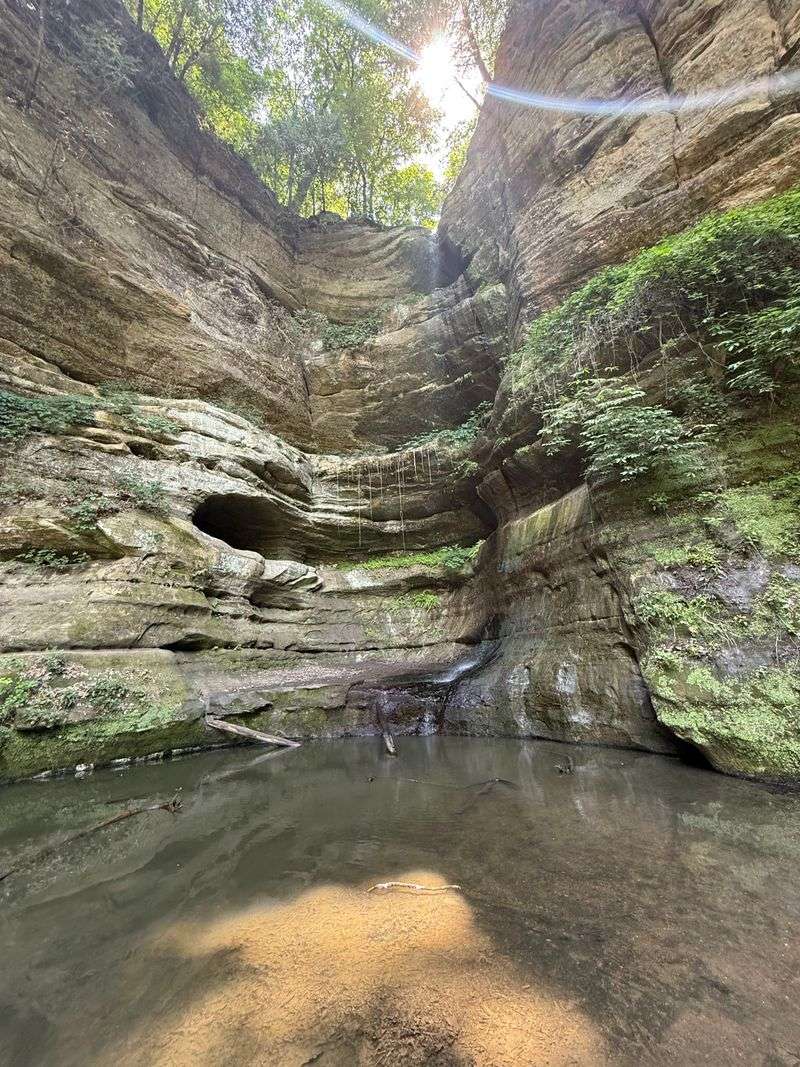
The amphitheater shape pulls your attention up, up, and you feel very small in a good way, like you have stepped into a natural concert hall. When water runs, a fine spray reaches your cheeks, cool and clean, smelling faintly of stone and leaf.
Kids often test the shallow pool, but thin water shoes help since the stones can be sharp. On dry days, the pool shrinks to dark mirrors and the waterfall a pale stripe, yet the place holds its hush and beauty.
Trails and raised platforms meet the canyon floor, making access clear but not flat everywhere. Watch for mud patches, especially after rain, and give yourself time to wander the ledges.
You will take more photos than expected because the walls look different from every angle. Then you will put the phone away for a minute, just to listen to the canyon breathe, and feel the air cool along your wrists.
Waterfall Moods: From Roar To Whisper
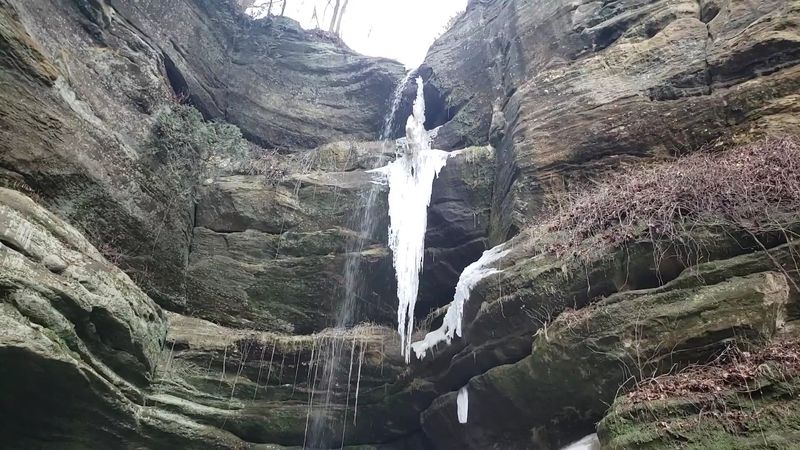
The waterfall at Wildcat Canyon is a seasonal performer. After spring snowmelt or a soaking storm, you will hear it before you see it, a white curtain pouring into a shallow basin.
On dry summer days, it might vanish to a faint thread or stop completely, leaving a dark, polished seam where water once wrote its name. Don’t let the uncertainty scare you off.
The canyon itself is the show, and the soundscape just changes with the weather. If you want your best shot at flow, aim for spring or days following a heavy rain, and bring a light layer because mist cools the amphitheater faster than you expect.
Photos are gorgeous either way. Flowing days give drama, with spray catching slant light like glitter.
Quiet days reveal the stone texture, every ripple visible and calm. You will shift from wide angles to tight details, from the bowl to the backsplash where droplets bead on moss.
It feels honest here, never staged, and you accept whatever the canyon offers with a grateful grin.
Timing Your Visit Like A Local
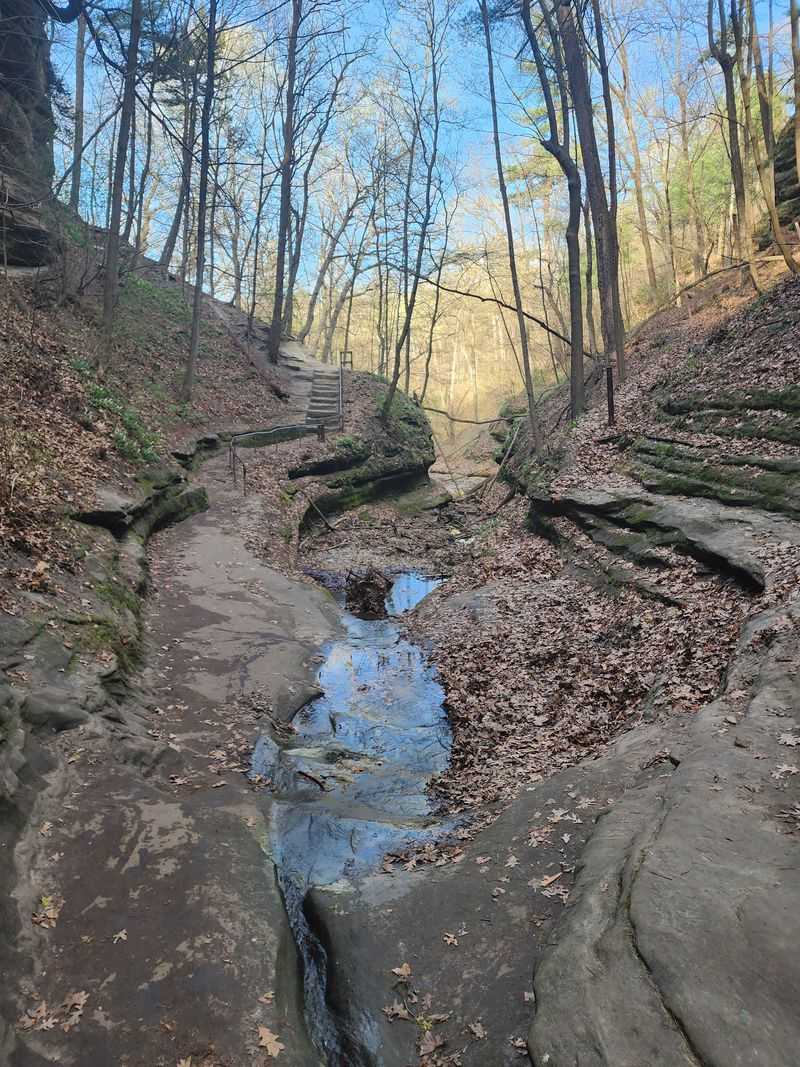
Arrive early and you will think the whole park woke up just for you. Parking by the Visitor Center fills quickly on weekends and holidays, but if you roll in before 9 AM you should slide into a spot without the game of musical chairs.
The park posts hours around 6:30 AM to 9 PM, yet check seasonally because daylight shifts and closures happen after storms or ice. There is no entrance fee, and trails stay open year round unless conditions make them unsafe.
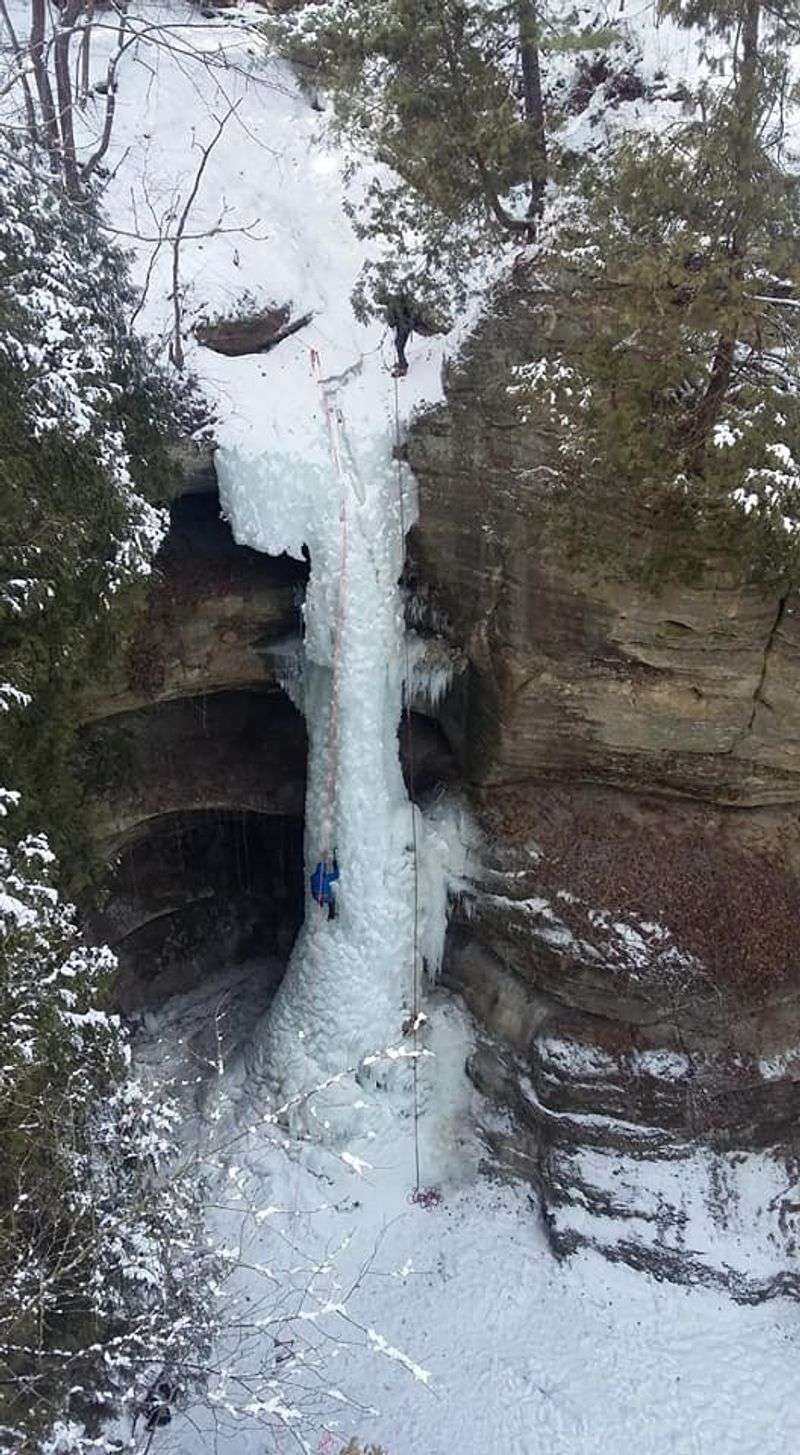
Spring brings mud and high water, summer brings crowds, fall brings leaf-peepers and glorious color, and winter can be stunning with ice curtains when freeze and thaw align. If you prefer quiet, go on a weekday or shoulder daylight hours.
Bring water, snacks, and a small trash bag to pack out whatever you bring in. Good shoes are non negotiable because stairs, roots, and wet stone keep you honest.
If you have extra time, loop to nearby overlooks and return to Wildcat later in the day for a different light. You will notice new shapes on the walls, like the canyon decided to change outfits while you were gone.
Safety, Accessibility, And Going At Your Own Pace
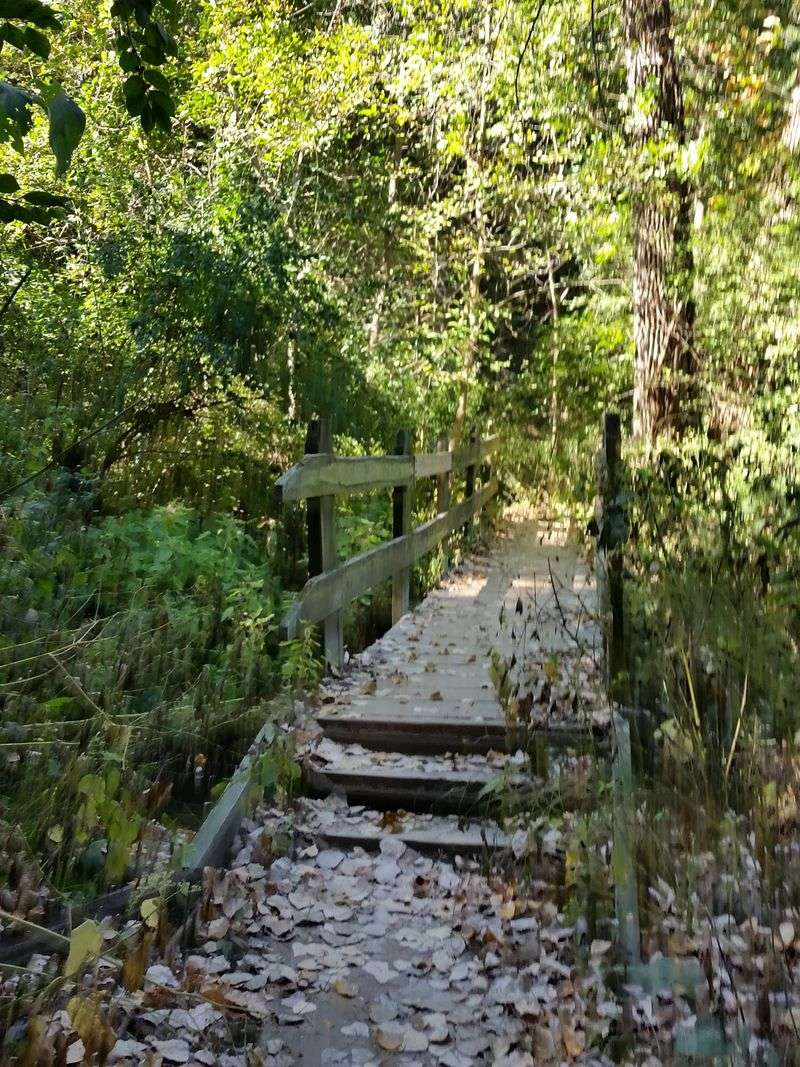
Wildcat Canyon welcomes most hikers, but it does ask for attention. The stairs are many, and some sections of trail can be slick with rain, leaf litter, or freeze-thaw.
Go slow on wet wood, keep dogs leashed, and remember that the canyon floor may hold standing water after storms. The main route features stairs and raised walkways that simplify navigation.
Wheelchair access to the canyon floor is limited due to terrain, though the park offers several accessible overlooks elsewhere. If mobility is a concern, consider viewing Wildcat from the top platforms, which still deliver a powerful sense of the canyon’s scale.
Cell service can be spotty, so download a map or snap photos of trail boards before you head out. Rains can close sections, and you may need to double back, which is normal here.
Let the plan flex. Pack water year round, add traction in winter, and choose layers even on warm days because the canyon runs cooler than the forest above.
You will feel safer for it, and the day will unfold with less worry and more wonder.
History In The Stone: Stories Along The Illinois
Starved Rock State Park wears history lightly, and Wildcat Canyon fits right into that quiet timeline. Long before boardwalks and trail signs, the Illinois River corridor carried people, trade, and stories that drifted with the current.
The canyon walls remember floods and freezes, and you can almost hear the long rhythm of years in the way sound lingers under the rim. Look upriver from the overlooks, and you might picture paddle craft sliding along the channel, or early visitors scrambling among bluffs with the same wide eyes you are wearing now.
The park’s name ties to a well known legend centered on the rock itself, but Wildcat’s tale is mostly geological, written in wet winters, dry summers, and countless springs. When you walk the stairs, imagine builders carrying lumber and tools, choosing lines that would protect the canyon while letting you in.
Trails get rerouted to save roots and slow erosion. It is a living place, adjusted with care.
You leave the sandstone untouched and step lightly, becoming part of the modern story, one hiker among many who found a quiet corner and promised to keep it that way.
What To Pack And What To Leave
You do not need a mountaineering kit for Wildcat Canyon, just smart basics. Wear shoes with grip, bring water, toss in a snack, and pack a light layer even in summer.
A small first aid kit is nice to have, and a phone or camera will earn its keep because the canyon practically begs for pictures. Leave drones and off trail ambitions at home.
Respect signs, stay on marked routes, and let the place breathe. If rain is in the forecast, consider a compact poncho that stashes quickly, and keep a dry bag for your phone if you plan to linger near the pool on flowing days.
Do not forget a tiny trash bag. Packing out wrappers and tissues keeps raccoons honest and the trails clean.
If you hike with kids, water shoes can help at the pool, but remind them that rocks can be sharp. Keep it simple, carry light, and you will feel freer when the stairs tilt up and the forest opens to that dramatic sandstone bowl.
Seasons Of Wildcat: Spring Splash To Winter Quiet
Spring brings Wildcat to life with a fresh, crisp feel. The trails can get muddy, but the reward is worth it — the waterfalls are flowing at their best, and everything is covered in vibrant green moss.
You’ll hear chorus frogs singing from the low spots and woodpeckers tapping away like little drummers in the trees. Summer is all about long, lazy afternoons in cool, shaded spots.
It gets busier, so if you want some peace, try to go in the morning or near sunset when the canyon is bathed in that perfect golden light. The waterfall might slow down during dry spells, but the canyon always stays cool, with breezes flowing over the rocks like quiet rivers.
Fall is like a show that’s hard to beat. The leaves turn into fiery colors, and they drift down, twirling in the pools below.
It’s like walking through a postcard you didn’t even know you had. Winter, on the other hand, is pure magic.
Ice forms all around, turning the canyon into a glistening wonderland. The trails may close if things get icy, so check the conditions and bring something to help with traction, but the quiet, calm atmosphere is totally worth it.
Photography Tips Without The Fuss

Light works its magic inside Wildcat, especially on those bright, overcast days. The canyon floor acts like a natural reflector, softening the shadows on the sandstone.
If the waterfall’s flowing, go for a few quick shots instead of one long exposure, unless you’ve got a small tripod and feel steady on the rocky ground. From the overlooks, gently press the railing to steady your hands, and use the leaves in the foreground for a bit of depth.
Down at the canyon floor, step back to capture the big picture, then zoom in to catch the droplets hanging on the moss. Keep an eye on your footing, make sure your phone or camera strap is secure, and try not to get too close to the slippery rocks.
Mornings tend to be quieter, with softer light. After a storm, don’t forget to bring something to wipe the mist off your lens.
You’ll leave with photos that feel like memories. And even if the waterfall’s dry, there’s beauty in the textures, the canyon turns into a world of lines and shapes, and you’ll find yourself smiling at the shadows.