
This Illinois Trail Truly Shines For A Few Weeks Each Spring
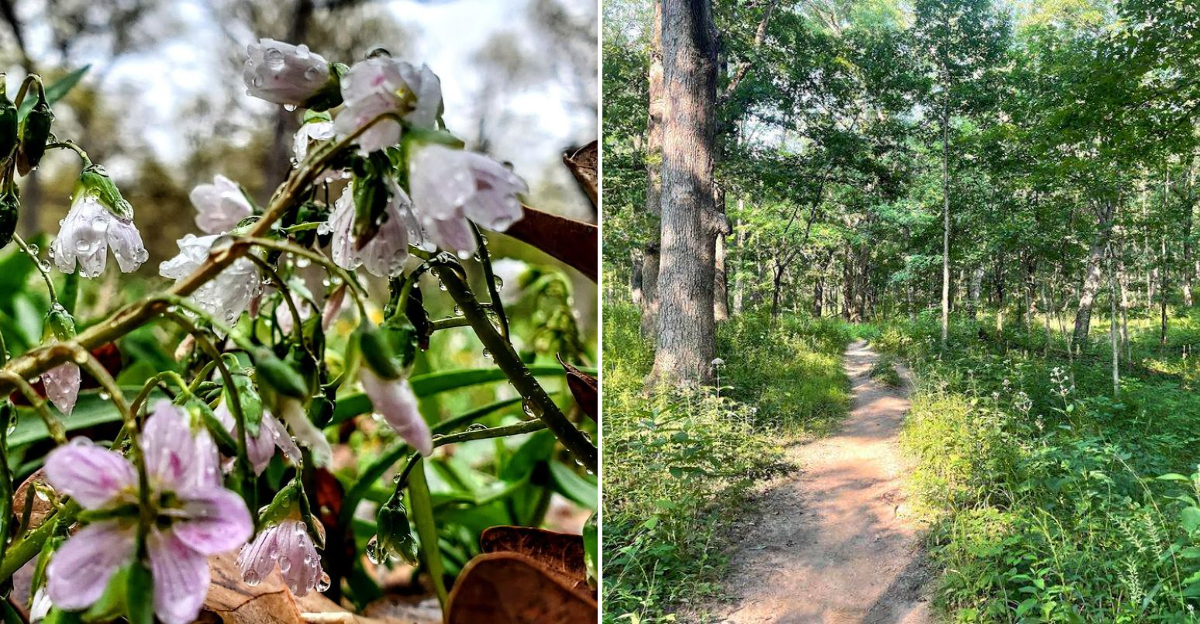
Every spring, something quietly special happens in the southwest suburbs of Illinois. The trails in this forest preserve start to wake up, and suddenly a simple walk feels a lot more rewarding.
This spot, part of the Cook County Forest Preserves system, sits on land shaped by ancient glaciers, which gives the paths a gentle, rolling feel underfoot. For a short stretch each year, sunlight reaches the forest floor before the trees fully leaf out, and that small window brings everything to life.
Colors start popping up, the air feels fresher, and the whole place has a different kind of energy. It doesn’t last long, which makes it feel even more worth catching at the right time.
If you show up during that brief moment, it really does feel like you stumbled onto something special.
Spring Wildflowers Paint The Forest Floor
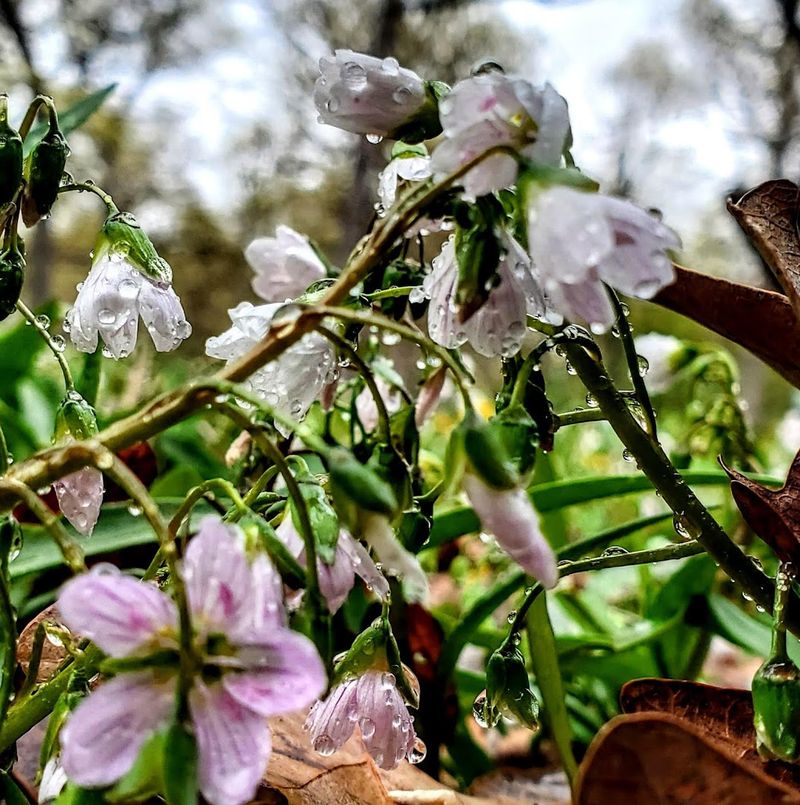
For a brief, magical window each spring, the forest floor at Willow Springs Woods erupts in color. Native wildflowers including trilliums, spring beauties, and wild blue phlox push up through the leaf litter before the tree canopy fills in and blocks the sunlight.
This short blooming period, sometimes lasting only two to three weeks, makes timing your visit absolutely worth planning ahead.
The phenomenon happens because early spring sunlight reaches the ground before the tall oaks and maples overhead grow their full leaves.
Wildflowers have evolved to take full advantage of this narrow window. Walking the dirt trails during this time feels like moving through a living painting, with patches of white, purple, and pink dotting the understory on every side.
Bringing a camera on this walk is a smart call. The soft morning light filtering through bare branches creates ideal conditions for photography.
Even a smartphone can capture stunning close-up shots of these tiny blooms against the dark, rich soil. Spring in these woods is fleeting, but the impression it leaves lasts much longer.
Ancient Glacial Terrain Shapes Every Trail
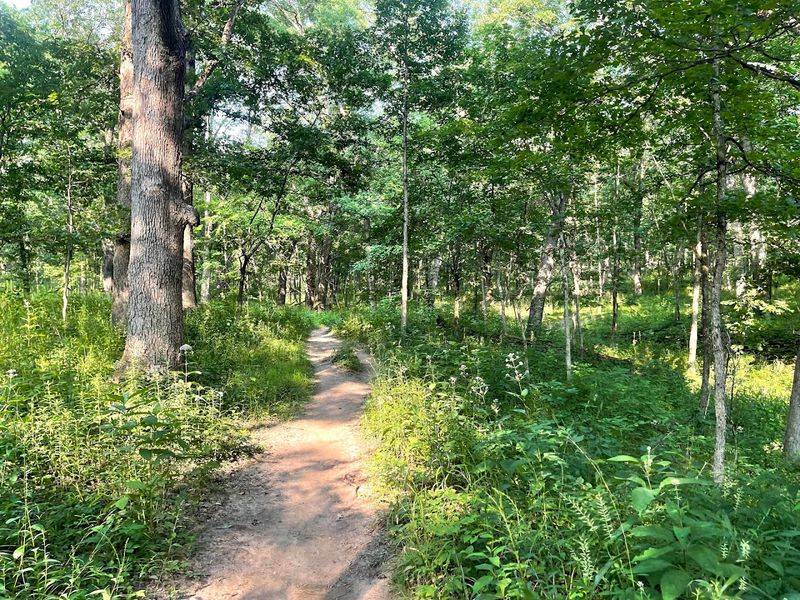
The rolling hills and uneven terrain underfoot at Willow Springs Woods are not random. This area sits on glacially formed moraine terrain, a landscape shaped by ice movement during the last Ice Age.
That geological history gives the trails here a character that flat suburban paths simply cannot match.
The terrain creates natural slopes, ridges, and low-lying creek crossings that keep hikers engaged and slightly challenged throughout a visit.
These elevation changes are modest by mountain standards, but they add real texture to a walk that might otherwise feel routine. Spring is when this landscape feels most alive, with snowmelt feeding the small creek crossings and water moving visibly through the preserve.
Understanding the glacial history of this land adds a layer of appreciation to every step. You are essentially walking across a geological record that stretches back to the last Ice Age.
The preserve sits roughly 35 minutes southwest of downtown Chicago, making it an accessible escape that feels far more remote than its proximity to the city suggests. The hills give your legs a proper workout while the scenery keeps your mind fully occupied.
The Trail Network Connects To Miles Of Palos Woods
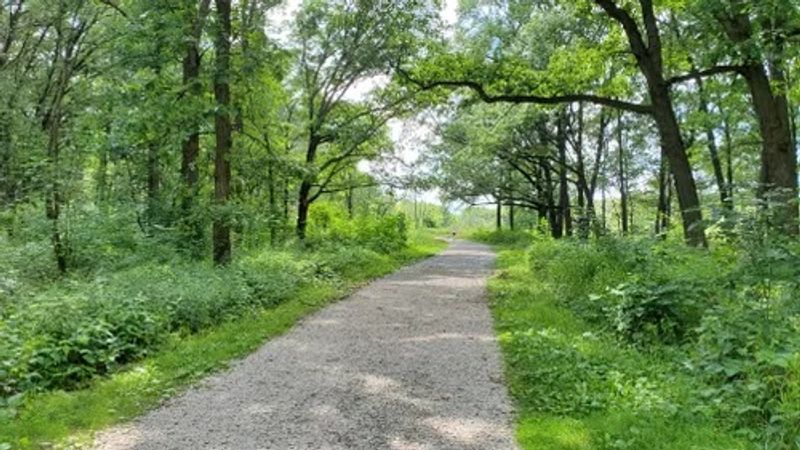
One of the most underappreciated facts about Willow Springs Woods is that its trails connect directly into the broader Palos Trail System, which spans more than 40 miles across multiple preserves. That kind of connectivity is rare this close to a major city.
The connecting trails vary in difficulty and surface type, offering everything from wide, packed-dirt multi-use paths to narrower single-track routes that weave through denser sections of forest.
Mountain cyclists use these trails regularly, so hikers sharing the path benefit from staying aware of their surroundings, especially on blind corners. The spring season brings out riders and walkers in equal numbers.
Planning a route before arriving helps make the most of this trail network. The Cook County Forest Preserves website and phone line at 1-800-870-3666 can provide current trail maps and condition updates.
Whether you want a 45-minute loop or a full-day expedition through connecting preserves, Willow Springs Woods serves as a genuinely strong starting point for both ambitions.
A Quiet Lake Adds Unexpected Beauty
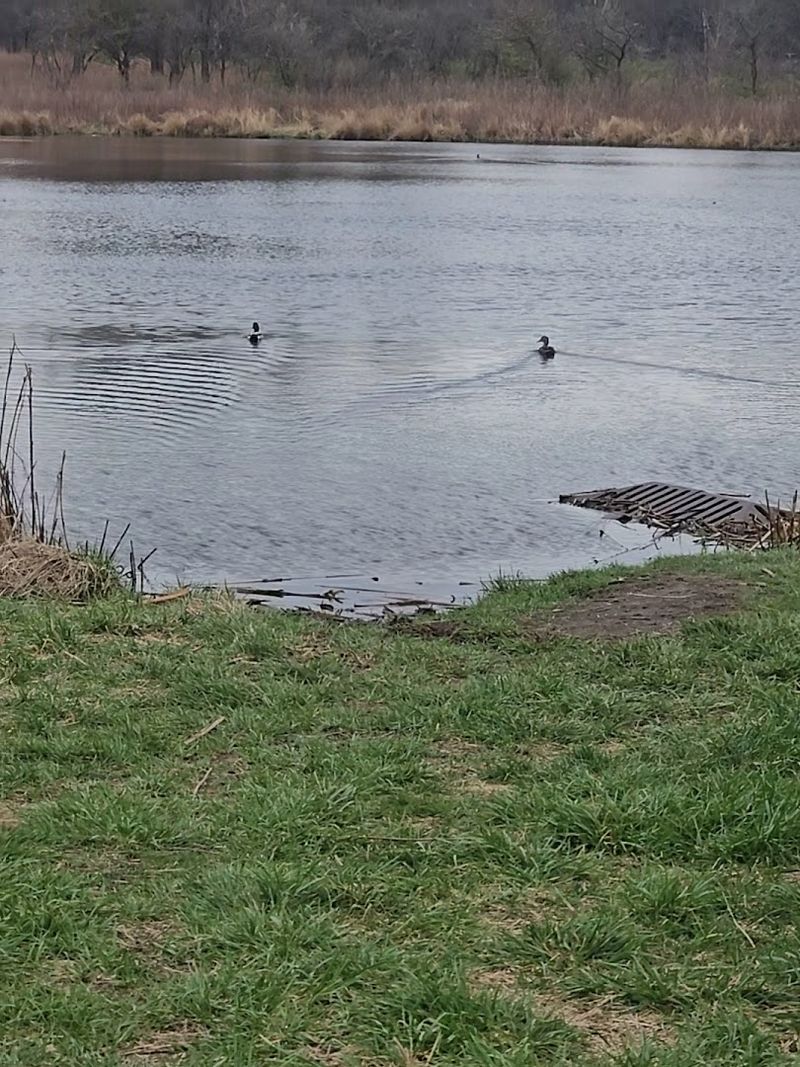
Not everyone expects to find a lake tucked inside Willow Springs Woods, but it is there, and it earns its place on the list of reasons to visit.
The water sits quietly among the trees, reflecting the sky and the surrounding canopy in a way that stops most first-time visitors in their tracks. Ducks paddle across the surface with the kind of unhurried ease that feels contagious.
Spring is when the lake scene reaches its peak. The surrounding trees are just beginning to bud, so the reflections carry that pale, fresh green that only exists for a week or two before deeper summer foliage takes over.
The shoreline is accessible and calm, making it a natural spot to pause, breathe, and simply watch the water for a few minutes without any agenda.
Fishing is also possible here, and catching catfish and spotting crayfish in the shallows has been a pleasant surprise for visitors who show up just to walk.
The lake adds a completely different sensory experience to a visit that might otherwise be defined entirely by the trails. Having that contrast, woods and open water side by side, makes the preserve feel more complete and rewarding overall.
Bird Watching Peaks During Spring Migration
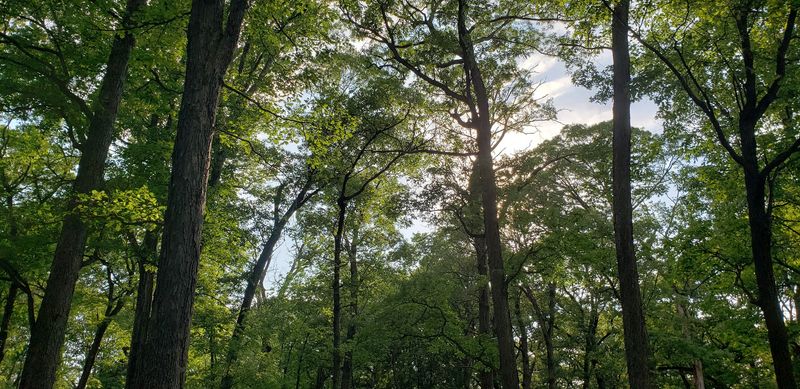
Spring migration turns Willow Springs Woods into a genuinely exciting destination for anyone who pays attention to birds. Dozens of species pass through or settle in this preserve during April and May, using the mature oak and maple canopy as resting and feeding grounds during their long journeys north.
The variety of songs filling the air during a morning walk is something that has to be heard to be fully appreciated.
The preserve supports resident bird populations year-round, but the spring influx adds warblers, thrushes, and other migratory species that are simply not present during other seasons.
Early morning visits just after sunrise give birders the best chance of hearing and spotting active birds before foot traffic increases. Binoculars and a field guide make the experience significantly richer.
Even casual walkers who have never considered bird watching often find themselves pausing to identify an unfamiliar song echoing through the trees. Spring migration is one of those natural events that rewards curiosity without requiring expertise.
The woods provide natural cover and food sources that attract a wide range of species, making each visit feel like a slightly different and genuinely fresh experience depending on which birds happen to be passing through.
Picnic Pavilions Make It Perfect For Groups
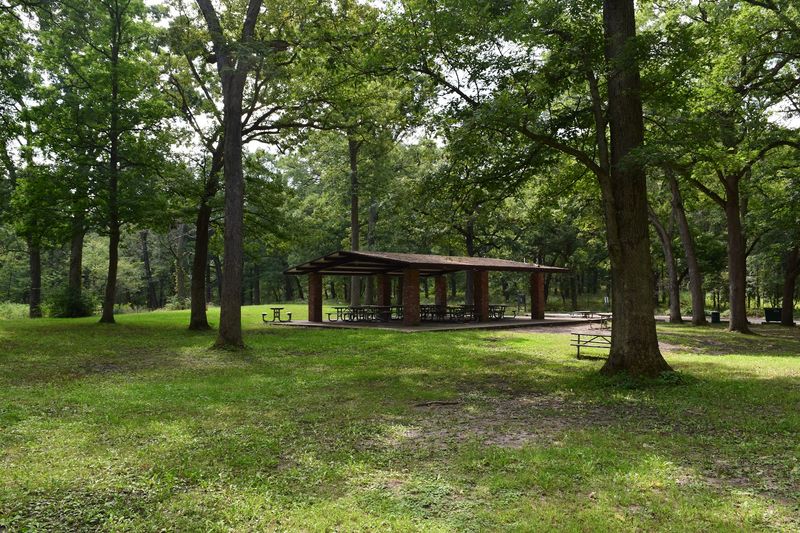
Willow Springs Woods is not just a solo hiking destination. The preserve includes multiple picnic groves with pavilions, generous amounts of parking, and picnic tables spread across well-maintained, mowed grass areas.
Reserving a pavilion for a birthday gathering or a family reunion is entirely possible through the Cook County Forest Preserves system, and the setting provides a natural backdrop that no rented banquet hall can replicate.
The groves are kept clean and well-organized, with outhouses available on site and trash managed consistently throughout the preserve. Large groups benefit from the multiple parking areas spread around the property, which means arriving with a crowd does not automatically mean circling for a spot.
The shaded tables under the canopy make spring and early summer gatherings genuinely comfortable even on warmer days.
For smaller outings, the picnic areas offer a relaxed middle ground between an active hike and a lazy afternoon. You can walk a trail, come back to a table with a packed lunch, and spend the rest of the afternoon watching birds cross the lake.
The preserve is open daily from sunrise to sunset year-round, giving groups consistent access throughout the season.
The Trails Challenge Without Overwhelming
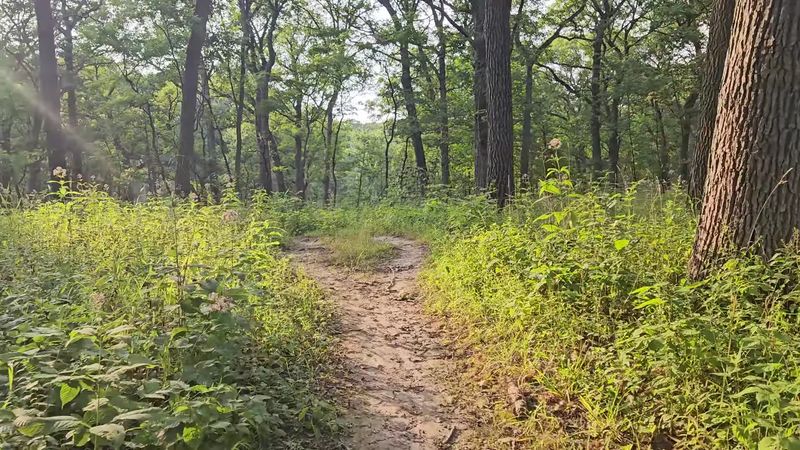
There is a particular satisfaction in a trail that asks something of you without pushing you past your limits. The paths at Willow Springs Woods wind in a serpentine pattern through the woods, featuring natural inclines, root-covered sections, and small creek crossings that require a bit of focus and footwork.
This is not a paved walking path, and that distinction matters for people who want a trail that actually feels like one.
The terrain suits intermediate walkers, casual trail runners, and mountain bikers looking for single-track variety. Beginners can still enjoy the easier sections near the main groves, while more experienced hikers can push deeper into the connecting Palos trail system for a longer and more demanding outing.
Wearing proper footwear with grip is a practical and worthwhile choice, especially after spring rains when the soil becomes soft.
Spring conditions add an extra layer of sensory detail to the experience. Mud, running water, and the smell of wet earth after a rain make the trail feel genuinely alive.
The sticker plants noted along some sections are worth watching out for on clothing and pet fur, but they are a minor inconvenience against the broader reward of moving through a forest that is actively waking up and reaching toward the season ahead.
Native American History Runs Deep Here
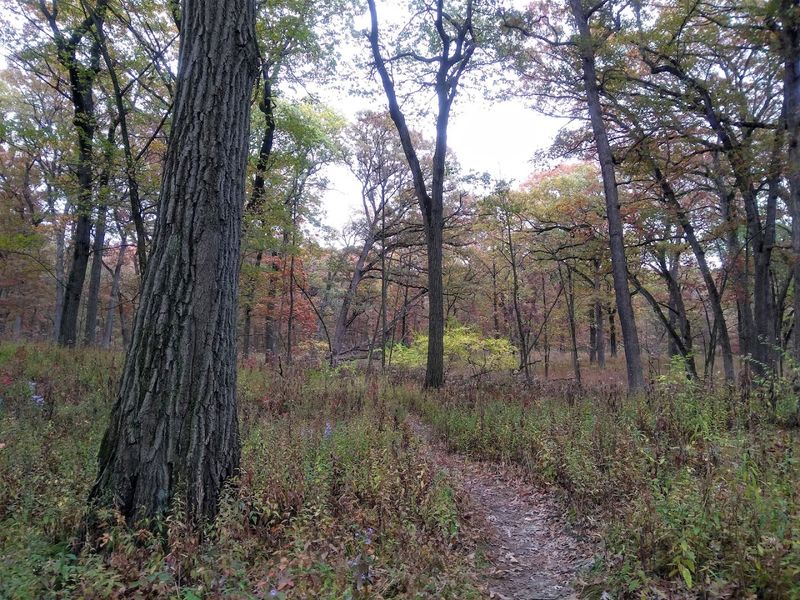
Long before the Cook County Forest Preserves system was established, the broader region held deep significance for Native American communities who lived and traveled throughout the area. Walking through Willow Springs Woods with that history in mind changes the texture of the experience.
The old trees, the creek beds, and the ridgelines were all part of a landscape that sustained people for generations before European settlement reshaped the region.
The preserve does not have formal historical markers at every turn, but the sense of layered time is present in the landscape itself.
The ancient morraine terrain, the mature tree canopy, and the quiet that settles over the woods on a weekday morning all contribute to a feeling that this place has been significant for a very long time. That depth is worth acknowledging and sitting with during a visit.
Spring is a particularly fitting time to reflect on this history. The season of renewal carries its own resonance when you consider how many generations of people watched these same woods come alive after winter.
Visiting with curiosity about the land’s past, alongside appreciation for its present natural state, turns a simple walk into something closer to a meaningful encounter with a place that has always mattered. That perspective costs nothing and adds everything.