
This Illinois Village Frozen In The 1800s Is One Most Families Have Never Heard Of
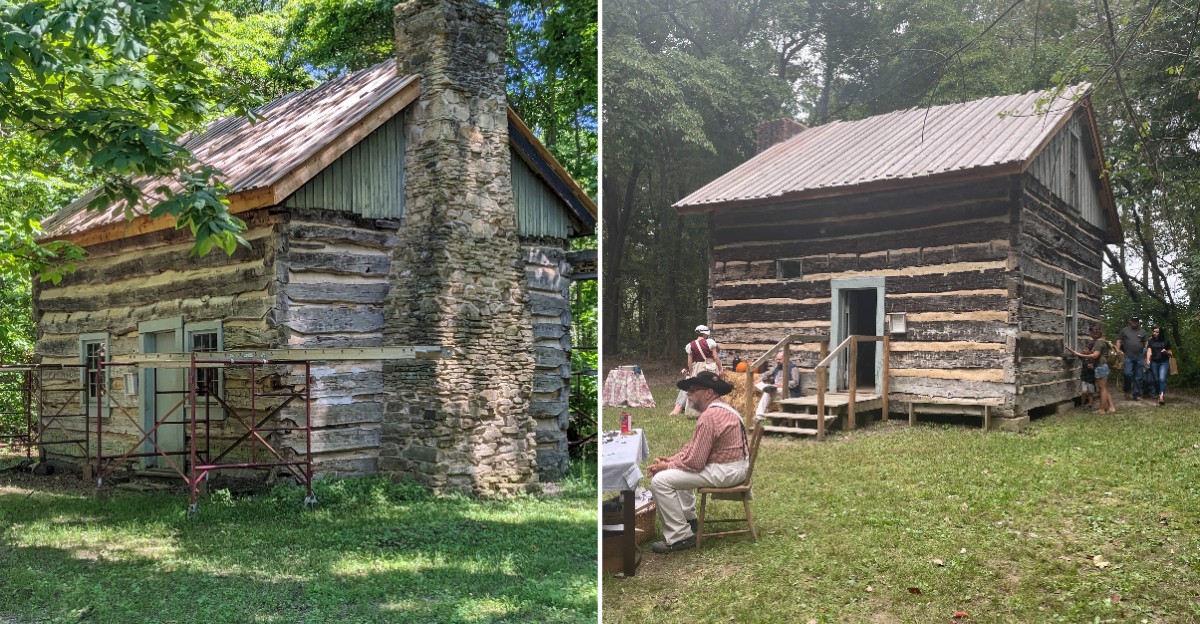
Somebody in southern Illinois once looked at a pile of old hand-hewn logs and saw a whole pioneer town waiting to be rebuilt. That dream turned into a quiet patch of woods where more than a dozen cabins from the 1800s now stand again, one careful log at a time.
Kids can watch rope being twisted by hand, munch kettle corn, and peek inside homes where Illinois families once cooked, slept, and dreamed. Best of all, a visit here costs about as much as a fast-food lunch.
A Pioneer Settlement In The Woods
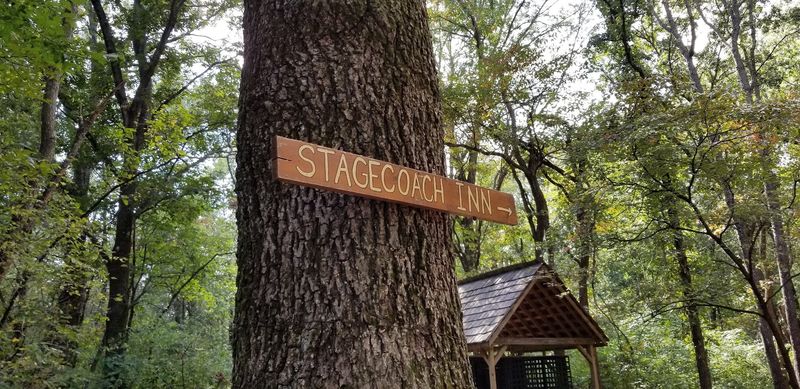
Far from any interstate billboard, on Gesell Road just outside the small town of Kinmundy, sits a collection of log cabins that looks like it wandered out of a history book. Kinmundy Log Cabin Village is a nonprofit pioneer settlement in Marion County, deep in southern Illinois.
The idea is simple but pretty remarkable. Old cabins from the 1800s are taken apart piece by piece, moved here, and put back together so future generations can see how Illinois settlers truly lived.
About a dozen cabins have been fully rebuilt so far, with several more waiting their turn.
Plenty of folks find the place by accident. They spot a small sign while taking a state road instead of the highway, turn in out of curiosity, and leave amazed that something so special exists so close to home.
That kind of surprise is part of the charm.
Families from nearby towns like Salem, Centralia, and Effingham can reach it easily for a day trip. Travelers from the St. Louis side or central Illinois will find it a reasonable drive too.
Once you arrive, the woods, the cabins, and the slower pace do the rest of the work.
One Woman’s Dream, Rebuilt Log By Log
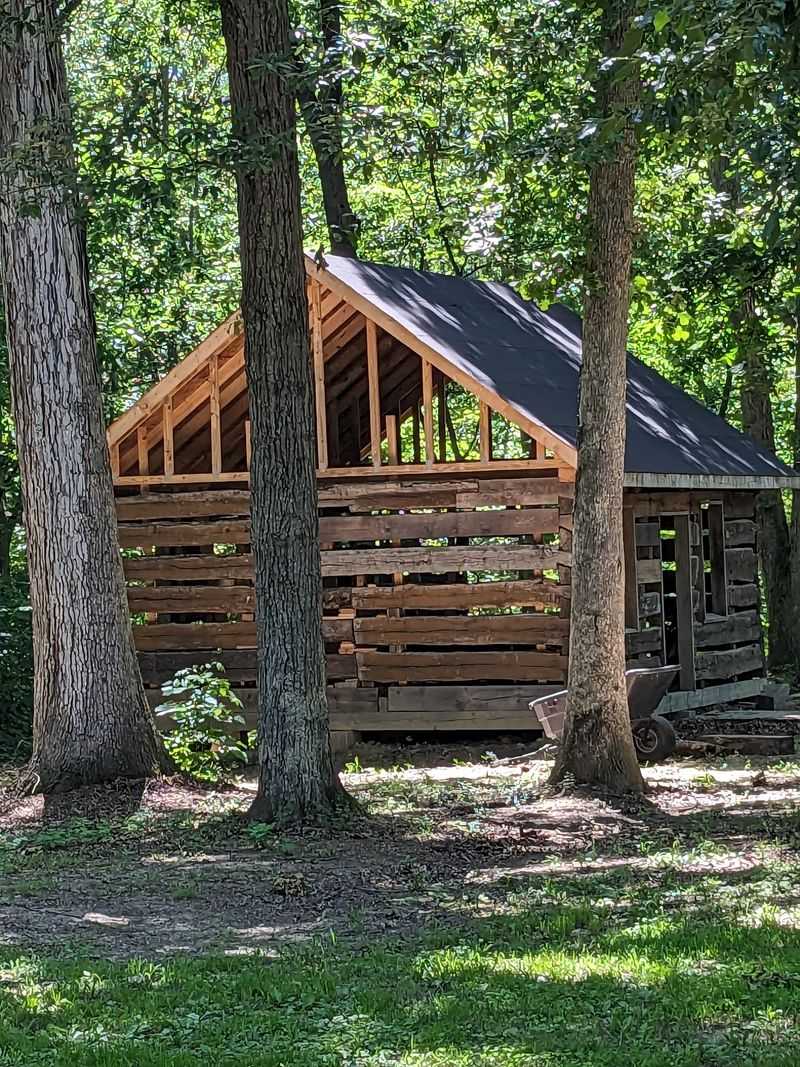
Every great small-town story starts with somebody stubborn enough to care. Here, it began with a woman who dreamed of saving Illinois log cabins from the 1800s before they rotted away or got bulldozed.
Saving a cabin is not as easy as hitching it to a truck. Each one must be carefully taken apart, moved to the village, and reassembled in its new spot.
The work is slow and painstaking, and nearly all of it is done by volunteers who give their weekends to the cause.
Those caretakers are often right there on site, trimming, repairing, and keeping things tidy. Visitors who stop and chat usually walk away with a bit of history about the project and a deeper respect for the people keeping it alive.
Here is a fun bonus fact. If you happen to have an old cabin sitting on family land, the village accepts donations and will preserve it on their grounds for posterity.
That means the collection keeps growing, and a piece of your own family history could someday become part of the tour.
It is grassroots preservation at its most heartfelt, powered by elbow grease rather than big budgets.
Cabins That Tell Family Stories
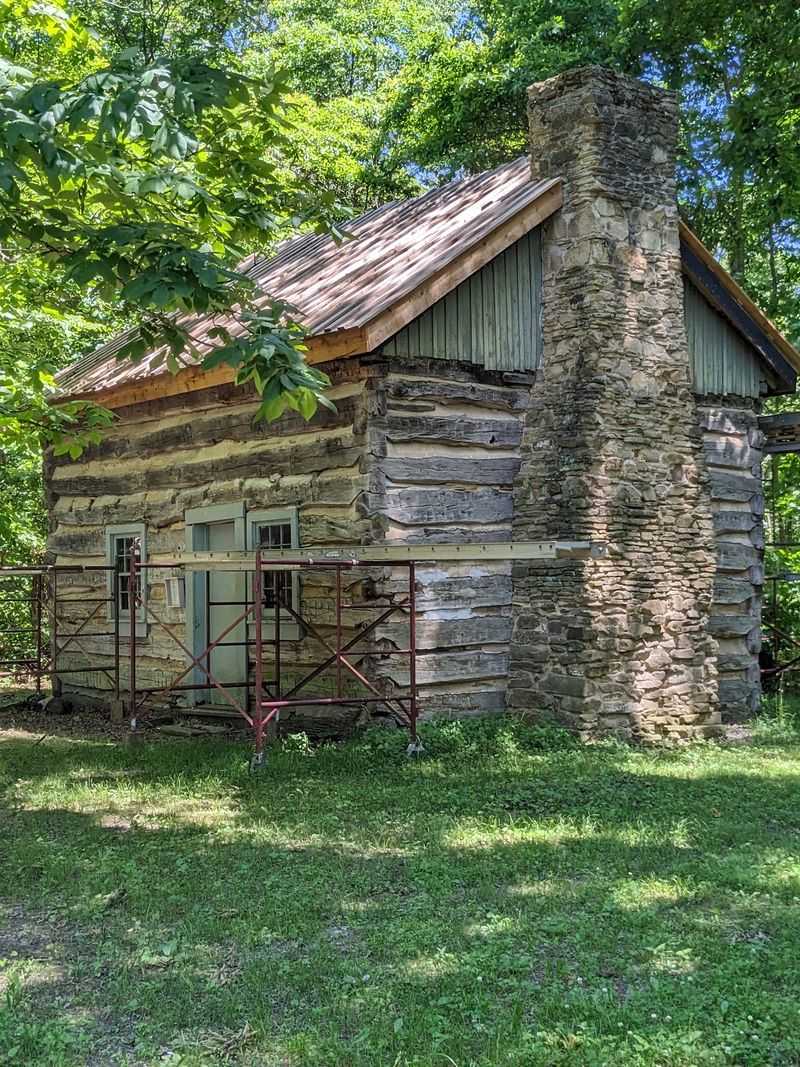
Step inside, and the first thing you might notice is how small everything feels. Whole families once cooked, slept, and gathered around a fire in rooms not much bigger than a modern living room.
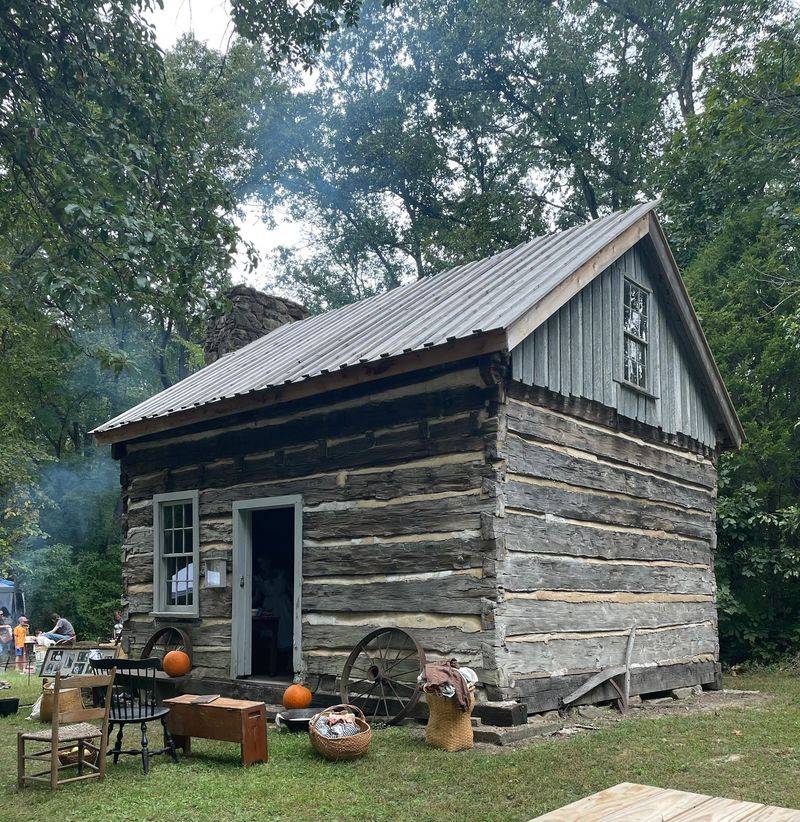
The cabins at Kinmundy are well preserved and thoughtfully decorated with furnishings that match their era. Even when doors are closed during quieter visits, you can often get a good look through the windows and snap some memorable photos of the interiors.
What makes the experience stick is that each cabin has its own history. Some tell the story of specific families who lived in them, and during events you can move from one to the next hearing how life changed from home to home.
Kids tend to treat it like a treasure hunt, eager to see what the next doorway reveals.
Walking between cabins also means walking through the woods, which adds to the feeling that you have slipped back a century or two. The trees, the dirt paths, and the rough-hewn logs all work together.
For parents trying to explain what pioneer life really looked like, few classroom lessons beat standing inside the real thing and imagining winter without a furnace.
Period Dress, Rope Making, And Living History
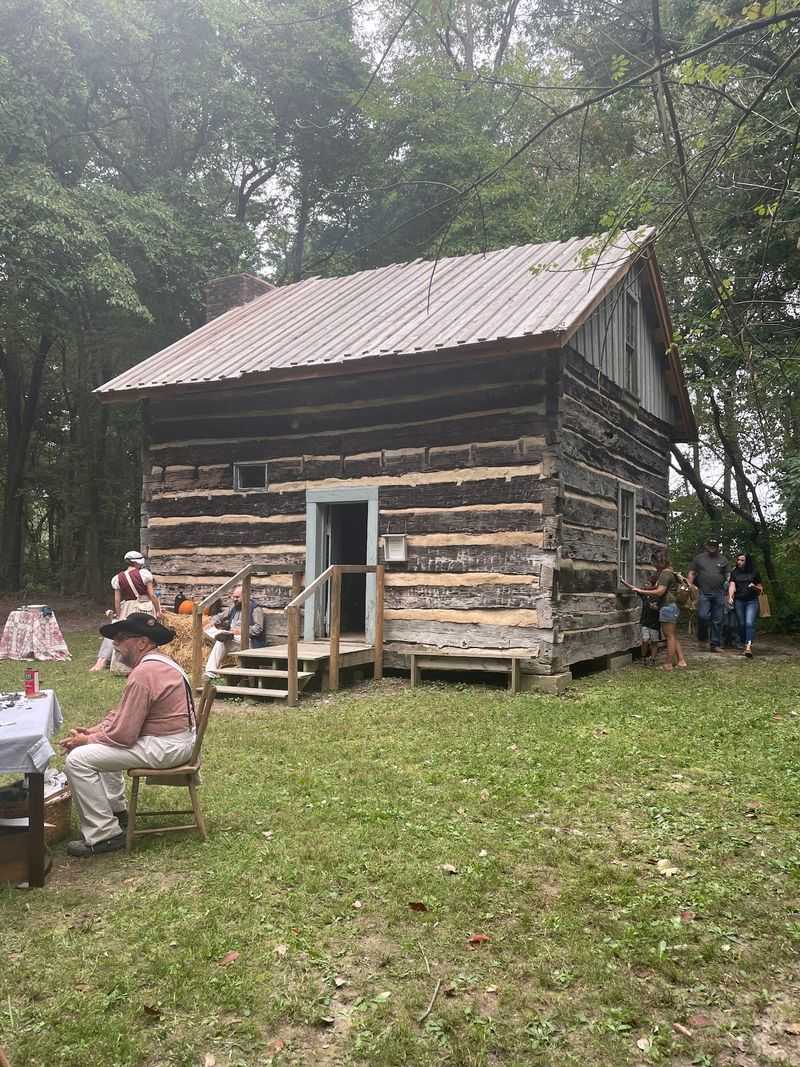
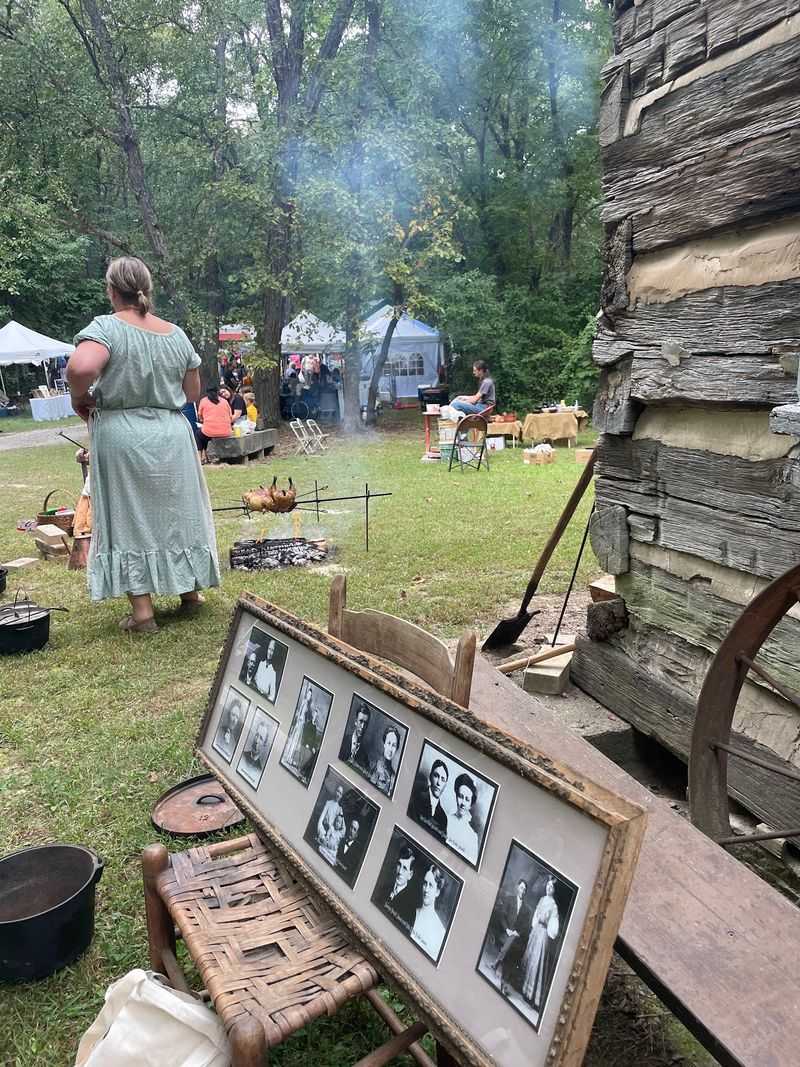
Bonnets, suspenders, and long skirts are the uniform of the day when the village comes alive. During festival weekends, interpreters in period dress stand at many of the cabins, ready to share what daily life was like for the people who built them.
These folks know their stuff. They are friendly, informative, and happy to answer the endless questions that curious kids tend to ask.
Some demonstrate the actual chores and skills of pioneer households, so you get to watch history happen instead of just reading about it.
Rope making is a crowd favorite. Children can see how strands get twisted together by hand into something strong and useful, which feels a little like magic when you are eight years old.
Wood crafts of all kinds show up too, reminding everyone how much people once made for themselves.
Generations of southern Illinois students have visited on elementary school field trips, and many return as grown-ups with their own kids. That tells you something about how memorable these demonstrations can be.
Because the whole effort relies on volunteers, the number of hands-on demos may vary. Still, the ones you catch are worth pausing for.
Log Cabin Days, The September Festival
Mark the calendar for September, because that is when this sleepy spot turns into one of the liveliest weekends in southern Illinois. Log Cabin Days runs across the last full weekends of the month.
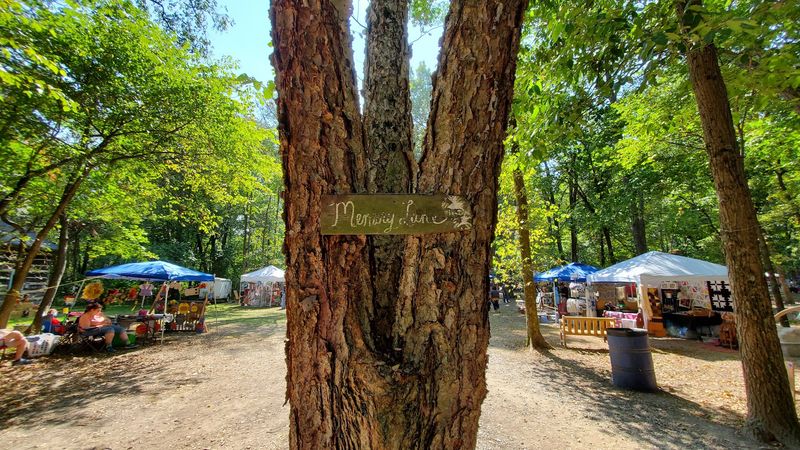
Vendors are the big draw, and there are a lot of them. Booths fill the grounds with handmade crafts, woodwork, jewelry, and just about anything else you could imagine.
Food stands keep everyone fueled, and the smell of kettle corn drifting through the trees has become a family tradition for many regulars.
Kids get plenty to do as well. Past festivals have featured pony rides, face painting, and rope making, plus a couple of teepees for extra fun.
Clean outhouses shaped like tiny houses even earn a smile or two.
Early fall in Illinois can still be warm, so dress light and bring water. Some weekends have turned out surprisingly hot.
The best part may be the setting. Shopping and snacking under a canopy of trees, with pioneer cabins all around, feels far more relaxed than a crowded mall.
It is the kind of outing that becomes an annual habit before you even realize it.
Spooky Evenings At The Haunted Village
Once the leaves start falling, the village trades its calm daytime mood for something a little more thrilling. The haunted village event turns the dark woods and old cabins into a spooky walk that families look forward to all year.
Visitors come away grinning, impressed by how much effort the volunteers put into the scares. There is something extra eerie about shadowy log cabins in the middle of the woods, and the setting does a lot of the heavy lifting.
A quick word of advice for anyone who is not steady on their feet. The path is kept quite dark to boost the scare factor, which is great fun but can make walking tricky.
Sturdy shoes and a helping hand for younger kids or grandparents are smart ideas.
For families who like a gentle fright, this is a refreshing change from big commercial haunted houses. It feels homemade in the best way, with small-town creativity instead of flashy special effects.
Pairing a September festival trip with an October haunted night could make this spot your family’s official fall headquarters. Plenty of folks leave already planning to come back the following year.
Cash, Admission, And Off-Season Visits
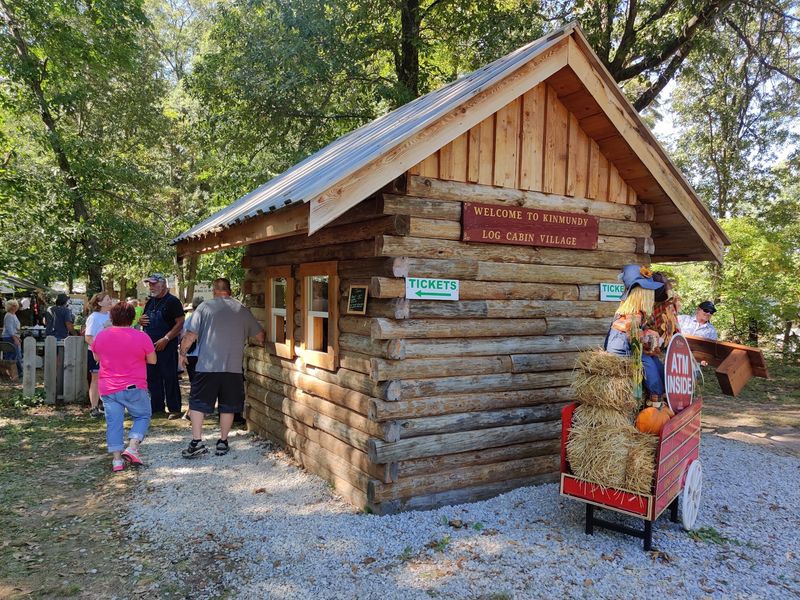
Good news for budget-minded families: festival admission has been just $5, which goes straight toward preserving the cabins. That is a tiny price for a full day of history, crafts, and fresh air.
Bring cash, though. Tickets have been cash only, and many vendors work the same way.
An ATM is available on site, but arriving prepared saves time and fees. Some booths and food stands can run a little pricey, so setting a small spending budget ahead of time helps.
Planning a visit outside of festival season? Weekday visits usually require a call ahead to the caretakers, who can often arrange a look around.
On weekends, volunteers are frequently on the grounds working on upkeep, so there is a decent chance someone will be around.
The address is 6260 Gesell Rd in Kinmundy, a short drive off the main routes through Marion County. Travelers heading along Interstate 57 can hop onto local state roads and reach the village without much fuss.
Wear comfortable walking shoes, since exploring means dirt paths and uneven ground. A light jacket for fall evenings and a camera for cabin photos round out the packing list nicely.
A Humble Gem Worth The Detour
Big theme parks have their place, but they rarely leave you feeling this grounded. Kinmundy Log Cabin Village offers something quieter and more personal, a chance to stand where Illinois pioneers stood and see how they made a home.
It suits a wide range of visitors. History lovers will enjoy the cabins and stories.
Kids get pony rides, rope making, and spooky fall fun. Grandparents often find it sparks memories and conversations about their own family roots.
Nobody would call it flashy, and that is exactly why it works. Everything here runs on volunteer hearts and hands, and you can feel that care in every restored log and friendly greeting.
For a few dollars and a tank of gas, your family can spend a peaceful afternoon in the woods or a bustling September weekend among craft booths. Either way, you will head home with kettle corn crumbs, a camera full of photos, and a great story about the pioneer village most of your friends have never heard of.
Supporting it also helps keep a piece of Illinois heritage standing for the next generation to discover.