
This Is One Of Florida’s Oldest Roads And It Still Feels Dangerous Today
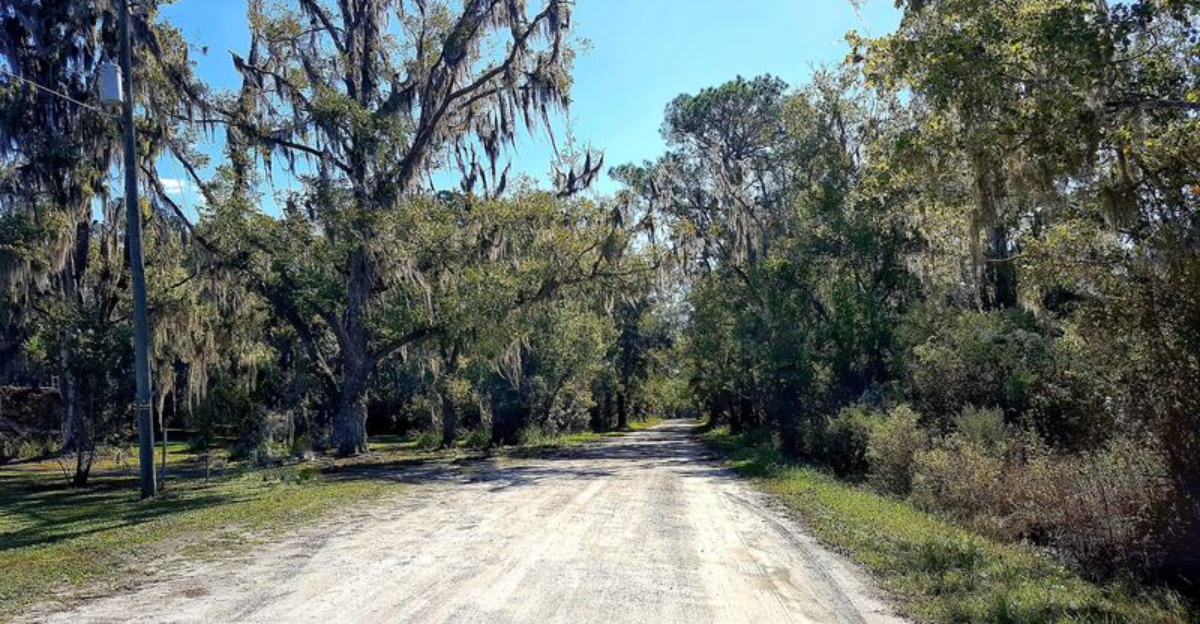
Some roads don’t disappear. They just fade into the landscape.
In Florida, a forgotten stretch still cuts through the wild. Built over a century ago as part of an early highway system. Narrow. Uneven. Slowly being pulled back by nature. Palmettos press in from both sides.
Spanish moss hangs low from ancient oaks. The feeling here isn’t about speed.
It’s about time slowing down. A small sign warns drivers to proceed at their own risk.
Two cars can barely pass each other. Every turn feels tight. And yet people still come. Curious travelers. History lovers. Road trip wanderers.
Drawn by something hard to explain, easy to remember. A place that refuses to fully vanish. Here’s what you need to know before you go.
Still Standing After 100+ Years
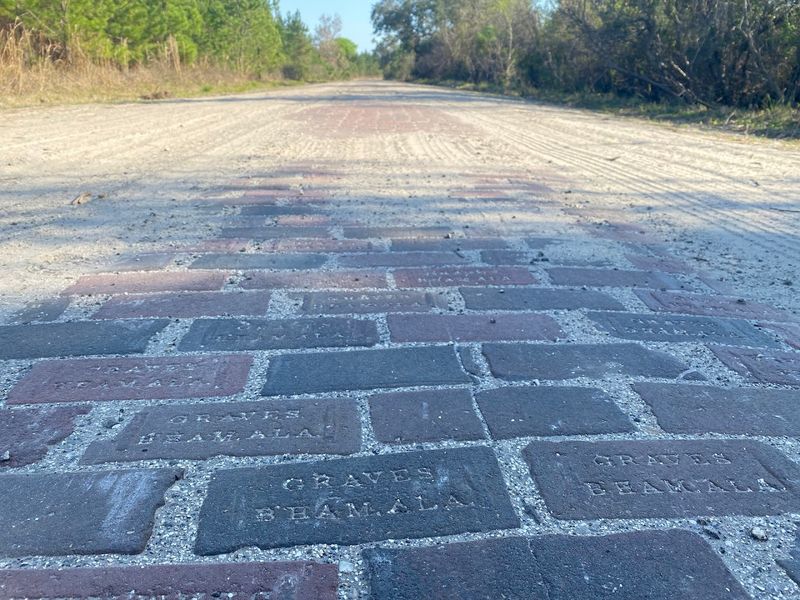
Some roads are built to last, and then there is Old Brick Road, which seems to exist purely out of stubbornness. Laid down in 1916 as part of the original Dixie Highway system, this stretch of road near Espanola, Florida is one of the oldest paved roads in the entire state.
Back then, paving a road with bricks was cutting-edge technology. Engineers and workers carefully set each red brick by hand, creating a surface meant to outlast the dirt paths that turned to mud every rainy season.
The Dixie Highway itself was a massive nationwide project connecting the Midwest to Florida. It was essentially the original American road trip route, long before interstate highways existed.
Flagler County got its piece of that history, and somehow that piece survived.
Most of the original Dixie Highway has been paved over, widened, or completely replaced by modern roads. This little stretch, though, just kept going.
Over a century of Florida heat, humidity, hurricanes, and relentless vegetation growth has not managed to erase it. The bricks have shifted and cracked in places, giving the road an uneven, bumpy character that modern asphalt simply cannot replicate.
Driving it feels like flipping through a really old photo album, except the photos are trying to rattle your car apart. History this raw and real is genuinely rare, and that is exactly what makes Old Brick Road so worth seeking out.
The Road That Hides In Plain Sight
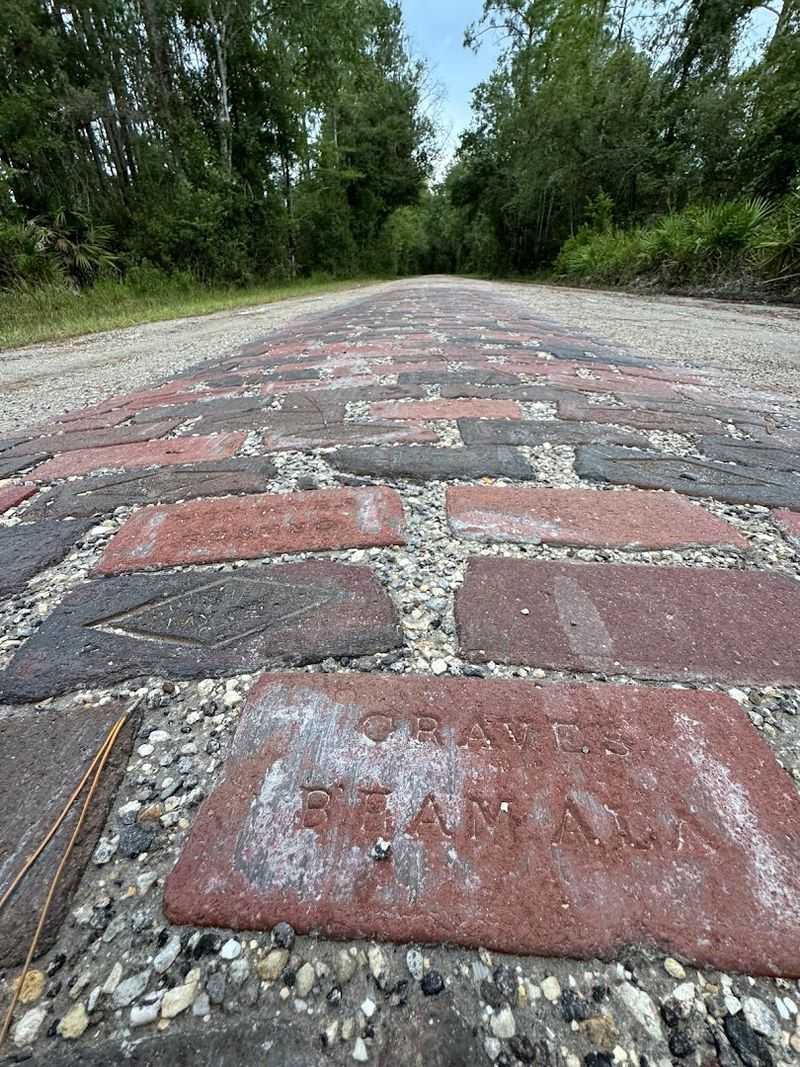
Getting to Old Brick Road is half the adventure, and finding it feels like unlocking a secret level in a video game. The road is located off Old Dixie Highway near Espanola in Flagler County, Florida, roughly between Bunnell and Hastings along County Road 13.
Plug the general area into your GPS and look for the narrow brick entrance tucked between thick walls of palmettos and scrub oaks. If you blink, you might genuinely miss it.
The surrounding landscape gives very little warning that something this historically significant is hiding nearby. One moment you are cruising through rural north Florida scenery, and the next you are staring down a one-lane brick road that looks like it belongs in a completely different century.
There are no grand markers or tourist welcome signs pointing the way. That low-key, almost secretive quality is part of what makes arriving here feel special.
Cell service can be spotty in this area, so downloading an offline map before heading out is a smart move. The road sits in a quiet, rural part of Flagler County that does not see heavy traffic, which adds to its isolated, almost forgotten atmosphere.
Going during daylight hours makes the whole experience much more enjoyable and gives you better views of the surrounding forest. A little preparation goes a long way when you are hunting down a road that clearly prefers to keep its own company.
The “Travel At Your Own Risk” Sign Is Not Just Decoration
Most roads greet you with a speed limit sign or a welcome message. Old Brick Road greets you with a posted warning that basically says the road ahead is not the county’s problem.
The “travel at your own risk” sign is real, it is official, and it sets the tone for everything that follows. That sign alone has probably convinced more than a few cautious drivers to turn around, which honestly just thins out the crowd for everyone else.
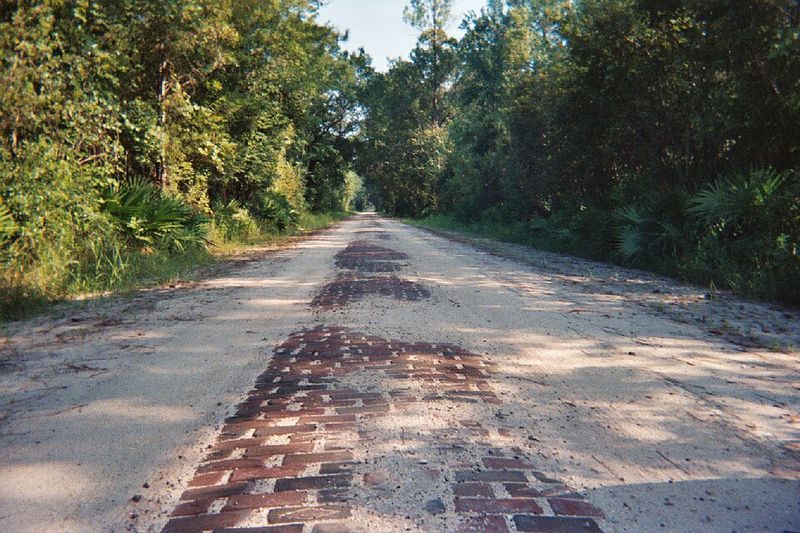
The warning exists for good reason. The brick surface is uneven and has shifted significantly over decades of use and weather exposure.
Potholes, raised brick edges, and unexpected dips can catch drivers off guard, especially those moving too fast. The road is also extremely narrow, making passing another vehicle a genuinely tense experience that requires both drivers to slow down and carefully edge past each other.
It is not the kind of road where you can zone out and cruise on autopilot.
The county essentially maintains minimal responsibility for this stretch, which is part of why it has retained so much of its original character.
Modern road maintenance standards would have smoothed it all out years ago. Instead, you get the authentic, unfiltered experience of what early twentieth century road travel actually felt like.
The sign is not there to scare you away. It is there to make sure you show up paying attention, which is honestly how every road should be approached.
Those Red Bricks Have A Story In Every Crack

Look down while driving Old Brick Road slowly enough and you will notice the bricks are not just old, they are alive with character. Each one is a deep reddish-orange color, worn smooth in the center from over a century of wheels rolling across them.
Moss creeps into the cracks between bricks, and grass has pushed up through the gaps in sections where nature has been most persistent. It looks less like a road and more like a very long, very determined garden path.
The bricks themselves were likely manufactured in Georgia or Alabama, where brick production was a major industry in the early 1900s. Florida’s sandy soil made brick roads particularly appealing back then because they provided a stable surface that sand and shell roads simply could not offer.
Workers laid each brick individually, which means the entire road was essentially assembled by hand. That level of craftsmanship feels almost unimaginable by today’s highway construction standards.
What makes the bricks especially fascinating is how they have responded to Florida’s relentless heat and freeze cycles over the decades.
Some sections have heaved upward, creating small ridges that make the drive genuinely bumpy. Other sections have settled and dipped, creating shallow valleys that collect rainwater.
Every imperfection is a timestamp, a small record of weather events and years of use layered one on top of another. Driving across them feels like reading a very tactile, very bumpy history book.
The Forest Closing In Is Not Your Imagination
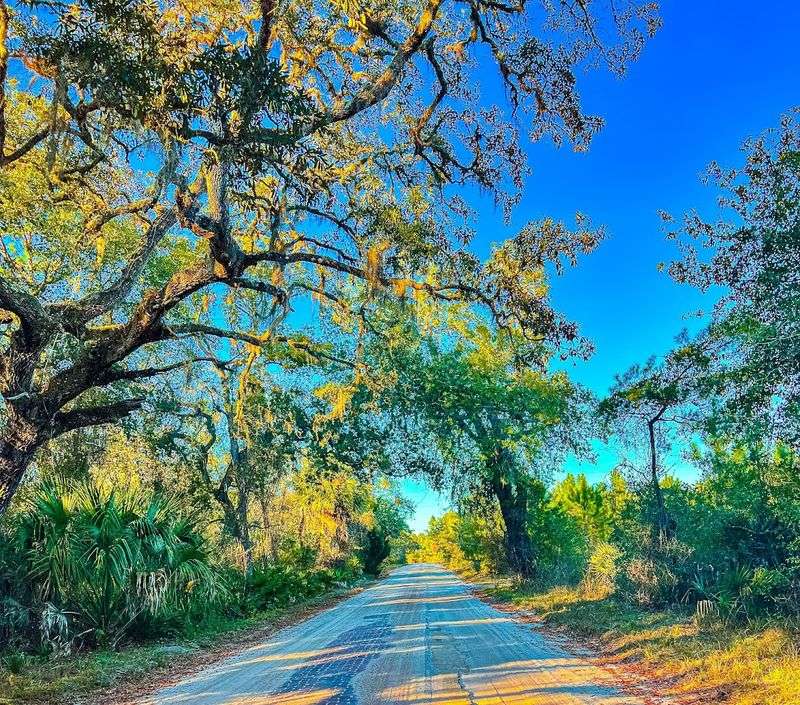
Driving Old Brick Road can feel a little like the trees are slowly voting you off the island. The vegetation on both sides is dense, relentless, and dramatically close to the road’s edge.
Tall scrub oaks stretch their branches overhead, forming a canopy that filters sunlight into shifting, dappled patterns on the brick surface below. Spanish moss hangs from the branches like nature’s own mood lighting, and it is extraordinarily effective at setting an eerie, atmospheric scene.
Palmettos crowd the roadside so tightly that pulling off the road is essentially not an option in most sections.
The forest has been slowly encroaching on the road for decades, and in some spots, branches brush against the sides of vehicles passing through. It is not dangerous in a dramatic sense, but it does give the very strong impression that the forest would happily swallow the road whole if given another few decades without maintenance.
This kind of dense, overgrown canopy is actually a defining feature of old Florida landscapes. Before development cleared so much of the state’s interior, much of north and central Florida looked exactly like this.
Driving through the canopy on Old Brick Road is a rare chance to experience that original, untouched Florida atmosphere. It is moody, it is beautiful, and it is the kind of scenery that makes you want to roll the windows down and drive very, very slowly.
The forest earns its dramatic reputation here without trying.
Why Driving It Still Feels Like A Mild Adventure
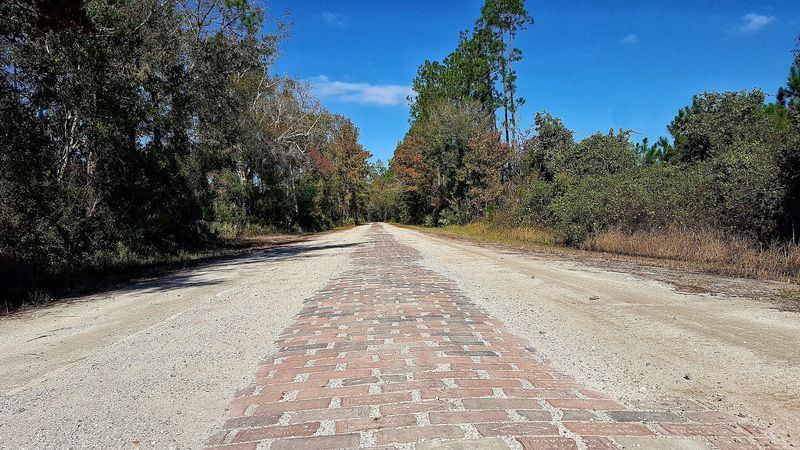
There is a specific kind of thrill that comes from doing something slightly outside your comfort zone without any actual danger, and Old Brick Road delivers that feeling beautifully.
The road is only about two miles long, but those two miles pack in more atmosphere than most full-day road trips manage. The uneven surface keeps your hands on the wheel and your eyes forward.
The narrow width keeps your speed naturally low.
The surrounding forest keeps your imagination running at full speed.
Meeting another vehicle on the road is a genuine event. Both drivers slow to nearly a stop, ease carefully to opposite edges of the brick surface, and inch past each other with the focused concentration of people parallel parking for the first time.
There is a brief moment of eye contact and mutual acknowledgment that you are both doing something slightly unusual and completely worth it. It is oddly communal for such a lonely stretch of road.
The road’s condition varies depending on season and recent weather. After heavy rain, sections can become slippery and water pools in the dipped areas between brick ridges.
Dry season visits offer better grip and more visibility through the thinned-out vegetation.
Either way, keeping your speed well under twenty miles per hour is both recommended and naturally enforced by the road itself.
Old Brick Road does not reward impatience. It rewards the kind of slow, present, wide-eyed attention that most modern driving has completely forgotten how to give.
Old Brick Road Belongs On Your Florida Bucket List
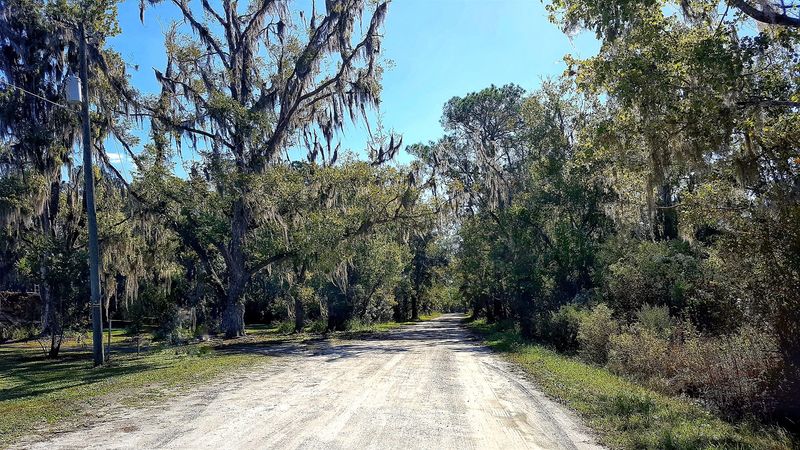
Florida gets a lot of attention for its beaches, theme parks, and endless sunshine, but the state’s real hidden treasures are roads like this one.
Old Brick Road near Espanola is the kind of place that reminds you how layered and surprising Florida’s history actually is. A one-hundred-year-old brick road, still driveable, still wild, still wearing its age proudly through every crack and mossy gap, is not something you stumble across in most states.
Road trip enthusiasts, history fans, and photography lovers have been quietly spreading the word about this stretch for years.
It photographs beautifully in the early morning light, when mist sometimes lingers low over the bricks and the canopy glows with a soft, golden filter. The contrast between the rusty red bricks and the deep green of the surrounding forest creates a scene that feels almost too cinematic to be real.
And yet, there it is.
Combining a visit to Old Brick Road with a stop at nearby Washington Oaks Gardens State Park makes for a full and genuinely memorable day in Flagler County.
The park sits along the Matanzas River and offers a completely different but equally beautiful slice of old Florida nature. Together, they paint a picture of a Florida that existed long before the theme parks and the condos arrived.
Have you ever driven a road that felt like it was telling you its own story with every bump and crack beneath your tires?