
This Is The Michigan Trail To Take To Get To Stunning Falls, A Wild Rock Overlook, And A Secluded Beach
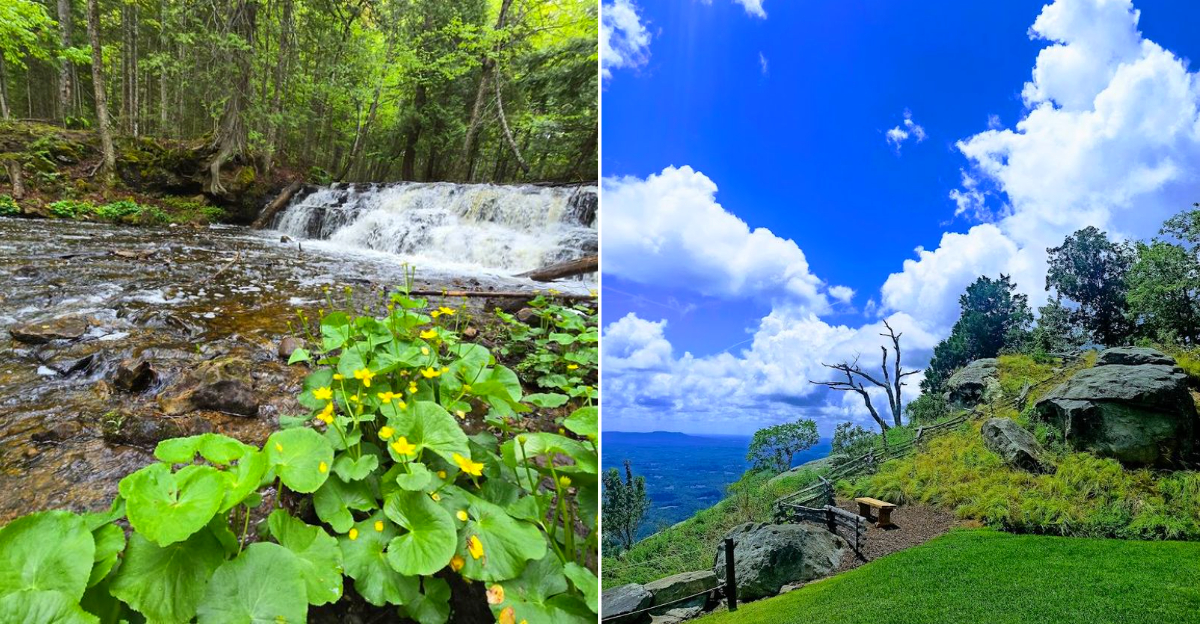
A specific kind of magic hides in the Upper Peninsula where the trail doesn’t just lead you through the woods; it pulls you into a conversation with the prehistoric.
I’ve found that starting at Chapel is like opening the first chapter of a 10-mile epic, a loop that strings together cascading falls, sheer sandstone cliffs, and the kind of quiet beaches that make you want to throw your phone into the lake.
You’ll hear the rhythmic, low-frequency thrum of Lake Superior long before the trees thin out, and once you hit the coast, the wind basically takes over as your tour guide. There’s no point in fighting it; you just lean into the spruce-scented air and watch the sunlight dance off the turquoise water.
Discover the breathtaking beauty of Michigan nature on this amazing 10-mile hiking loop, featuring stunning views of a wild rock, waterfalls and towering cliffs. It’s the kind of day that feels like a moving postcard.
Chapel Basin Trailhead Start
Gravel crunches under tires as the Chapel Basin lot appears out of the trees, already dotted with dusty Subarus and license plates from far away. Vault toilets, an information board, and a wooden sign feel unglamorous yet promising. The air tastes like pine and lake-cold metal, and blackflies test patience in June.
Trail etiquette is posted, along with distances that look friendlier on paper. Rangers ask you to pack out everything and keep off fragile cliff edges. That reminder echoes later when the wind leans hard from Superior.
Start early to find parking and quieter miles. Lace up, shoulder water, and note the sky. The loop rewards momentum, not hurry, and begins without ceremony.
First Forest Miles Warm Up
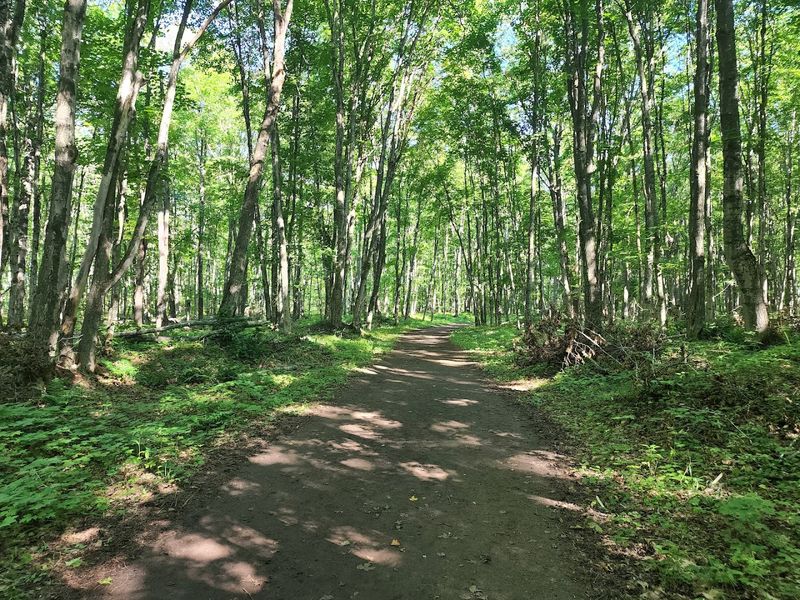
These first miles on the Chapel Loop Trail in Pictured Rocks run cool and green, a soft tread through maple, birch, and hemlock. Ferns press close, and the trail rises just enough to warm legs without asking questions. Footsteps drum a friendly rhythm that steadies your breathing.
Logging history sleeps in the soil, though you only see it in the straight lines of second-growth and old grade traces. Pictured Rocks National Lakeshore protects this corridor, and it feels held. Birdsong threads high, like stitching in a well-made coat.
Carry steady water and step around muddy seams after rain. The bugs can be testing in early summer, so a head net saves grace. Let the forest pace you, and the miles fold easily.
Chapel Falls Overlook Stops
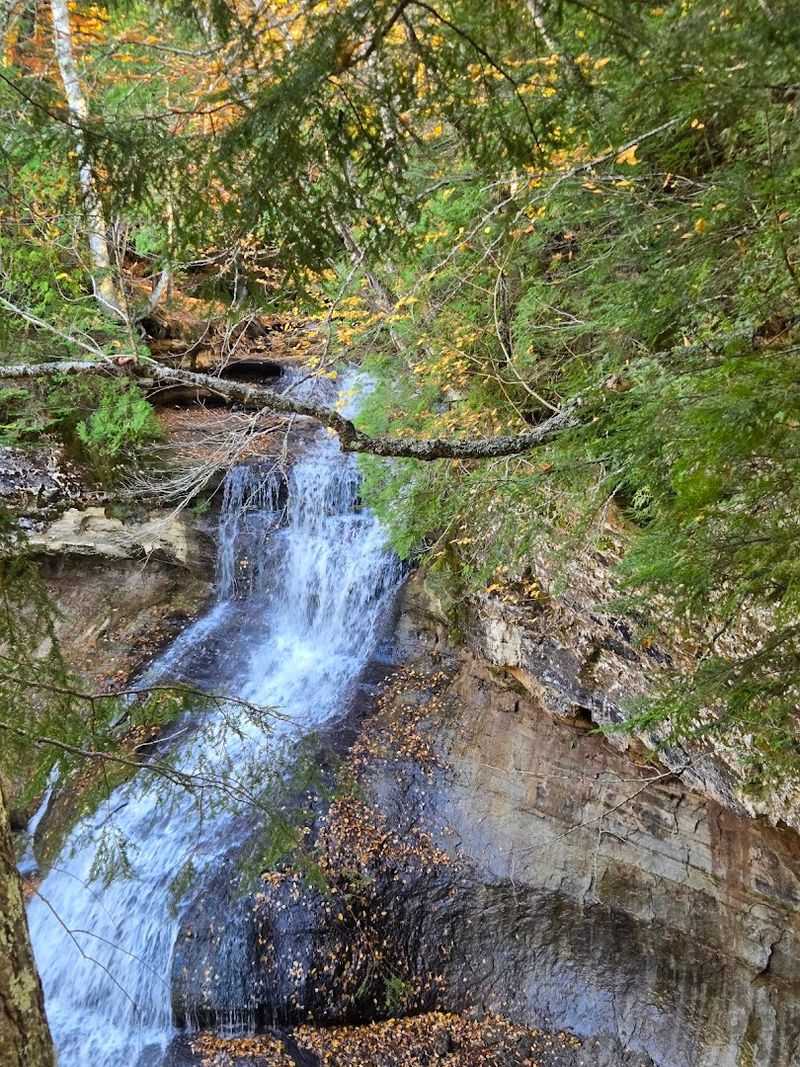
Water slips off sandstone in a pale curtain at Chapel Falls, narrow and stubbornly elegant. The overlook platforms perch along the gorge, each angle trading noise for nuance. Mist beads on arms and camera lenses, and conversation drops to hush.
Logging dam remnants and footpath alignments hint at earlier ways the river was used. Today it is watched, not worked. The park’s railings keep feet back from crumbly edges shaped by freeze-thaw patience.
Pause at more than one overlook, because the falls changes character with ten steps. Tripods are fine if you keep the lane clear. Late afternoon light pulls copper out of the stone and turns the spray into freckles.
Chapel River Rush Points
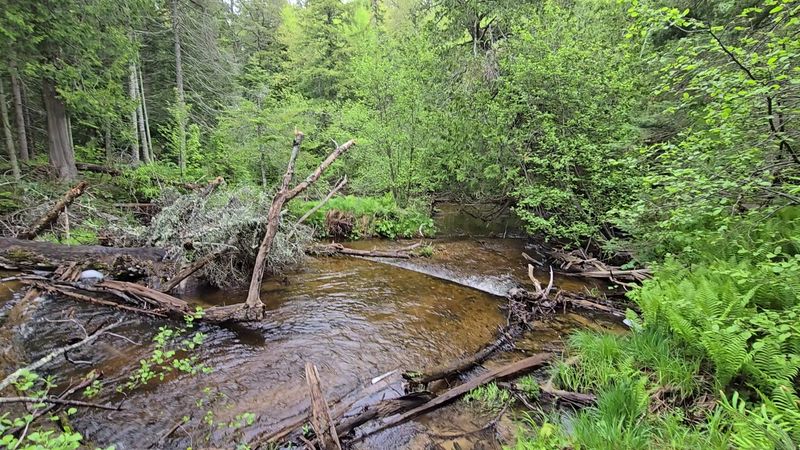
The river tightens and loosens like breath, riffles flashing over cobble, then sliding into tea-clear pools. Cedar roots braid the banks into knuckled grips, and a dragonfly hovers like a punctuation mark. Sound here is layered: water, wind in needles, and the light tap of hiking poles.
Once used to move logs, this waterway carries only foam and trout now. Restoration left the channel to its curves, and the current writes its own sentences. Erosion warns that feet should stay on trail.
Watch for slick rocks if you edge down for a look. Bug spray buys you time for photos. When rain swells the river, the tempo picks up and your steps should slow.
Chapel Rock Cliffside View
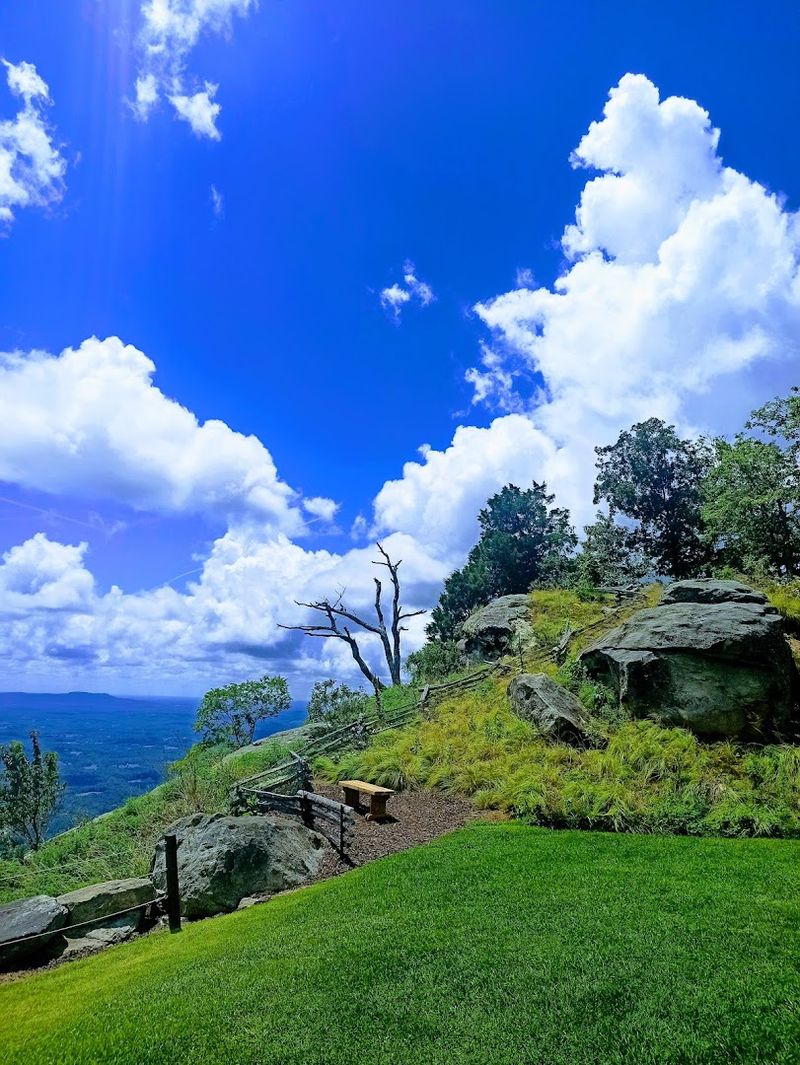
Chapel Rock rises like a patient riddle, a sandstone pedestal topped by a white pine that drinks from shore through roots stretching across open air. The arch is delicate and strangely stubborn. Waves boom below, turning the cliff face into a drum.
Early photographs show the former land bridge that once connected the tree to the forest. Erosion carved the gap, and preservation signs ask everyone to admire from behind the fence. The pine survives by a single umbilical root that should not be tempted.
Stay back for both safety and respect. A long lens brings the story closer. Morning color pulls emerald from Superior and amber from the stone for clean contrast.
Chapel Beach Quiet Shore Break
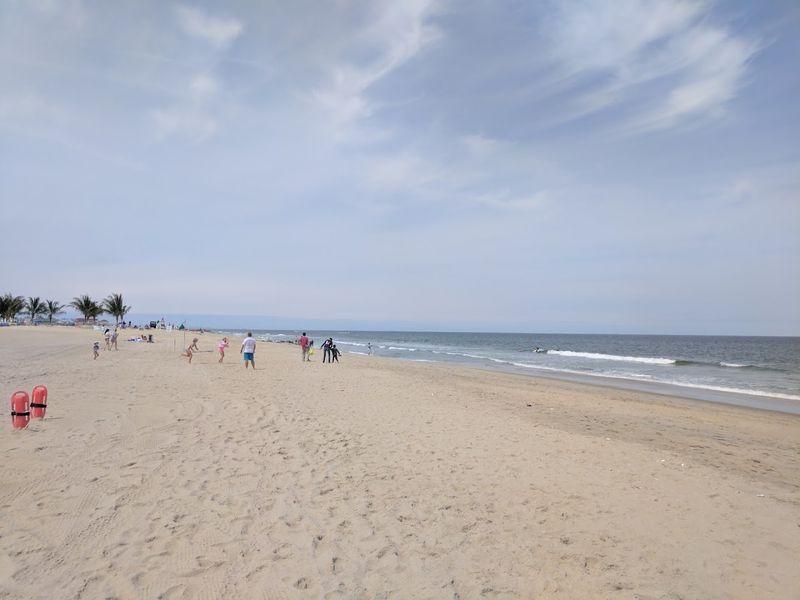
Sand sighs underfoot and the lake pretends to be gentle for a minute. Chapel Beach stretches pale and spare, framed by dunes and the cliff line that guards its edges. Driftwood arranges itself like accidental benches.
The shoreline holds stories of storms that push logs high and gnaw at banks. Day users come and go, but it rarely feels crowded outside peak weekends. Cold water keeps the noise down more than any rule.
Eat here, shoes off, but watch for sneaky gulls. Superior numbs ankles in seconds, which feels bracing and honest. Pack out orange peels and crumbs, and you will leave the sand looking freshly combed.
Pictured Rocks Clifftop Stretch
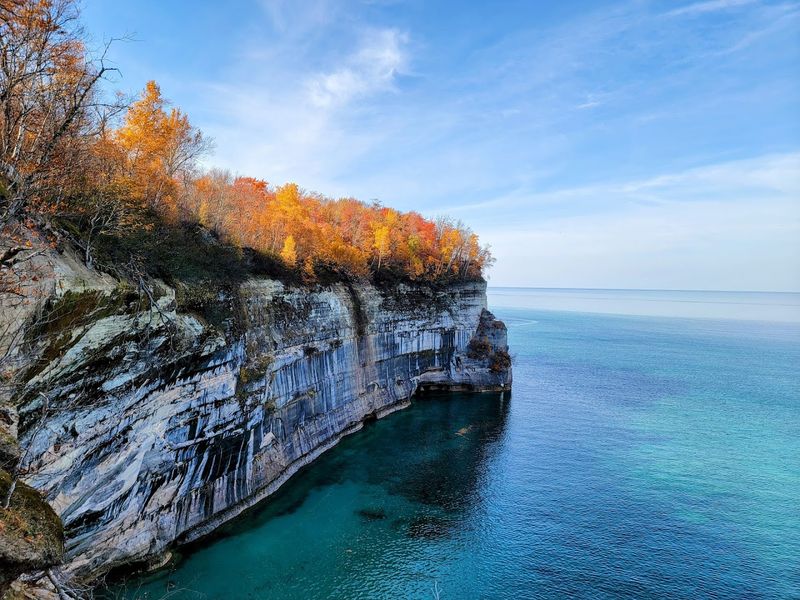
The path tightens along painted cliffs where iron and copper stain the sandstone like watercolor. Wind lifts hats and opinions, and the lake appears endless enough to reset scale. Footsteps stay respectfully inland as waves throw white fists below.
Shipping once hugged this coast until storms taught hard lessons. The National Lakeshore’s signage and fencing respond to ongoing erosion. Geology keeps working while you watch, exfoliating stone into the lake with quiet certainty.
Join the line of careful walkers and keep conversation light so ears can read the wind. Trekking poles help on uneven roots. Do not cross social trails to cliff edges, no matter how persuasive the view seems.
Lake Superior Wind And Spray
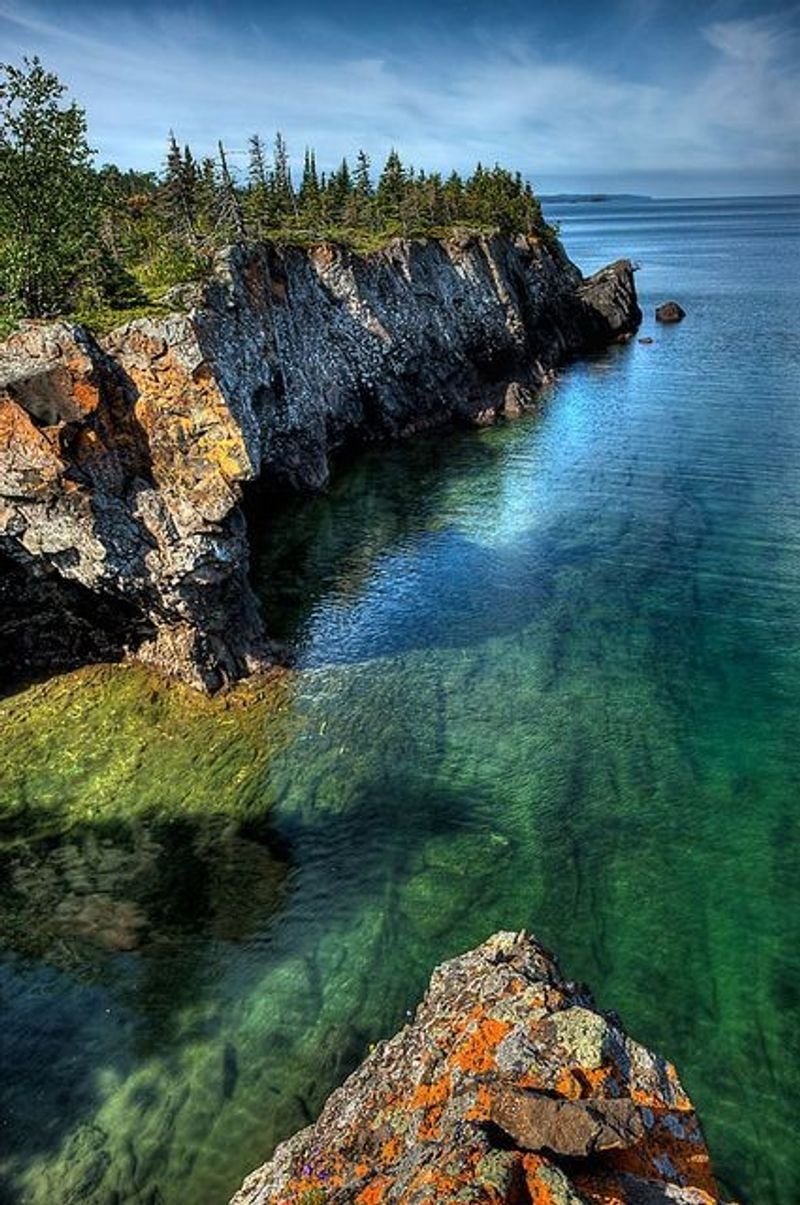
On gusty days the lake throws personality, pitching spray that salts your cheeks from fifty feet up. The color swings from bottle-green to steel in minutes. Every pocket of air smells rinsed and electric.
Anishinaabe names and stories remind that this water has long been a road and a teacher. Lighthouses still stand as exclamation points along the coast. Weather is the old boss here, and the park plan respects it.
Layer up even in July, because windchill at overlooks surprises. Secure hats and keep cameras leashed. If whitecaps stack thick to the horizon, budget extra time, since gusts turn simple walking into concentrated work.
Mosquito River Crossing
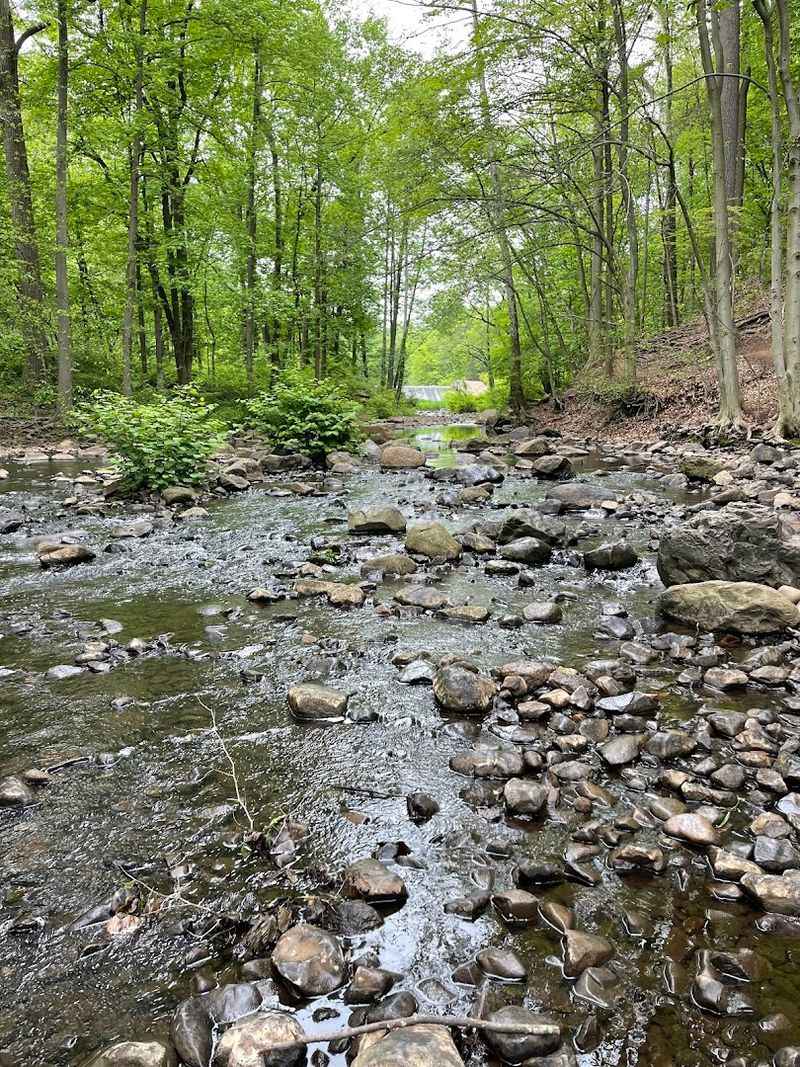
The Mosquito River moves like strong tea under a wooden bridge, quiet and intent. Hemlocks shadow the banks, and the air loses its lake edge for damp forest cool. Footing on the planks asks for attention after rain.
This crossing sits near old campsite corridors and a backcountry junction used for decades. The river’s name earns a smile and a swat in June. Still, the place feels steadied by the steady water.
Reapply repellent before pausing, and glance upstream for a small cascade. The bridge is single file, so yield with a nod. Keep snacks sealed, then aim your steps toward beachstone shelves waiting downstream.
Mosquito Beach Detour
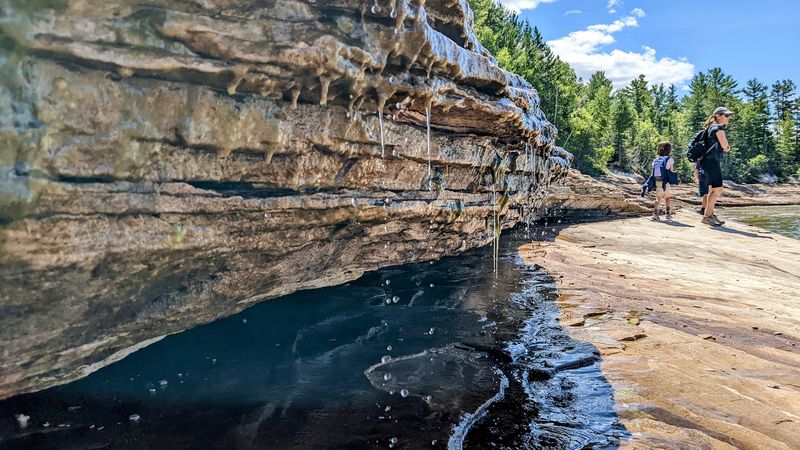
Stone lays itself out in long, flat ledges at Mosquito Beach, a geology lesson you can picnic on. Shallow pools hold tiny dramas of foam and pebbles. The lake idles here, deceptively calm against those broad steps.
Old photos show past winters prying slabs loose and sliding them like cards. The National Lakeshore lets the rock keep its slow calendar. Visitors tend to wander far, hopping seams to chase patterns.
Sticky soles help on wet film, and you should watch for steep drop-offs where ledges end. Keep back from surf on stormy days. When the sun edges out, sandstone warms your palms like a pocket heater.
Mosquito Falls Finish
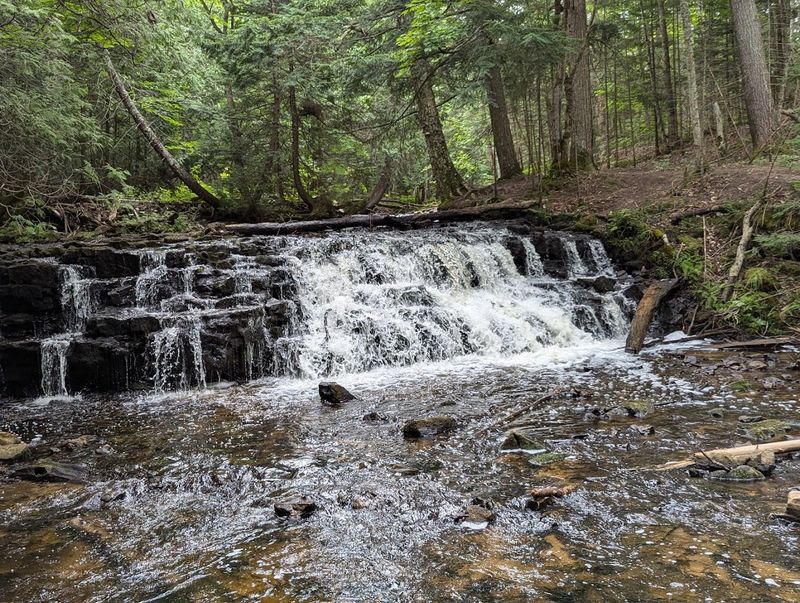
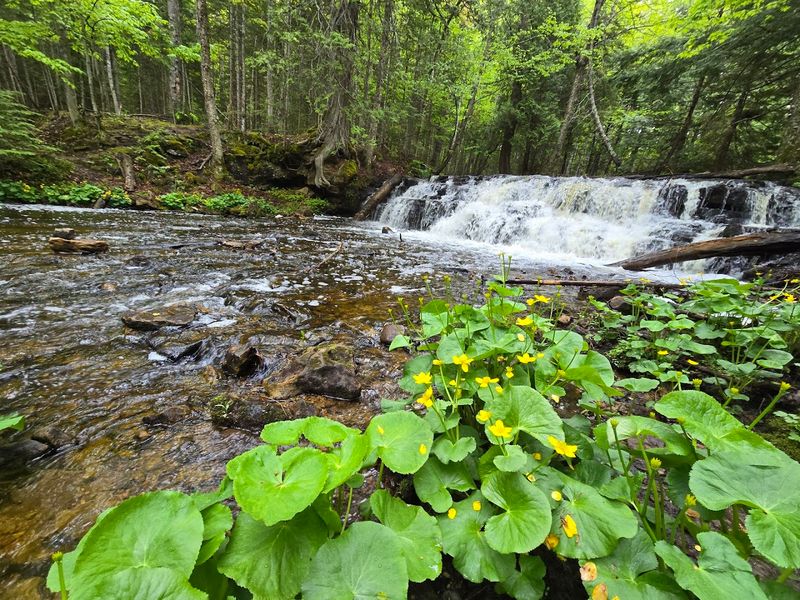
The trail closes its loop with the chatter of Mosquito Falls, a stair-step tumble that feels friendly after so much cliff theater. Water braids around flat rocks where hikers sit and un-crinkle maps. The forest breathes damp and clean around the clearing.
Historic use left faint traces near the banks, but the falls have mostly kept their small, stubborn shape. Park work focuses on tread and signage rather than spectacle. That humility suits the place.
Take a last photo, then turn toward the lot with legs pleasantly used. Watch slick edges and give anglers space. If rain begins, the sound deepens and the trail asks for careful, deliberate feet.
Chapel Lake Return Trail
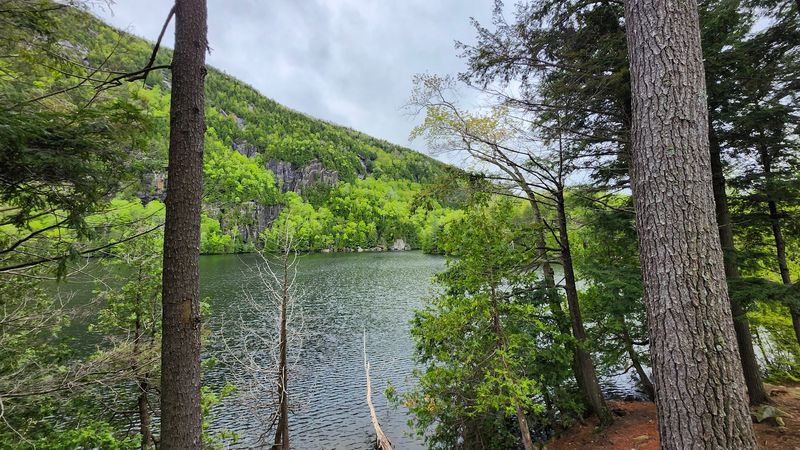
The return eases along Chapel Lake, where reflections lie flat as a held breath. Through trunks you catch silver water and a loon’s stitched call. Footsteps soften again, like the day is folding itself carefully.
This inland piece once connected logging routes to the basin. Now it is a quiet corridor that gathers the hike’s scattered moments. Signposts keep you on course when junctions tempt fatigue.
Top off water before leaving the creek zones and keep a steady, unhurried cadence. Twilight comes fast under these trees. When the lot appears, the gravel sounds familiar, and the loop’s story closes without shouting.