
This Is The Ultimate Adventure-Packed Summer Michigan Upper Peninsula Road Trip Guide
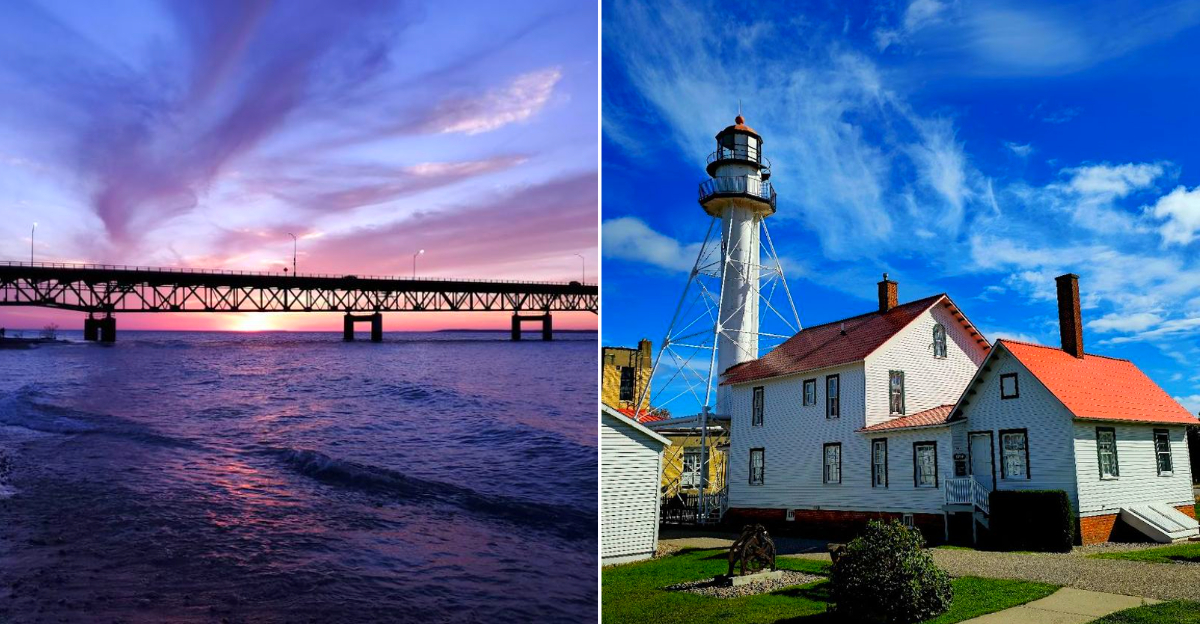
A summer drive through the Upper Peninsula has a funny way of making your calendar feel too small.
You set out thinking you are taking a road trip, then Lake Superior shows up with cold air, freighters, waterfalls, cliffs, old industry, and enough wide-open silence to make your phone seem slightly embarrassed.
The joy of this route is its range. One stop might put you beside tea-colored falls.
The next might send you toward a granite overlook, a historic company town, or a shoreline that looks peaceful until you remember how much work, weather, and grit shaped it.
A Michigan Upper Peninsula road trip brings together waterfalls, Lake Superior views, historic towns, scenic overlooks, wilderness stops, and unforgettable summer detours.
Do not treat this as a race across the map. Bring layers, snacks, curiosity, and a schedule loose enough to survive the view.
1. Cross The Mighty Mac Into St. Ignace
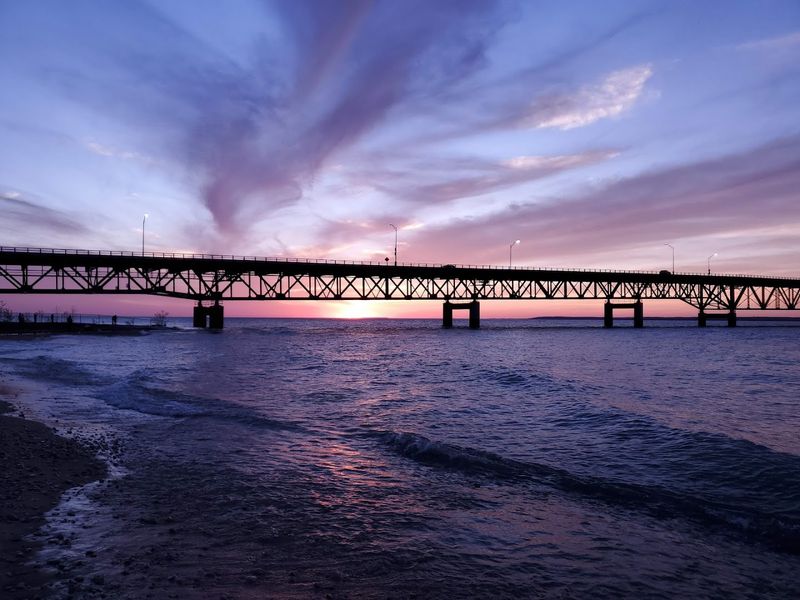
The Upper Peninsula announces itself before you even arrive. Driving north across the Mackinac Bridge, with open water stretching on both sides, feels less like a simple state crossing and more like entering a different tempo.
The bridge opened in 1957 and still carries you over the Straits of Mackinac, linking Michigan’s peninsulas in one long, wind-prone sweep.
By the time St. Ignace appears, the mood has already shifted. Ferries angle toward Mackinac Island, lake light flashes silver, and the little downtown feels practical in the best way.
Pull over, breathe, and let the trip actually begin here.
It is worth checking bridge conditions before you go, especially on gusty days. Even if you are eager to cover miles, this is one crossing that deserves your full attention.
2. Watch Freighters Slide Through The Soo Locks
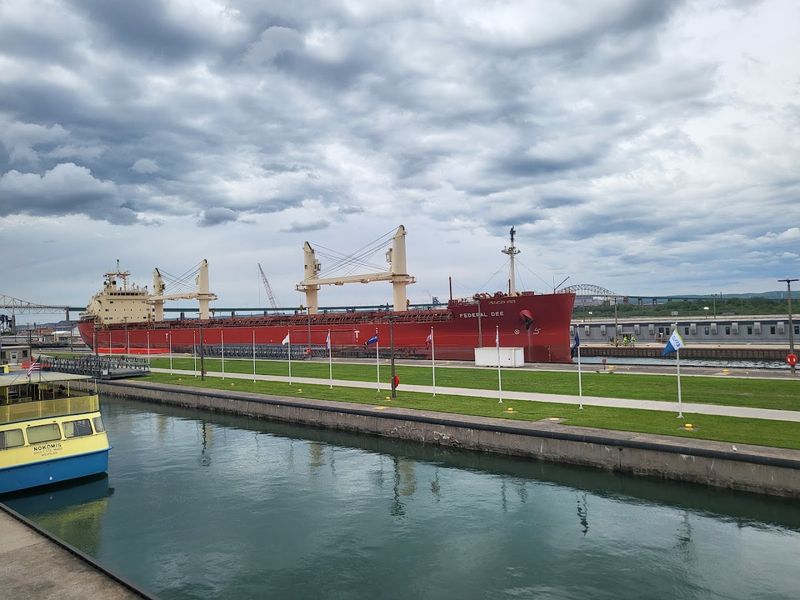
There is something hypnotic about watching a ship rise or fall almost imperceptibly. In Sault Ste.
Marie, the Soo Locks handle the roughly 21 foot change between Lake Superior and the lower Great Lakes, turning industrial necessity into a strangely elegant public spectacle. You can stand near the viewing areas and feel how quietly enormous everything is.
The best part is the contrast. Families lean on railings eating snacks while a freighter inches through like a floating building, all steel patience and low engine noise.
Boat tours offer the closer experience, but even from shore the lock operation is fascinating.
Give yourself more time than you think you need. Ship schedules shape the drama, and waiting a little is part of the point here.
3. Feel The Roar At Tahquamenon Falls
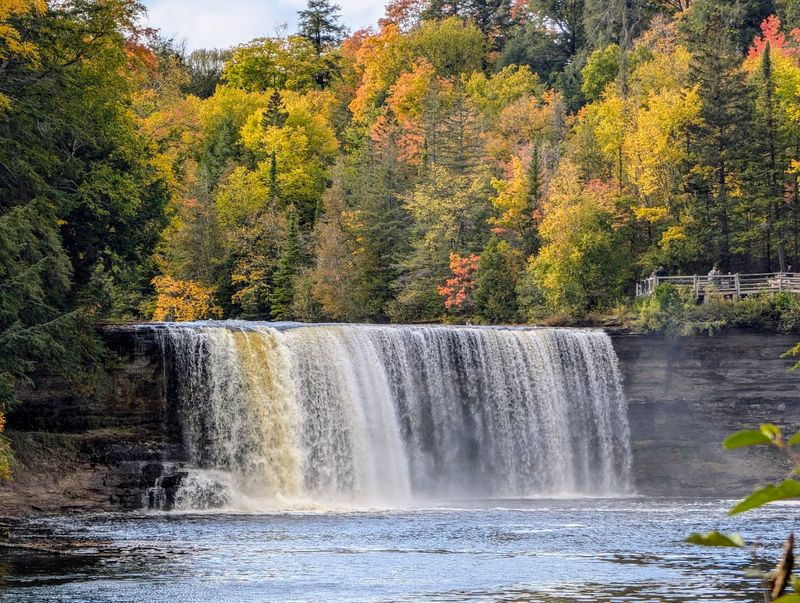
The color hits first. Tahquamenon Falls often runs a rich amber-brown from tannins released by cedar swamps upstream, and that earthy tint makes the water look even heavier as it pushes over the brink.
The Upper Falls drops about 50 feet and spans roughly 200 feet, one of the largest waterfalls east of the Mississippi River.
Then the sound takes over. From the overlook, the river seems to throw itself forward with a force that is impossible to treat casually, and the mist carries that cool, metallic smell big waterfalls always seem to invent.
Trails lead through the state park to more views and to the Lower Falls area.
If you have time, do both sections of the park. The scale of the Upper Falls is thrilling, but the Lower Falls adds a quieter, more wandering kind of beauty.
4. Stand On The Shipwreck Coast At Whitefish Point
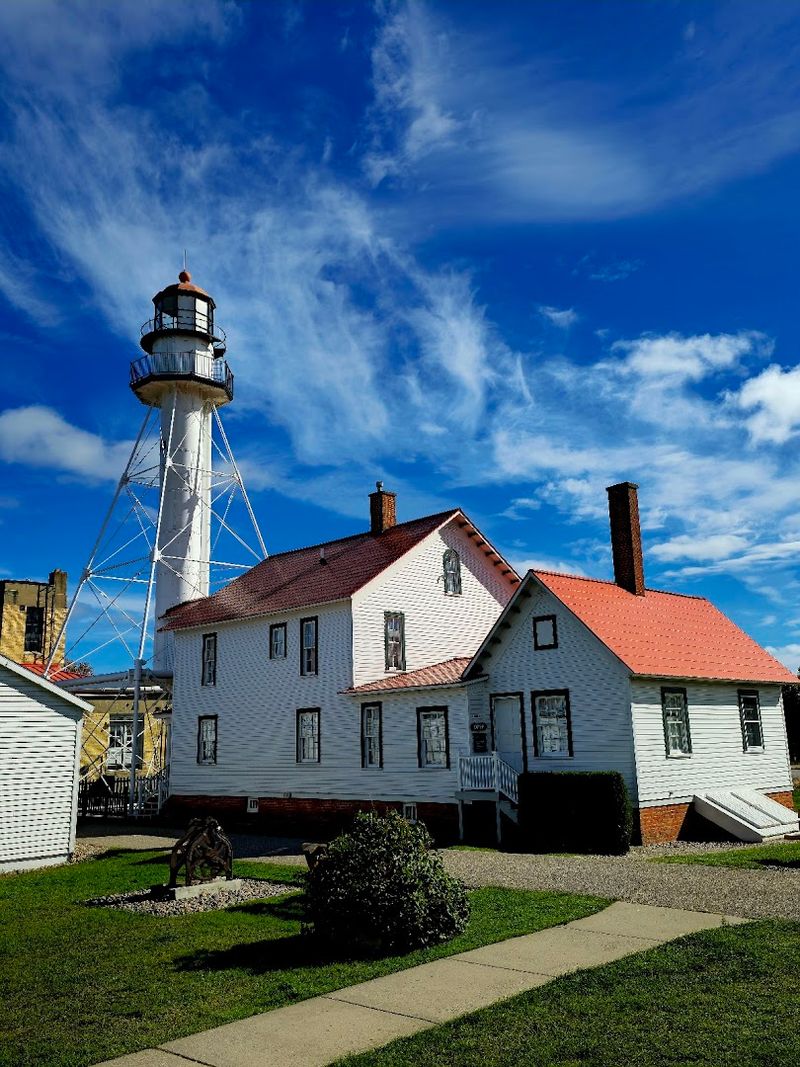
Whitefish Point feels spare in a way that sharpens your attention. The beach is wide, the lake rarely looks fully settled, and the old lighthouse standing here, the oldest operating one on Lake Superior, gives the place an immediate sense of purpose.
This is Shipwreck Coast, and the name is not decorative.
The Great Lakes Shipwreck Museum helps turn that unease into understanding. Artifacts and exhibits trace the brutal combination of weather, cold water, and navigation hazards that made this stretch of shoreline infamous.
Standing outside afterward, with Superior rolling in front of you, the history does not stay inside the museum for long.
I like arriving with enough time to wander the shore after seeing the exhibits. The point is beautiful, but it never lets you forget how costly that beauty has been.
5. Slow Down For Wildlife At Seney National Wildlife Refuge
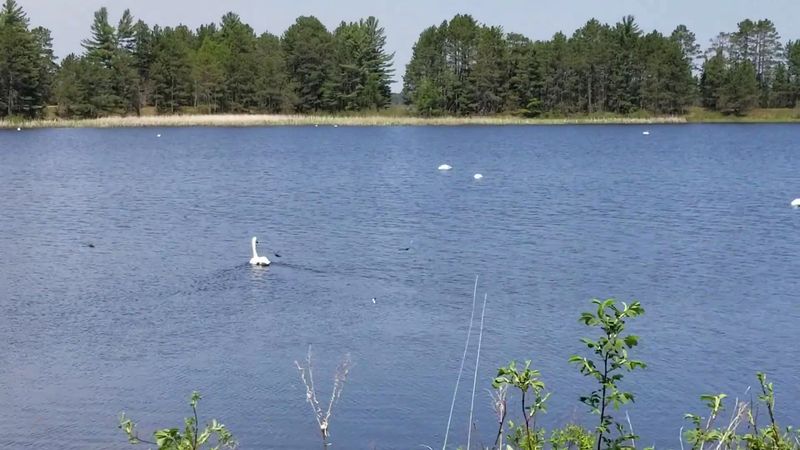
Not every memorable stop in the U.P. announces itself with drama. Seney National Wildlife Refuge works on a quieter frequency, all marsh light, still water, and patient scanning.
The refuge protects a large wetland landscape, and the slow driving route through it encourages exactly the right kind of attention.
You notice movement gradually. A trumpeter swan may cut across a pool, a heron can stand with impossible composure near the reeds, and turtles turn logs into crowded little sun decks.
Even the pauses feel productive here, because the place rewards waiting more than rushing.
Bring binoculars if you have them, and keep your expectations flexible. Wildlife is never guaranteed on command, which is precisely why a good sighting at Seney feels earned rather than staged.
6. Ride The Raft Over Kitch-iti-kipi
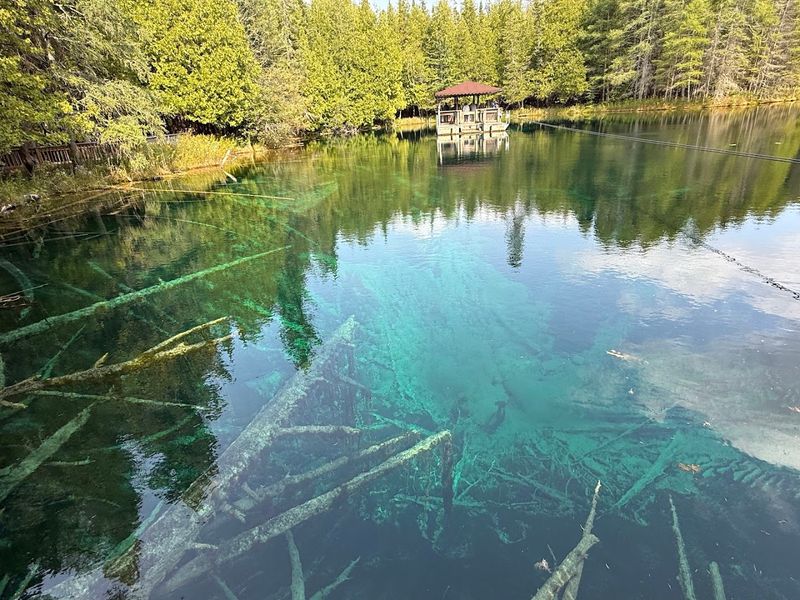
Kitch-iti-kipi has the kind of clear water that makes people lower their voices without meaning to. At Palms Book State Park near Manistique, this large freshwater spring is viewed from a self-propelled raft that glides across the surface while you peer down into astonishing depth, drifting sand, and old tree trunks resting below.
The spring is often called Michigan’s largest natural freshwater spring, and it really does feel oversized in every sense. Fish slip through the water with almost exaggerated visibility, and the constant bubbling from below gives the whole pool a gentle, living motion.
It is part natural wonder, part floating observation deck.
Go earlier or later in the day if you can. Midday crowds are common in summer, but the spring keeps its magic when the raft is less busy and the mood turns calmer.
7. Step Into The Lakeside Ghost Town At Fayette
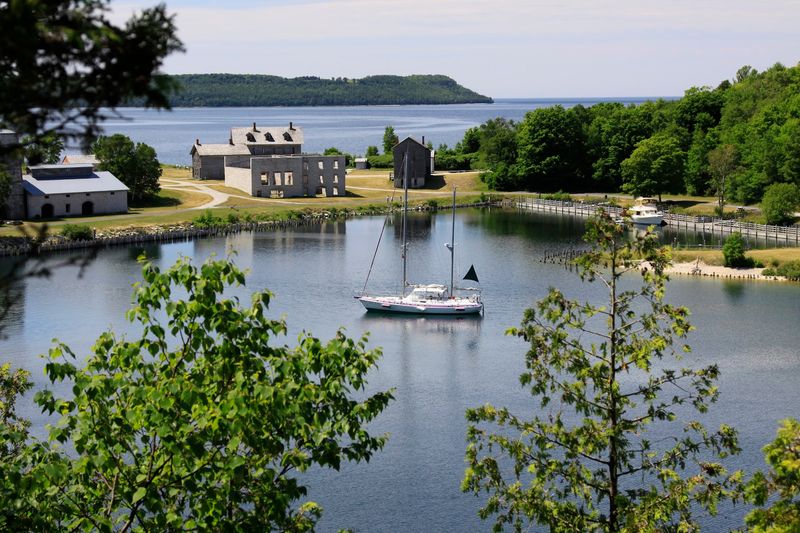
Fayette is one of those places where the landscape and the industry seem to be arguing politely. The preserved town sits on Snail Shell Harbor beneath limestone bluffs, and the setting is so handsome that it almost softens the hard history of iron smelting that once drove life here.
Almost, but not entirely.
Now part of Fayette Historic State Park, the village preserves buildings from a nineteenth century industrial community that thrived, then emptied out when the economics changed. Walking through the superintendent’s house, workers’ quarters, and furnace area gives the site a useful texture that signs alone could never manage.
Lake Michigan glints nearby, indifferent and lovely.
After touring the buildings, wander down to the water. Skipping a stone in Shell Harbor feels like the right small ritual after spending time with a place built on big ambitions.
8. Cruise The Cliffs At Pictured Rocks
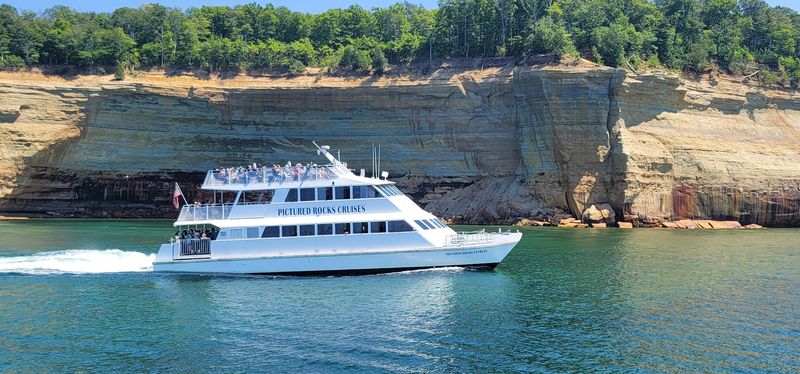
Pictured Rocks is the stretch of the trip that makes everyone reach for their camera, then immediately realize the scale is hard to translate. Along Lake Superior near Munising and Grand Marais, the sandstone cliffs rise in bands of cream, rust, green, and black, shaped by mineral staining, waves, and time into a shoreline that feels almost theatrical.
A boat cruise gives you the full sweep of arches, caves, and vertical walls. Kayaking offers a more intimate version if conditions cooperate, while trails inland lead to places like Miners Castle, Chapel Falls, and the Grand Sable Dunes.
Each angle catches a different mood, which is part of the appeal.
Lake Superior weather still sets the terms, even in summer. Book wisely, layer up, and treat calm water as a gift rather than a guarantee.
9. Climb Sugarloaf For A Lake Superior View
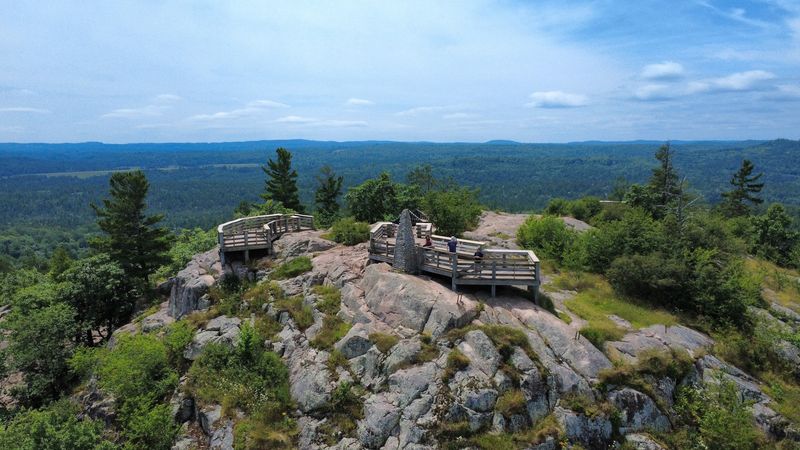
Sugarloaf Mountain is a short climb with a satisfyingly disproportionate payoff. Just outside Marquette, the trail and stairway rise through the woods to a viewing platform where Lake Superior opens wide, the city sits neatly below, and the surrounding forest looks like a textured green quilt stitched around rock and water.
Because the hike is brief, the overlook can attract plenty of company, but that does not really diminish the effect. The elevation gives you a useful sense of how Marquette balances town life with immediate access to rugged terrain, and the lake from above always seems larger than memory prepared for.
I prefer going when the light is lower and softer, especially later in the day. It is easier to linger then, and the view shifts from impressive to quietly absorbing as shadows lengthen.
10. Wander The Wild Edge Of Presque Isle Park
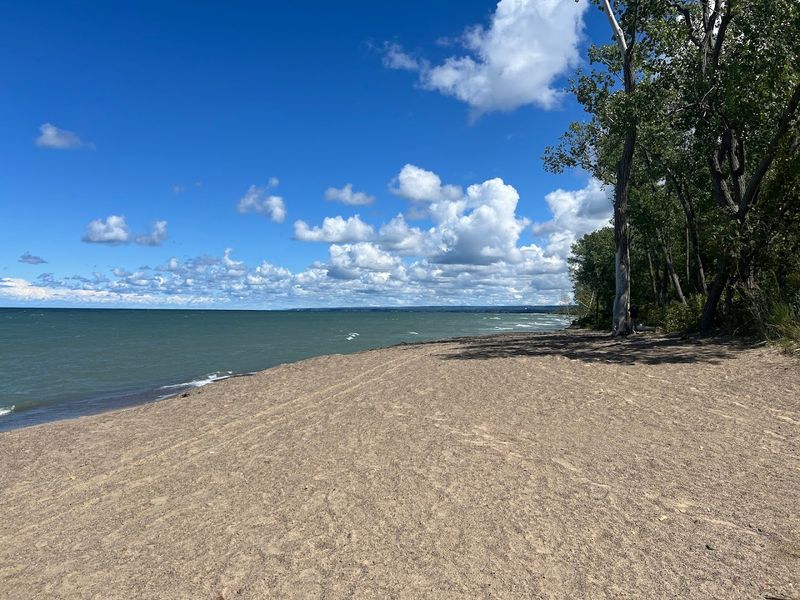
Presque Isle Park has a wonderful edge-of-town wildness to it. One moment you are a few minutes from coffee and bookstores in Marquette, and the next you are on a wooded drive or lakeside trail where Superior keeps colliding with dark volcanic rock in a rhythm that feels older than the road itself.
The park is known for scenic loops, easy walks, birdwatching, and the Blackrocks area, where bold swimmers sometimes jump into the lake from low cliffs when conditions are safe. Even if you keep both feet on land, the place has a bracing quality.
Wind moves through the pines, water flashes steel blue, and the shoreline invites lingering.
Check conditions and use judgment around the rocks and water. This is a beautiful place to roam, but Superior does not reward casual assumptions.
11. Follow Copper Country Through Keweenaw
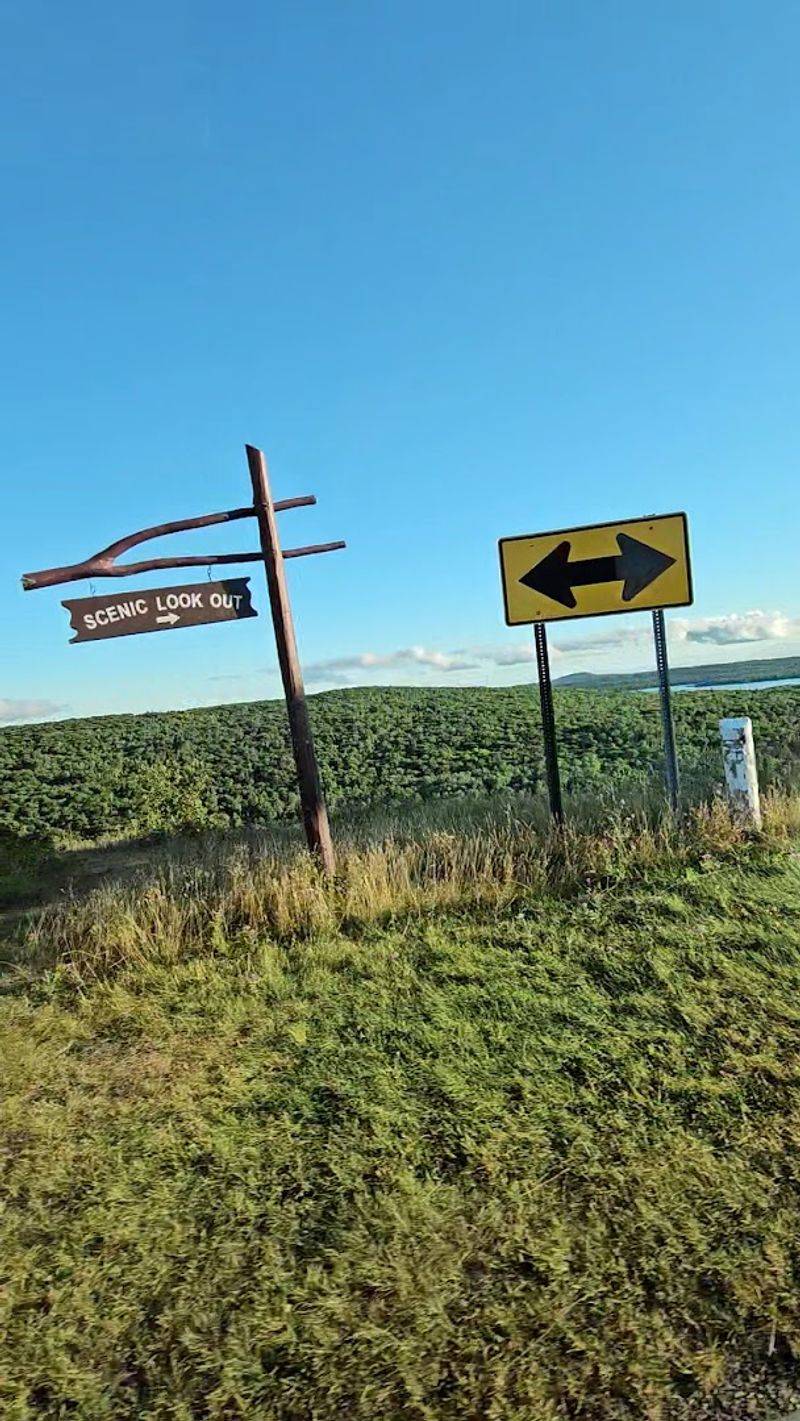
The Keweenaw Peninsula carries its past close to the surface. Drive north and the signs of Copper Country keep appearing in headframes, company buildings, rock piles, and towns whose street grids still reflect the logic of mining.
It is one of the U.P.’s most distinctive regions because the landscape and industry are still in conversation.
Quincy Mine is a strong place to stop if you want that story told clearly. Tours interpret the underground workings and the enormous steam-powered hoist that once helped define production here, giving the human scale of labor and ambition a much firmer outline.
Beyond the mine, shoreline views and quiet communities keep the day varied.
Do not treat the Keweenaw as just a scenic drive. The scenery is excellent, but the history is what gives the road its real depth.
12. Take The High Road On Brockway Mountain Drive
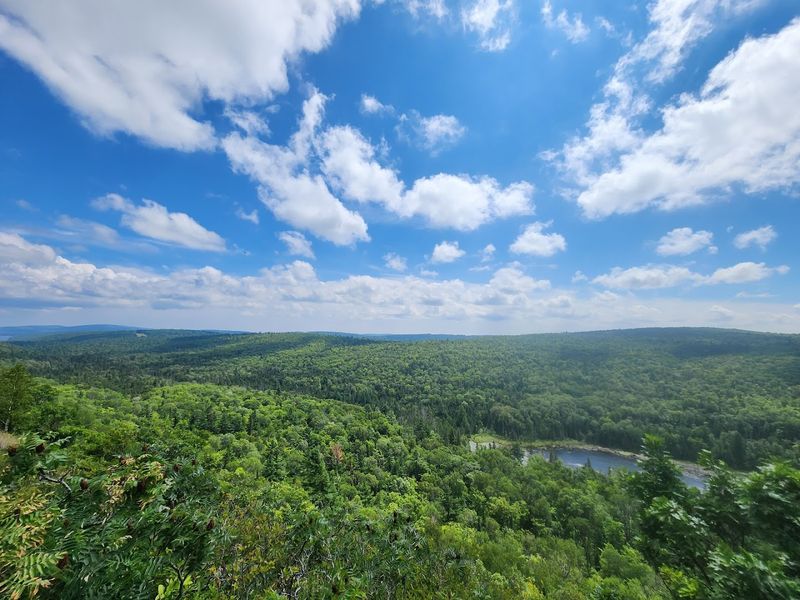
Brockway Mountain Drive feels like a surprise because the U.P. does not always advertise elevation in such dramatic terms. Rising above Copper Harbor, this scenic road delivers broad views over the Keweenaw Peninsula and Lake Superior, with ridgelines, forest, and water all arranged in layers that seem to keep extending long after the road ends.
The drive is short, which is part of its charm. You can pull off at overlooks, feel the temperature shift in the breeze, and watch clouds cast moving shapes over the landscape below.
Sunset is especially popular here for good reason, though midday visibility can be excellent on clear summer days too.
If your trip has involved plenty of hiking already, this stop is a welcome change of pace. You get the expansive reward without much exertion, and sometimes that is exactly the right bargain.
13. Watch Summer Turn Vast At Lake Of The Clouds
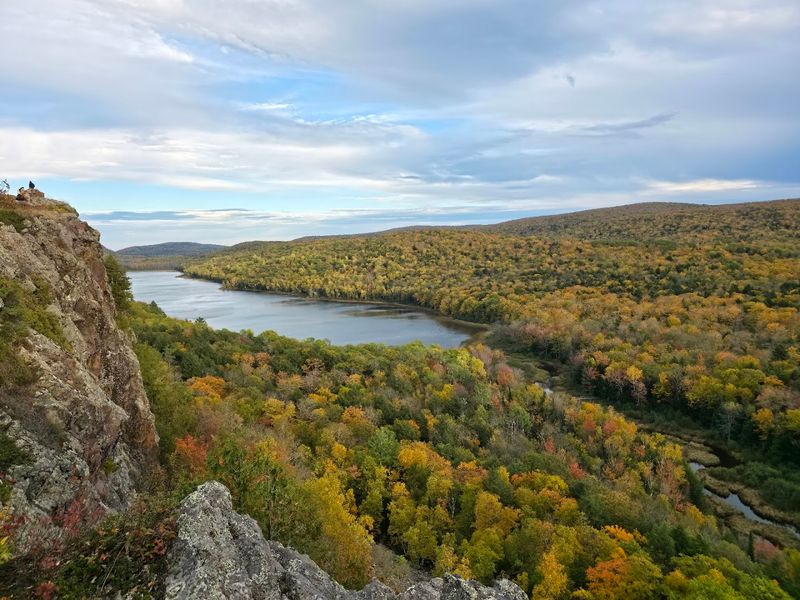
Some overlooks impress you immediately, and some keep growing while you stand there. Lake of the Clouds, in the Porcupine Mountains Wilderness State Park, belongs firmly in the second category.
The lake curves through a deep forested valley, ridges rise behind it, and the whole scene carries that satisfying sense of scale that makes conversation briefly seem unnecessary.
This is one of the classic U.P. views, but it does not feel overpraised. The surrounding park is Michigan’s largest state park, with extensive trails, waterfalls, and old-growth forest, so the overlook also works as a kind of orientation point for the bigger wilderness around it.
Summer greenery makes the basin look especially full and lush.
Come once in bright daylight, then again if the weather shifts. Changing clouds can transform the place from postcard-pretty to genuinely dramatic in a matter of minutes.
14. Chase The Cascades At Bond Falls
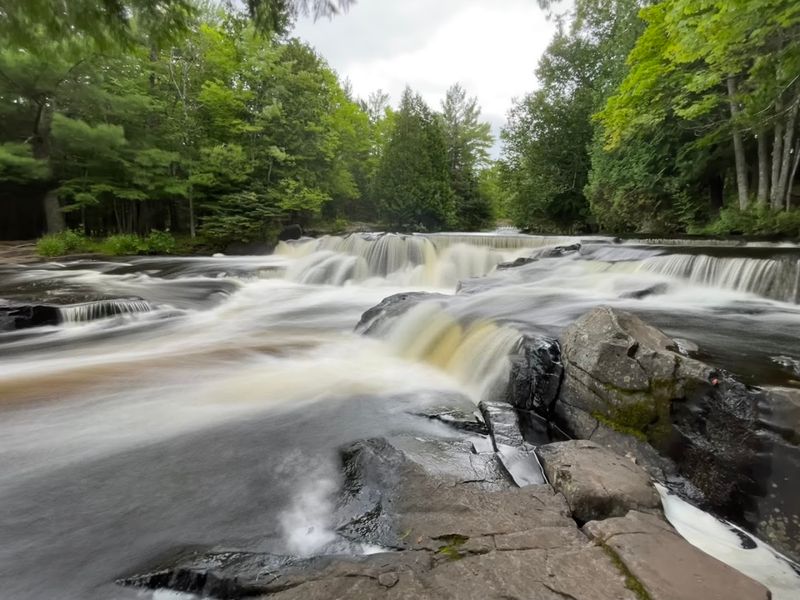
Bond Falls has an unusually generous shape. Instead of dropping in one stern plunge, the water spreads across rock shelves in bright, muscular cascades, creating a waterfall that feels both powerful and easy to study from different angles.
It is near Paulding, and it earns its reputation as one of Michigan’s most photogenic falls without much effort.
Boardwalks and viewing platforms make access straightforward, which is helpful because the details are worth seeing up close. Water braids around boulders, white spray catches the light, and the surrounding trees frame the whole scene neatly without taming it.
This is a stop that works equally well for a quick visit or a longer pause.
Go after rain if you can, when the flow feels especially lively. Just expect company in peak summer, because very few people can resist a waterfall this accommodating.
15. End Deep In The Porcupine Mountains
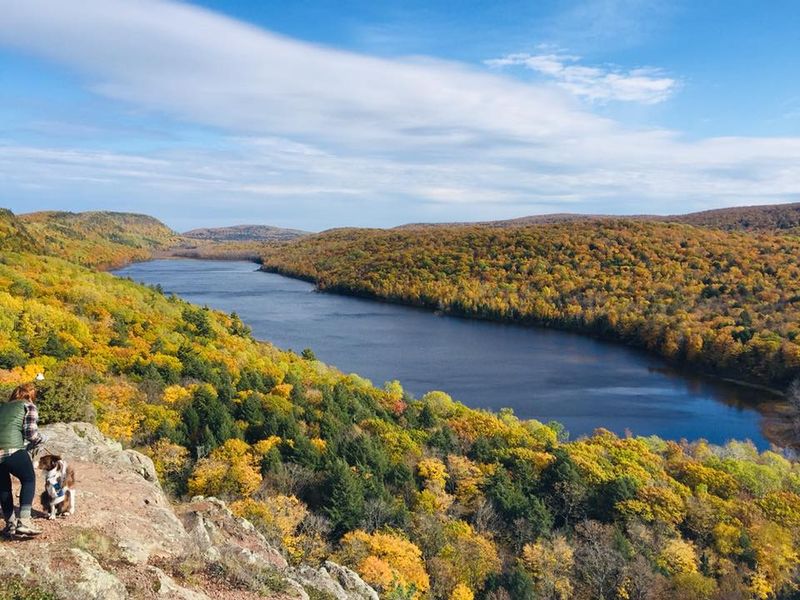
The Porcupine Mountains are a fitting finale because they gather so much of the Upper Peninsula’s character into one place. Old-growth forest, ridgeline views, waterfalls, inland lakes, and Lake Superior shoreline all coexist inside this large wilderness park, and the result is a landscape that feels layered rather than merely scenic.
You can tailor the ending to your energy level. Some visitors stick to overlooks and short walks, while others head for longer trails, the Summit Peak observation tower, or the Presque Isle waterfalls loop for easy access to rushing water and rugged river scenery.
However you approach it, the park encourages a slower, more attentive final day.
By this point in the road trip, the U.P. has probably adjusted your sense of distance and pace. Ending in the Porkies lets that lesson settle properly before you finally turn back toward home.