
This Jaw-Dropping Illinois Canyon Feels Like a National Park Secret
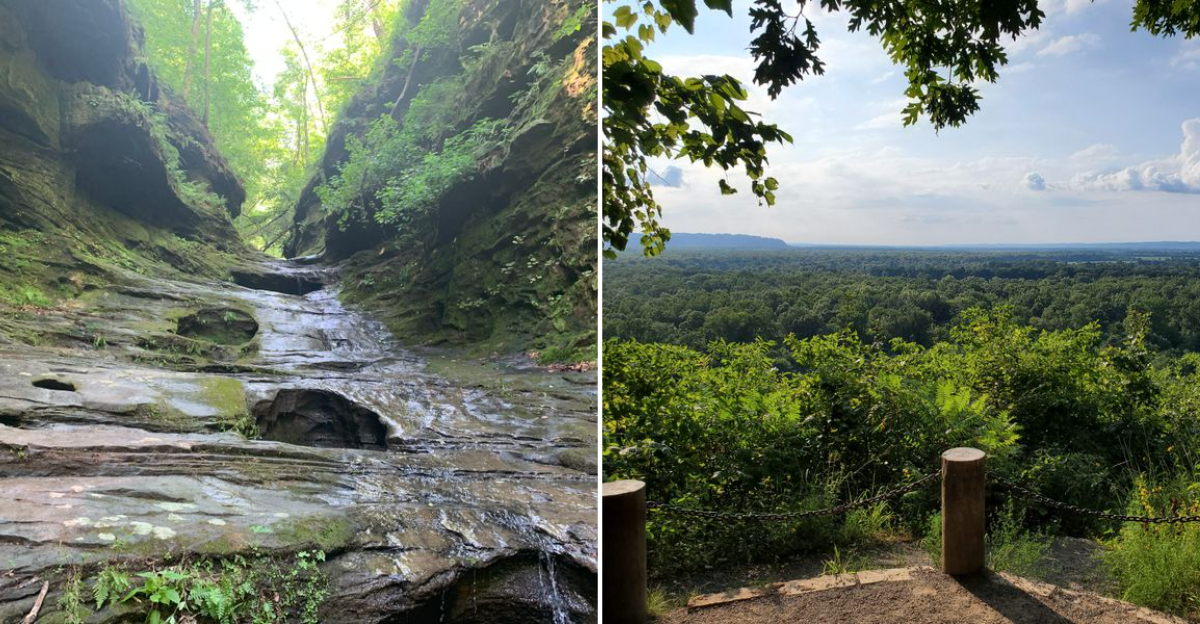
The first time I hiked this canyon, I had to stop halfway down and laugh a little. Not because it was funny, because my brain genuinely didn’t believe I was still in Illinois.
This stretch of southern Illinois doesn’t look like it belongs to the Midwest at all. The walls rise fast.
The rock closes in. The trail drops into a narrow, twisting gorge that feels way bigger than it should be.
I remember thinking, How has no one warned me about this place? The Little Grand Canyon isn’t flashy or polished, and that’s part of the charm.
It’s rough underfoot, quiet in a way that feels earned, and just challenging enough to keep you alert. I went in expecting a decent hike.
I came out with sore legs, a dusty camera roll, and that lingering feeling you get when a place refuses to leave your head once you’re home.
Ancient Rock Formations Tell a 320-Million-Year Story
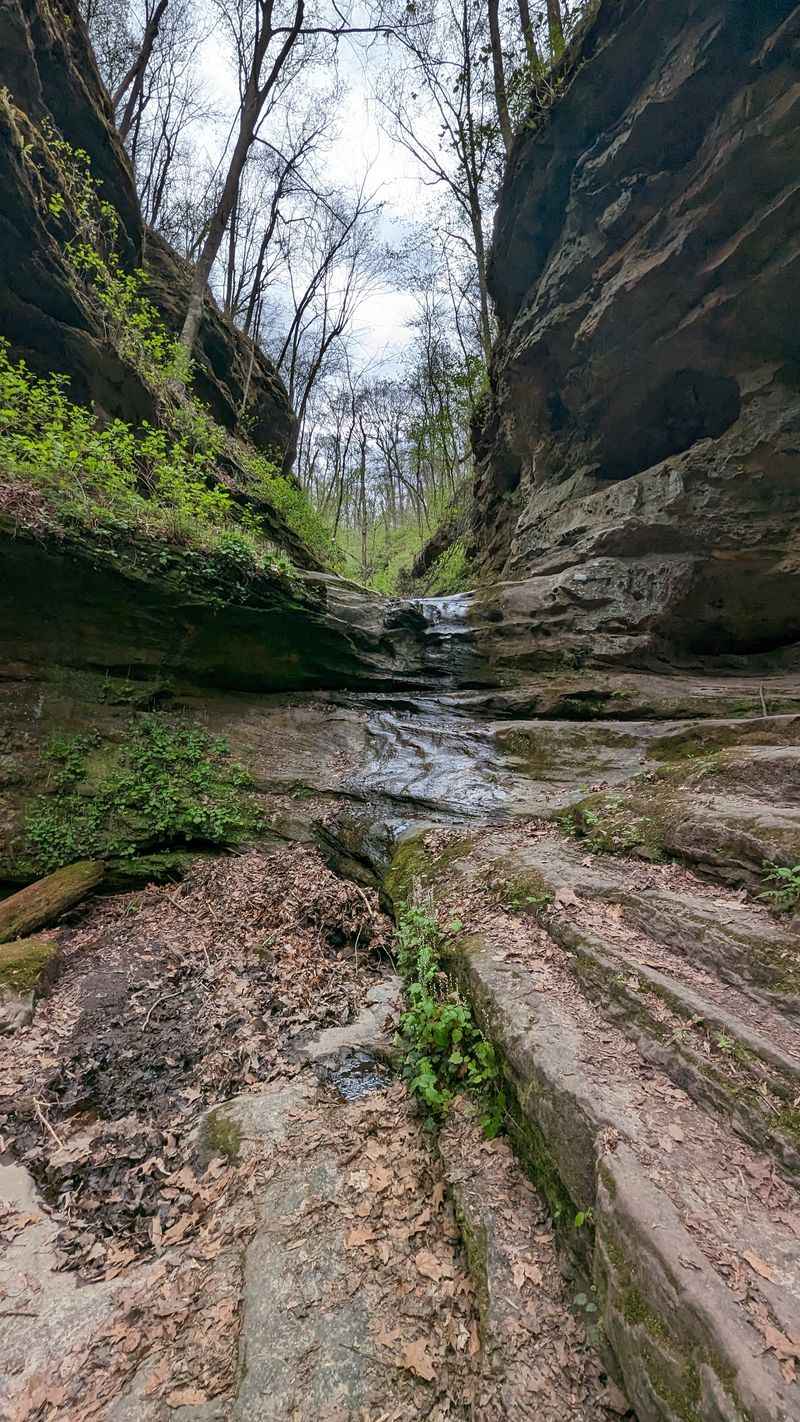
Walking through Little Grand Canyon feels like stepping into a geology textbook come to life. The towering sandstone bluffs surrounding you formed during the Pennsylvanian Period, roughly 300–320 million years ago, according to geological interpretations presented for the region.
At the time, this area was shaped by shifting seas, sediment deposition, and long-term erosion rather than a single modern river carving the canyon. As water receded and erosion worked its magic over countless millennia, smaller streams and runoff sculpted the ancient sedimentary layers into the box canyon system visible today.
The result is the breathtaking canyon landscape you see now, with towering rock walls and overhangs rising dramatically above the canyon floor.
Look closely at the canyon walls and you’ll spot distinct horizontal bands of color ranging from pale cream to deep rust-orange. These layers tell the story of different depositional environments from eons past.
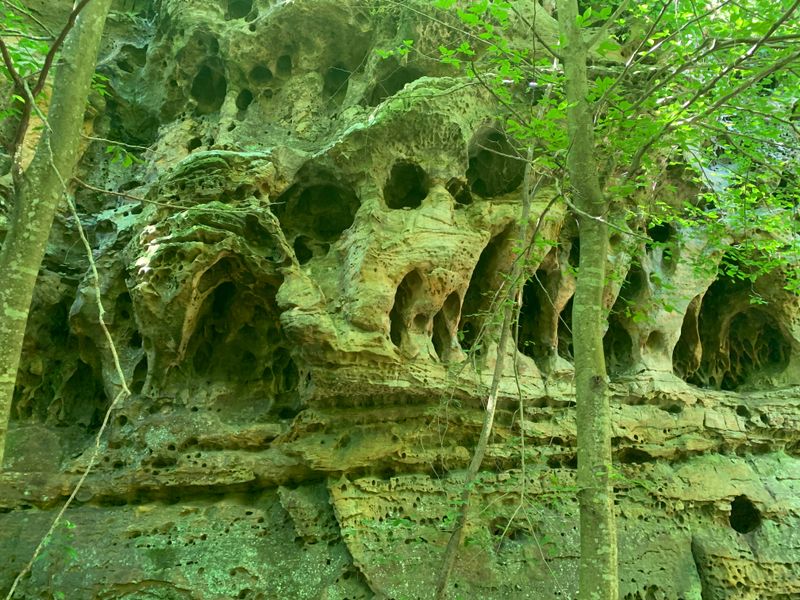
The rocks themselves are primarily sandstone and shale, materials that erode at different rates, creating the dramatic overhangs and alcoves that make this place so photogenic. Interpretive signage and regional studies highlight the canyon as a notable example of Paleozoic geology in southern Illinois.
Understanding the ancient origins makes your hike even more meaningful, knowing you’re literally walking through millions of years of Earth’s history with every step.
The Loop Trail Delivers Two Completely Different Canyon Experiences
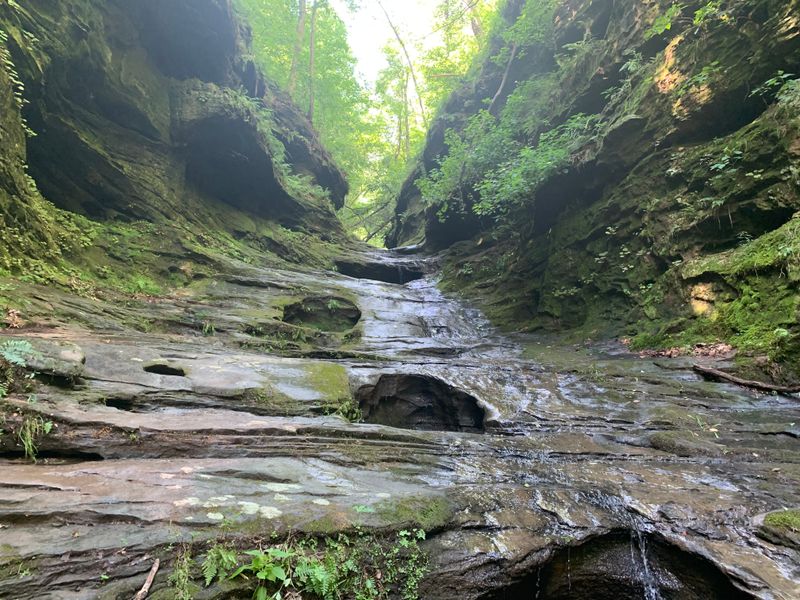
Most visitors don’t realize the roughly 3–3.6 mile loop trail offers both short overlook options and a full descent into the canyon itself, creating two very different hiking experiences. Starting from the parking area, you can choose a shorter path to scenic overlooks or continue onto the full loop that descends into the Little Grand Canyon proper.
The canyon accessed from the lower parking lot stairs offers a gentler introduction, stretching about half a mile with moderate scrambling over rocks. It’s beautiful but serves as an appetizer for what’s coming.
Continue around the loop and you’ll reach the true star of the show: the main Little Grand Canyon section. This longer, steeper gorge demands more effort but rewards you with jaw-dropping views and that genuine canyon-hiking experience.
Between the two sections, the trail winds through dense forest along ridgelines, offering occasional glimpses of valleys and the Big Muddy River bottoms far below. The contrast between peaceful woodland walking and intense canyon scrambling keeps the hike interesting throughout.
Many hikers describe feeling like they’ve done two completely different trails in one outing. The variety ensures you’re never bored, and photographers will find endless opportunities in both sections.
Clockwise vs. Counterclockwise
Here’s the insider secret that separates smart hikers from exhausted ones: the direction you choose to hike the loop dramatically affects your experience. Go clockwise and you’ll face a brutal uphill boulder scramble at the end when your legs are already toast.
Many experienced hikers recommend going counterclockwise, starting farther from the restroom facilities, to spread elevation gain more gradually throughout the hike. This route gives you a longer but more manageable ascent, with the steepest descents tackled earlier when you’re fresh.
The counterclockwise route also means you’ll handle the most technical sections while you still have energy and mental focus. Safety matters on those slippery rocks, and tired legs make poor decisions.
That said, some adventure-seekers intentionally choose clockwise for the challenge, treating that final climb as a triumphant finish. If you’re training for mountain hikes or just enjoy punishing yourself, this approach works.
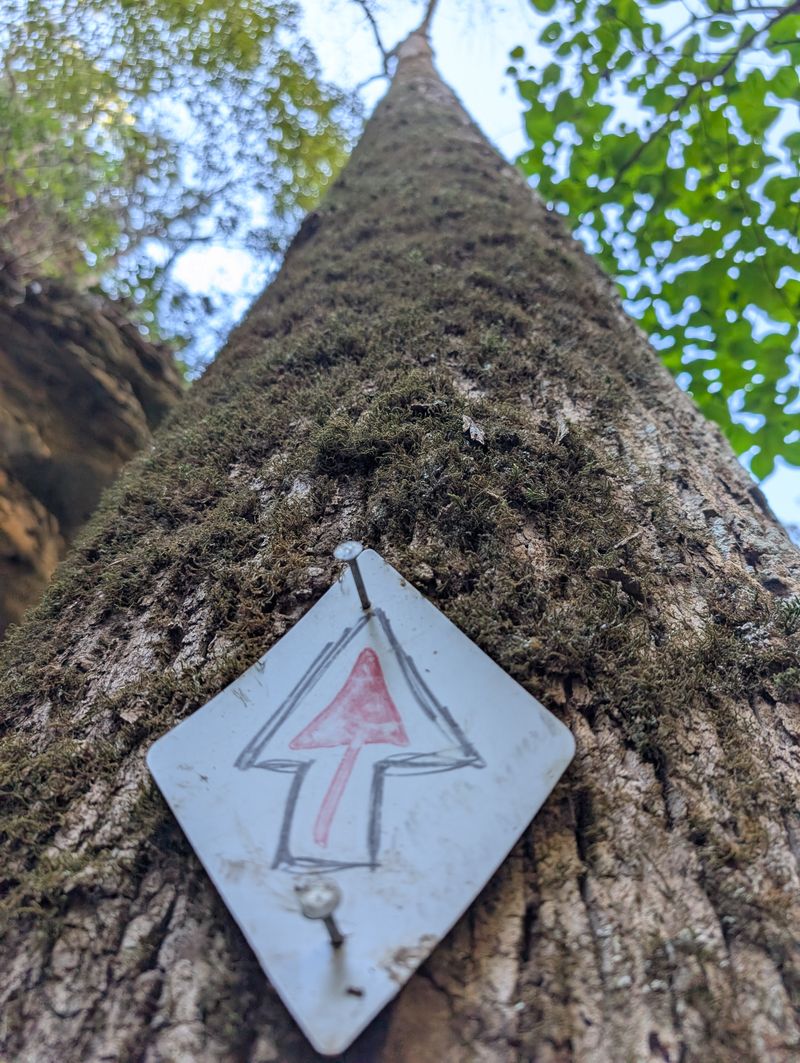
Check the trail markers carefully regardless of direction. White diamond blazes painted on trees guide you throughout the loop, and several hikers report accidentally following other groups off-trail.
Pay attention to those markers, especially at confusing junctions.
The Overlook Provides Your First Breathtaking Canyon Glimpse
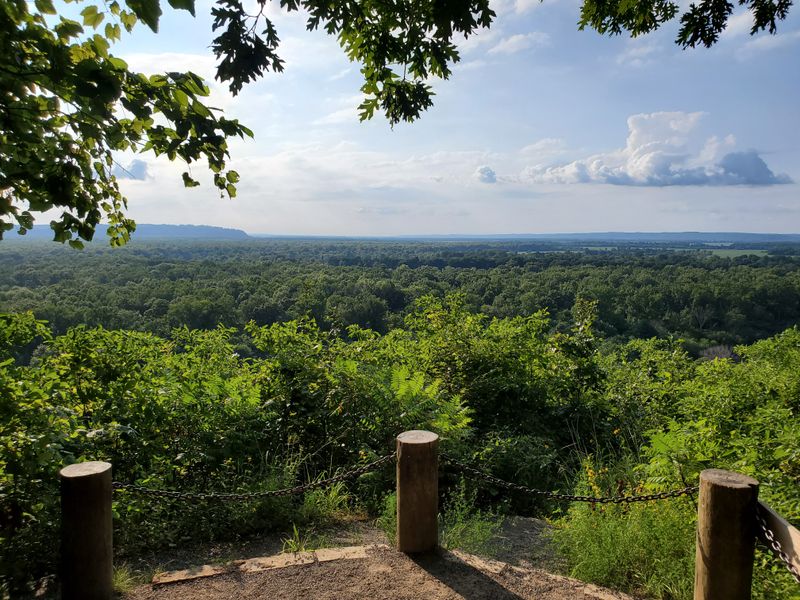
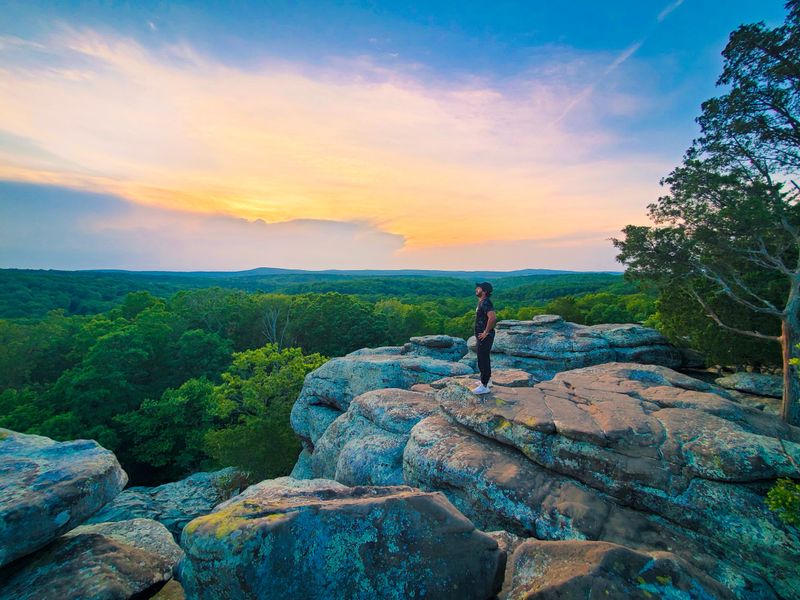
Partway through the hike, the trail emerges at a scenic overlook that offers sweeping views of the surrounding forested hills and valley below. A winding stream cuts through the landscape, framed by rolling terrain that stretches toward the horizon.
This viewpoint sits at the edge of a steep ridge, offering unobstructed views that photographers dream about. During fall, the valley explodes in autumn colors that rival anything New England offers.
Many visitors report this overlook as their favorite moment of the entire hike. There’s something magical about standing at the canyon’s edge after a long approach through the woods, suddenly confronted with this expansive vista.
However, some hikers express disappointment that overgrown vegetation partially obscures what could be an even more dramatic view. Seasonal clearing would enhance the experience, though the Forest Service must balance views with natural habitat preservation.
Bring your camera and plan to spend at least ten minutes here. The overlook provides natural seating on flat rocks, making it the perfect spot to rest, hydrate, and soak in the scenery before continuing your descent into the canyon itself.
Boulder Scrambling and Rock Climbing Make This Trail Legitimately Challenging
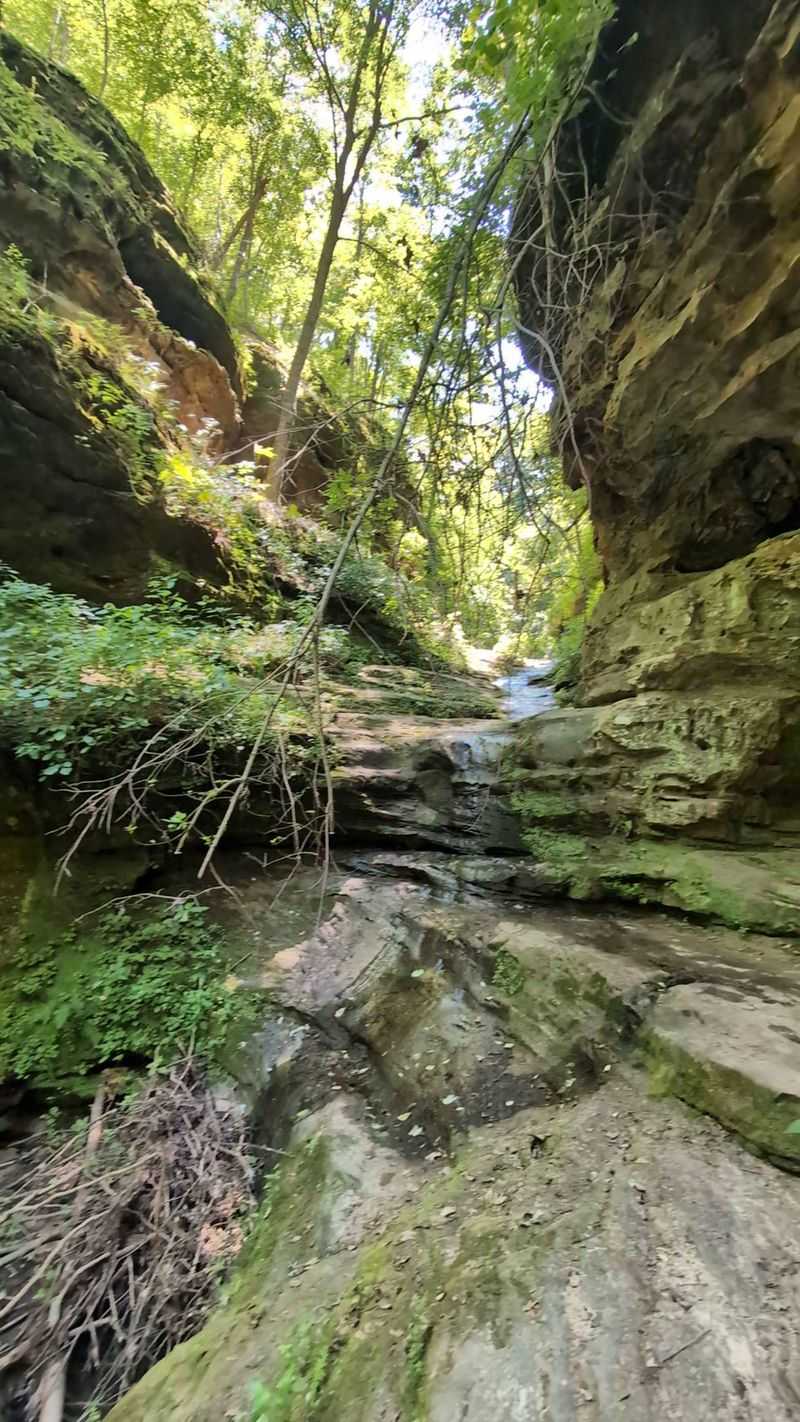
Forget leisurely nature walks—Little Grand Canyon demands real physical effort and a bit of courage. Multiple sections require scrambling over and between large boulders, with some drops measuring three to four feet that challenge both balance and nerve.
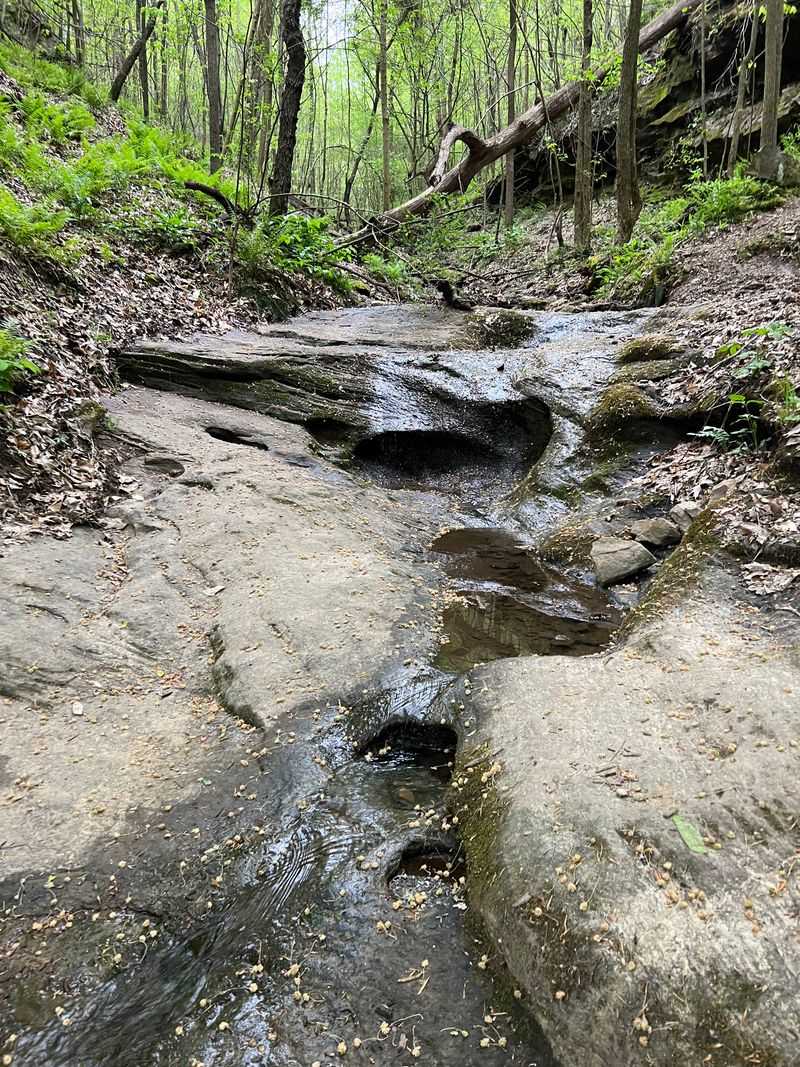
The most intense scrambling happens in the canyon bottoms, where water erosion has created natural staircases of broken rock. Going down tests your knees and coordination, while climbing back up leaves you breathless and sweaty.
Several hikers mention specific trouble spots where even agile dogs needed assistance from strangers. If a nimble heeler-husky-shepherd mix struggles, you know it’s serious terrain.
One particularly memorable section features a narrow rock ledge along a steep slope that gets your heart racing. It’s brief but memorable, requiring careful foot placement and a steady head for heights.
Fitness level matters here more than on typical Midwest trails. People in their late fifties describe it as “very challenging,” while younger, athletic hikers rate it moderate.
Know your limitations before committing to the full loop, because there’s no easy bailout once you’re deep in the canyon.
Creek Crossings and Waterfall Gorges Add Adventure (and Potential Danger)
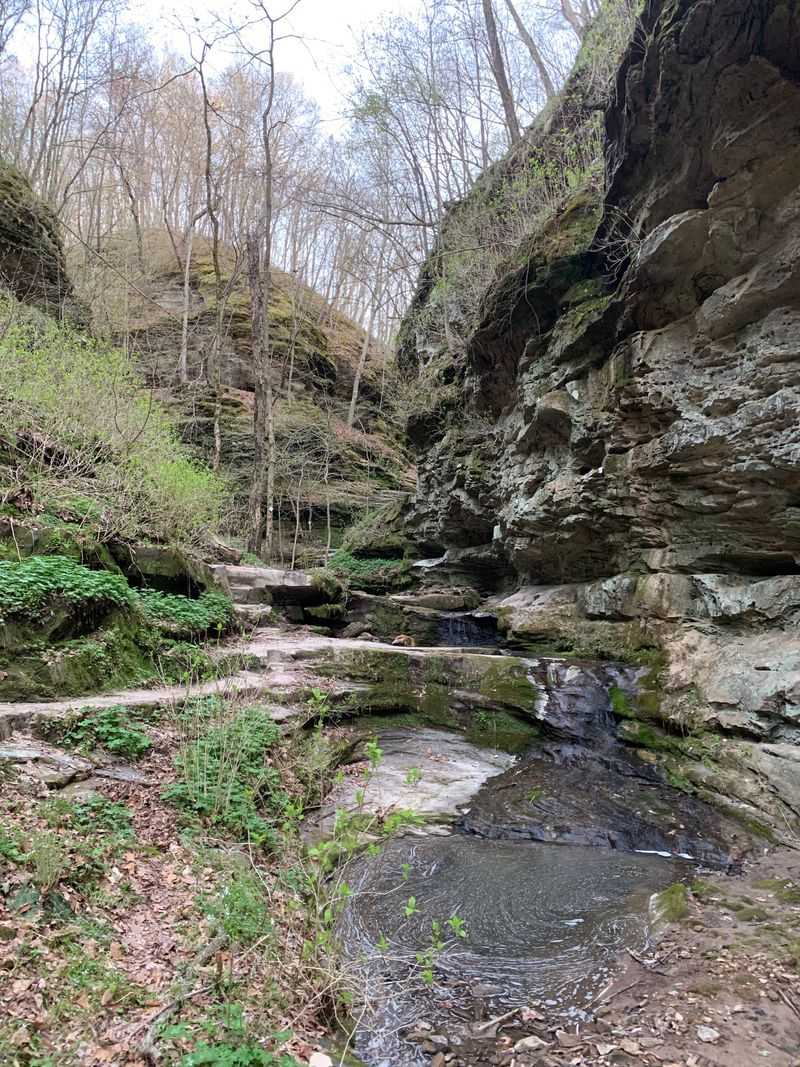
The trail crosses the creek multiple times as you navigate the canyon bottoms, typically using strategically placed stepping stones. During dry periods, these crossings present minimal challenge and add fun variety to your hike.
After significant rainfall, however, these same crossings transform into legitimate hazards. The rocks become dangerously slippery, water levels rise, and what was a simple hop becomes a sketchy balancing act.
Several sections involve ascending and descending rock-and-creek-bed steps, including areas where seasonal cascades flow after rain. When dry or just damp, these spots offer exciting scrambling that makes you feel adventurous.
Multiple reviews warn against attempting this trail during icy conditions or heavy water flow. What’s challenging but safe in summer becomes genuinely dangerous when ice coats those rocks or water surges through the canyon.
Water shoes or boots with excellent traction make a huge difference. Some experienced hikers recommend bringing trekking poles, especially during shoulder seasons when conditions fluctuate.
Check recent weather and trail reports before your visit, and don’t let pride override common sense about conditions.
Wildlife Encounters Range from Delightful to Concerning
Hiking through Little Grand Canyon means entering genuine wilderness where you share the trail with permanent residents. Lucky visitors report spotting armadillos, an unexpected treat this far north that represents the species’ expanding range into Illinois.
Spring brings migratory birds returning from southern wintering grounds, filling the canyon with song. Wildflower enthusiasts find spring ephemerals carpeting the forest floor in March and April, creating natural gardens in the canyon bottoms.
However, not all wildlife encounters feel warm and fuzzy. Multiple hikers specifically mention snakes, with warnings to watch where you place your hands and feet during rock scrambles.
Venomous copperheads and timber rattlesnakes inhabit this region, though sightings are uncommon and snakes typically avoid human activity.
The dense forest and humid canyon bottoms create perfect mosquito breeding grounds. Visitors universally recommend bringing bug spray, with some calling it essential equipment rather than optional.
DEET- or picaridin-based repellents are commonly recommended for these conditions.
Most wildlife will avoid you if given the chance. Make noise while hiking, especially around blind corners and dense vegetation.
Give any snakes you encounter plenty of space—they’re more afraid of you than you are of them, despite what your racing heartbeat suggests.
Parking Fills Fast and Trail Markers Demand Your Attention
Arriving early makes a huge difference in your Little Grand Canyon experience. The parking area fills up quickly by late morning, especially on pleasant weekends, leaving latecomers hunting for roadside spots or turning around disappointed.
Two parking lots sit adjacent to each other, with the upper lot accessing one trail start and the lower lot near the restrooms accessing another. Understanding this layout helps you start your hike in the right direction.
Once on the trail, white diamond blazes painted on trees mark your route throughout the loop. These markers are generally well-maintained and visible, but several hikers report accidentally following other groups off the official trail at confusing junctions.
The consequences of losing the trail can be serious in this rugged terrain. You might find yourself scrambling through areas without maintained paths, facing unnecessary hazards, or simply getting disoriented in the dense forest.
Stay alert and actively look for those markers, especially when the trail seems to split or other hikers veer off in different directions. If you haven’t seen a marker in several minutes, stop and backtrack until you find one.
Seasonal Timing Dramatically Changes Your Canyon Experience
Visit Little Grand Canyon in March or April and you’ll witness a completely different landscape than summer or fall hikers see. Spring ephemerals bloom across the forest floor, creating carpets of wildflowers that last only weeks before the canopy closes.
Fall transforms the canyon into a photographer’s paradise, with autumn colors rivaling famous eastern destinations. The contrast between rust-colored rock faces and brilliant foliage creates stunning compositions.
Summer brings lush greenery but also oppressive heat, humidity, and those infamous mosquito swarms. The dense canopy provides shade during your hike, but you’ll still sweat through your clothes during the climbs.
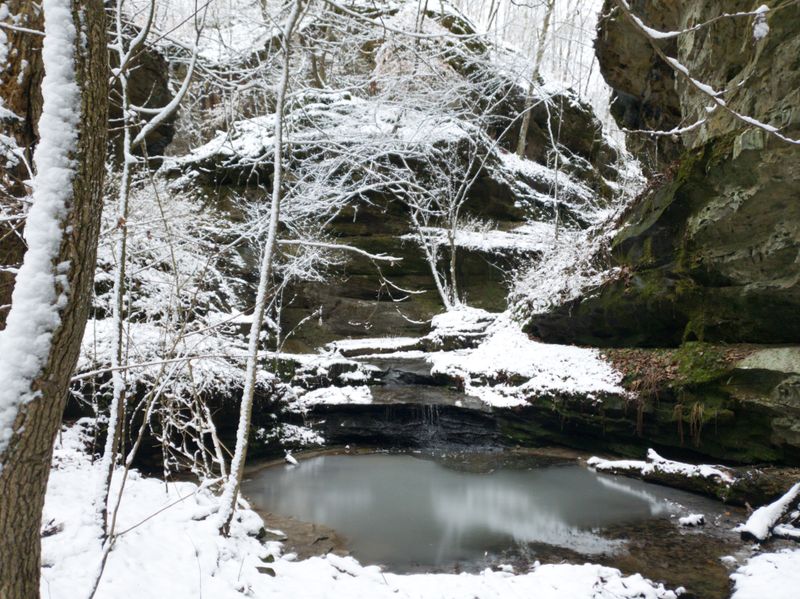
Winter offers solitude and stark beauty, with bare trees revealing rock formations hidden by leaves other times of year. However, ice and snow make the already-challenging scrambles genuinely dangerous.
Trail conditions vary by season, with late summer through fall often offering drier, more stable footing, while spring runoff creates higher water levels and slicker surfaces.
Check recent visitor reports and weather forecasts, then choose your timing based on your priorities and comfort level with challenging conditions.
Essential Gear and Preparation Separate Great Hikes from Miserable Ones
Proper footwear ranks as the single most important gear decision for Little Grand Canyon. Those slippery rocks and steep scrambles demand hiking boots or trail shoes with aggressive tread, not running shoes or casual sneakers.
Bring more water than you think necessary—most hikers report the trail takes three to four hours at a steady pace, and you’ll work hard enough to drain your bottles. There’s no water available on the trail itself.
Bug spray deserves a spot in your essential gear list, not your optional category. Multiple visitors specifically mention wishing they’d brought it or being grateful they did.
Trekking poles divide opinion, with some hikers swearing by them for stability on descents and creek crossings, while others find them unnecessary. Your personal balance and the current conditions should guide this decision.
A basic first aid kit makes sense given the terrain’s challenges. Minor scrapes and twisted ankles happen more easily on rocky trails than smooth paths.
Finally, bring a fully charged phone for navigation and emergencies, but don’t rely on consistent cell service in the canyon. Download offline maps beforehand and tell someone your hiking plans before heading out.