
This Jewel-Toned Lake In Tennessee Will Leave You Speechless
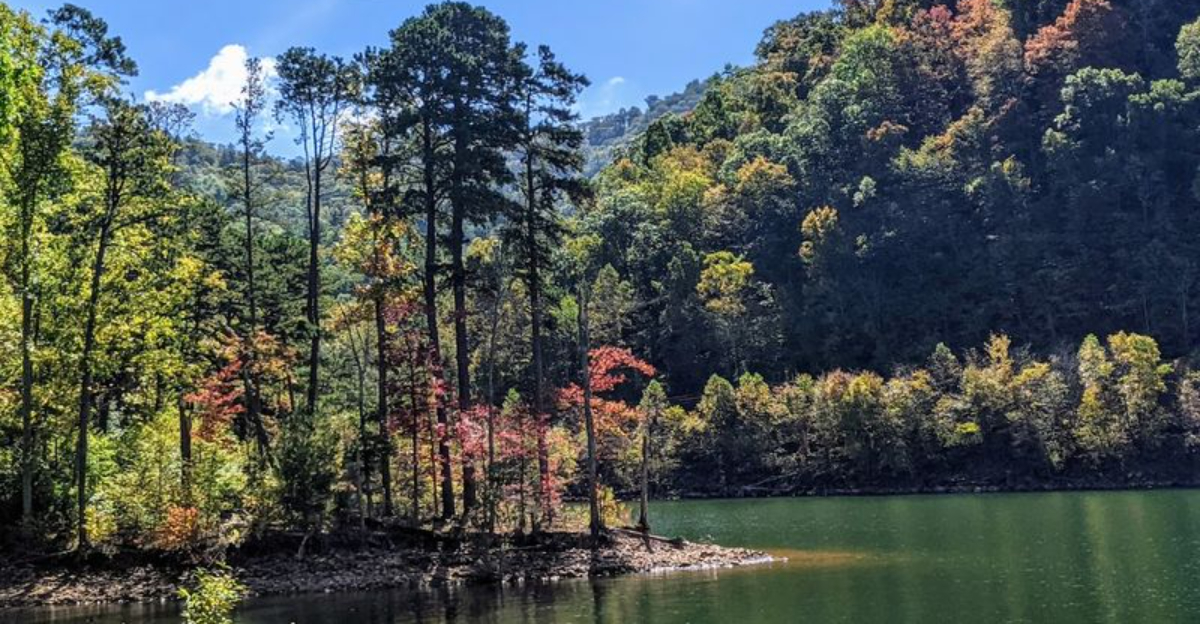
Forget everything you thought you knew about lakes. I stumbled upon this jewel-toned gem in Tennessee and instantly questioned why my Instagram had ever survived without it.
Seriously, the water looked like someone had dipped a giant paintbrush in a tropical paradise and swirled it straight into the mountains.
I half-expected a deer to pause mid-step and stare at me in awe. But no, it was just me, my jaw on the floor, and the kind of scenery that makes you whisper, “Did I just step into a dream… or a Bob Ross painting?”
If you think you’ve seen dramatic lakes before, buckle up. This one laughs in the face of your average postcard.
The Shimmering Waters That Started The Story
The moment I actually saw the water up close, I audibly gasped. I am not exaggerating even a little bit.
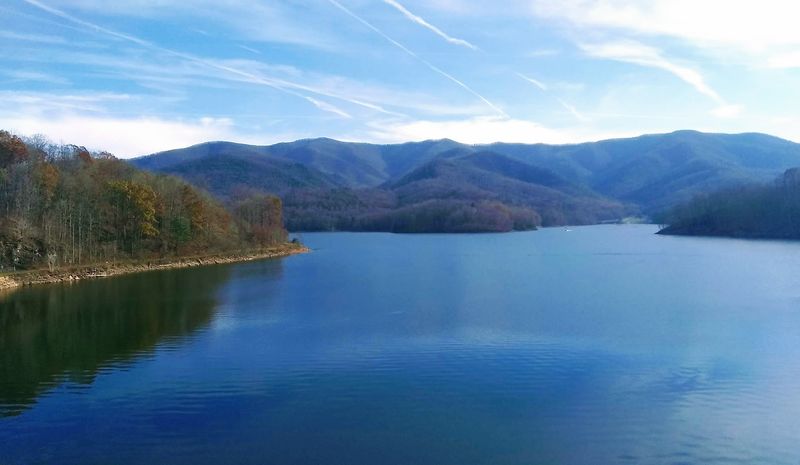
Watauga Lake has this surreal, almost tropical color palette that makes absolutely no sense for a mountain lake in Tennessee, and yet there it is, defying logic and looking gorgeous about it.
The color comes from a combination of the lake’s depth, its impressive water clarity, and the way the surrounding mountains reflect into the surface.
On a sunny morning, the water shifts between deep cobalt and bright turquoise depending on where you stand, almost like it cannot decide which jewel tone suits it best that day.
I spent a full hour just walking the shoreline, watching the color change with every step I took. The Cherokee National Forest wraps around the entire lake like a green velvet frame, and the contrast between the dark tree line and that glowing blue water is genuinely one of the most photogenic things I have ever seen in my life.
Sitting at an elevation of 2,008 feet, the lake stretches across roughly 6,430 acres of mountain terrain, and every single acre looks like it belongs on a postcard.
The water temperature stays refreshingly cool even in midsummer, which makes it perfect for swimming or just dangling your feet off a dock. Watauga Lake does not just meet expectations, it completely rewrites them.
Kayaking Through A Living Painting
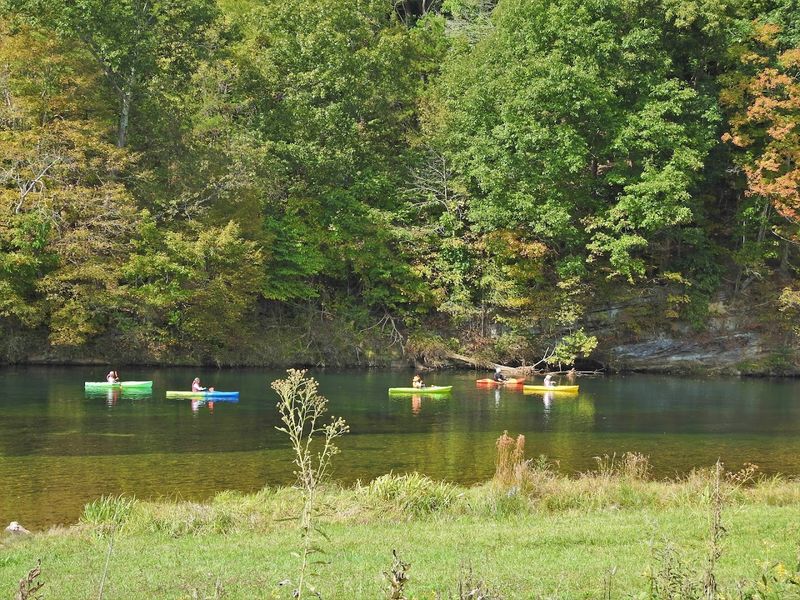
Renting a kayak at Watauga Lake felt less like a recreational activity and more like stepping inside a painting that someone forgot to finish. The water was so clear I could see the rocky bottom several feet below my paddle, which was both mesmerizing and slightly disorienting when you are trying to stay in a straight line.
I launched from the boat ramp near Watauga Dam early on my second morning, while the mist was still sitting low over the water. The silence out there is something else entirely.
No road noise, no crowds, just the soft splash of my paddle and the occasional call of a bird echoing off the mountain walls surrounding me.
The shoreline of Watauga Lake is almost entirely undeveloped because of the Cherokee National Forest boundary, which means you can paddle for miles and feel completely alone with nature. I rounded a cove and stumbled upon a little waterfall trickling down the rock face directly into the lake, and I literally stopped paddling and just floated there for a while.
The calm coves along the eastern shore are particularly magical in the early morning light, when the reflection of the mountains on the water is so perfect it looks like a mirror.
Kayaking here is not just exercise, it is a full sensory experience that resets something deep in your brain. Honestly, my best thinking happens on water like this.
Hiking The Trails That Hug The Shoreline
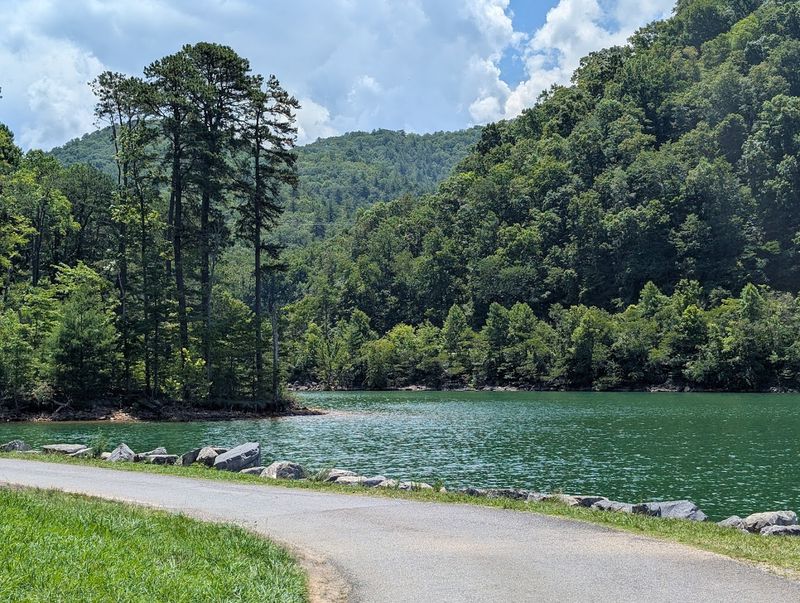
I laced up my hiking boots on day one with zero idea what I was walking into, and the trails around Watauga Lake absolutely delivered. The Lakeshore Trail is one of those paths that keeps rewarding you every quarter mile with another jaw-dropping view through the tree line, and I found myself stopping constantly just to stare.
The Cherokee National Forest manages the land surrounding the lake, which means the trail system is well-maintained and thoughtfully routed to maximize those water views.
The path weaves between towering hemlocks and rhododendron tunnels that bloom into something spectacular in late spring, and the smell of the forest mixed with the cool lake air is genuinely intoxicating.
Some sections were gentle and flat along the water’s edge, and others climbed the ridge for elevated overlooks that made the lake look even more unreal from above. I hit one particular viewpoint around mid-morning where the teal water stretched out below me against a backdrop of layered mountain ridges, and I genuinely did not want to move.
The trails around Watauga Lake range from easy shoreline strolls to more challenging ridge hikes, so there is a path for every energy level.
I covered about seven miles over two days and still felt like I had barely scratched the surface. This is the kind of hiking that makes you want to cancel your return flight.
Fishing Spots That Feel Like A Secret
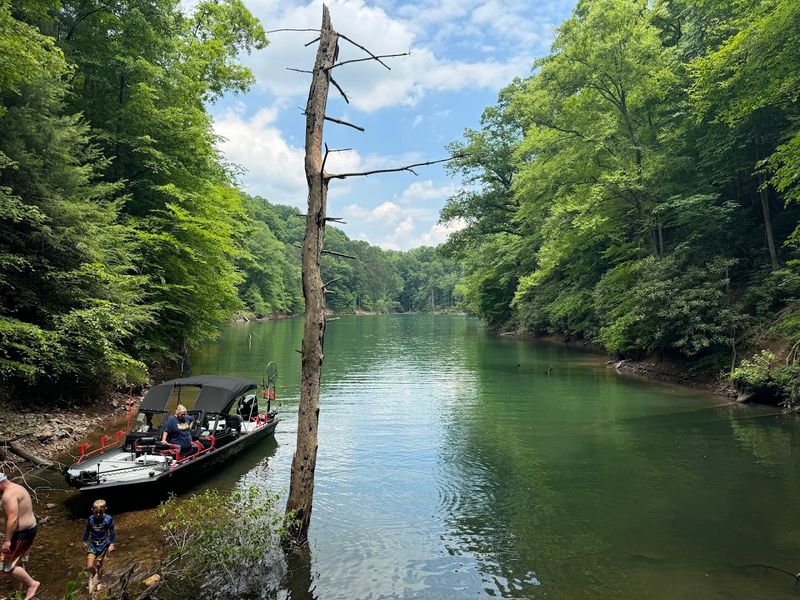
I am not even a serious angler, but something about the stillness of Watauga Lake at sunrise made me want to cast a line and just sit there pretending I knew what I was doing. The lake is stocked with smallmouth bass, walleye, muskie, and rainbow trout, which means the fishing here is genuinely excellent and not just scenic window dressing.
The coves along the northern end of the lake are particularly productive for bass fishing, and I watched a few boats anchored up in the shallows early in the morning, the anglers completely motionless and perfectly content.
There is something deeply meditative about fishing when the water looks like liquid glass and the mountains are turning gold in the early light.
Watauga Lake is also known for its walleye population, which is not super common for Tennessee lakes, and that makes it a bit of a destination for serious freshwater fishing enthusiasts who know their stuff.
The clear water actually makes sight fishing possible in some of the shallower areas, which is a totally different and exciting way to fish.
Even if you come home empty-handed, the experience of sitting on the water at Watauga Lake with a fishing rod is its own reward.
The reflection of the forest in the water, the occasional osprey diving nearby, the absolute quiet of the morning, it all adds up to something that feels less like a hobby and more like a spiritual practice.
The Engineering Marvel Behind The Magic
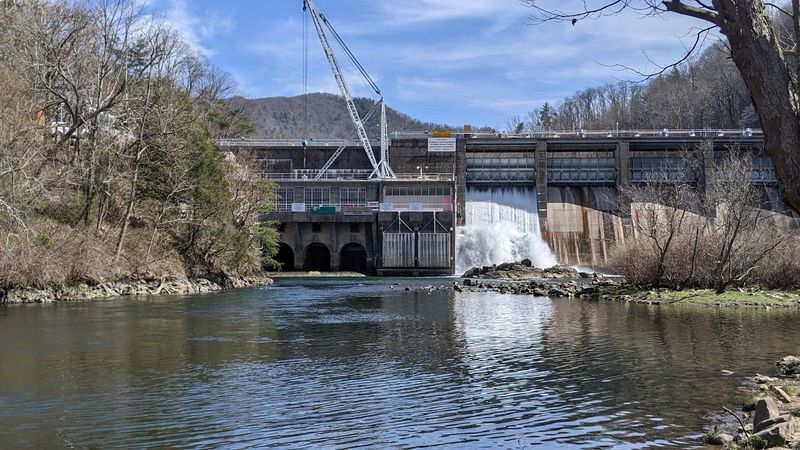
Before Watauga Lake existed, there was just a river valley cutting through the Appalachian Mountains, and then the Tennessee Valley Authority decided to build something remarkable. Watauga Dam was completed in 1948 and stands 318 feet tall, making it one of the highest dams in the eastern United States at the time of its construction.
Standing at the base of the dam and looking up at that massive concrete wall is one of those moments where human engineering genuinely impresses you.
The scale of it is hard to wrap your head around until you are actually standing there, and knowing that the gorgeous lake stretching out on the other side was created by this single structure gives you a whole new appreciation for both nature and infrastructure.
The overlook near the dam offers one of the best views of the upper lake, where the water funnels into that signature jewel-toned color against the mountain backdrop. I spent about thirty minutes at the overlook just watching the water and thinking about how different this valley must have looked before 1948.
The TVA visitor information near the dam area gives you a solid history of how the lake was formed and what role it plays in the region’s power grid and flood control.
Learning the backstory of a place always makes me appreciate it more, and Watauga Dam is genuinely fascinating once you understand the scope of what was built here. The history runs as deep as the water.
Swimming In Water So Clear It Feels Unreal
When I finally got into the water on my second afternoon, the first thing I noticed was how crystal clear it was.
I could see my feet on the sandy bottom even in chest-deep water, which is the kind of clarity that makes you feel like you are swimming in a giant natural swimming pool rather than a mountain reservoir.
Watauga Lake’s water quality is consistently rated among the best in Tennessee, largely because the surrounding Cherokee National Forest acts as a natural buffer that keeps runoff and pollution to a minimum. The result is water that is genuinely refreshing, cool, and so clear it almost looks filtered.
The swimming areas near the Rat Branch Recreation Area are a great spot to set up for the afternoon, with gradual entry points and calm water that is perfect for floating around and soaking up the mountain views.
The surrounding tree canopy provides some natural shade along the edges, which makes the whole setup feel like a private swimming hole rather than a public recreation area.
The water temperature in summer hovers around the mid-60s to low 70s Fahrenheit, which is cold enough to feel refreshing on a hot July afternoon but not so cold that you are sprinting back to shore after thirty seconds.
Swimming here is one of those simple pleasures that reminds you exactly why Tennessee summers are worth celebrating.
The Surrounding Cherokee National Forest
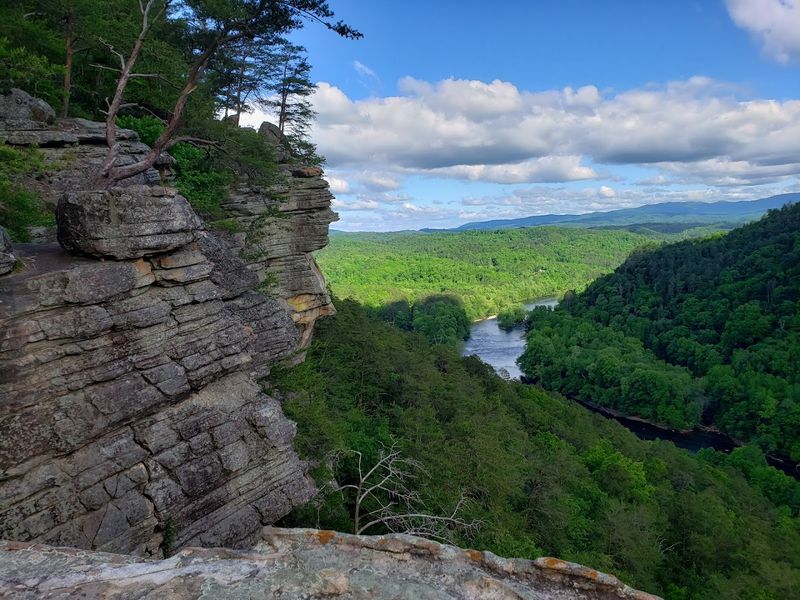
Watauga Lake does not exist in isolation. It is completely wrapped by the Cherokee National Forest, which covers nearly 640,000 acres across eastern Tennessee and is one of the most biodiverse national forests in the entire country.
That forest is not just a pretty backdrop, it is an ecosystem worth exploring on its own terms.
I spent an afternoon driving the Watauga Lake Road that runs along the eastern shoreline, pulling over at every overlook I could find and just breathing in the forest air.
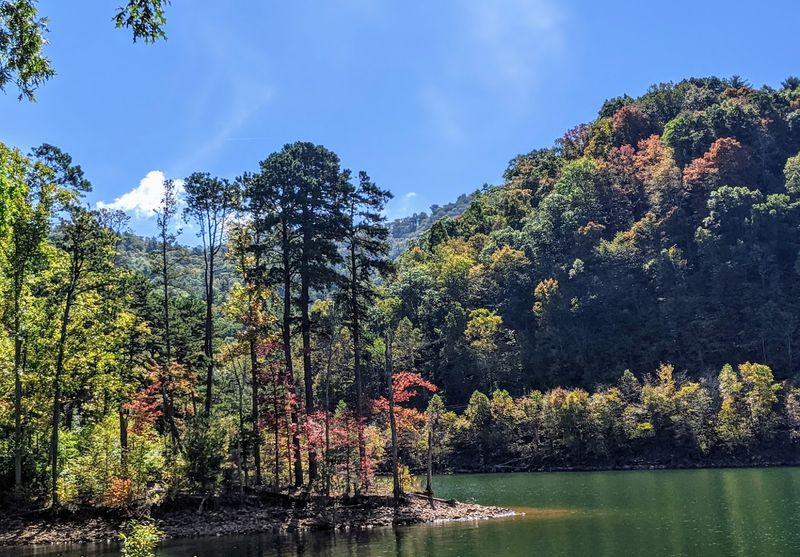
The tree canopy here is a mix of hardwoods and conifers, and in early fall the colors are absolutely explosive, with orange, red, and gold reflecting directly into that already stunning teal water below.
The forest is also home to black bears, wild turkeys, white-tailed deer, and a remarkable variety of bird species including bald eagles that have been spotted near the lake.
Bringing binoculars is genuinely worthwhile here, and I caught a glimpse of a great blue heron standing motionless in a shallow cove that made me feel like I was watching a nature documentary.
The Cherokee National Forest also connects to the Appalachian Trail, which passes through the region and adds a whole other dimension to the outdoor experience around Watauga Lake.
The forest feels ancient and alive at the same time, and spending time in it reminds you that some of the most extraordinary places in America are hiding in plain sight right here in Tennessee.
Getting There And Making The Most Of Your Visit
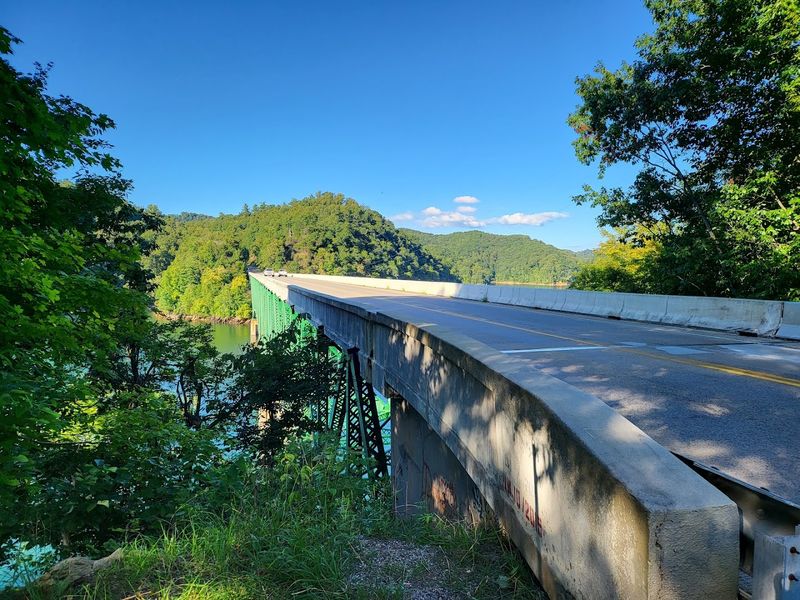
Watauga Lake sits in Carter County in northeastern Tennessee, about 20 miles northeast of Johnson City and just a short drive from the town of Hampton. The closest major airport is Tri-Cities Regional Airport in Blountville, which puts you less than an hour away from the lake, making this destination surprisingly accessible for how remote it feels once you arrive.
The drive in is half the experience. Once you leave the main highway and start climbing into the mountains on US-321 and then onto the smaller forest roads, the scenery shifts dramatically and you start to feel the anticipation building.
Every curve in the road reveals another mountain view, and by the time the lake appears through the trees for the first time, you are already in vacation mode.
Hampton is the nearest small town to the lake and serves as a convenient base, with some local lodging options and a handful of spots to grab supplies before heading to the water.
The area also connects to Roan Mountain State Park nearby, which adds another incredible layer to any extended trip through this part of Tennessee.
The best time to visit is late spring through early fall, with September being a personal favorite because the summer crowds thin out and the early fall color starts creeping into the tree line.
Pack layers because the mountain elevation keeps temperatures noticeably cooler than the rest of Tennessee, which is honestly one of the best reasons to make the trip. Watauga Lake is not a detour, it is the whole destination.