
This Lakeside Michigan Escape Near The Indiana Line Feels Like A Hidden Summer Camp
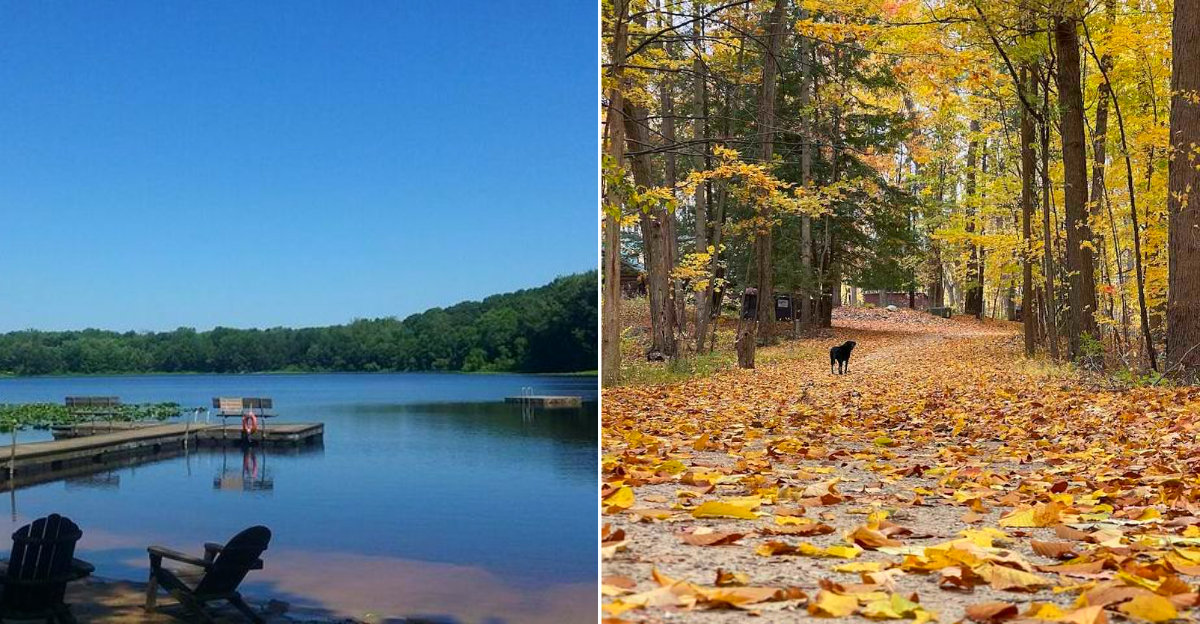
A specific, hauntological magic to a place that refuses to let its “summer camp” soul be paved over by modern living can is happening here. Tucked into the lush corner of Southwest Michigan, this enclave is a 260-acre fever dream of towering timber and spring-fed clarity.
The 60-acre lake is a no-wake sanctuary where the only drama is the ripple of a kayak, and the architecture (honestly, some of the smartest Shaker-inspired design in the Mitten) pulls from the landscape rather than fighting it.
It’s the kind of quiet that makes a snapping twig sound like an event, rewarding anyone who finally realizes that “getting away” is actually about coming back to your senses.
This Southwest Michigan lakeside retreat on Madron Lake, features historic lodge amenities, over three miles of hiking trails, and 260 acres of pristine, wooded conservation land. This is a masterclass in communal preservation, where the caretakers treat the land with the same reverence as the residents.
Start With The Camp Feeling
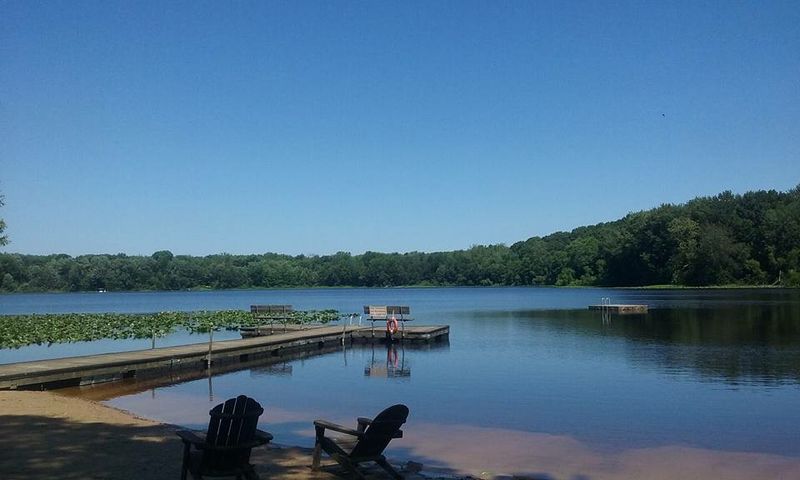
The first thing to understand about Camp Madron is that the mood matters as much as the map. This is a residential community, but it still carries the easy rhythm of its earlier life as a Boy Scout camp, with woods, shared spaces, and outdoor habits shaping the day.
The setting feels intentionally removed, the kind of place where paved roads give way to a softer, more immersed pace. That atmosphere is grounded in fact, not nostalgia alone.
The community was created from a former camp property and now centers year-round living around nature, common amenities, and the lake. If you arrive expecting a typical subdivision, you will miss what makes it distinctive: the camp logic still quietly organizes everything around you.
Getting There
Reaching Camp Madron at 2563 Yank Rd, Dowagiac, MI 49047 involves a drive into the deeply wooded, rolling landscape of Cass County. The route typically utilizes M-51 or M-62, steering you away from larger towns and into a network of increasingly narrow, paved county roads lined with dense forest and hidden glacial lakes.
The drive transitions from the broader state highways to quiet, residential country lanes where the canopy often meets overhead, creating a sense of total immersion in the Southwestern Michigan wilderness.
The final stretch along Yank Road leads you to the camp’s discreet entrance, tucked away from the main thoroughfares. Turning into the property, the shift from the public gravel road to the private, tree-lined drives of the former scout camp marks your arrival at this secluded lakeside retreat.
Pay Attention To The Houses
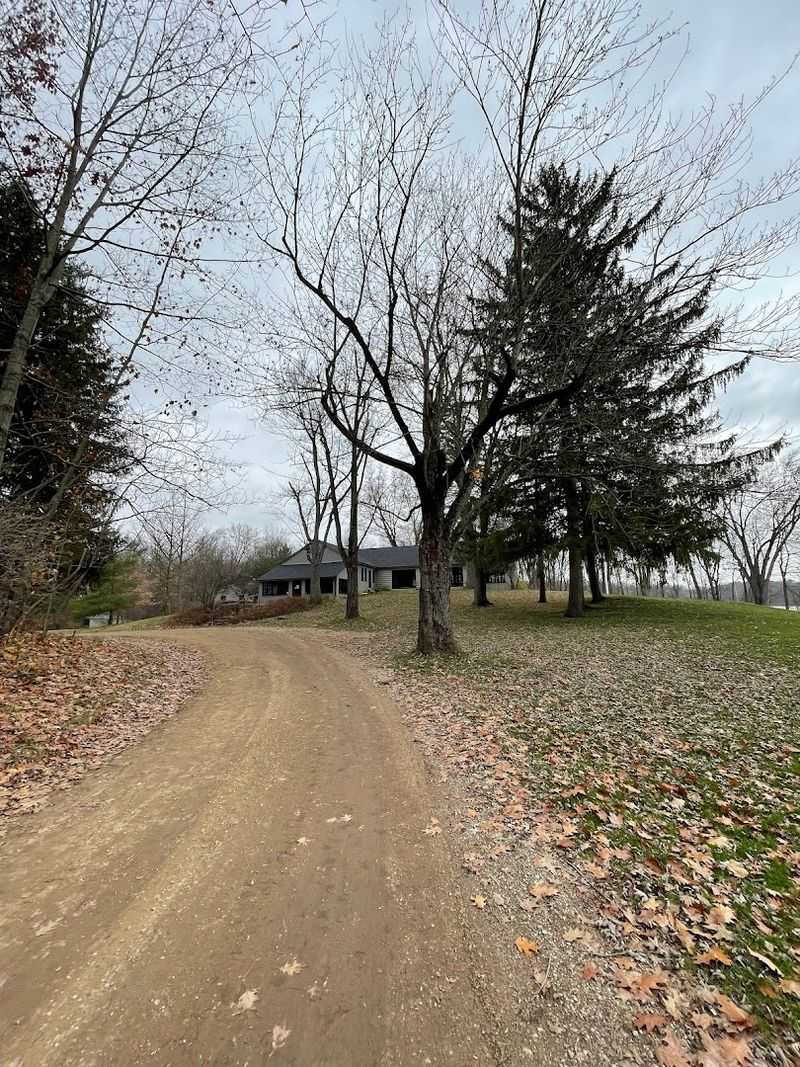
The architecture at Camp Madron is one of its quietest surprises. Rather than competing with the woods, the homes and community structures draw from Shaker ideas of simplicity, usefulness, and restraint, which means clean lines, uncluttered rooms, and a practical relationship to light, air, and movement.
It is a disciplined style, but not a cold one. That design approach shows up in prototypical house forms such as the one-room schoolhouse and the telescoping house.
Large communal areas, open cooking spaces, and generous windows keep the interiors connected to the outdoors, while cedar, oak, metal roofing, and siding emphasize durability. If you like architecture that does more by trying less, this place is unusually coherent.
Let The Lake Set Your Pace
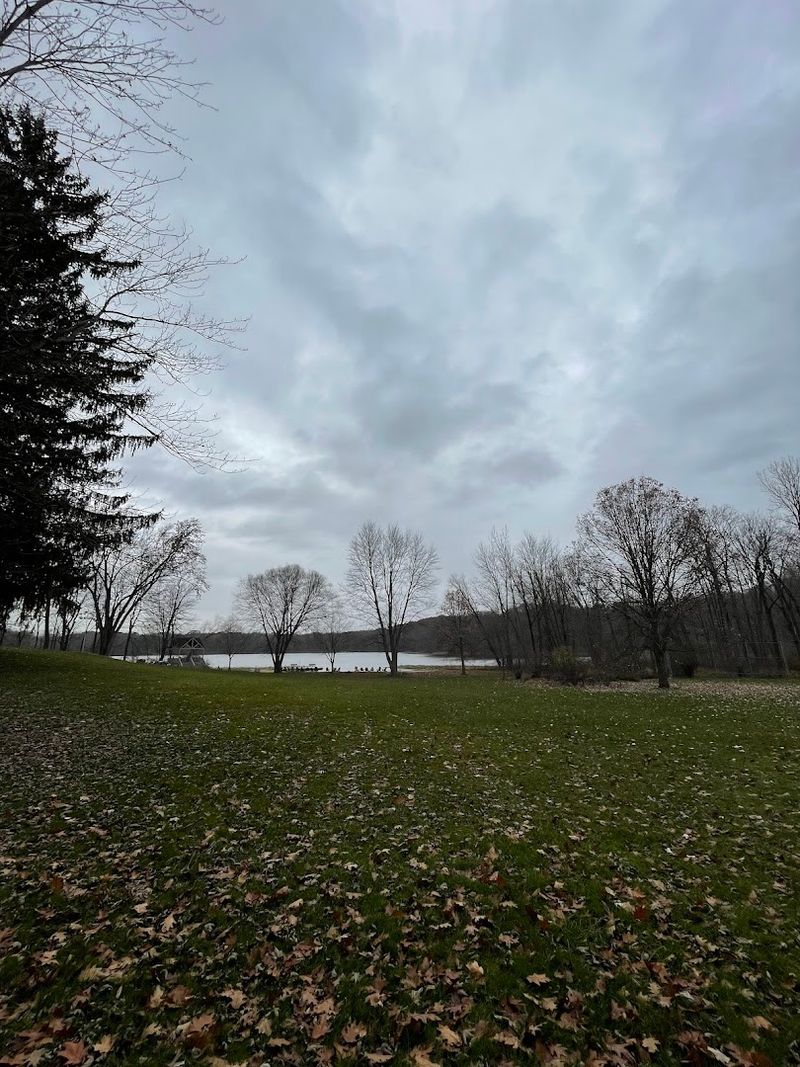
Madron Lake is the center of gravity here, and everything makes more sense once you have seen it. The lake covers about 60 acres and is spring-fed, which gives the water and shoreline a clean, clear presence that anchors the whole property.
Nearby amenities are not decorative extras, but part of how the community lives with the landscape. The sandy beach and swim raft create a natural social focus in warm weather, while canoeing and other paddle sports fit the lake’s scale better than anything noisy or oversized ever could.
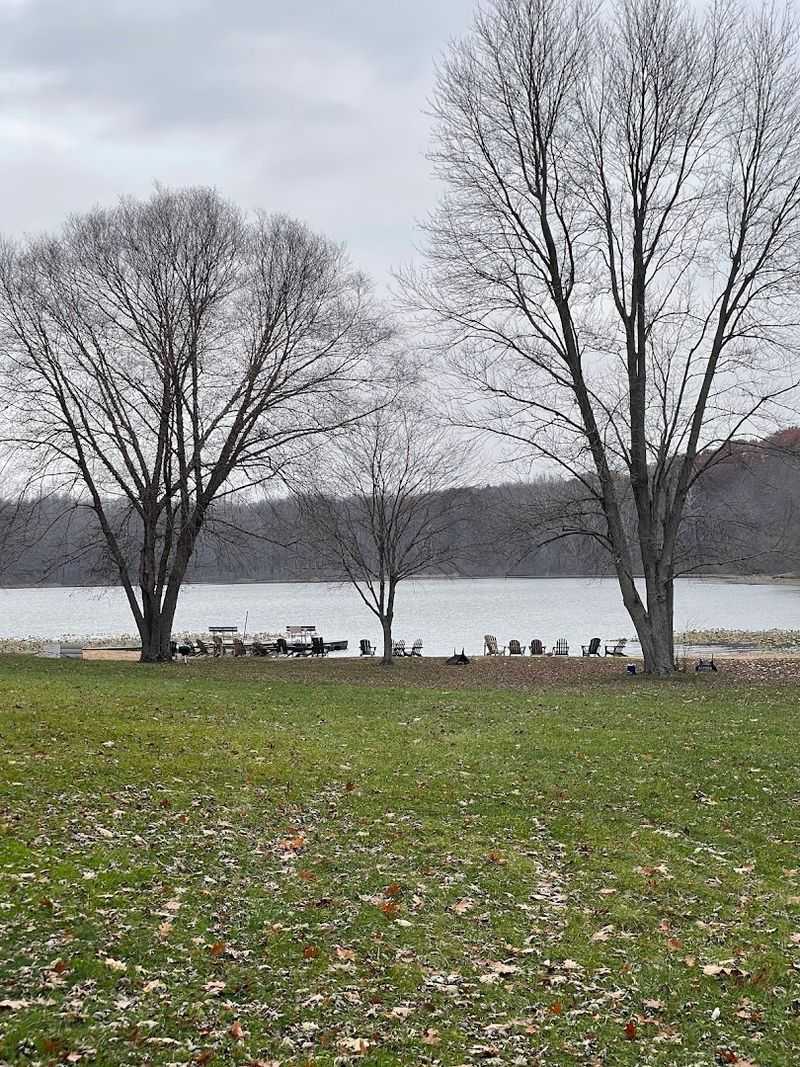
Even in quieter seasons, the shoreline keeps its pull. A good visit tip is simple: spend unhurried time by the water before deciding what Camp Madron feels like.
Walk The Trails Before You Do Anything Else
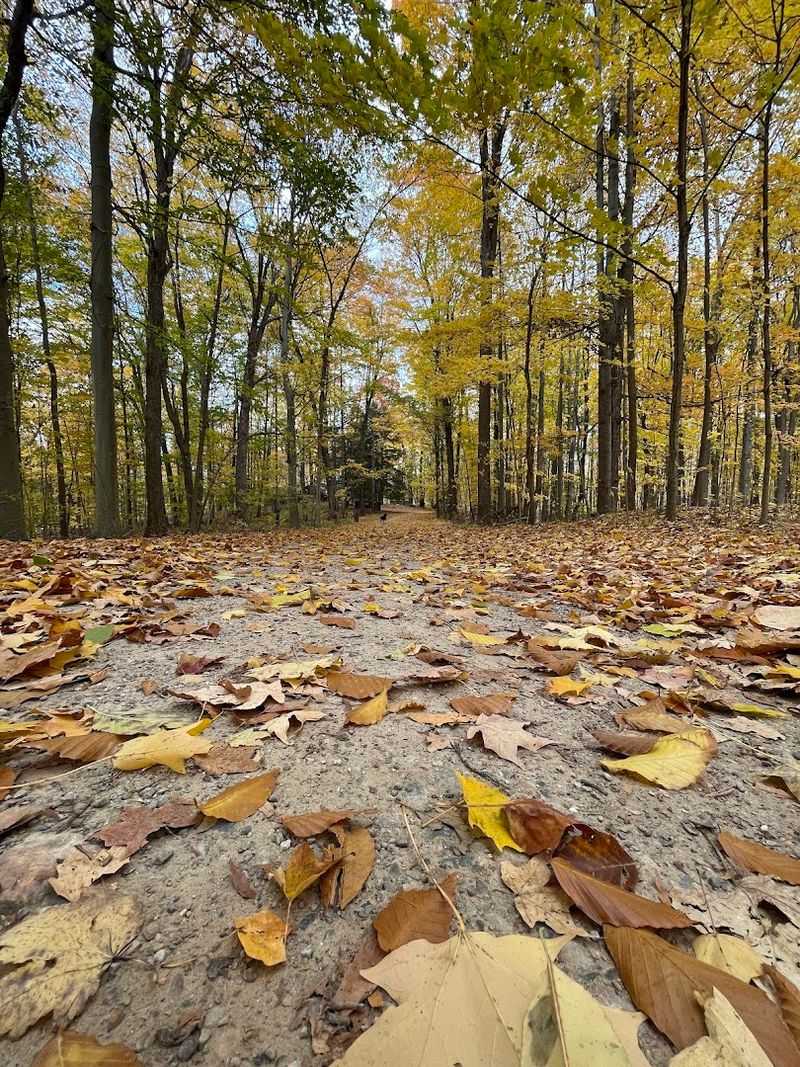
The trails tell you how seriously Camp Madron takes its natural setting. Beyond the lake, the property includes pine forests and a network of walking and ski trails that make the woods usable in every season instead of merely scenic.
This is one of the clearest signs that the community was shaped around outdoor life, not around driveways. I liked the fact that preservation here is organized, not accidental. A Natural Areas Committee helps maintain and protect these ecological spaces, which means the trails reflect care as well as beauty.
For a visitor, that translates into something practical: wear decent shoes, expect changing ground conditions, and give yourself enough time to wander without treating the woods like a quick add-on.
Use The Lodge As Your Interpretive Key
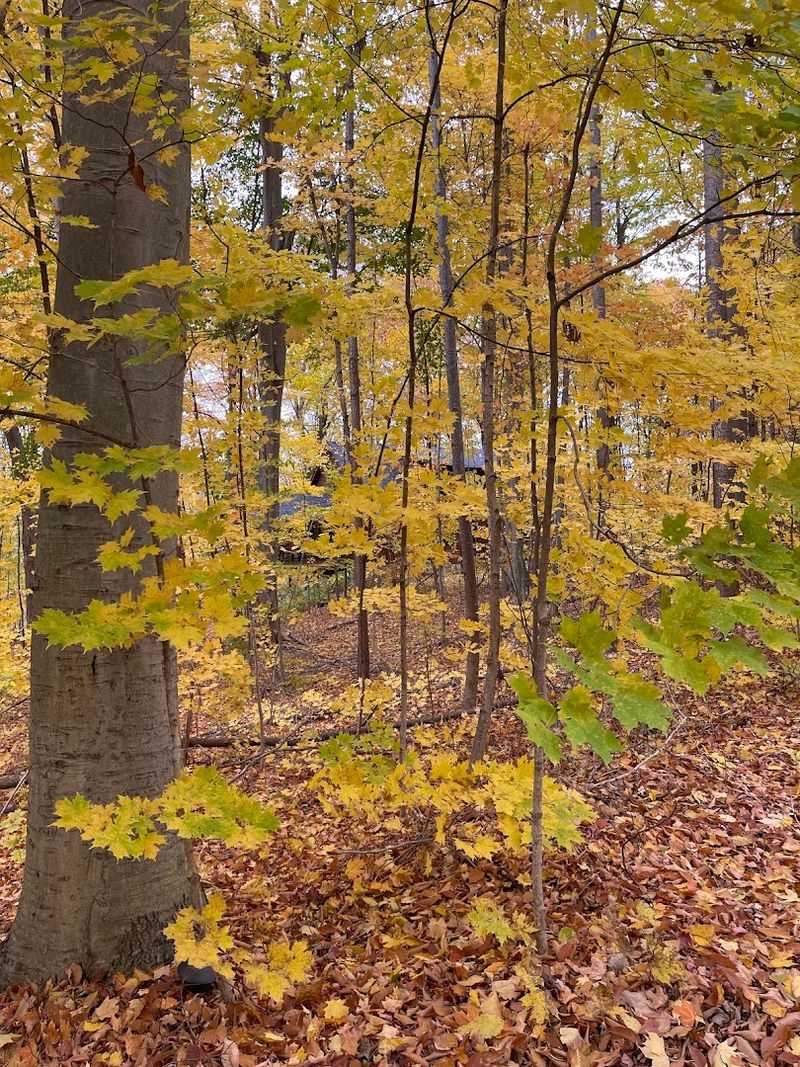
If one building explains Camp Madron best, it is the lodge. Renovated from the original Boy Scout structure, it remains the social and functional hub of the community, with a community dining area and commercial kitchen that support shared meals and gatherings.
That combination of practicality and sociability is central to the place’s identity. The lodge also helps decode the rest of the property. Once you recognize that common life was designed into the site, the orchard, gardens, baseball diamond, and lakeside gazebo stop seeming like scattered amenities and start reading as parts of a coherent pattern.
My advice is to notice how these features cluster around use. Camp Madron is most interesting when you see it as a lived system, not a collection of attractive details.
Notice The Shared Spaces Beyond The Obvious
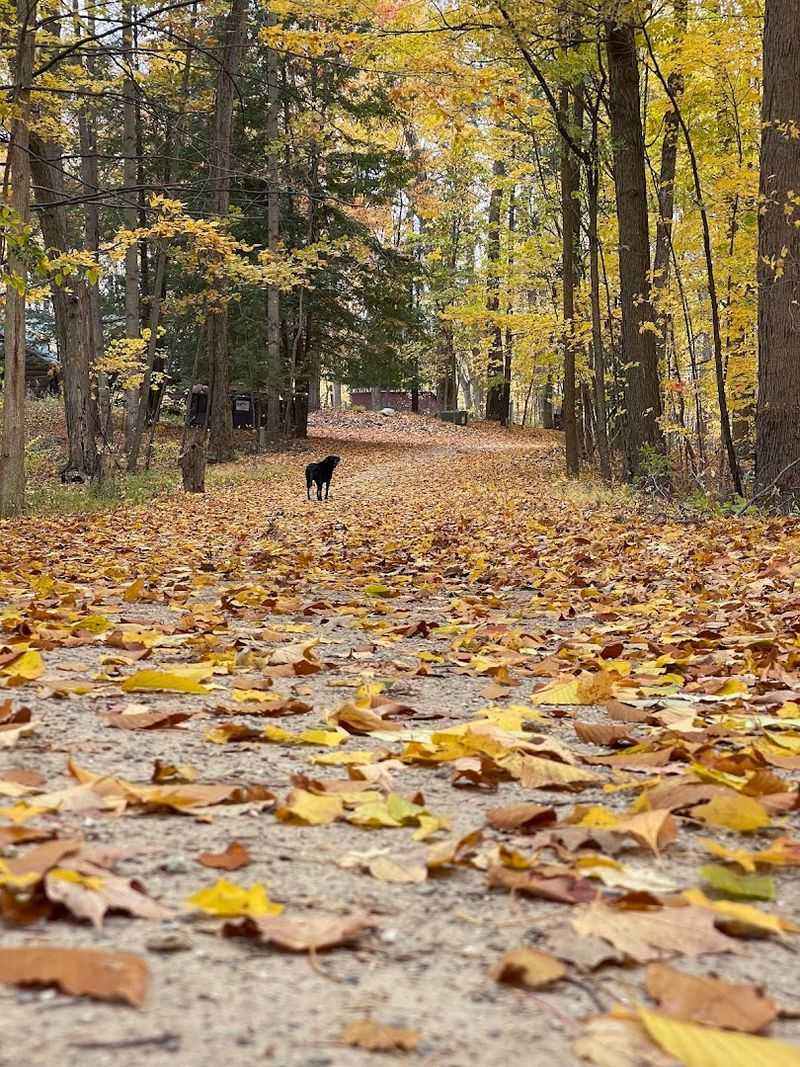
Some places reveal themselves through one headline attraction, but Camp Madron works differently. After the lake and lodge, the smaller shared spaces start carrying more meaning: an apple orchard, community gardens, a baseball diamond, and a lakeside gazebo all suggest a community that values participation over display.
These are not dramatic features, yet they quietly shape the social texture of the grounds.
There is also a practical reason they matter. The common amenities are regularly maintained by an on-site caretaker, which helps them stay functional rather than drifting into symbolic status.
That steady upkeep gives the whole place a cared-for feeling. If you are trying to understand Camp Madron honestly, look for the spaces where people can actually gather, cook, grow, walk, and linger.
Come Ready For All Four Seasons
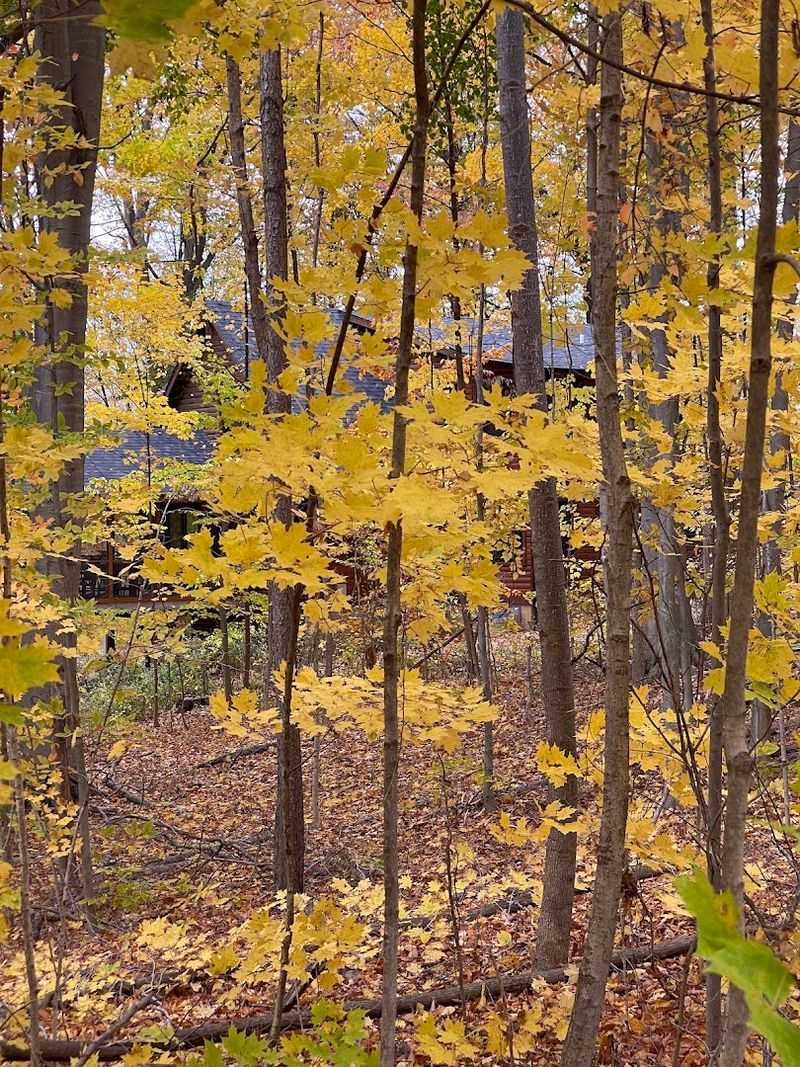
It is easy to picture Camp Madron as a summer-only escape, but that misses the point. The community was designed for year-round, nature-focused living, and the property’s appeal changes with the calendar rather than shutting down outside warm weather.
Lake days may dominate the imagination, yet the trails, woods, and shared infrastructure support a broader rhythm. I think that seasonal flexibility is part of why the place feels more substantial than a typical getaway.
Summer brings beach use and paddle activity, while colder months shift attention toward walking, skiing, and the visual drama of the trees and open water edges. Plan accordingly and you will get more from it. The best tip is to match your visit to the kind of quiet you actually want.
Expect Simplicity, Not Spectacle
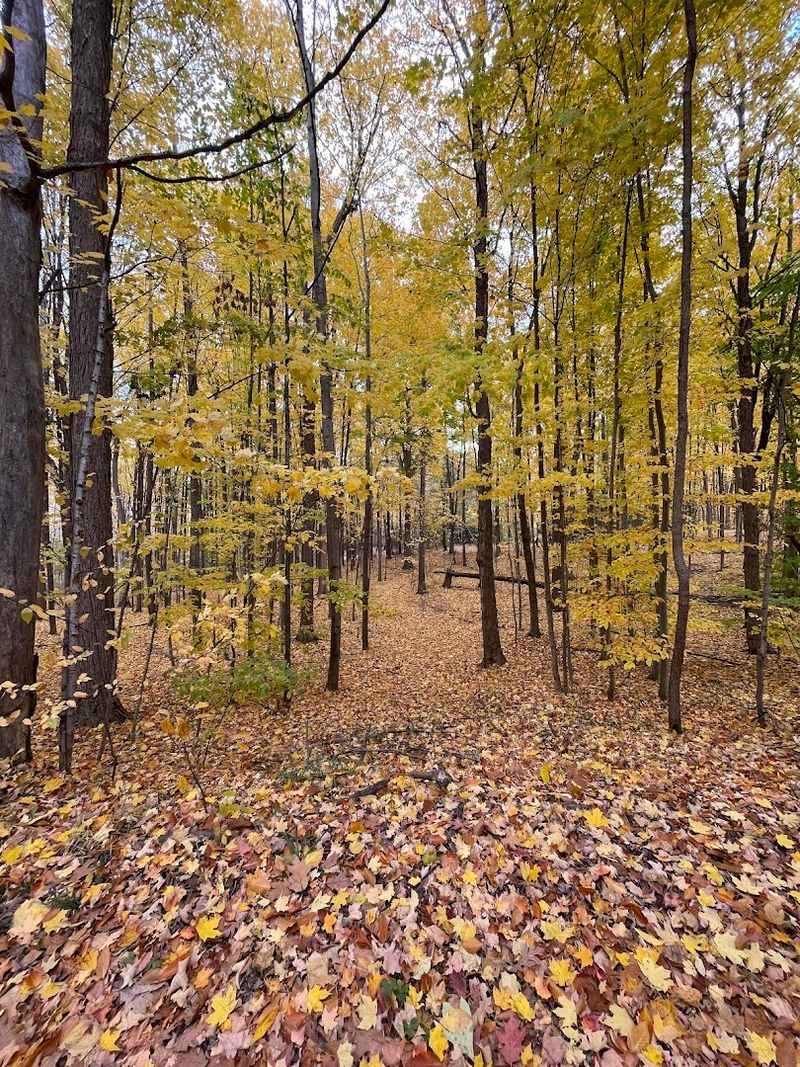
Camp Madron is not trying to overwhelm you, which is exactly why it can be so memorable. The strongest impression comes from proportion and restraint: simple buildings, natural materials, open shared spaces, and a landscape that remains the star.
In an era of over-programmed destinations, that choice feels refreshing and surprisingly confident. The underlying architectural philosophy helps explain the effect. Shaker-inspired design favors usefulness, order, and a close relationship with daily life, so the homes and structures feel built to be lived in rather than merely admired from the outside.
That creates a specific visitor experience. Instead of chasing a single dramatic viewpoint, you start noticing light through windows, durable surfaces, and how easily the community settles into the trees.
Treat The Quiet As Part Of The Experience
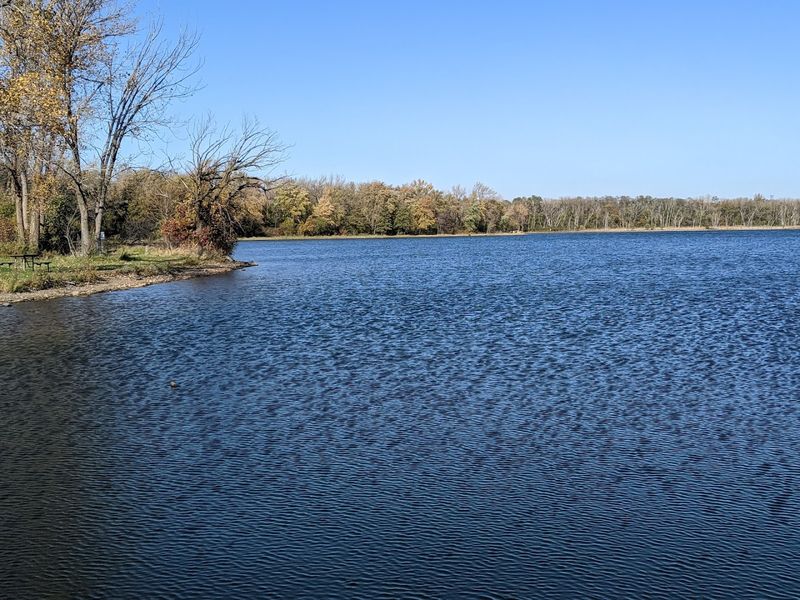
Quiet at Camp Madron is not empty silence. It has texture: wind through pines, movement on the lake, footsteps on trails, and the low-level activity of a place built for outdoor living rather than constant display. That subtle soundscape is part of the appeal, especially because the community sits near the Indiana line yet feels insulated from the usual rush of border-area traffic.
The practical takeaway is to approach the place with patience. You do not need an aggressive itinerary here, and in fact too much planning can flatten the experience into a checklist.
The setting works best when you leave room to observe the details that make it distinctive, from the trail network to the beach to the communal spaces. Camp Madron rewards attention more than speed.
Go For The Layered Identity
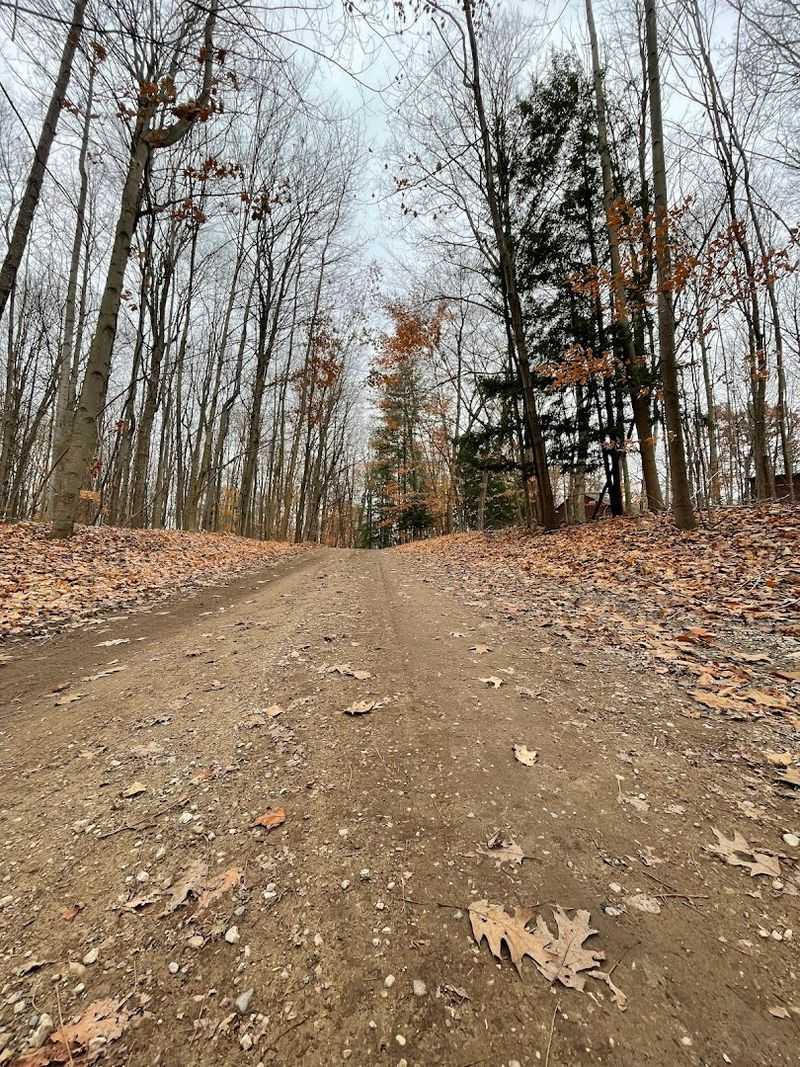
The most useful way to think about Camp Madron is as a layered place. It was a farm, then a Boy Scout camp, and now a residential community organized around a spring-fed lake, trails, common spaces, and architecture that leans toward disciplined simplicity.
Each layer still shows through, which gives the property unusual character without requiring any reinvention. That is why it feels like a hidden summer camp, even though it is no longer one. The camp inheritance remains visible in the lodge, the recreational pattern of the land, and the communal orientation, while the residential present adds continuity and stewardship.
If you are choosing how to experience it, start with that overlap. Camp Madron is best appreciated as a place where history still shapes daily atmosphere.