
This Lava Tube Hike In Washington Leads Into An Ancient Underground World
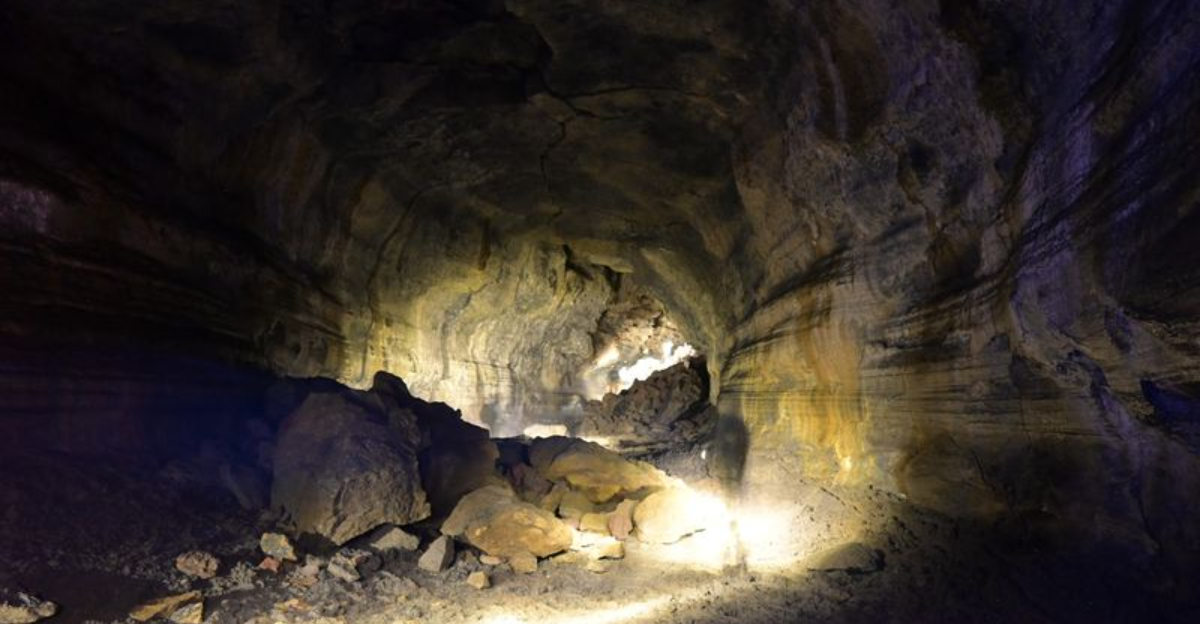
They say every great adventure begins with a moment of questionable decision-making, and my Washington journey was no exception.
There I was, scrolling through hiking guides, when a lava tube with an actual “ape” in the name caught my attention-because apparently, the Pacific Northwest has a sense of humor.
What started as curiosity quickly turned into determination when I learned this wasn’t just a hole in the ground but an entire underground highway carved by ancient volcanic fury.
Friends warned me about the darkness, the uneven terrain, and the possibility of encountering actual apes (they were joking, I think).
Armed with nothing but curiosity and a flashlight app on my phone, I prepared to explore an ancient world hidden right beneath our feet, wondering if the cave’s quirky name was foreshadowing something hilarious.
This is a place where ancient volcanic history is literally written on the walls, and where every footstep echoes through a tunnel that has been sitting quietly underground for about 2,000 years.
The Fascinating Origin Story
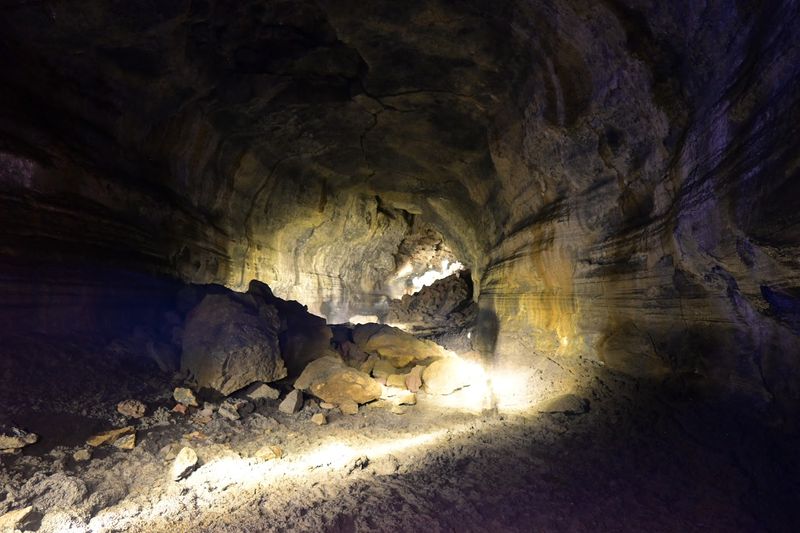
Long before anyone set foot inside it, Ape Cave was quietly being sculpted by one of nature’s most dramatic forces. About 2,000 years ago, an eruption from Mount St. Helens sent rivers of molten lava flowing across the landscape.
As the outer edges of that flow cooled and hardened into a crust, the lava inside kept moving, and when it eventually drained away, it left behind a hollow tube stretching over 2.5 miles beneath the surface.
What makes this even more remarkable is that about 90 percent of Mount St. Helens’ eruptions produce dacitic lava, which does not typically form caves.
The Cave Basalt Flow that created Ape Cave is a rare exception, making this tube genuinely special in the volcanic record of the Pacific Northwest.
The cave was discovered in 1947 by a logger named Lawrence Johnson, and a Boy Scout troop led by Harry Reese fully explored it in the early 1950s. The scouts named it after their sponsor group, the St. Helens Apes, a local foresters’ organization.
What The Cold And Dark Interior Actually Feels Like
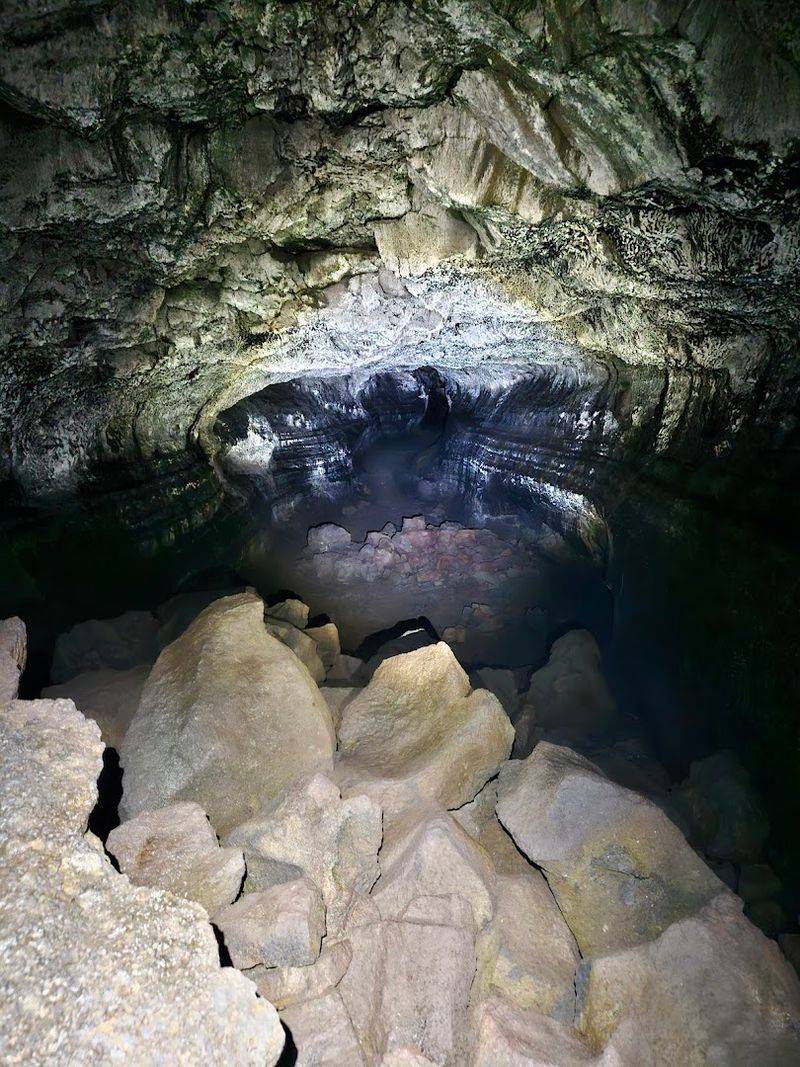
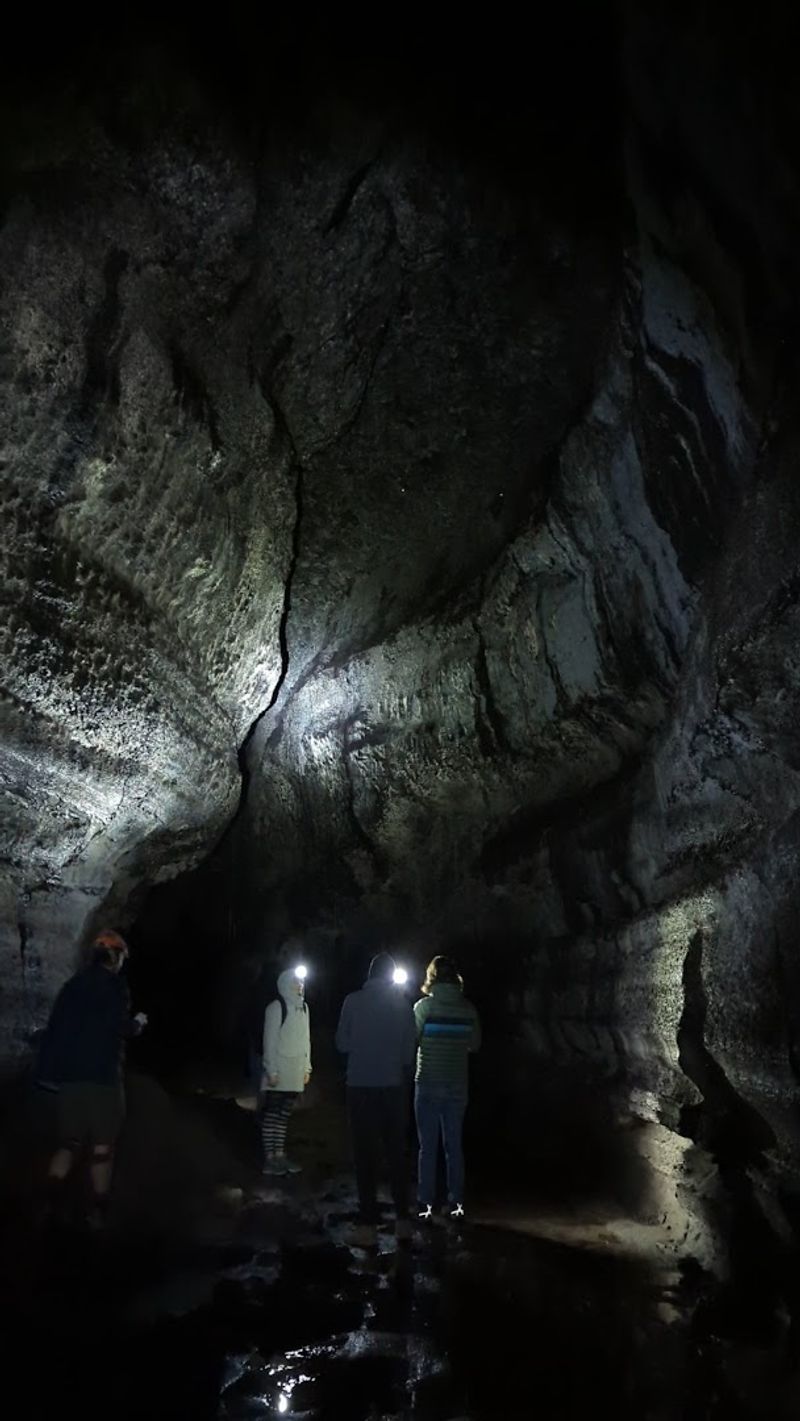
Walking into Ape Cave for the first time is a sensory experience that no photograph fully captures. The temperature inside holds steady at around 42 degrees Fahrenheit year-round, so even on the hottest summer day, the cave greets you with a sharp, bone-chilling cold.
I wore a light jacket on my visit and wished I had brought a heavier one. The darkness is genuinely complete. Without a light source, you cannot see your hand in front of your face, which sounds dramatic until you actually experience it.
The cave rules require every visitor to carry at least two light sources per person, and that rule exists for very good reason. The floor is uneven, rocky, and sometimes slippery from moisture, so sturdy hiking shoes are not just recommended but essential.
Cell service is nonexistent in the area, so download any maps or information you need before arriving. The combination of cold air, complete darkness, and rugged terrain makes preparation the key ingredient for a safe and enjoyable visit.
The Lower And Upper Cave Routes
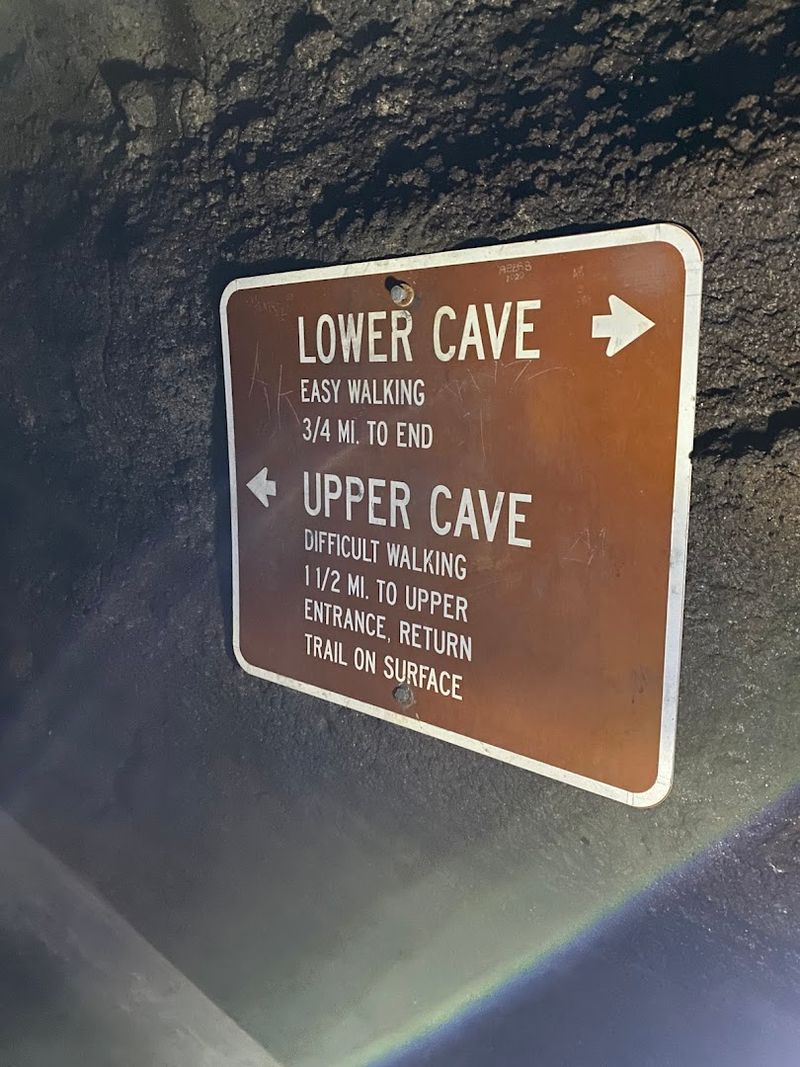
One of the first decisions you will make at Ape Cave is which route to take, and the two options could not be more different in terms of difficulty. The Lower Cave stretches about 0.75 miles one-way and is generally considered family-friendly.
The footing is mostly level, the passageway is wide, and the round trip takes roughly an hour. It is a great starting point for first-time visitors or anyone hiking with younger children. The Upper Cave is a completely different adventure.
This route runs 1.5 miles one-way and involves scrambling over large rock piles, navigating tight passages, and climbing an 8-foot rock wall sometimes called the lava fall. Plan on spending two to four hours on this section alone.
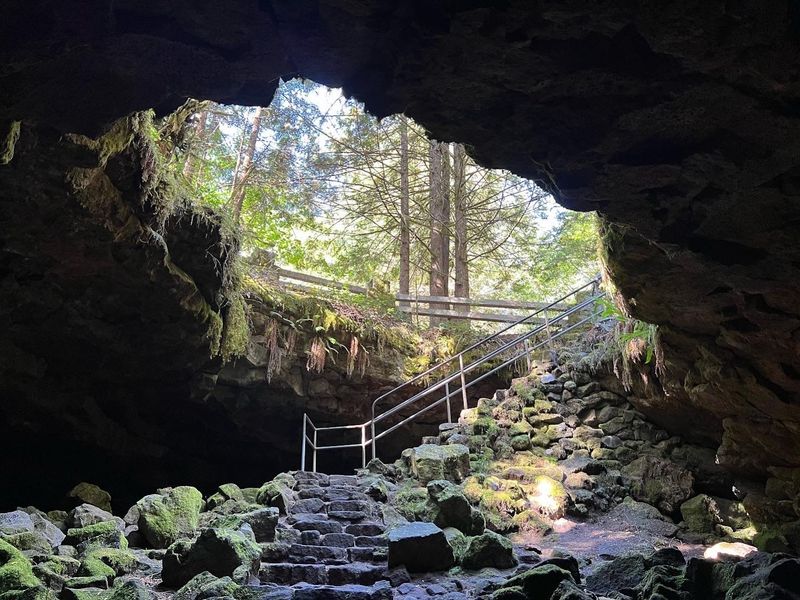
The Upper Cave exits through a natural skylight opening and a ladder that brings you back above ground, where a trail leads you back to the parking area. Tackling both routes in one day is possible, but arriving early and pacing yourself will make the experience far more enjoyable.
The Quirky Geological Features Hidden Inside
Part of what makes exploring Ape Cave so entertaining is discovering the oddly named formations tucked throughout the tunnel. The most famous is The Meatball, a massive lava boulder that became wedged in a narrow section of the passageway as it was carried along by the flowing lava thousands of years ago.
Standing next to it, you get a real sense of just how powerful that ancient flow must have been.
Another standout feature is The Railroad Tracks, a long raised ledge running along the cave wall that was formed by slower-moving lava pushing against the sides of the tube. It genuinely looks like a stone rail running through the darkness.
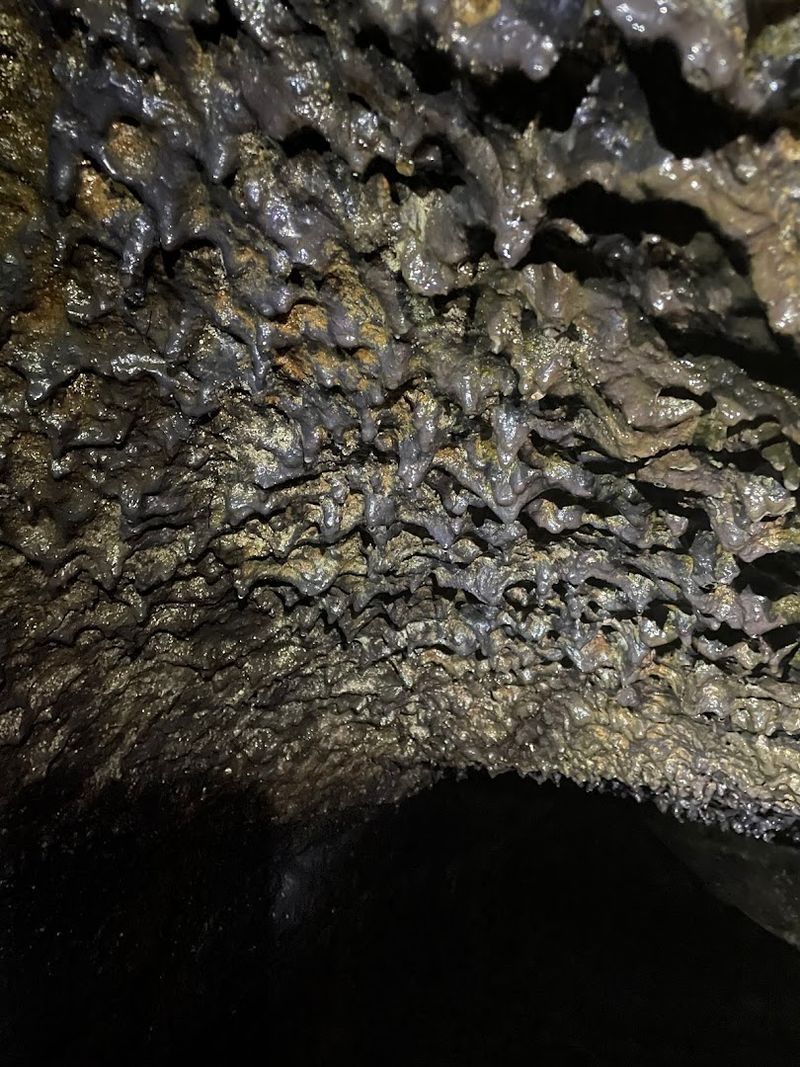
Lavacicles, which are lava stalactites that dripped and hardened from the ceiling, add another layer of visual interest to the ceiling overhead.
These features give the cave a personality that goes beyond just walking through a dark tunnel. Each formation tells a small chapter of the same volcanic story, and spotting them along the route feels a bit like a treasure hunt underground.
The Living Ecosystem Thriving In The Dark
At first glance, Ape Cave might seem like a completely lifeless place, but look closely at the walls and you will find something quietly extraordinary.
The most abundant living organism in the cave is cave slime, a colony of algae and bacteria that forms the foundation of the entire underground food chain. It clings to the cave walls and ceiling in thin, sometimes greenish patches, and it plays a surprisingly important role in keeping the cave ecosystem functioning.
Because of this fragile biology, visitors are asked not to touch the walls or ceiling at any point during their visit.
The oils from human hands can disrupt the cave slime and take years to recover. Bats also use the cave, and preventing the spread of White-Nose Syndrome, a devastating bat disease, is another reason for the strict no-touch policy.
Dogs are not permitted inside the cave for the same protective reasons. These rules might seem strict, but they are what keep Ape Cave healthy enough for future generations to enjoy the same remarkable underground experience.
Planning Your Visit And Booking Requirements
Getting to Ape Cave takes a little planning, and that preparation is well worth the effort. The cave is open seasonally from around May 18 through October 31, and timed reservations are required for both parking and cave entry during the open season.
Reservations can be made through recreation.gov, and spots fill up quickly on weekends, so booking ahead is strongly advised. A Northwest Forest Pass or an America the Beautiful Pass is also required for parking. If you do not already own one of these passes, factor that cost into your trip planning.
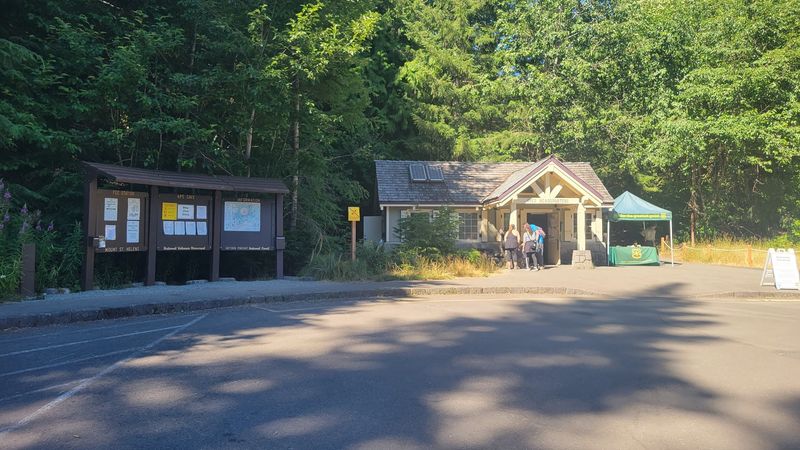
Ape Headquarters, a small information station near the cave entrance, offers lantern rentals during summer months, which is a helpful option if you forget to pack your own lights.
The address for Ape Cave is along Forest Road 8303, near Cougar, Washington, within the Mount St. Helens National Volcanic Monument. There is no cell service in the area, so download directions and reservation details before you leave home.
Arriving early on weekdays gives you the best chance of a quieter, more personal experience inside the tube.
What To Pack
Packing the right gear for Ape Cave is one of those things that separates a great trip from a miserable one. The two-light-source rule is the most critical starting point.
Each person in your group needs at least two working light sources, whether that is a headlamp plus a flashlight or a lantern plus a backup. Cell phone lights are not accepted as adequate substitutes, and for good reason given how quickly batteries drain in cold conditions.
Warm layers are equally important. A temperature of 42 degrees Fahrenheit feels noticeably colder when you are standing still or moving slowly through the cave, so a fleece or insulated jacket is a smart addition to your pack. Waterproof or water-resistant footwear helps on the damp sections of the floor.
Bring plenty of water and snacks, especially if you plan to tackle the Upper Cave. Knee pads are a practical bonus for the scrambling sections.
Practicing Leave No Trace principles means packing out everything you bring in, keeping the cave pristine for every visitor who follows you through its ancient passageways.
The Above-Ground Trail And Surrounding Forest Experience
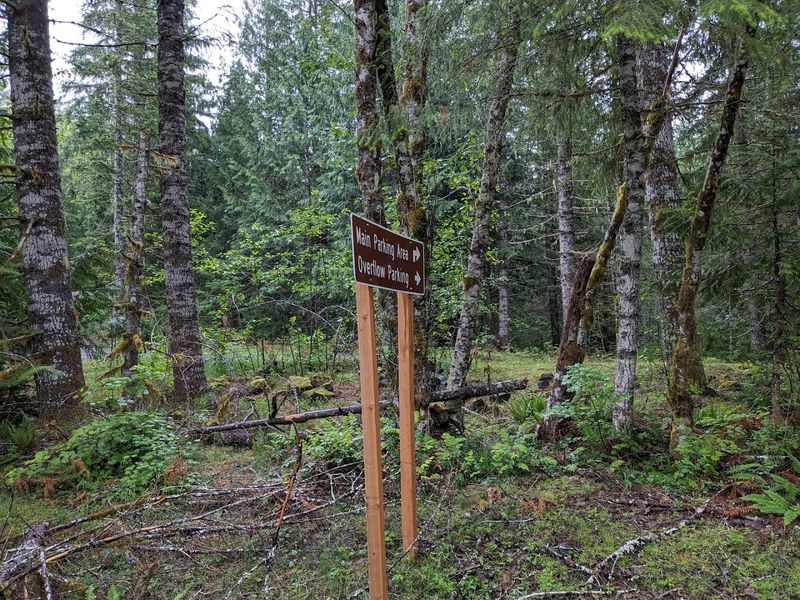
The adventure at Ape Cave does not have to end the moment you climb back out of the lava tube. If you complete the Upper Cave route, you emerge through a natural skylight and a ladder into a quiet stretch of Pacific Northwest forest that feels like a completely different world after the darkness underground.
The above-ground trail that connects the upper exit back to the main parking area winds through a beautiful stand of trees and gives your eyes a chance to readjust to natural light.
The surrounding Mount St. Helens National Volcanic Monument offers additional trails and viewpoints for those who want to extend their day.
The landscape here carries its own volcanic story in the form of hardened lava fields, young forest growth, and distant views of the mountain itself on clear days.
Taking a few minutes to simply stand above ground after emerging from the cave and appreciate the contrast between the underground world and the open sky above is one of those small travel moments that sticks with you long after the trip is over.