
This Legendary Michigan Diner Is Home To Michigan’s Most Famous Coney Dog
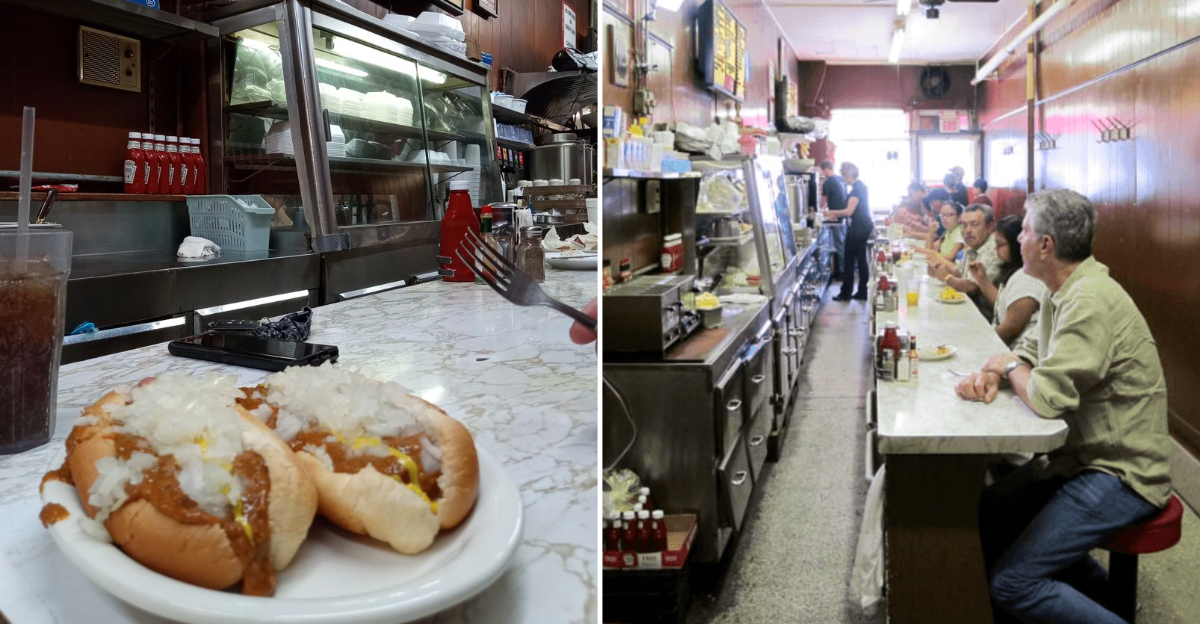
Rolling down Vernor Highway on Detroit’s southwest side, I catch the scent of chili and grilled onions before I even spot the modest building that houses one of Michigan’s most storied dining institutions.
Duly’s Place Coney Island sits at 5458 Vernor Hwy, Detroit, MI 48209, where generations of locals have gathered since the doors first opened to worship at the altar of the perfect Coney dog.
This unassuming retro diner has earned its legendary status not through flashy marketing or trendy reinventions, but by doing one thing exceptionally well for decades.
The Coney dogs here have become the gold standard against which all others are measured, drawing pilgrims from across the state who crave that specific combination of snappy natural casing, perfectly seasoned chili, and sharp yellow mustard.
Walking through those doors feels like stepping into a time capsule where the focus remains laser-sharp on quality, consistency, and the kind of straightforward hospitality that built Detroit’s reputation as a working-class food paradise.
The Signature Coney Dog That Started It All
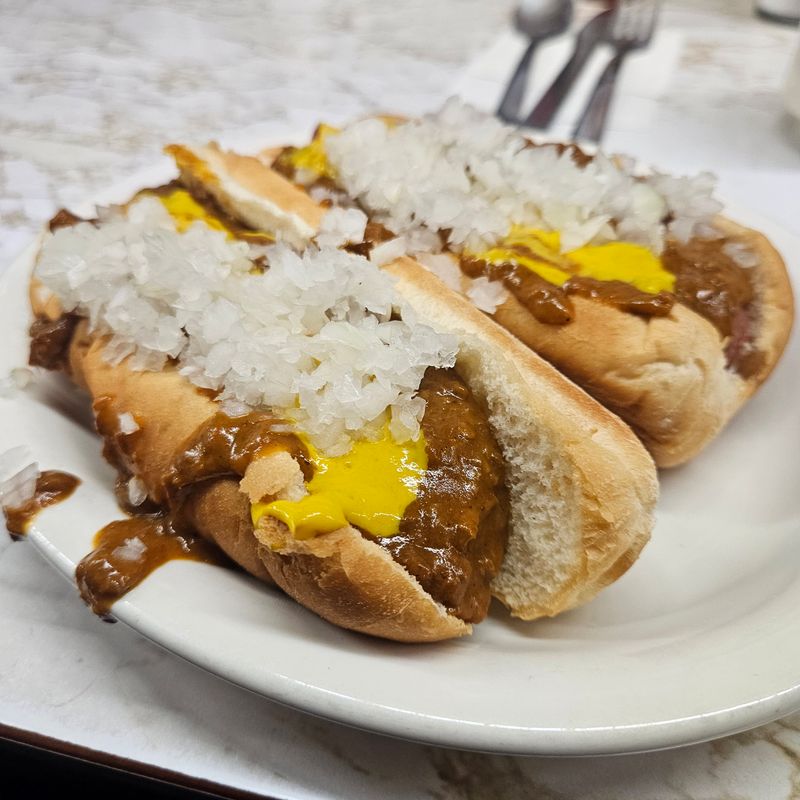
Biting into a Duly’s Coney dog feels like tasting Detroit history wrapped in a steamed bun.
The natural casing snaps perfectly under your teeth, releasing that unmistakable savory juice that signals you’re eating the real deal, not some mass-produced imitation.
What sets this Coney apart is the chili, a closely guarded recipe that strikes the perfect balance between meaty richness and spice without overwhelming the hot dog itself.
Sharp yellow mustard and finely diced white onions complete the trio of toppings that purists insist are the only acceptable additions.
I’ve watched first-timers try to add ketchup, only to receive gentle but firm guidance from regulars who know better.
The proportion of each element has been refined over decades, creating a harmony that explains why people drive an hour just for lunch.
Every component plays its role without showboating, resulting in something greater than the sum of its parts.
Old-School Diner Atmosphere That Refuses to Change
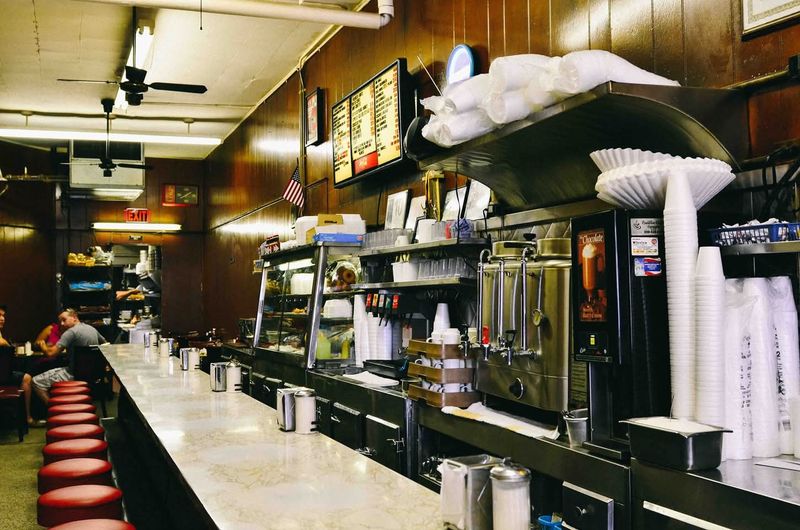
Stepping into Duly’s Place transports you to an era when diners focused on food rather than Instagram-worthy decor.
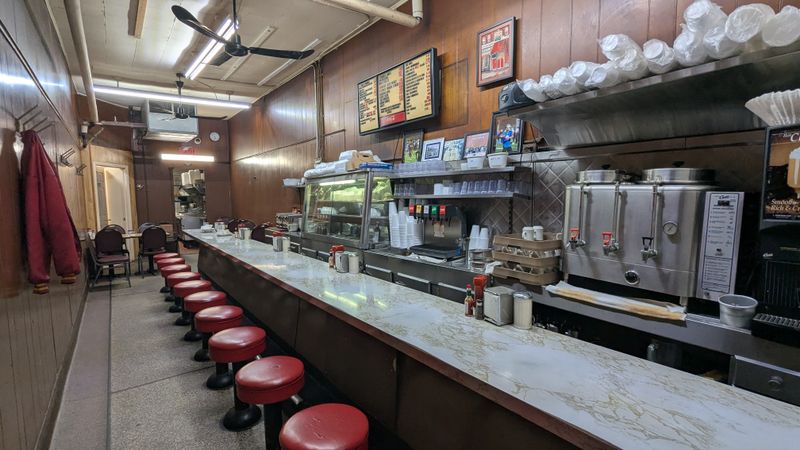
The interior maintains its retro charm with simple booths, a long counter, and those classic diner stools that spin just enough to entertain restless kids.
Walls display photos documenting decades of community history, showing customers from different generations who’ve made this spot their regular haunt.
The layout remains refreshingly unpretentious, with worn Formica tables that have absorbed countless conversations and celebrations over the years.
Fluorescent lighting illuminates everything without apology, casting that familiar glow that somehow makes the food taste even better.
I appreciate how Duly’s resists the temptation to renovate into something trendy, understanding that authenticity can’t be manufactured through distressed wood and Edison bulbs.
The space feels lived-in rather than designed, which perfectly matches the no-nonsense approach to the menu.
Early Morning Hours That Serve the Working Crowd
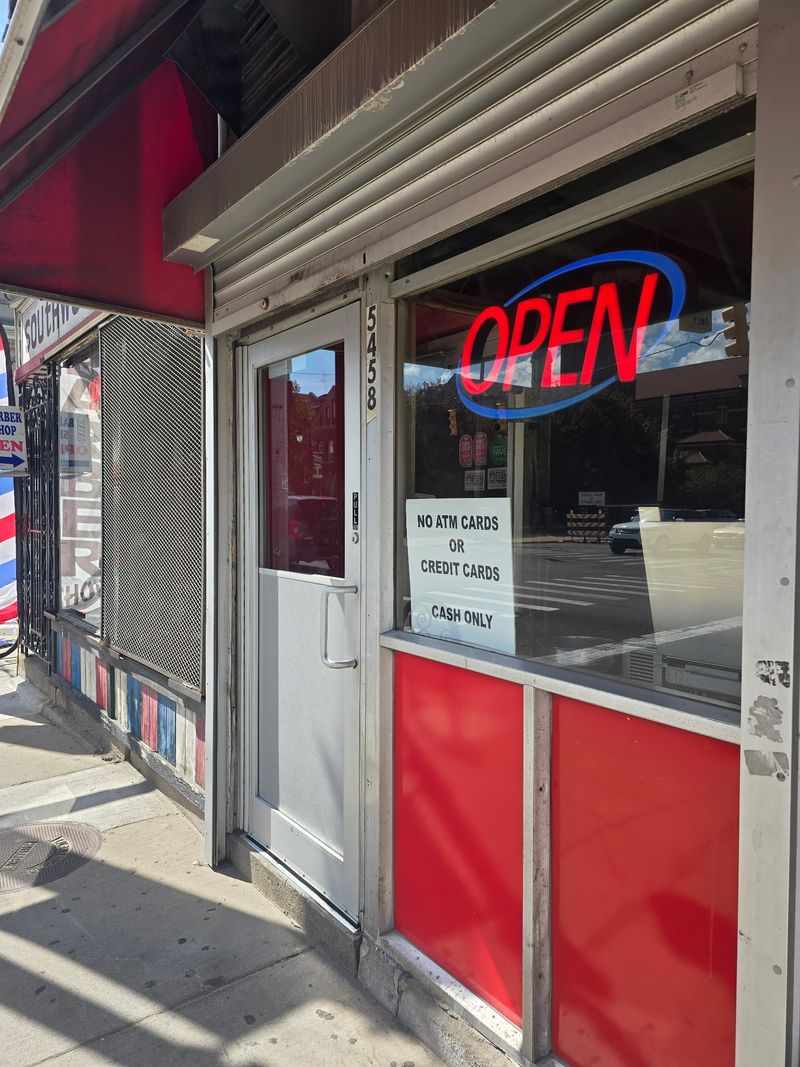
Duly’s opens at 6 AM most days, catering to the shift workers, early risers, and dedicated fans who believe Coney dogs make a perfectly acceptable breakfast.
Watching the morning rush reveals the restaurant’s deep connection to Detroit’s working-class roots.
Construction crews, factory workers heading home from night shifts, and neighborhood regulars fill the seats before most restaurants even think about unlocking their doors.
The kitchen operates at full speed from the moment they flip the sign, with the grill already sizzling and the chili pot simmering.
I’ve joined the breakfast crowd enough times to recognize the unspoken etiquette: orders are placed quickly, conversations stay brief but friendly, and everyone respects that people have places to be.
This early opening demonstrates Duly’s commitment to serving the community rather than chasing the brunch crowd with elaborate menus.
Real Detroiters appreciate a spot that accommodates actual work schedules.
Family Ownership That Maintains Quality Standards
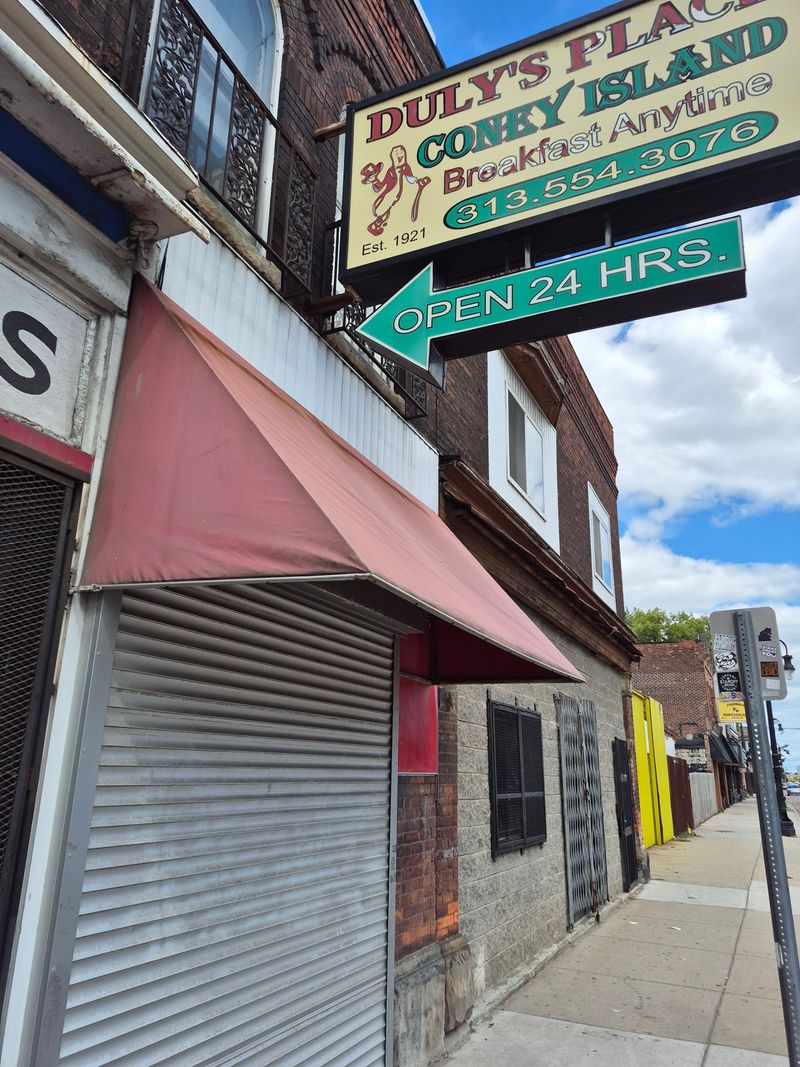
Duly’s has remained family-owned throughout its history, ensuring that quality standards get passed down rather than diluted through corporate expansion.
The personal investment shows in every detail, from ingredient selection to how staff treats regular customers like extended family members.
Walking in on any given day, you’ll likely encounter family members working the counter, taking orders, or checking that everything meets their exacting standards.
This hands-on approach prevents the quality drift that happens when restaurants grow too fast or prioritize profits over product.
I’ve noticed how the owners remember returning customers, their usual orders, and even personal details that make interactions feel genuine rather than scripted.
The family’s commitment to the original recipes and methods has protected Duly’s from the temptation to modernize or expand in ways that might compromise what made them special.
Their legacy rests on consistency, and they guard it fiercely.
Natural Casing Hot Dogs That Snap With Flavor
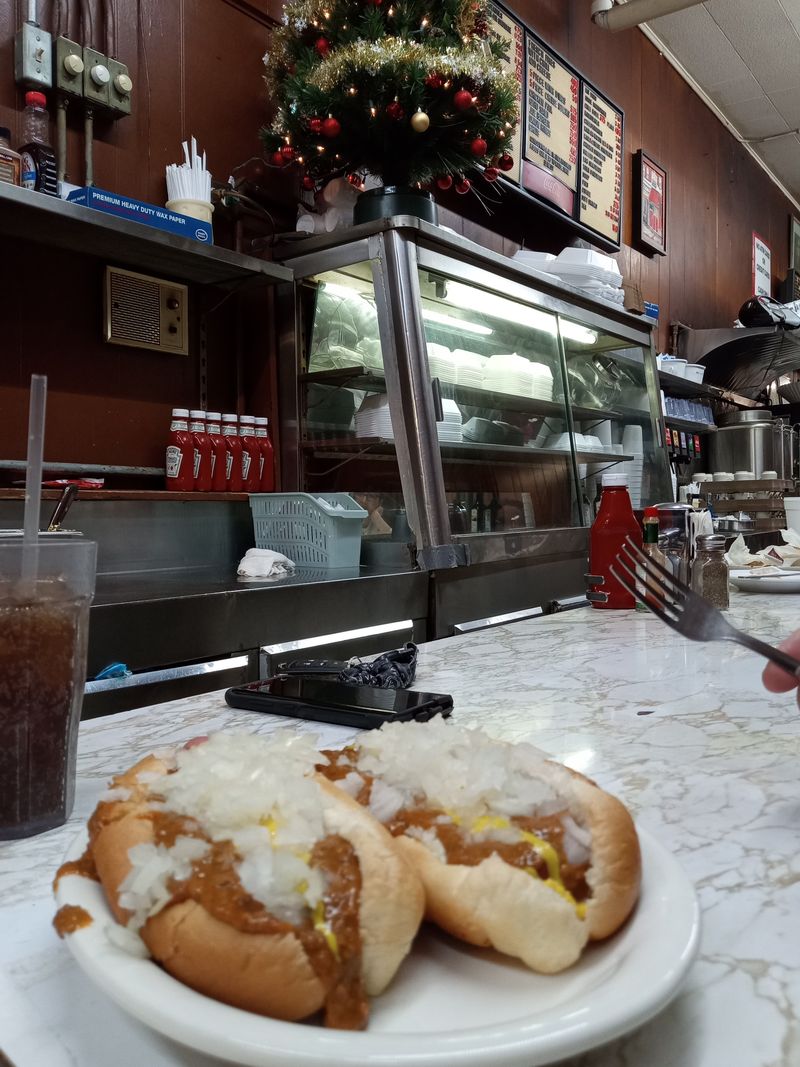
The natural casing on Duly’s hot dogs provides that essential snap that separates authentic Coney dogs from pretenders.
This casing comes from actual animal intestines rather than synthetic materials, creating a texture that collagen casings can’t replicate.
When you bite down, the casing offers brief resistance before giving way with an audible pop, releasing the juicy interior that’s been sealed inside during cooking.
This textural element adds a crucial dimension to the eating experience that many younger diners have never encountered at chain restaurants.
I remember my first Duly’s Coney, surprised by how much difference that casing made compared to the skinless franks I’d grown up eating.
The snap signals freshness and quality, indicating that these dogs haven’t been sitting under heat lamps, losing moisture and flavor.
Grilling in natural casing also creates slight charring in spots, adding smoky notes that complement the chili and mustard perfectly.
Secret Chili Recipe That Defines Detroit Style
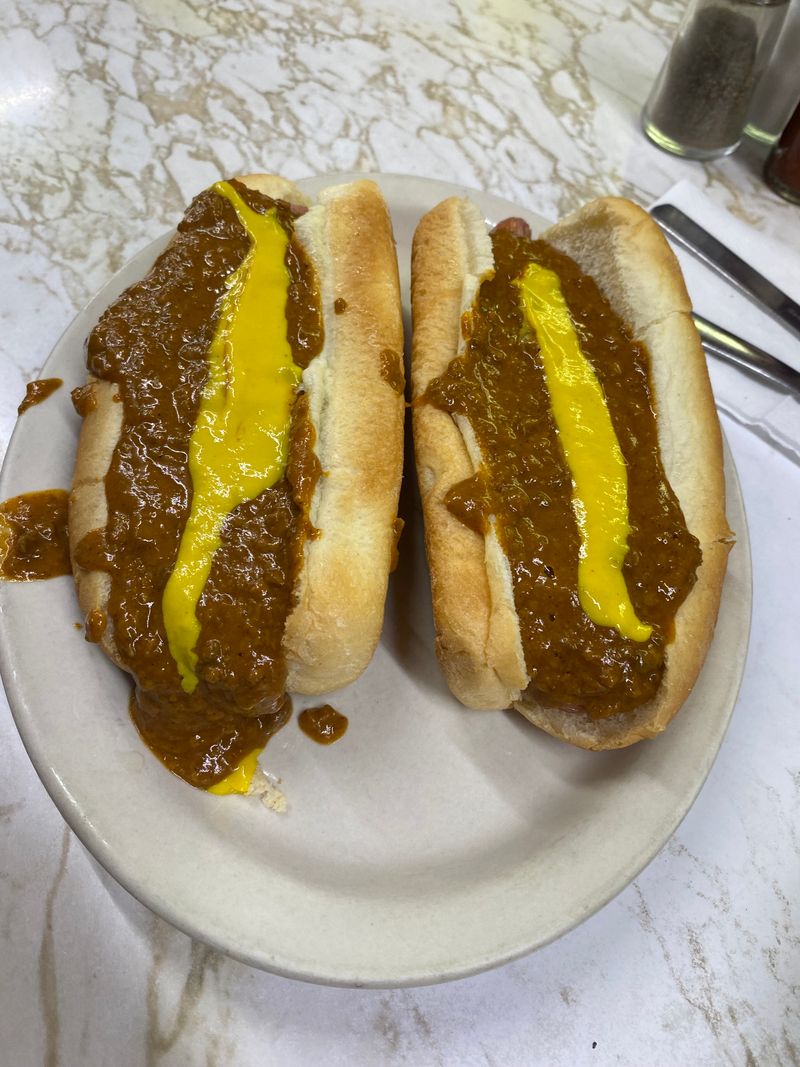
The chili at Duly’s represents decades of refinement, a recipe that family members guard more carefully than bank account numbers.
Unlike Texas-style chili with beans or Cincinnati-style with cinnamon, Detroit Coney chili stays finely ground with a specific spice profile.
This sauce clings to the hot dog rather than sliding off, maintaining the right consistency to complement without drowning the other components.
The meat gets ground so fine it almost resembles a thick sauce, allowing it to nestle into every crevice of the bun.
I’ve tried analyzing the spice blend by taste alone, detecting hints of cumin, maybe paprika, and other elements that remain frustratingly elusive.
The chili never tastes greasy despite being meat-based, suggesting careful preparation that skims excess fat while preserving flavor.
Some customers order extra chili on the side, using it to enhance their cheese fries or simply enjoying it with a spoon like soup.
Affordable Prices That Honor Working-Class Roots
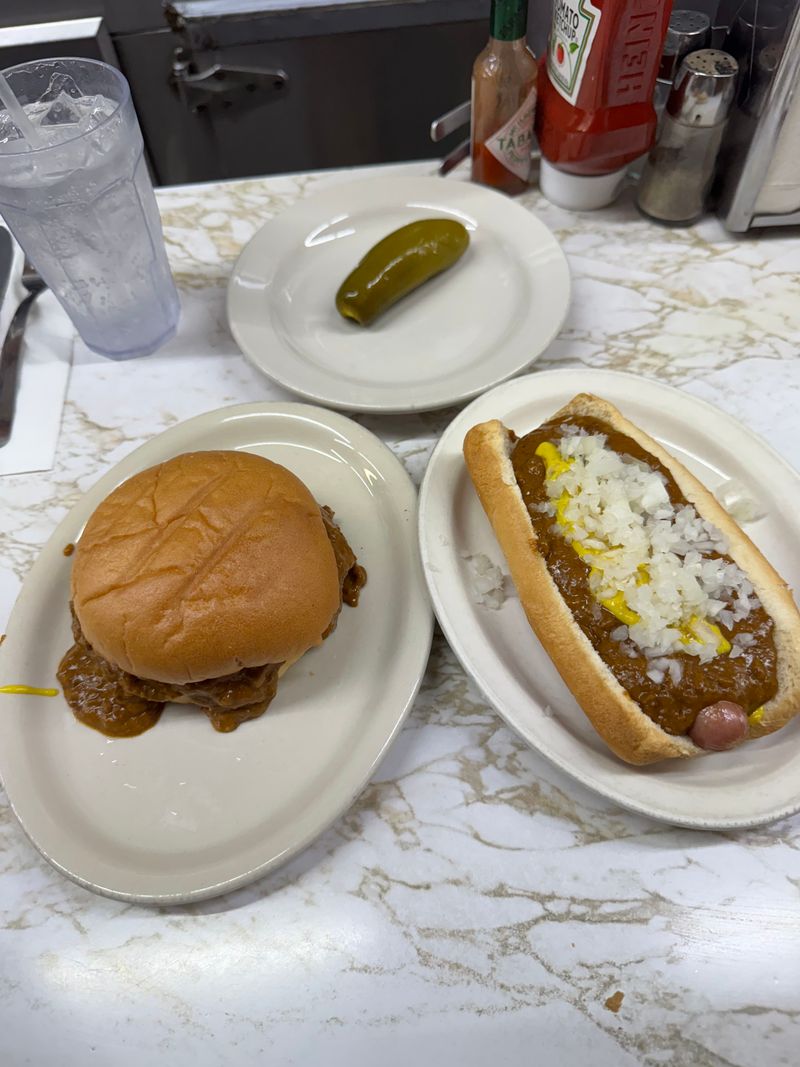
Duly’s maintains pricing that respects its working-class customer base, refusing to inflate costs just because food writers have declared them legendary.
The menu carries that single dollar sign on Google Maps for good reason, offering genuine value in an era of inflated restaurant prices.
You can eat a satisfying meal here for less than you’d spend on a single sandwich at trendy downtown spots, making it accessible to families, students, and anyone on a budget.
This pricing philosophy reflects the restaurant’s core identity as a neighborhood institution rather than a tourist destination.
I appreciate how Duly’s proves that legendary status doesn’t require corresponding price increases or attempts to position themselves as upscale.
The value extends beyond just low prices to include generous portions and consistent quality that ensures you’re getting your money’s worth.
In a city where economic challenges remain real for many residents, this affordability matters deeply.
Weekend Hours That Accommodate Real Schedules
Duly’s adjusts hours on weekends, closing at 2 PM on Saturdays and Sundays rather than staying open late.
This schedule might seem unusual until you understand it reflects the staff’s needs and the core customer base’s patterns.
Many regulars grab their Coney fix after church on Sundays or during weekend errands, filling the restaurant during morning and early afternoon hours.
The earlier closing allows staff to maintain work-life balance, something often sacrificed in the restaurant industry’s demanding culture.
I’ve learned to plan my weekend visits accordingly, arriving before the lunch rush hits to avoid the longest waits.
This schedule also maintains food quality by preventing the kitchen from operating during slower evening periods when ingredients might sit too long.
The restaurant prioritizes serving customers when demand is highest rather than staying open just to appear available, demonstrating confidence in their model and respect for their employees.
Community Gathering Spot That Transcends Food
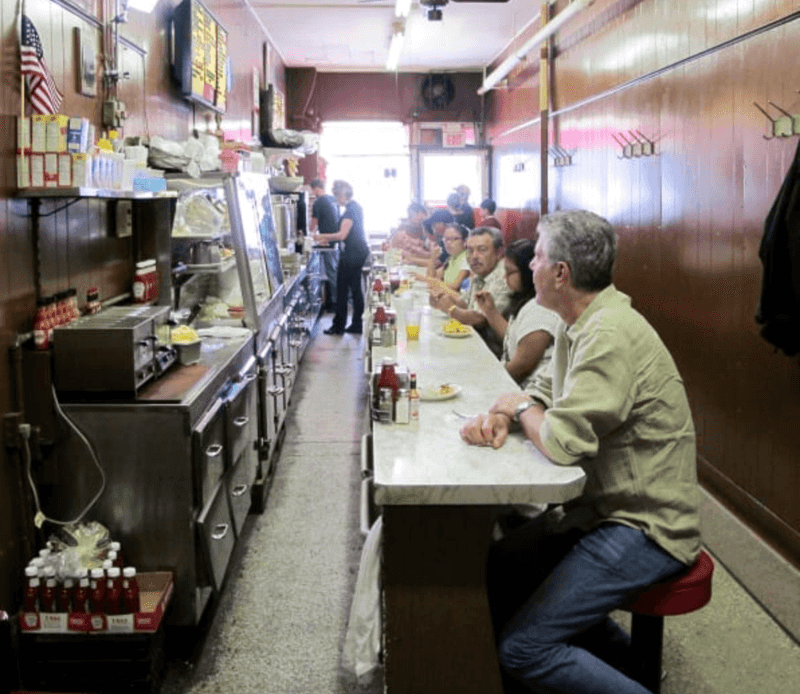
Beyond serving legendary Coney dogs, Duly’s functions as a community anchor where neighbors connect, generations overlap, and Detroit’s southwest side identity gets reinforced daily.
The booths and counter seats witness countless conversations that stitch together the social fabric of the neighborhood.
Regulars treat the space as an extension of their living rooms, stopping by not just for food but for the familiar faces and comfortable routine.
I’ve observed elderly customers who’ve been coming for forty years sitting beside young families introducing their kids to the same flavors.
This continuity creates something rare in modern American dining, a genuine third place that exists outside home and work where community happens organically.
The restaurant’s longevity has allowed it to become part of people’s life stories, marking celebrations, providing comfort during difficult times, and simply offering consistency in a changing world.
That social value exceeds anything measurable on a menu or review site.