
This Lincoln Museum Experience In Illinois Includes Smoke Effects And Dioramas
Most history museums ease you in quietly, but this one in Illinois throws you straight into the past in seconds.
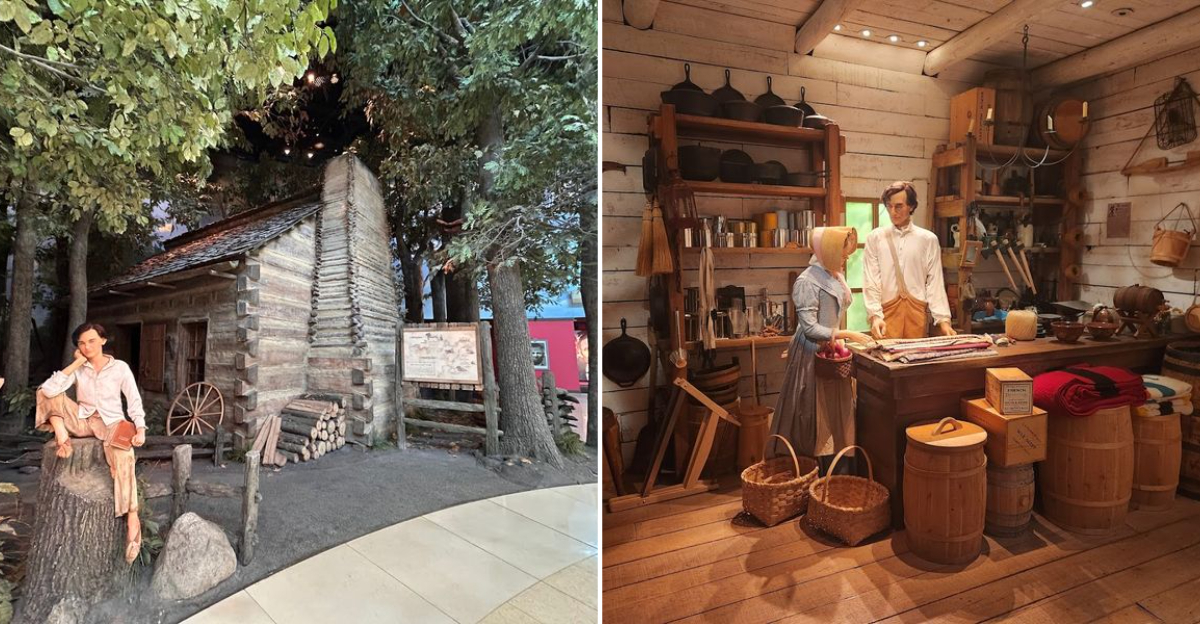
Before reaching the first full gallery, the experience begins inside a detailed frontier log cabin scene inspired by Lincoln’s early life, setting the tone with immersive storytelling rather than static displays.
This museum feels nothing like a traditional space filled with portraits and glass cases. Instead, it combines original artifacts, theatrical presentations, holographic effects, and modern technology to create something far more dynamic.
Every section builds on the last, turning history into an unfolding narrative rather than a series of isolated facts. It’s the kind of place where visitors slow down without realizing it, pulled in by scenes that feel alive and moments that make the past feel unexpectedly close.
Theatrical Smoke Effects That Set The Mood
Most museums greet you with silence. This one greets you with atmosphere.
The theatrical smoke effects used throughout the Abraham Lincoln Presidential Library and Museum in Springfield, IL are not just for show.
They are carefully designed to pull visitors into specific emotional moments from Lincoln’s life and era. The fog-like smoke drifts through certain exhibit spaces and theatrical presentations, creating a sense of depth and tension that a flat display panel simply cannot achieve.
It signals that something important is about to happen, and your brain responds accordingly. Children especially react to these moments with wide eyes and genuine curiosity.
The production team behind these effects clearly understood that history lands harder when it feels physical. When smoke fills a replica Civil War scene, the weight of that period suddenly feels real.
It transforms passive observation into active engagement.
Remarkably Detailed Dioramas Throughout The Exhibits
Dioramas have been a museum staple for generations, but the ones at this Springfield institution operate on a completely different level.
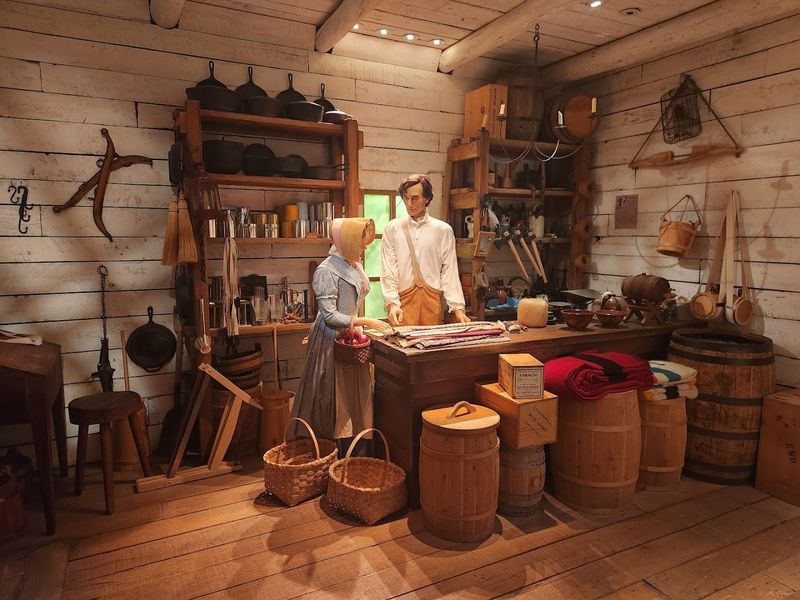
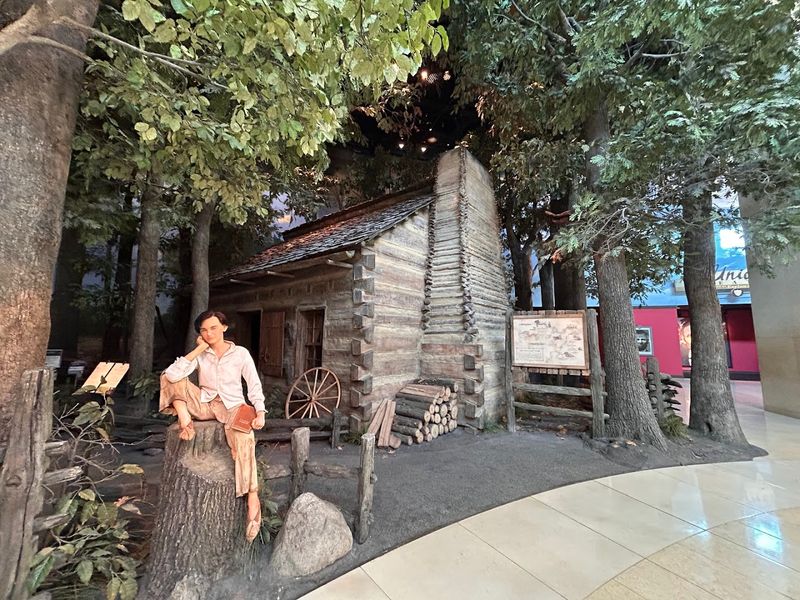
These are not tabletop miniatures behind smudged glass. They are full-scale, walk-beside recreations of scenes from Lincoln’s life, built with extraordinary attention to period-accurate detail.
One of the most memorable is the log cabin frontier setting that represents Lincoln’s Kentucky origins. The textures, lighting, and props make it feel like a film set rather than an educational display.
You half-expect someone to walk through the door and start chopping firewood.
Each diorama serves a specific narrative purpose, moving the visitor forward through Lincoln’s timeline in a way that feels intuitive rather than academic.
Families with kids find these especially valuable because children who might zone out reading text panels will stand and stare at a fully realized three-dimensional scene for several minutes. The craftsmanship behind each one reflects serious curatorial investment and genuine storytelling skill.
The Ghosts Of The Library Holographic Show
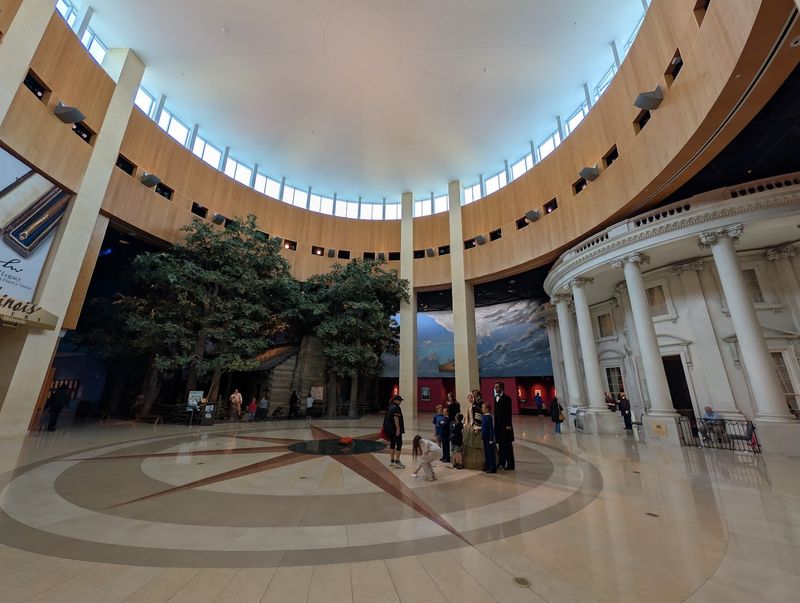
Few things in the museum world stop a crowd cold the way the Ghosts of the Library show does.
Held inside a dedicated theater space at the Abraham Lincoln Presidential Library and Museum, this holographic presentation uses projection technology to bring historical figures to life on stage in ways that feel genuinely startling the first time you see them.
The show features apparitions that appear to float, move, and speak within the theater space. The effect is disorienting in the best possible way.
Adults who walked in expecting a simple slideshow presentation find themselves leaning forward and whispering to each other.
The storytelling is sharp, the pacing is tight, and the visuals are legitimately impressive by any modern entertainment standard.
Plan your visit around the show schedule because missing it would be a real loss. It runs for a manageable length that holds attention without overstaying its welcome.
Many visitors rank it as the single most memorable part of their entire trip to Springfield, and honestly, that reputation is well earned.
Lincoln’s Eyes Theater With Seat Vibration
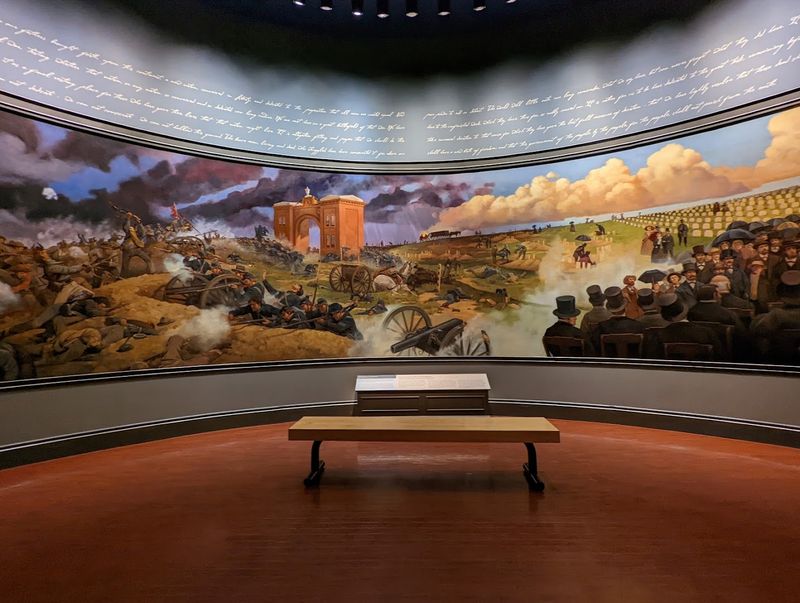
Imagine sitting in a theater seat when suddenly the chair beneath you shudders during a tense dramatic moment. That is exactly what happens during Lincoln’s Eyes, the immersive theatrical presentation housed inside the museum’s main auditorium.
The seats are equipped with vibration effects that activate during key scenes, adding a physical dimension to the storytelling.
The show narrates pivotal moments from Lincoln’s presidency through dramatic visuals, a live-style performer, and those unexpected physical jolts that keep the audience alert and emotionally invested.
It is particularly effective during sequences involving battle or crisis, where the vibration underscores the chaos being described on screen.
Fair warning for visitors who are sensitive to sudden sounds or movement: this one has some intensity to it. The museum staff are open about this, and the advice to see the shorter Ghosts of the Library show first is genuinely practical.
Lincoln’s Eyes works best as a second act, once you have already warmed up to the museum’s theatrical style and know what to expect.
Life-Size Wax Figures Of Lincoln And His Family
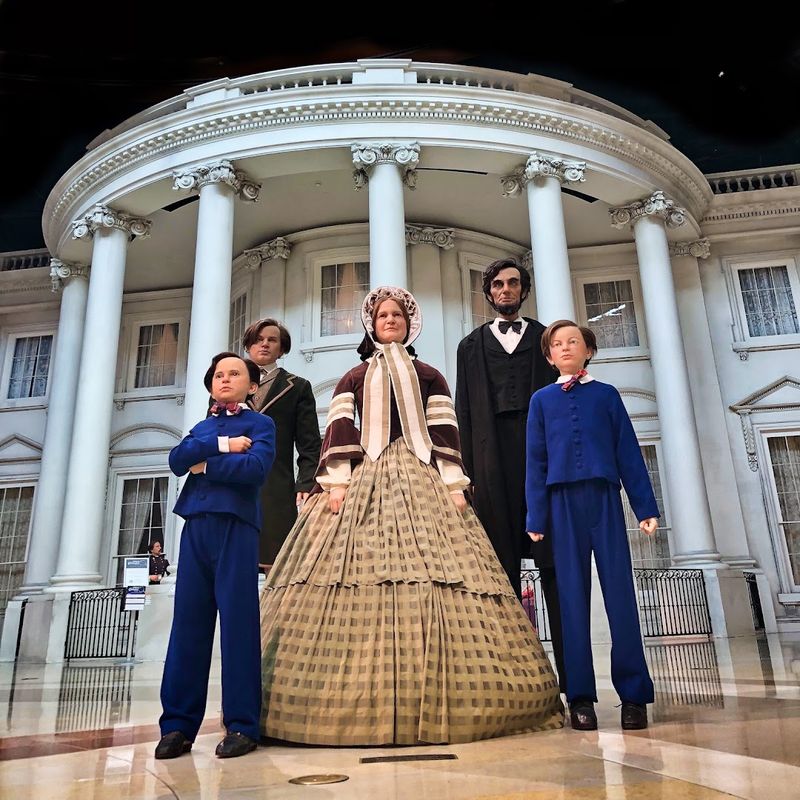
Standing face to face with a life-size figure of Abraham Lincoln is a quietly powerful moment. The wax figures at this museum are sculpted with a level of realism that makes you do a double take.
Lincoln’s height, posture, and expression are rendered with careful attention to historical reference, and the figures of Mary Todd and the Lincoln children add genuine emotional texture to the family story.
These are not carnival wax figures with painted smiles. They are serious, thoughtful artistic representations placed within contextual scenes that give them meaning.
Seeing Lincoln seated at a desk or standing in a parlor setting makes the historical record feel suddenly personal rather than distant.
Photography near the figures is popular, and for good reason. The detail in the hands, the fabric of the clothing, and the facial expressions reward close inspection.
Children are often fascinated and slightly spooked by them, which opens up great conversations about who Lincoln actually was as a person, not just a face on a coin.
Original Artifacts Including Lincoln’s Top Hat
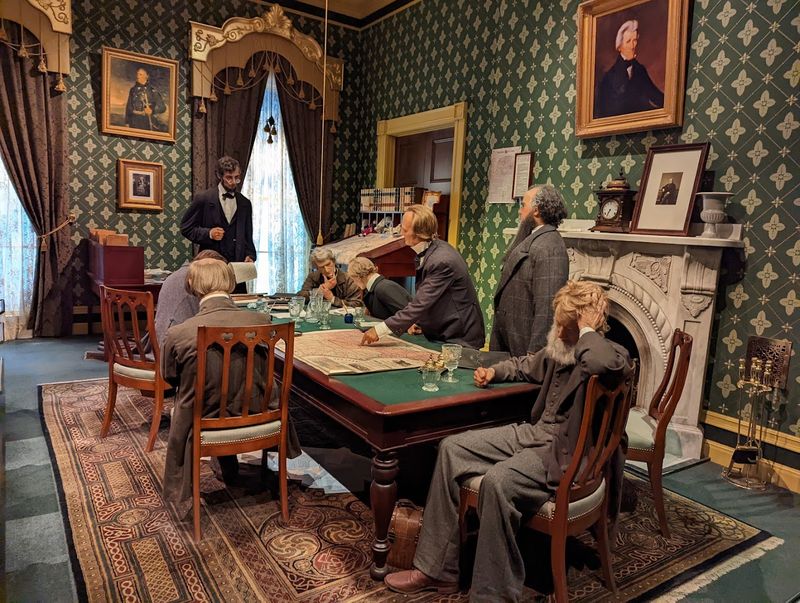
There is something fundamentally different about standing near an object that a real historical figure actually touched and wore.
The Abraham Lincoln Presidential Library and Museum holds an impressive collection of original artifacts, and among the most iconic is a top hat that belonged to Lincoln himself. Seeing it in person reframes everything.
The hat is tall, slightly worn, and unmistakably real. It sits under careful lighting in a display case that invites close inspection.
The experience of viewing it is hard to describe without sounding dramatic, but it genuinely connects you to the man in a way that no photograph or painting quite manages to achieve.
Beyond the hat, the collection includes documents, personal correspondence, political cartoons from the era, and objects related to Lincoln’s law career in Illinois. Each artifact is labeled with clear, accessible context so that visitors of all ages understand why it matters.
The curators have done excellent work making primary source history feel approachable rather than overwhelming or exclusively academic.
The White House Replica Exhibit
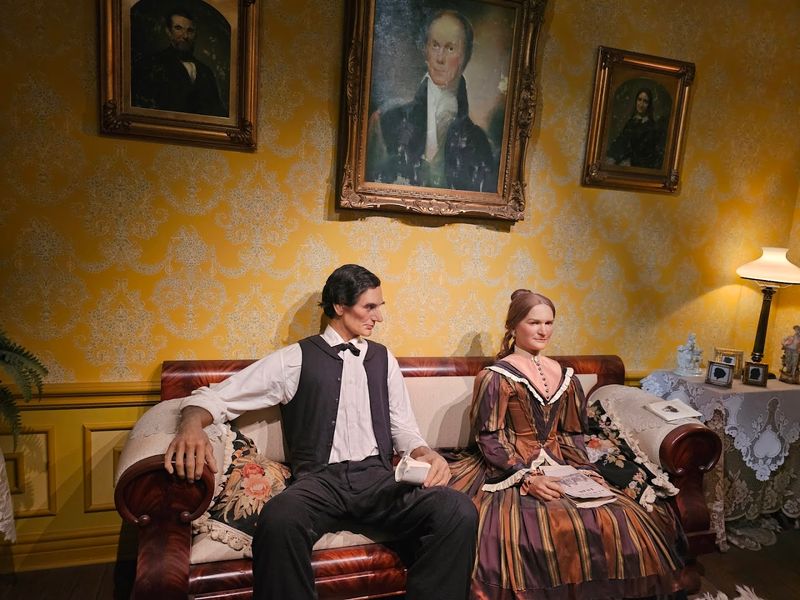
Walking through a recreation of the White House as it appeared during Lincoln’s presidency is one of those museum experiences that earns its reputation through sheer visual commitment. The exhibit at the Abraham Lincoln Presidential Library and Museum does not cut corners.
The rooms are furnished with period-appropriate detail, the scale feels accurate, and the atmosphere is genuinely transportive.
Visitors move through spaces that represent the working and living environment Lincoln occupied during some of the most consequential years in American history.
The tension of that era is woven into the design choices, from the formal parlor settings to the more intimate family spaces that remind you Lincoln was a father and husband navigating personal grief alongside national crisis.
For many visitors, this exhibit becomes the emotional centerpiece of the entire museum. It contextualizes everything else you have seen in the galleries and gives the artifacts and dioramas a physical home.
Standing in a replica of the room where Lincoln made decisions that shaped the country is the kind of moment you carry with you long after leaving Springfield.
Augmented Reality Features For Interactive Learning
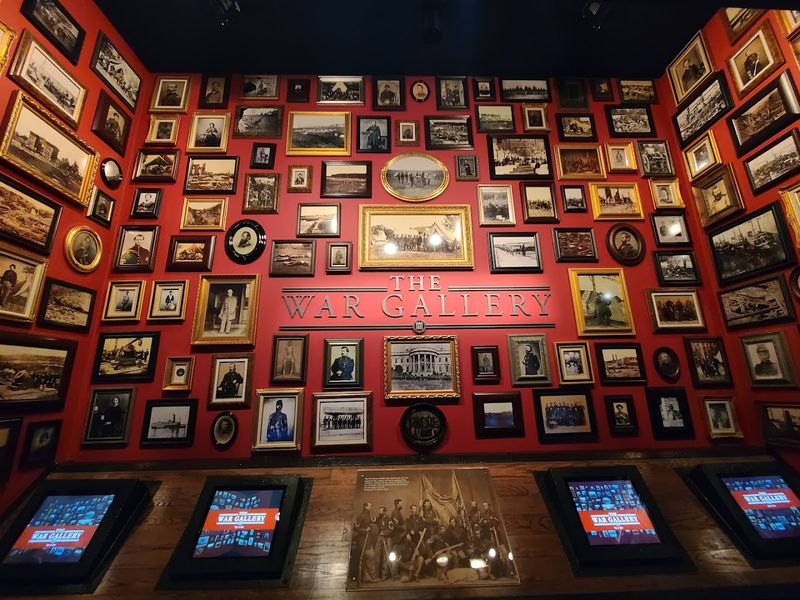
Technology keeps finding new ways to make history feel immediate, and the augmented reality features added to this museum are a strong example of that principle in action.
Certain exhibits now include AR elements that activate through devices, overlaying digital information, animations, or interactive content onto the physical display in front of you.
For families traveling with children, these features are genuinely useful. Kids who might gloss over a traditional text panel will spend considerable time engaging with an AR element that responds to their movement or curiosity.
It transforms passive reading into active participation, which is exactly what modern museum design should aspire to accomplish.
The AR additions feel integrated rather than tacked on, which matters. They enhance the existing exhibits rather than competing with them for attention.
The museum clearly thought carefully about how technology should serve the story rather than distract from it.
If you are visiting with young learners or anyone who tends to engage better with hands-on formats, make sure to explore every interactive station available throughout the galleries.
The Frontier Log Cabin Boyhood Scene
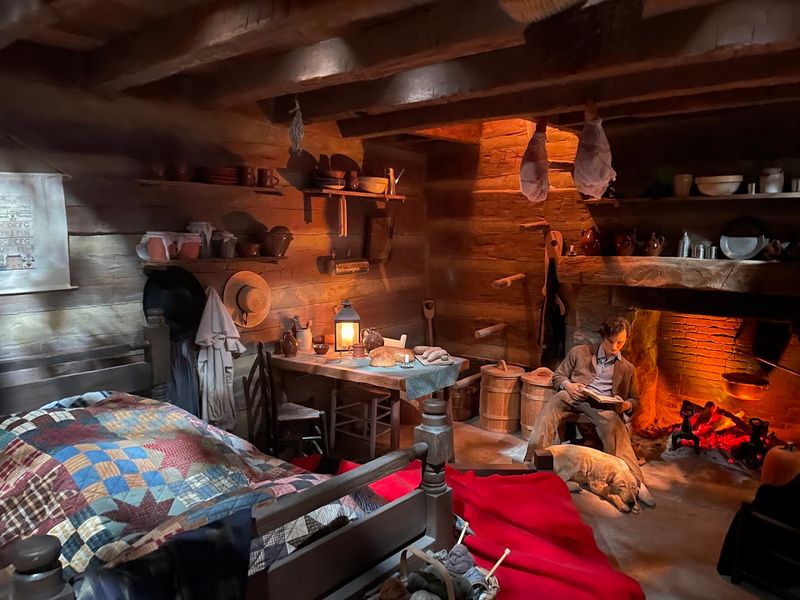
Long before the presidency, the political career, or even the famous beard, Abraham Lincoln was a boy growing up in a rough log cabin on the American frontier. The museum dedicates meaningful space to this chapter of his life, and the result is one of the most grounding exhibits in the entire building.
The recreation of Lincoln’s early home environment uses authentic-looking construction materials, period tools, and sparse furnishings that communicate just how modest his origins truly were.
The contrast between this humble setting and the later White House exhibit creates a powerful visual narrative arc that needs no additional explanation.
Visitors often pause here longer than expected. There is something quietly affecting about the simplicity of the space.
It humanizes Lincoln in a way that grand political portraits cannot. Understanding where he started makes everything that followed feel more remarkable rather than inevitable.
For younger visitors especially, this exhibit delivers a clear and compelling message: where you begin does not determine where you can go. That is a story worth telling in three dimensions.
Quick Tips For A Stress Free Visit
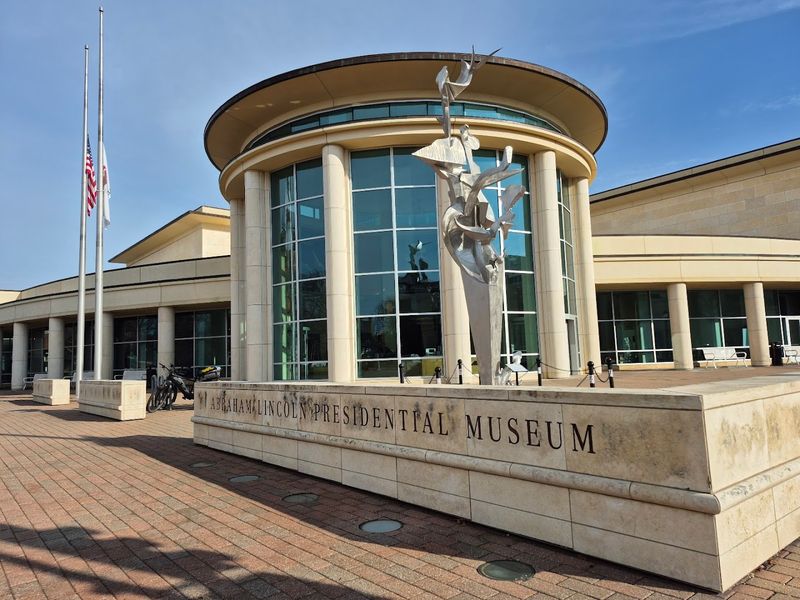
A little planning ahead really helps make the visit feel easy and relaxed. The museum is located at 212 N 6th St in Springfield, Illinois, and it’s open every day from 9 AM to 5 PM, with the last tickets sold at 4 PM, so getting there earlier in the day gives you more breathing room.
Give yourself at least two to three hours to take it all in, especially if you want to see both theater shows without feeling rushed. There’s a nearby parking garage that’s usually around five dollars for a few hours, which is much simpler than trying to find street parking.
Inside, there’s a café for a quick lunch or snack, and a gift shop that’s actually worth a look on your way out. For the latest showtimes or details, you can call 217-558-8844 or check the official website before you go.