
This Little Family-Run Colorado Grill Serves Filipino Street Food That Tastes Straight Out Of Manila
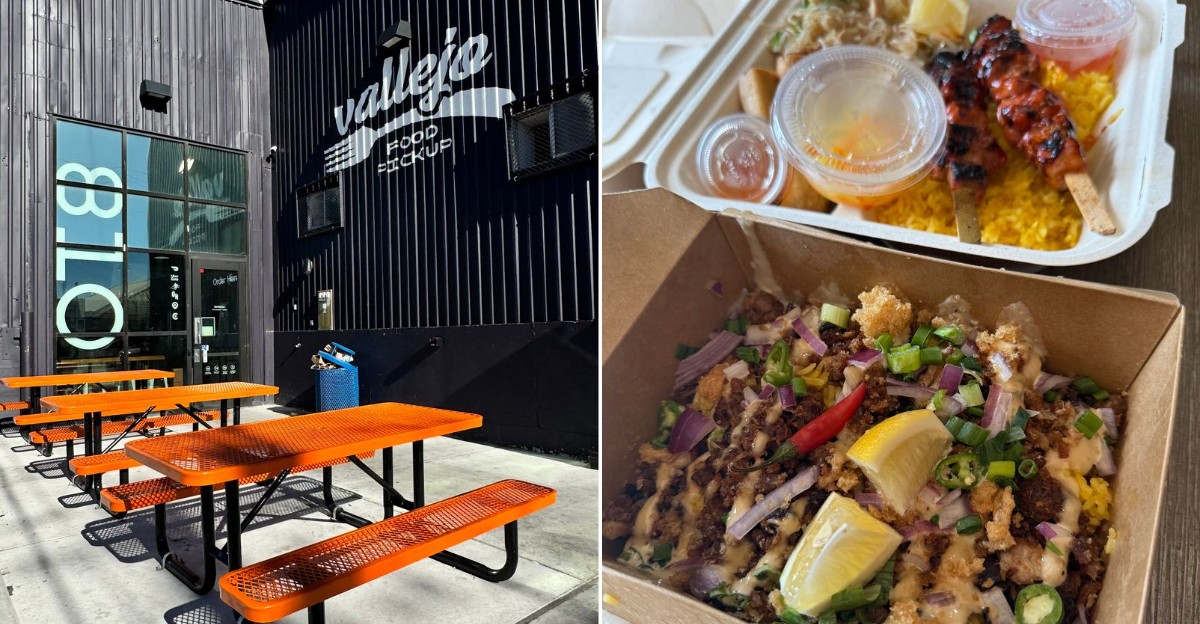
A sizzling pile of minced pork mask, ears, and chicharron is the dish one chef calls the soul of his Colorado kitchen. That’s a bold claim, and I love it.
The cook and his wife both grew up in the Philippines. One handles the grill, and the other runs the business and taste-tests everything.
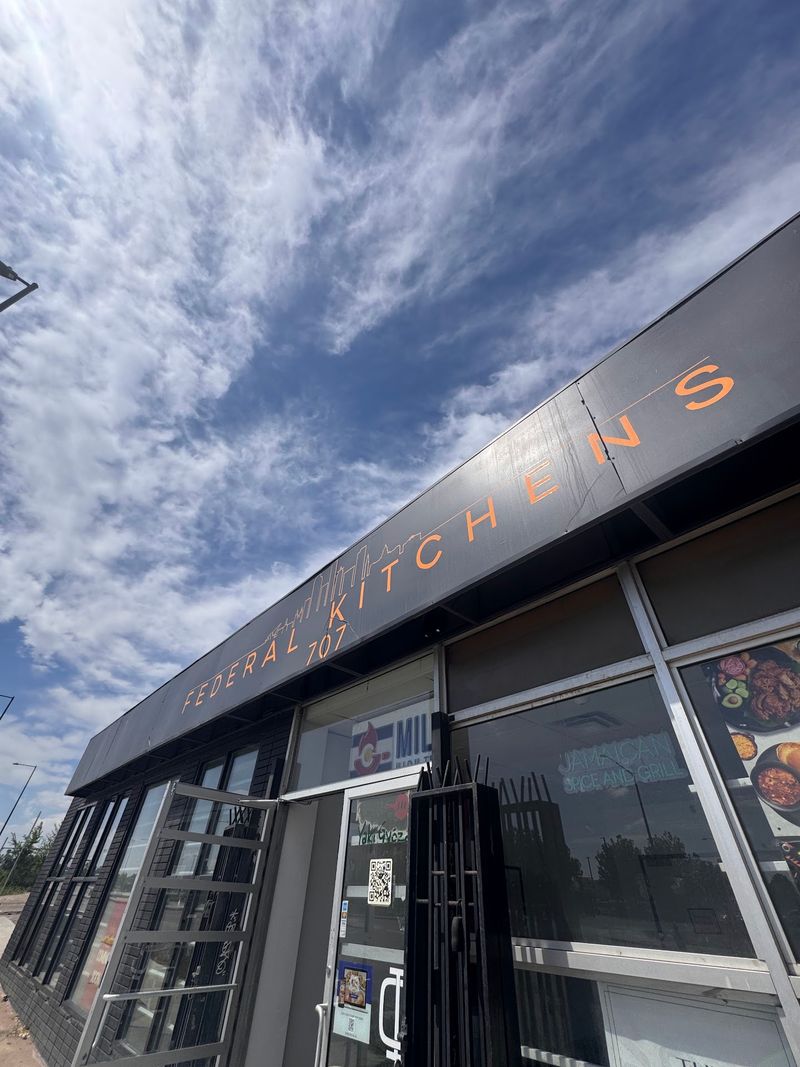
They’re bringing the flavors of home to a takeout kitchen in Denver, having moved from their original ghost kitchen location to 707 Federal Boulevard in 2025.
There’s no fancy dining room here, no servers, and no white tablecloths in sight. You order ahead, grab your food, and head out with a bag full of Manila street food favorites.
I believe the best meals sometimes come from the plainest rooms, and this place makes a strong case. So what does Filipino barbecue taste like when a family pours its childhood into every skewer?
The Name Alone Tells You How Much Heart Went Into This Kitchen
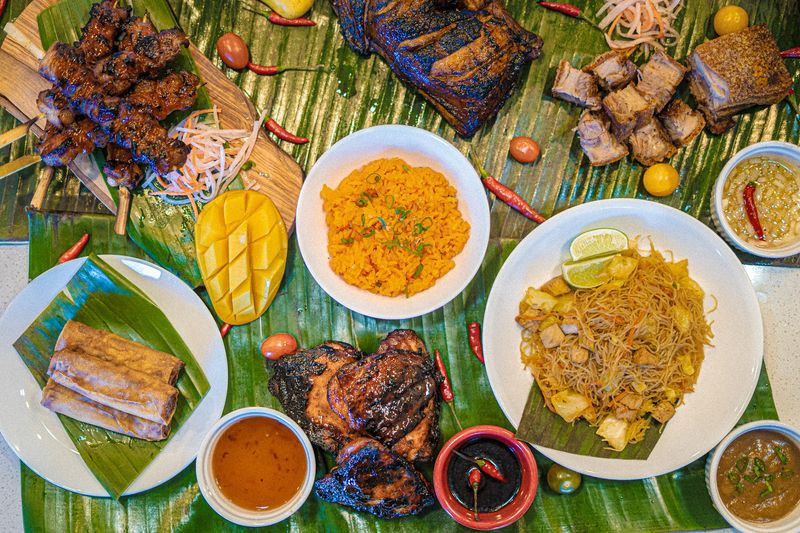
Paborito means favorite in Filipino, and honestly, that’s a lot of pressure for a restaurant name. Paborito – Filipino BBQ seems happy to carry it.
The kitchen belongs to Chef Jayson Leaño and his wife, Geraldine Gan. Jayson runs the cooking, while Geraldine manages the business and works as the official taste-tester.
That second job title sounds like a dream, right? Still, it matters, because every dish has to pass the test of someone who knows the real thing.
Both Jayson and Geraldine were born and raised in the Philippines. They brought the flavors they grew up with all the way to Colorado.
I like that the goal goes beyond simply selling dinner. The couple wants to represent Filipino food with pride and creativity in the Denver dining scene.
For many Filipino families in the city, that kind of cooking feels like a taste of home. For everyone else, it’s a friendly first lesson in a cuisine that deserves more attention.
A family-run spot like this has a personal feel you can’t fake. You’re not ordering from a giant chain with a corporate recipe book.
You’re ordering food that two people grew up eating and now want to share. That’s a pretty good reason to pay attention.
The Dish The Chef Calls The Soul Of The Whole Operation
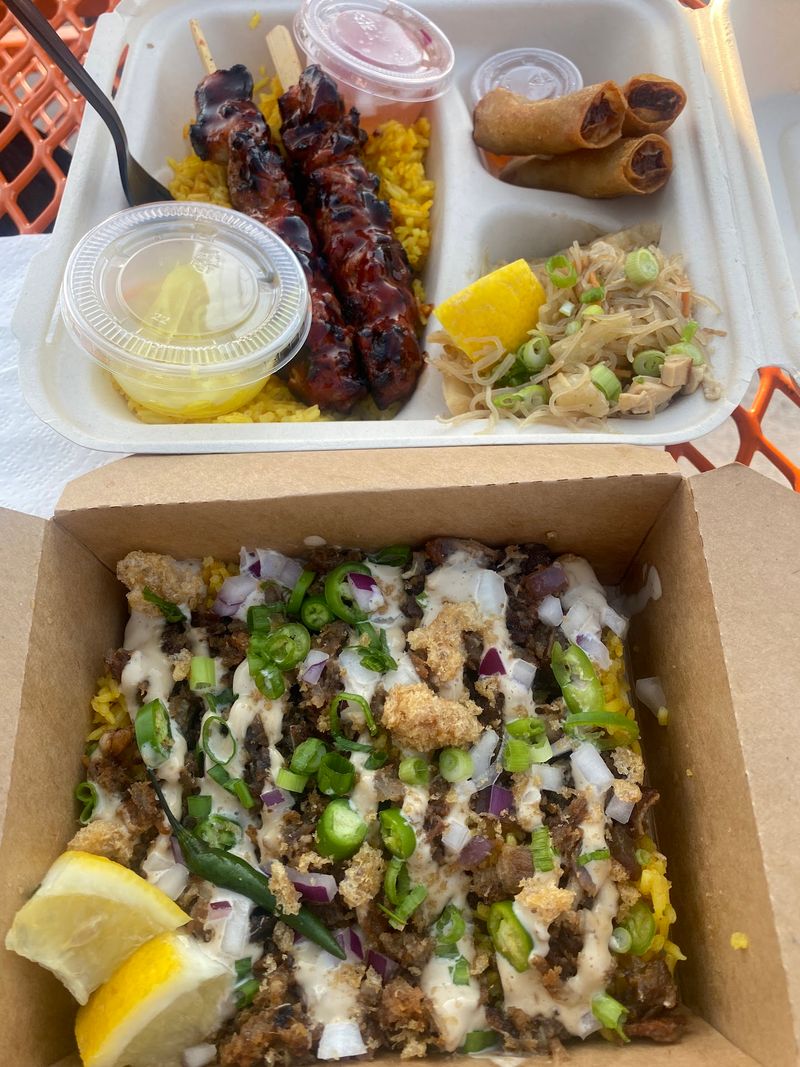
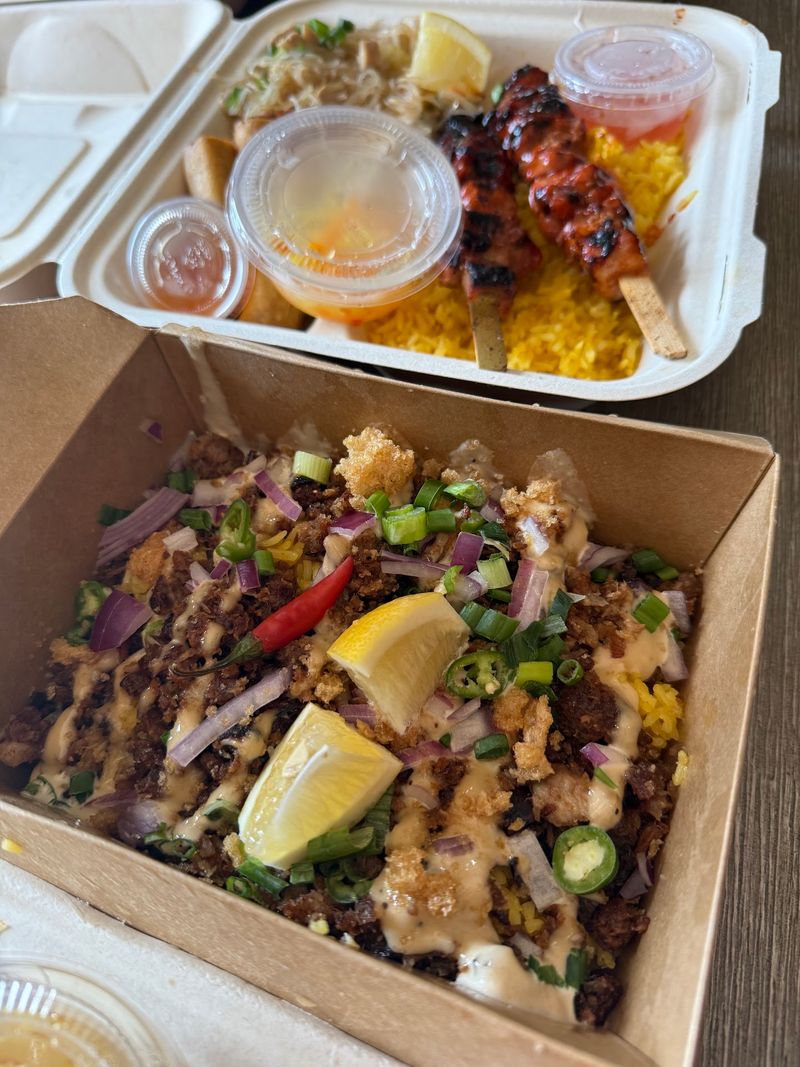
Pork mask and ears might not sound like dinner to everyone. Chef Jayson Leaño sees them differently, and his Sisig ni Kuya proves the point.
He has said this dish embodies the soul of Paborito. To him, turning often-overlooked parts into something delicious reflects the Filipino spirit of resilience.
So what lands in the container? There’s crispy pork belly, grilled pork mask, and chicharron for extra crunch.
Green peppers, red onion, and red chili bring color and heat. A soy-lime mayo ties it all together, and lemon adds a bright finish.
Java rice comes on the side, which is smart planning. Sisig is the kind of dish that practically begs for a rice partner.
Sisig is one of the most famous Filipino bar snacks and street foods, especially in Pampanga. Here, it gets the full plate treatment instead of a small side role.
Nervous about trying it? Think of it as a mix of crispy bits, savory sauce, and a little zing.
Squeeze that lemon right before your first bite. Then decide for yourself whether the chef was right about it being the heart of his menu.
Two Islands, Two Barbecue Styles, One Very Tough Choice
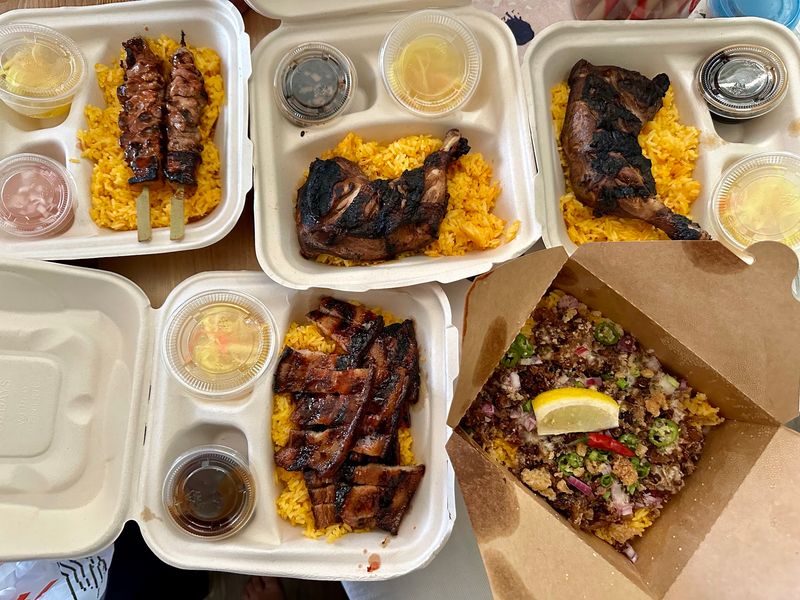
Filipino barbecue isn’t one single thing. At Paborito, you get two distinct regional styles, and choosing between them is half the fun.
First up is Inasal, a technique from the Visayas region. It uses a citrus-based marinade and gets basted with aromatic oil while it cooks.
The result leans tangy and savory rather than sugary. If you like bright, zesty flavors, Chicken Inasal is a strong place to start.
Then there’s the classic Filipino BBQ, which comes from Luzon. This style is known for a sweeter marinade made with banana ketchup.
Banana ketchup, by the way, is a real Philippine pantry staple. It was created during a time when tomatoes were hard to come by, so cooks got creative.
The menu offers both Chicken Inasal and Chicken BBQ, so you can compare. You can also find grilled pork options for anyone on team pork.
My advice is simple. Bring a friend, order one of each, and split everything right down the middle.
That way nobody has to make the hard call alone. Plus, you’ll finally have an opinion on the great Visayas versus Luzon debate.
Combo Plates That Basically Do All The Planning For You
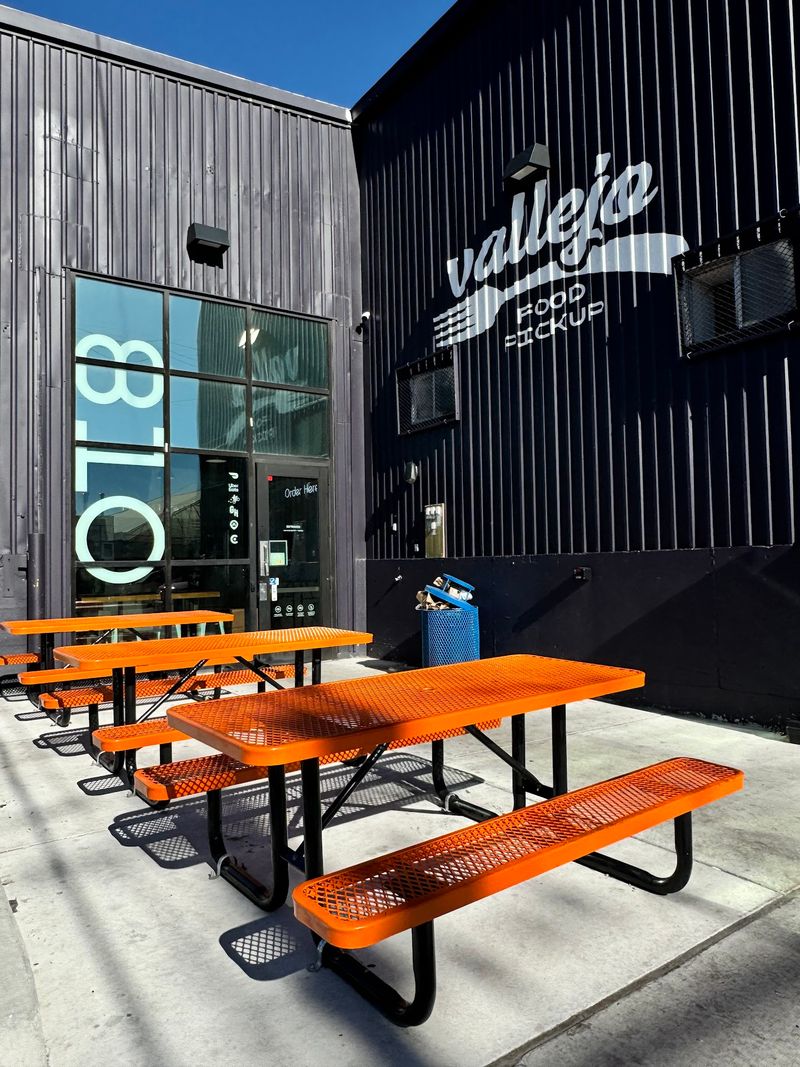
Decision fatigue is real, especially when every dish sounds good. The combination plates at Paborito – Filipino BBQ solve that problem nicely.
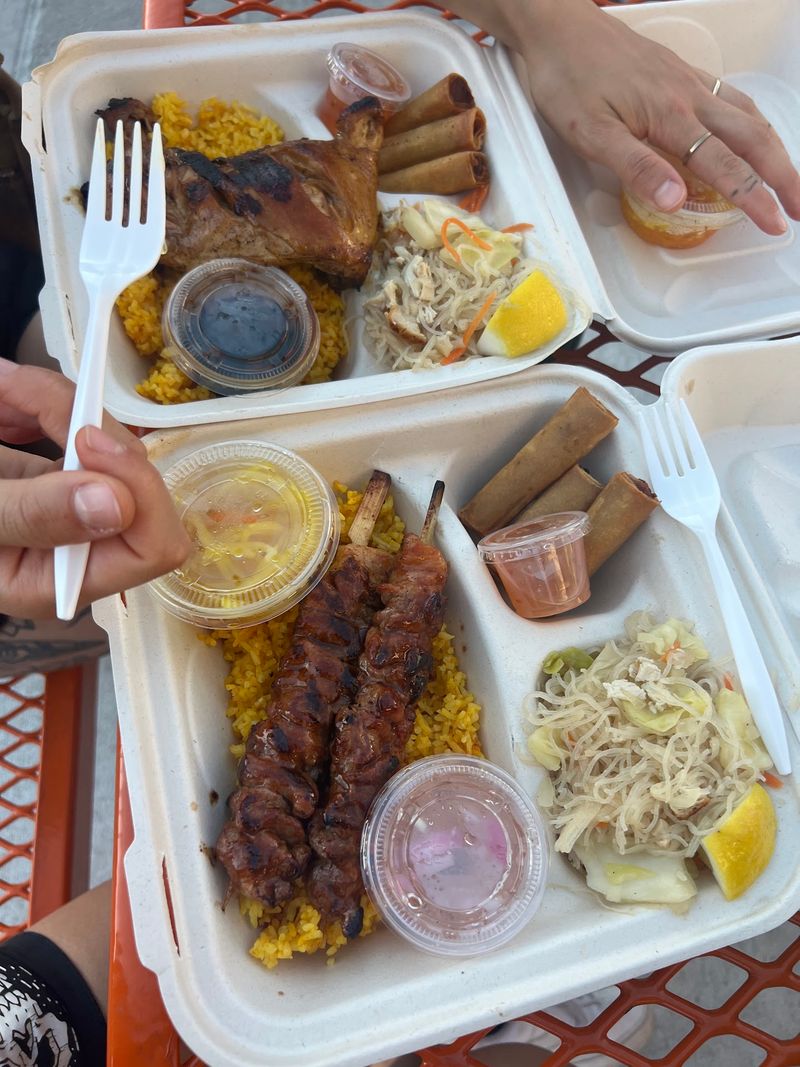
You pick a main, like Grilled Pork Belly, Lechon Kawali, Chicken Inasal, or Chicken BBQ. Then the sides show up ready to back it up.
Java Rice is a big part of the deal. It’s a seasoned rice that brings more flavor than a plain white scoop.
Atsara adds a tangy crunch made from papaya. It’s a pickled side that helps balance rich, grilled meats.
Pancit brings noodles to the party. In the Philippines, noodles often appear at celebrations because they stand for long life.
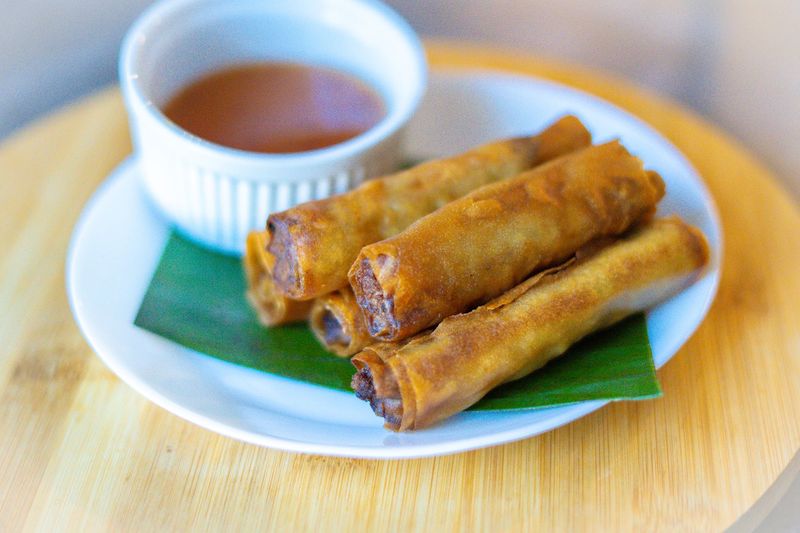
Lumpia rounds things out, and these little pork egg rolls are hard to resist. The menu also offers Lumpia shorties if you want even more of them.
A combo plate is the easiest way to sample a little of everything. It’s perfect for first-timers who aren’t sure where to start.
It also works for longtime fans who just want their usual lineup. Either way, one order covers your grill, rice, noodle, and crunch cravings.
Crispy Pork Belly Fans Should Clear Their Schedule
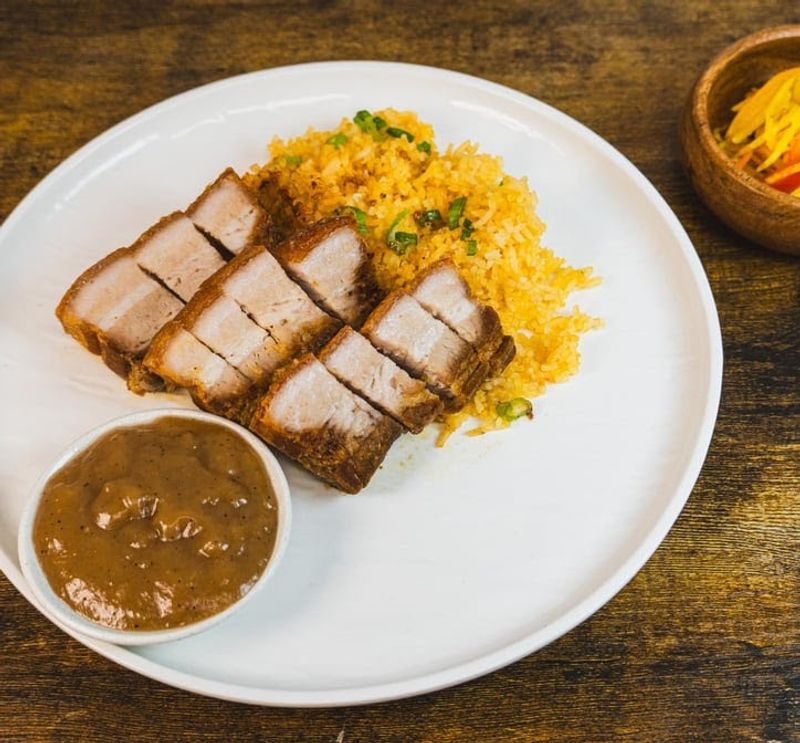
Pork belly gets star treatment on this menu, and it shows up in more than one form. Good news for anyone who considers crispy pork a personality trait.
Lechon Kawali is the deep-fried version that Filipino families love. It’s chunks of pork belly cooked until the outside turns crispy.
Then there’s Grilled Pork Belly, which takes the barbecue route instead. It’s a different way to enjoy the same favorite cut.
The real twist is the Crispy Belly Kare-Kare. Traditional kare-kare is a stew known for its savory peanut sauce.
Paborito pairs that peanut sauce with crispy pork belly. That’s a fun combo of crunchy and saucy in a single dish.
Kare-kare is often served with shrimp paste on the side in the Philippines. It’s one of those dishes many Filipino families save for special gatherings.
Try ordering a pork belly dish alongside something lighter, like a soup. Your taste buds will appreciate the break between rich bites.
Or just go all in on the crispy pork. Some days call for balance, and some days absolutely do not.
Cold Colorado Nights Need These Bowls Of Comfort
Snow in Denver can show up at the strangest times. When it does, a hot bowl of something sour and savory starts sounding very smart.
Sinigang na Baboy is a tamarind sour soup made with pork. In many Filipino homes, it’s the go-to comfort meal on rainy or chilly days.
That sour flavor surprises some people at first. Then it usually becomes the thing they crave most.
Pork Adobo is another classic you’ll find here. Many people call adobo the unofficial national dish of the Philippines.
Every Filipino family seems to have its own adobo recipe. Debates over the right version can get pretty passionate at family parties.
For the adventurous eater, Dinuguan is on the menu too. It’s a pork blood stew, and it’s a beloved dish across the Philippines.
The name might make some folks pause. Still, plenty of Filipinos grew up eating it and treat it as a true home-cooked favorite.
These dishes show a cozier side of Paborito beyond the grill. Living in Colorado, you’ll be glad to know where to find them when winter rolls in.
Save Room, Because Purple Cheesecake Is Waiting
Ube is purple, and that alone makes it the most fun dessert ingredient around. Paborito turns it into an Ube Cheesecake.
Ube is a purple yam that’s hugely popular in Filipino sweets. Lately, it has been showing up in bakeries all over the United States.
Turon is another sweet worth grabbing. It’s a classic Filipino snack made with banana wrapped in a spring roll wrapper and fried.
Street vendors in the Philippines often sell turon as an afternoon treat. It’s simple, satisfying, and easy to eat on the go.
Black Gulaman also appears on the dessert list. Gulaman is a jelly that Filipinos often enjoy in sweet, chilled drinks.
That makes it a nice pick on a hot summer afternoon. It’s refreshing after a plate of grilled meat and rice.
Here’s a sneaky tip for takeout nights. Add a dessert to your order now, so you don’t regret it later.
Nobody wants to finish a great meal and realize the sweet stuff stayed behind. Your future self will thank you for the extra click.
Order Ahead, Grab Your Bag, And Skip The Fuss
Don’t expect a hostess stand or cozy booths. Paborito – Filipino BBQ runs as a takeout ghost kitchen inside a shared kitchen space.
You’ll find it at 707 Federal Blvd, Denver, CO 80204. The setting is plain and industrial, with minimal seating and menus posted on the walls.
Ordering works mostly online. Food can be picked up through electronic ordering and lockers, which keeps things quick.
Prefer to stay on the couch? Delivery is available through Uber Eats, Postmates, DoorDash, and Grubhub.
A few practical tips can help. The entrance can be a little tricky to find, and parking can be limited.
Give yourself a few extra minutes the first time you go. Once you know the routine, pickup gets much easier.
Hours matter here too. The kitchen is open Wednesday through Sunday from 11 a.m. to 8 p.m.
It’s closed on Mondays and Tuesdays, so plan your cravings wisely. Nobody wants to show up on a Tuesday with a rumbling stomach and a dream.
Today It’s A Ghost Kitchen, But The Dreams Are Much Bigger
Big plans can start in small kitchens. Chef Jayson Leaño has hopes that reach far beyond the ghost kitchen model.
He has talked about opening a brick-and-mortar restaurant someday. A food truck is another idea on the table.
He has even mentioned growing Paborito into a franchise brand. That’s a serious goal for a small family operation.
Then there’s the sauce idea. Bottling their sauces for wider distribution could put those flavors in kitchens across Colorado and beyond.
I can’t imagine a better souvenir from a Filipino barbecue spot. A bottle of house sauce in the fridge would make weeknight dinners way more exciting.
None of this has happened yet, so think of it as a future to cheer for. Right now, the focus stays on making Filipino food more visible and easier to find.
That mission feels important in a city where Filipino restaurants aren’t on every corner. Every order helps a family dream grow a little bigger.
So go ahead and try the sisig, the inasal, or that purple cheesecake. You might be tasting the early chapter of something much larger.