
This Little-Known Arizona Day-Use Area Hides One Of The Southwest’s Best Summer Beach Escapes
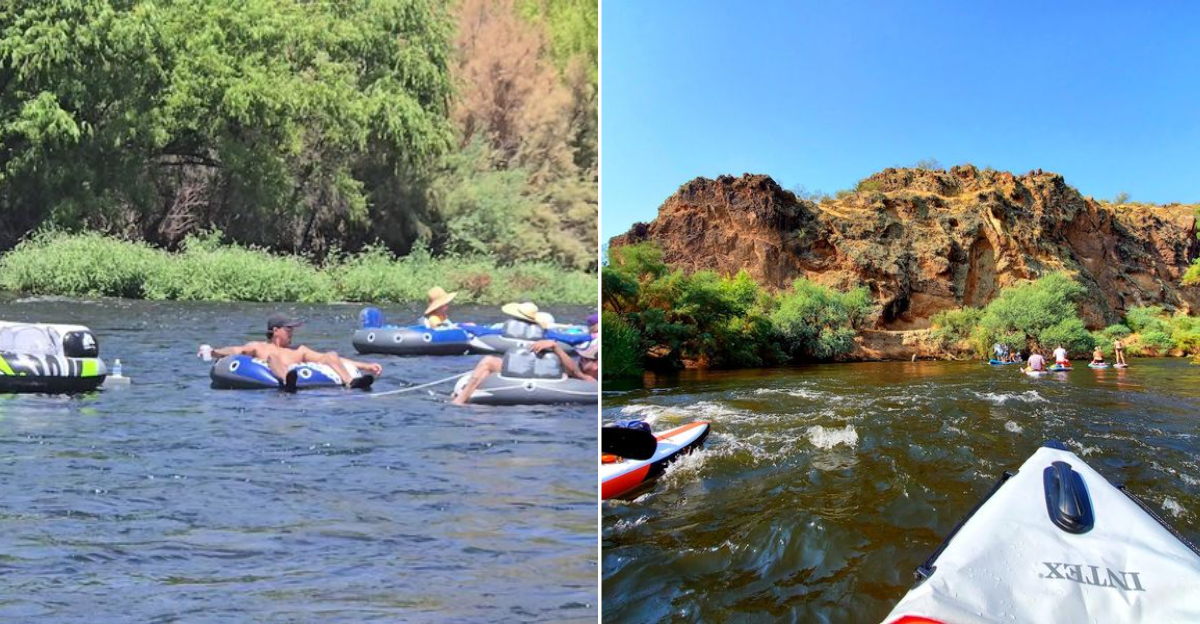
Surviving a summer in Arizona requires a specific set of coping mechanisms, and mine usually involves finding water deep enough to submerge my pride. Most people flock to the crowded tourist traps, but I prefer the peace of a tucked-away river bend that most maps seem to treat with total indifference.
This little-known day-use area is the ultimate cheat code for the sweltering months.
There is something deeply satisfying about lounging on a sun-drenched patch of sand while the rest of the world complains about the record-breaking temperatures.
I’ve mastered the art of doing absolutely nothing here, listening to the gentle rush of the current, which is really just a fancy way of saying I nap until I’m no longer grumpy. I stumbled onto this spot a couple of summers ago, and I have been telling people about it ever since.
The Sandy Beach That Surprises Everyone
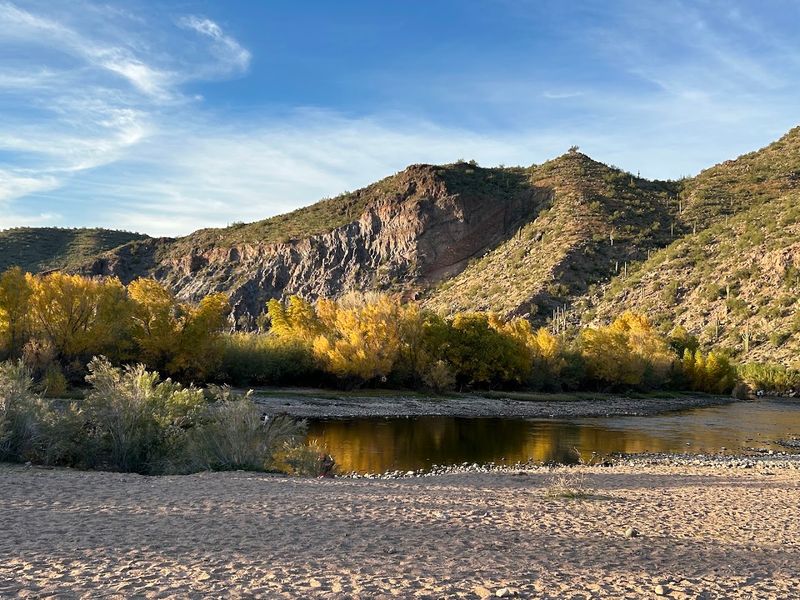
Nobody expects to find a proper sandy beach in the middle of the Sonoran Desert, but Blue Point delivers exactly that.
The moment you walk down toward the water, a wide stretch of pale sand opens up in front of you, and the cool river beyond it practically calls your name on a hot Arizona afternoon.
The beach is large enough to spread out comfortably, even on busy weekends. Families set up chairs and shade shelters, kids build sandy creations near the waterline, and groups of friends claim their own patches without feeling crowded.
The sand itself is soft and fine, a surprising contrast to the rocky desert terrain surrounding the area.
What makes this stretch even more special is the backdrop. Rugged cliffs line the north side of the river, creating a dramatic frame for the whole scene.
The combination of cool water, soft sand, and stark desert rock gives Blue Point a visual personality that feels completely unlike anything else in the region.
Tubing The Lower Salt River Like A Local
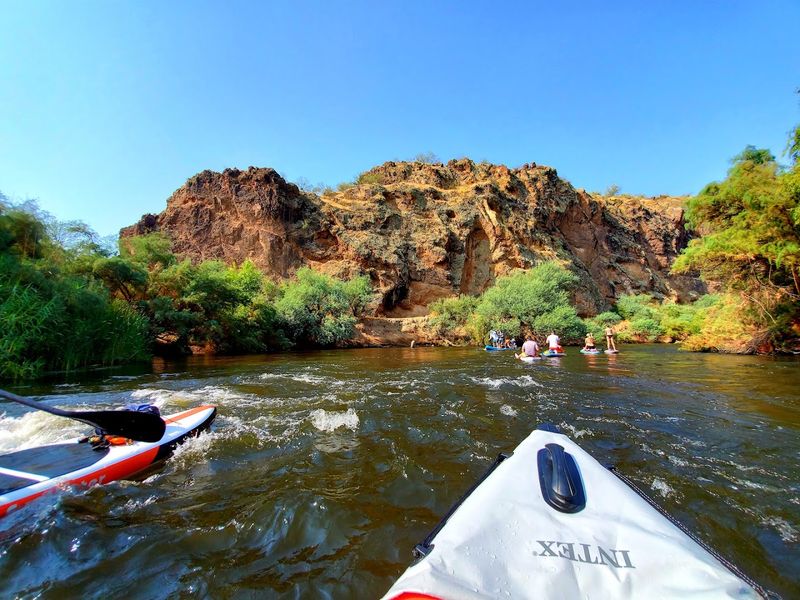
Locals have been floating this stretch of the Salt River for decades, and once you try it yourself, it is easy to understand why. Grabbing a tube and drifting lazily downstream is the unofficial summer tradition of the greater Phoenix area, and Blue Point sits right in the heart of the action.
The float is calm enough for beginners but long enough to feel like a real adventure. You drift past mesquite groves, watch herons standing motionless in the shallows, and let the current do most of the work.
The water stays refreshingly cool even in peak summer heat, which makes the whole experience feel like a natural air conditioner.
Tube rentals are available nearby through private outfitters, so you do not need to haul your own gear. Most floaters take about two to three hours to complete a popular stretch.
Wearing water shoes is strongly recommended because the riverbed has plenty of rocks that can catch bare feet off guard.
Kayaking And Paddleboarding
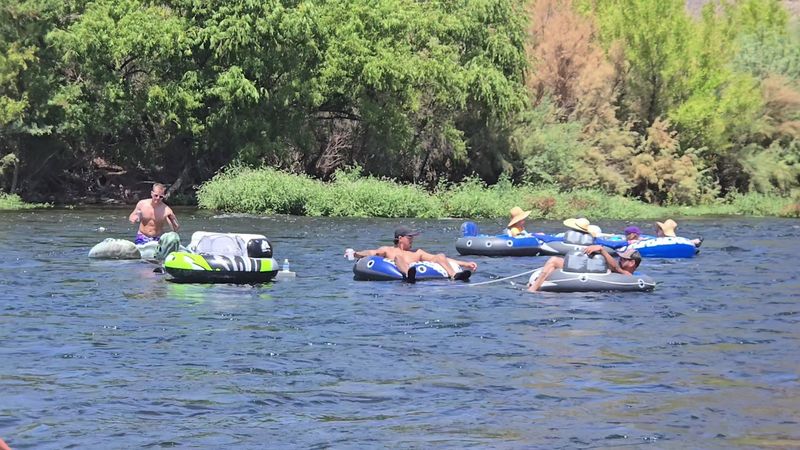
For visitors who want a bit more control over their river experience, kayaking and stand-up paddleboarding are both excellent options at Blue Point.
The non-motorized stretch of the Salt River creates a peaceful paddling environment where you can set your own pace and explore the water at whatever speed feels right.
Stand-up paddleboarding is especially popular here because the river is wide and calm enough in most sections to make balancing manageable, even for first-timers.
Kayakers tend to love the intimate views the water level provides, putting you right at eye level with the reeds, rocks, and occasional wildlife along the banks.
Motorized boats are not permitted on this flowing section of the river, which keeps the atmosphere quiet and enjoyable for everyone.
Outfitters near the area offer kayak and paddleboard rentals if you prefer not to transport your own equipment. Water levels are generally best for paddling from March through October, when dam releases keep the river moving steadily.
Wild Horses In The River, No Filter Needed
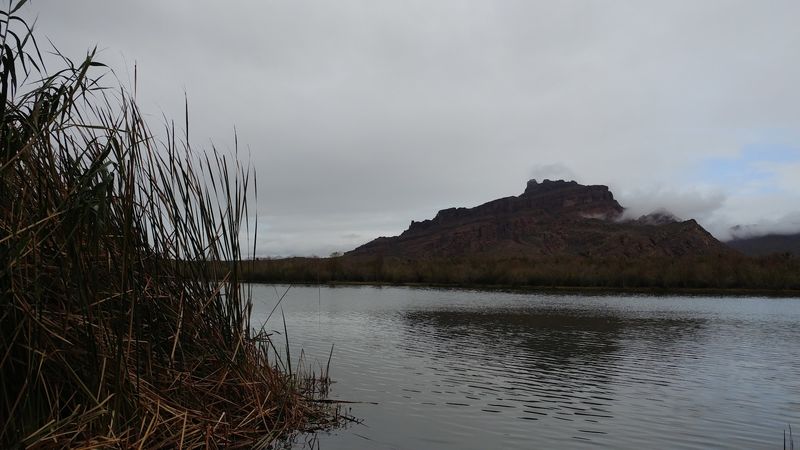
There is a moment that happens at Blue Point that stops almost every first-time visitor cold. You are standing at the water’s edge, watching the current drift by, and then a small herd of wild horses appears on the opposite bank and walks straight into the river.
It is one of those scenes that feels almost too cinematic to be real. The wild horses of the Salt River are a genuine local treasure.
These free-roaming animals have lived along this stretch of the river for generations, and sightings are common enough that many regulars factor them into the visit. Mornings and late afternoons tend to offer the best chances of spotting the herd near the water.
Watching them splash through the shallows while desert cliffs loom overhead is the kind of travel memory that sticks with you for years. Keeping a respectful distance is important for both safety and the horses’ well-being.
Binoculars are a smart addition to your day bag if wildlife viewing is high on your list.
Birdwatching In A Surprisingly Rich Riparian Zone
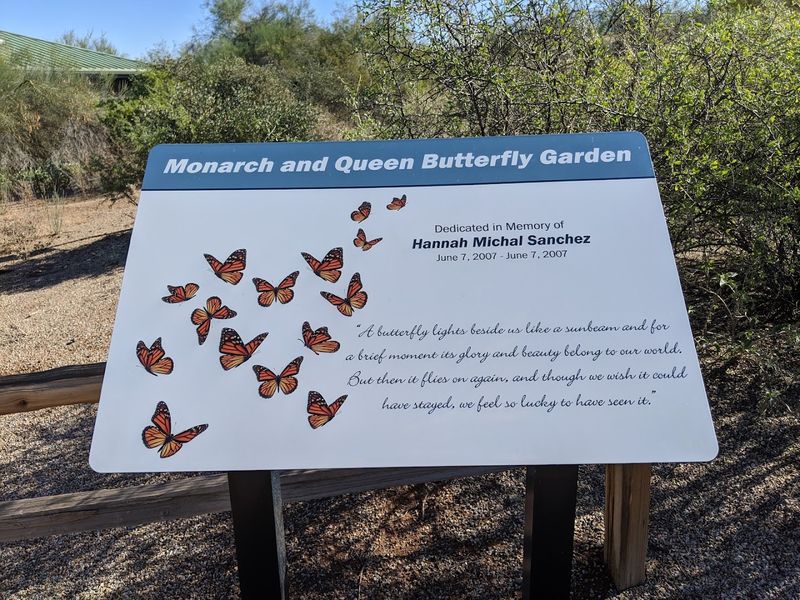
Blue Point sits inside a riparian corridor that punches well above its weight when it comes to bird diversity. The combination of flowing water, dense mesquite groves, and surrounding desert creates the kind of habitat that draws an impressive variety of species throughout the year.
Spring and fall migrations bring waves of waterfowl and songbirds through the area, turning the river corridor into a busy avian highway. Great blue herons are practically permanent residents, standing like statues in the shallows while kayakers drift past.
Belted kingfishers, black-necked stilts, and various warbler species have all been spotted by birders who know to look carefully. Even casual visitors who are not dedicated birders tend to notice the wildlife here.
The riparian zone along the Salt River is one of the most ecologically significant habitats in Arizona, and spending a morning at Blue Point with a pair of binoculars and a field guide can turn into a genuinely rewarding experience. Quiet observation is the key to seeing the most activity.
The Blue Point To The Ovens Trail Hike
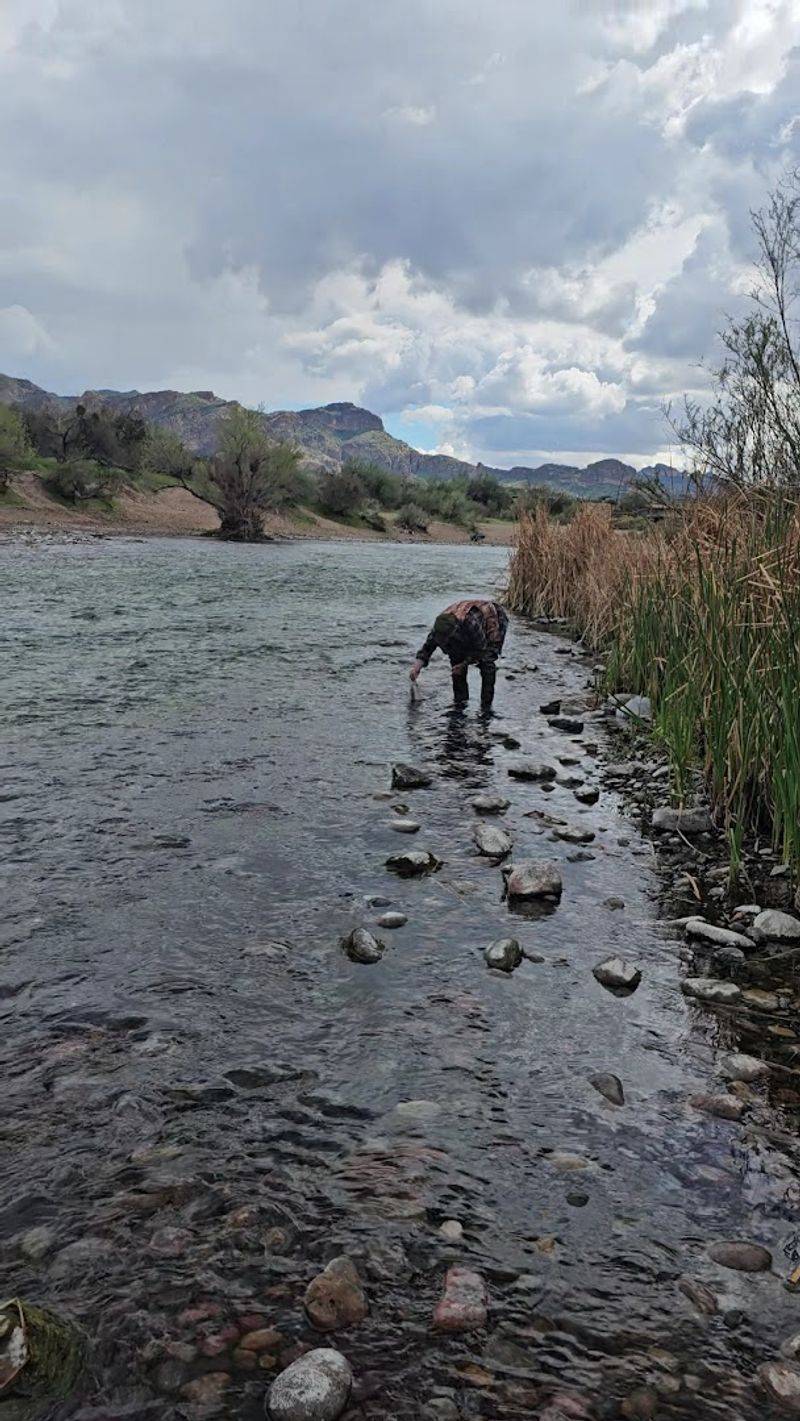
Not every visitor to Blue Point comes to get wet. For those who prefer to explore on foot, the Blue Point to the Ovens Trail offers a satisfying 4-mile moderate hike that showcases the area’s landscape from a completely different angle.
The trail follows the river corridor through a mix of desert terrain, riparian vegetation, and rocky sections that require a bit of careful footing. Views of the Salt River appear at various points along the route, giving hikers a bird’s-eye perspective on the same water that floaters are enjoying below.
The contrast between the lush riverside greenery and the dry desert hillsides above is striking throughout the hike.
Starting early in the morning is strongly recommended during summer months, since temperatures in the Sonoran Desert climb fast once the sun gets going. Bringing more water than you think you need is a non-negotiable habit in this environment.
The trail connects to a broader network of paths in the Tonto National Forest, so ambitious hikers can extend the outing if energy levels allow.
Picnicking Under The Mesquite Grove Shade
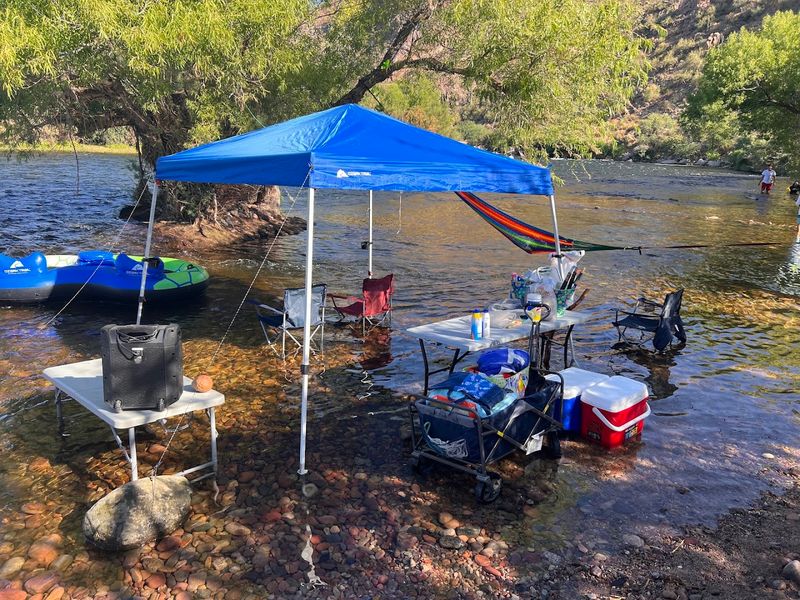
Shade is a serious luxury in the Arizona desert, and Blue Point’s mesquite grove delivers it in generous amounts.
Covered picnic ramadas are scattered throughout the site, giving families and groups a cool, comfortable base to eat, relax, and watch the river from without baking in the summer sun.
The picnic facilities include covered tables, grills, and trash receptacles, making it easy to set up a proper outdoor meal. Arriving early on weekends is a smart move because the shaded spots fill up quickly, especially during holiday weekends when the entire site can reach capacity before mid-morning.
One important detail worth knowing before you pack the cooler: there is no drinking water available on-site at Blue Point. Bringing more than enough water for your entire group is absolutely essential, particularly in summer when temperatures regularly exceed 100 degrees Fahrenheit.
The combination of desert heat, physical activity, and sun exposure makes hydration genuinely critical rather than just a casual suggestion.
Fishing The Salt River’s Scenic Stretch
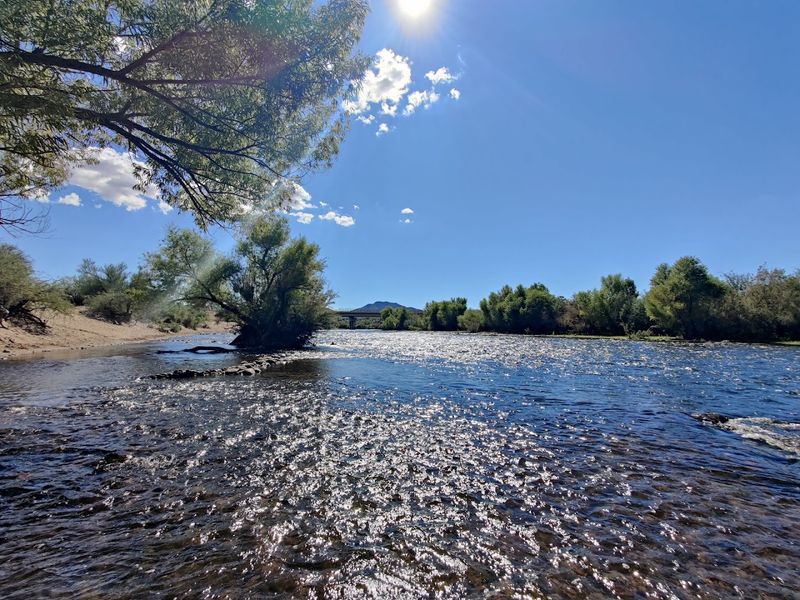
Fishing at Blue Point has a particular kind of quiet charm that sets it apart from busier recreational spots.
The Lower Salt River in this stretch holds a solid population of fish, and casting a line here means doing so against a backdrop of canyon walls, mesquite trees, and the occasional wild horse wandering the opposite bank.
Bass and catfish are among the most commonly targeted species in this section of the river. Early mornings tend to be the most productive time for fishing, both because the fish are more active and because the air temperature is still manageable before the desert heat fully kicks in.
An Arizona fishing license is required for anyone 10 years of age or older, and licenses can be purchased online through the Arizona Game and Fish Department before your trip.
The peaceful atmosphere along the riverbank makes fishing at Blue Point feel less like a sport and more like a meditative morning ritual, especially when the light hits the water just right in those early hours.
Practical Tips For Planning Your Blue Point Visit
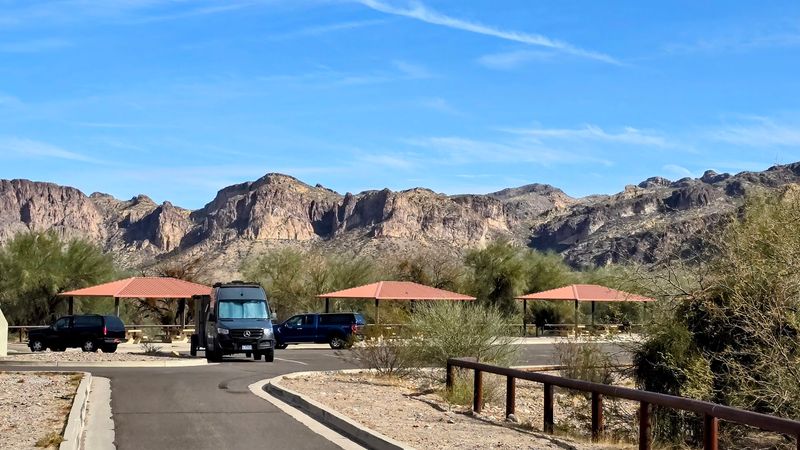
Getting the most out of Blue Point starts with knowing a few practical details before you make the drive. The site is located off Bush Highway in the Tonto National Forest, roughly 20 miles northeast of Mesa, and the entire route from the Superstition Freeway is paved and easy to navigate.
Entry requires a Tonto Day Pass, which costs around $10 and can be purchased at the Pebble Beach Recreation Area kiosk located across the road, at Tonto National Forest offices, or through authorized retail vendors.
America the Beautiful Interagency Passes are also accepted, making this a great stop for national pass holders. Blue Point is day use only, so overnight camping is not permitted.
No trailer parking is available on-site, glass containers are prohibited throughout the Lower Salt River area, and pets must stay on a leash at all times. Arriving before 9 a.m. on summer weekends is the most reliable way to secure parking and a shaded picnic spot before the crowds arrive in full force.