
This Little-Known Arkansas Waterfall Is A Magical Escape Hidden In Plain Sight
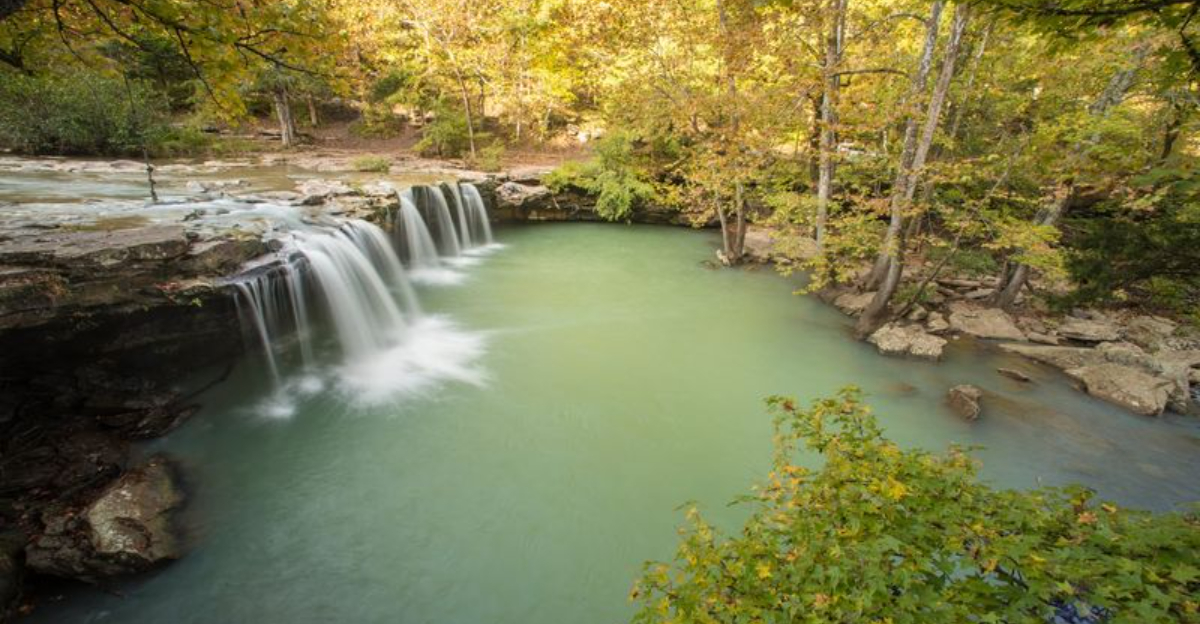
Some places build fame with billboards and glossy spreads. Others simply sit there, letting curious drivers notice at the right moment.
This one caught me mid-drive, no warning, no crowd, just that sudden pause where you hit the brakes and stare. The Ozark hills roll on like usual, then suddenly water spills over a wide rock shelf, calm but impossible to ignore.
Cars pass by like nothing happened, which honestly makes it even better. I pulled over, stepped out, and the sound alone sealed it.
Cool air, steady flow, and that kind of quiet you do not rush. Arkansas keeps surprises like this in plain view, no hype needed.
One slow afternoon turned into a memory I keep replaying. Keep going, because this stop is not just scenery.
It is that rare moment where the road gives you something back.
Roadside Cascade Requiring Almost No Effort
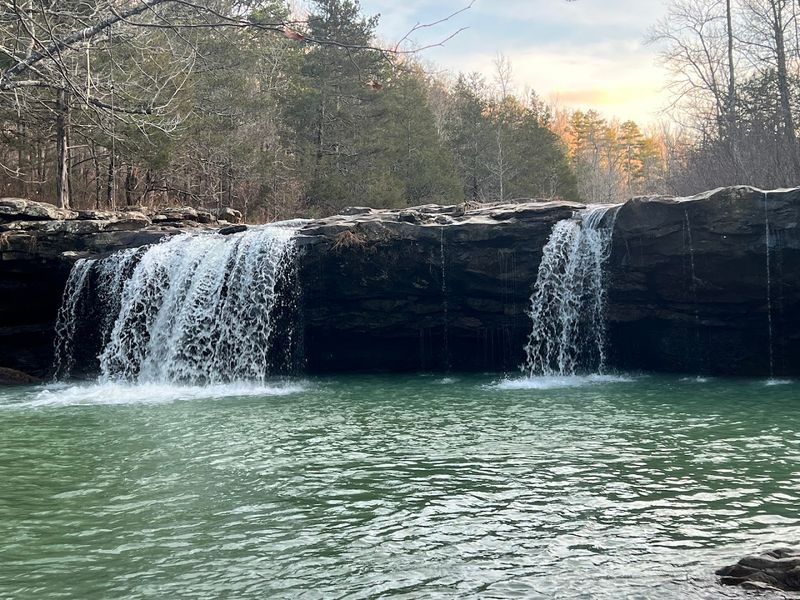
Most waterfalls make you earn the view with a long, sweaty hike, but this one practically parks itself in your lap.
I pulled off the road, stepped out of my car, and it immediately came into view, a gorgeous curtain of water dropping into a clear pool just a few paces from where I parked.
The access is so simple that it almost feels like cheating, and honestly, I am not complaining one bit about that.
Families with young kids, older visitors, and anyone who just wants a scenic stop without breaking a sweat will feel right at home here.
An easy approach leads you from the roadside to the top of the falls, and a steeper route takes you down to the basin below if you are feeling adventurous.
The sound alone, that steady rush of water over smooth stone, is enough to make the whole trip worthwhile.
You can experience all of this at Falling Water Falls, located off Forest Road 1205 near Ben Hur in the Ozark National Forest, where nature puts on a show right beside the road.
Wide Rock Shelf Pouring Into A Clear Basin
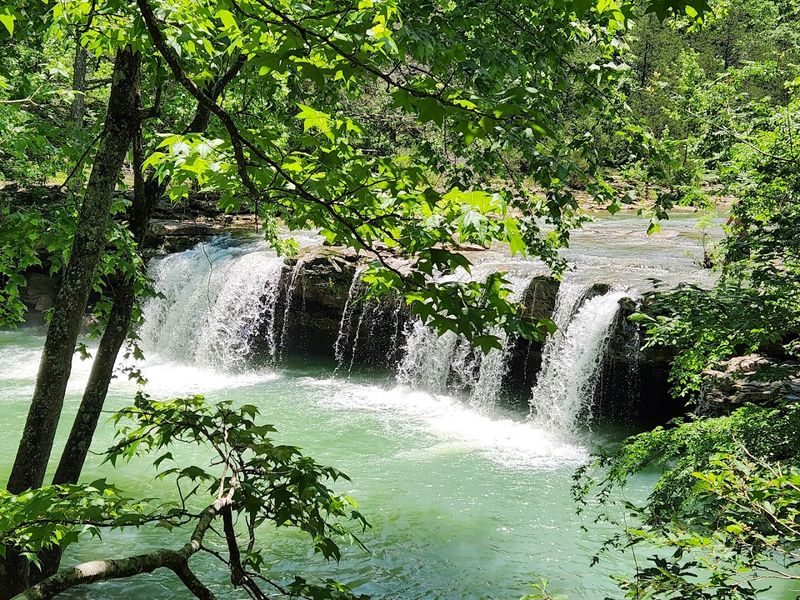
What sets this waterfall apart from so many others is the shape of it, wide and flat rather than a narrow ribbon squeezed between canyon walls.
Water spreads across a broad rock shelf before spilling over the edge in a smooth, even curtain that catches the light in a way that is genuinely hard to stop staring at.
The basin below is just as impressive, holding clear, cold water that lets you see straight to the rocky bottom on calm days.
I stood at the edge of that shelf for a good ten minutes, watching the flow ripple and shift across the stone surface before tumbling down.
The rock itself has a beautiful texture, smoothed by years of constant water movement, and the surrounding banks frame the whole scene in a way that feels almost too perfect to be real.
Photographers will find the wide-angle composition here genuinely rewarding, especially when the water is flowing strong and the pool below shimmers with reflected sky.
Every visit feels a little different depending on the season, but that wide, generous pour over the ledge remains the unmistakable signature of the falls.
Rain-Fed Flow That Transforms After Storms
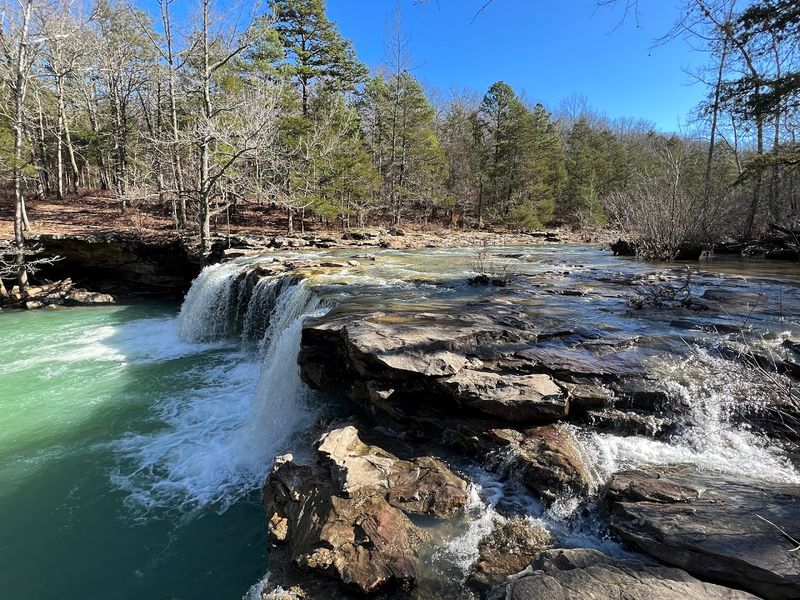
Timing really does matter at this particular waterfall, and a little rain can completely change the experience.
A visit shortly after rainfall reveals a much stronger and more dramatic flow, with water spreading fast and wide across the rock shelf.
During dry stretches, especially deep into summer, the flow can slow to a trickle or nearly disappear altogether, which is worth knowing before you make a two-hour drive.
After steady rain, the whole scene shifts into something far more dynamic, with water rushing across the stone and dropping into the basin with noticeable force.
The sound level rises, the mist increases, and the pool below takes on a livelier, more energetic character.
Spring is generally the most reliable season for stronger flow, as seasonal rains help maintain consistent water levels and greener surroundings.
Checking recent rainfall before your visit is a smart move, and arriving soon after a good storm often improves your chances of seeing the falls at their best.
Forest Road Access Through Quiet Ozark Terrain
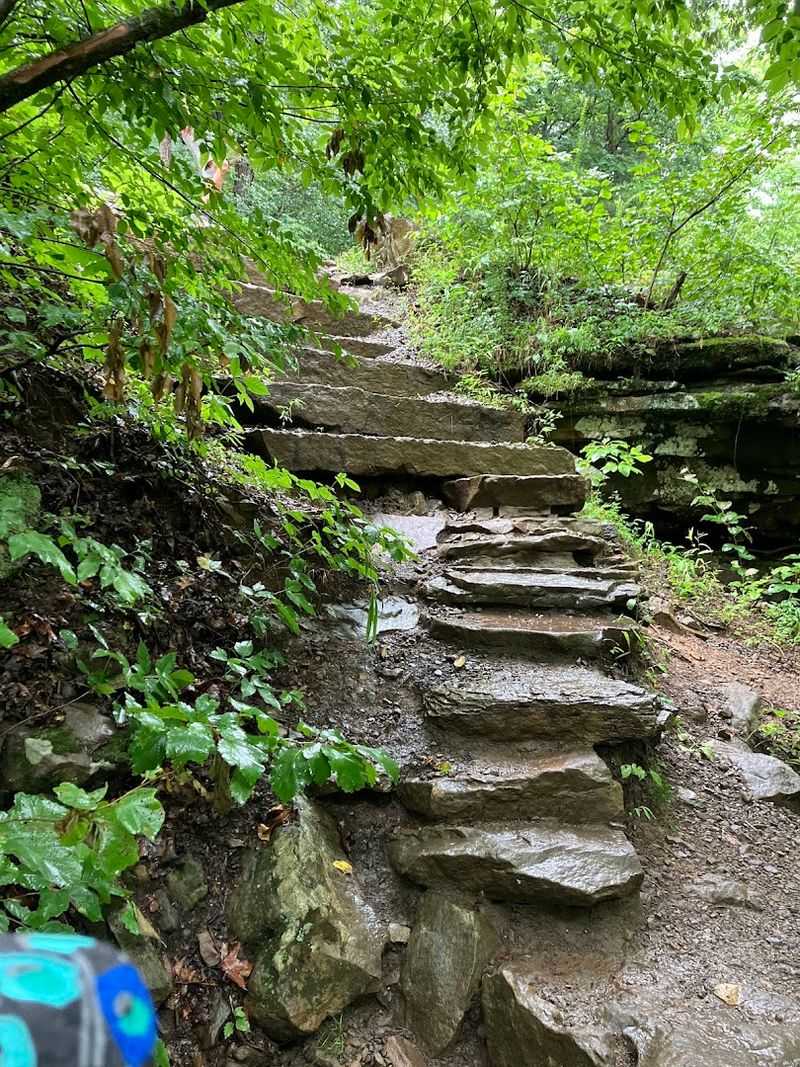
Getting to this waterfall means driving through some of the quietest, most unhurried countryside that Arkansas has to offer.
At the junction of Highways 7 and 16 near Pelsor, the route continues east on Highway 16 toward Ben Hur, followed by a left turn onto Forest Service Road 1205, a gravel road that winds through the Ozark National Forest with very little traffic and a whole lot of trees.
I drove it in a regular sedan and did just fine, though I would recommend taking it slow and watching for ruts after wet weather.
The road itself becomes part of the experience, passing through stands of hardwood forest where the canopy closes in overhead and the outside world feels genuinely far away.
Cell service is extremely limited out here, which some visitors find inconvenient but which adds to the sense of disconnection from busier places.
That same Forest Service Road 1205 continues deeper into the forest toward Richland Creek Campground, which serves as a trailhead for hikes to Richland Falls and Twin Falls, though conditions beyond the falls can vary.
The drive in sets the tone perfectly, slow, green, and quietly spectacular in its own low-key Ozark way.
Natural Swimming Hole With Seasonal Conditions
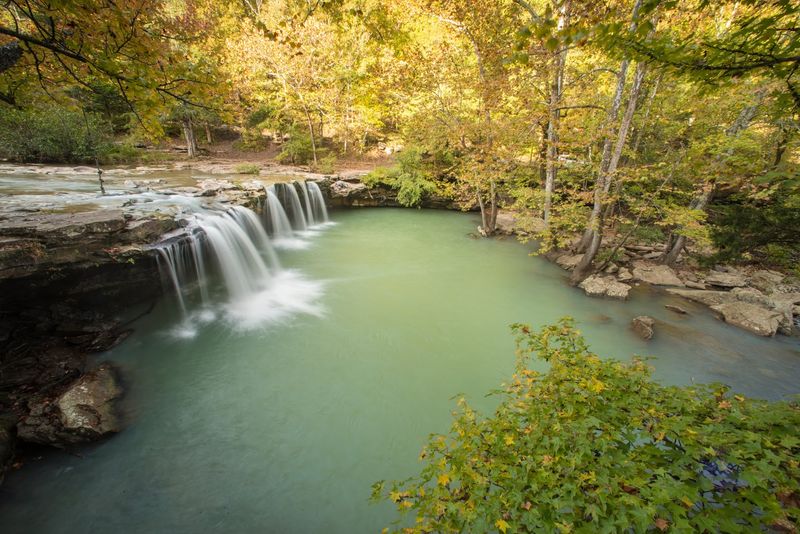
On a hot Arkansas afternoon, the pool at the base of this waterfall is about the most refreshing place you can possibly put yourself.
The water runs cold, genuinely cold, the kind that makes you pause on the way in but feels absolutely perfect once you adjust.
People often move through the pool and position themselves near the falling water, creating a moment that feels surprisingly immersive for such an easy-to-reach location.
Swim shoes are strongly recommended here because the rocks underfoot are slippery, and careful footing makes a big difference.
The pool shifts in depth depending on recent rainfall, with edges that can feel more approachable and deeper sections forming closer to the falls at times.
Summer is the most popular time for swimming, but the water can run low or dry up completely during prolonged dry spells, so it is worth checking recent conditions before planning a swim-focused trip.
Spring and early fall tend to offer the best combination of flowing water and temperatures that make getting in feel like a reward rather than a shock.
Flat Stone Ledges Perfect For Relaxing Views
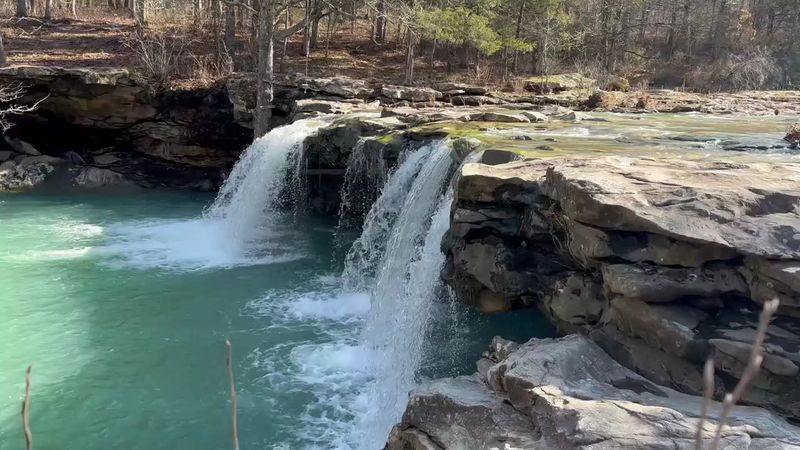
Not every great moment at a waterfall happens in the water, and this spot proves that point beautifully with its collection of wide, flat stone surfaces just made for sitting.
The rock shelf at the top of the falls extends outward in a way that invites you to sit down, dangle your feet, and simply watch the water move beneath you.
I spent a solid chunk of time up there on my last visit, eating a sandwich and doing absolutely nothing productive, and I regret zero seconds of it.
The view from those ledges looks straight out over the falls and into the tree-lined creek corridor below, which is a genuinely satisfying perspective that you do not get from the bottom.
Dogs seem to love the flat rocks too, according to several visitors who have brought their pets along and watched them patrol the ledges with great enthusiasm.
Picnic blankets, camera bags, and sunscreen all find a comfortable home on the stone surface, making this one of those rare outdoor spots that rewards the slow-moving visitor just as much as the active one.
Arriving early in the morning gives you the best chance of having those ledges mostly to yourself before the day-trippers roll in.
Scenic Creek Corridor Ideal For Slow Exploring
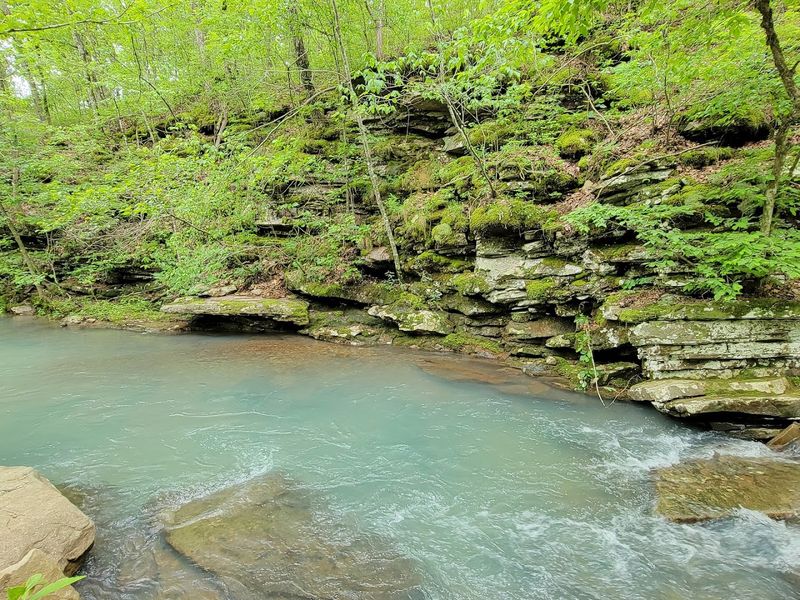
Beyond the main falls, a scenic creek corridor stretches out in both directions, and following it slowly on foot is one of the quieter pleasures this place has to offer.
The creek runs over smooth stones and shallow gravel bars, creating that soft, gurgling soundtrack that makes you want to slow your pace down to about half of what it normally is.
I wandered downstream for a while on one visit, hopping between rocks and peering into the small pools that collect behind larger boulders, and found myself completely absorbed in the simple act of looking around.
One reviewer mentioned discovering a lovely spot between two large trees where the bank slopes gently into the water, which is exactly the kind of detail you only find by taking your time rather than rushing back to the car.
The creek corridor also provides good habitat for wildlife, and patient visitors have a reasonable chance of spotting birds, turtles, and the occasional curious snake resting on a warm rock.
Waterproof sandals or shoes with good grip make the creek walking much more comfortable and keep the experience fun rather than stressful.
This is genuinely a place that rewards curiosity, and the slower you move, the more it gives back.
Best Light And Water Levels In Cooler Months
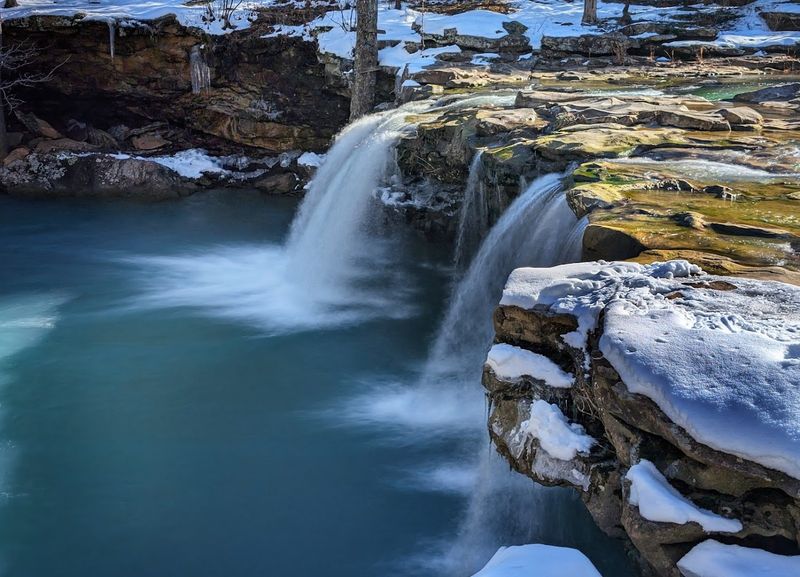
If you want to see this waterfall at its most photogenic and its most powerful, cooler months are the season to put on your calendar.
Late fall and winter open up the view as leaves drop from the surrounding trees, revealing more of the cascade and the rocky terrain that frames it.
Winter visits often bring fewer people, and on a quiet weekday in January or February, the setting can feel remarkably calm and undisturbed.
Water levels from late fall through early spring tend to be more reliable than during the dry heat of midsummer, when flow can diminish significantly.
Seasonal changes play a noticeable role here, with wetter months producing a fuller, more consistent cascade.
Lower sun angles during cooler months create longer, softer shadows across the rock surfaces, adding depth and texture to the scene.
Layering up and arriving close to sunset is the kind of move that turns a nice visit into a memorable one.