
This Little-Known Ohio Fort Is Like A Real-Life Time Machine To The Year 1786
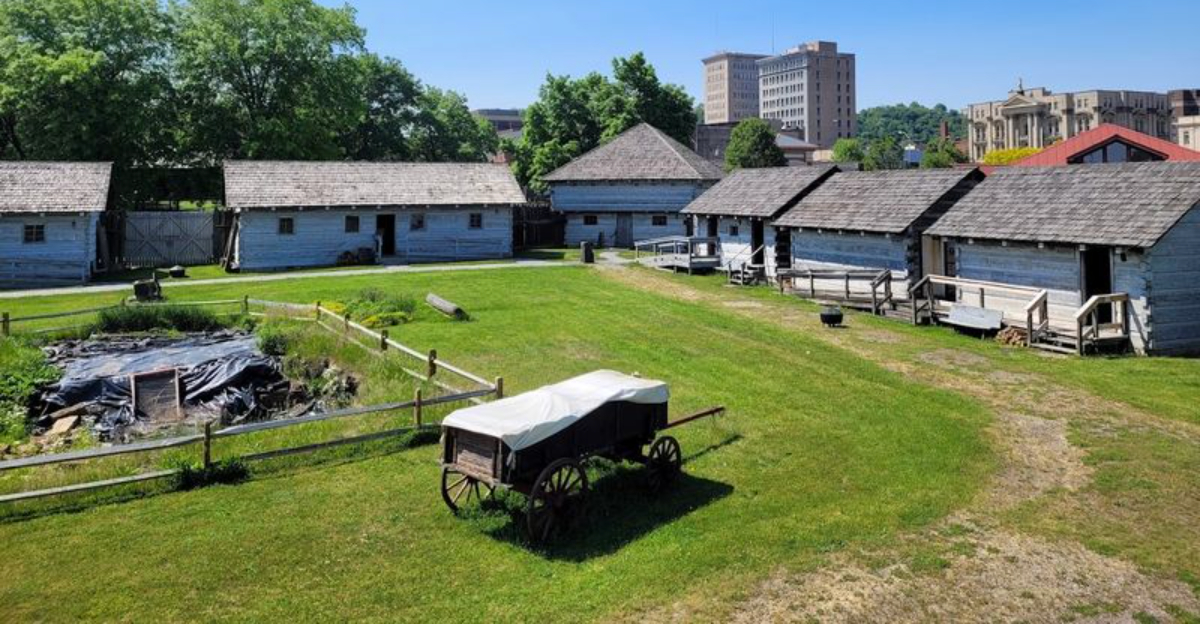
There is a place in Ohio where the 18th century does not just sit behind glass in a dusty display case. It breathes, creaks, and tells stories through every timber and tool left exactly where it belongs.
I stumbled onto this reconstructed frontier fort almost by accident during a road trip through the Ohio Valley, and I genuinely did not expect to spend two hours completely absorbed in a world that existed nearly 240 years ago.
By the time I walked back to my car, I had learned about land surveys, Prussian military officers, frontier survival, and a surprisingly famous local celebrity.
Every section of this place handed me something I did not see coming, and I want to walk you through all of it.
A Fort With Deep Roots Right Downtown
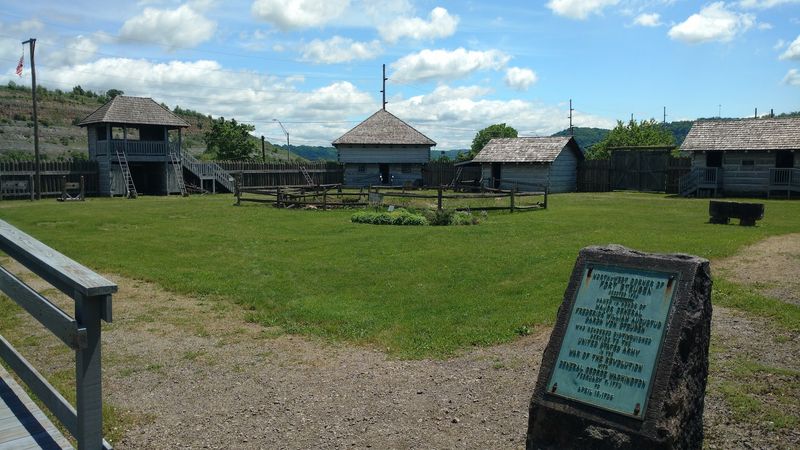
Most people drive through Steubenville without a second glance, but that changes fast once you spot the wooden palisade walls rising up just off the main drag.
Historic Fort Steuben sits at 120 S 3rd St, Steubenville, OH 43952, right in the heart of downtown along the Ohio River corridor.
The original fort was begun in 1786 and completed by February 1787 by Captain John Francis Hamtramck, and it was named in honor of Friedrich Wilhelm von Steuben, a Prussian army officer who served under General Washington during the Revolutionary War.
Its primary mission was to protect the very first federal land surveyors sent into the Northwest Territory, which was essentially the frontier edge of a brand-new nation trying to figure out what it owned.
The reconstructed fort stands on the exact same ground as the original, which gives the whole experience a grounded, almost sacred feeling. You are not visiting a replica in a random field.
You are standing on the actual soil where history unfolded, and that detail matters more than you might expect.
The Story Behind The Name
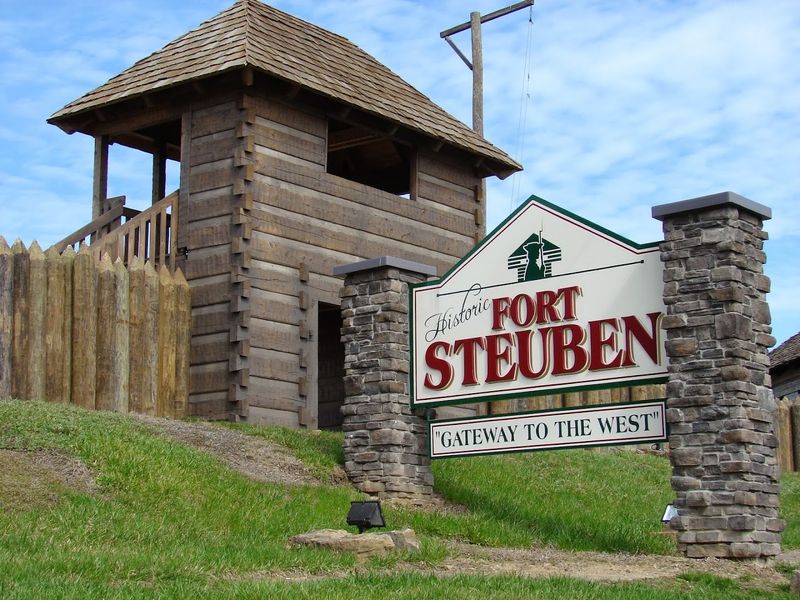
Baron Friedrich Wilhelm von Steuben was not American-born, but he may have done more to shape the American military than most people realize.
A former Prussian army officer, he arrived at Valley Forge in 1778 and immediately began drilling George Washington’s ragged Continental Army into something that actually functioned like a fighting force. Washington trusted him deeply, and that trust carried weight when it came time to name a new frontier fort.
Naming the fort after von Steuben was a deliberate tribute to someone who helped the young nation survive its most desperate chapter. The visitor center at the fort dedicates real space to explaining his background and contributions, and the staff clearly enjoy talking about him.
I asked one of the guides a fairly specific question about von Steuben’s rank and got a five-minute answer packed with detail I had never heard before.
That kind of enthusiastic expertise is exactly what makes a history site worth visiting rather than just reading about online.
What The Reconstructed Buildings Actually Feel Like
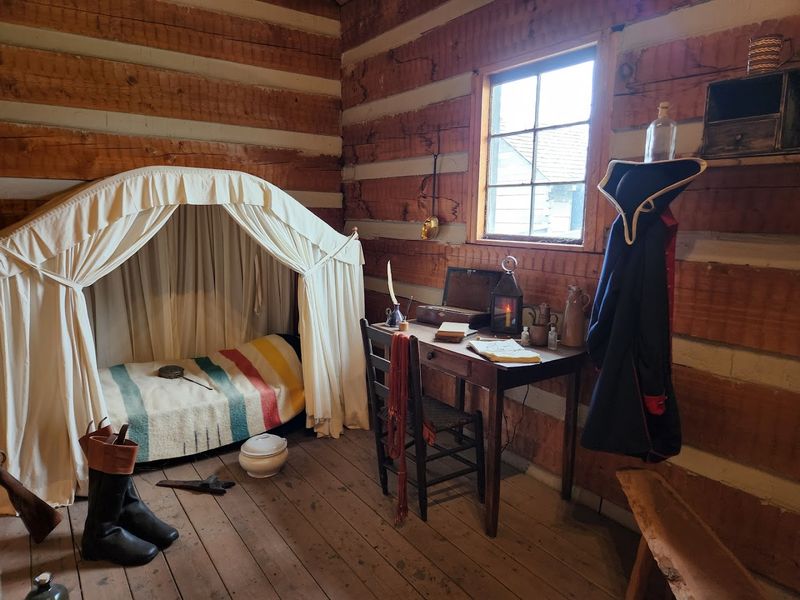
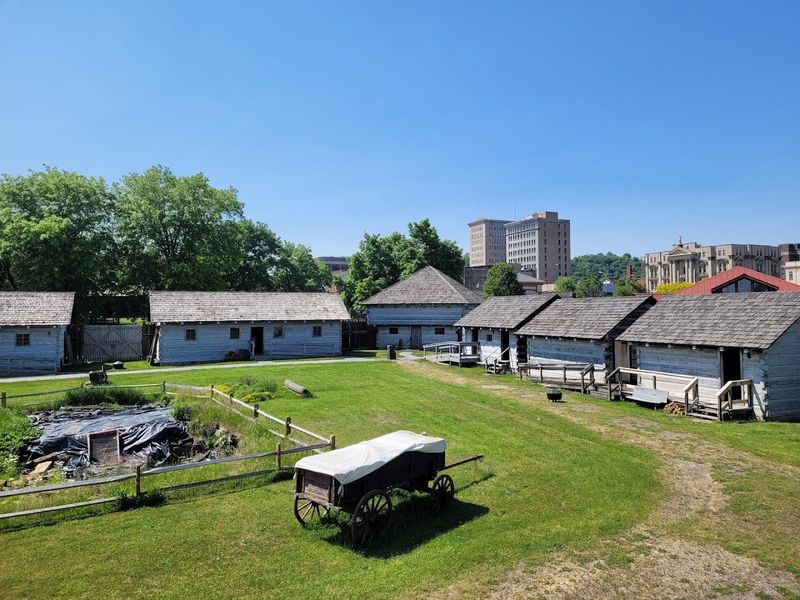
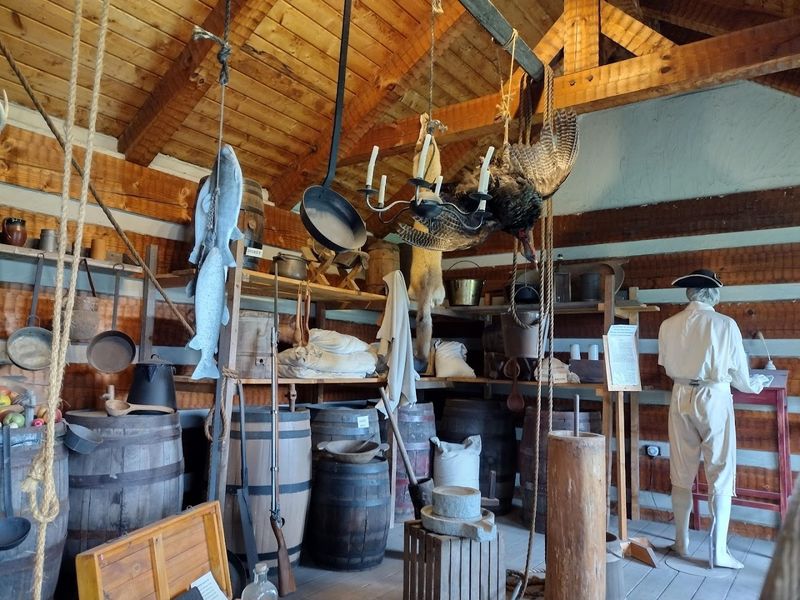
Each building inside the fort walls has been set up to reflect exactly how it would have looked and functioned in the late 1780s. The attention to detail is genuinely impressive.
Sleeping quarters, a guardhouse, officer lodgings, and storage spaces are all arranged with period-appropriate furniture, tools, and personal items. Nothing feels staged or theatrical.
It feels inhabited, as if the soldiers just stepped out for a moment and will be back shortly.
The wood construction, the low ceilings, the narrow doorways, and the sparse furnishings all combine to give you an immediate physical sense of how compact and demanding frontier life actually was. There is no romanticizing happening here.
I crouched through one doorway and immediately understood why average life expectancy on the frontier was not something to envy.
The buildings are small, the conditions were rough, and the displays inside each one make sure you leave understanding the full picture rather than just the heroic highlight reel.
The Visitor Center Deserves Its Own Spotlight
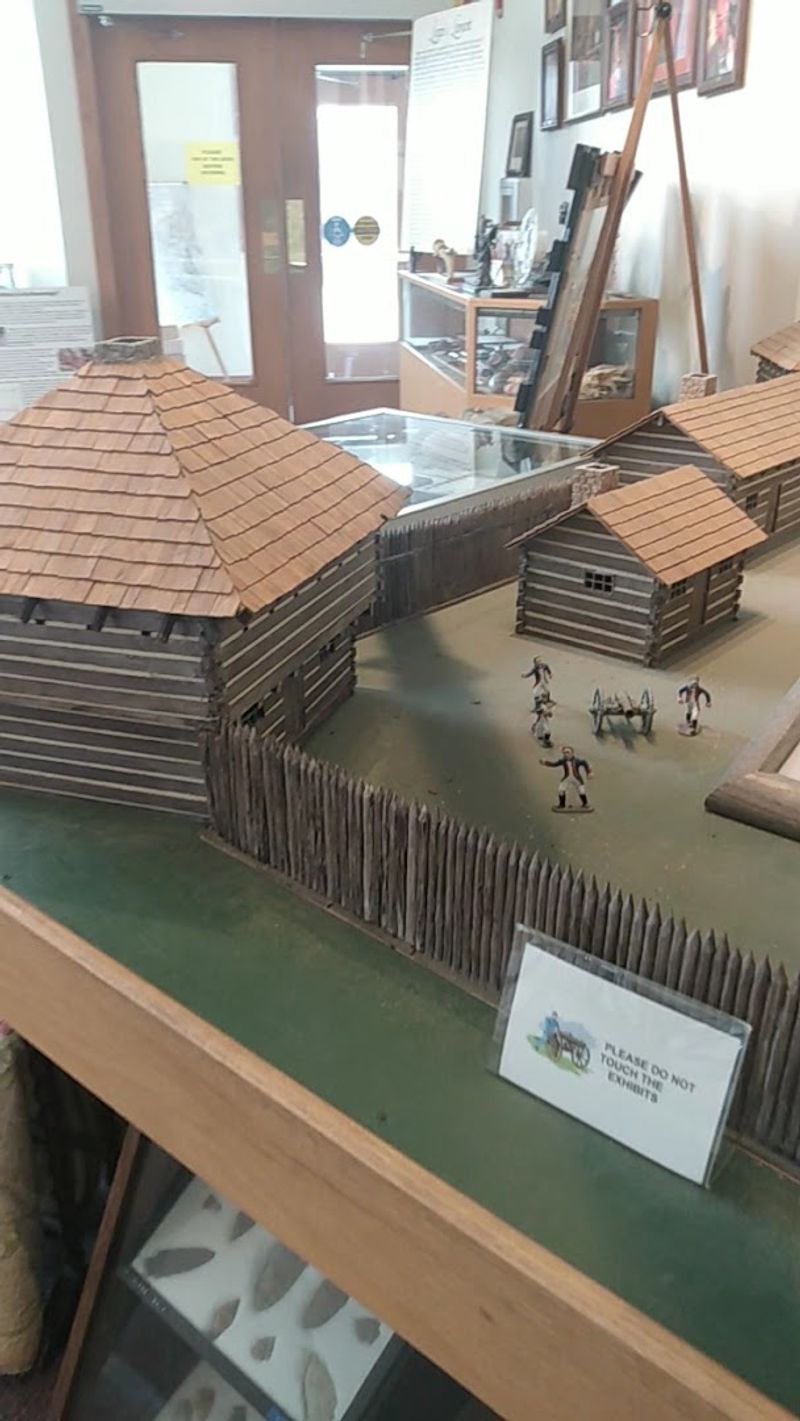
Before you even set foot inside the fort walls, the visitor center pulls you in with a collection that punches well above its weight for a small-town history site.
Glass display cases hold genuine artifacts from the 18th century, including tools, documents, and personal items connected to the fort’s history and the Northwest Territory survey. The layout is clean and logical, guiding you through the timeline in a way that actually makes sense without requiring a history degree to follow.
The staff stationed throughout are knowledgeable in a way that feels personal rather than rehearsed. They share stories and context that the printed signs cannot fully capture, and they seem genuinely happy to answer questions at whatever level of detail you want.
There is also a well-stocked gift shop on site, which carries books, period reproductions, and locally relevant souvenirs. I picked up a small reference book about the Northwest Territory that I have actually read since getting home, which is more than I can say for most impulse purchases made at tourist spots.
The Archaeological Work Happening Right Underfoot
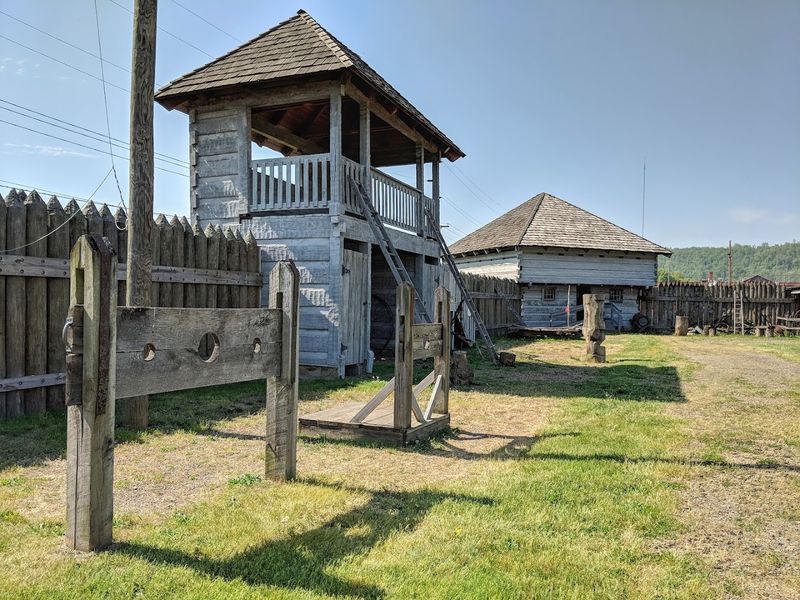
One of the most compelling things about visiting a site built on original ground is knowing that the soil itself holds secrets still being uncovered.
An archaeological dig has been conducted within the fort grounds, and the findings add another layer of authenticity to the whole experience. When a site is actively being studied rather than just preserved and displayed, it signals that there is still more to learn, and that the story is not finished being told.
The dig has helped researchers better understand the layout and daily life of the original fort, filling in gaps that written records alone cannot answer. Artifacts recovered from the ground connect directly to the soldiers and surveyors who lived and worked there in the 1780s.
Seeing an active or recently completed excavation area inside the fort perimeter gives the visit a documentary quality that photographs and text panels cannot replicate. It is one thing to read that the fort stood here.
It is another thing entirely to watch someone carefully brush soil away from a piece of the past.
A Park That Belongs To The Whole Community
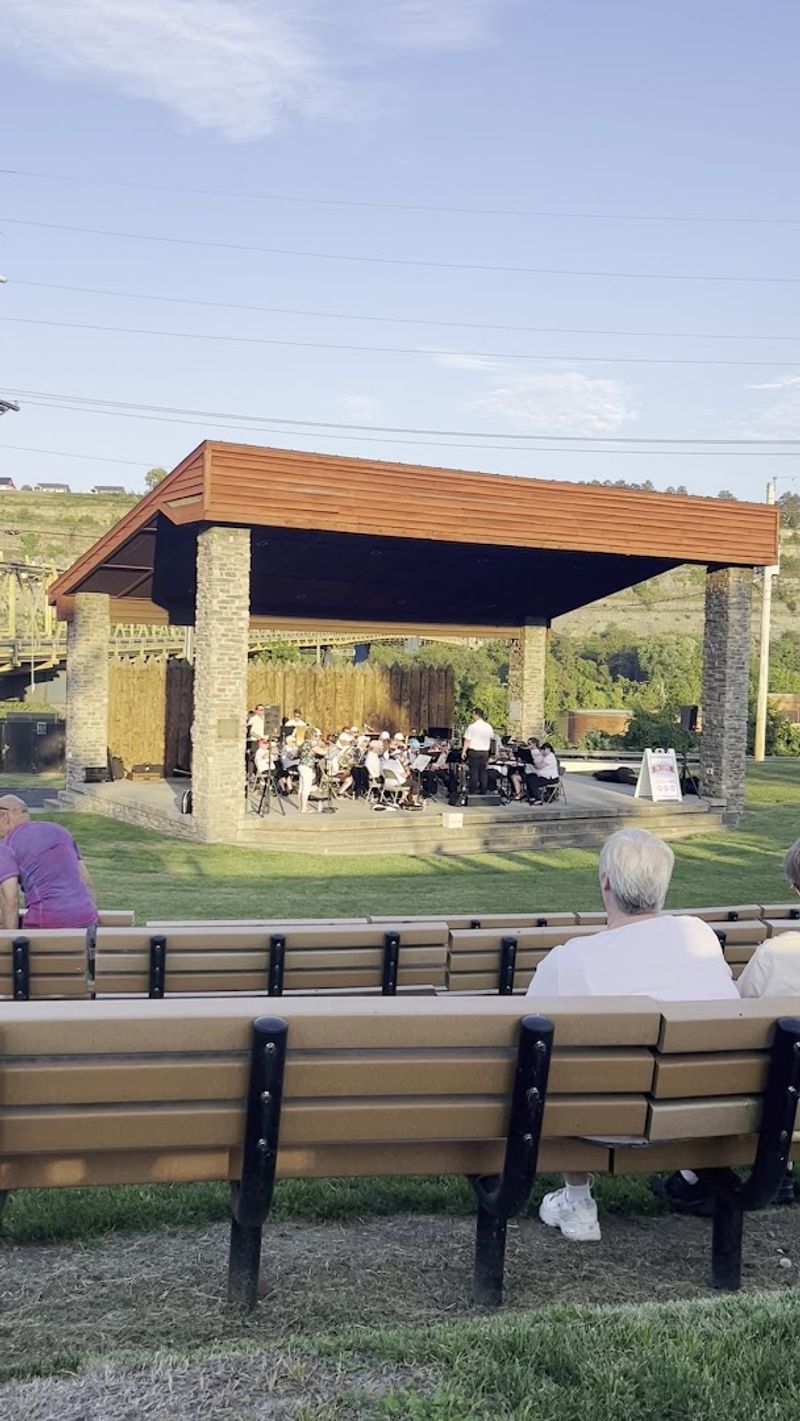
The fort does not exist in isolation. It anchors a broader park space that clearly functions as a genuine community gathering place for the people of Steubenville.
A water fountain feature in the park area shoots jets in multiple directions, and on a warm day it draws kids like a magnet. The spray reaches far enough that staying dry requires either strategy or a change of clothes, and most kids seem to prefer the latter option.
The park feels active and alive in a way that complements the historical experience rather than competing with it. Benches, open green space, and room to walk around make it an easy place to spend time before or after touring the fort itself.
During seasonal events, the park transforms into something even more lively, hosting vendors, community activities, and holiday displays that draw visitors from well beyond Steubenville.
The combination of historical significance and ongoing community use gives the site a warmth that purely museum-style destinations sometimes lack.
The Nutcracker Village That Takes Over In December

If you happen to visit Steubenville during the holiday season, the area around the fort becomes something that requires a completely different mental category than a history museum.
The Nutcracker Village takes over the downtown area each December, featuring well over a hundred oversized nutcracker figures, each one designed around a different theme and sponsored by a local business. The sheer variety of designs makes hunting them down feel like a genuinely fun challenge rather than a passive stroll.
A community Christmas tree, a small shopping village, local vendors, and seasonal food options fill out the experience. The lighting of the tree and accompanying events draw crowds that fill the streets in a way that feels festive without feeling overwhelming.
Past holiday seasons have included fireworks and special evening programming that extends well past the usual tourist hours.
The Nutcracker Village has become a beloved Ohio Valley tradition, and it adds a completely different dimension to what the fort and its surrounding park can offer depending on when you choose to visit.
Practical Things Worth Knowing Before You Go
A few logistical details can make the difference between a smooth visit and a frustrating one, so here is what I wish I had double-checked before arriving.
The reconstructed fort is open from May through October, weather permitting, Monday through Friday from 10 AM to 4 PM, Saturday from 10 AM to 4 PM, and Sunday from 11 AM to 4 PM. The Fort Steuben Visitor Center and Museum Shop are open all year Monday through Friday from 10 AM to 4 PM, except holidays.
Admission is $12 for adults, $10 for seniors 60 and older, $7 for youth ages 6 to 12, and free for children under 6.
Parking is available on site and is genuinely useful in a downtown setting. Historic Fort Steuben is wheelchair accessible, making the site welcoming to visitors with mobility needs.
The self-guided tour format means you move at your own pace, which works well for families with kids at different attention levels. Bringing questions is a good strategy because the staff enjoy the conversation.
You can also reach them at +1 740-283-1787 or check the website at www.oldfortsteuben.com before your visit.
Why This Place Earns Every One Of Its Stars
Strong visitor ratings are not something a small-town history site earns by accident. They reflect consistent effort and genuine quality that visitors notice and remember.
The combination of well-researched exhibits, enthusiastic staff, authentic reconstructed buildings, and a welcoming atmosphere creates something that lands differently than a typical museum visit. People leave having actually learned something, which sounds basic but is rarer than it should be.
Families with children respond especially well to the hands-on, walk-through nature of the fort buildings. Adults who arrive skeptical tend to leave converted.
The feedback across years of reviews points to a place that keeps showing up for its visitors rather than coasting on its historical credentials.
Ohio has no shortage of history to explore, but few sites deliver it with the personal touch and accessible storytelling that Historic Fort Steuben manages consistently.
Whether you are a dedicated history enthusiast or someone who just took an interesting exit off the highway, this fort has a way of making 1786 feel like it happened last week.