
This Little-Known Primate Exhibit In Colorado Is An Unforgettable Experience With Lemurs
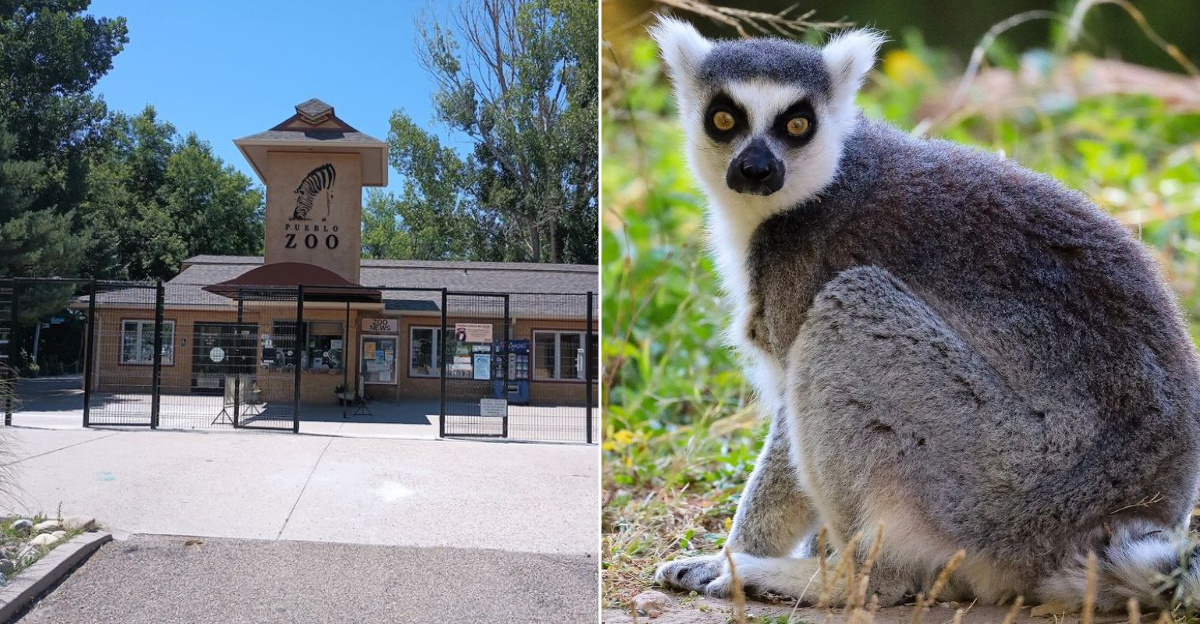
Hidden inside a leafy community wildlife spot in Colorado, this lemur exhibit feels like stumbling into a tiny island adventure without needing a passport.
One moment you are cruising through a regular weekend plan, and the next you are watching bright-eyed, ring-tailed charm machines leap, lounge, snack, and stare back like they absolutely know they are the main attraction.
The setting is relaxed and easy, with enough animals nearby to turn a casual visit into a full afternoon of delighted pointing and surprise discoveries. Kids get instant entertainment, adults get an excuse to act like kids, and everyone gets that rare win of an outing that is simple to plan but genuinely memorable.
Southern Colorado has plenty of big-scenery drama, yet this playful little corner wins with personality, movement, and nonstop cuteness. Bring curiosity, comfy shoes, and a camera, because leaving without talking about the lemurs is basically impossible.
What the Islands of Life Exhibit Actually Is
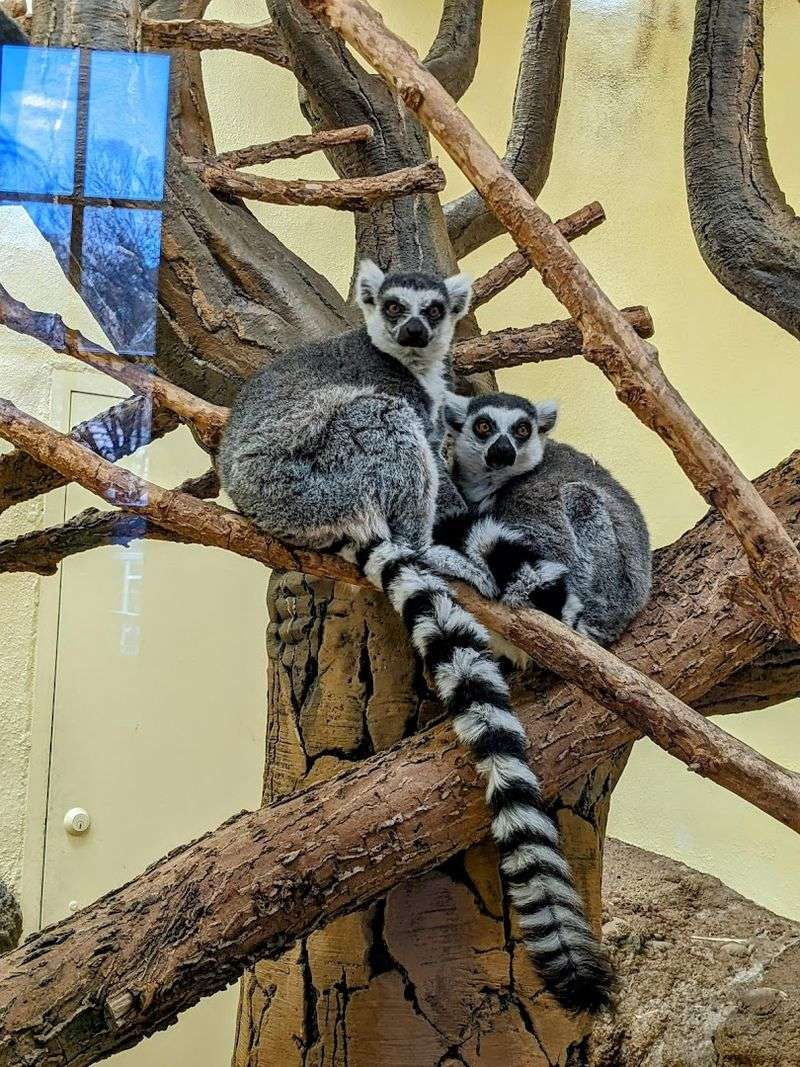
Not every zoo can pull off a dedicated primate zone that feels genuinely immersive rather than just a cage with a label slapped on it. The Islands of Life exhibit at this place is the zoo’s focused habitat area built around lemurs and the ecosystems they call home.
It’s designed to reflect the island environments where lemurs naturally live, giving visitors a sense of geography alongside the animal encounter itself.
The exhibit sits within the broader zoo grounds at 3455 Nuckolls Avenue in Pueblo, Colorado, a city that tends to surprise first-time visitors with how much it quietly offers. It is open seven days a week from 9 AM to 4 PM, making it easy to slot into almost any schedule.
The Islands of Life section draws consistent attention from families, couples, and solo visitors who weren’t necessarily expecting lemurs to be the highlight of their afternoon.
Quick Tip: Arrive closer to opening at 9 AM for the calmest, least crowded experience at the lemur area. Early arrivals often get the best unobstructed views of active lemurs before the midday rush picks up.
The Lemurs Themselves: Who You’re Actually Going to Meet
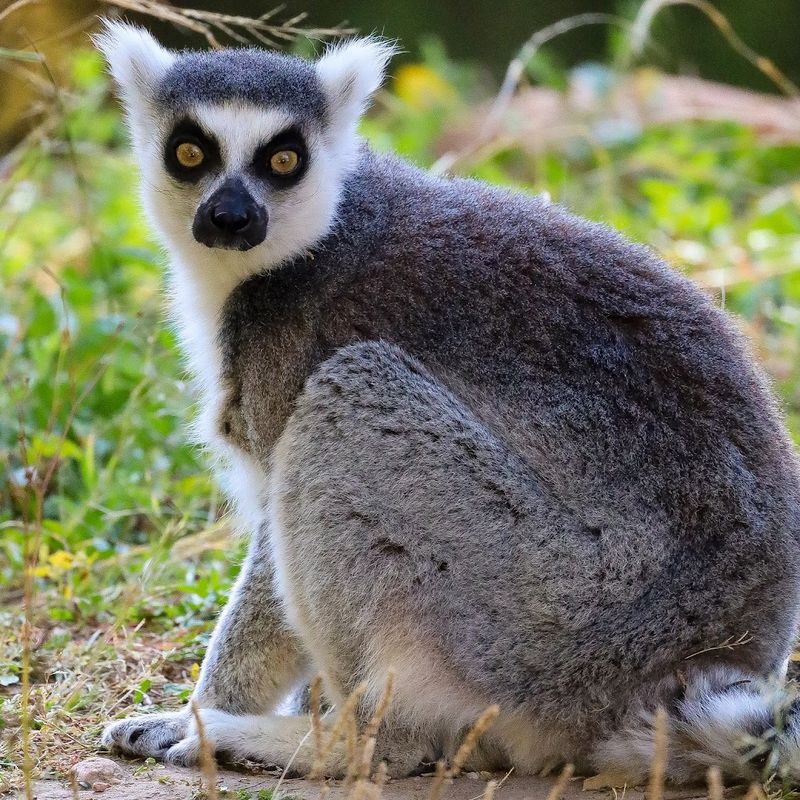
Lemurs have a way of making you feel like you wandered onto the set of a nature documentary, except the camera crew is nowhere in sight and the animals are far more interested in their own business than in performing for you. At the Islands of Life exhibit, visitors encounter lemurs up close in a habitat setting that prioritizes the animals’ wellbeing and natural behavior patterns.
Ring-tailed lemurs are among the most recognizable species, known for their boldly striped tails and their habit of sun-bathing in a posture that looks almost meditative.
Lemurs are native to Madagascar and are classified as some of the most endangered primates on the planet. Seeing them in a well-managed zoo setting like Pueblo Zoo carries real conservation weight, since institutions like this actively support efforts to protect species that face habitat loss in the wild.
Staff at the zoo are known for being genuinely knowledgeable and enthusiastic about sharing animal facts.
Why It Matters: Every visit contributes to the zoo’s conservation mission. Pueblo Zoo emphasizes actionable ways visitors can support endangered species protection in everyday life, making the lemur encounter both fun and meaningful.
How the Exhibit Fits Into the Larger Zoo Experience
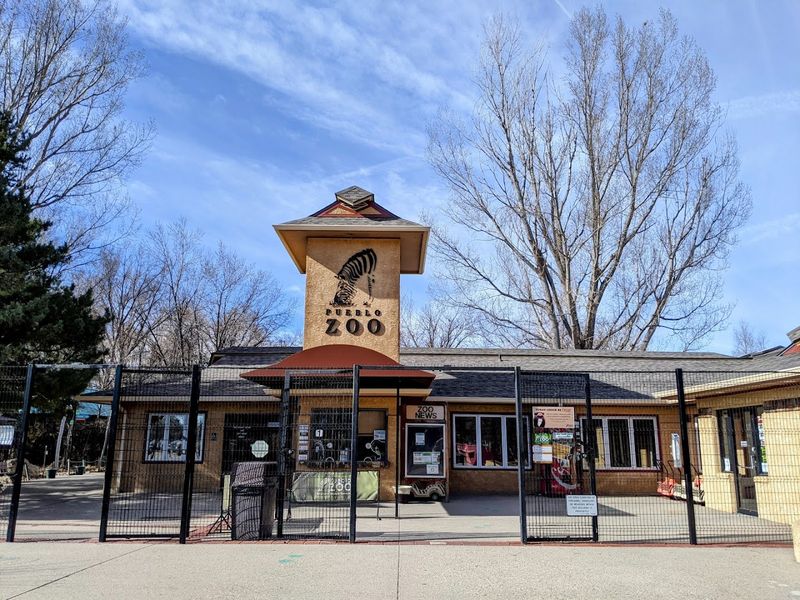
The Islands of Life lemur area doesn’t exist in isolation. It’s part of a zoo that houses more than 400 animals across a variety of species and exhibit styles.
Lions, zebras, kangaroos, African penguins, red pandas, otters, and free-roaming peacocks are all part of the same afternoon. The zoo’s layout is entirely on paved, stroller-friendly paths, which means nobody is navigating gravel hills or uneven terrain to get from one exhibit to the next.
Most visitors report that a full walk-through of Pueblo Zoo takes around two to three hours, which is genuinely ideal for families with younger kids who run out of stamina before they run out of curiosity. The lemur area slots naturally into the flow of the visit without requiring a separate detour or special ticket in most standard visits.
It’s the kind of exhibit that rewards wanderers who simply follow the path and let the zoo reveal itself at its own pace.
Best For: Families with kids of all ages, couples looking for a relaxed outdoor afternoon, and anyone who prefers a zoo experience where the animals are visible and the grounds feel uncrowded and well-maintained.
Why Locals Keep Choosing Pueblo Zoo Over and Over

There’s a particular kind of loyalty that a place earns not through spectacle but through reliability. Pueblo Zoo has that quality in abundance.
Locals purchase annual memberships year after year, and the zoo’s staff has built a genuine reputation for engaging visitors with real information rather than scripted presentations. The atmosphere feels less like a tourist attraction and more like a community institution that happens to have lemurs.
The zoo’s location inside City Park adds a natural bonus. After the lemur exhibit and a loop through the rest of the zoo, the park itself offers open space to extend the afternoon without spending another dollar.
Visitors frequently mention the zoo’s affordability, with annual memberships described as worthwhile even for families who only visit a handful of times per year. The zoo’s phone number is (719) 561-1452 if you want to confirm current membership pricing or special event schedules before heading out.
Insider Tip: The zoo runs occasional behind-the-scenes experiences for animals like the African penguins. Calling ahead or checking the website at pueblozoo.org is the best way to catch these limited-availability experiences before they fill up.
The Conservation Story Behind the Lemur Habitat
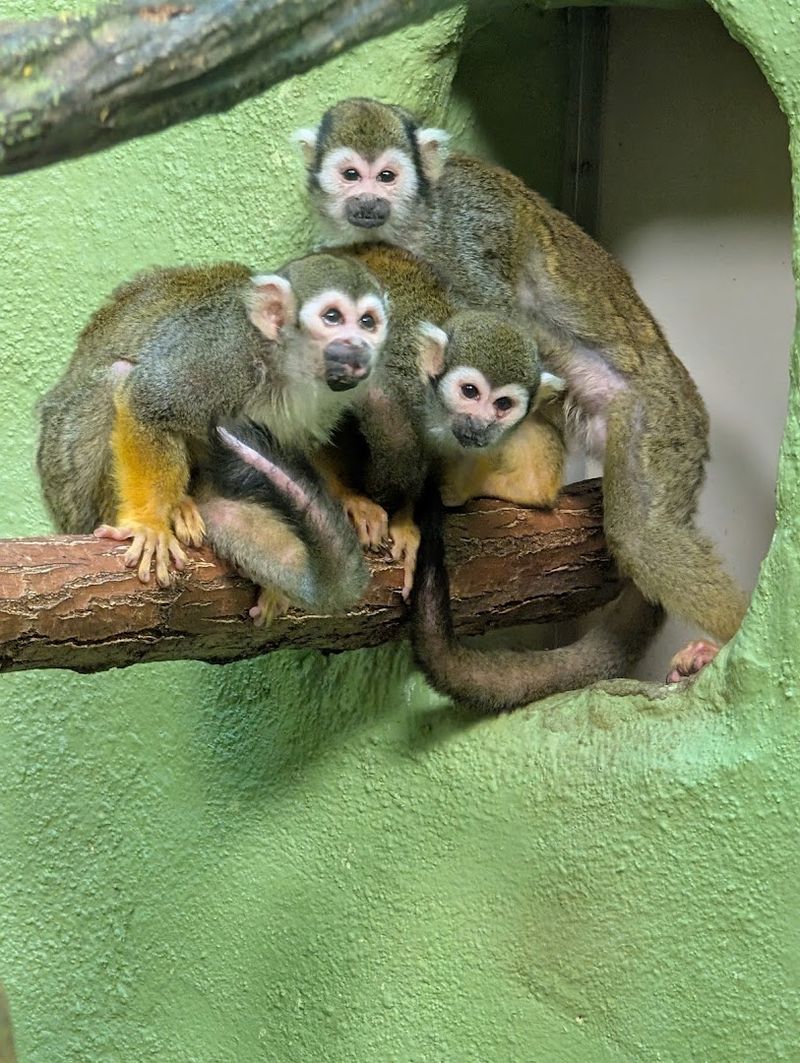
Lemurs are not just charming to look at. They represent one of the most urgent conservation stories in the primate world.
Madagascar, the only place on Earth where lemurs naturally exist, has experienced significant deforestation, pushing dozens of lemur species toward endangered or critically endangered status. Zoos that maintain healthy lemur populations and educate visitors about these pressures play a real role in the broader effort to prevent extinction.
Pueblo Zoo leans into this responsibility with visible intention. Staff members are trained to connect the animals visitors see with the real-world conservation challenges those species face.
The Islands of Life exhibit framing reinforces this by situating lemurs within the context of island ecosystems, helping visitors understand why habitat matters and why these animals can’t simply adapt to any environment. It’s a more substantive experience than most people expect from a smaller regional zoo.
Why It Matters: Pueblo Zoo explicitly encourages visitors to support conservation efforts, and the zoo itself contributes to endangered species programs. Donating during your visit, even a small amount, directly extends the zoo’s capacity to care for animals like the lemurs in its collection.
Planning Your Visit Around the Lemur Exhibit
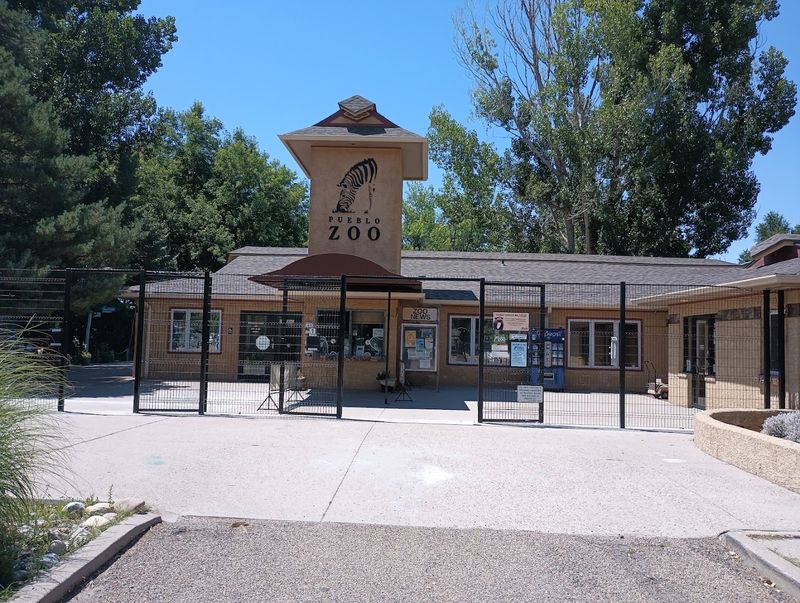
Pueblo Zoo is open every day of the week from 9 AM to 4 PM, which gives visitors a consistent window regardless of the day they choose to show up. Weekday mornings tend to be noticeably quieter than weekend afternoons, and if the lemurs’ activity level matters to you, earlier in the day is generally when animals across all exhibits are most engaged.
Primates in particular tend to be more visible and active in morning hours before the heat of a Colorado afternoon settles in.
The zoo’s location at 3455 Nuckolls Avenue in Pueblo places it within City Park, which means parking is accessible and the surrounding area is pleasant enough to extend your outing naturally. A post-zoo walk through the park or a picnic lunch on the grounds is a genuinely low-effort way to turn a two-hour zoo visit into a full afternoon without any additional planning.
The zoo’s snack bar is open during summer months for those who prefer not to pack their own food.
Planning Advice: Check the zoo’s website at pueblozoo.org before your visit for any scheduled feeding times, special events, or seasonal programs that might overlap with your arrival window for the best possible experience.
What Sets This Lemur Experience Apart From Bigger Zoo Visits
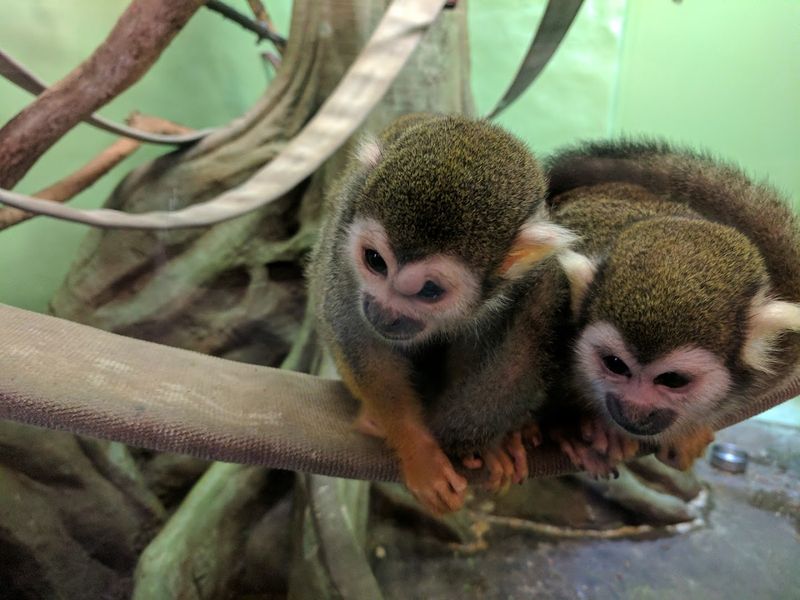
Bigger doesn’t always mean better, and the lemur exhibit at Pueblo Zoo makes that case without needing to argue it. At large metropolitan zoos, popular exhibits like primate habitats often come with crowds three rows deep and a viewing window you’re sharing with forty other people.
At Pueblo Zoo, the scale works in your favor. You’re more likely to find yourself standing at the Islands of Life exhibit with room to actually observe the animals without elbowing anyone for position.
That unhurried quality changes the experience in ways that are hard to quantify but easy to feel. Kids have space to react and ask questions without getting swept along by foot traffic.
Adults can actually take in what the interpretive signage is saying. The lemurs themselves seem less agitated by visitor presence, which typically results in more natural behavior on display rather than animals retreating to the back of an enclosure.
It’s the kind of animal encounter that sticks with you precisely because it didn’t feel rushed or performative.
Common Mistakes to Avoid: Don’t show up expecting a massive facility and feel disappointed by the scale. The zoo’s size is genuinely one of its strongest assets, especially for the lemur viewing experience.
Making It a Mini Outing: The Post-Errand Zoo Stop
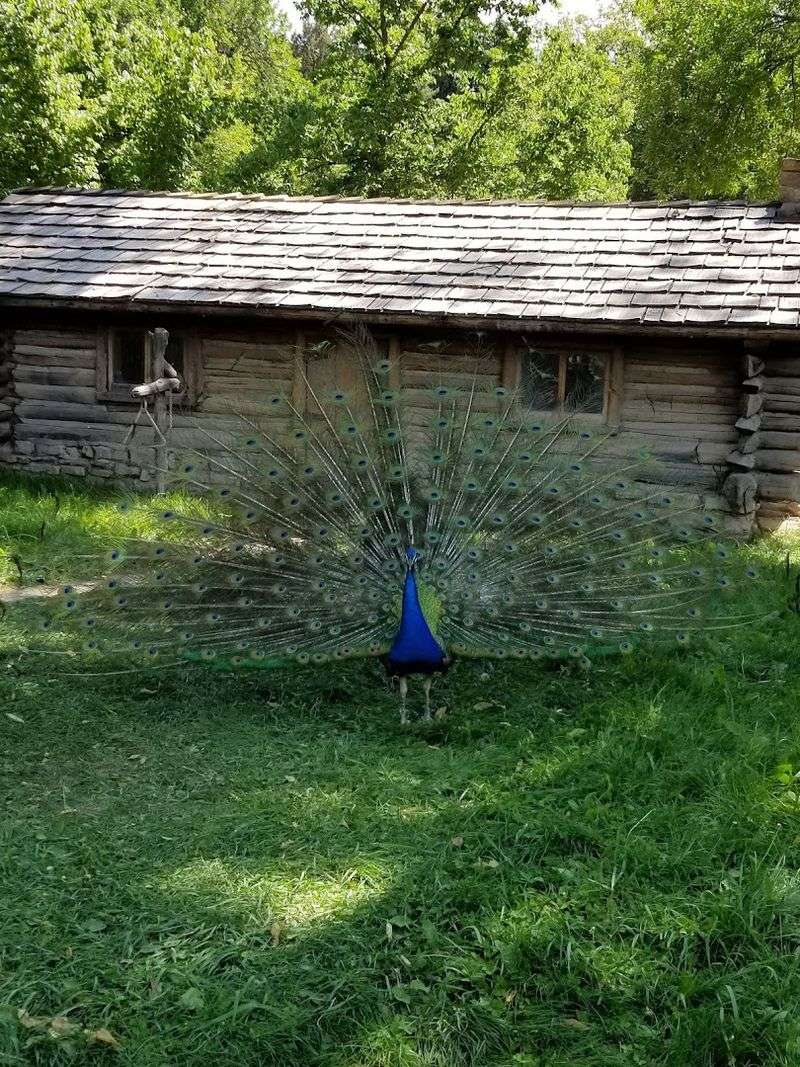
Here’s the thing about Pueblo Zoo that makes it genuinely useful rather than just enjoyable: it fits into real life without demanding a full production. If you’re already in Pueblo running errands, grabbing lunch, or passing through on a road trip along I-25, the zoo is a natural add-on rather than a separate expedition.
Two to three hours gets you through the entire zoo including the Islands of Life lemur area, which means you’re back in the car before dinner plans become a concern.
For families, this low-commitment format is practically a superpower. There’s no need to pack for a full-day adventure or worry about kids hitting a wall halfway through.
The paved paths handle strollers and wagons without complaint, and the park setting means there’s open space to decompress if anyone needs a break from exhibits. Couples and solo visitors benefit equally from the relaxed pacing that a smaller zoo naturally provides.
Quick Tip: Combine your visit with a short stroll through City Park after the zoo closes out your afternoon. It’s a natural transition from the animal exhibits to open green space without adding any logistical complexity to your day.
The Accessibility Factor: A Zoo That Works for Everyone
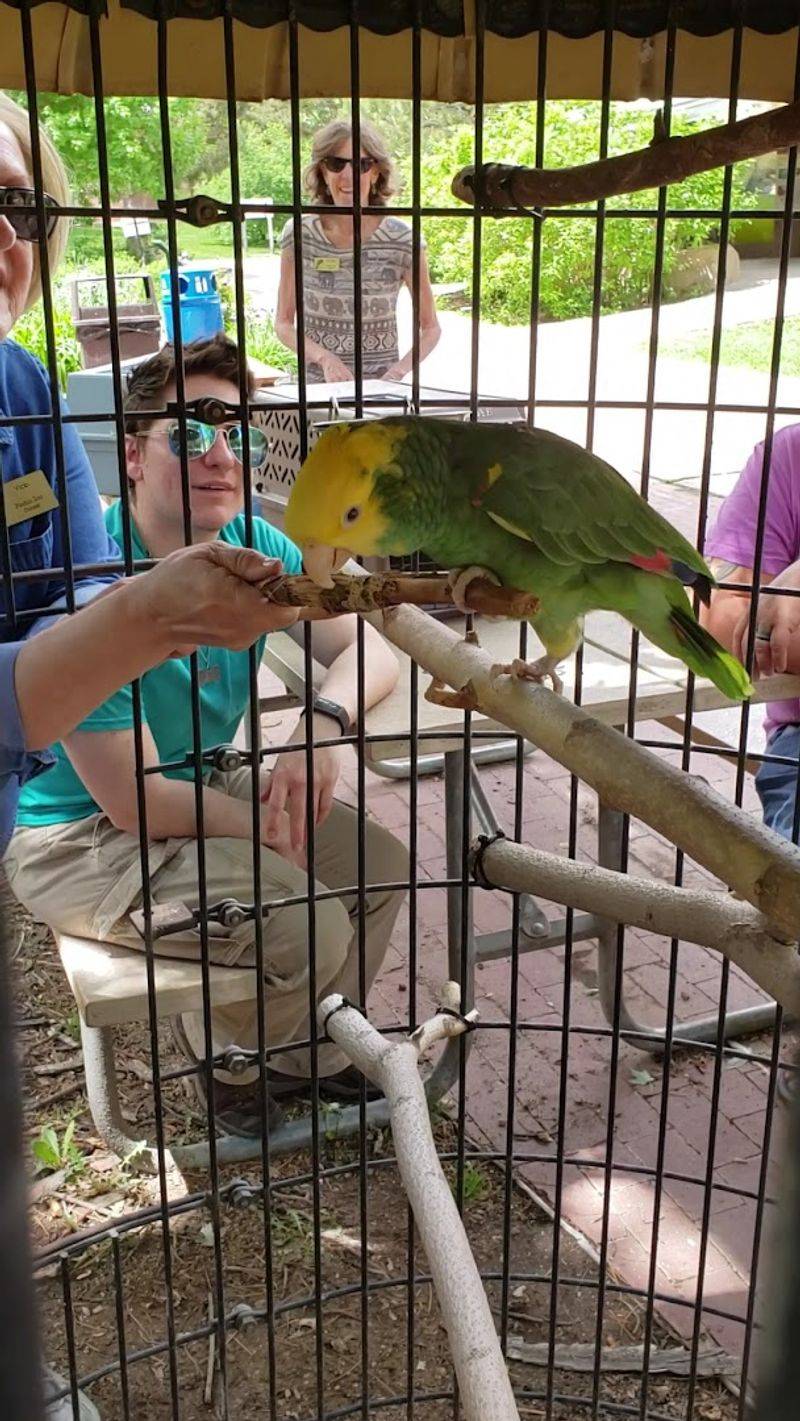
Not every zoo experience is built with all visitors in mind, but Pueblo Zoo’s layout earns consistent appreciation from people across a wide range of mobility levels. Every path through the zoo, including the route through the Islands of Life lemur area, is paved and designed to accommodate strollers, wheelchairs, and wagons without detours or difficult terrain.
That’s a practical detail that matters enormously to families with toddlers, visitors with mobility considerations, and anyone who just doesn’t want to hike while trying to watch animals.
Senior visitors in particular have noted that the zoo’s manageable size makes it possible to see everything comfortably without overextending. The pace is entirely self-directed, so there’s no pressure to keep up with a tour group or rush through exhibits to hit a scheduled program.
Shade trees are distributed throughout the grounds, and there are spots to sit and rest without losing proximity to the action. It’s a zoo that accommodates rather than challenges, which sounds simple but is rarer than it should be.
Best For: Multi-generational groups, visitors with mobility considerations, families with very young children, and anyone who wants a genuinely relaxed outdoor experience without physical obstacles getting in the way.
Mid-Visit Re-Engagement: The Animals You Didn’t Expect to Love
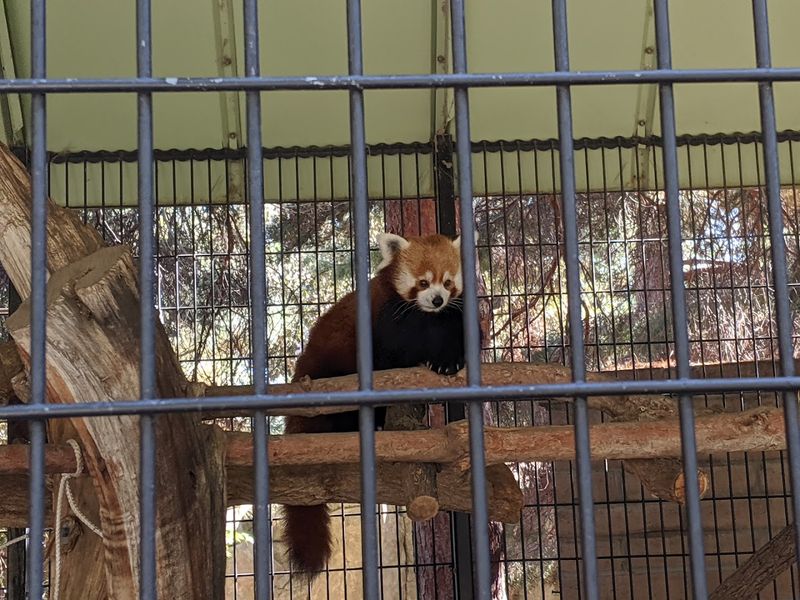
Here’s where the visit tends to surprise people: you came for the lemurs, and you leave talking about Momo the red panda. Pueblo Zoo has a habit of delivering unexpected highlights alongside the exhibits you specifically planned to see.
The red panda has developed something of a local fan following, and the feeding experiences available for certain animals create moments that feel genuinely personal rather than staged. Visitors who participate in behind-the-scenes animal encounters consistently describe them as the kind of memory that outlasts the photographs.
The penguin education talk and feeding at 3 PM is another example of the zoo packaging its animals into experiences rather than just enclosures. These moments of structured engagement elevate what might otherwise be a pleasant but passive afternoon into something visitors actively recount afterward.
The lemur exhibit benefits from this same philosophy of making the animal-visitor connection feel real and purposeful rather than incidental.
Insider Tip: Keep an eye on the schedule board near the zoo entrance for daily animal programs. Timing your walk through the Islands of Life exhibit to land between scheduled programs elsewhere gives you the quietest, most focused lemur viewing window of the day.
Who This Is For and Who Might Want to Manage Expectations
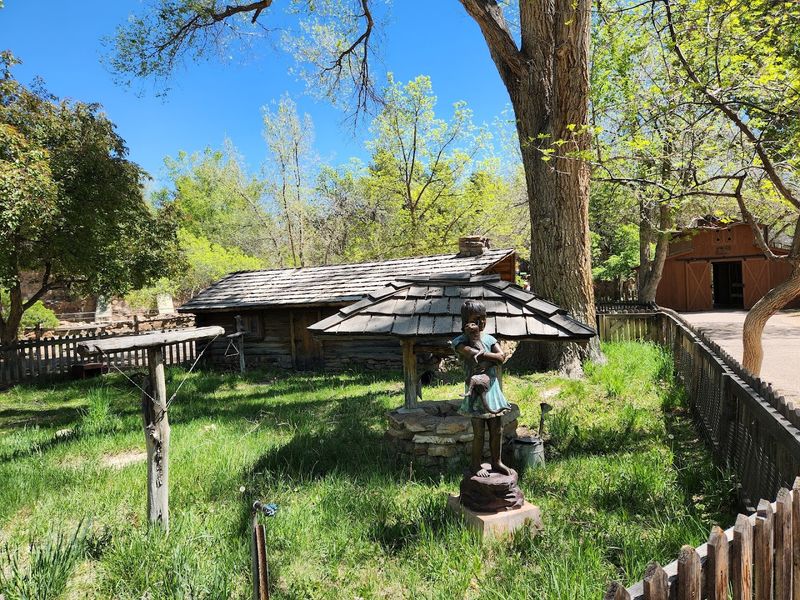
The Islands of Life lemur exhibit at Pueblo Zoo is a strong fit for families with children who are curious about wildlife, couples who enjoy outdoor attractions without the chaos of major metropolitan venues, and travelers passing through southern Colorado who want something genuinely worthwhile rather than just a highway rest stop. It’s also an excellent option for grandparents bringing grandchildren, given the accessible layout and manageable scale of the full zoo grounds.
That said, visitors expecting the sprawling, multi-hour immersive experience of a large city zoo will encounter something different here. Pueblo Zoo is intentionally sized for a community institution, and its lemur area reflects that.
The exhibits are well-maintained and the animals are clearly cared for, but the scope is regional rather than metropolitan. That distinction is a feature for most visitors and only a limitation for those who arrived expecting Denver Zoo in a different zip code.
Who This Is Not For: Visitors seeking large-scale theatrical zoo productions or extensive dining options built into the grounds. The zoo’s snack bar serves summer visitors, but the experience is centered on animals and outdoor exploration rather than amenities.
Final Verdict: Why the Islands of Life Deserves a Spot on Your Colorado Itinerary
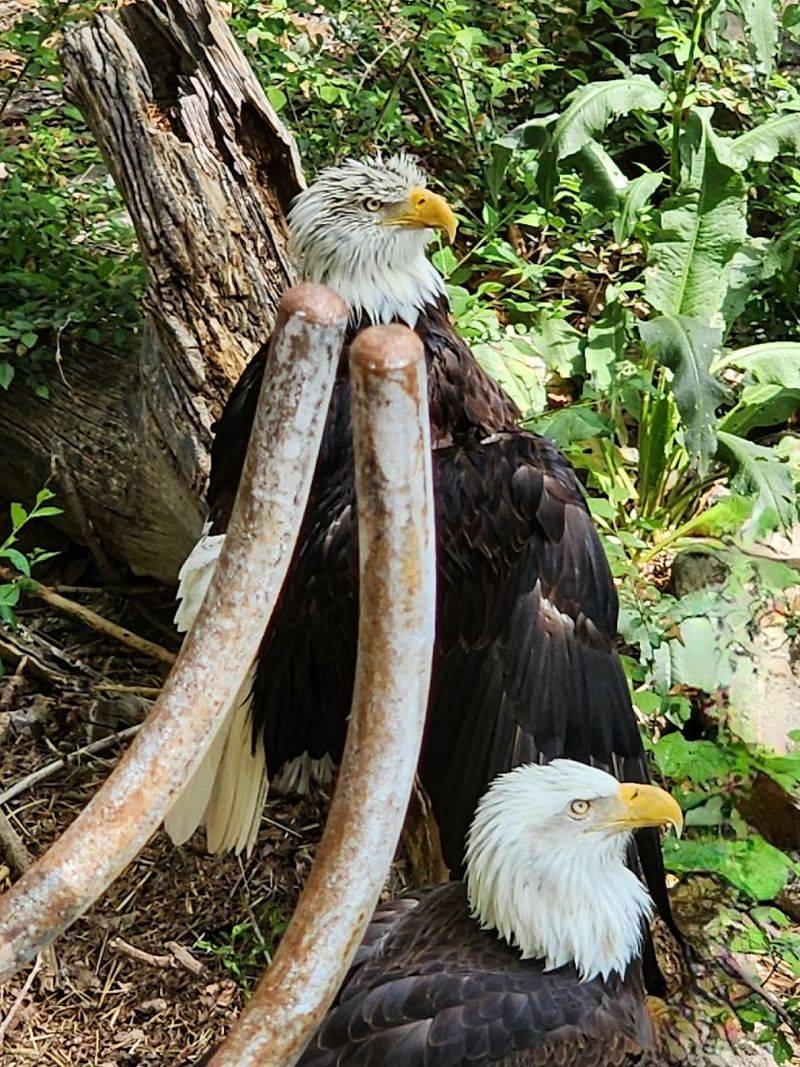
Pueblo Zoo’s Islands of Life lemur area earns its place on a Colorado itinerary not through flashy marketing but through the straightforward quality of the experience it delivers. The lemurs are engaging, the staff is knowledgeable, the paths are accessible, and the whole visit fits comfortably into a half-day without requiring military-level planning.
For a zoo carrying over 400 animals and a 4.4-star rating across thousands of visits, the word “little-known” might seem like an overstatement until you realize that most people driving through Pueblo simply don’t know it’s there.
That’s genuinely their loss. The Islands of Life exhibit represents the kind of animal encounter that reminds you why zoos at their best are worth supporting.
Conservation education, up-close wildlife viewing, and a setting that prioritizes the animals’ wellbeing without sacrificing visitor experience: Pueblo Zoo delivers all three without requiring you to navigate a parking structure the size of a regional airport to get to them.
Key Takeaways: Open daily 9 AM to 4 PM. Located at 3455 Nuckolls Avenue in Pueblo, Colorado.
Reachable at (719) 561-1452 or at pueblozoo.org. Bring the family, skip the crowds, and let the lemurs do the rest.