
This Louisiana Food Tradition Has Been Passed Down For Generations
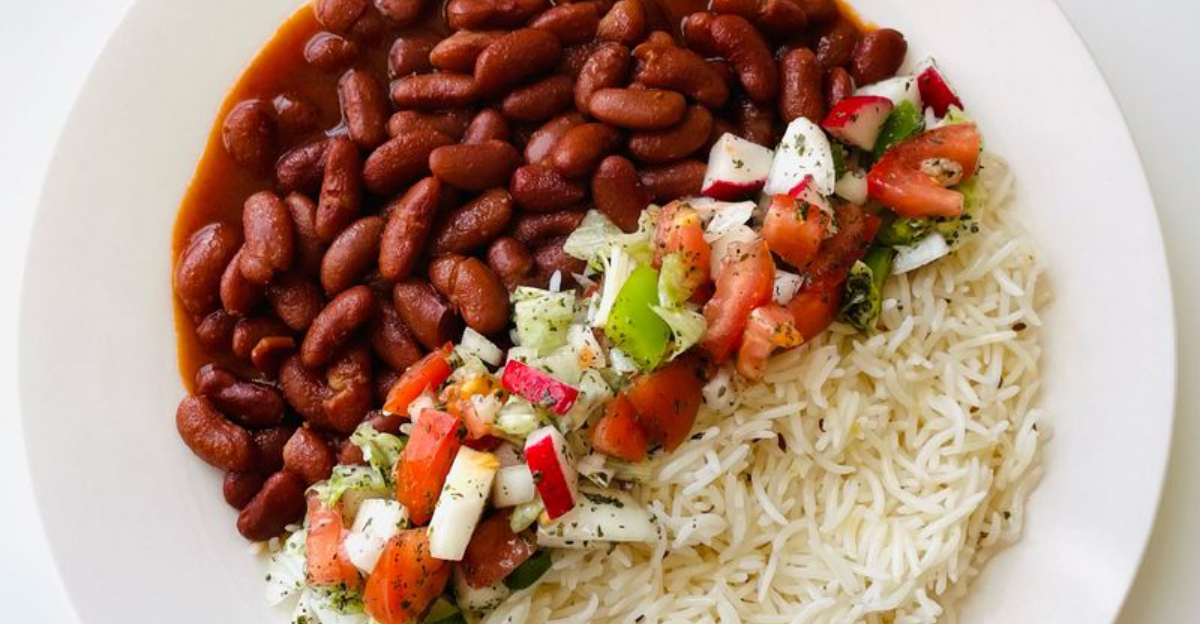
Louis Armstrong had a secret weapon… and it wasn’t just his trumpet. Before jazz filled the world with unforgettable sounds, there was another Louisiana classic bringing people together around the table.
A humble pot of beans and rice somehow became the comfort food equivalent of a favorite song.
The kind you never get tired of hearing. It’s simple. It’s soulful.
And it has more history than most dishes could ever dream of. Generations have passed down their own versions, adding a little love, a little patience, and a whole lot of flavor.
This isn’t just a meal. It’s a piece of Louisiana’s identity served by the spoonful.
Because some traditions don’t need a makeover. They just need more time, more stories, and a seat at the table.
The Washday Origins
Before washing machines existed, Mondays in Louisiana were wild. Laundry was scrubbed by hand in giant tubs, a task so exhausting it consumed the entire day without mercy.
The person managing the household needed a meal that could practically look after itself while the hard work happened outside.
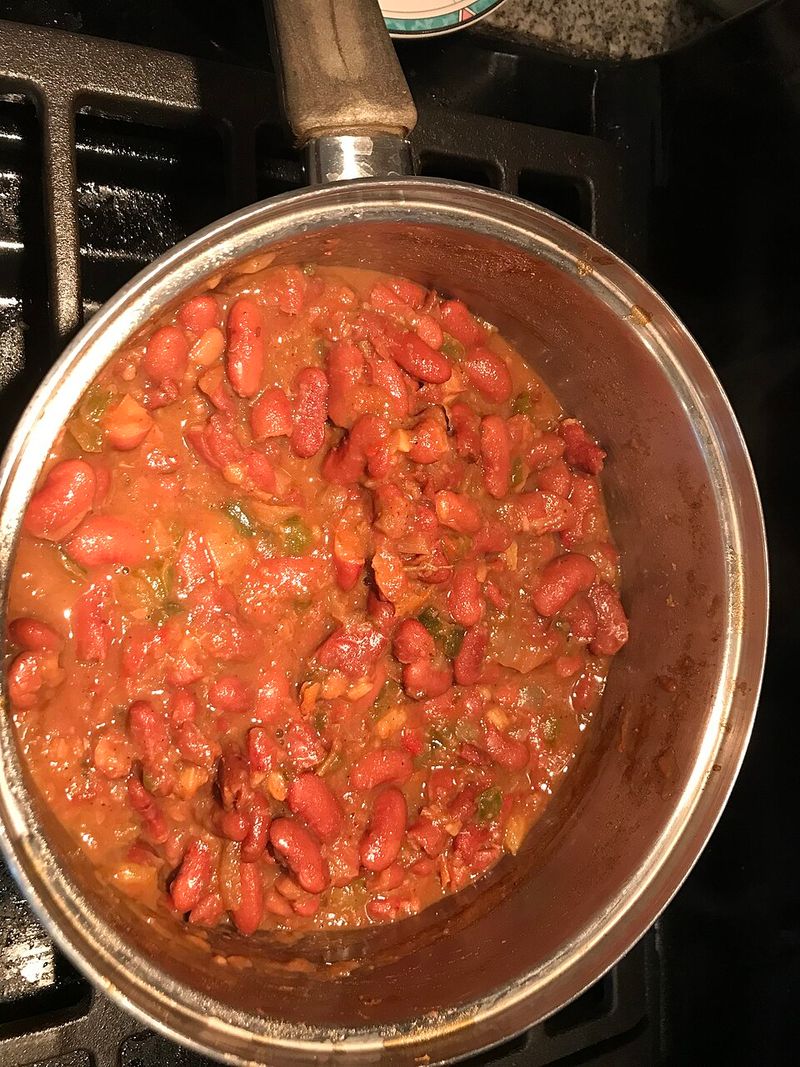
Red beans were the perfect answer. You soaked them overnight, tossed them in a pot with seasoning and a ham hock, and let them bubble away slowly on low heat for hours.
Sometimes, those beans even simmered over the same coals heating the laundry water, a stroke of pure genius born from necessity.
The dish required almost no attention, which meant dinner was ready by the time the last shirt was wrung out and hung to dry. What started as a practical solution to a demanding weekly chore became something far greater over time.
Monday stopped being just laundry day and started being red beans day, a subtle but powerful shift in how people experienced the week. That transformation from chore to cherished ritual is the kind of cultural magic that no recipe book can fully capture.
How African And Caribbean Roots Shaped The Dish
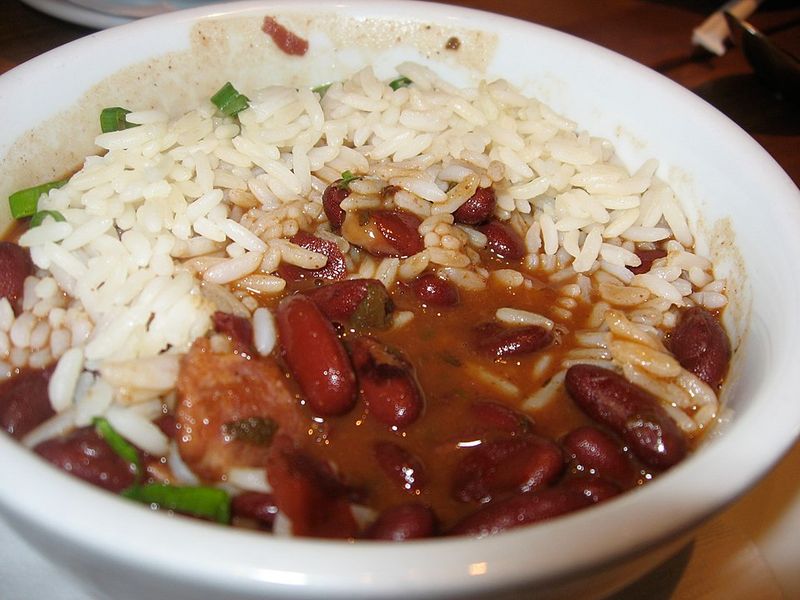
Red beans and rice did not appear out of thin air.
Its roots stretch across oceans and continents, woven together by cultures that were brought to Louisiana under circumstances that were anything but easy.
Historians trace the slow-cooked bean tradition back to African culinary heritage, where legumes were a cornerstone of everyday cooking. Refugees and enslaved people arriving in New Orleans during the late 1700s and early 1800s, many following the Haitian Revolution, brought spiced bean and rice recipes that carried the flavors of the Caribbean with them.
Those flavors met the cooking already practiced by Native Americans, who had long relied on dried beans as a staple food.
French settlers then layered in the aromatic foundation of onion, celery, and bell pepper, now famously known as the Cajun Holy Trinity. Europeans contributed smoked sausages that added richness and depth to every pot.
The result was a dish that no single culture could claim alone. Red beans and rice became a living symbol of Louisiana itself, a place where different traditions collide, combine, and create something genuinely extraordinary that belongs to everyone who calls it home.
The Holy Trinity And Why It Changes Everything
Walk into any Louisiana kitchen on a Monday morning and you will smell it before you see it. That deeply savory, sweet, and earthy aroma rising from the stovetop comes from three humble vegetables doing something remarkable together.
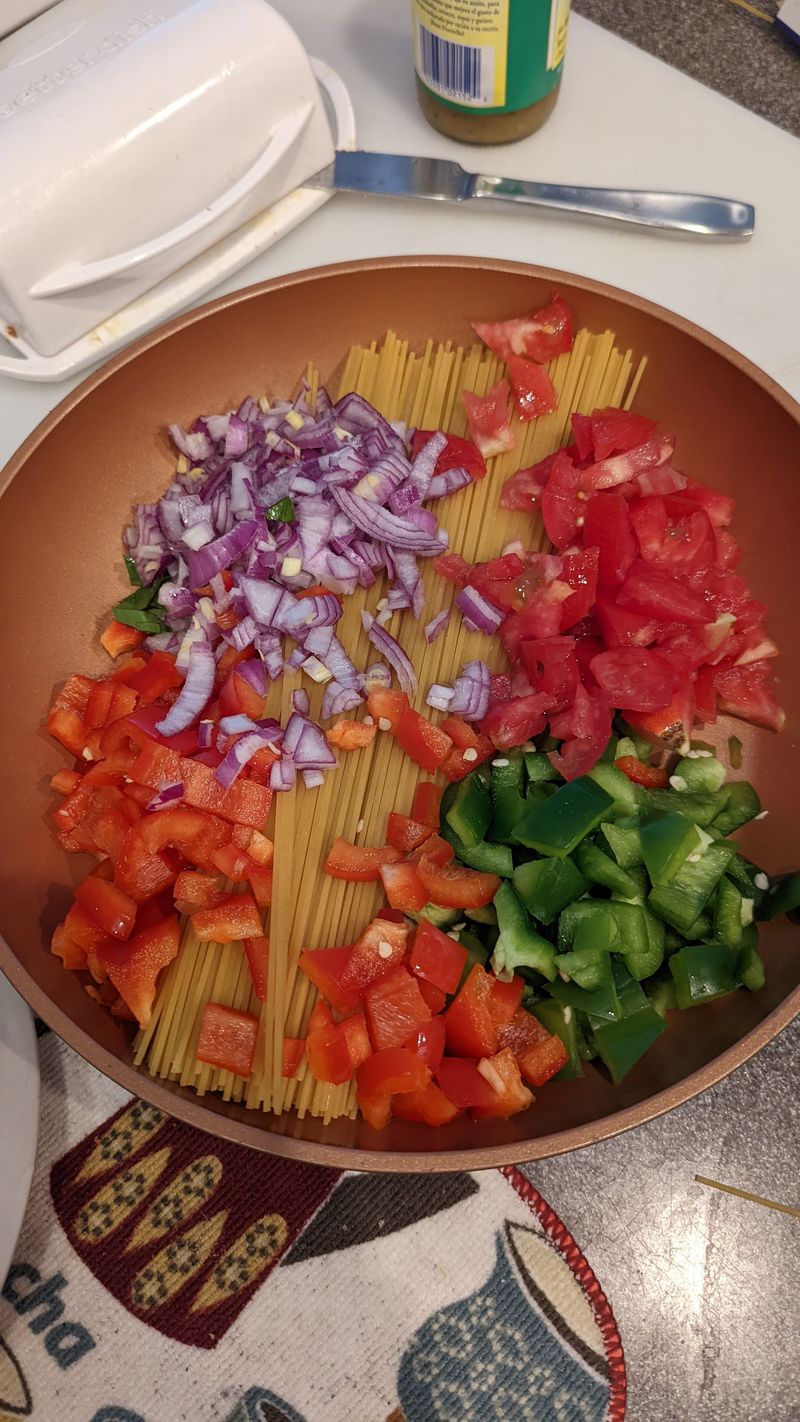
Onion, celery, and bell pepper, collectively known as the Cajun Holy Trinity, form the aromatic backbone of red beans and rice.
They are sauteed first in a heavy pot, usually with a generous knob of butter or a splash of oil, until they soften and release their natural sweetness. That step alone builds a flavor foundation so solid that everything added afterward just keeps getting better.
The Holy Trinity works because each vegetable brings something distinct to the pot. Onion adds sweetness and depth.
Celery contributes a quiet earthiness that grounds the dish. Bell pepper brings a subtle brightness that keeps the whole thing from feeling too heavy.
Together, they create a flavor profile that is unmistakably Louisiana, warm and layered and deeply satisfying.
Garlic is almost always added right alongside them, because in Louisiana cooking, garlic is practically a fourth member of the Trinity that nobody officially acknowledged but everyone absolutely uses.
Andouille Sausage And The Meats That Make It Sing

Red beans without the right meat is like a jazz band missing its horn section. Technically present, but missing the thing that makes your whole body respond.
Andouille sausage is the most celebrated addition to a Louisiana pot of red beans, and for good reason. This heavily smoked, coarsely ground pork sausage carries a bold, peppery punch that works its way into every bean during the long cooking process.
Sliced into thick rounds or left in larger pieces, andouille releases its smoky fat slowly, enriching the cooking liquid into something that is closer to a silky gravy than a simple broth.
Before andouille became the go-to choice, households would toss in a leftover ham hock from Sunday’s dinner, which made incredible use of what might otherwise be wasted.
Pickled pork shoulder, tasso ham, and even plain smoked bacon have all earned their place in the pot at various points in Louisiana history.
The beauty of this dish is that the meat choice shifts depending on what is available, what is affordable, and what family tradition dictates. Every variation tells a story, and every story tastes better than the last one you heard.
Family Recipes Guarded Like Treasured Heirlooms
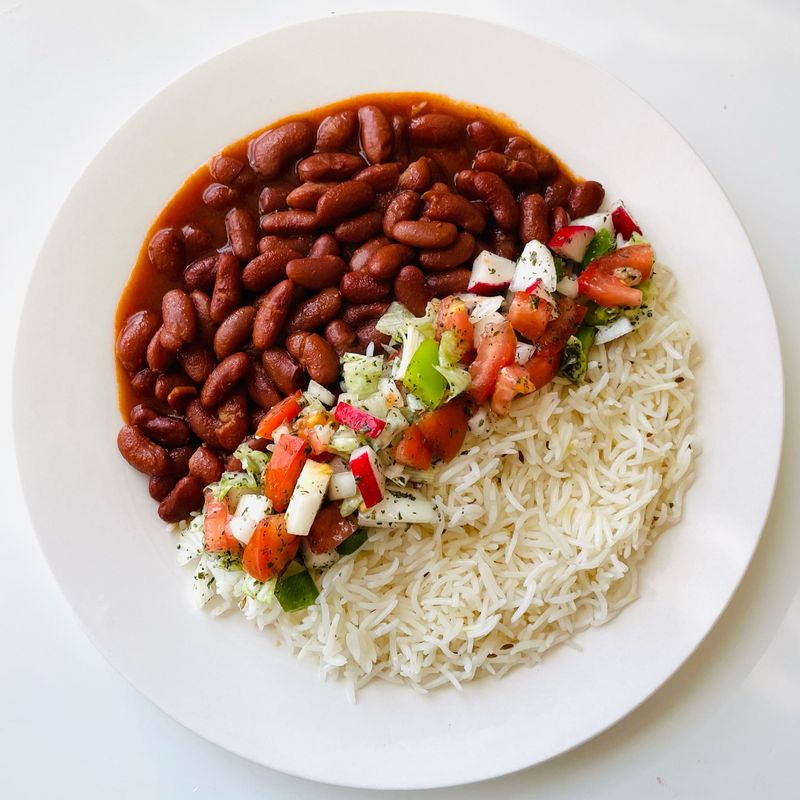
Every Louisiana family has a version of red beans and rice, and every Louisiana family is quietly convinced that their version is the best one.
That confidence is passed down right alongside the recipe itself.
These recipes rarely live in published cookbooks. More often, they exist on index cards stained with years of use, in the margins of old notebooks, or simply in muscle memory passed from one generation to the next through hours spent standing beside someone at a stove.
A grandmother adds a pinch of something she never quite names. An aunt insists on stirring in a specific way at a specific time.
These small rituals feel almost ceremonial, and in many ways, they are.
Some families swear by soaking the beans overnight for a creamier texture. Others skip the soak entirely and swear the flavor is better for it.
Some add a splash of hot sauce during cooking. Some finish the pot with fresh green onions and parsley scattered across the top like confetti.
No two pots are identical, and that is entirely the point. The personal touches are what keep the tradition breathing, evolving, and deeply meaningful across decades of Monday meals shared around family tables.
Louis Armstrong And His Famous Sign-Off
Few things cement a dish’s legendary status quite like a world-famous musician claiming it as his ultimate comfort food. Louis Armstrong, the iconic jazz trumpet player born and raised in New Orleans, absolutely adored red beans and rice.
His love for the dish was so genuine and so deep that he reportedly signed many of his personal letters with the phrase, “Red Beans and Ricely Yours.” That sign-off was not a quirky affectation.
It was a sincere declaration of identity, a way of saying that no matter how far his music took him around the world, his heart and his stomach remained rooted in New Orleans.
Armstrong reportedly ate red beans and rice so regularly throughout his life that it became as associated with him as his trumpet.
His connection to the dish highlights something important about why this tradition has lasted so long. Red beans and rice is not just food for Louisiana people.
It is a cultural anchor, a way of staying connected to home even when home is thousands of miles away.
When a meal can make someone feel that kind of belonging, it stops being just dinner and becomes something much closer to identity itself.
Monday Red Beans Still Rule New Orleans Restaurants
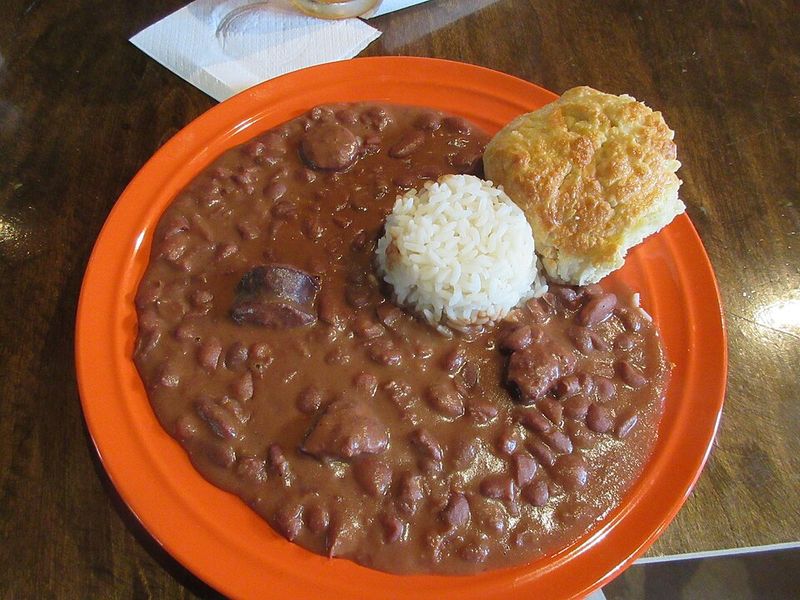
Walk into almost any New Orleans restaurant on a Monday and you will find red beans and rice featured somewhere on the menu, often as a special that disappears fast. The tradition that started in home kitchens centuries ago has never left the professional ones.
Restaurants across the city take the Monday tradition seriously. From neighborhood spots tucked between shotgun houses to well-known institutions along Magazine Street, the dish appears with regularity and pride every single week.
Some restaurants offer it as a side. Others serve it as a full entree with cornbread and a side salad.
A few places have built their entire Monday reputation around how good their pot is.
What makes this interesting is that red beans and rice is one of the rare dishes that holds equal prestige in both casual home cooking and restaurant settings.
It is not considered a lesser meal because of its humble origins. Quite the opposite.
In New Orleans, a restaurant that makes a great pot of red beans earns serious community respect.
The dish is a benchmark, a test of whether a kitchen truly understands Louisiana flavors from the ground up. Getting it right matters deeply to the people who eat it every week.
Why This Tradition Is More Alive Than Ever Today
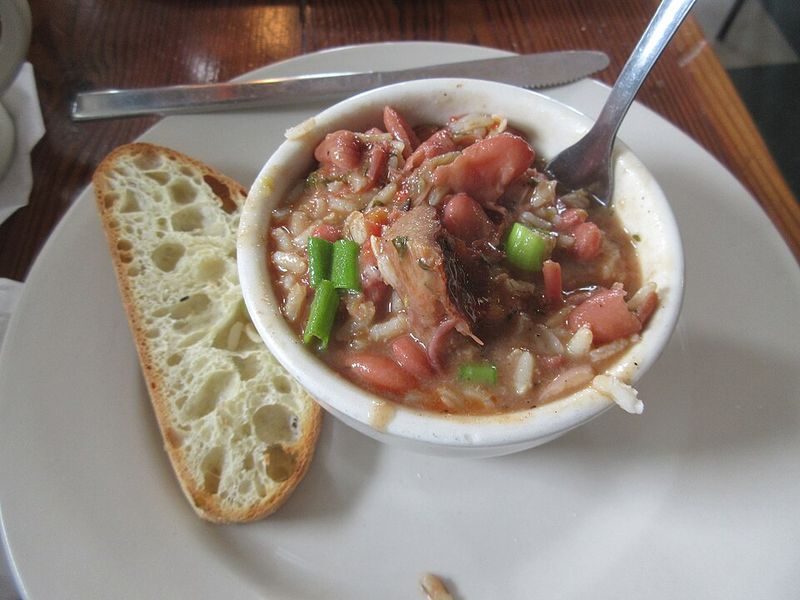
In a world that moves faster every single year, the Monday red beans and rice tradition in Louisiana has not faded. If anything, it has grown stronger as people search for rituals that feel grounding and real.
Social media has given this tradition a new kind of visibility.
Home cooks across Louisiana share their Monday pots online every week, tagging photos with pride and sparking debates about the right way to prepare the dish.
Those conversations keep the culture alive in a digital space while the actual cooking continues in kitchens across the state.
The tradition is being discovered by people who did not grow up with it and adopted by those who want to feel connected to something with roots.
Food historians and cultural organizations in Louisiana have also made efforts to document and celebrate red beans and rice as a genuine piece of culinary heritage. It shows up in festivals, cooking classes, and community events throughout the year.
The dish remains affordable, satisfying, and deeply tied to a sense of place that Louisiana people carry with them wherever they go. Some traditions survive because people feel obligated to maintain them.
This one survives because every single bite reminds you exactly why it was worth saving. Do you have a Monday tradition that feels this good?