
This Louisiana Lake Is Becoming A Little Too Gator-Friendly
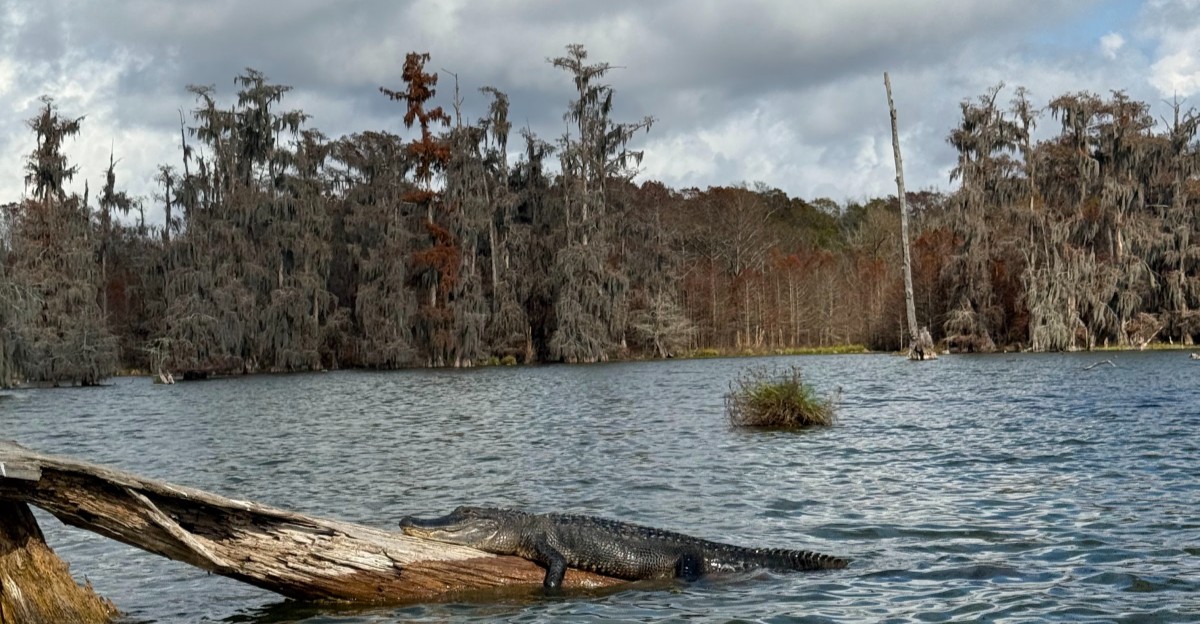
Every summer, a walking trail here closes so mother alligators can nest in peace. Humans simply step aside.
Clearly, the locals have teeth.
The gators aren’t the only ones claiming prime real estate. Thousands of wading birds raise their chicks in moss-draped cypress trees, right above the reptiles.
Herons, egrets, and pink roseate spoonbills make for some unusual upstairs neighbors.
I find this setup equal parts fascinating and nerve-racking. This corner of Louisiana feels like a nature documentary with questionable safety standards.
Alligators bask beside the road, sometimes with their mouths wide open. Talk about an intimidating smile.
How did this quiet swamp lake become such a gator hotspot? Let’s just say the locals aren’t exactly looking for new neighbors.
The Gators Have Clearly Read The Welcome Sign
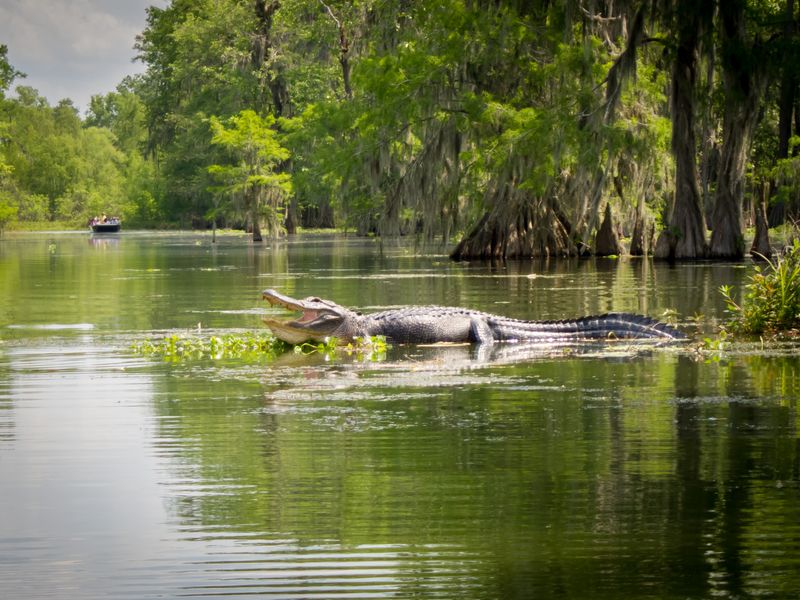
Alligators at Lake Martin don’t exactly hide. They bask along the banks and glide past cypress knees like they own the deed.
The lake sits in St. Martin Parish near Breaux Bridge, Louisiana. It’s known for one of the region’s healthiest populations of American alligators.
It’s also a major nesting area for them. That means you’re not just seeing a gator or two passing through.
You’re visiting a full-time home base.
Don’t panic if one lies there with its mouth wide open. That’s how gators cool off and control body temperature.
It isn’t a threat, just reptile air conditioning.
Still, respect the space. Louisiana wildlife officials recommend staying at least 50 feet away from alligators and keeping a safe distance from the water’s edge.
Keep kids close and pets leashed at all times. A great photo is never worth a closer step.
Your zoom lens exists for exactly this reason.
Please Don’t Turn A Wild Gator Into A Restaurant Regular
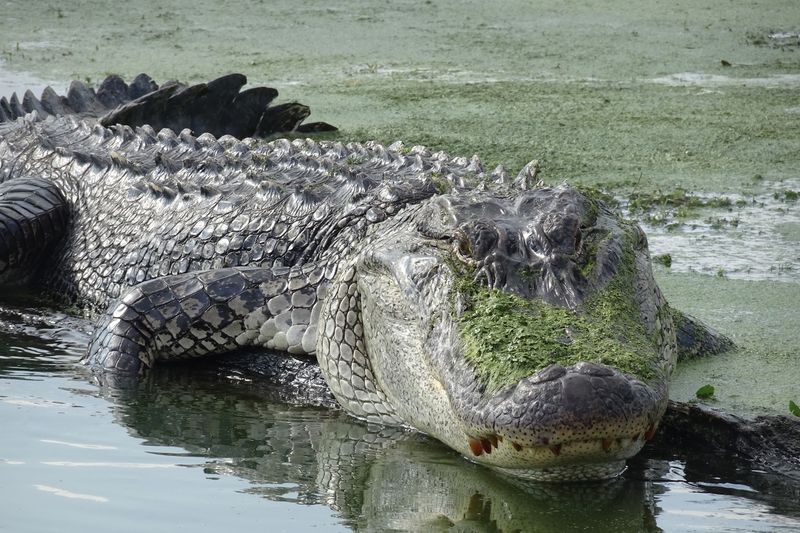
Feeding alligators in Louisiana is illegal. That rule isn’t there to spoil your fun.
It keeps both people and gators safe.
When gators get handouts, they start linking humans with food. A gator that expects snacks becomes bolder around people.
That’s the kind of gator-friendly nobody wants.
Lake Martin works because the animals stay wild. Their natural habits make the visit special.
A begging gator is basically a ruined gator.
So pack snacks for yourself and keep them in the car or your bag. Toss trash in proper bins, too.
Leftovers left on the bank send the wrong message to everything with teeth.
A few simple habits go a long way here. Keep your distance, stay alert near the water, and supervise children closely.
Dogs need short leashes, especially near the edge. To a gator, a curious pup splashing nearby looks very different than it does to you.
Follow these basics and you’ll enjoy a calm, respectful visit. The gators will keep doing gator things.
You’ll keep all your belongings, fingers included.
Look Up, Because The Birds Are Throwing A Massive Party
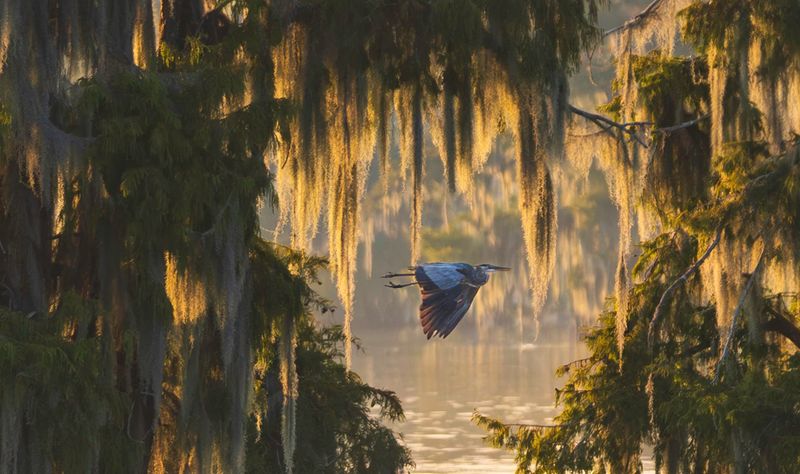
Thousands of wading birds nest just above the water, and the gators are part of the reason. Predators like raccoons tend to avoid trees surrounded by hungry reptiles.
Smart real estate, honestly.
The lake is one of Louisiana’s largest nesting colonies for water birds. The National Audubon Society lists it as an Important Bird Area.
More than 200 species have been recorded here. You might spot great egrets, herons, white ibis, anhingas, cormorants, and owls.
Roseate spoonbills steal the show with their bright pink feathers and spoon-shaped bills. They look like a flamingo designed by a kitchen drawer.
Spring and early summer bring the busiest nesting action. Treetops fill with noise, movement, and fluffy chicks waiting for meals.
Some species also live here year-round.
Bring binoculars if you have them. A camera with decent zoom helps too, since nests sit out over the water.
Be patient and scan slowly. A dull branch can suddenly reveal an anhinga drying its wings.
Birders consider this place a serious treat, and it’s easy to see why.
Once Upon A Time, This Lake Went Dry Every Summer
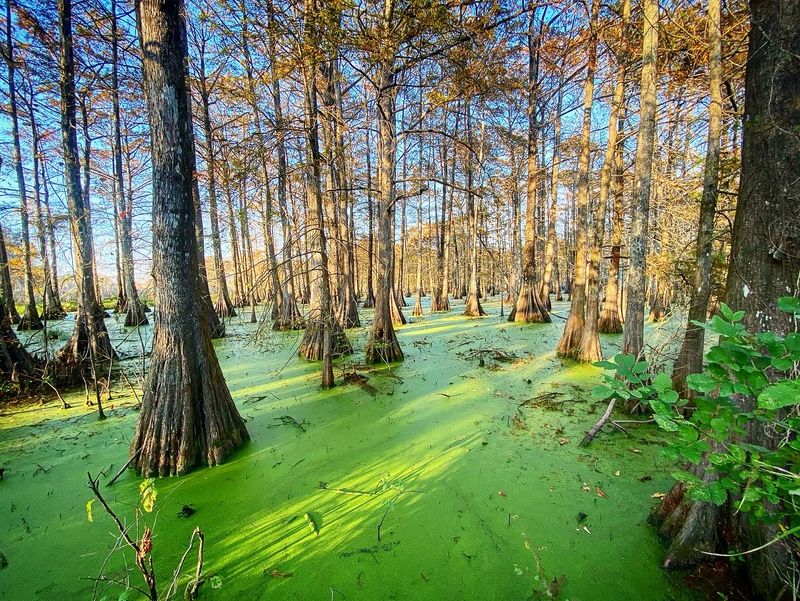
Long before the gator crowds, there was Lake la Pointe. It was a smaller natural lake inside a cypress-tupelo swamp, and it often dried up in summer.
Everything changed in the early 1950s. A five-mile levee went up around the swamp and forest to hold water all year.
That project created the bigger Lake Martin people know today. The impounded area became a fish and game preserve for public use.
Then nature added a twist. In the late 1980s, a large waterbird colony moved in and made itself at home.
All those birds, plus constant high water, created water quality problems. Too much of a good thing, in very feathery form.
In 2001, a water control structure was built to help. It allows yearly draw-downs in late fall after the nesting birds leave.
Lowering the water gives the swamp a reset. It’s a bit like airing out a house after a very long party.
That careful balance helps keep the lake healthy for birds, gators, and visitors alike.
A Conservation Group Keeps This Wild Place Running Smoothly
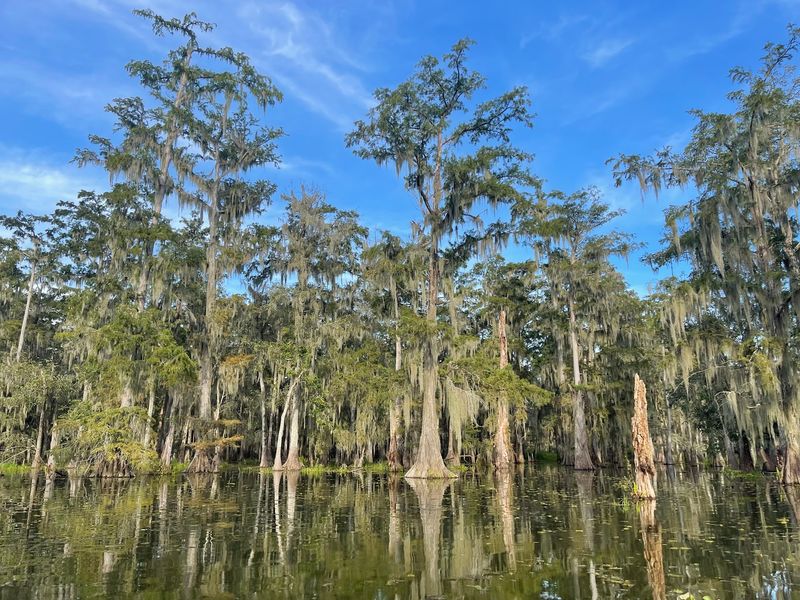
Lake Martin is the centerpiece of Cypress Island Preserve, managed by The Nature Conservancy. The preserve covers nearly 10,000 acres of cypress-tupelo swamp and bottomland hardwood forest.
That’s a lot of room for wildlife to roam. It’s also a big reason the gators and birds thrive here.
At the south end of the lake, you’ll find a small visitor center and a boardwalk. Its listed address is 1264 Prairie Highway, St. Martinville, LA 70582.
The visitor center is a good starting point for exploring the preserve. However, the boardwalk has experienced maintenance problems, so check its current accessibility before planning a walk.
Look for moss-hung cypress trees, still water, and plenty of small movement. Turtles, frogs, and lizards often hide in plain sight.
Coming from Lafayette is pretty simple. Head east on LA-94, also called Carmel Drive, then follow LA-353, known as Lake Martin Road.
Give yourself time to wander slowly. The best moments here usually come to people who stop talking for a minute.
Swamps reward quiet visitors.
Grab A Paddle And Glide Past The Locals
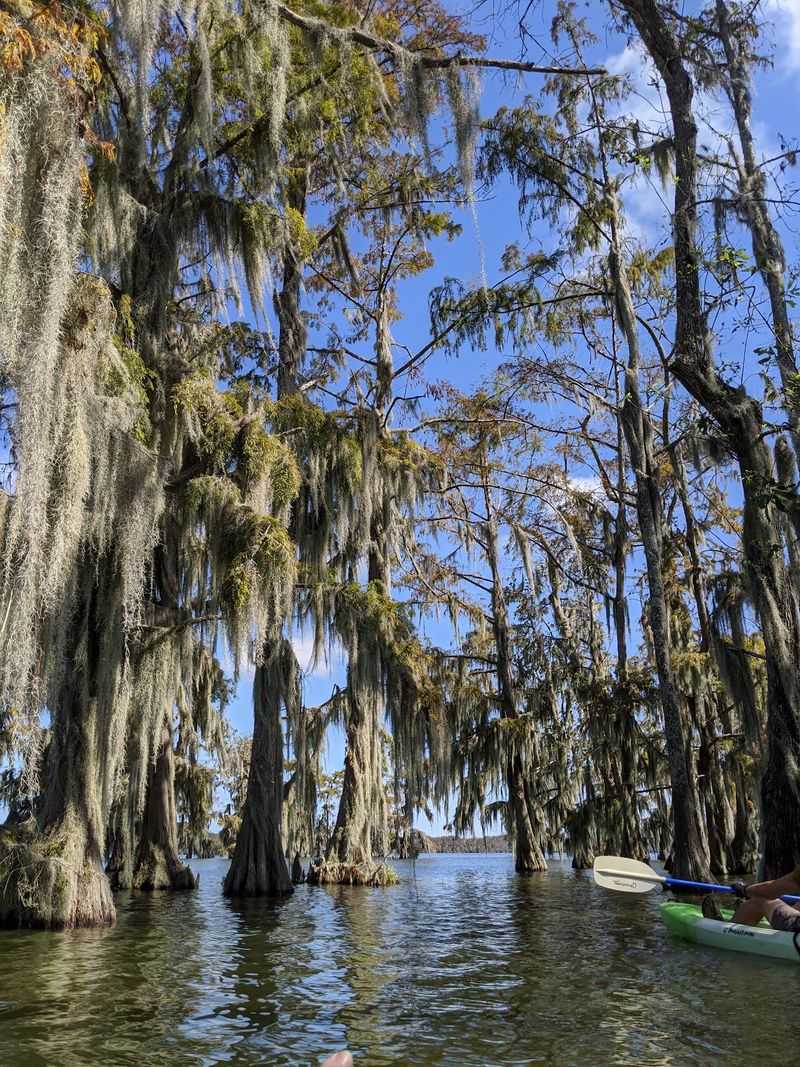
Calm, sheltered water makes Lake Martin a friendly pick for beginner paddlers. You won’t be fighting big waves or strong currents here.
Kayaking and canoeing are popular ways to explore Lake Martin, but seasonal restrictions apply. The preserve’s kayak launch closes from June through September, and boat entry into the southern bird rookery is prohibited from February through July.
Paddling lets you slip quietly between cypress trunks. Wildlife often stays relaxed when no motor hums nearby.
That said, remember who else is in the water. Give alligators plenty of room and never paddle toward one for a closer look.
Keep hands and feet inside your boat. Leaning over the side to grab a lily pad sounds sweet until you remember the neighbors.
Bring water, sun protection, and bug spray for the Louisiana heat. Shade from the trees helps, but open stretches can feel toasty.
Morning paddles are a smart choice. Cooler air makes the trip more comfortable, and wildlife tends to be active.
Pack a dry bag for your phone, too. Gators don’t return lost items.
Let A Swamp Guide Do The Spotting For You
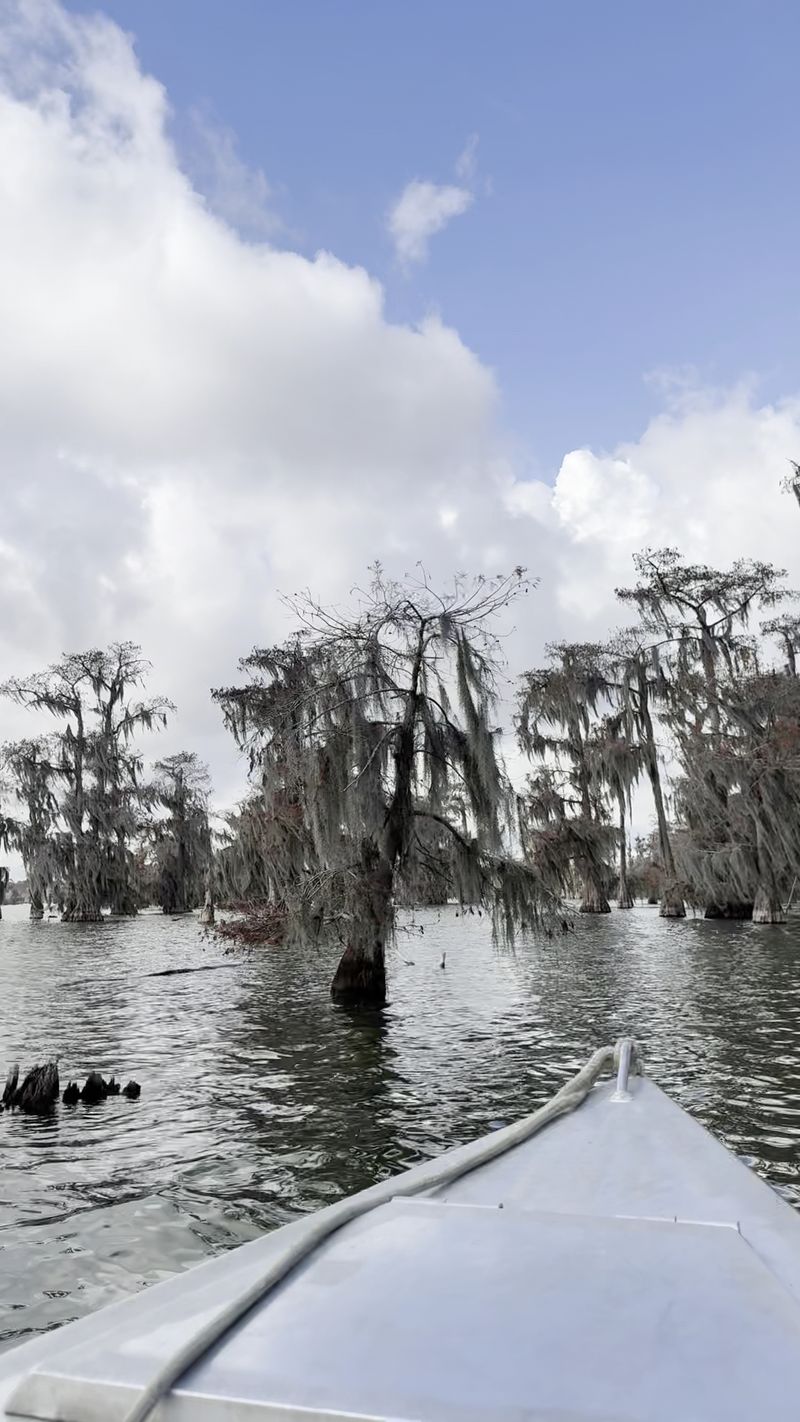
Guided swamp tours might be the easiest way to see Lake Martin at its wildest. Someone else steers, and you just keep your eyes open.
Several tour operators run trips on the lake. One example is Champagne’s Cajun Swamp Tours on Rookery Road in Breaux Bridge.
Guides know where the gators like to rest and where birds gather. They can also explain what you’re seeing in real time.
Tours are a great option for first-timers. If paddling past gators sounds like too much excitement, a boat with a pro feels calmer.
Families with kids often love this style of trip. Children get a close view of the swamp while staying seated and safe.
Ask questions along the way. Guides can share facts about nesting season, swamp plants, and the creatures hiding in the cypress roots.
Book ahead when you can, especially during busy seasons. Then bring a camera, a hat, and plenty of curiosity.
Your guide handles the swamp navigation.
Timing Your Levee Walk Matters More Than You Think
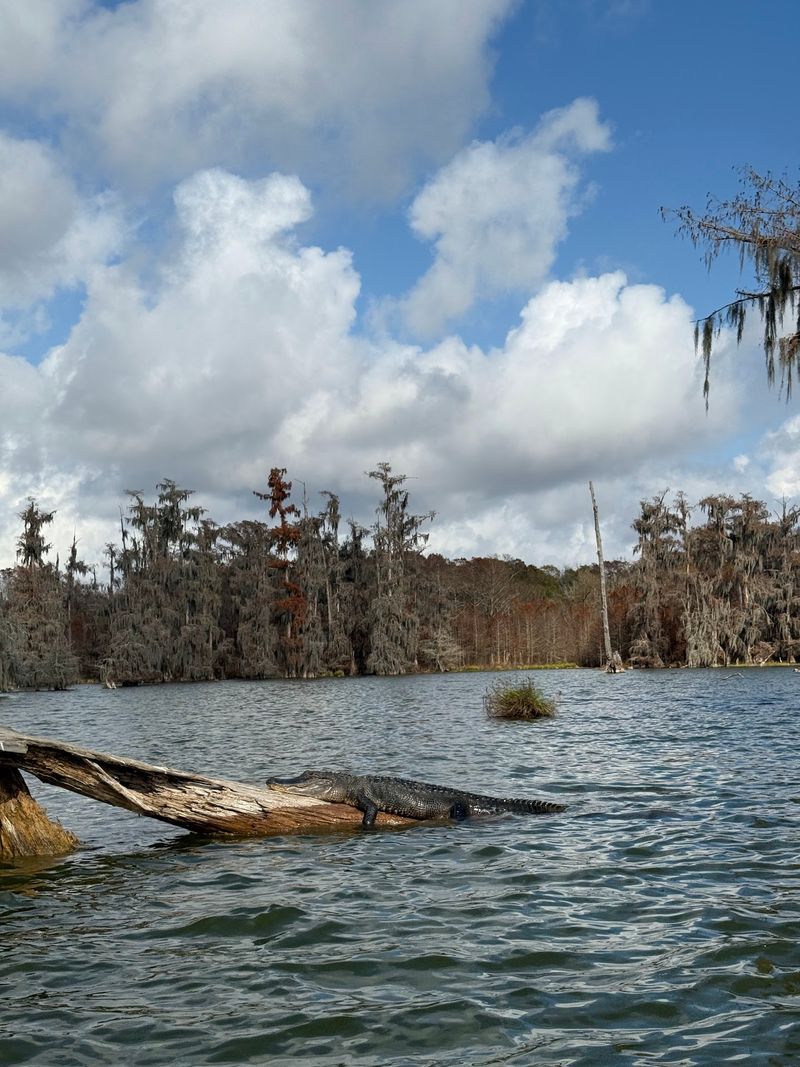
Mama gators get first dibs on the levee trail each summer. The 2.5-mile path usually stays open from fall to spring.
Once nesting season arrives, the trail closes. Female alligators build nests nearby, and they don’t welcome hikers wandering by.
That closure protects both people and gators. Honestly, it’s a rule everyone should be happy to follow.
Cooler months make the walk extra pleasant anyway. Milder temperatures let you enjoy long views across the swamp without melting.
Along the way, watch the water and the treeline. You might spot wading birds, turtles, or a gator soaking up winter sun.
Wear sturdy shoes and bring water. Stay on the trail and keep your distance from the edge if a gator appears.
Check the trail status before you go, especially near late spring. Seasons shift, and the gators set the schedule.
Plan around them and you’ll enjoy a peaceful, scenic stroll through classic Louisiana swamp country.