
This Lush Arizona Oasis Is A Hidden Paradise Fed By Natural Warm Springs
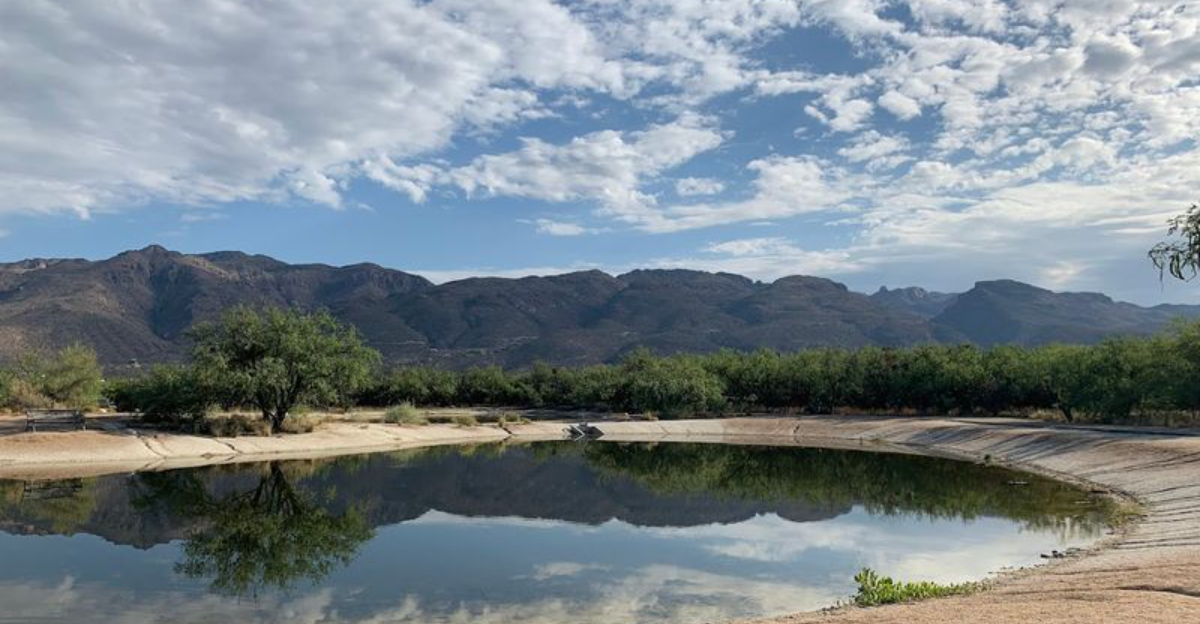
Picture yourself standing at the edge of a shimmering pond, surrounded by towering palm trees, while a great blue heron stands perfectly still just a few feet away. If you told me I’d be strolling through a tropical-feeling wetland while surrounded by cactus-covered hills, I would have laughed.
Yet, here I am, toes near the edge of a crystal-clear pond, listening to the chorus of frogs and birds.
This lush Arizona oasis is truly a hidden paradise, fed by natural springs that defy the harsh climate just a few miles away. I love coming here to escape the scorched pavement and trade it for the cool, humid air of the canopy.
Fed by a perennial warm spring that has drawn people here for over 5,500 years, this park feels like a world completely apart from the surrounding desert.
I visited on a bright winter morning and left with a full memory card, muddy shoes, and a serious urge to come back as soon as possible.
The Warm Spring That Started It All
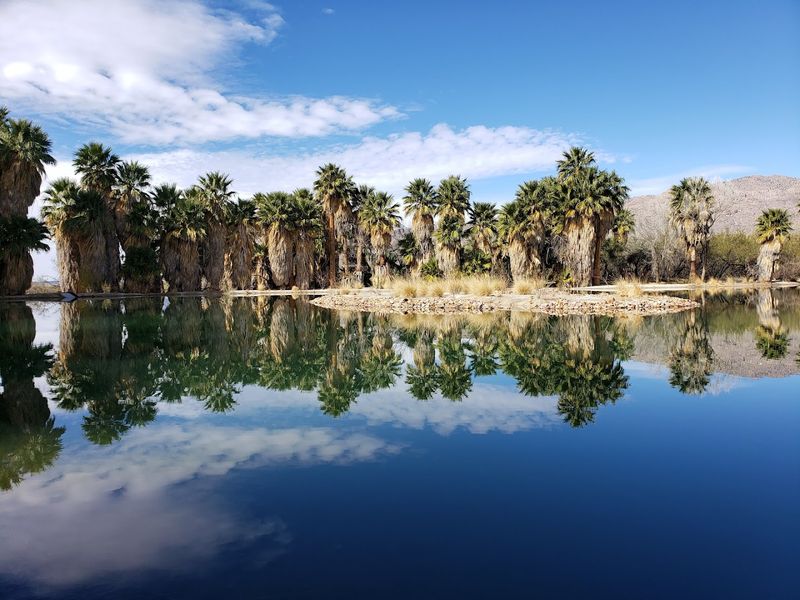
Long before anyone built trails or picnic tables here, a warm spring was quietly doing its thing in the Sonoran Desert, drawing wildlife, ancient peoples, and eventually curious travelers from miles around.
The spring at Agua Caliente Park, which translates to “hot water,” has been flowing without interruption for thousands of years. That consistency alone is remarkable in a landscape where water is the rarest and most precious thing around.
Back in the 1930s, workers attempted to increase the spring’s flow by blasting the rock nearby. The plan partially backfired when the warm spring merged with a cold underground spring.
The result was actually pretty interesting: a stable year-round temperature of 72 degrees Fahrenheit, which is comfortable enough to support a surprising variety of aquatic life even through the hottest Arizona summers.
Standing near the spring source on a cool morning, I could see small ripples spreading across the water’s surface. The warmth rising off the pond created a faint mist that caught the early light beautifully.
It is a quiet little reminder that the desert has been keeping its own secrets long before anyone thought to call this place a park.
A Living History Stretching Back 5,500 Years
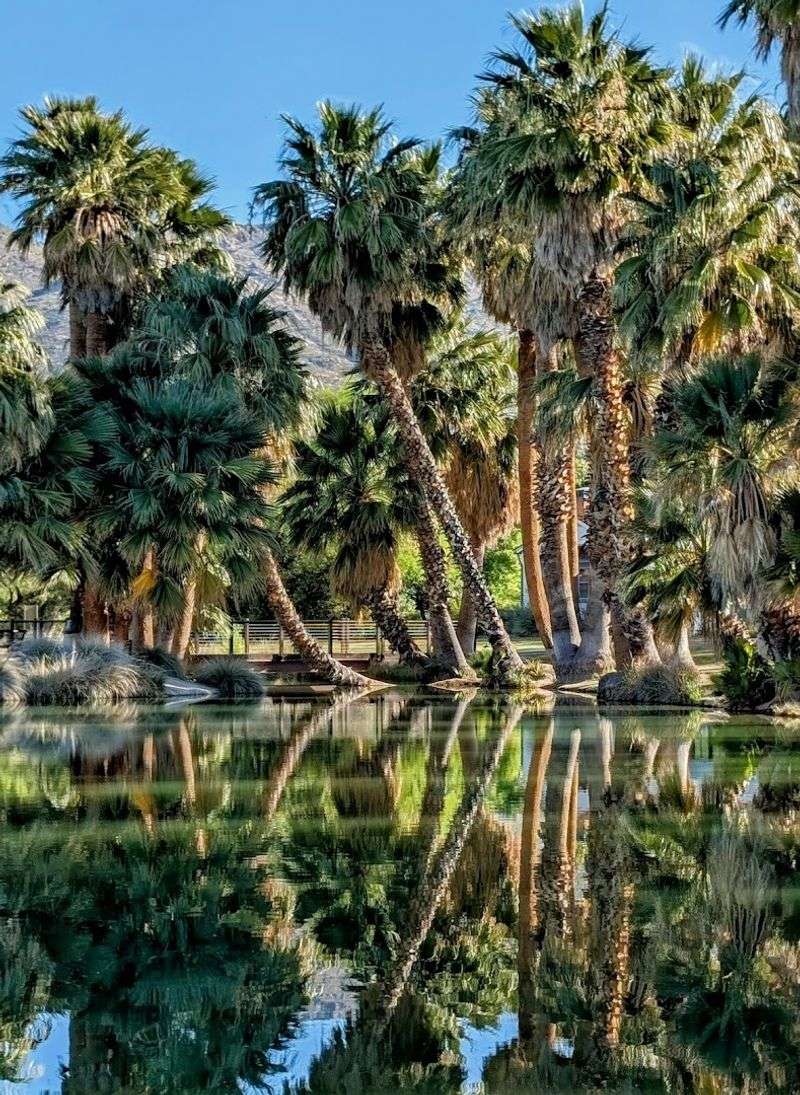
Most city parks do not come with a human history that stretches back nearly six millennia, but Agua Caliente is not most parks. Archaeological evidence shows that hunter-gatherers were using this water source around 3,500 BCE, long before recorded history in the American Southwest.
Later, a Hohokam village developed here, taking advantage of the reliable spring to support agriculture and daily life in an otherwise dry landscape.
By the late 1800s, the area had transformed into a ranch and health resort. Visitors came specifically because the warm spring water was believed to have healing properties, and the reputation of the place attracted people seeking relief from various ailments.
Whether the water was truly medicinal is debatable, but the peaceful setting probably helped plenty of people feel better regardless.
Pima County acquired the property in 1984, and the park opened to the public in 1985. The original ranch house still stands and now functions as a visitor center and art gallery, giving the whole experience a grounded sense of place.
That long timeline gives the park a rare kind of depth, where every palm, pond, and pathway feels connected to something much older than a simple afternoon outing.
Three Ponds Teeming With Wildlife
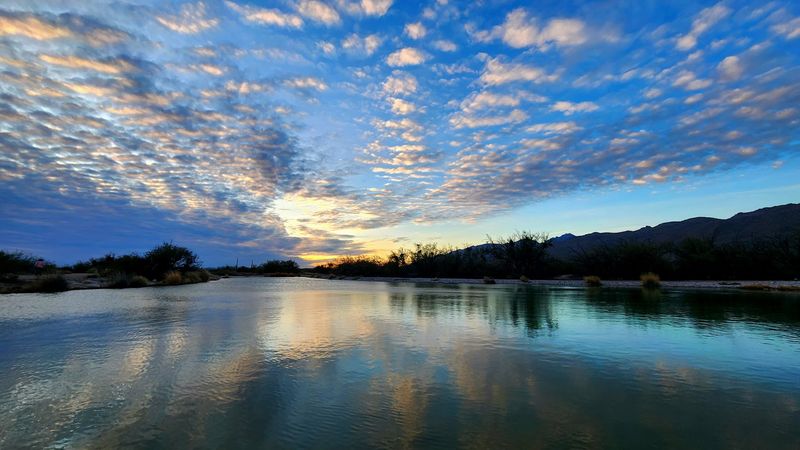
Three separate ponds sit within the park boundaries, each fed by the natural spring and supplemented during dry periods by a well on the property. The result is a year-round aquatic habitat that feels almost surreal when you consider how arid the surrounding desert is.
I walked the path between the ponds on my visit and counted more turtles than I could keep track of, all lined up on rocks and logs like they were auditioning for a nature documentary.
The birdwatching here is genuinely outstanding. Herons patrol the shorelines with their slow, deliberate strides, while warblers dart through the reeds and roadrunners cut across the paths without a care in the world.
Coyotes and javelina have also been spotted near the water, especially during the quieter early morning hours when human foot traffic is low.
If you bring binoculars, you will not regret it. The ponds attract migratory species as well, so the wildlife roster shifts with the seasons and keeps regular visitors coming back to see what is new.
The Towering Palm Trees And What They Meant To Travelers
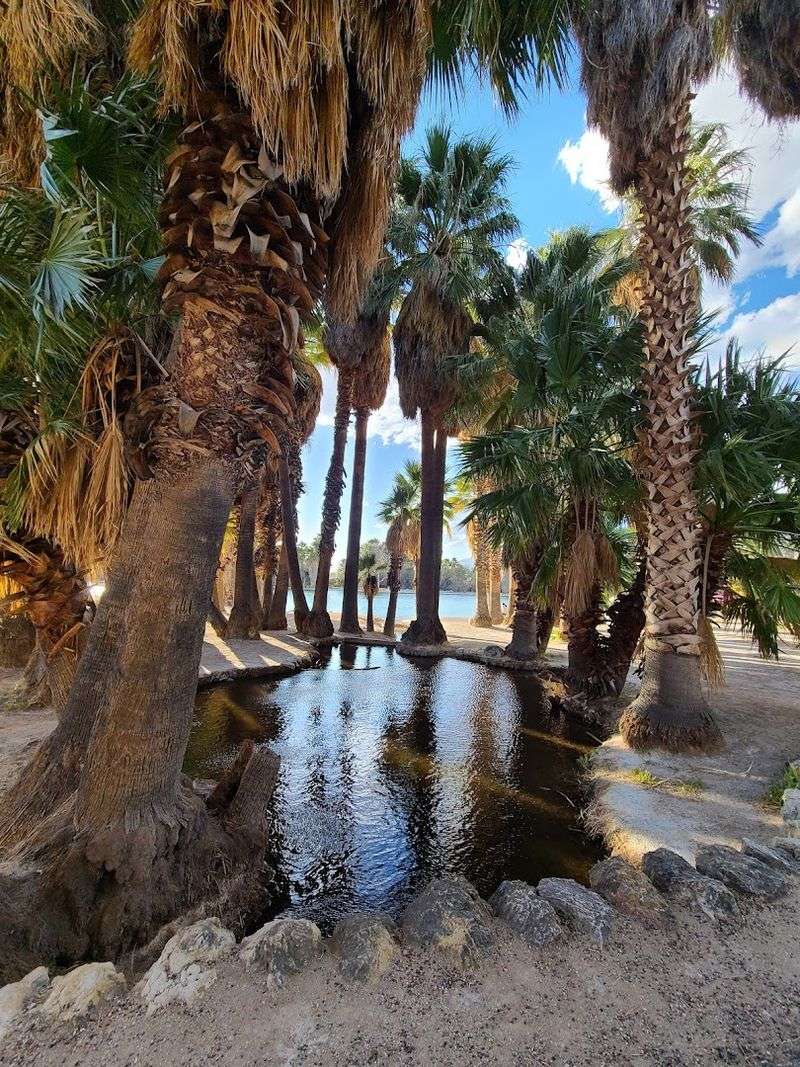
One of the first things you notice when approaching Agua Caliente Park is the cluster of tall palm trees that rise well above everything else in the surrounding landscape. They are visible from quite a distance, and that visibility was not accidental.
Historically, those palms served as a landmark for travelers crossing the desert, signaling from afar that water was nearby. In a region where finding a reliable source of water could mean survival, those trees were essentially a giant green flag waving in the desert heat.
Today the palms add a dramatic visual character to the park that feels unlike any other Tucson green space. Walking beneath them, you get a sense of scale that the desert rarely offers. The fronds rustle and click overhead, casting shifting shadows across the paths below.
I spent a good twenty minutes just sitting under one of the larger palms, watching birds move through the canopy above me. It is the kind of simple, unhurried pleasure that reminds you why places like this matter so much in a busy world.
Even now, those palms still do what they have always done best: announce that something rare and life-giving is waiting nearby.
Trails, Benches, And A Walk Worth Taking
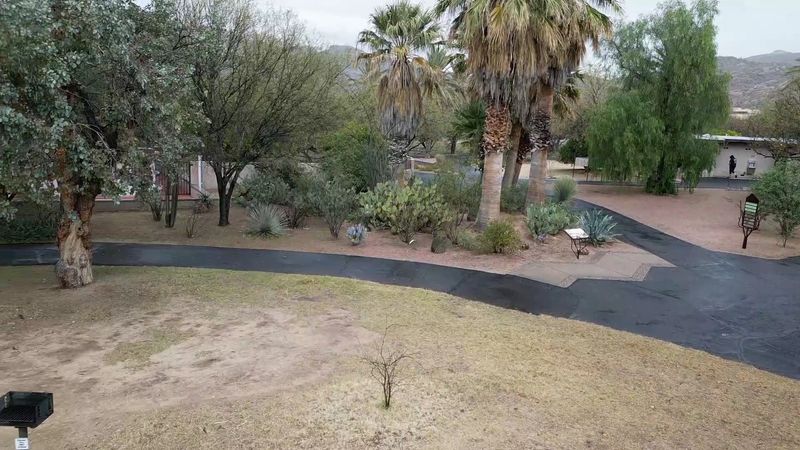
The park offers roughly two miles of trails, a mix of paved paths and natural dirt routes that wind through the different habitats within its 101 acres. For a park of this size, the variety of terrain is impressive.
You can move from a shaded riparian corridor thick with cottonwoods and willows to more open desert terrain within just a few minutes of walking. Benches are placed thoughtfully throughout, positioned near the ponds and at scenic overlooks where you might want to stop and take in the view.
Interpretive signs along the route explain the natural and human history of the area in clear, accessible language, so even first-time visitors leave knowing a lot more than when they arrived. The park underwent a significant restoration in 2020, and the improvements are obvious in the quality of the paths and facilities.
Families with young children will find the terrain manageable, and the paved sections make the park accessible to a wider range of visitors. A morning walk here sets a calm, restorative tone for the entire day.
The Historic Ranch House And Art Gallery
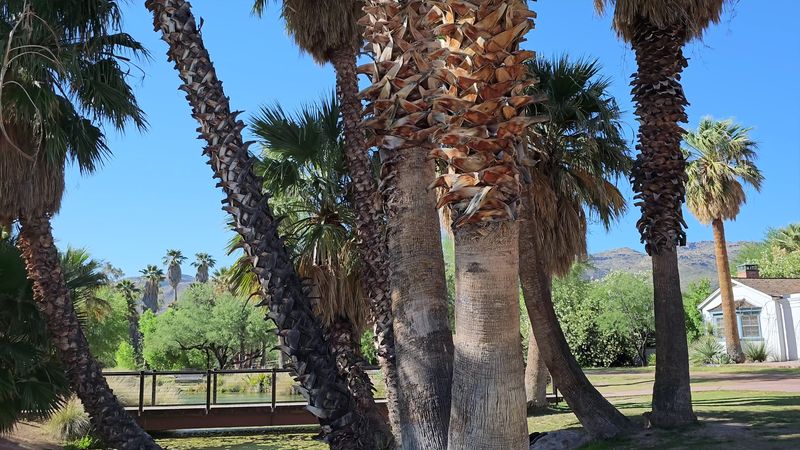
Not every regional park comes with a preserved piece of late 19th-century architecture at its center, but Agua Caliente does. The old ranch house that once served guests seeking the supposed healing benefits of the warm springs has been carefully maintained and repurposed as both a visitor center and an art gallery.
Stepping inside feels like crossing a threshold between the modern city and a much quieter chapter of Tucson’s past.
The gallery rotates exhibits and showcases work by local artists, giving the space a living, community-connected energy rather than a static museum feel.
Rangers and volunteers inside are knowledgeable and genuinely enthusiastic about the park’s history, and they are happy to point out highlights you might otherwise miss on the trails outside.
I picked up a small trail map at the front desk and got a friendly tip about the best spot to watch for herons near the largest pond. That kind of personal recommendation from someone who clearly loves the place made the whole visit feel more personal and memorable.
Planning Your Visit To This Tucson Treasure
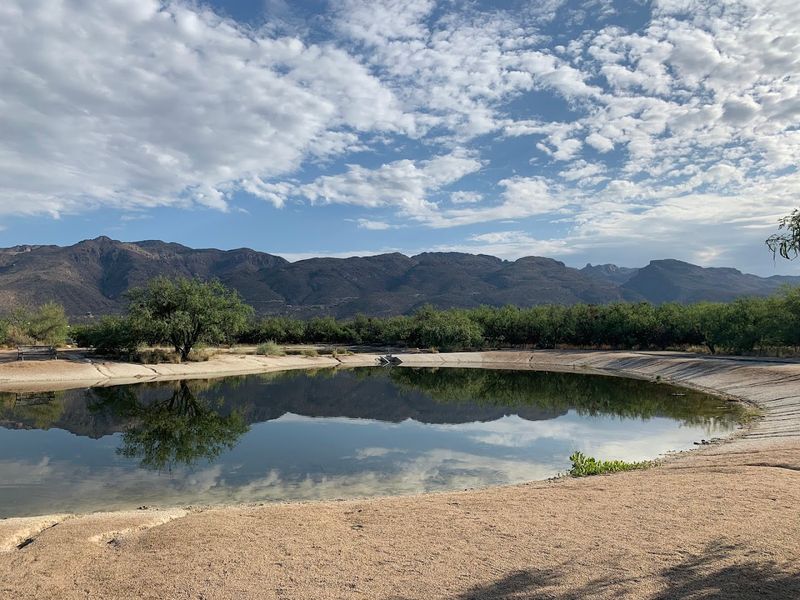
Roy P. Drachman-Agua Caliente Regional Park is located at 12325 East Roger Road in Tucson, Arizona, on the far east side of the city. Getting there is straightforward, and the park has a dedicated parking area.
Admission is free, which makes it one of the most accessible outdoor experiences in the entire Tucson metro area. The best time to visit is early morning, when the light is soft, the temperatures are comfortable, and the wildlife is most active near the ponds.
Winter and spring are particularly rewarding seasons because migratory birds pass through and the vegetation is at its most vibrant. Summer visits are still enjoyable if you arrive before 8 a.m., before the desert heat really takes hold.
Bring water, wear comfortable walking shoes, and consider packing a small pair of binoculars if birdwatching sounds appealing. The park is open year-round, and its combination of natural beauty, accessible trails, and rich history makes it a destination that rewards every single visit differently.