
This Lush Arizona Trail Hides A Historic Water Wheel And A Series Of Secret Waterfalls
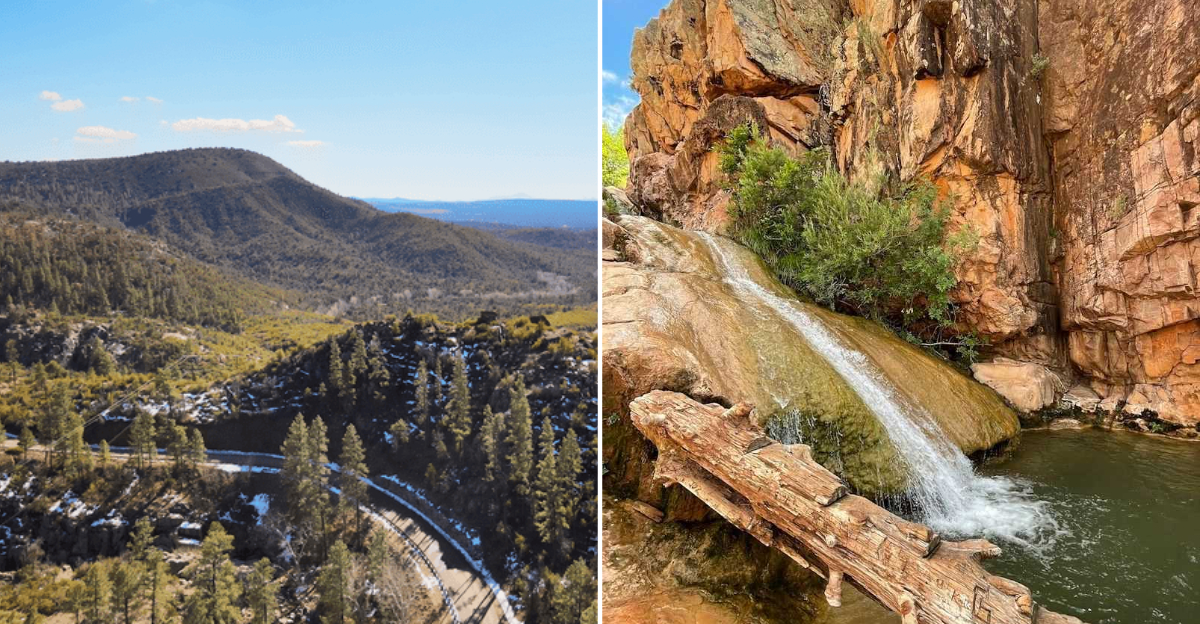
I still remember the first time I heard about a trail where you could find both a century-old water wheel and hidden waterfalls in the Arizona wilderness.
Hidden gem near Payson sounded too good to be true, but after making the drive north and tackling the rocky path along Ellison Creek, I discovered it was every bit as magical as promised.
The 1.6-mile round-trip hike packs in history, adventure, and natural beauty that’ll have you planning your next visit before you even make it back to your car.
The combination of mining heritage and pristine swimming holes makes this one of Arizona’s most rewarding short hikes, perfect for families looking for a bit of everything in one unforgettable afternoon.
By the time the old water wheel came into view, tucked into the trees like something from another era, the whole hike already felt like a story worth retelling. Then came the waterfalls, spilling into cool, clear pools that made the rocky trail and careful footing feel more than worth it.
It is the kind of place that surprises you twice, first with the history, then with the scenery. For a relatively short hike, it delivers a lot, and that rare mix is exactly why this Payson-area gem stays with you long after the day is over.
The Historic Water Wheel That Started It All
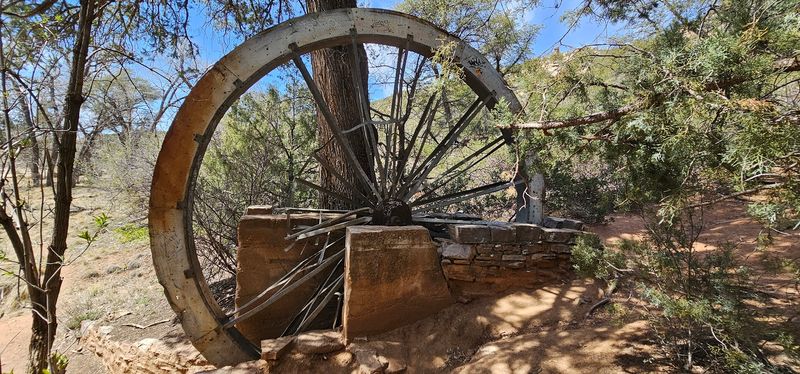
Standing near the trailhead, you’ll spot the massive wooden water wheel that James Greer built back in the early 1900s. This impressive piece of mining history wasn’t just for show.
Greer designed it as part of a clever system to crush and process gold ore he extracted from the surrounding hills.
The wheel still stands today, though time and the elements have taken their toll. Unfortunately, thoughtless visitors have covered parts of it with graffiti, which takes away from its authentic charm.
Despite this, seeing the engineering ingenuity up close makes you appreciate how determined those early miners were.
I spent a good ten minutes just examining the construction and imagining the sound of water rushing through it when it was fully operational. The wheel sits right near the campground entrance, making it an easy first stop before you head deeper into the canyon.
It’s a tangible connection to Arizona’s mining past that adds depth to what could otherwise be just another pretty hike.
It gives the trail an unexpected sense of character right from the start, setting a different tone than most waterfall hikes. Even before you reach the creek and shaded pools, this weathered landmark makes the whole outing feel rooted in a much older Arizona stor
Boulder Hopping Along Ellison Creek
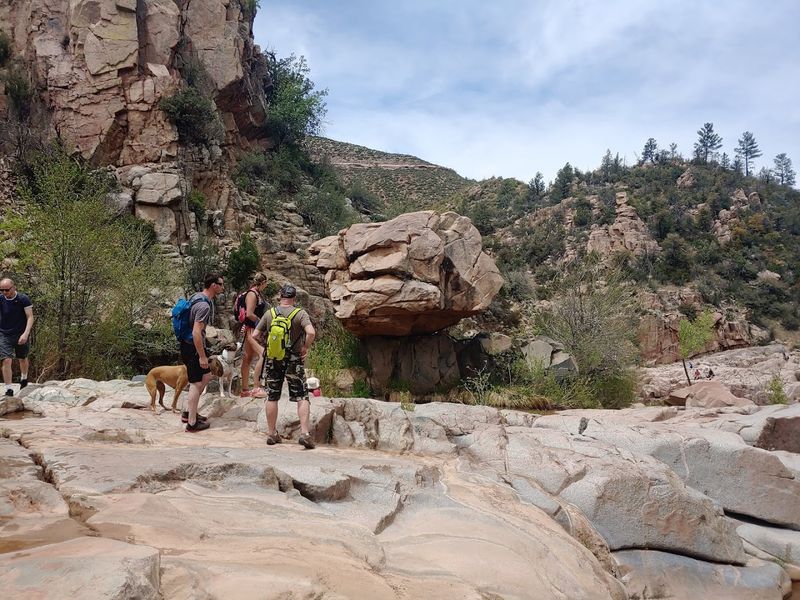
Once you leave the initial dirt path behind, the real adventure begins. The trail transforms into a playground of smooth, water-polished boulders that you’ll need to hop across and scramble over.
Some rocks can be surprisingly slippery, especially where algae has formed, so wearing shoes with good grip is absolutely essential.
I watched families with kids as young as eight navigate these sections with a little help from parents. The key at Water Wheel Falls is taking your time and choosing your footing carefully.
Creek crossings are inevitable, and honestly, getting your feet wet is part of the fun.
During my hike, I saw people of all ages making their way upstream, though a few folks in sandals were struggling more than necessary. The terrain definitely qualifies as moderately challenging, not because of distance but because of the constant need to watch where you step.
This section filters out casual strollers and rewards those willing to engage with the landscape, making each pool and cascade you reach feel genuinely earned.
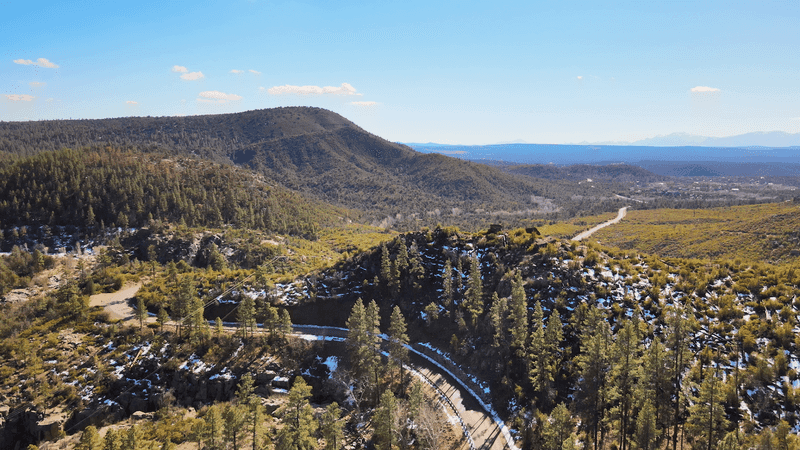
Tucked into the Tonto National Forest about 10 miles from Payson, this trail offers a refreshing escape where you can wade through cool creek water, scramble over smooth boulders, and discover cascading falls that feel like your own private oasis.
Multiple Swimming Holes And Mini Waterfalls
What surprised me most was discovering that Water Wheel Falls isn’t just one destination. Along the entire route, I counted at least a dozen smaller cascades and inviting pools where you could stop for a dip.
Some drops were only a few feet high, while others reached 10 to 12 feet, each with its own character.
The water stays refreshingly cold year-round, which feels absolutely perfect on a warm Arizona day. Several spots feature natural rock slides where the smooth stone and flowing water create impromptu fun for adventurous visitors.
I saw kids sliding down these natural chutes with huge grins on their faces.
Each swimming hole offers a different vibe. Some are tucked into shady grottos, while others sit in sun-drenched clearings perfect for spreading out a picnic.
The variety means you can choose your own adventure based on how far you want to hike and what kind of experience you’re seeking that particular day.
The Main Waterfall Spectacle
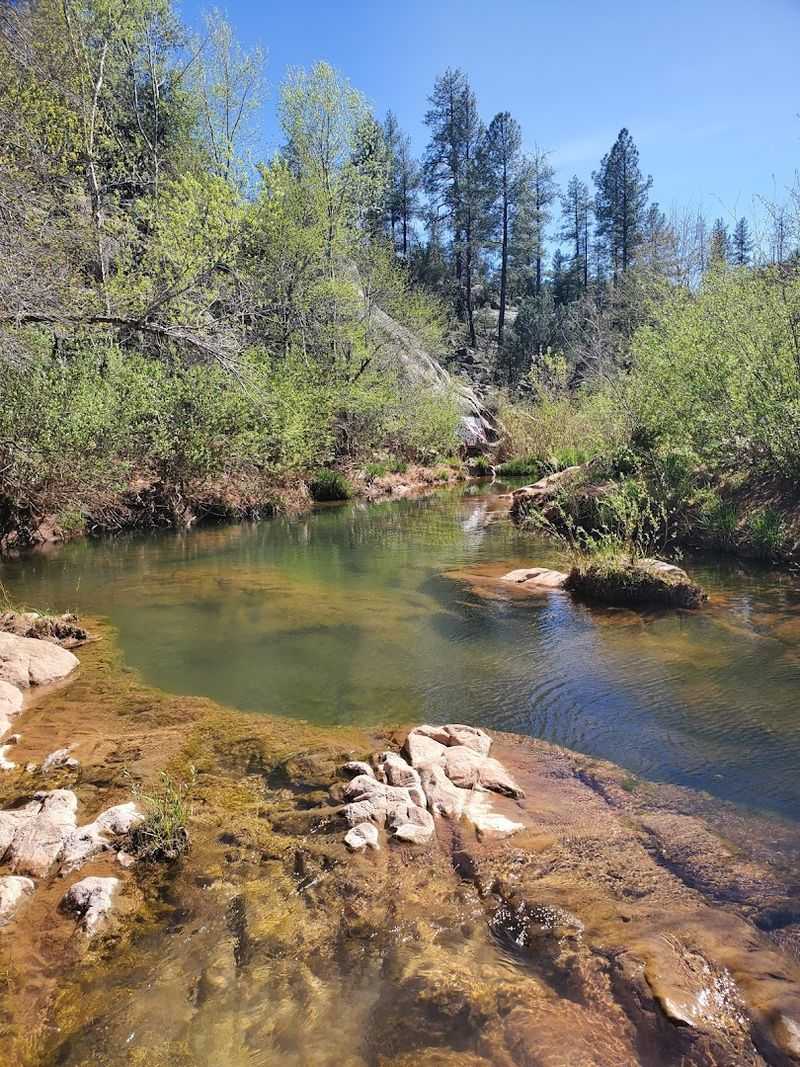
After working your way upstream through smaller cascades, you’ll finally reach the showstopper. The main Water Wheel Falls drops approximately 80 to 90 feet down a dramatic cliff face into a deep, emerald pool below.
Towering rock walls frame the scene, creating an amphitheater effect that makes the space feel almost sacred.
Getting to this final waterfall requires the most effort, including some sections where you might need to use a log ladder or carefully pick your way over larger obstacles.
When I finally arrived, I found several groups already there, some swimming in the frigid water while others simply sat on the rocks taking in the view.
The lush vegetation surrounding the falls creates a microclimate that feels completely different from the surrounding high desert. Ferns and moss cling to the wet rock faces, and the constant mist keeps everything green and alive.
I spent nearly an hour here, alternating between cooling off in the pool and warming up on sun-heated boulders while listening to the thundering water.
Trail Logistics And Parking Reality
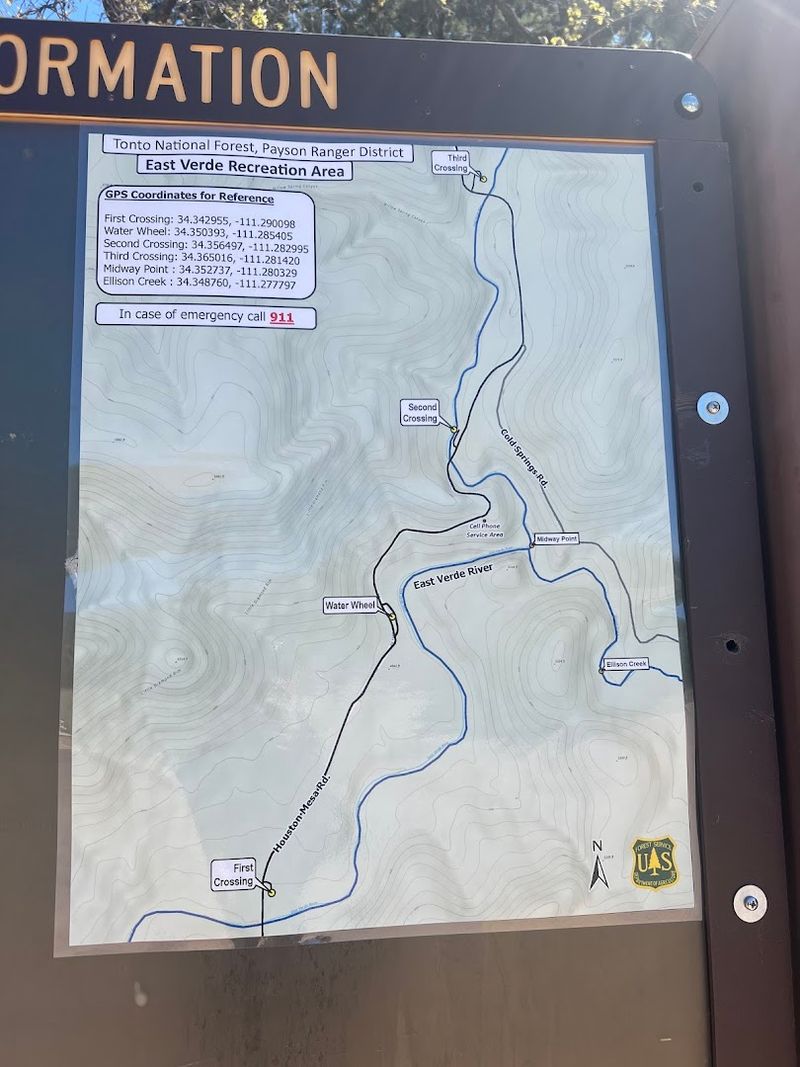
Getting to Water Wheel Falls requires some planning, especially regarding parking. The trailhead off Houston Mesa Road has only about 40 spaces, which fill up fast on weekends and throughout the summer months.
I learned the hard way that arriving after 9 a.m. on a Saturday basically guarantees a frustrating search for parking.
You’ll need to pay a day-use fee of $8 to $10, and there’s a kiosk with portable restrooms a bit before the actual trailhead where you can grab your pass.
The pass situation seems somewhat inconsistently enforced, but it’s better to have one than risk a ticket. Cell service is pretty much nonexistent once you’re in the area, so download directions beforehand.
The drive from Payson takes about 15 to 20 minutes, and the road is generally accessible to regular vehicles.
I recommend treating this as a half-day adventure, arriving early to secure parking and beat both the crowds and the afternoon heat that can make the exposed sections less enjoyable.
Flash Flood Awareness And Safety
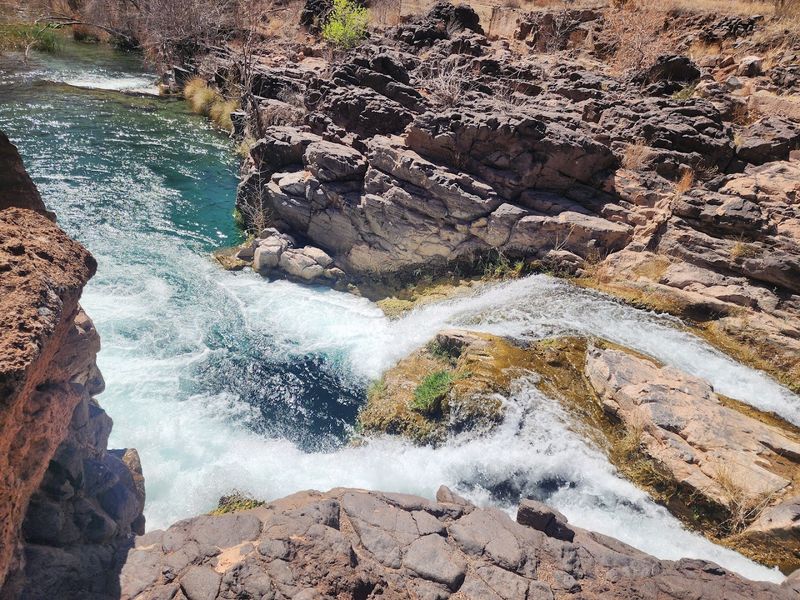
One aspect of this hike that deserves serious attention is the flash flood danger, particularly during Arizona’s summer monsoon season. The narrow canyon and multiple creek crossings mean that water levels can rise with frightening speed, even when the sky above you looks perfectly clear.
Storms miles upstream can send walls of water rushing down without warning.
Before my visit, I checked the weather forecast carefully and made sure no precipitation was expected anywhere in the watershed. Rangers and local hiking groups consistently emphasize that you should never attempt this trail if there’s any chance of rain in the region.
The consequences of being caught in a flash flood here could be severe.
I noticed that the creek bed showed obvious signs of much higher water levels during certain times of year. Debris caught in tree branches well above the current waterline told the story of past floods.
This isn’t meant to scare anyone away, but rather to encourage smart planning and respect for the power of moving water in desert environments.
Best Times To Visit And What To Bring
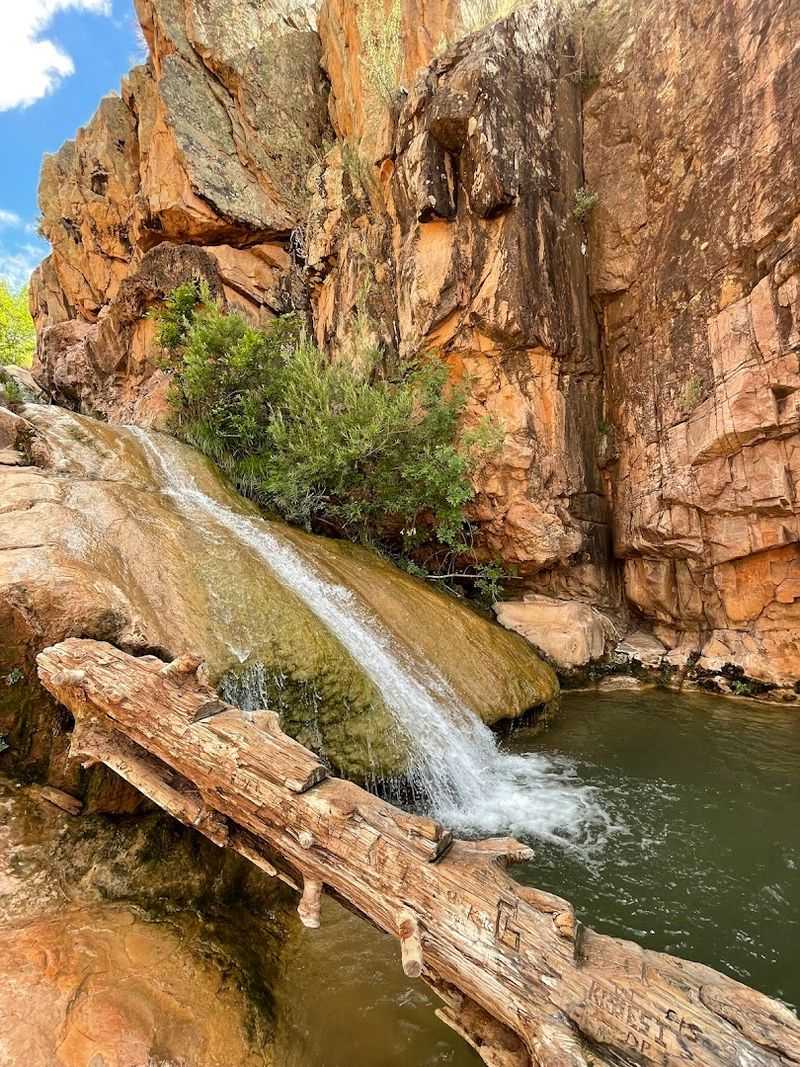
Timing your visit to Water Wheel Falls can make the difference between a magical experience and a frustrating one. Late fall through early spring offers the best combination of flowing water, comfortable temperatures, and fewer crowds.
During winter months, you might even see snow dusting the surrounding rocks, creating a completely different aesthetic while the falls still flow strong.
I’ve found that weekday visits provide a much more peaceful experience than weekends. Summer brings the most visitors, and the cold water becomes especially appealing, but parking becomes a competitive sport and the trail can feel congested at popular swimming spots.
Essential items include water shoes with good traction, plenty of drinking water, snacks, and a waterproof bag for your phone and valuables.
A swimsuit is basically mandatory unless you’re visiting in winter. I also packed a small first aid kit and wore quick-dry clothing that I didn’t mind getting soaked.
Sunscreen matters even on shady trails, and a hat helps during the exposed sections near the trailhead and parking area.