
This Maine City Has A Healthcare System Ranked Among America’s Finest
A giant lumberjack may grab the first glance, but the city’s healthcare story deserves even more attention. This Maine destination is widely associated with Stephen King and its towering Paul Bunyan statue, yet its medical network may be the most surprising part of the visit.
A major regional hospital provides trauma care and advanced specialty services for communities throughout the northern part of the state. Recent national recognition has also brought fresh attention to the quality of care available here.
The wider health system supports cancer treatment, cardiac services, and behavioral health programs, giving many residents access to important care closer to home. For a modest city far from New England’s largest medical centers, that level of reach makes a strong impression.
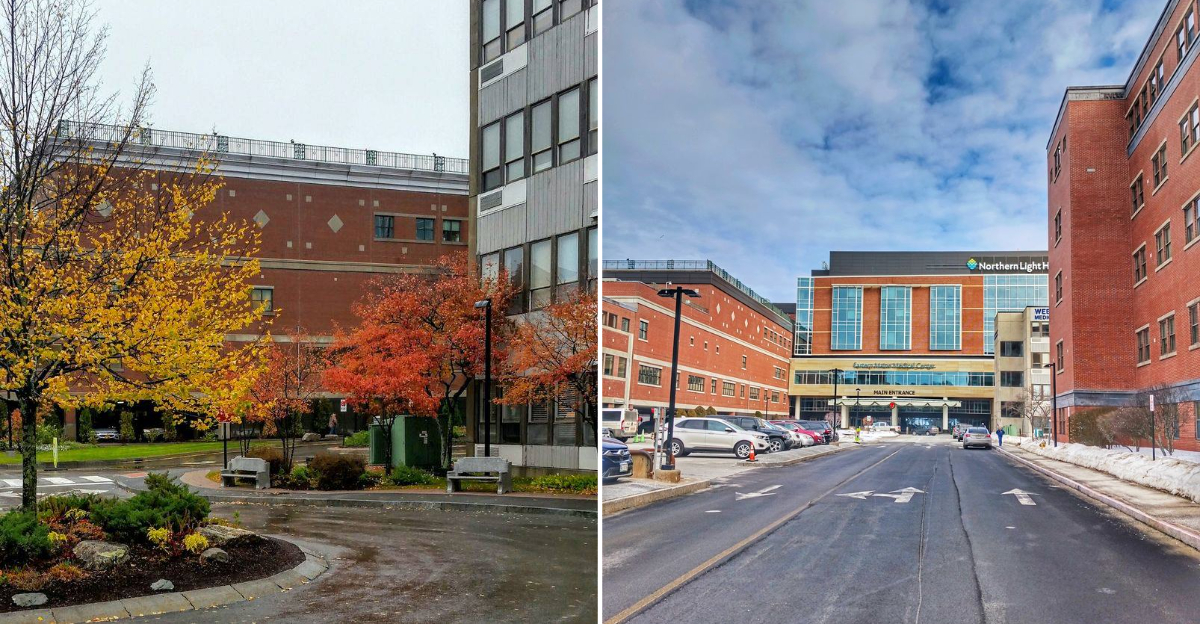
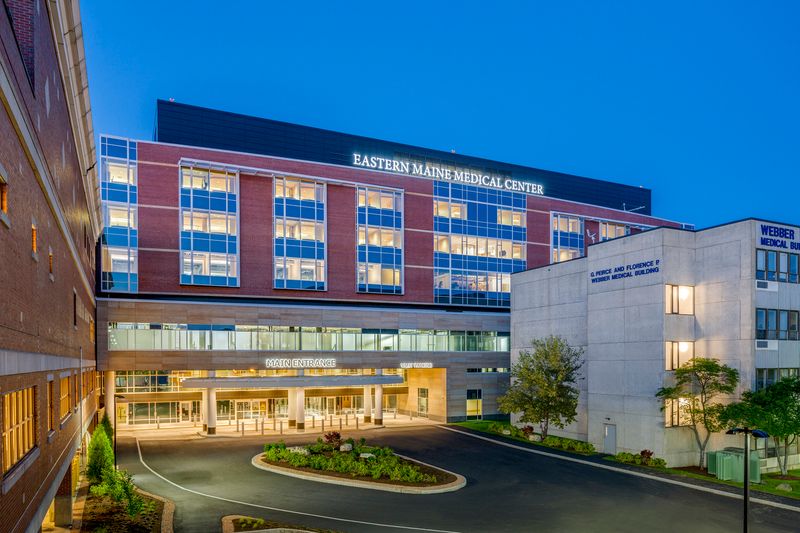
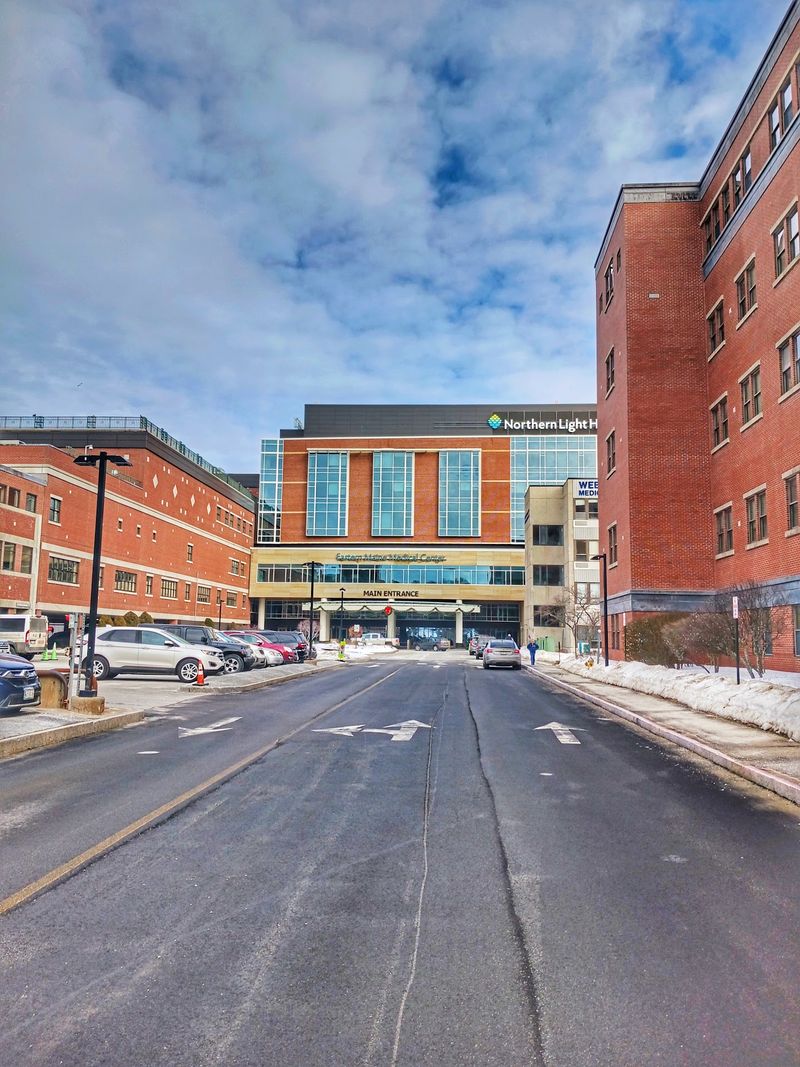
Northern Light Eastern Maine Medical Center

Northern Light Eastern Maine Medical Center earned a five-star overall rating from Forbes in 2026 and was named a U.S. News Best Regional Hospital for 2025–2026.
Located on State Street in Bangor, it is Northern Light Health’s largest tertiary-care and referral hospital, serving communities throughout central, eastern, and northern Maine.
The hospital is a Level II Trauma Center, which means it is equipped and staffed to handle serious injuries that smaller facilities simply cannot manage. That designation is not handed out freely.
It requires rigorous standards in surgical capability, specialist availability, and around-the-clock emergency readiness.
What makes this hospital particularly impressive is how it functions as a true regional anchor. For many communities in rural Maine, Northern Light Eastern Maine Medical Center is not just a convenient option.
It is the lifeline that connects people in remote areas to advanced medical care.
The hospital provides advanced cardiac, cancer, and orthopedic services that reduce the need for many patients to travel to larger cities for care. That combination makes the hospital an important regional resource for communities throughout northern and eastern Maine.
Maine’s Connected Health Network
Northern Light Health is an integrated healthcare system with hospitals, medical practices, behavioral health services, and other care locations throughout Maine.
It operates hospitals, clinics, and specialty care centers across Maine, creating a coordinated system that keeps patients connected to consistent, high-quality care regardless of where they live.
This kind of integrated network matters enormously in a state like Maine, where long distances and harsh winters can make healthcare access genuinely difficult.
Northern Light Health has worked to bridge those gaps through telehealth services, mobile health units, and coordinated referral systems that move patients smoothly between facilities when their needs escalate.
The network includes ten member hospitals, a medical group, primary-care locations, behavioral health services, and other healthcare organizations throughout Maine.
That connectivity reduces errors, speeds up diagnoses, and ensures that a patient seen in a small coastal clinic gets the same quality of information management as someone treated at the flagship Bangor campus.
Building that kind of statewide coherence takes decades of planning and investment, and Northern Light Health has done it in a way that genuinely serves Maine residents rather than just looking impressive on paper.
Cancer Treatment Closer To Home
Cancer treatment in a rural state might not sound like a recipe for cutting-edge medicine, but Bangor’s oncology programs have quietly become a point of genuine pride.
Northern Light Cancer Care provides radiation oncology, medical oncology, infusion services, and coordinated surgical care through its Bangor-based program.
The cancer care team in Bangor uses multidisciplinary tumor boards, where specialists from different fields review each patient’s case together and agree on the best treatment path.
That collaborative approach is standard at elite cancer centers in Boston and New York, and the fact that it happens routinely in Bangor speaks to the seriousness with which the system approaches oncology.
Patients dealing with cancer diagnoses already face enormous emotional and logistical challenges. Having to travel hours to a major city for every treatment appointment adds stress that can genuinely affect outcomes.
Bangor’s cancer care infrastructure means that Maine residents in the northern and eastern parts of the state can receive sophisticated, coordinated treatment close to their families and communities. That proximity is not a small comfort.
It is a meaningful part of the healing process, and Bangor has built something worth recognizing because of it.
Bangor’s Heart Care Hub

Heart disease remains the leading cause of death in the United States, and rapid access to cardiac care can limit complications during an emergency.
Bangor’s hospital system has made cardiology one of its strongest departments, offering everything from diagnostic imaging to interventional cardiology procedures that require precision and speed.
Northern Light Eastern Maine Medical Center performs cardiac catheterizations, stent placements, and other interventional procedures that open blocked arteries and restore blood flow quickly.
Having this capability in Bangor means that patients in central and northern Maine do not need to be transported to Portland or Boston during a cardiac emergency. That time savings is medically significant and can directly affect patient outcomes.
The cardiac rehabilitation program that follows these interventions is equally well developed. Patients recovering from heart procedures can participate in a structured cardiac rehabilitation program designed to rebuild strength and support long-term heart health.
Cardiac rehab is often underappreciated, but research consistently shows it improves long-term survival and quality of life.
Bangor’s commitment to both the acute intervention and the recovery process reflects a mature, patient-centered approach to heart health that not every mid-sized city can claim.
Behavioral Health Resources Filling A Critical Gap

Mental health and substance use treatment have historically been underfunded and underserved across rural America, but Bangor has pushed hard against that trend.
Northern Light Acadia Hospital is a dedicated psychiatric hospital in Bangor that serves adults, children, and adolescents from communities throughout Maine.
Acadia Hospital provides inpatient psychiatric care, outpatient counseling, addiction treatment services, and crisis stabilization programs. For a state that has faced real challenges with opioid use and rural mental health access, having a dedicated facility of this caliber in Bangor is not a luxury.
It is a necessity that serves thousands of Maine residents each year who have nowhere else to turn.
The hospital also runs community education programs and partners with schools, employers, and social service agencies to extend mental health support beyond its walls.
That outreach model recognizes that behavioral health cannot be addressed only when someone reaches a crisis point. Prevention, early intervention, and ongoing support matter just as much as acute care.
Bangor’s investment in behavioral health infrastructure positions the city as a genuinely forward-thinking healthcare community, one that understands wellness in a broad and inclusive way that goes well beyond treating physical symptoms alone.
Training Maine’s Future Caregivers
A great healthcare system does not just treat patients well today. It also builds the workforce that will care for patients tomorrow.
Bangor plays a meaningful role in medical education in Maine, serving as a training site for medical students, nursing students, and resident physicians affiliated with programs across New England.
The University of New England College of Osteopathic Medicine uses Eastern Maine Medical Center as one of its core clinical clerkship sites.
Working in a hospital that handles real patients across a wide range of conditions gives trainees experience that classroom settings cannot replicate.
Bangor’s patient population, which includes complex rural health cases and a broad mix of acute and chronic conditions, offers learners a genuinely rich educational environment.
Investing in medical education also helps address the physician shortage that affects much of rural Maine. Residents who train in a community sometimes choose to stay and practice there after completing their programs.
Bangor benefits from that pipeline in ways that strengthen its healthcare workforce over time. It is a long-term strategy, not a quick fix, and it reflects the kind of thoughtful planning that separates good healthcare systems from truly excellent ones.
Building the next generation of caregivers is one of Bangor’s most important contributions to Maine’s medical future.
Telehealth Expanding Access Across Remote Communities

Maine is a big state with a lot of empty space between towns, and getting to a doctor in person is not always simple for people living far from Bangor.
The healthcare system based in the city has responded to that reality by building out telehealth capabilities that extend its reach into communities that would otherwise have limited options.
Northern Light Health has invested in virtual care platforms that allow patients to connect with specialists, primary care physicians, and mental health counselors without leaving their homes.
For someone managing a chronic condition like diabetes or heart disease, regular check-ins via telehealth can catch problems early and reduce the need for emergency visits that are both stressful and expensive.
Telehealth has also proven valuable for post-surgical follow-ups, medication management, and behavioral health counseling, all areas where consistent contact between patient and provider makes a measurable difference.
Bangor’s healthcare system recognized the potential of virtual care before it became a mainstream conversation in American medicine, and that early investment has paid off in the form of stronger patient relationships and better health outcomes across a wide geographic area.
The city’s willingness to adapt and innovate is one of the clearest signs that its healthcare reputation is well earned.
A City Built For Better Health
The quality of a healthcare system is not measured only by the technology inside its hospitals. It is also reflected in how deeply that system engages with the community it serves.
Bangor’s healthcare organizations have made community health a genuine priority, running programs focused on prevention, chronic disease management, and health literacy across all age groups.
Free health screenings, community fitness initiatives, nutrition education programs, and partnerships with local schools and nonprofits are all part of how Bangor’s healthcare community works outside the clinic walls.
These efforts target the social and behavioral factors that influence health long before anyone needs a hospital bed, which is exactly where the smartest healthcare systems focus their energy.
Bangor also benefits from a civic culture that takes health seriously. The city has parks, trails, and recreational infrastructure that support active lifestyles, and the Bangor City Forest offers miles of walking and biking paths right inside the city limits.
Healthcare and community design working together like this creates conditions where people can genuinely thrive.
Bangor may not be one of New England’s largest cities, but its trauma care, specialty services, behavioral health resources, and recent hospital recognition make it one of Maine’s most important regional healthcare centers.