
This Maine Coastal Town Is Growing Fast, And Locals Aren’t Happy About It
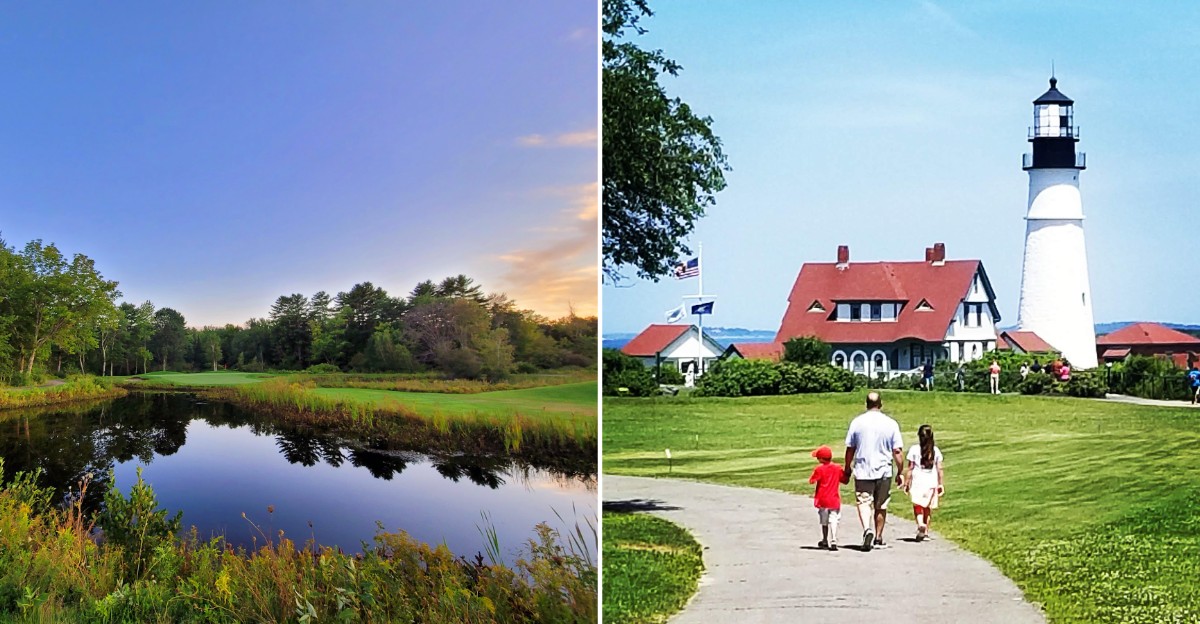
Picture a quiet coastal road at the end of the day, with the marsh glowing in the distance and beach sand still clinging to your shoes. Now add a line of brake lights.
That contrast says a lot about Scarborough, Maine, where the scenery still feels peaceful even as the town keeps getting busier.
More people are moving in, new neighborhoods are taking shape, and schools are trying to keep up. For longtime residents, all that change can feel exciting and frustrating at the same time.
Scarborough has become one of Maine’s faster-growing larger communities, and the debate over what comes next is getting harder to ignore.
So what is drawing so many people here, and why are locals starting to worry about the pace? The answers involve housing, traffic, beaches, and the marsh that gives the town so much of its character.
New Neighbors Keep Arriving
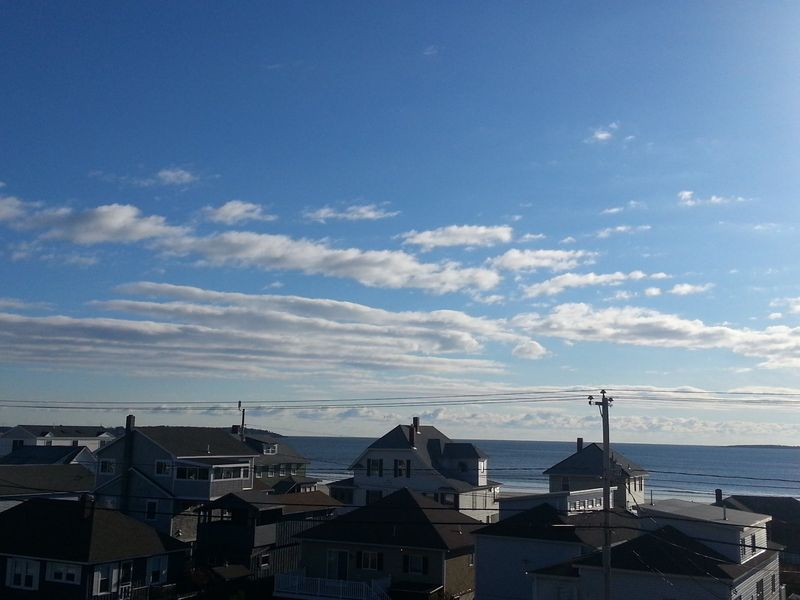
Ask anyone who grew up here, and they will tell you the town used to feel much smaller. Scarborough has grown steadily for decades, and its population has climbed past 22,000 people.
That makes it one of the larger towns in Maine, which says a lot in a state full of tiny villages.
Part of the pull is location. The town sits about seven miles south of Portland, so people can work in the city and come home to the coast.
Families, retirees, and remote workers have all found reasons to settle down.
Of course, every new neighbor needs a place to live, a road to drive on, and a store to shop in. Longtime residents have watched farm fields turn into subdivisions, and some feel the town is losing its old character.
Others welcome the fresh energy and new businesses.
If you are visiting, try to see both sides. Drive past the newer neighborhoods, then explore the older parts of town near Black Point Road.
You will quickly understand why people want to be here, and why some locals feel a little crowded. A town this popular was always going to draw a crowd.
Traffic That Tests Everyone’s Patience
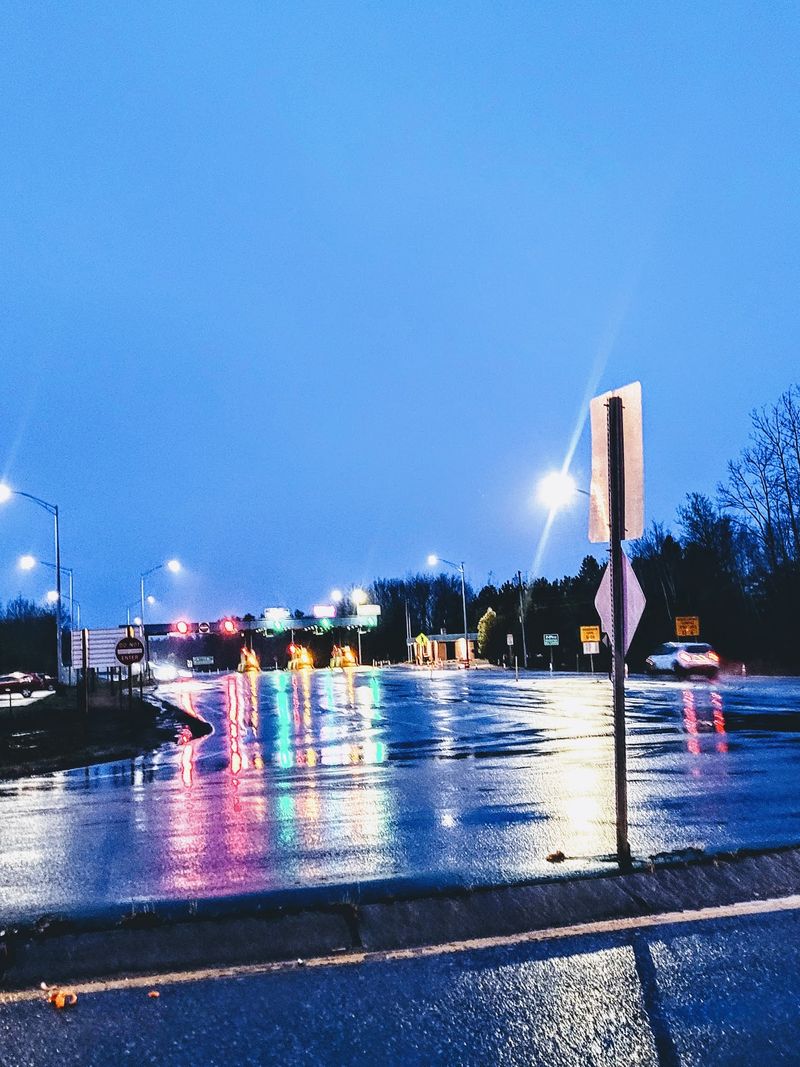
Route 1 at rush hour can feel like a slow parade with no marching band. As more homes and shops have opened, cars now crowd the main roads, especially near Payne Road and the shopping areas close to the Maine Mall in nearby South Portland.
Summer makes things even busier. Beachgoers from all over head toward Higgins Beach, Pine Point, and Scarborough Beach State Park, and the roads fill up fast.
For people who live here year-round, a quick trip for groceries can suddenly take twice as long.
Town leaders have studied road changes, roundabouts, and new traffic signals to keep things moving. Some projects help, but building roads takes time and money, and many residents feel the fixes are always one step behind the growth.
Here is a smart tip for visitors. Plan beach trips early in the morning, before 9 a.m., when parking spots are easier to grab and traffic is lighter.
Weekdays are also calmer than weekends. Packing snacks and water means fewer stops along busy stretches.
A little planning keeps your day sunny and your mood even sunnier, no matter how many brake lights you spot ahead.
Schools Feeling The Squeeze
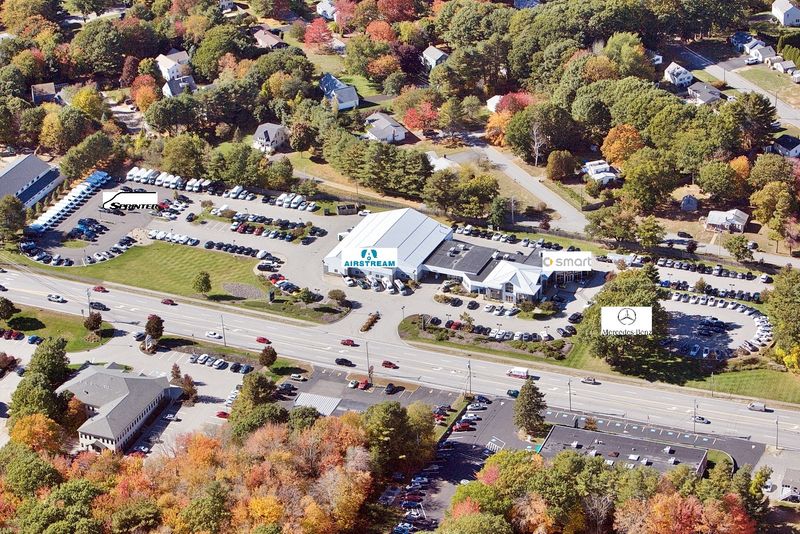
More families means more backpacks, and the local schools have felt it. Scarborough schools have a strong reputation, which is one big reason parents choose to move here.
That success brings a challenge, since classrooms can only hold so many desks.
Over the years, the town has debated building new schools and expanding older ones. These conversations can get heated at public meetings.
Some residents worry about higher property taxes to pay for buildings, while others say kids need modern spaces to learn well.
Scarborough families are working hard to protect what already works while making room for newcomers. Growth can be noisy, yet it also gives kids a chance to meet friends from many different places.
Every new seat in a classroom tells a story about a town on the move.
The Marsh Everyone Wants To Protect
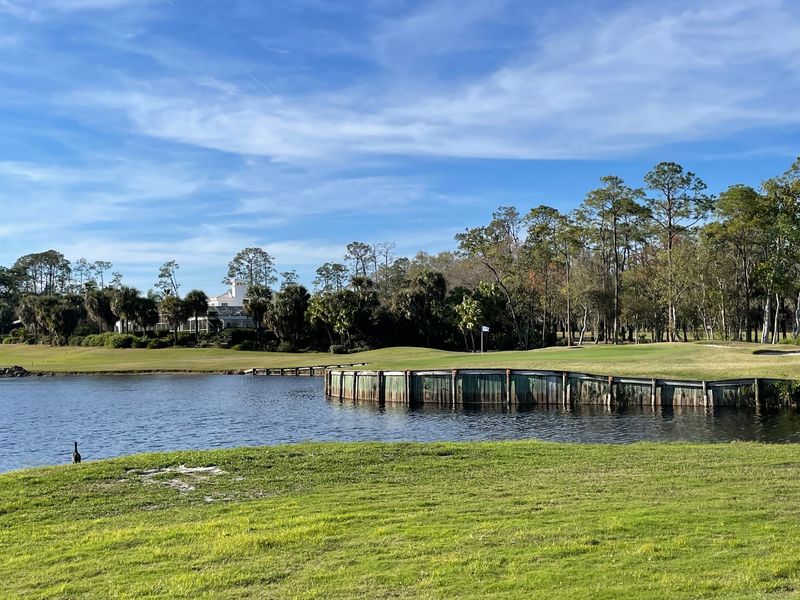
Herons stand like statues, and the grasses sway with every breeze. Scarborough Marsh covers more than 3,000 acres, making it the largest salt marsh in Maine.
It is home to wading birds, fish, crabs, and plenty of other wildlife.
Because the marsh is so special, residents get nervous when building creeps closer. Marshes soak up storm water, protect land from flooding, and give animals a safe place to live.
When too many roads and homes go up nearby, the natural balance can suffer.
Visitors can explore the marsh in friendly ways. The Eastern Trail runs along part of it, offering an easy, flat path for walking or biking.
In warmer months, the Scarborough Marsh Audubon Center, run by Maine Audubon, offers programs, and canoe or kayak trips on the Dunstan River let you paddle right through the grasses.
Bring binoculars and keep your voice low. You might spot snowy egrets, glossy ibis, or ospreys diving for fish.
Stay on trails and take your trash home. Protecting this place is something nearly everyone in town agrees on, which is pretty rare in a growth debate.
Nature here truly runs the show.
Beach Days Getting Crowded
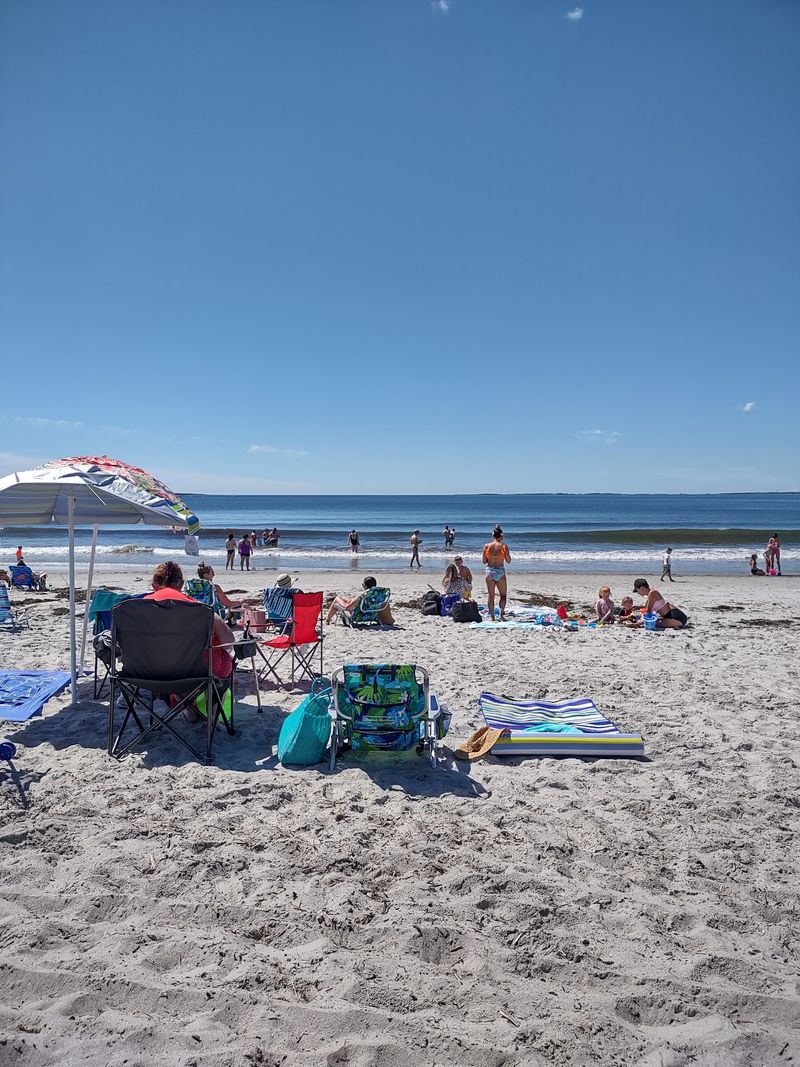
Sand between your toes, waves rolling in, and a cool ocean breeze sound perfect, right? Scarborough has several beaches, including Higgins Beach, Ferry Beach, Pine Point Beach, and Scarborough Beach State Park.
Each one has its own feel.
Higgins Beach draws surfers and has a famous shipwreck, the Howard W. Middleton, whose old ribs sometimes peek out of the sand at low tide.
Pine Point is long and wide, great for walking. Scarborough Beach State Park often has some of the warmer water along this part of the coast, though warm in Maine still means chilly.
As the town grows and tourism booms, beach parking has become a hot topic. Spots fill early on summer weekends, and some neighborhoods limit parking to keep streets clear.
Locals sometimes feel like their own beaches belong to everyone but them.
Visitors can help by following posted rules, paying for parking where required, and carrying out all trash. Piping plovers nest on some beaches, so watch for roped-off areas and give these tiny birds space.
Try a fall or spring visit for quieter sand. Shore enough, you will still find a spot to call your own.
Old Farms Fading Into Memory
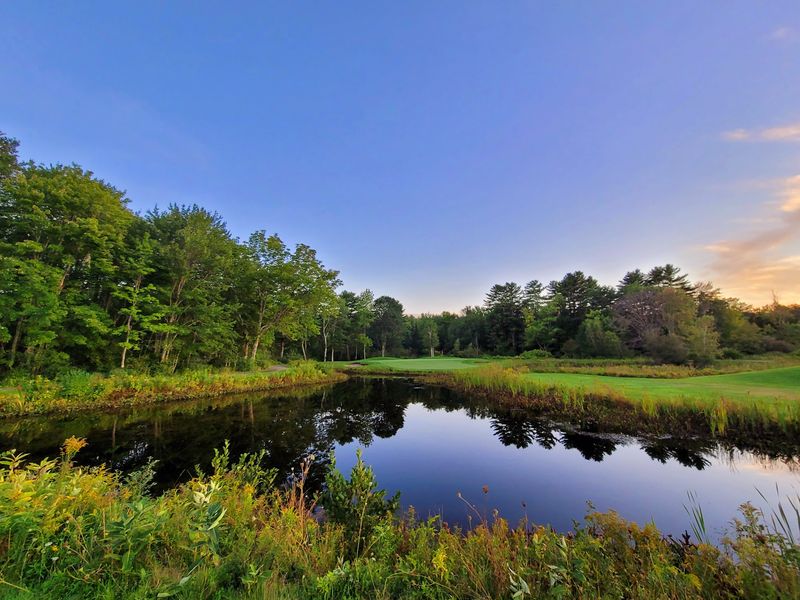
Long before shopping plazas, this land was known for farms, fishing, and quiet country roads. Scarborough was settled back in the 1600s, and for generations, families raised crops and animals on wide open fields.
Today, many of those fields have become neighborhoods. For older residents, driving past a new subdivision where a family farm once stood can feel bittersweet.
They remember buying corn at roadside stands and seeing cows graze near the road.
Some farms still remain, and the town has worked with groups like the Scarborough Land Trust to protect open spaces. The land trust cares for places such as Broadturn Farm, where visitors can learn about growing food and enjoy walking trails.
Saving land keeps a bit of the past alive.
History lovers should also look for older landmarks around town. Black Point and Prouts Neck carry stories from early settlers, and the painter Winslow Homer once worked from his studio at Prouts Neck, painting the crashing waves.
Learning this history helps you see why some locals feel protective. When so much changes so quickly, the old barns and stone walls become reminders of where the town began.
Those roots still matter deeply today.
Housing Costs On The Rise
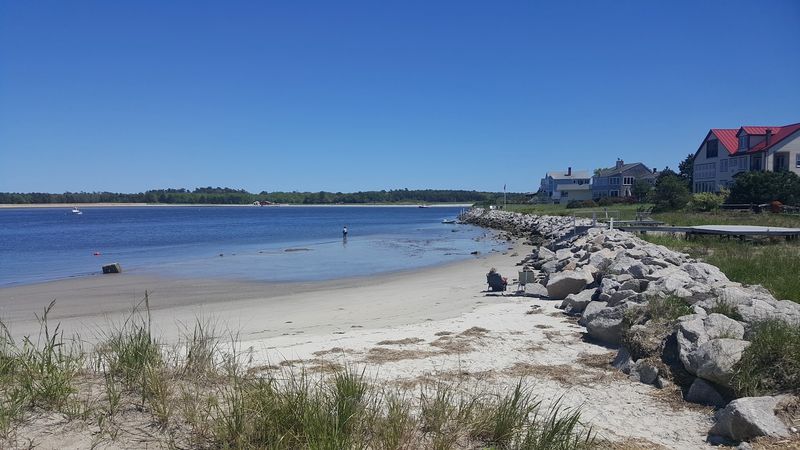
Money talk is never thrilling, but it matters a lot here. As more people want to live in Scarborough, home prices have climbed sharply.
When demand goes up and supply stays tight, prices tend to rise, and that is exactly what has happened.
This creates a tough situation. Young adults who grew up in town often struggle to buy a home nearby.
Teachers, nurses, and workers who keep the town running may need to live farther away and commute in, adding to traffic.
Property taxes are another worry. Higher property assessments can affect individual tax bills, especially when a home’s value rises faster than other properties in town.
Some longtime residents feel squeezed out of a place they have called home for decades.
Town leaders and community groups have discussed ways to add more affordable housing, such as smaller homes or apartments. Not everyone agrees on where these should go, and meetings can get lively.
If you are thinking about moving here someday, research carefully and talk with local real estate experts. Understanding the costs ahead of time helps you plan wisely.
A coastal address comes with a price tag that keeps many people thinking twice.
Finding Balance For The Future
Here is the good news hiding in all this debate: people care deeply about their town. Scarborough residents show up to meetings, share ideas, and vote on big decisions.
That kind of involvement keeps local government on its toes.
The town has a comprehensive plan that guides where new growth should happen and which areas should stay natural. Projects like The Downs, a large development on the old Scarborough Downs racetrack land, show how the town hopes to build a walkable center with homes, shops, and parks in one spot.
Not everyone loves every plan, and that is okay. Healthy disagreement helps communities think through problems carefully.
The goal is to welcome newcomers while protecting the marsh, beaches, and small-town feel that made the place special in the first place.
Visitors can be part of the solution too. Shop at local businesses, respect neighborhoods, and leave natural areas just as you found them.
With some care from everyone, this coastal town can keep its charm while growing up. Change is coming either way, so steering it thoughtfully makes all the difference.