
This Maine Craft Supply Shop Gives Fabric And Yarn A Second Life At Prices Worth The Drive
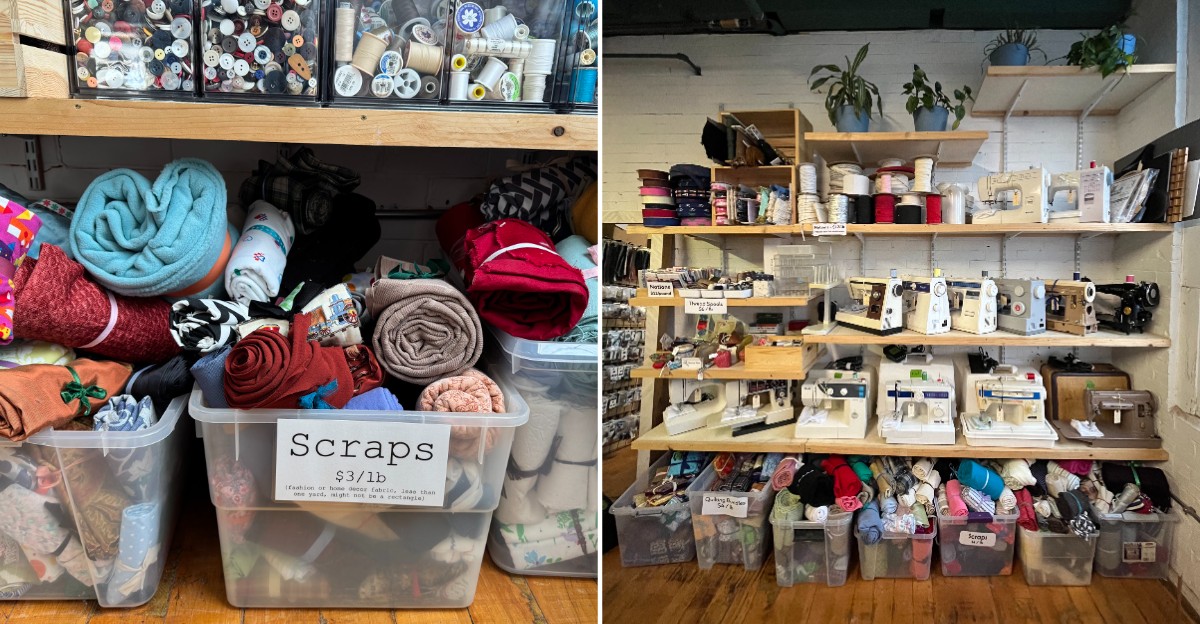
Only two displays in this entire craft shop hold new merchandise. Everything else, from fabric to yarn to sewing machines, has already lived one life somewhere else.
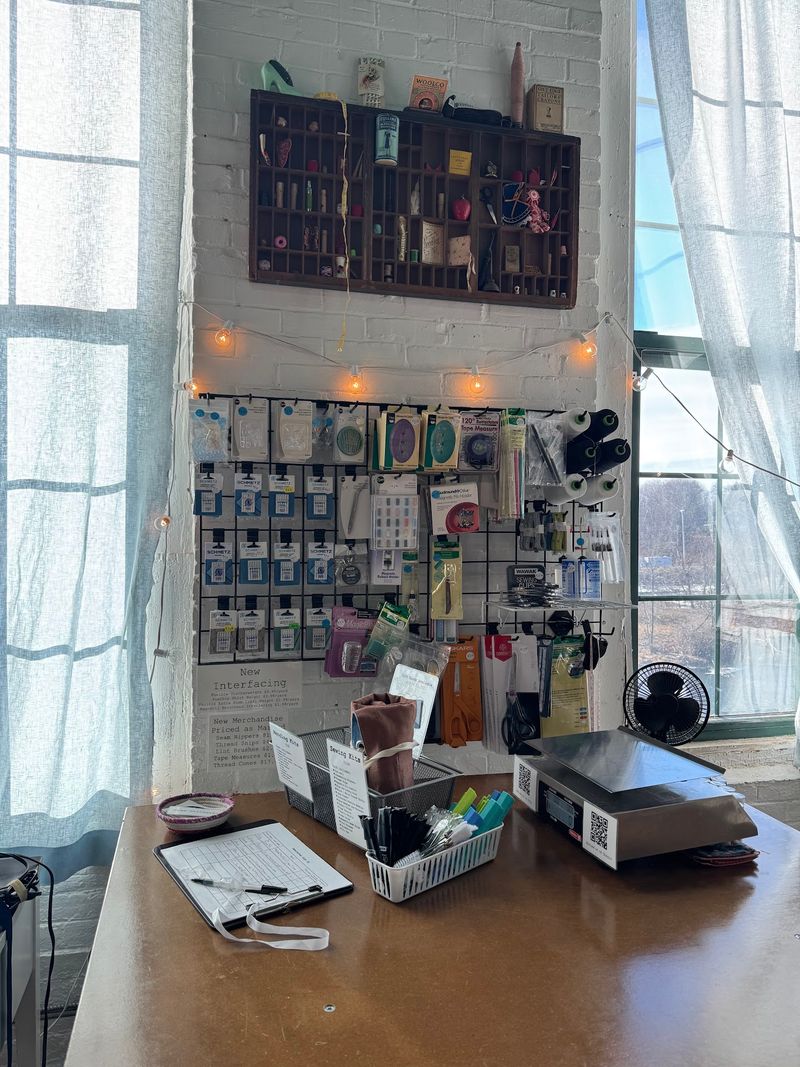
That one caught me by surprise. Scraps and loose buttons are even sold by weight, like a deli counter for quilters.
This Maine shop grew out of a nonprofit sewing school. When that school closed in 2024, the owner kept the supply store going on her own. Now it has doubled in size and added a real classroom.
I can’t help wondering how many forgotten fabric stashes have found new homes here. And honestly, how much yarn could one person carry out in a single trip?
Almost Everything On These Shelves Has A Backstory
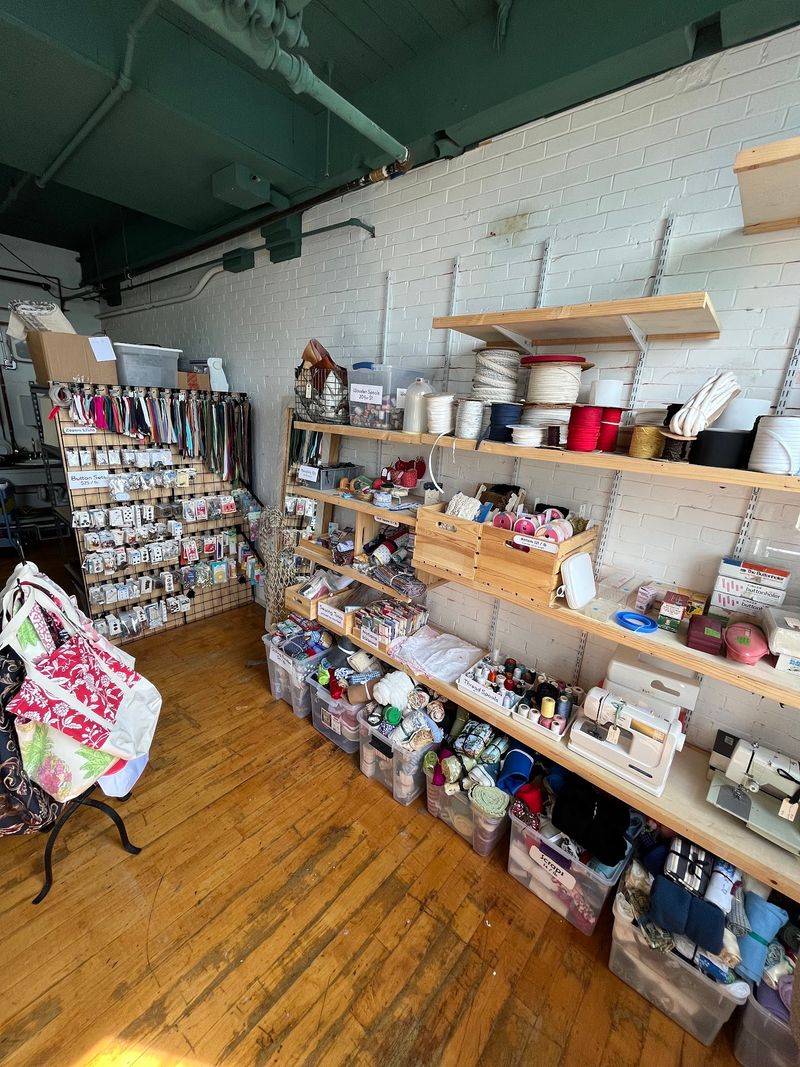
Past + Future Craft Exchange sells craft supplies that already had a first owner. Fabric, yarn, sewing machines, and tools all arrive as donations before getting a fresh start.
Only two displays in the whole store carry new merchandise. The rest is secondhand, which makes every shelf feel a bit like a treasure hunt.
The mission is simple and kind of brilliant. The shop wants to make crafting affordable, keep usable materials out of landfills, and shrink crafting’s environmental footprint.
That matters more than you might guess. Plenty of crafters buy supplies for a project, then never finish it.
Those leftovers often sit in closets for years before someone tosses them.
Here, that forgotten stash becomes someone else’s starting point. A quilter’s extra cotton could turn into a beginner’s first tote bag.
The selection includes notions like zippers, buttons, and bias tape too. You’ll also spot sewing patterns, craft books, batting, fiber fill, beads, cord, and sequins.
Vintage handmade linens and finished quilt items round things out. So you can shop for a project or simply admire someone else’s handiwork.
Either way, your new supplies come with a story. Brand-new fabric just can’t compete with that kind of charm.
Bring A Bag Because Scraps Get Sold By The Pound
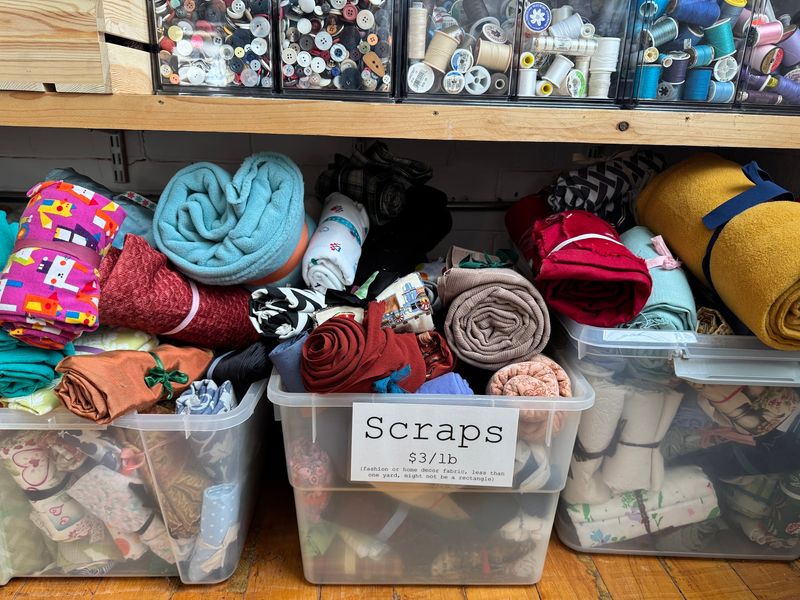
Weighing fabric sounds odd until you realize how handy it is. At this Maine shop, fabric scraps, yarn scraps, quilt bundles, and wool strips are all sold by weight.
Loose buttons and loose ribbons follow the same rule. That makes it easy to scoop up exactly what a small project needs.
Patchwork fans should pay attention here. Quilt bundles let you grab a mix of prints without buying full yards of each one.
Bigger pieces work a little differently. Fabric marked with a price per yard can be cut by staff, as long as at least one yard remains.
So if you only need a bit for a pillow cover, just ask. It’s a fair system that keeps larger pieces useful for the next shopper.
Yarn has its own rules too. Bagged yarn can be split up if the skeins are priced one by one.
Otherwise, those bags sell as a set. That’s actually great news for anyone planning a sweater, since matching skeins stay together.
The whole setup rewards a little planning. Know your project, measure ahead, and you’ll leave with what you need and no regrets.
Your Old Sewing Machine Could Earn You Store Credit
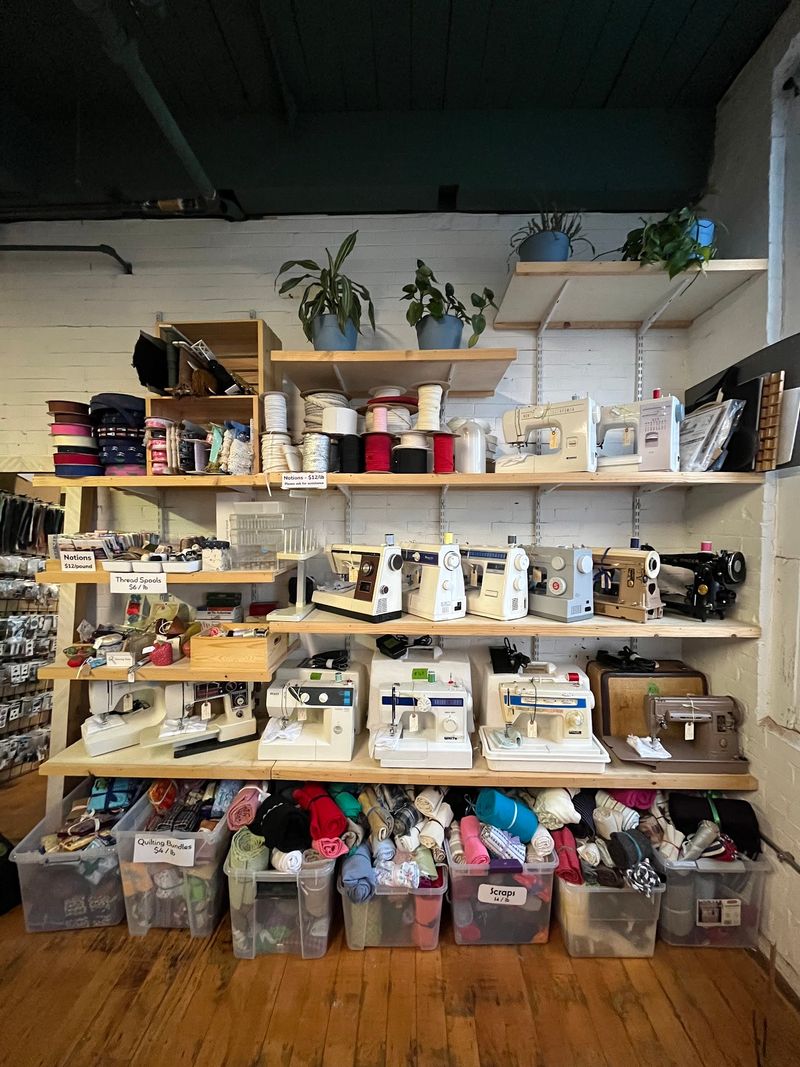
Got a sewing machine collecting dust in the basement? Past + Future Craft Exchange may want it.
The shop accepts domestic sewing machines, depending on the model. Donors receive a gift card for each repairable machine they bring in.
That’s a pretty sweet trade. Your old machine gets fixed up, and you get shopping money for your next project.
Shoppers benefit from the other side of that deal. Secondhand machines and sewing tools line the shelves, which helps beginners start without spending a fortune.
Brand-new machines can feel like a big gamble for someone still learning. A pre-loved machine takes the pressure off while you figure out whether sewing is your thing.
Pair one with the Sewing Machine Basics class, and you’ll have a solid start. Learning how threading and tension work is far easier with a teacher nearby.
Bulky donations of machines may need some planning. Appointments are required for larger drop-offs, and Saturday donations always need one.
The shop can even arrange pickups within 100 miles of Westbrook in certain cases. That’s handy for anyone clearing out a whole sewing room at once.
Clean Out Your Stash The Right Way
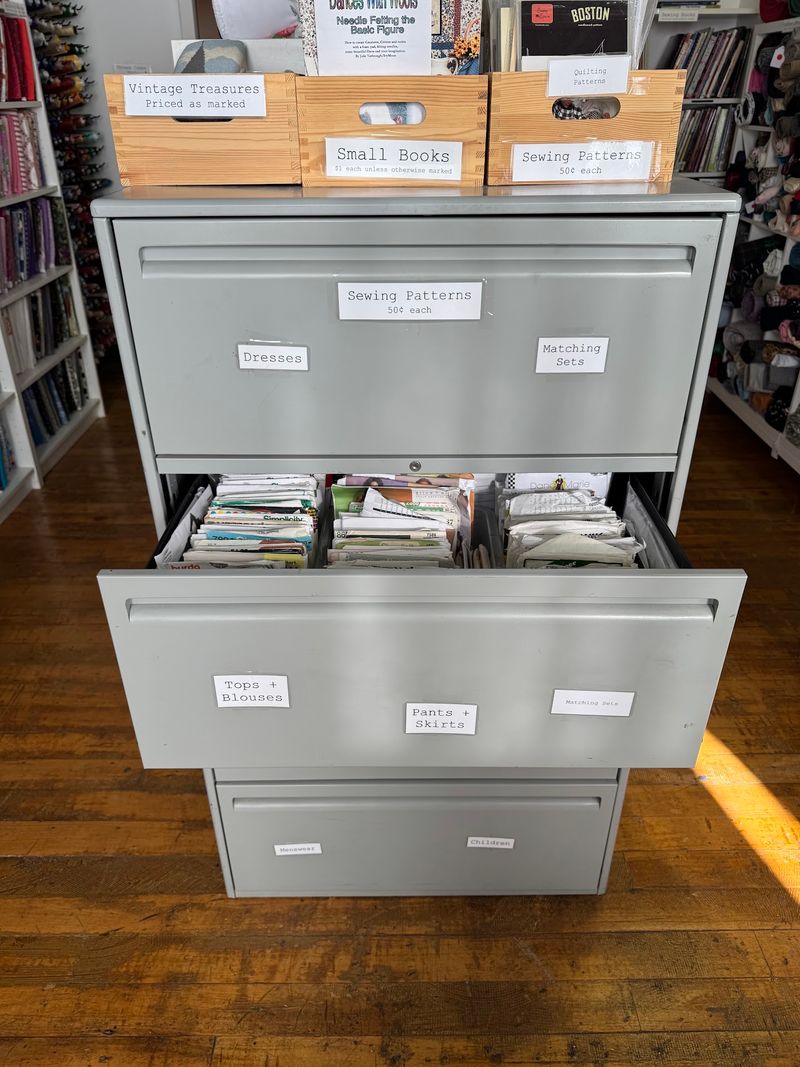
Donating here comes with a few house rules, and they make total sense. Fabric should be clean, folded, at least a quarter yard, and have intact selvedges.
Notions, sewing tools, uncut patterns, and sewing books are welcome too. So are finished quilts, quilt tops, squares, vintage handmade linens, batting, fiber fill, and untangled yarn.
Now for the no list. The shop won’t take dirty or damaged items, old thread, old elastic, secondhand interfacing, or poorly refolded patterns.
Bed sheets, curtains, tablecloths, and most magazines also stay home. Finished or half-finished clothing is out, though started quilts and needlework projects get a pass.
Small donations that fit in two shopping bags or one big tote can be dropped off without an appointment. That works Thursday, Friday, and Sunday from 10 a.m. to 5 p.m.
Thursdays and Fridays are the preferred days. Saturdays and bigger loads need an appointment first.
Each large 16-gallon bin of sellable material earns a gift card. Just know the business isn’t a nonprofit, so there are no tax receipts.
Sort before you go. Your future self, and the staff, will thank you.
Craft Classes Offer Plenty Of Ways To Learn
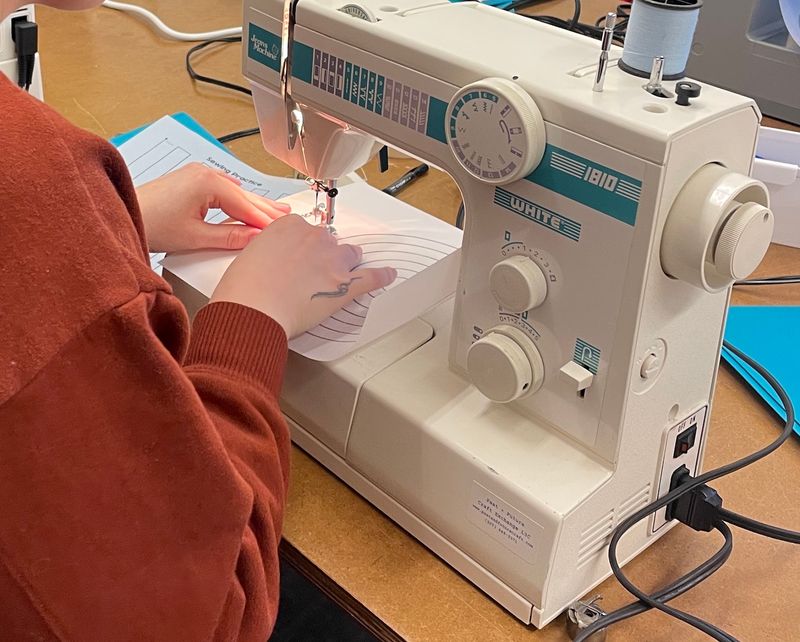
Many classes here cost nothing to attend. You just buy your materials from the shop, and the lesson itself is free.
That’s a generous setup for anyone curious about a new craft. And the class list covers a surprising amount of ground.
Beginners can try Intro to Knitting, Intro to Quilting, or Sewing Machine Basics. Ready to level up?
Serger Basics and Intro to Garment Sewing build on those skills.
Then things get more creative. Painting with Wool sounds like a riddle, but it’s a real fiber art class.
Kinusaiga Fabric Art, Block Printing on Fabric, and Traditional Foundation Paper Piecing also appear on the schedule. Visible Mending teaches you to fix clothes in a way that shows off the repair.
Fleece Socks is another option for cozy-minded makers. Considering Maine winters, that one feels especially practical.
The classes are designed for all skill levels. Nervous beginners shouldn’t feel left out, and experienced crafters still have room to grow.
The recent expansion added a dedicated classroom, giving lessons their own home. Check the schedule online before you visit, since offerings change over time.
Friday Evenings Bring Local Makers Together
Past + Future Craft Exchange brings local makers together through a free Quilt Club that meets every second Friday.
Quilt Club brings crafters together in a relaxed setting. Participants can bring their current projects, meet other makers, and exchange helpful advice.
The gathering gives you space to work on your own project while spending time around other makers.
The group welcomes people working on their own projects, making it a friendly place to exchange ideas and learn new techniques.
Volunteer opportunities also let you lend a hand to the shop itself. With so many donations arriving, extra helpers probably never go to waste.
These evenings matter because crafting can feel lonely. Getting stuck on a pattern is much less frustrating when someone nearby can help.
New crafters also pick up tips they won’t find in a book. A quick tip from an experienced knitter can save hours of unraveling.
Quilt Club meets every second Friday from 5:30 to 7 p.m. It’s a free gathering designed to bring the crafting community together.
A Business Built To Give Back
Here’s a term you don’t hear every day: L3C. It stands for Low-profit Limited Liability Company, and it shapes how this shop runs.
The structure blends parts of a nonprofit and a regular LLC. Sustainability and community giving sit right at the center of the business.
That shows up in real ways. The shop gives discounts and free fabric to local sewing teachers.
It also donates 1% of its profits to charity. Not a bad bonus for simply buying a few spools and a bag of buttons.
The roots run deep too. The business began as a program under Common Threads of Maine, a nonprofit professional sewing school.
When that school closed in June 2024, owner Jo Bell decided the supply store was worth saving. She kept it going as an independent business.
That choice clearly paid off. By May 2025, the shop had expanded into a larger space at its current home.
Every purchase supports that bigger picture. You get affordable supplies, local teachers get help, and fabric stays out of the trash.
Everybody wins, including the planet.
Twice The Room Means Twice The Browsing
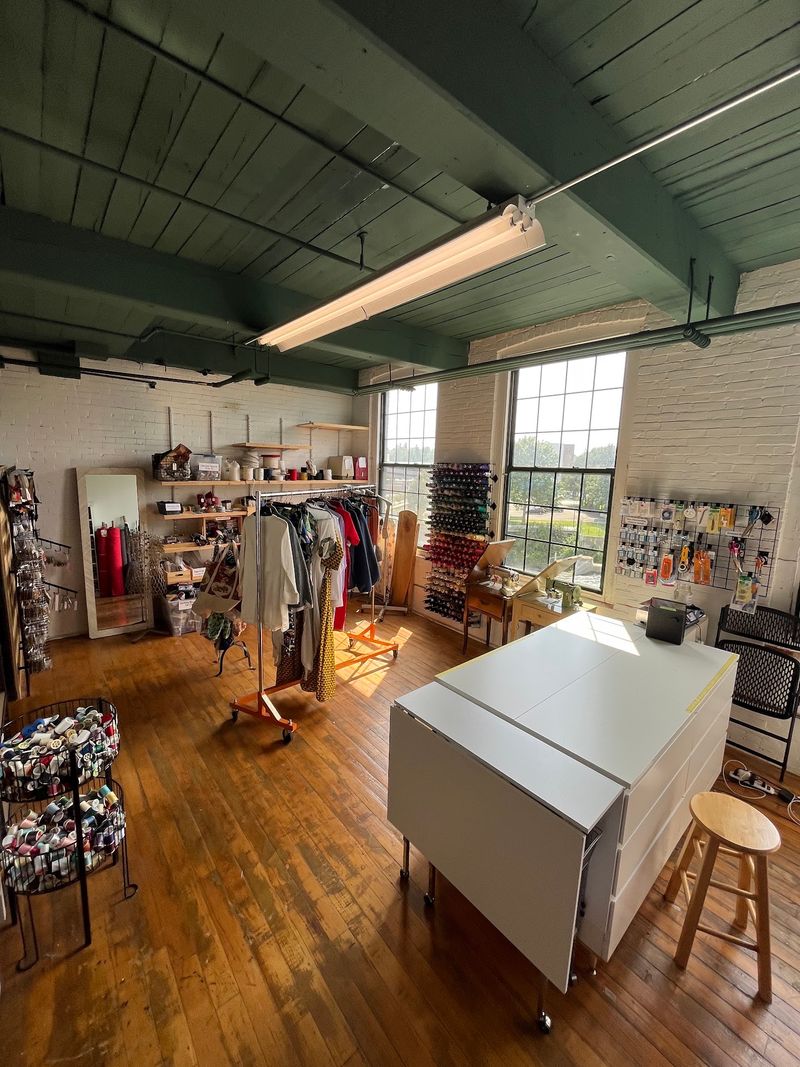
Bigger space, longer hours, more fabric. The recent move inside Stockhouse Station checked all three boxes.
The shop doubled its footprint to 1,355 square feet. That growth made room for extended hours, a classroom, and a larger inventory.
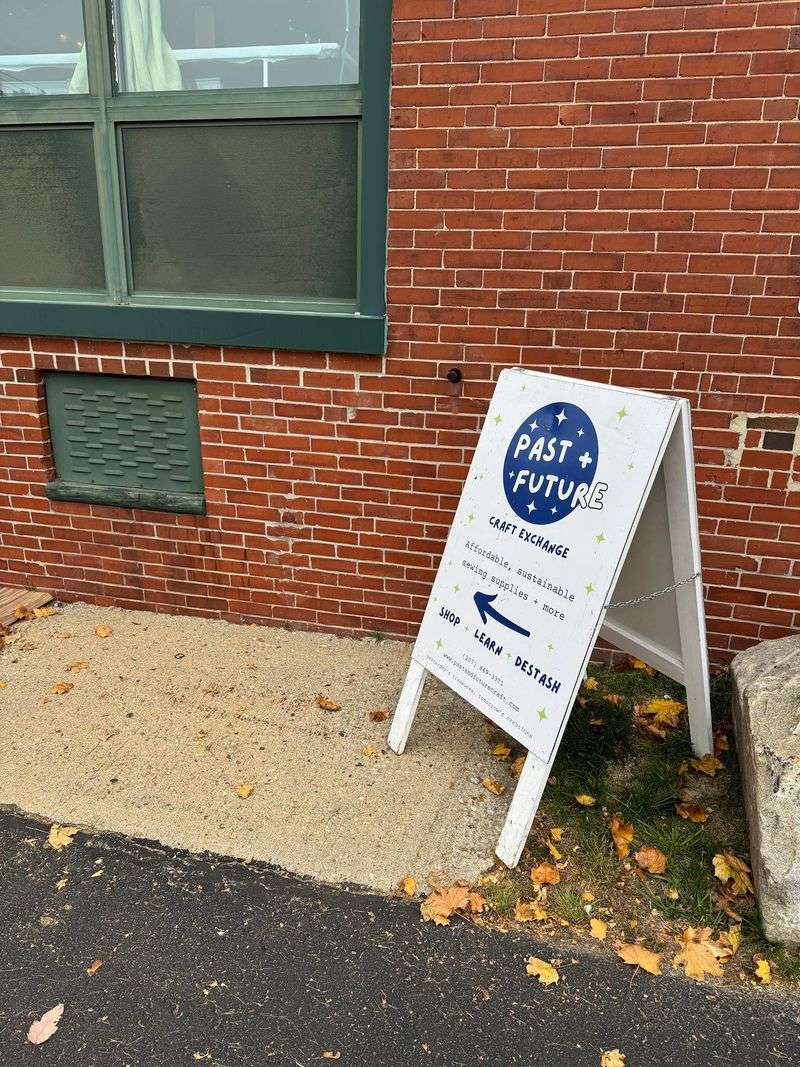
Before this, the business called the Dana Warp Mill home. Now you’ll find it at 506 Main St #18, Westbrook, ME 04092.
Parking is refreshingly easy. A large lot sits behind the building, with extra spots along the railroad tracks and on Main Street.
Accessibility got some thought too. The location offers an accessible entrance and accessible restrooms.
Hours run from 10 a.m. to 5 p.m., Thursday through Sunday. The shop stays closed Monday through Wednesday, so plan your trip carefully.
Westbrook sits right next to Portland, which makes a visit simple to fold into a day out. Southern Maine shoppers can easily turn a quick errand into a full fabric adventure.
Give yourself extra browsing time. With shelves restocked from steady donations, the selection shifts often, and you’ll want to check every corner before heading home.
Know These Tips Before Bringing The Whole Crew
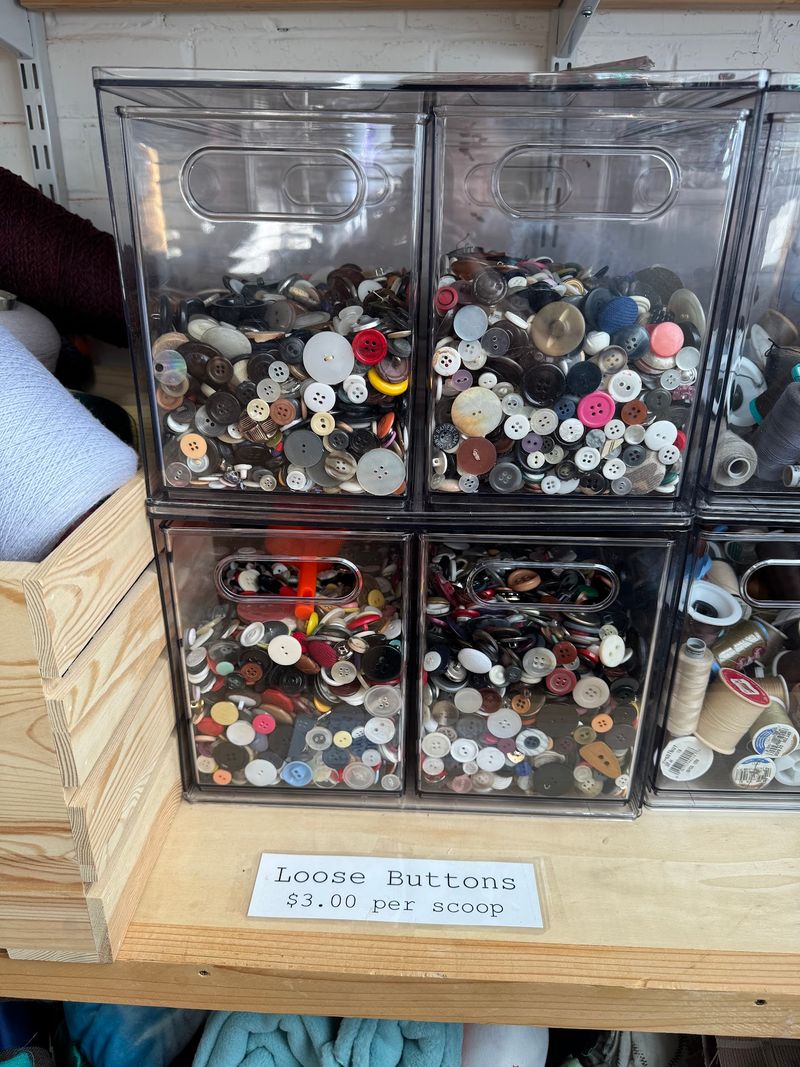
Kids love buttons, ribbons, and anything sparkly. That’s exactly why the shop asks parents to keep a close eye on little ones.
Children are welcome, but they need supervision. The space isn’t set up for unsupervised exploring, and loose beads have a way of rolling far.
A craft shop can actually be a fun outing for young makers. Letting a child pick a few buttons by weight might spark a lifelong hobby.
Pets are a different story. Non-service animals are generally discouraged here.
If a pet does come along, it needs a short leash and good manners. Yarn and curious paws are rarely a peaceful combination.
A little preparation helps any visit go smoothly. Bring measurements, project notes, or a photo of the pattern you’re working on.
Your phone’s camera is handy for snapping fabric colors too. That way you can match pieces at home without guessing.
Finally, remember the schedule. With hours limited to Thursday through Sunday, a quick check before driving saves disappointment.
Then you’re free to fill a bag with secondhand goodies and feel great about every single piece.