
This Maine Food Shop Keeps A 126-Year-Old Stone-Ground Mustard Tradition Alive
Some of the stones grinding this mustard were shipped from France in 1900. They’re made of quartz, and they still do the work today. That’s the part that gets me.
The whole process stays cold on purpose. Cold water from a 400-foot well keeps the seeds from losing their bold, sharp flavor. Most big brands skip that slow step entirely.
This tiny Maine company started out feeding sardine canneries. The canneries faded, but the mustard kept going. Now a fourth generation of the same family runs the show.
Right now, the historic mill is getting a careful restoration. So the family moved its shop to a sunny downtown street by the water.
I keep wondering how many flavors one person could taste before choosing a favorite. Honestly, I’d like to find out.
North America’s Last Traditional Stone-Ground Mustard Mill Has A Shop
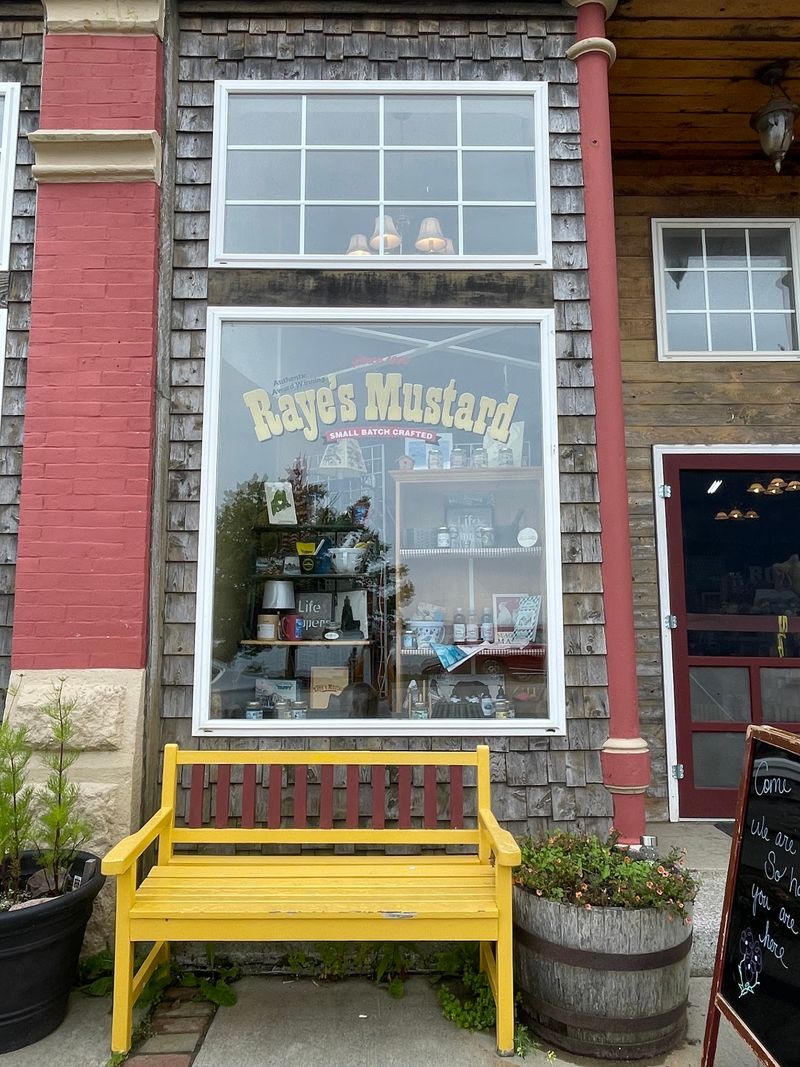
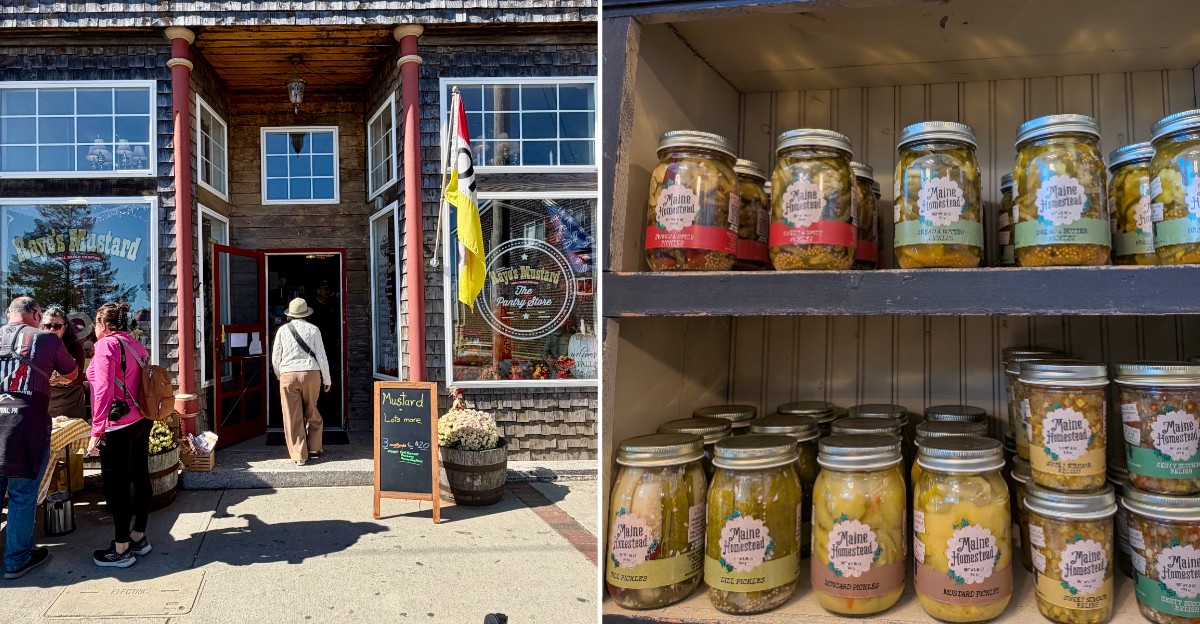
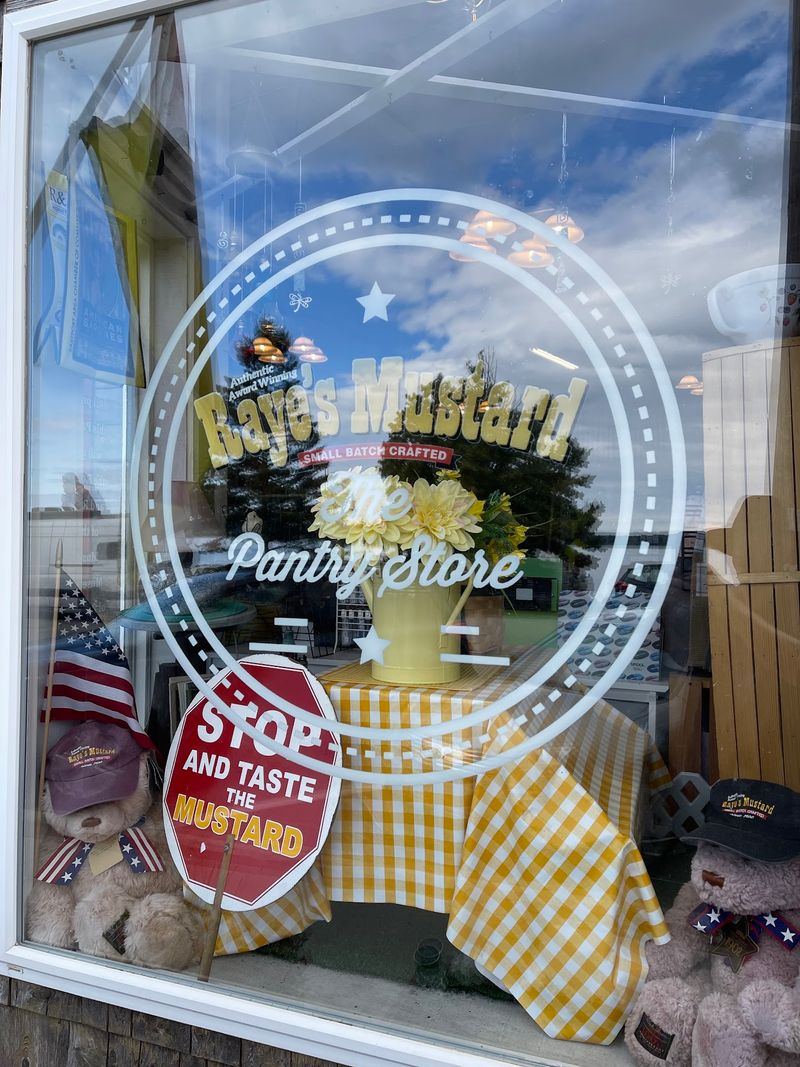
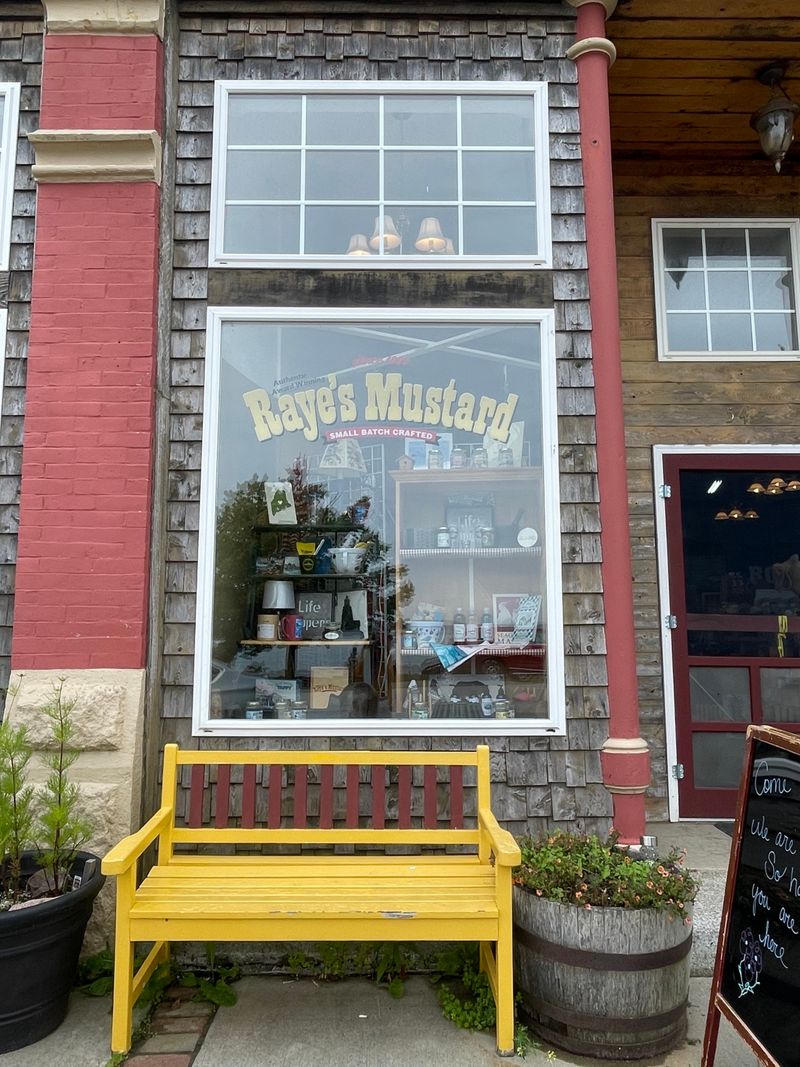
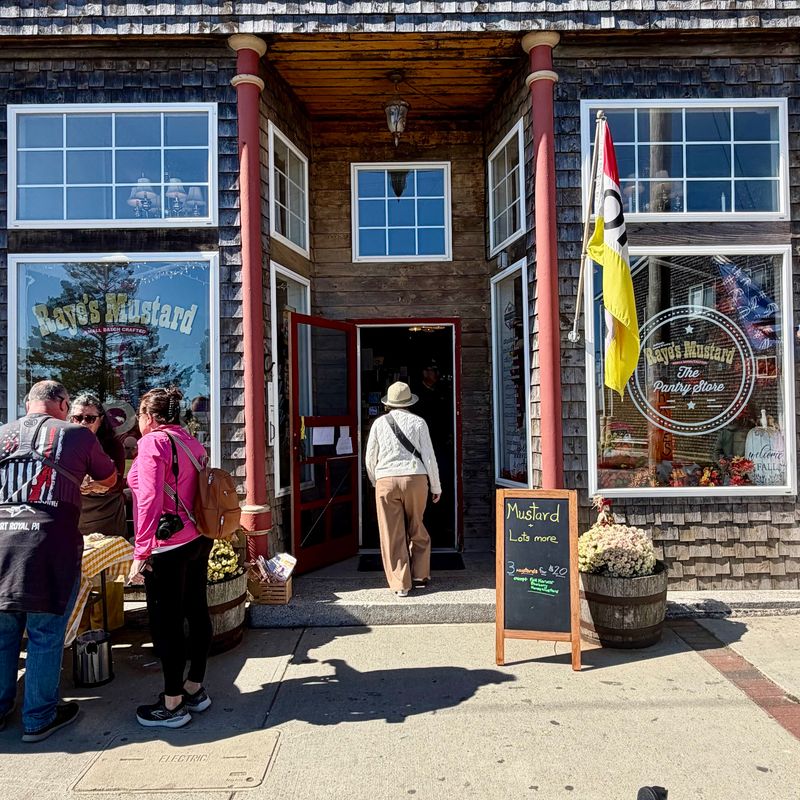
Raye’s Mustard The Pantry Store is the friendly front door to a very rare business. Its parent company runs the last traditional stone-ground mustard mill in North America.
That’s a big title for a small Maine shop. It also explains why mustard fans plan whole trips around this stop.
The shop serves as the gift store for Raye’s Mustard Mill Museum. Usually, it sits beside the historic mill on Washington Street.
For now, it has moved downtown while the mill gets restored.
Inside, the focus is simple. You’ll find Raye’s mustards plus a mix of other Maine-made gifts.
Think of it as a museum shop that happens to taste amazing. Every jar on the shelf traces back to a method older than sliced bread.
Sliced bread arrived in 1928, by the way, so the mustard wins easily.
The best part is how approachable it all feels. You don’t need to be a food expert to enjoy browsing here.
Curiosity is plenty.
Bring a little patience for decision-making, though. With so many flavors lined up, picking just one jar can turn into a fun puzzle.
A Sea Captain’s Son Started Grinding Seeds In 1900
Back in 1900, J. Wesley Raye began grinding mustard seeds in Eastport, Maine.
He was the son of a sea captain, which fits this salty seaside town perfectly.
His goal was practical, not fancy. Eastport was packed with sardine canneries, and they needed mustard by the barrel.
Sardines were packed with mustard for flavor. The mustard also helped preserve the fish.
That made Raye’s an important supplier along the Maine coast.
In 1903, the business moved into its own mill building on Washington Street. That’s the same building being restored today.
Here’s a fun way to picture it. While early cars were still a novelty, these stones were already crushing seeds for fishy lunches.
The sardine industry eventually faded away. Raye’s had to change or close, so it chose to change.
The family shifted toward specialty mustards sold straight to home cooks. That smart pivot turned a cannery ingredient into the main attraction.
Every jar at the Water Street shop carries a little of that comeback story. It’s history you can actually spread on a sandwich.
Cold Stones Make The Flavor Hit Harder
Heat is the enemy of good mustard flavor. That simple fact shapes everything about how Raye’s makes its product.
Many modern mustards start from powder and use faster, warmer methods. Raye’s starts with whole seeds and grinds them slowly between quartz stones.
Some of those stones came from France in 1900. They have been turning out mustard for well over a century.
The secret helper is water. Cold water from a 400-foot well keeps the grinding process cool.
That protects the sharp, lively flavors hiding inside each seed.
Once ground, the mustard is made in small batches. Then it ages for a few weeks before it’s ready.
Why should you care at the shop counter? Because this slow process is what you’re actually buying.
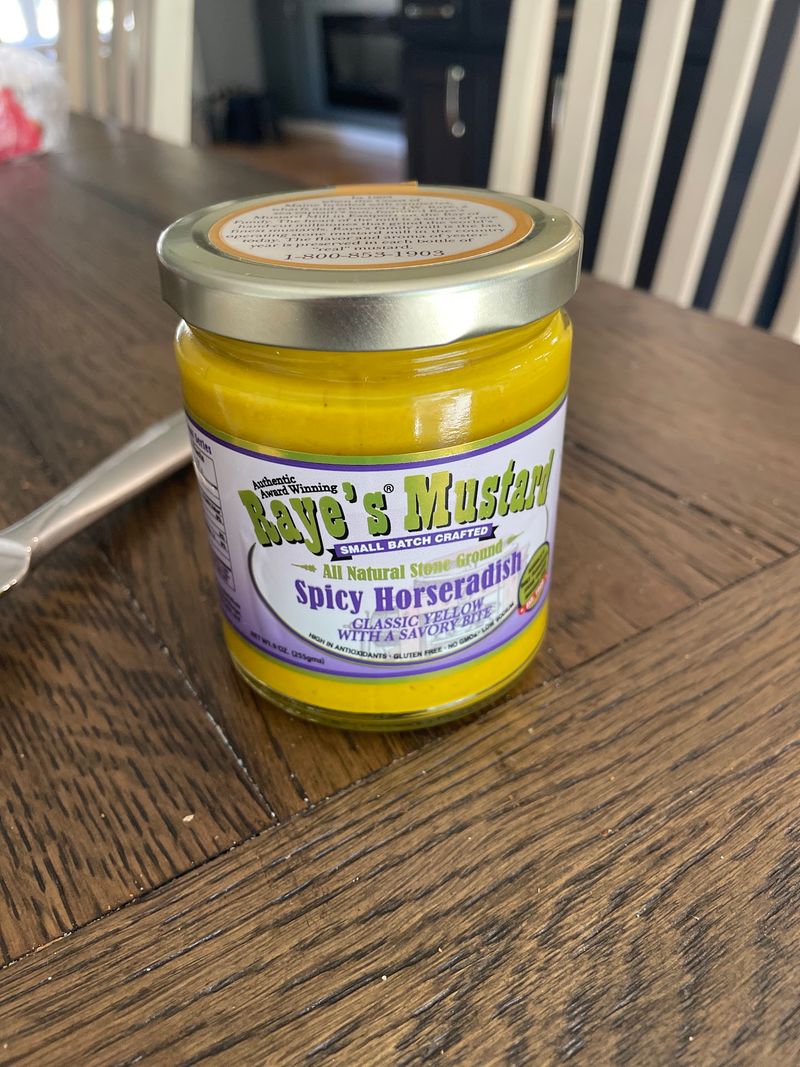
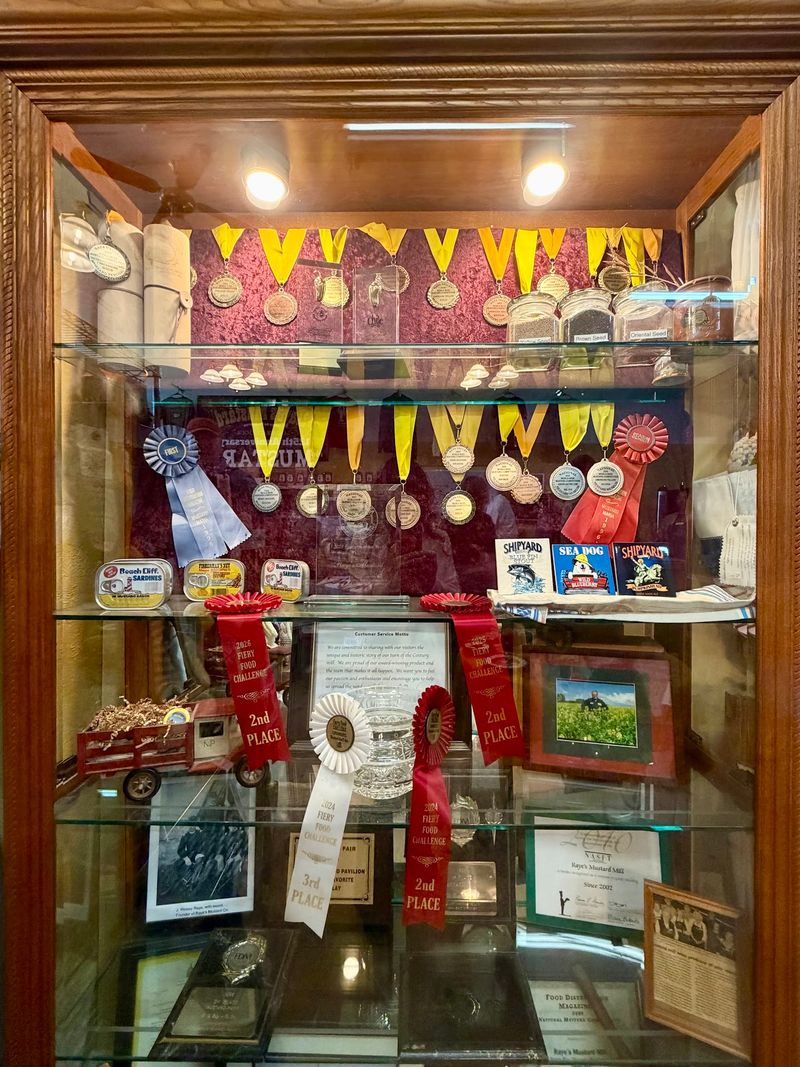
The family offers a range of all-natural mustards, including gluten-free varieties. Their products have also earned awards over the years.
So when you pick up a jar on Water Street, you’re holding a slow-food story. It just happens to fit in your grocery bag.
Not bad for a condiment.
Good Luck Picking Just One Flavor From These Shelves
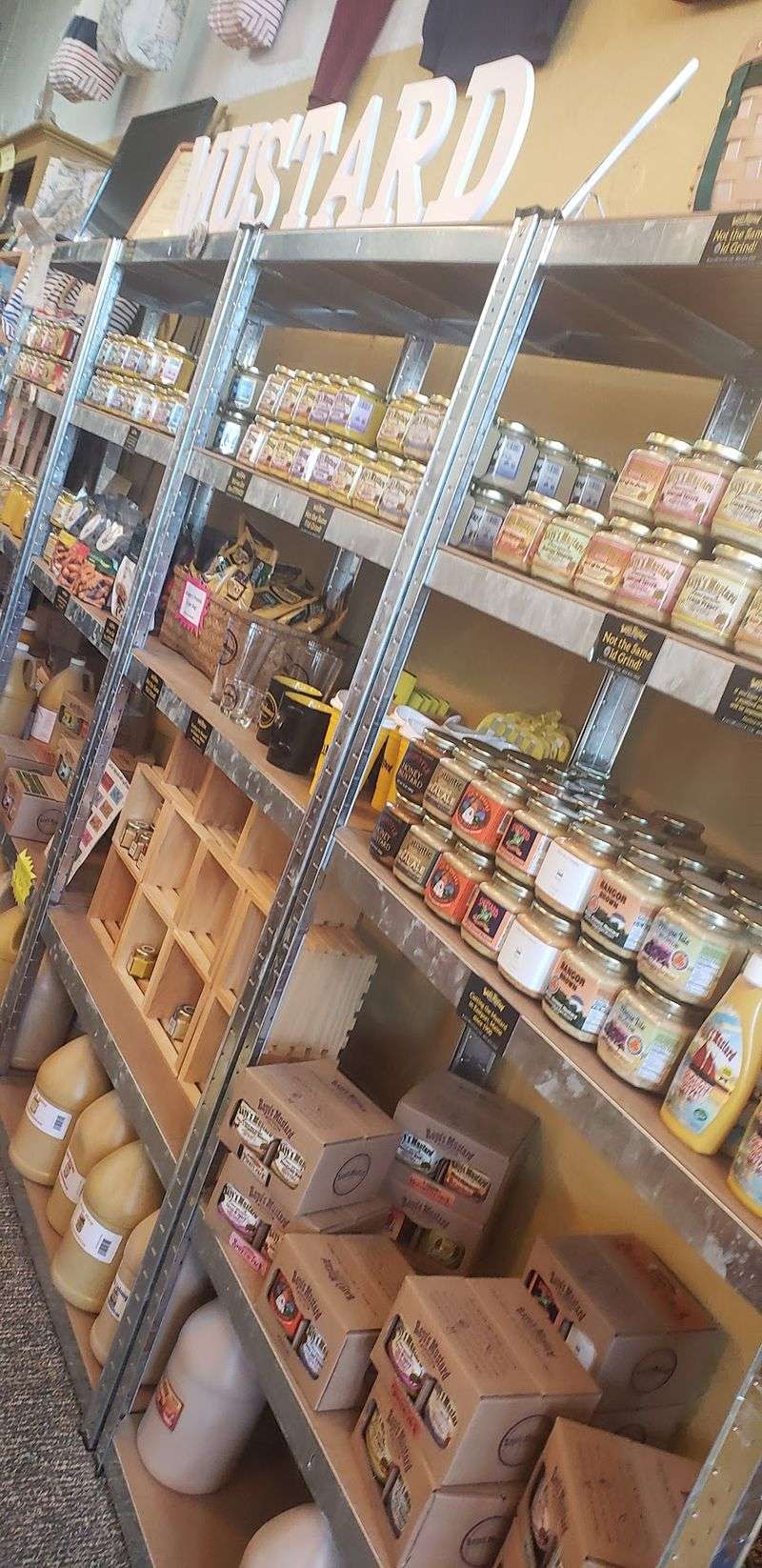
Moose-a-maquoddy Molasses might be the most fun name ever printed on a mustard jar. It’s also just one of more than a dozen Raye’s varieties.
The lineup stretches in every direction. Sweet fans, heat seekers, and smoke lovers all get options.
Like a kick? Dundicott Hott, Spicy Horseradish, and White Lightning lean bold.
Sweet & Spicy splits the difference nicely.
Maple lovers can try Maple Horseradish or Spring Maple. Brown Ginger and Lemon Pepper bring their own twists.
Then there’s Sea Smoke, which sounds like a foggy Maine morning in a jar. Fall Harvest and Old World Gourmet round things out.
Other names include Maine Lunch and Jameson Tavern Mustard. Each one is still 100 percent stone-ground.
Here’s a helpful tip for choosing. Think about what you eat most, like sandwiches, pretzels, or grilled foods.
Then pick one safe favorite and one wild card. That way, you get comfort and adventure in the same bag.
Gift shopping gets easier too. A few small jars make a thoughtful present for anyone who likes food with a story.
You Can Still See How It’s Made, Even With Tours Paused
Mill tours are on hold right now, and that’s a bummer. The historic Washington Street mill is undergoing restoration, so tours are paused until further notice.
Don’t cross the trip off your list, though. The shop offers a smart workaround.
At Raye’s Mustard The Pantry Store, you can watch a video showing the historic production process. It lets you peek at how the old mill turns seeds into mustard.
That’s especially handy for kids or first-timers. Seeing the stones in action makes the jars on the shelf feel more special.
Watch the video before you shop. You’ll understand the cold-grind method and why small batches matter.
Knowing the backstory makes tasting more fun. Suddenly, a jar of mustard becomes a little lesson in Maine industry.
Think of it as a preview of what’s coming. When the mill reopens, you’ll already know what to look for.
Until then, this video is your behind-the-scenes pass. It’s free entertainment with a flavorful payoff right next to it.
Downtown On Water Street Makes This Stop Super Easy
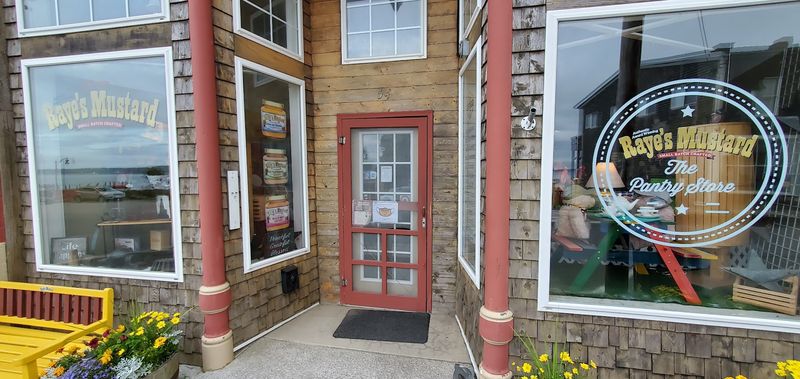
Finding the temporary shop is refreshingly simple. Raye’s Mustard The Pantry Store sits at 54 Water St, Eastport, ME 04631, right in the downtown area.
That location puts you close to Eastport’s waterfront. You can pair your mustard shopping with a stroll along the harbor.
Eastport is known as the easternmost city in the United States. So you’re shopping at the far edge of the country, which is a fun bragging point.
The shop keeps steady daytime hours on most days. Sunday hours are shorter, so plan for a midday visit then.
Hours can change by season, so check before heading out. Nobody wants to arrive just as the lights go off.
Getting to Eastport takes some effort for most travelers. It sits far Down East, near the Canadian border.
That makes this shop a worthy anchor for a day trip. Combine it with lunch, harbor views, and a walk through town.
Bring a sturdy bag for your jars. Glass and gravel parking lots are not best friends.
Mustard Gets The Spotlight, But Maine Gifts Share The Stage
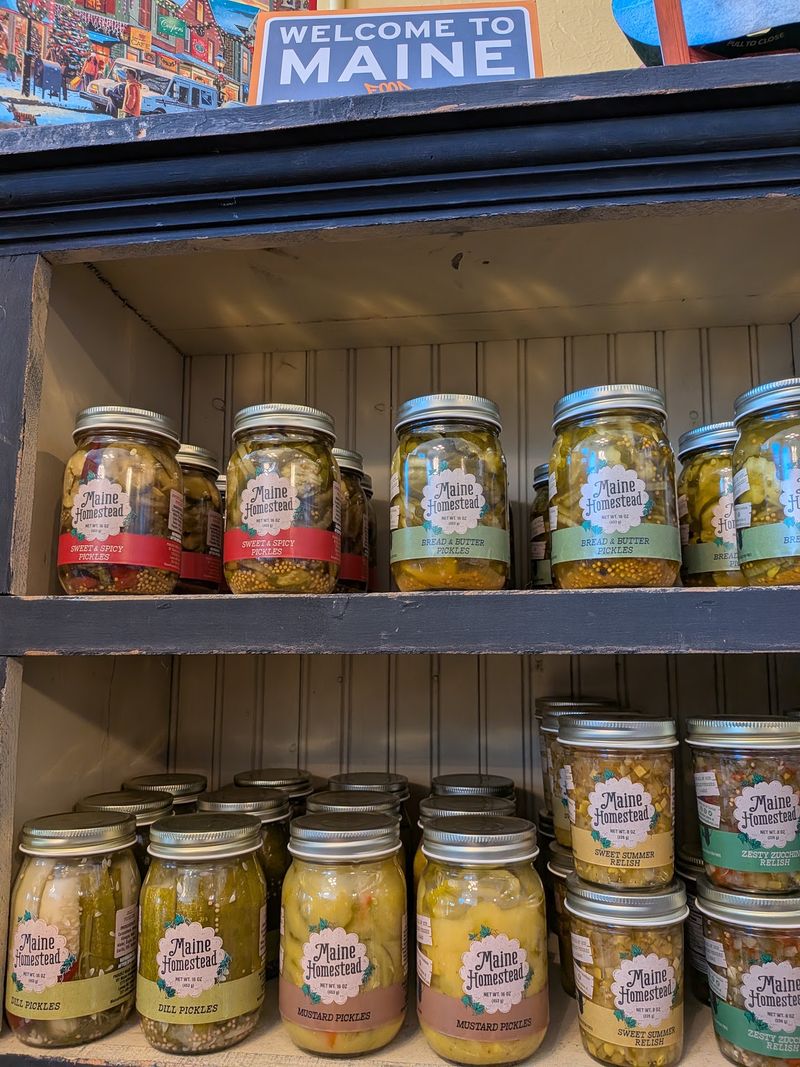
Not everyone in your group wants mustard, and that’s okay. The shop also carries a range of other Maine-made gifts.
That mix keeps everyone happy. The mustard fan gets jars, and the souvenir hunter gets something else to admire.
Local goods make this stop feel like a small sampler of Maine itself. It’s a nice way to support makers from around the state.
Holiday shopping can start here too. A jar paired with a local gift makes a cute bundle.
Try building a themed gift box. Combine a sweet mustard, a spicy one, and a non-food Maine treat.
It’s thoughtful without feeling stuffy. Plus, it tells a real story about where it came from.
Leave a little extra time for browsing. Shelves of small goods tend to reveal surprises the longer you look.
And yes, it’s fine to buy something for yourself. Calling it a research purchase works surprisingly well.
Four Generations Have Kept The Stones Turning
Family businesses rarely last four generations. Raye’s has managed it, and the mill is still owned and run by the Raye family.
That’s over 120 years of one family protecting one craft. It’s honestly impressive.
Keeping old methods alive isn’t the easy route. Faster machines and cheaper shortcuts exist, yet the family sticks with stone and cold water.
That choice protects flavor. It also protects a rare piece of American food history.
The current restoration shows the same spirit. Rather than walk away, the family is investing in the mill’s future.
Plans call for preserving the original production structure as part of an improved museum experience. The goal is to keep mustard-making going on-site.
That matters for Eastport, too. A working mill means local jobs and a beloved landmark.
So buying a jar here does more than stock your fridge. It helps keep a long family story moving forward.
Pretty meaningful for something you’d squeeze onto a hot dog.
Your Sandwiches Are About To Get A Serious Upgrade
A great mustard can rescue the saddest leftover sandwich. Once you bring a few Raye’s jars home, the fun really starts.
Stone-ground mustard works far beyond hot dogs. Stir it into dressings, spread it on wraps, or brush it onto grilled foods.
Sweet blends like Moose-a-maquoddy Molasses pair nicely with ham or pretzels. Smoky Sea Smoke feels made for the grill.
Horseradish styles bring a zippy punch to roast beef. Ginger and maple versions add warmth to marinades.
Try a home tasting night. Set out pretzels, crackers, and small bowls of each mustard.
Everyone votes on a favorite, and debates will follow. Mustard arguments are the friendliest kind.
Store opened jars in the fridge to keep flavors bright. Then label which one goes best with what.
Before long, you’ll be planning your next trip to Maine just to restock. Honestly, there are worse reasons to drive to the easternmost city in the country.