
This Maine Hummingbird Haven Deserves A Spot On Your Summer Bucket List
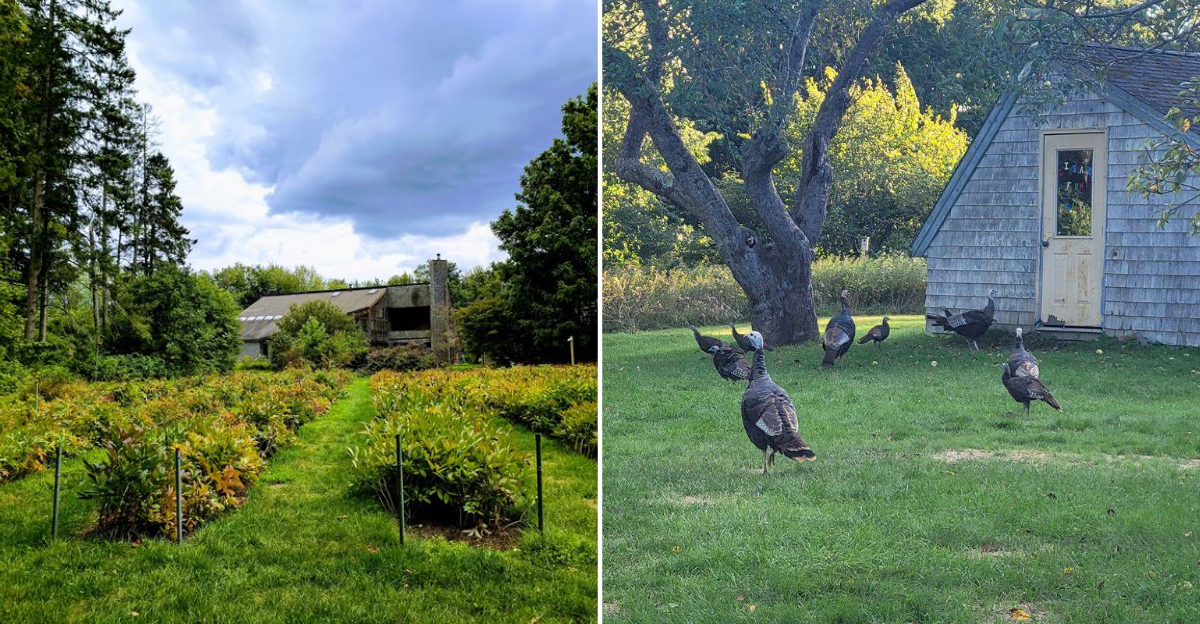
A hummingbird can turn an ordinary trail stop into the highlight of your entire summer. Near Falmouth, Maine, a peaceful wildlife sanctuary gives visitors a chance to watch ruby-throated hummingbirds dart among flowers beside a salt marsh.
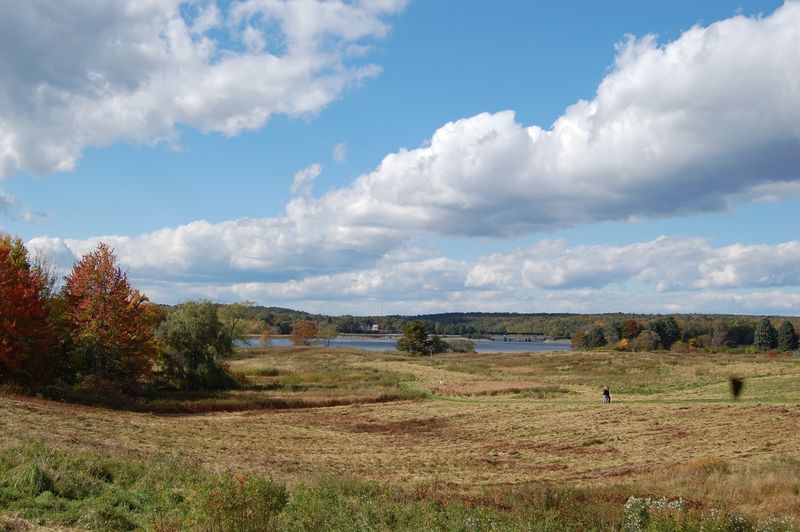
The 65-acre property includes open meadows, wooded paths, and tidal habitat along the Presumpscot River estuary. Each section offers a different view of the landscape and the wildlife that depends on it.
Birders may spot herons near the water or songbirds moving through the trees, while casual walkers can enjoy an easy escape close to Portland. The setting feels surprisingly wild for a place so convenient to reach.
Bring binoculars, wear comfortable shoes, and leave room in your schedule to slow down. Tiny wings may steal the entire show.
A Landscape In Constant Motion
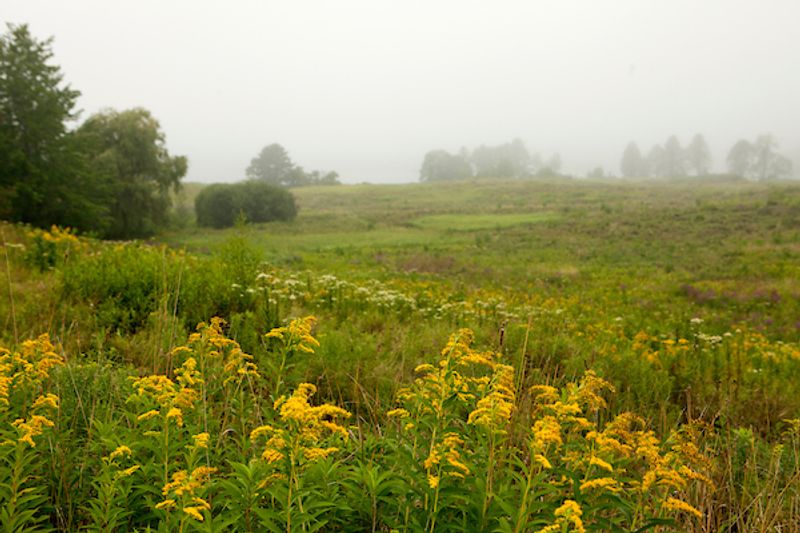
In summer, the open meadows burst with native wildflowers that attract pollinators, butterflies, and yes, those famous ruby-throated hummingbirds. The contrast between the sun-drenched fields and the shaded woodlands makes every step feel like moving between two completely different worlds.
The tidal salt marsh along the Presumpscot River estuary adds another layer of texture to the scenery. At low tide, you can see herons stalking the mudflats with almost theatrical patience.
At high tide, the marsh shimmers like a mirror reflecting the Maine sky above it.
Spring brings migrating warblers that fill the tree canopy with color and sound. Autumn transforms the farm into a canvas of amber and red.
Even winter has its own quiet appeal, with snowy owls occasionally dropping in from the north to survey the open fields. The farm rewards every visit with something new, making it one of those rare destinations that genuinely earns a return trip.
Address: 20 Gilsland Farm Rd, Falmouth, ME 04105
Ruby-Throated Hummingbirds
Of all the birds that pass through or call this farm home, the ruby-throated hummingbird is the one that stops visitors mid-sentence.
These tiny fliers arrive in Maine around late May and stay through early September, and the native plantings at the center are practically designed with hummingbirds in mind. Trumpet vine, bee balm, and cardinal flower grow in clusters that act like a buffet for any hummingbird working the property.
What makes watching them here so satisfying is the open sightlines. You are not peering through dense brush hoping for a glimpse.
The meadow plantings allow you to stand at a comfortable distance and watch a hummingbird feed, hover, and zip away in real time. The experience feels immediate and personal in a way that surprises first-time visitors.
Maine Audubon staff and volunteers are often on hand during peak summer hours to point out exactly where the hummingbirds have been active that day. Their knowledge turns a casual stroll into a proper wildlife encounter.
If hummingbirds are the reason you made the trip, summer mornings between 10 AM and noon tend to offer the most reliable sightings across the meadow sections of the trail system.
Miles Of Trails Covering Wildly Different Habitats
Few places in southern Maine pack this much habitat variety into a single trail network. The farm offers about 2.5 miles of trails winding through forest, meadow, pond, orchard, and tidal marsh habitats.
Each section has its own mood, its own wildlife, and its own reason to slow down and pay attention. The trails are clearly signed, and printed maps are available near the main building.
Trail surfaces range from mowed grass paths through the meadows to packed earth beneath the tree canopy, making most of the network accessible for families with young children or older visitors who prefer a gentler surface underfoot.
The loop options let you customize your walk based on how much time and energy you have on any given day.
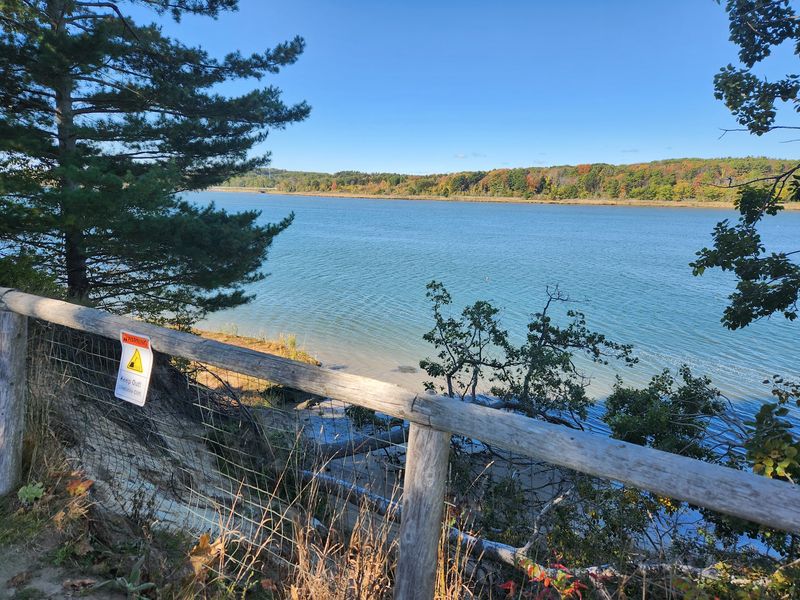
One of the most rewarding stretches runs along the edge of the salt marsh, where the trail opens up to broad views across the estuary. Ospreys hunt overhead, great blue herons stand in the shallows, and the smell of the tidal air adds something you simply cannot get inland.
The trail system here is proof that you do not need to drive hours into the wilderness to find a genuinely immersive outdoor experience in Maine.
The Education Center Building
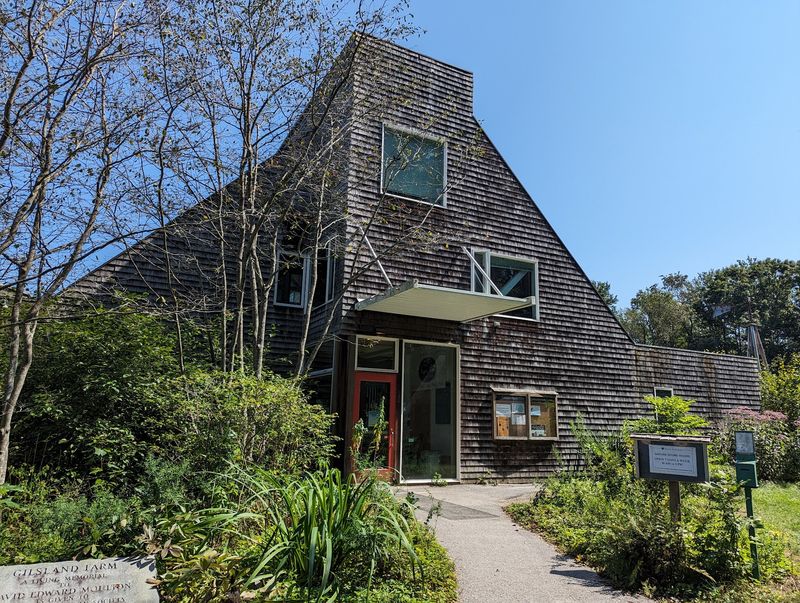
The main building at the center is the kind of place that makes you want to linger. Designed to let in natural light from every angle, the space feels open and welcoming rather than stuffy or institutional.
Large windows frame views of the meadow and gardens outside, so even standing indoors, you feel connected to the landscape.
Inside, you will find interpretive displays covering the birds, mammals, and plants of coastal Maine. The exhibits are designed to be hands-on and accessible, which means kids can actually touch certain items rather than just reading labels behind glass.
The lecture hall hosts educational programs and special events throughout the year, drawing school groups, families, and adult learners who want to go deeper than a casual walk allows.
The gift shop deserves a special mention. It stocks a well-curated selection of field guides, nature journals, binoculars, and Maine-themed items that make genuinely useful souvenirs rather than forgettable tchotchkes.
If you are looking to upgrade your birding setup or find a thoughtful gift for the nature lover in your life, this shop is a better starting point than most outdoor retailers. The staff inside the building are knowledgeable and happy to answer questions about what you might see on the trails that day.
Native Plants Are A Big Part Of The Story
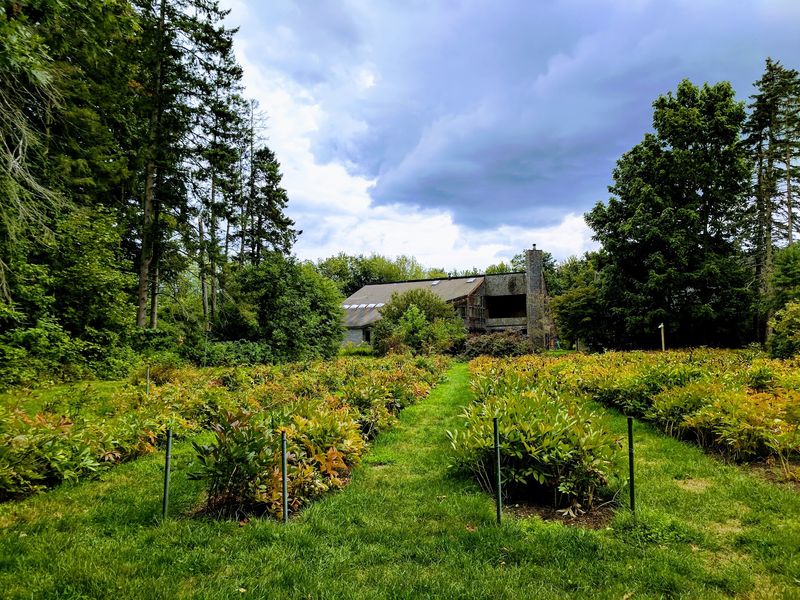
One of the most underappreciated aspects of a visit here is the native plant program that Maine Audubon runs on the property. The gardens throughout the farm are not just pretty backdrops.
They are carefully chosen to support the insects, birds, and other wildlife that depend on native species for food and shelter. Bee balm, milkweed, goldenrod, and wild bergamot are just a few of the plants you will spot along the trails and around the main building.
Every year, the farm hosts a Native Plant Festival and Sale in partnership with the Maine Native Plant Society. The event draws gardeners and plant enthusiasts from across the state, offering an impressive variety of native species at reasonable prices.
It is a fantastic opportunity to bring a piece of this ecosystem home and start your own wildlife-friendly garden.
Even if you visit outside of festival season, the plantings themselves are educational. Interpretive signs explain which plants attract which species, turning a garden stroll into a mini lesson in ecological relationships.
Seeing a monarch butterfly land on a milkweed plant that was deliberately grown to support it gives you a small but meaningful sense of how intentional habitat design actually works in practice.
Birding Beyond Hummingbirds
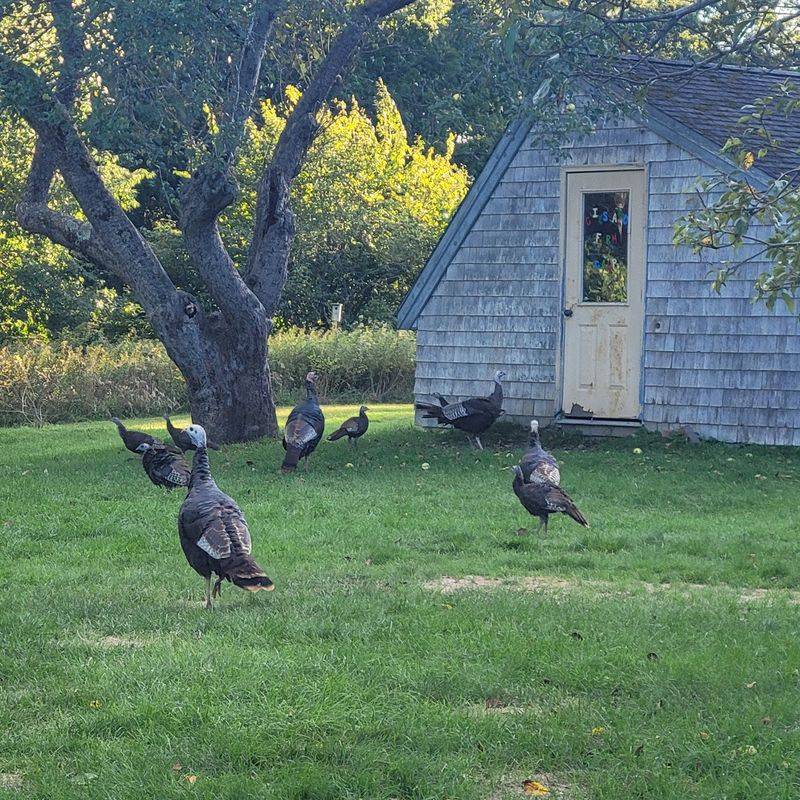
Hummingbirds get the headline, but the full bird list at this farm is genuinely impressive for a site this close to a major road.
The mix of habitats means that the species variety is far broader than you might expect from a 65-acre property. Warblers fill the woodland canopy during spring migration, ospreys patrol the marsh, and great blue herons are a near-constant presence along the water’s edge throughout the warmer months.
Shorebirds use the tidal flats during migration, and the open meadows attract grassland species that are increasingly hard to find elsewhere in coastal Maine.
On a good morning in May or early June, it is entirely possible to rack up 30 or more species without rushing or covering every corner of the property. The diversity of habitats really does translate directly into diversity of birds.
Occasional rarities show up here too. A sage thrasher, a bird native to the American West, once turned up on the property and drew birders from across New England to catch a glimpse.
That kind of surprise is part of what makes serious birders keep coming back.
The farm rewards patience, and even a single focused hour on the marsh trail can produce something genuinely unexpected.
Practical Tips For Planning Your Visit
Getting here is straightforward. The center sits at 20 Gilsland Farm Rd, Falmouth, ME 04105, just off Route 1, which means it is accessible from Portland in under 20 minutes.
Parking is free and the lot is large enough to handle event days without too much crowding.
The property is open daily from 10 AM to 5 PM, so morning visitors can arrive right at opening for the best wildlife activity before the midday heat sets in.
Admission to the trails is free for Maine Audubon members and available to non-members for a modest fee. Bringing your own binoculars is strongly recommended, though the gift shop sells and sometimes rents optics if you forget yours.
Wear comfortable walking shoes with some grip, since the marsh trail sections can get muddy after rain.
If you plan to visit during the Native Plant Festival or another special event, check the Maine Audubon website ahead of time or call the center directly at +1 207-781-2330 to confirm dates and any changes to regular hours.
Summer weekends can be busy, but the trail network is wide enough that the property never feels overcrowded. A weekday morning visit in July or August is close to perfect.
Summer Brings The Farm Alive
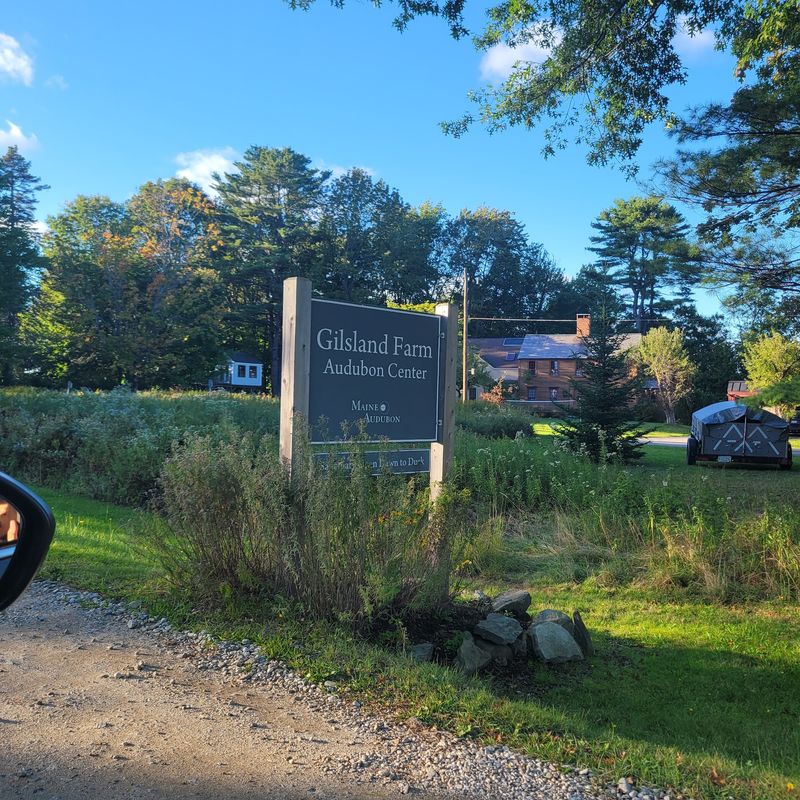
Summer at this farm operates at a completely different energy level than any other season. The meadows are in full bloom, the marsh is teeming with activity, and the bird life is at its most visible and vocal.
Ruby-throated hummingbirds typically visit Maine during the warmer months, and summer offers a chance to see them feeding among flowering plants.
The long Maine summer days mean you have plenty of daylight to explore at a relaxed pace. Arriving at 10 AM when the center opens gives you the coolest part of the morning and the best light for photography.
The trails are dry and easy to walk, the interpretive signs are freshly updated, and the gift shop is fully stocked for the season.
Summer also brings the most programming. Maine Audubon runs guided walks, family nature days, and educational workshops throughout June, July, and August.
These programs fill up, so booking in advance through the website is a smart move.
Even without a guided program, a solo summer walk here feels rich and purposeful. The farm has a way of slowing you down, making you notice things you would normally walk right past, and sending you home genuinely refreshed.