
This Maine Island Was Just Ranked One Of The Best In The Continental U.S. For 2026
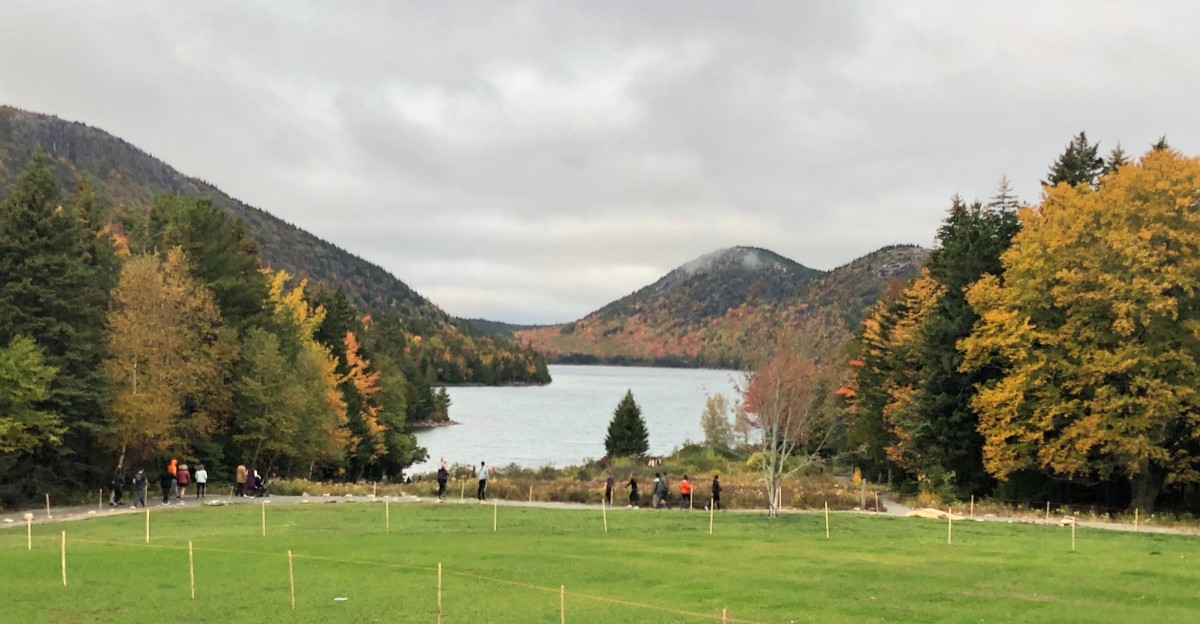
Imagine waking up somewhere the sunrise can beat nearly the rest of the country to the horizon. Add pink granite, cold blue water, and harbor villages that still feel closely tied to the sea, and the appeal becomes easy to understand.
This Maine island has earned serious attention lately, ranking second among islands in the continental U.S. in Travel + Leisure’s 2026 World’s Best Awards after taking first place in 2025.
Much of the island is protected as part of a famous national park, which gives visitors plenty of room to explore without losing that coastal character.
Quiet roads, mountain views, and a glacier-carved waterway give each part of the island a different feel. There is a reason travelers keep placing it near the top, and the story goes well beyond the scenery.
An Award Winner Two Years Running
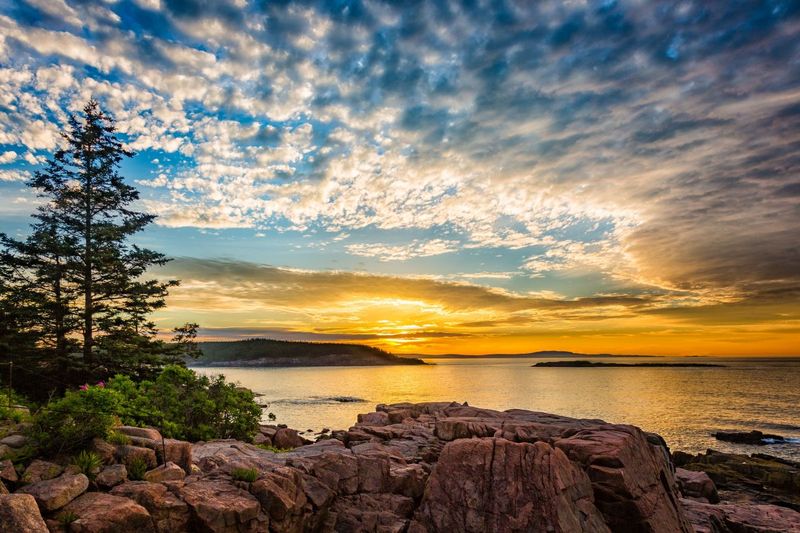
Second place sounds like a silver medal, but for Mount Desert Island it is more of a victory lap. In 2026, readers of Travel + Leisure ranked it the number two island in the continental U.S. in their World’s Best Awards.
One year earlier, in 2025, it took the top spot.
Staying near the top two years in a row is no small feat. Islands across the country compete for this honor, including sunny spots with warm beaches and palm trees.
This one wins with granite cliffs, pine forests, and chilly ocean air instead.
So what makes it stand out? The island packs a lot into about 108 square miles.
You can climb a mountain in the morning, paddle a kayak at lunch, and stroll through a harbor village before dinner. Driving from one side of the island to the other takes roughly 30 to 40 minutes, so you spend more time exploring and less time stuck behind the wheel.
For travelers, this ranking is a helpful signal. Expect summer to be busy, so book lodging early if you plan to visit between June and August.
Planning ahead turns a crowded season into a smooth, scenic trip worth bragging about.
Big Island, Bigger Park
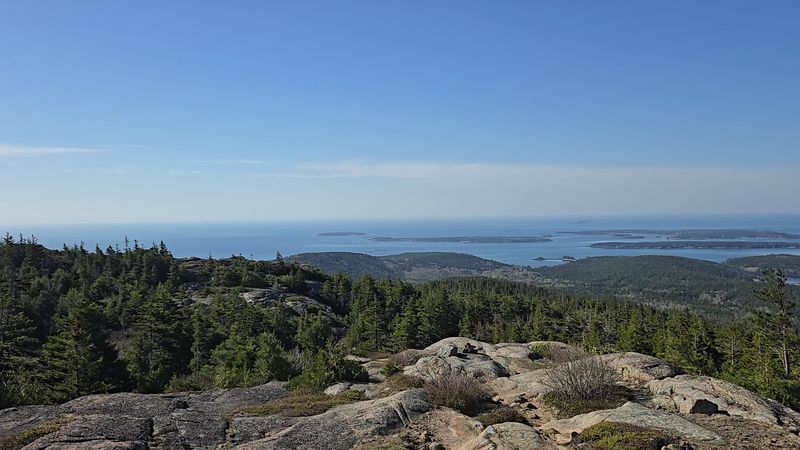
Size matters here, at least when it comes to Maine geography. Mount Desert Island is the largest island off the coast of Maine and the third largest on the entire Eastern Seaboard of the United States.
That leaves plenty of room for adventure.
Much of that room belongs to Acadia National Park. The park covers more than 47,000 acres in total, and about 31,000 of those acres sit right on the island.
Acadia is also the only national park in New England, which makes it a pretty special neighbor.
Inside the park, the land and sea meet in a dramatic way. Rounded granite peaks rise above thick forests, while the rocky shoreline takes a pounding from Atlantic waves.
On a single walk, you might hear seabirds, smell pine needles, and feel salty spray on your face.
Here is a practical tip. Acadia requires a park entrance pass, which you can buy online before your trip.
During peak season, popular parking areas fill up quickly, so arriving early in the morning helps a lot. The free Island Explorer shuttle buses, which run in the warmer months, are another easy way to skip the parking puzzle entirely.
First Light On Cadillac Mountain
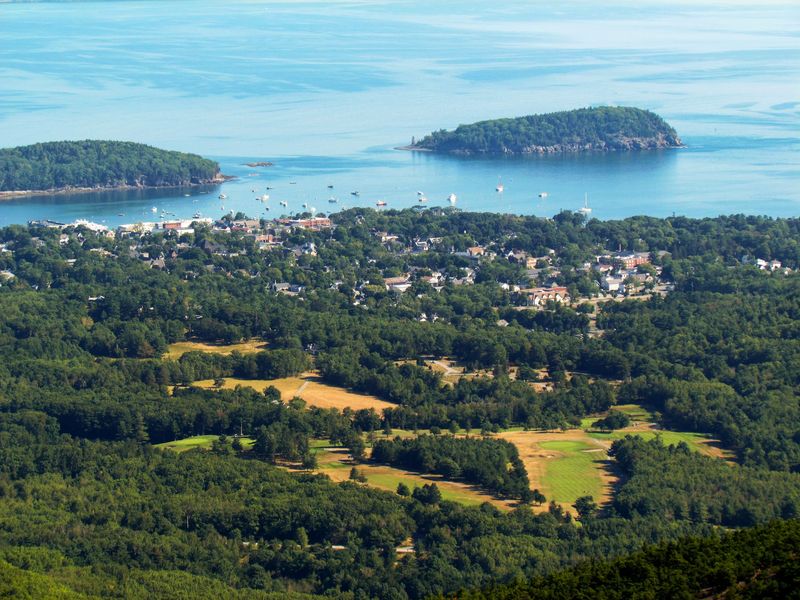
Early birds, this one is for you. Cadillac Mountain rises 1,530 feet above the sea, making it the highest point along the East Coast of the United States.
That height comes with a bright bonus.
From October 7 through March 6, the summit is one of the first places in the continental U.S. to catch the sunrise. Imagine standing on cool pink granite, wrapped in a blanket, as the sky turns orange over the water.
It is worth the sleepy start.
Even outside those dates, the view stays spectacular. Look out over Frenchman Bay and you will spot the Porcupine Islands scattered across the water.
On clear days, the scene stretches for miles in every direction.
Planning matters for this trip. During the busy season, usually late May through October, vehicles need a reservation to drive the summit road, and sunrise slots go fast.
You can book them through the official recreation website. If you prefer to earn your view, several hiking trails lead to the top as well.
Bring layers no matter the month. Mountaintop winds can feel much colder than the town below, and nobody enjoys a shivery sunrise.
Carriage Roads With No Cars Allowed
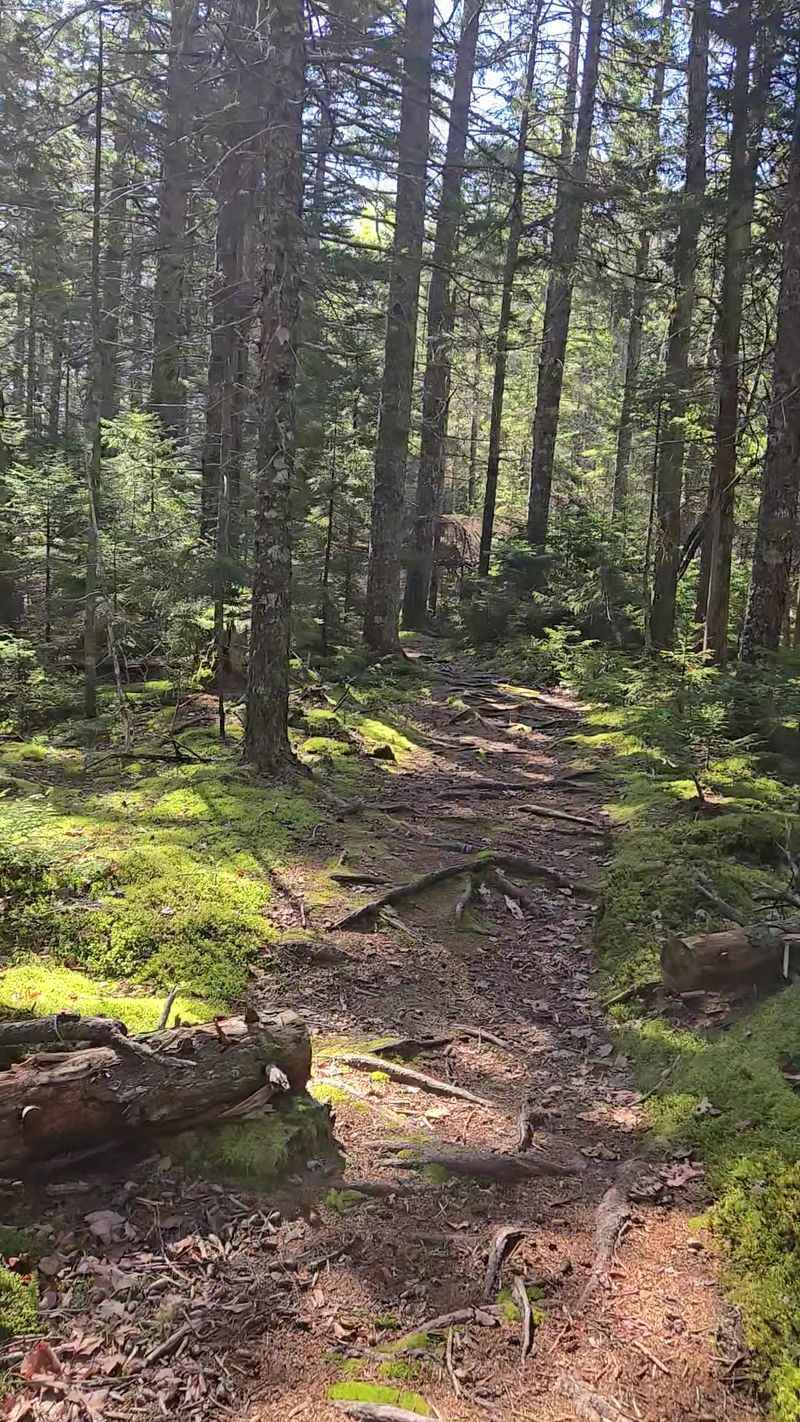
Back in the early 1900s, John D. Rockefeller Jr. had a big idea.
He wanted people to enjoy the island’s forests and lakes without the noise of cars. The result is one of the most charming features of Mount Desert Island.
Rockefeller helped create 45 miles of gravel carriage roads, along with 17 stone-faced bridges, 16 of which he financed. Each bridge was built to blend into the natural scenery, using local stone and graceful arches.
Many visitors find themselves stopping just to admire the craftsmanship.
Today, the roads are open to hikers, bikers, and horseback riders. Because cars are not allowed, the paths feel calm and quiet.
You might pedal past a glassy pond, roll under tall birch trees, or pause on a bridge to listen to a rushing stream.
Got kids along? The wide, mostly gentle surfaces work well for families.
Bike rentals are available in Bar Harbor, and some shops can help you choose a loop that matches your energy level.
A friendly reminder keeps everyone happy. Bikers should yield to walkers and horses, and everyone should stay on the gravel.
With a little courtesy, these roads keep rolling along smoothly for all.
Somes Sound And Its Icy Origins
Millions of years ago, giant sheets of ice slowly scraped across this land. They moved like bulldozers in slow motion, grinding down rock and carving deep valleys.
Their work still shapes everything you see today.
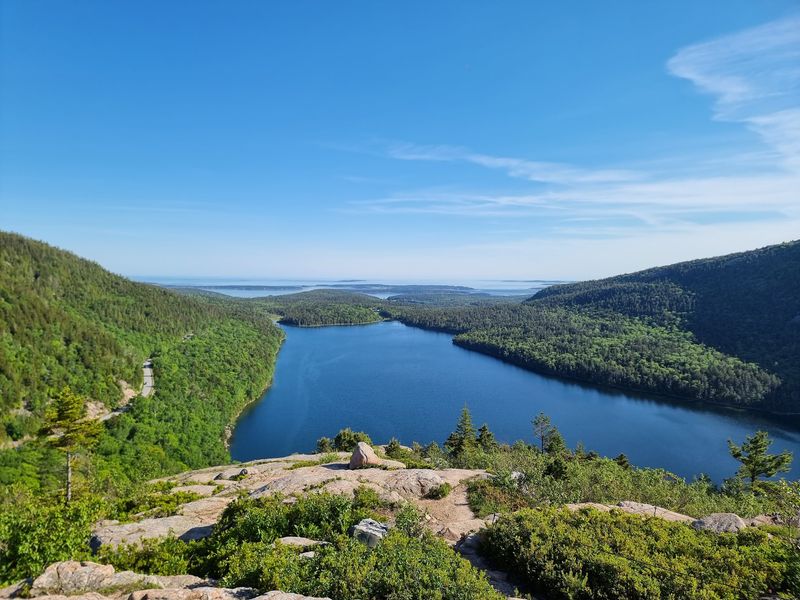
Thanks to those glaciers, Mount Desert Island has long freshwater lakes, smooth rounded mountains, and one very famous waterway. Somes Sound stretches roughly five miles into the heart of the island.
It is often called the only fjord on the Atlantic coast of North America, though some scientists prefer the term fjard.
Either name works for your photos. Steep, tree-covered hills rise on both sides of the water, and sailboats glide along its calm surface.
It nearly splits the island in two, giving it a shape some folks compare to a lobster claw.
Want a great view? Hike Acadia Mountain on the western side for sweeping looks down the sound.
Boat tours and kayak trips also explore the area, letting you see the cliffs up close.
Keep an eye out for seals, eagles, and ospreys while you are there. The ice left behind a fantastic home for wildlife, and they seem to agree.
Harbor Towns With Personalities
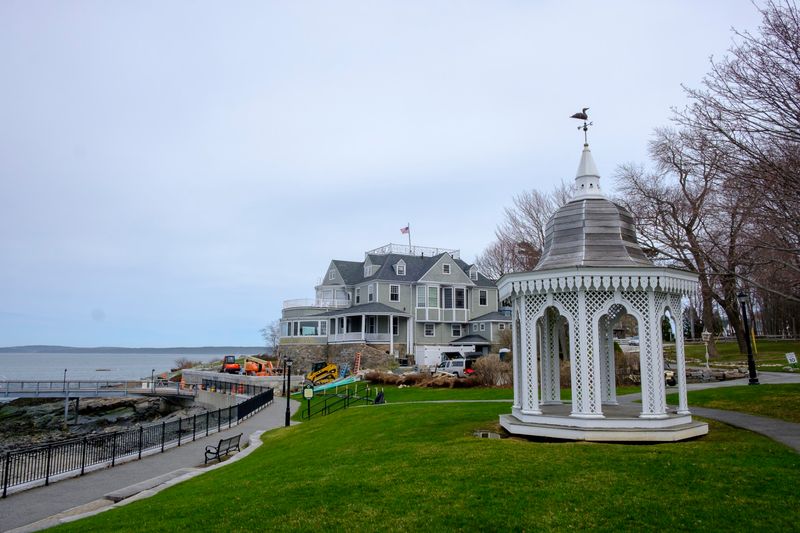
Bar Harbor gets most of the attention, and it earns it. Its busy streets are full of shops, ice cream counters, and people watching.
Still, the island has other towns that are happy to whisper instead of shout.
Northeast Harbor feels polished and peaceful, with a lovely marina and pretty gardens nearby. Southwest Harbor is a working waterfront where lobster boats come and go.
Bass Harbor is home to the much-photographed Bass Harbor Head Light, perched on a rocky cliff.
Each village offers galleries, small shops, and seafood spots with harbor views. Strolling through them feels slower and more relaxed than the summer bustle downtown.
You can actually hear the gulls and the clink of boat rigging.
A smart plan is to split your stay. Spend a day enjoying the energy of Bar Harbor, then drift over to the quieter side of the island for a calmer pace.
Many people call that western area the quiet side for good reason.
Bring your appetite, too. Fresh lobster rolls and steaming bowls of chowder are part of daily life here.
Trying one in each town is a delicious way to compare harbors.
Twelve Thousand Years Of Stories
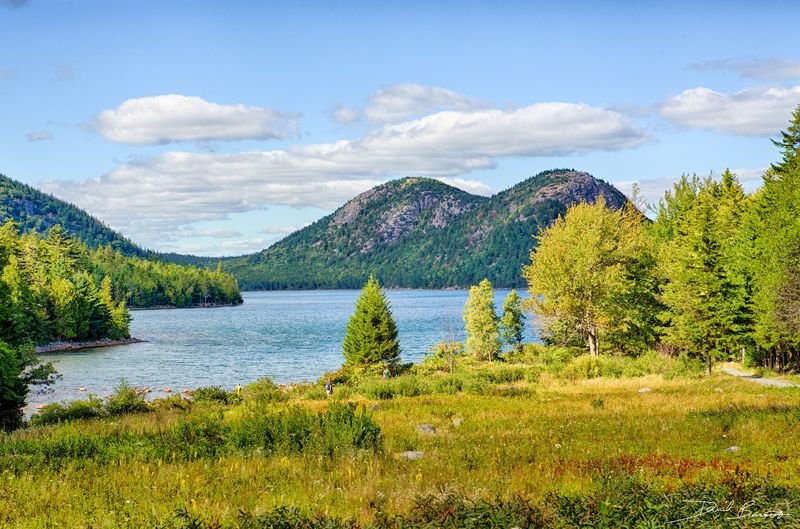
Long before any maps were drawn, Wabanaki peoples had deep ties to this landscape, as part of an Indigenous presence in Maine stretching back about 12,000 years. They called the island Pemetic, which means range of mountains.
That name fits perfectly. From the water, the island’s peaks line up like a row of rounded giants.
The Wabanaki fished, gathered, and traveled these shores for countless generations, and their culture remains an important part of the region today.
In 1604, French explorer Samuel de Champlain sailed by. He named the place Isle des Monts Deserts, or island of the bare mountains, because the summits had very few trees.
That name stuck and slowly turned into Mount Desert Island.
Here is a fun bit of trivia. Many locals pronounce it like dessert, the sweet treat, rather than desert, the sandy place.
Either way, you will be understood, but saying it like a local earns a friendly nod.
To learn more, visit the Abbe Museum in Bar Harbor, which focuses on Wabanaki history and culture. It is a great rainy-day stop and adds meaning to every hike.
Knowing the backstory makes those bare summits feel even grander.
Every Season Has Its Moment
Timing your trip is a bit like picking a favorite flavor. Every season on Mount Desert Island tastes a little different.
Knowing what each one offers helps you choose wisely.
Most businesses and attractions open from mid-May through mid-October. Summer brings warm days, full schedules, and plenty of company on the trails.
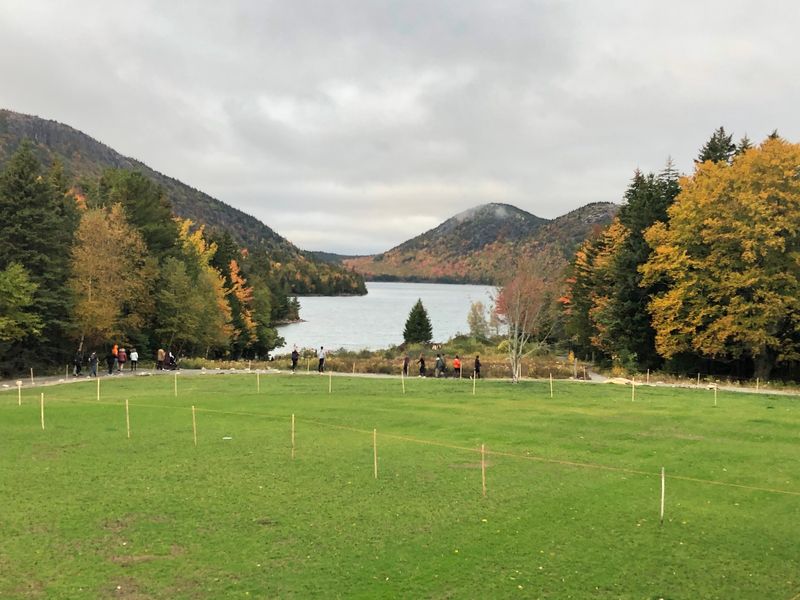
Late September and October are famous for fall colors, when maples blaze red and orange and the crowds start to thin.
Spring moves at a gentler pace. Wildflowers bloom, birds return, and you can often find a quiet trail all to yourself.
Just know that some restaurants and shops may still be closed early in the season.
Winter turns the island into a snowy, peaceful coastline. The carriage roads become paths for cross-country skiing and snowshoeing.
Services are limited, so plan meals and lodging carefully before you go.
Here is a helpful tip for any season. Check the Acadia National Park website for road closures and reservation rules before your visit.
Weather changes quickly on the coast, so pack a rain jacket and warm layers even in July. A little preparation lets you enjoy whatever the island serves up, in any month you choose.