
This Maine Lake Shore May Be Getting Too Snake-Filled For Comfort
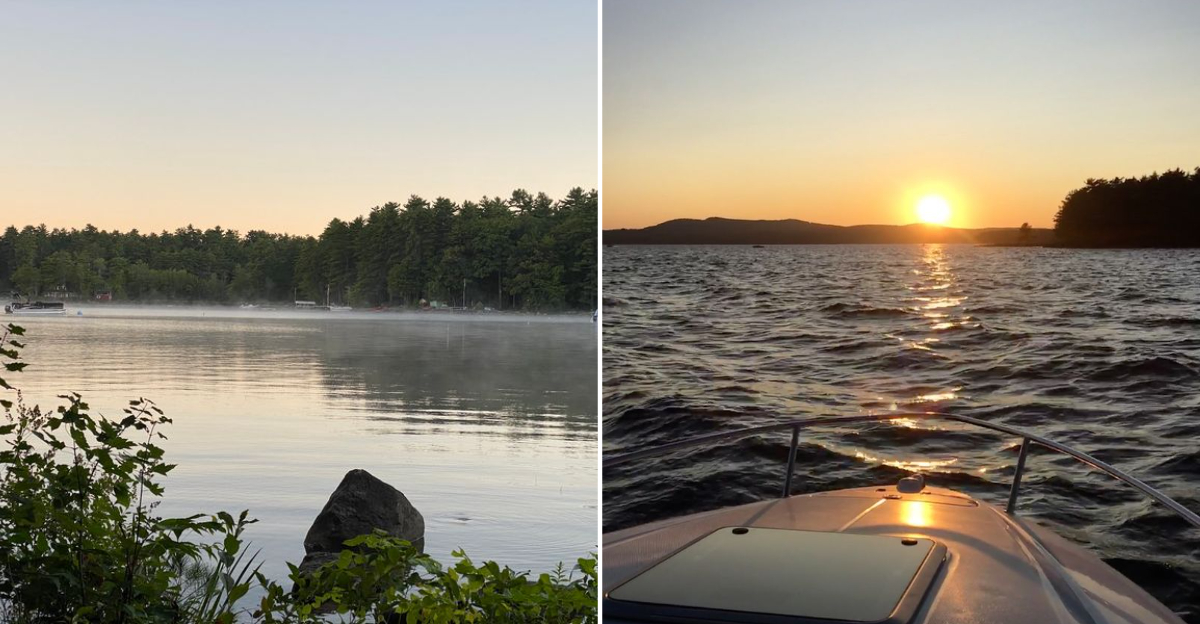
A quiet lake day can get interesting fast when something suddenly slips through the grass beside the water. Along one of Maine’s best-known lakes, snakes may occasionally appear near rocky banks or shallow shoreline areas, especially where vegetation provides cover.
The lake stretches along 105 miles of shoreline and is known for exceptionally clear water, making it a favorite place for swimming and boating. Spotting a snake nearby can still send a few visitors backing toward the beach.
The good news is that the species found around the lake are not considered dangerously venomous to people. Common garter snakes and common watersnakes are among the reptiles that may turn up around suitable habitat.
Knowing what they look like, where they tend to spend time, and how to react during an encounter can make that sudden movement near the shore much less unsettling.
Why The Shoreline Attracts So Many Snakes
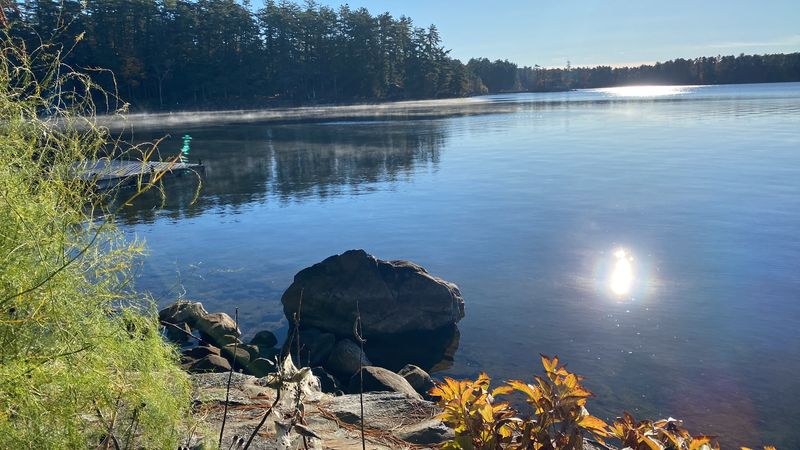
Warm rocks, shoreline vegetation, and nearby water can provide suitable habitat for several snake species found in southern Maine. Reptiles cannot make their own body heat, so they rely on sunny spots to warm up, and the flat stones around Sebago soak up heat all afternoon.
Add in plenty of frogs, small fish, and insects for food, and you have a five-star buffet for hungry snakes. Less-developed stretches of shoreline may offer snakes additional cover among logs, rocks, and vegetation.
Clean, shallow water near the beaches also draws in the prey that snakes love to chase. Areas with warmth, cover, and available prey can make parts of the shoreline suitable places for snakes to hunt or bask.
Understanding this helps you predict where you might run into one. Stick to open sandy beaches if you want fewer encounters, and stay a little more alert around rocky, grassy edges.
Knowing the reason behind the snake activity turns a spooky mystery into simple nature at work, and that knowledge alone can calm a lot of shoreline jitters.
Meet The Common Garter Snake
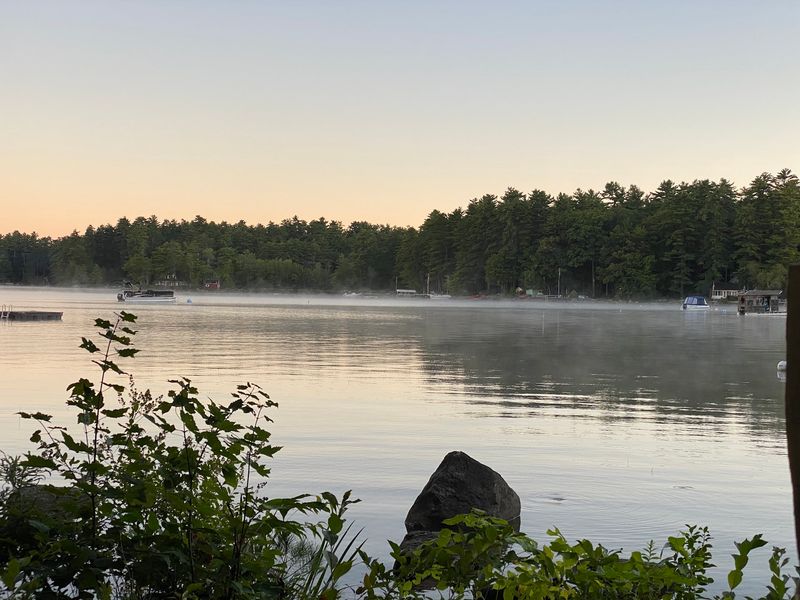
The friendliest neighbor along these banks is the common garter snake, easily spotted by the yellow stripes running down its dark body. These little reptiles are completely harmless to people and spend their days hunting worms, frogs, and small fish.
Garter snakes are the ones most swimmers and campers notice, since they are curious and often bask right out in the open. If you gently step near one, it will usually slide away faster than you can say hello.
They rarely grow longer than a couple of feet, so they look far scarier than they really are. These snakes are common around Maine, but wildlife is best observed without handling it.
Should one cross your picnic blanket, the best move is simply to give it room and let it pass. It has zero interest in your sandwich or your toes.
Once you can name the snake you are seeing, that flash of movement in the grass feels a lot less alarming and a whole lot more like part of the adventure.
Water Snakes Are Not What You Think
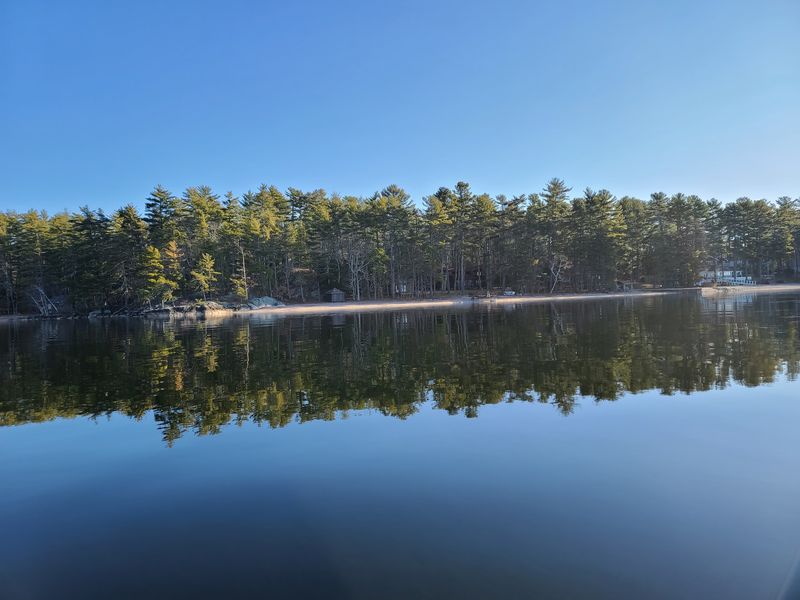
A snake gliding through the water may be a common watersnake, a nonvenomous species found in much of southern and central Maine. It looks bulky and can act grumpy if cornered, yet it carries no venom and would much rather flee than fight.
Common watersnakes hunt fish and amphibians around lakes, ponds, and other waters with suitable shoreline cover and basking areas. You might spot one draped over a partly submerged log, soaking up sun between dives.
People often mix them up with dangerous species from other states, but Maine simply does not have those here. That mistaken identity causes way more panic than the snake ever deserves.
If you see one paddling near your tube, calmly steer the other direction and it will do the same. Splashing and shouting only stress the animal and you.
Learning to tell a harmless water snake from an imaginary monster is one of the easiest ways to keep your lake days relaxed and your swim strokes smooth.
Good News: No Venomous Snakes Live Here

Here is the fact that should melt away most of your worries: Maine has no native venomous snake species considered dangerous to people today, and timber rattlesnakes are considered extirpated from the state.
Timber rattlesnakes once lived in Maine but are now considered extirpated, while the snakes currently found around the state are not considered dangerously venomous to people.
Every snake you meet near the water is a harmless species going about its day. That means a slither near your beach towel is startling at worst, never life threatening.
This is a big reason families keep coming back year after year to swim and camp with kids and pets. You can splash, tube, and explore rocky coves without the fears that haunt visitors in other regions.
Of course, no snake enjoys being grabbed, so a defensive nip is still possible if you handle one. The simple rule is to look but never touch.
Keeping that in mind, you can wander the banks with a lighter heart, knowing the reptiles here are more nervous of you than you are of them.
When Snake Sightings Peak During Summer
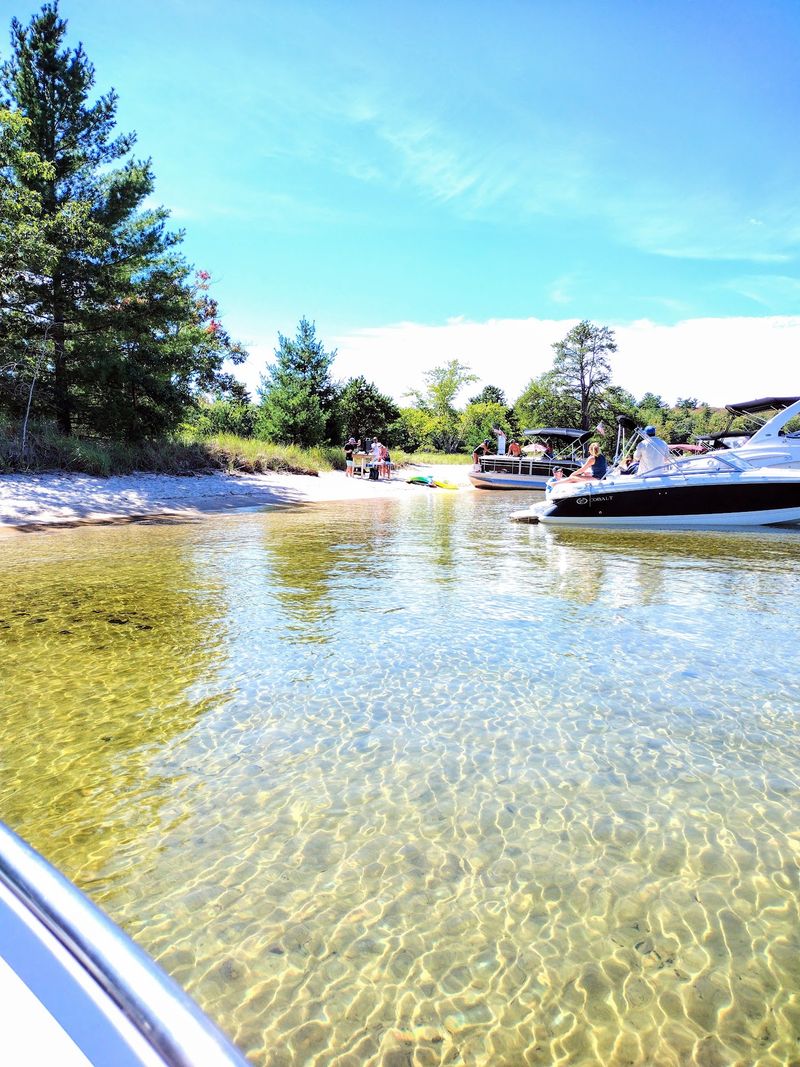
Timing plays a huge role in how often you cross paths with these creatures. Snakes are cold-blooded, so their activity climbs when the weather warms, making the busy summer months the height of sightings.
On hot, sunny mornings you will notice more of them basking, since they need that warmth to get moving and digest their meals. By the cooler evenings, many retreat into burrows and rock crevices.
The lake sees plenty of hustle and bustle in July and August, and the snakes are part of that seasonal rhythm too. Spring brings them out as they wake from winter, while fall sends them searching for cozy spots to rest.
If large numbers of snakes make you uneasy, consider visiting in late spring or early fall when the reptiles are less active. You will still enjoy gorgeous scenery with fewer slithery companions.
Winter, believe it or not, is snake-free at the surface, which is why some folks call the lake a quiet wonderland for cold-weather walks. Planning around the season lets you match your trip to your comfort level.
How Snakes Keep The Lake Healthy
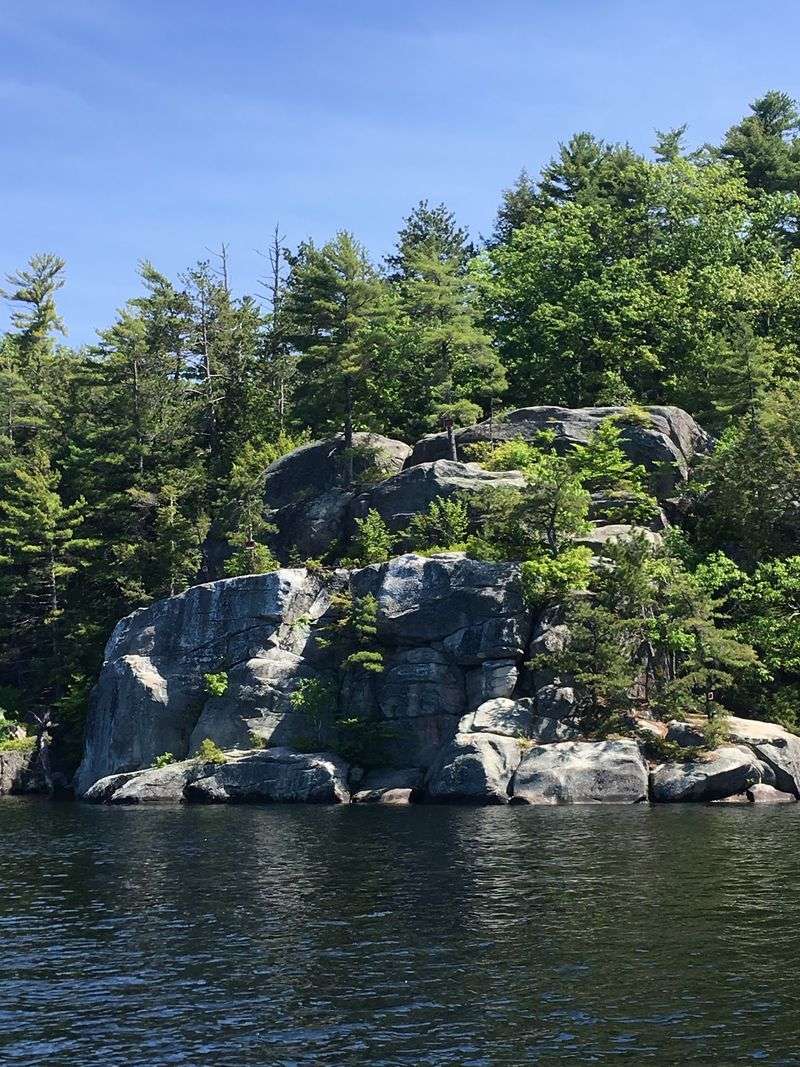
Believe it or not, these slithering visitors do the lake a big favor. Snakes gobble up mice, insects, frogs, and small fish, keeping those populations balanced so no single critter takes over.
Without snakes, rodents near campgrounds would multiply and start raiding coolers and tents far more often. In a sneaky way, the shoreline snakes are protecting your snack stash.
They also serve as food for hawks, herons, and other animals, linking the whole food web together. A healthy snake population is actually a sign that the lake and its clean water are thriving.
Sebago Lake is known for exceptional water quality, supported largely by its heavily forested watershed and ongoing source-water protection. Every creature, even the ones that make us flinch, plays a role.
Next time a garter snake zips past your feet, try seeing it as a tiny unpaid park worker rather than a pest. That shift in thinking makes the whole shoreline feel more like a living, breathing community you are lucky to visit.
Smart Tips For Sharing The Shore
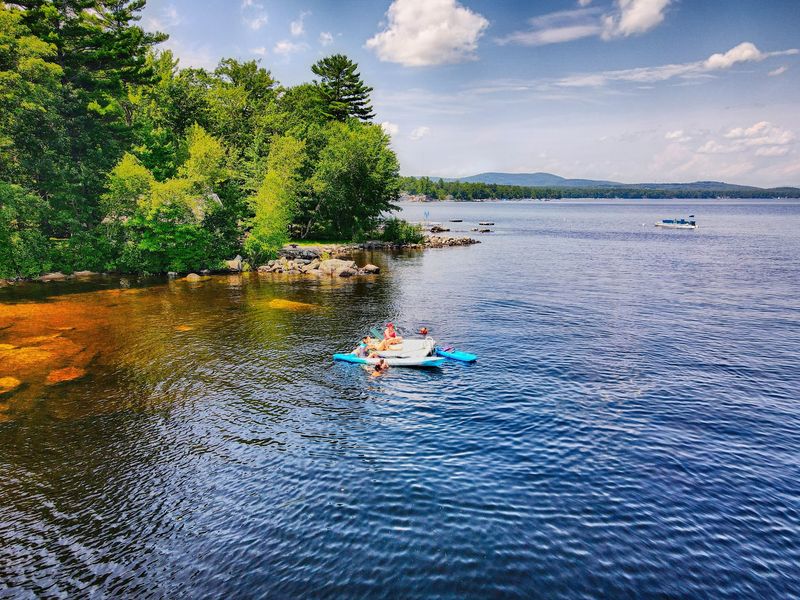
A few easy habits go a long way toward peaceful snake encounters. Wear closed shoes when you hike the trails or scramble over rocks, since bare feet in tall grass invite surprises.
Watch where you place your hands when climbing rocks or exploring rocky shoreline areas, since snakes may shelter in crevices. Snakes often tuck into shady cracks to escape the heat.
Keep your campsite tidy and store food sealed, because leftover crumbs attract the rodents that lure snakes closer. A clean site is a snake-quiet site.
If you spot one, freeze, take a breath, and slowly back away rather than lunging or throwing things. Most snakes only strike when they feel trapped, so giving them an exit solves the problem instantly.
Bring pets on a leash so they cannot corner a nervous reptile in the brush. Curious dogs are the ones most likely to earn a defensive nip.
Follow these simple steps and you can enjoy the beaches, boat launches, and campgrounds with total confidence, letting the snakes mind their business while you mind yours.
Enjoying Sebago Lake Despite The Slither

None of this snake talk should scare you away from one of Maine’s finest playgrounds. Sebago Lake lies roughly 25 miles northwest of Portland, with Sebago Lake State Park typically about a 45-minute drive from the city.
Visitors rent pontoon boats from local marinas, tube across the sparkling surface, and cool off in water so clear you can see the bottom. Campers rave about clean showers, friendly rangers, and cozy nights under the stars.
The nearby Songo Locks offer a rare hand-operated waterway crossing that history fans find fascinating. Small villages ring the eastern and southern shores with local shops worth a browse.
Occasional snake sightings are a normal part of the lake’s wildlife, while Sebago’s exceptional water quality depends much more directly on watershed protection and environmental conditions. Treat them as part of the scenery and your trip stays magical.
Pack your swimsuit, your sense of adventure, and maybe a good pair of shoes, then go make some lakeside memories. The snakes will be too busy sunbathing to bother with your fun.