
This Maine Museum Lets Kids Build, Create, And Play All In One Visit
Rain tapping the windows does not have to mean another afternoon of cartoons and cabin fever. In central Maine, there is a playful indoor stop where kids can cast for pretend fish, tinker with a car, and dive into hands-on challenges that keep curious minds busy.
The focus stays firmly on play, but plenty of learning slips in along the way. Younger children can explore at their own pace, while early elementary-age kids can tackle activities that call for imagination and problem-solving.
This is the kind of outing that can turn a dreary Maine day into something kids actually get excited about. Ahead, you will find a closer look at the exhibits, current admission details, and practical tips that can make your visit easier.
A Playground For Curious Young Minds
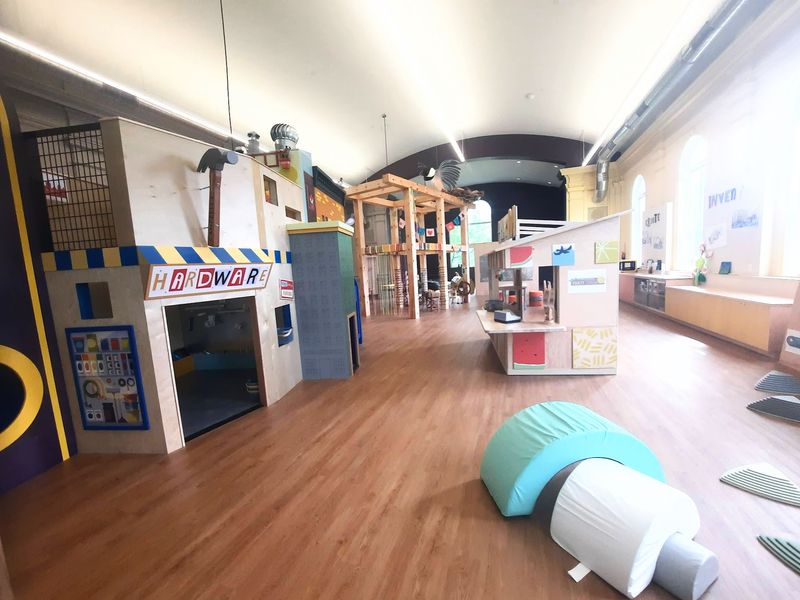
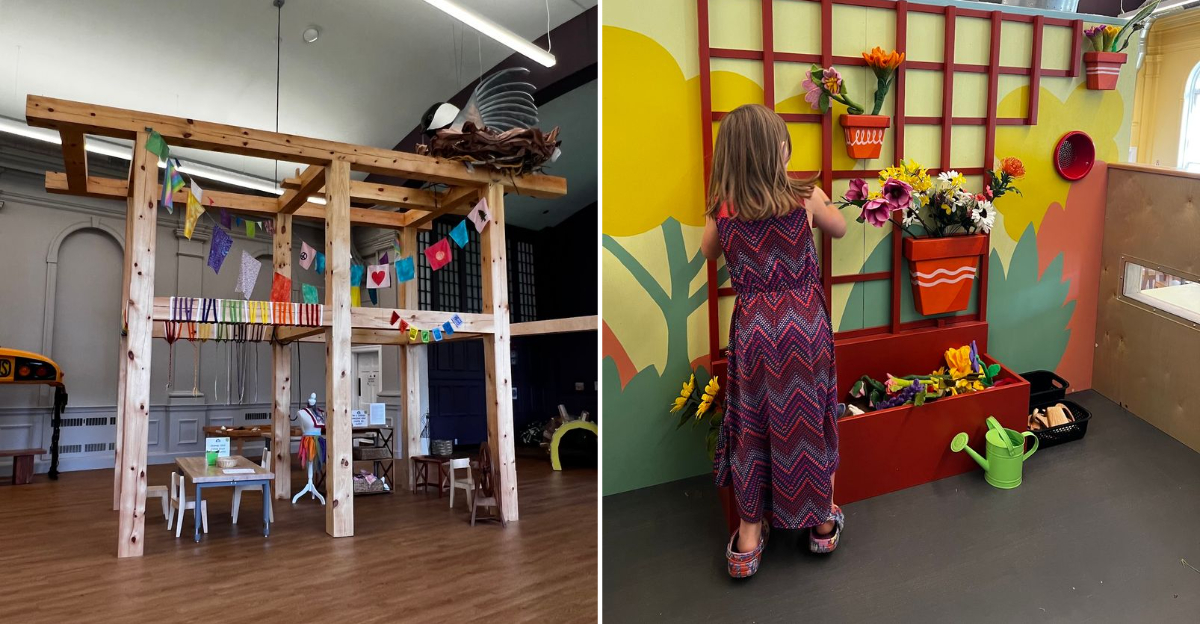
Curiosity is the real ticket at this Waterville spot. The whole place is built around the idea that kids learn best when they are busy touching, moving, and pretending.
Every corner invites a small hand to grab, twist, or build something new.
The museum describes itself as an interactive center for playful education, and that promise holds up. Exhibits are designed to spark questions and let children figure out answers on their own.
Toddlers can toddle safely while older kids chase bigger challenges nearby.
Located at 7 Eustis Pkwy in Waterville, Maine, the space feels welcoming and open. Families often mention how easy it is to keep an eye on wandering little ones while they explore.
The layout gives everyone room to roam.
What makes it special is the balance between fun and quiet learning. Kids think they are just playing, but they are practicing problem-solving, teamwork, and creativity the entire time.
Staff members check in gently without hovering over your shoulder. It is the sort of place where children beg to stay longer, and that is a pretty solid sign you picked the right outing.
The Famous Fishing Hole And Touch Tank
Grab a pole and get ready, because the fishing hole is one of the biggest crowd-pleasers here. Visitors rave about the real, working fishing rods that actually reel, letting kids feel like tiny anglers on a Maine pond without ever getting muddy.
This exhibit turns a simple idea into pure delight. Little ones cast their lines and squeal with joy when they catch their pretend fish.
It combines hand-eye coordination with plenty of laughter.
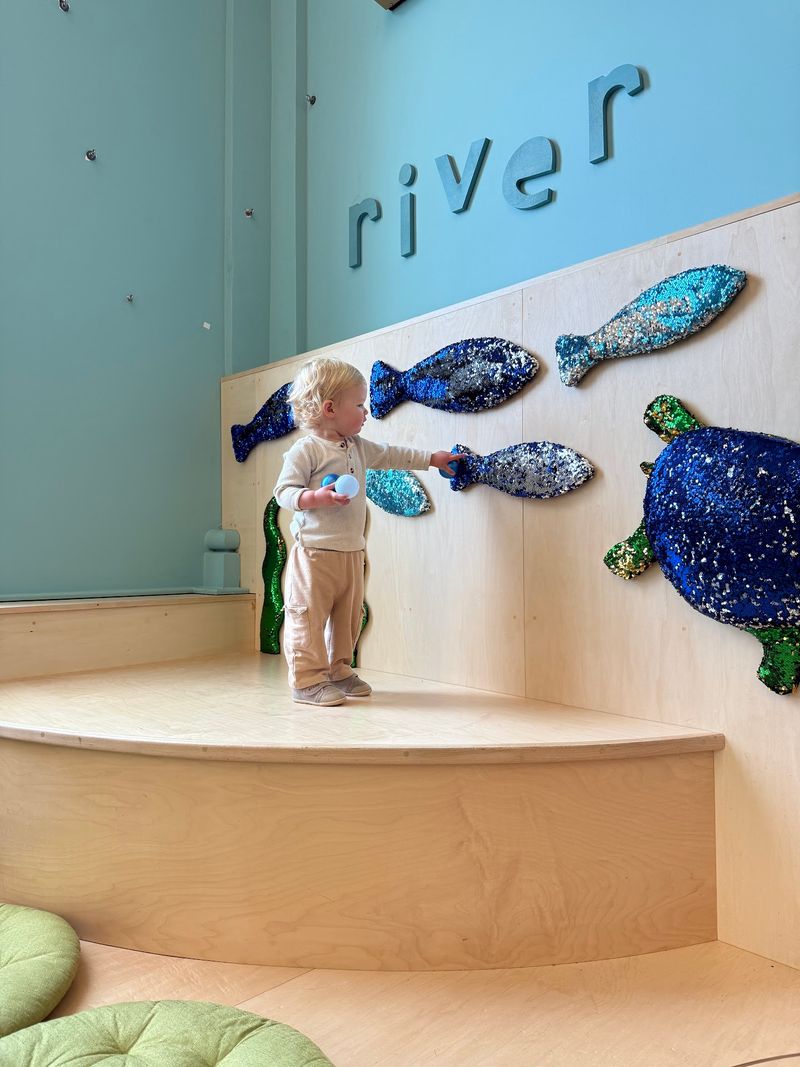
Nearby, other hands-on features in the River zone give younger visitors more ways to explore and play. The River zone introduces young visitors to nature-inspired play in an indoor setting designed especially for little explorers.
The fishing hole gives children a playful way to try their hand at pretend angling while staying comfortably indoors.
If your kid loves the outdoors but the weather refuses to cooperate, this corner delivers the thrill of fishing indoors. Just be prepared, because once they start casting, convincing them to move to the next exhibit takes some serious negotiating.
Building Zone With Giant Blocks And Logs
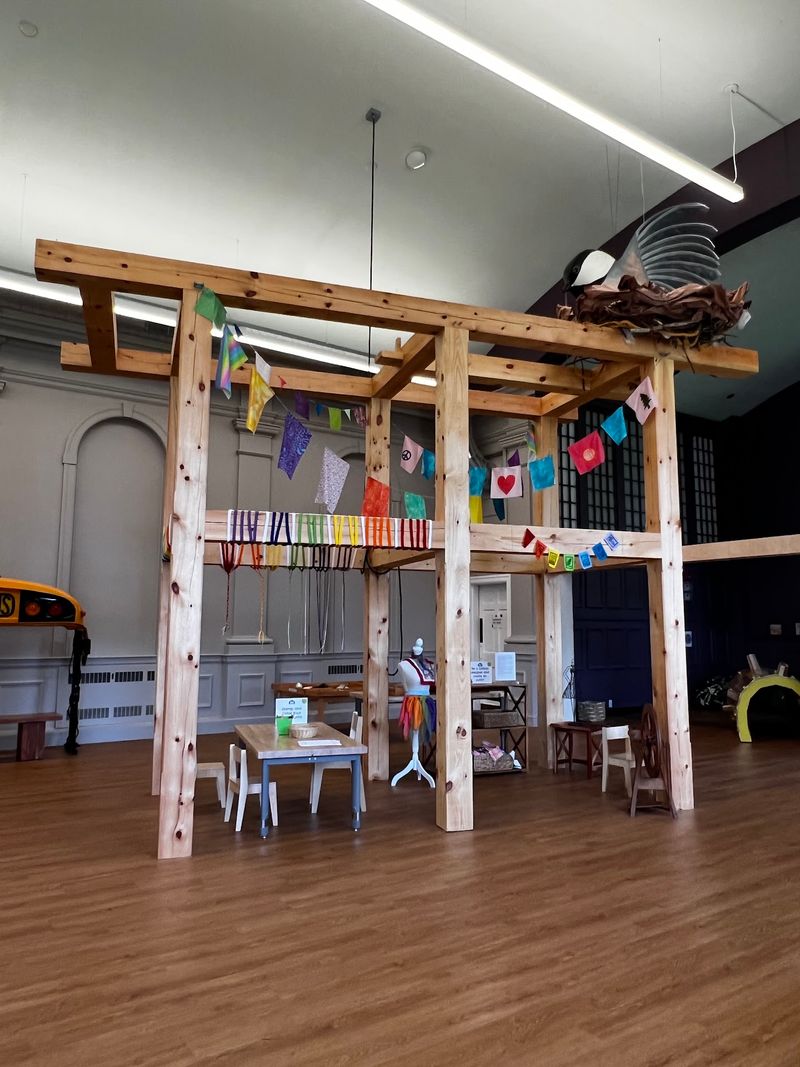
Little architects, this one is for you. The Forest zone lets kids build a log cabin, while the Mill offers hands-on projects that encourage construction and problem-solving.
Kids get to plan, stack, and problem-solve on a scale that feels huge and exciting to small hands. The pieces are chunky, safe, and endlessly rearrangeable.
This room rewards imagination and patience. Some kids team up to build something enormous, while others prefer a solo project they can knock down and start over.
Either way, the mess stays fun instead of frustrating.
Alongside the blocks, you will find a huge checkers set, an oversized Connect Four, a giant Jenga stack, and a Lego table for finer building. There is truly something for every builder in the family.
Pretend Play At The Grocery, Mailroom, And Mechanic Shop
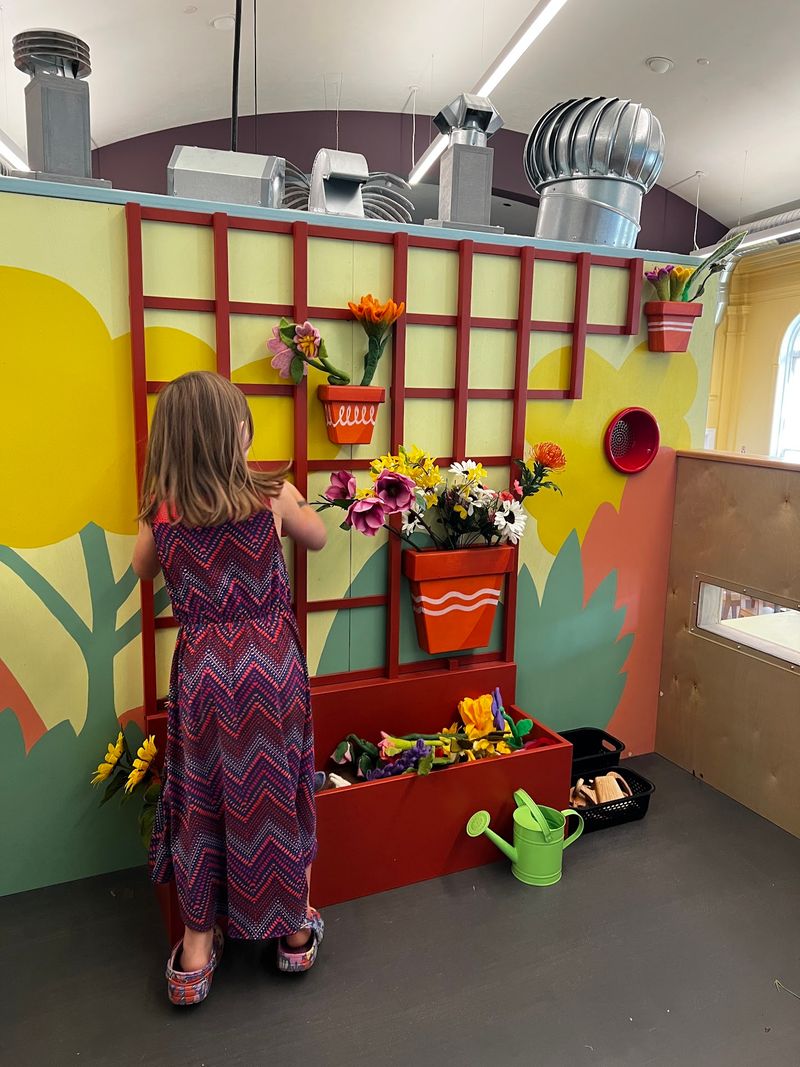
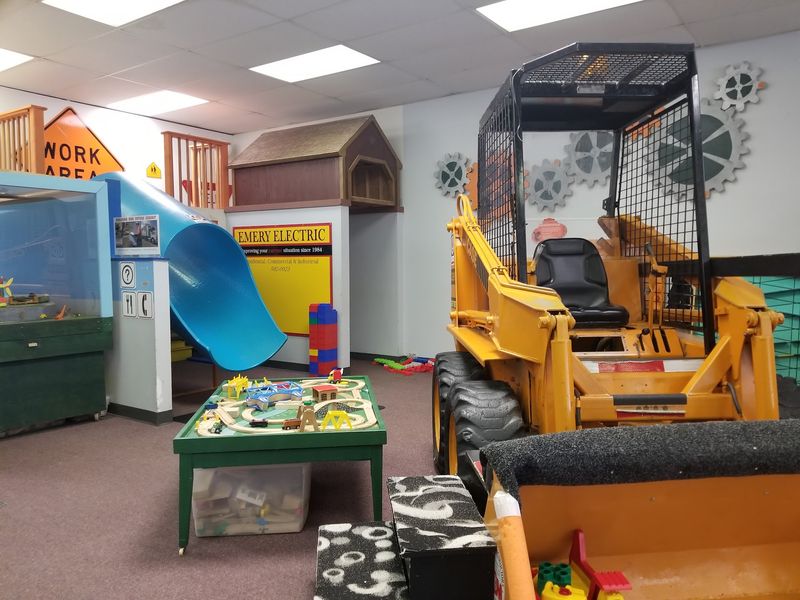
Role-playing takes center stage in the make-believe zones. Kids can explore the Farm Stand, sort mail at the Postoffice, or roll up their sleeves at the auto shop where a car waits to be worked on.
These stations let children step into grown-up jobs for an afternoon. Kids can pretend to run a shop, deliver mail, or work as a mechanic while inventing their own stories.
Imaginative play like this builds language and social skills naturally.
The mechanic area earns special praise from families. The e-car does not actually drive, but it is set up so kids can inspect and repair it, which many young visitors find endlessly entertaining.
These pretend spaces spark conversations and cooperation, since kids often trade roles and invent stories together. Do not be surprised if your child insists on ringing up your groceries at home the very next day.
Craft Tables And Creative Corners
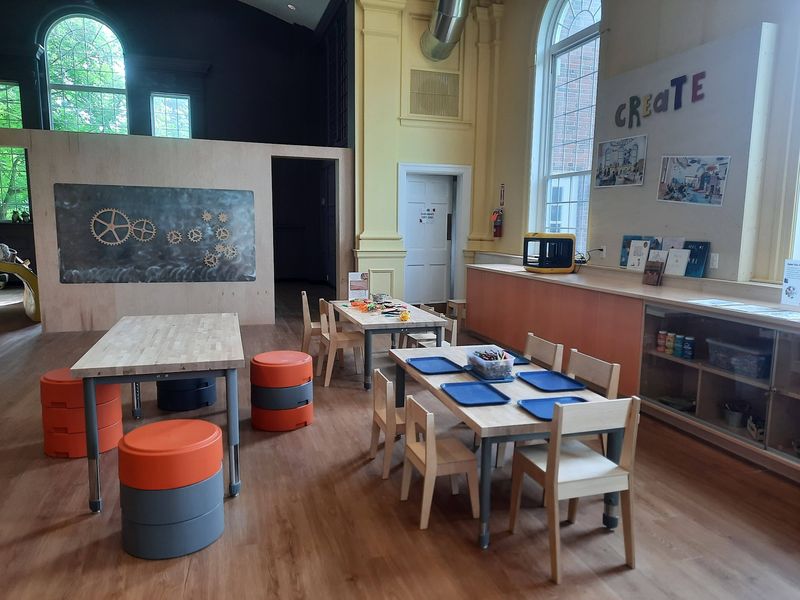
Sticky fingers welcome. Creative activities are offered through rotating projects and special programs, giving kids opportunities to make and experiment with their own ideas.
Creativity here is open-ended, so children decide what to build and how to decorate it. There is a design-your-own dress display that budding fashion fans adore, plus supplies for all sorts of imaginative projects.
Older kids especially appreciate having art materials out, since it gives them something to dig into while younger siblings dash around the play zones. Keeping the supplies stocked helps every age group stay happy.
The crafting corners add a calmer rhythm to the busy museum, balancing high-energy play with focused, quiet fun. Bring a little extra time for this area, because finished masterpieces tend to travel home proudly clutched in small hands and taped to the refrigerator by dinner.
Fresh Exhibits and Special Programs
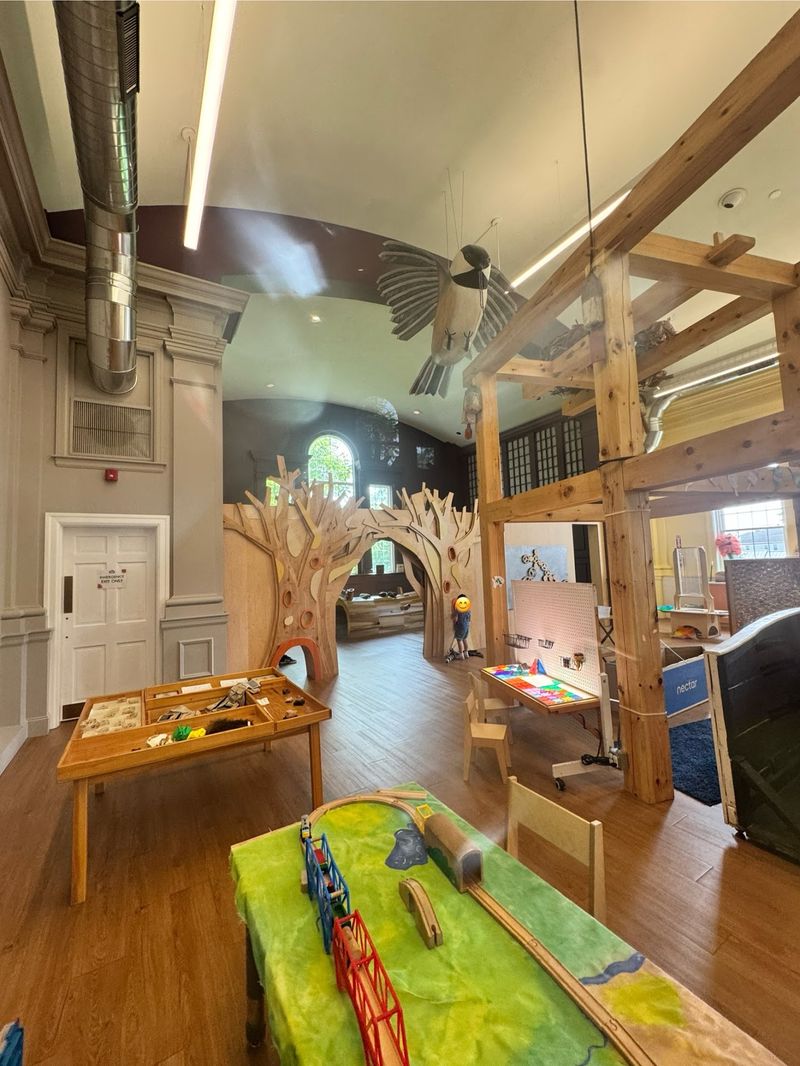
Change keeps things interesting at this museum, with rotating projects and special programs adding variety throughout the year. Repeat visitors love returning to discover something they have never seen before, which keeps the space feeling fresh trip after trip.
Beyond the everyday play areas, the museum runs seasonal programs worth planning around. One family described a summer weekly schedule that ran Wednesday through Friday, featuring a gardening activity one day and a music and instruments session another.
These extra events turn a simple visit into a themed adventure. Drop-in music sessions, camps, and hands-on activities give kids a reason to come back and try something different each time.
Because the museum is a nonprofit that keeps adding to the experience, the lineup grows and shifts throughout the year. Checking the official website before you go helps you catch whatever special program is running that week.
Families who visit often say the calendar of activities is a big reason a membership feels worthwhile. Instead of relying on the same activities every visit, families may find different programs and hands-on projects throughout the year.
That variety keeps young visitors engaged and coming back with wide eyes and fresh questions.
Prices, Hours, And Membership Deals
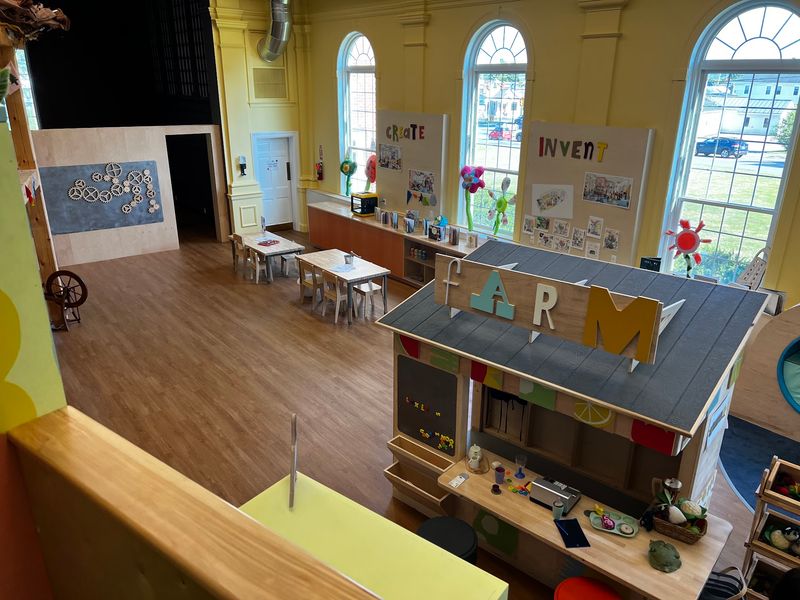
Planning the budget is easier once you know the numbers. Admission runs about nine dollars per person, with Maine residents enjoying a friendly rate, and families often note it is affordable compared with larger children’s museums in the state.
The museum keeps a schedule that suits weekend and weekday outings alike. It opens Wednesday through Saturday from 9 a.m. to 4 p.m. and Sunday from 10 a.m. to 4 p.m., staying closed on Monday and Tuesday.
For families who visit often, a yearly membership is where the real value shines. Regulars say the pass quickly pays for itself, especially since each parent is charged along with the kids.
The museum’s Fun Fund can help qualifying families access special programs, events, or an annual membership. That thoughtful touch says a lot about the place.
A quick check before loading the kids into the car helps you arrive ready, wallet-friendly plan in hand and expectations set just right.
Handy Tips For A Smooth Visit
A little preparation goes a long way here. Parking is limited, so aim for a weekday visit when the lot is calmer, though even on busy rainy Saturdays the inside rarely feels cramped.
Come dressed for active play, since children will likely spend much of the visit climbing, building, and moving between exhibits. A change of clothes saves the ride home from being a damp one.
Keep in mind there is a shoe removal policy, and the floors can feel slick in socks, so grippy socks are a smart move for speedy toddlers. The building stays impressively clean, with staff often spotted tidying up.
The museum is designed for young children, with many exhibits especially appealing to preschoolers and early elementary-age kids. Parents of preschoolers and toddlers tend to leave the happiest.
A stocked nursing and changing room is a lifesaver for babies, and friendly staff check in without crowding you. One last tip worth remembering, watch your kids closely, since the fun runs high and everyone shares the space best when little adventurers stay supervised and safe.