
This Maine Park Lets Rockhounds Search Old Quarry Country For Sparkling Stones
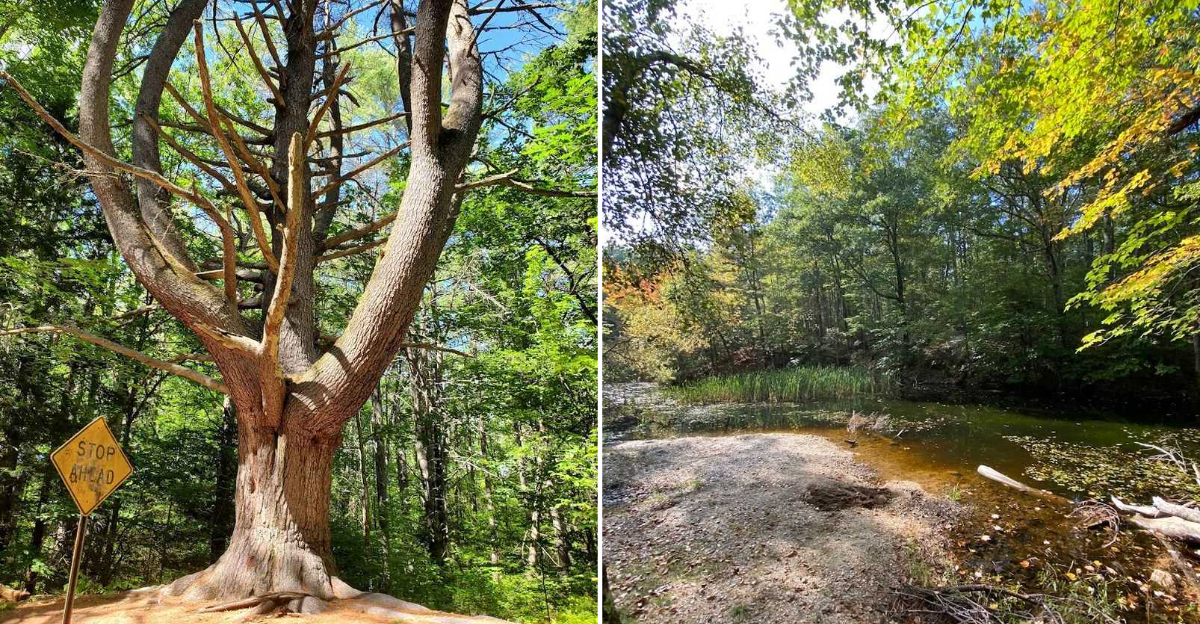
A flash of quartz in an old pile of mine tailings was all it took to stop me in my tracks. The stone caught the light just enough to make the surrounding woods feel like part of a treasure hunt.
This Maine park offers far more than an ordinary walk beneath the trees. Its landscape carries more than 150 years of mineral exploration and quarrying, leaving behind rocky piles where collectors can still search for fascinating specimens.
Hiking and mountain biking add another layer of adventure to the visit. Muddy trails may test your shoes, but the possibility of spotting quartz beneath your feet keeps every section interesting.
Anyone curious about geology can spend hours examining the ground and exploring the old quarry areas. This unusual outdoor destination makes an ordinary hike feel much more rewarding.
A Park Built On Mining History
Long before Mount Apatite became a city park, the area was explored for minerals, and commercial feldspar mining began there in 1902. The park sits atop a pegmatite formation, which is a type of coarse-grained rock that often contains large crystals and a surprising variety of minerals.
That geological background is exactly what makes this place so fascinating for anyone curious about the natural world.
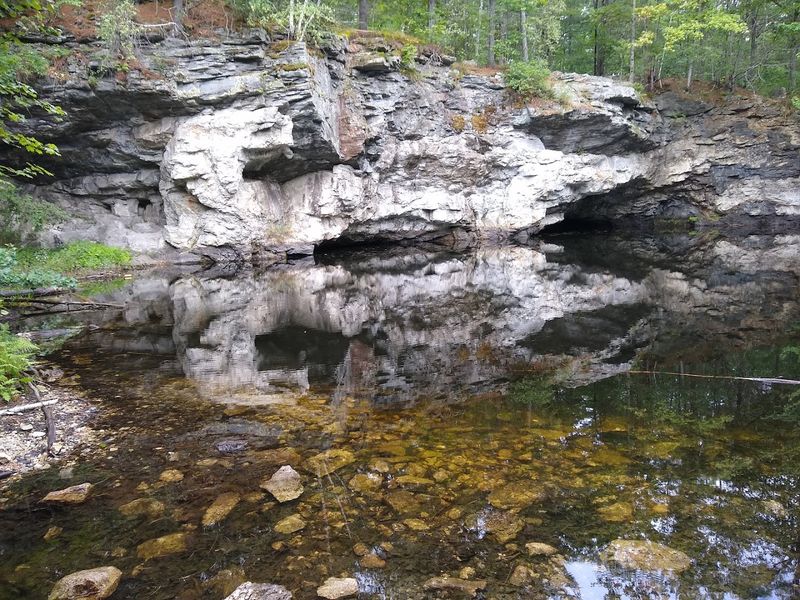
Pegmatite deposits in Maine have been mined since the 1800s, and Mount Apatite was no exception. The old quarry operations left behind water-filled pits, dump piles of discarded rock, and stone foundations that you can still find scattered throughout the trail system.
Walking past those remnants gives the whole hike a sense of stepping back into an earlier chapter of Maine’s industrial past.
The park is owned and managed by the City of Auburn and is open from dawn to dusk year-round. You can reach the park by contacting the city at +1 207-333-6601.
History and hiking rarely blend this well in one package.
The Minerals You Can Actually Find Here
Quartz is the star of the show at Mount Apatite, and it shows up in several forms throughout the park. Visitors have found milky white quartz, smoky quartz with a deep gray-brown tint, and occasional pieces of clear quartz that practically glow when the light hits them right.
The thrill of spotting a crystal poking out from a pile of tailings is genuinely hard to put into words. Beyond quartz, the park is known for producing tourmaline, garnet, feldspar, and the mineral the park is named after, apatite.
Tourmaline from Maine is particularly prized by collectors because it can appear in striking shades of green, pink, and even watermelon-colored combinations. Finding even a small piece feels like a real reward after a morning of careful searching.
The dump piles near the old quarry areas are the best spots to concentrate your search. You do not need expensive equipment to get started.
A pair of gloves, a small trowel or hand pick, and a bag to carry your finds are enough for a productive session. Maine has a long tradition of mineral collecting, and this park keeps that tradition very much alive.
Trail System For Every Kind Of Explorer
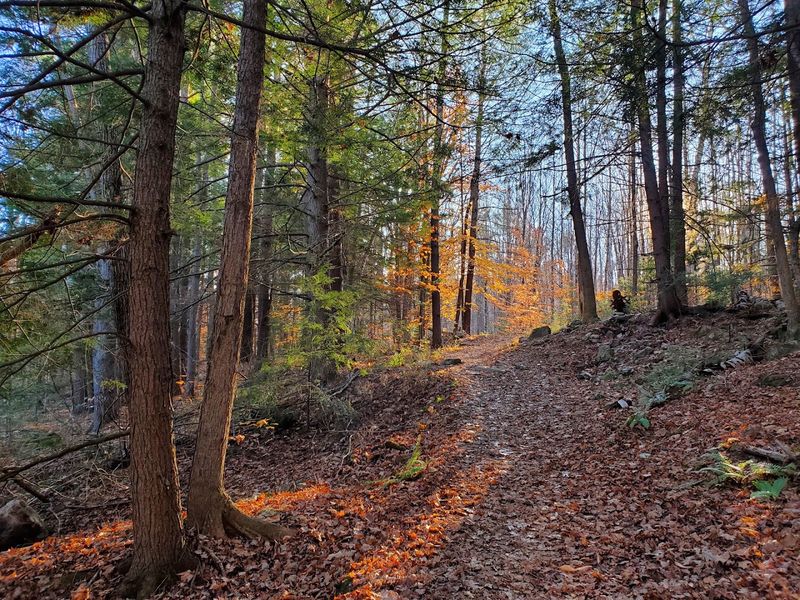
My first impression of the trail system at Mount Apatite was that it offered more variety than I expected from a park of this size.
The network includes a color-coded blue loop trail that winds through forested terrain, crosses small wooden footbridges over muddy creek beds, and climbs to two different points reaching around 500 feet in elevation.
That elevation gain is modest enough that most hikers handle it comfortably, but enough to give you a real sense of accomplishment.
The trail difficulty sits around a 2 or 3 out of 5, making it accessible for families with kids, older hikers, and anyone who wants a workout without committing to a mountain summit.
Peaks and valleys alternate throughout the route, keeping the landscape interesting and the legs engaged. Wooden benches placed at several junctions give you a moment to rest and take in the surroundings.
One important tip worth mentioning is that the trail network includes many informal paths created by mountain bikers and shortcut-seekers, which can make navigation a bit tricky in spots.
Taking a photo of the posted trail map at the entrance and keeping a navigation app handy will save you from an unplanned detour. Getting a little turned around is half the fun, but having a backup plan is smart.
The Water-Filled Quarry Pits Up Close
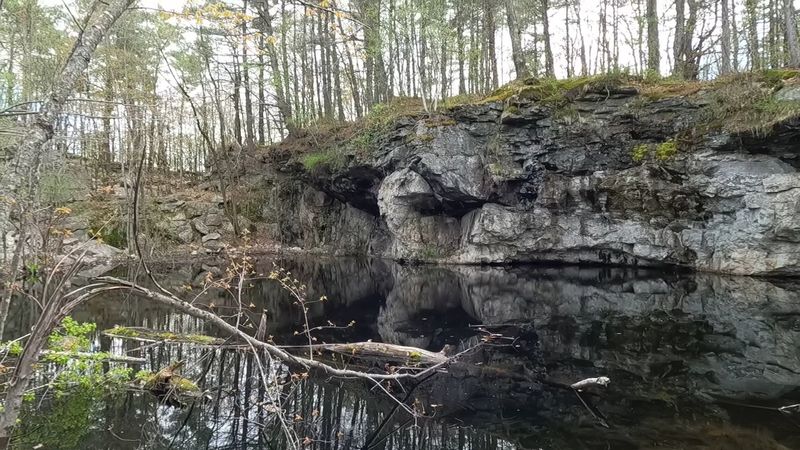
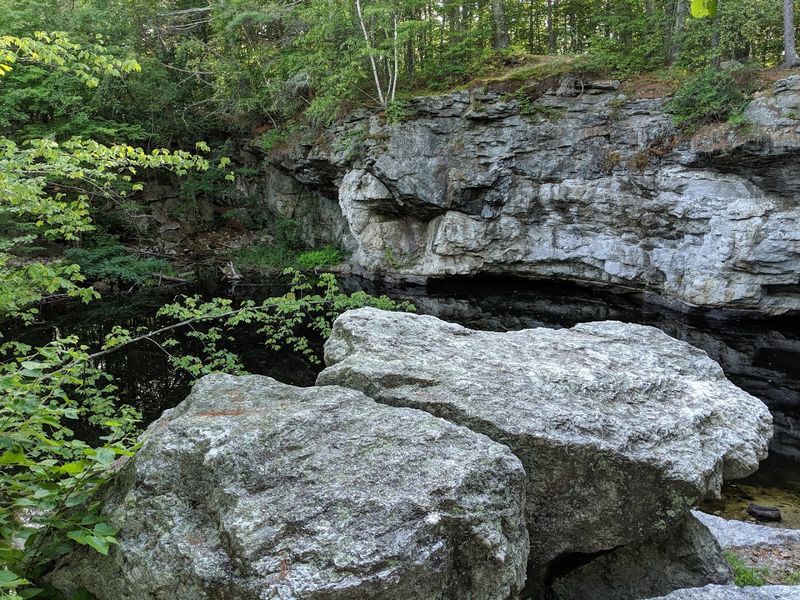
One of the most visually striking features of Mount Apatite Park is the water-filled quarry pits that formed after mining operations ended and groundwater slowly reclaimed the excavated spaces.
Standing at the edge of one of these pits, you are looking at a pocket of clear, still water framed by rough granite walls and overhanging tree branches. The contrast between the industrial origin and the peaceful result is genuinely beautiful.
There are two main water-filled quarry areas that hikers typically visit, and both are worth the walk. The reflective surface of the water changes with the light and the season, so the scene looks different on a bright summer morning than it does on a cloudy autumn afternoon.
Photographers and casual sightseers alike tend to spend extra time at these spots, and it is easy to see why.
The quarry pits are not swimming areas, so the experience here is purely visual and reflective in the best sense.
Sitting quietly near the water, you can hear birdsong echoing off the granite walls and watch insects skim across the surface. It is one of those rare spots in a park where doing absolutely nothing feels like the perfect activity.
Wildlife And Nature Beyond The Rocks
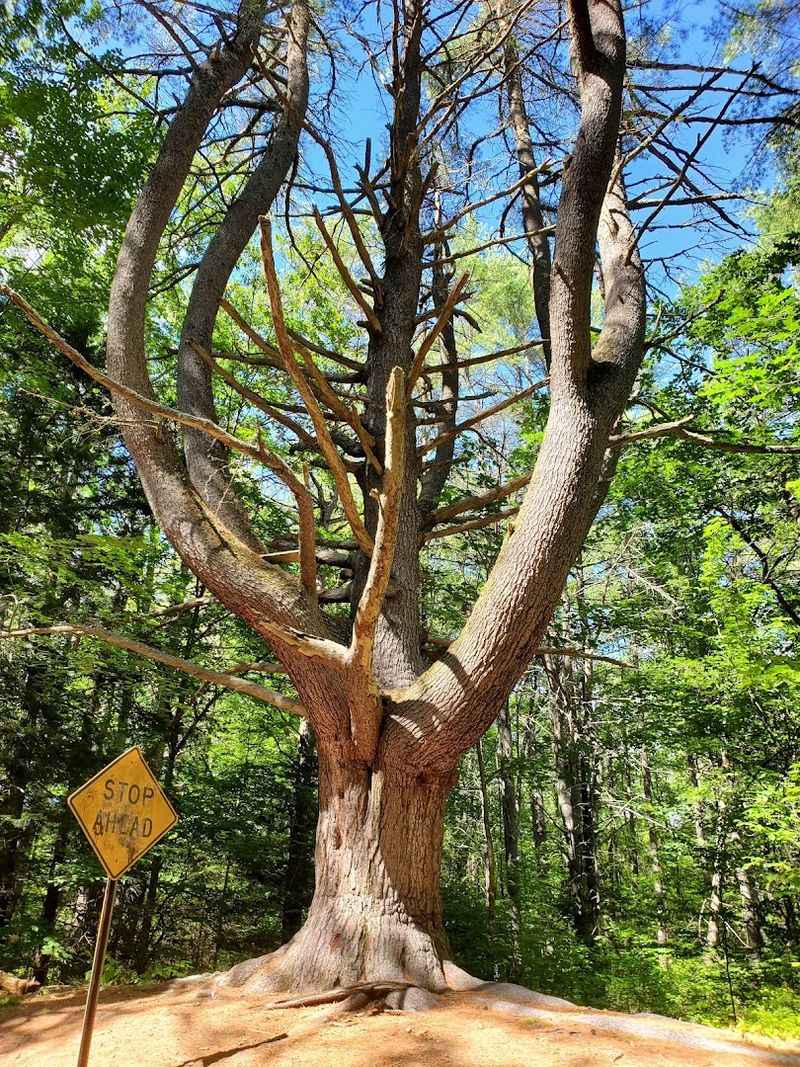
Mineral collecting gets most of the attention at Mount Apatite, but the park’s natural environment deserves equal billing. The forested trails pass through a mix of pine, oak, and hardwood trees that create a canopy thick enough to feel genuinely immersive.
Seasonal wildflowers, mosses, and ferns line the edges of the paths, and the variety of fungi and mushrooms growing along the trail is remarkable enough to keep a naturalist busy for hours.
Birders have a particularly good time here. The tree cover and the streams that run through the park attract a wide range of songbirds, and the calls layer over each other in a way that makes the whole hike feel accompanied by a natural soundtrack.
If you bring binoculars, you will not regret it. Tadpoles appear in the slower-moving water sections during spring, which is a genuine treat for younger visitors.
One honest heads-up for summer visitors: mosquitoes can be aggressive up in the wooded sections when you stop moving. The quarry areas down in the open rock zones tend to be much more comfortable in that regard.
Packing insect repellent and keeping a steady pace through the shaded stretches makes the experience far more enjoyable from June through August.
Two Entrances And Plenty Of Parking
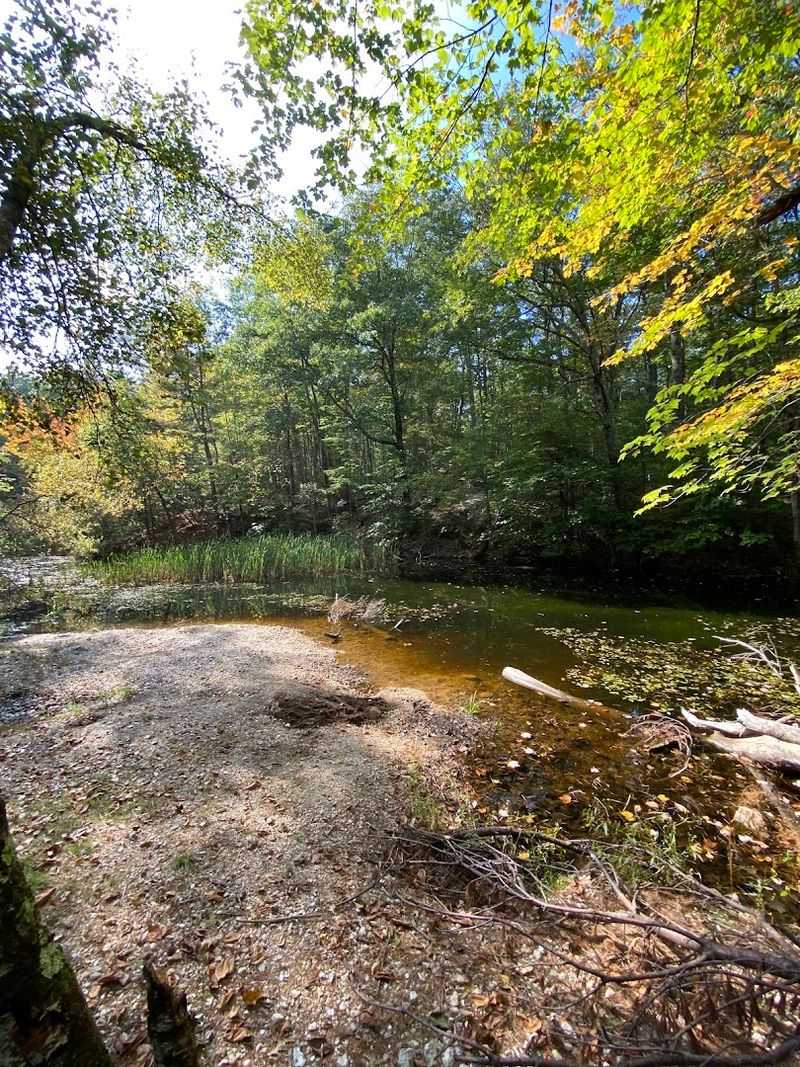
Practical details matter when you are planning a day out, and Mount Apatite Park handles the basics well. The park has two separate entrance points, one on the south side and one on the north side of the property.
Most of the posted trail maps at the park are oriented toward visitors approaching from the south entrance, so if you arrive from the north, spend an extra minute getting your bearings before heading out on the trails.
Parking is available at the main lot, and it tends to fill up on busy weekends, which tells you something about how popular this spot has become.
A porta potty is located at the parking area, which is a small but genuinely appreciated amenity for a free public park. The park does not charge an admission fee, making it one of the more accessible outdoor destinations in the Auburn area.
The park is open seven days a week from 7 AM to 7 PM, so early morning visits are a great way to beat the crowds and catch the best light for photography.
Mountain bikers share the trails with hikers, and dogs on leashes are welcome throughout the park. Planning your visit for a weekday morning gives you the best chance of having the quarry areas mostly to yourself.
Tips For First-Time Rockhounds At The Quarry
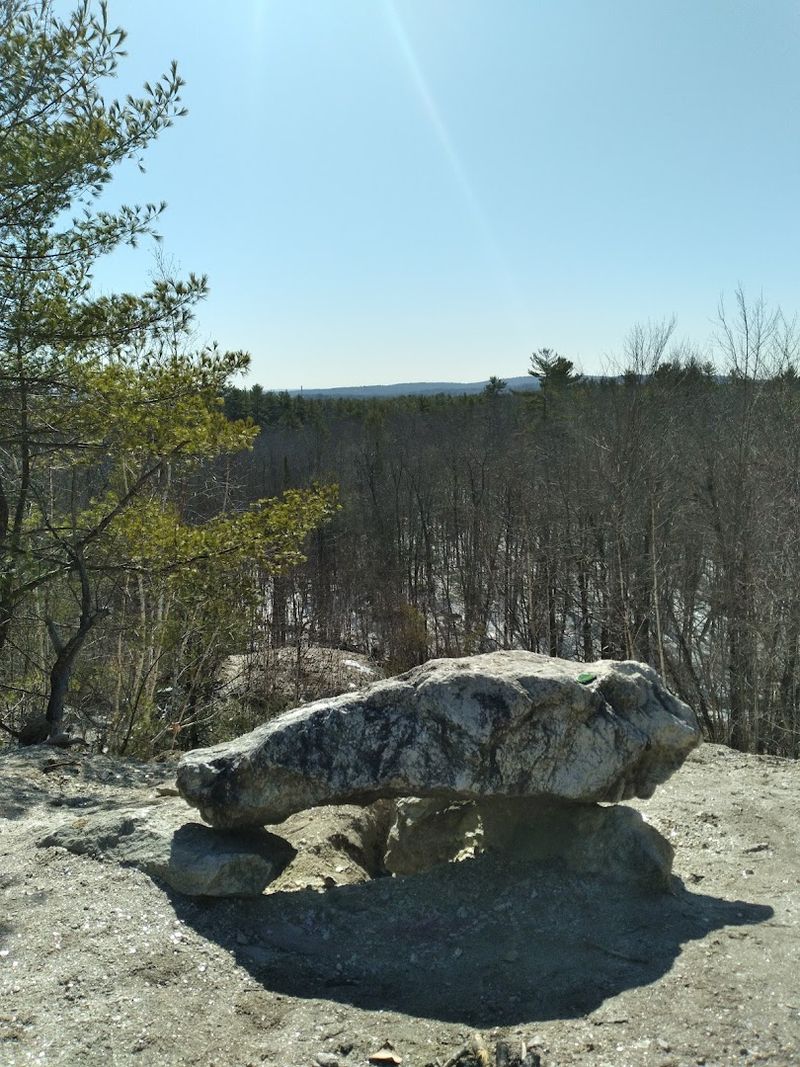
The old dump piles are the best places to start looking for mineral specimens. These mounds contain rock discarded during the original mining operations, and a little patience may uncover quartz or feldspar.
Small pieces of apatite and tourmaline are possible finds as well.
A few basic supplies can make the search much easier. Sturdy gloves protect your hands around sharp edges, while a small hand pick or trowel helps move loose material without damaging a promising specimen.
City rules allow hand tools only in the area known as the mines, and digging is limited to two feet.
Keep your finds in a zip-lock bag or padded backpack, and wear supportive closed-toe shoes for the uneven quarry terrain. A navigation app can also help in the open rock areas, where the route may become confusing.
Even a small piece of smoky quartz can make the visit feel like a successful treasure hunt.
What To Expect By Season
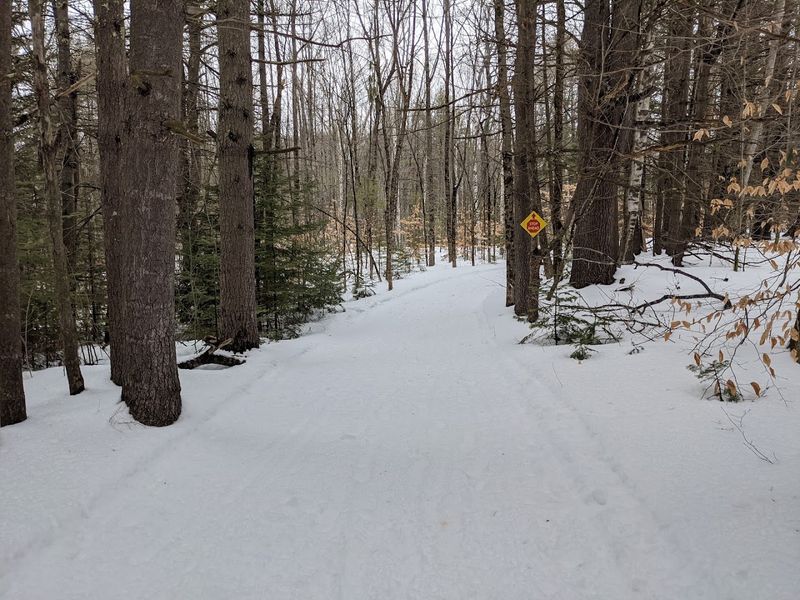
Mount Apatite Park has a different personality depending on when you visit, and each season brings its own set of rewards and trade-offs. Spring is a great time for seeing wildflowers and tadpoles, but the trails can be muddy in places where snow melt saturates the soil.
The wooden footbridges help considerably, but expect soft ground in the lower sections of the trail near the creek beds through April and into early May.
Summer brings full green canopy and long daylight hours that make the park feel lush and alive. The quarry pits look especially vivid under a blue sky, and the mineral colors in the dump piles seem to pop in bright sunlight.
The trade-off is mosquito activity in the shaded trail sections, which peaks in June and July. Fall is arguably the most visually rewarding season, when the hardwood trees shift to orange, red, and gold and the cooler air keeps bugs at bay.
Winter visits are possible for those who enjoy a quiet, snow-covered landscape, though the park’s operating hours of 7 AM to 7 PM still apply year-round.
Checking the city of Auburn’s website before a winter visit is a good habit to confirm current conditions. No matter the season, the park’s combination of geology and scenery makes it worth the trip.