
This Maine State Park Looks Like A Landscape Pulled Straight From A Dream
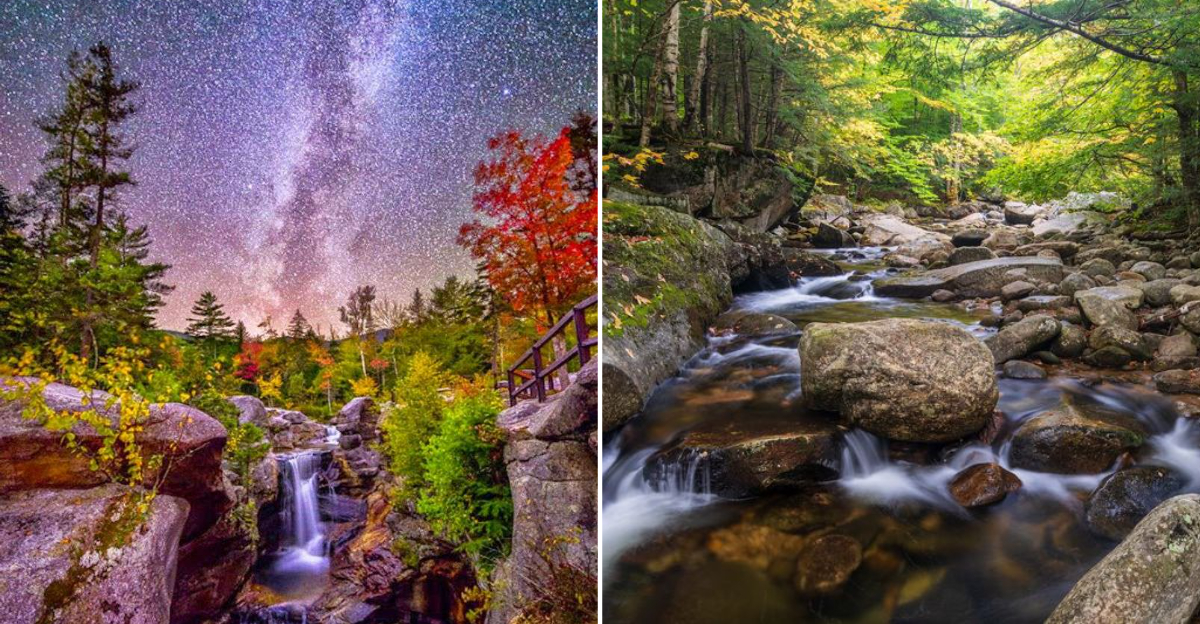
You know a place is special when the view makes everyone go quiet for a second. That is exactly what happens in this part of western Maine.
Clear water tumbles through narrow rock walls, mountain peaks rise above the road, and even the shortest walks lead somewhere worth stopping for. One trail takes you beside a twisting waterfall.
Another climbs toward a high ledge with a view that makes the effort feel completely justified. The Bear River runs through the landscape, adding cool pools, smooth stone, and the steady sound of rushing water.
Some stops are easy enough for a quick visit, while others turn into a real hiking challenge. It is the kind of place that works for families, photographers, and anyone who loves being outdoors.
Nature’s Most Dramatic Water Feature
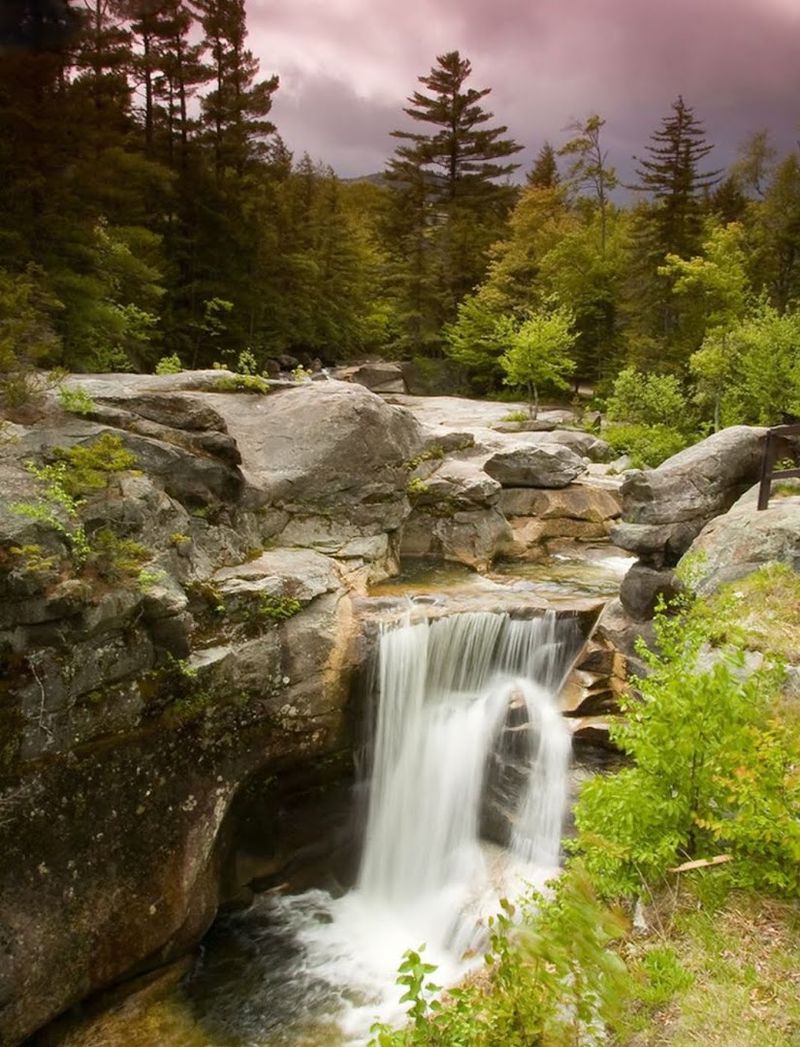
Few waterfalls in New England stop people in their tracks quite like Screw Auger Falls. The water carves through ancient granite in a tight spiral pattern, creating a series of cascades that drop into a crystal-clear pool below.
The colors in the rocks beneath the water shift from amber to slate blue, making every photograph look almost too vivid to believe.
Getting there requires almost no effort at all. The falls sit close to the parking area, so visitors of nearly any fitness level can walk right up and experience the full scene.
On warm summer days, the pool becomes a popular spot for cooling off, and the sound of rushing water completely drowns out the rest of the world.
Picnic tables nearby make it easy to settle in for a long, relaxed afternoon. The combination of accessible location and jaw-dropping scenery makes Screw Auger Falls one of the most rewarding stops anywhere along the entire park corridor.
A View That Earns Every Step
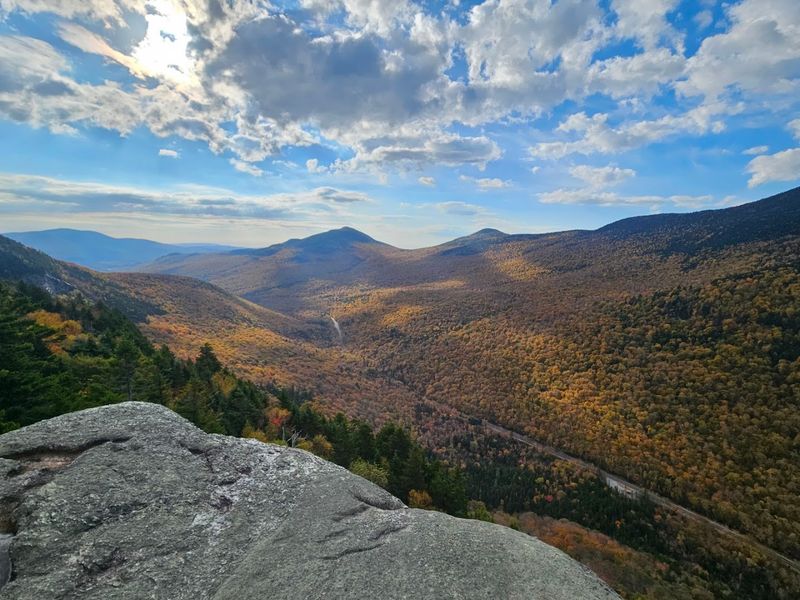
Standing on Table Rock feels like the mountain decided to build you a private balcony. The broad granite ledge overlooks the valley and surrounding peaks, but visitors should remain well back from its unprotected drop.
It is the kind of view that makes the hard climb feel like the best decision you ever made.
Two routes lead to the summit. The orange-blazed route is shorter but significantly steeper, with demanding boulder scrambling and uneven terrain.
The Appalachian Trail route takes a longer, more gradual path and is generally the recommended option for the descent, since the orange trail can become slippery and demanding on the way down.
Most hikers budget two to four hours for the full round trip. Bringing a packed lunch to enjoy at the top turns a workout into a full experience.
The summit view changes with every season, making return visits feel completely fresh each time.
The Park’s Strangest Rock Formation
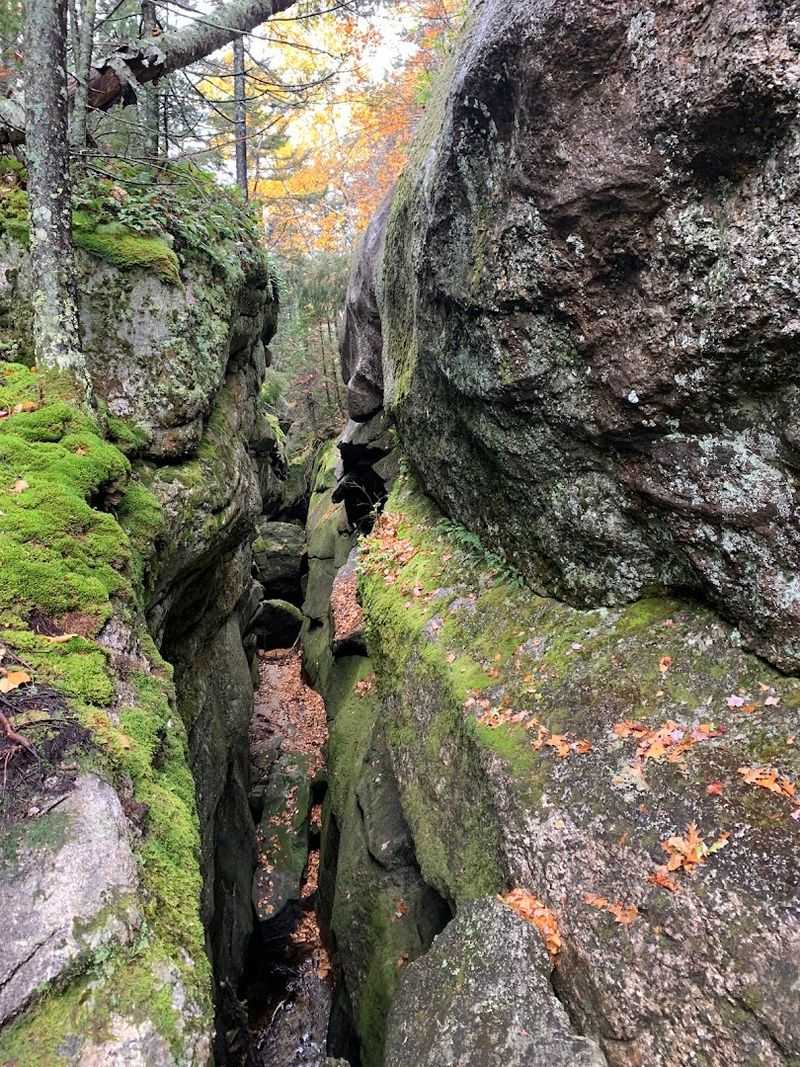
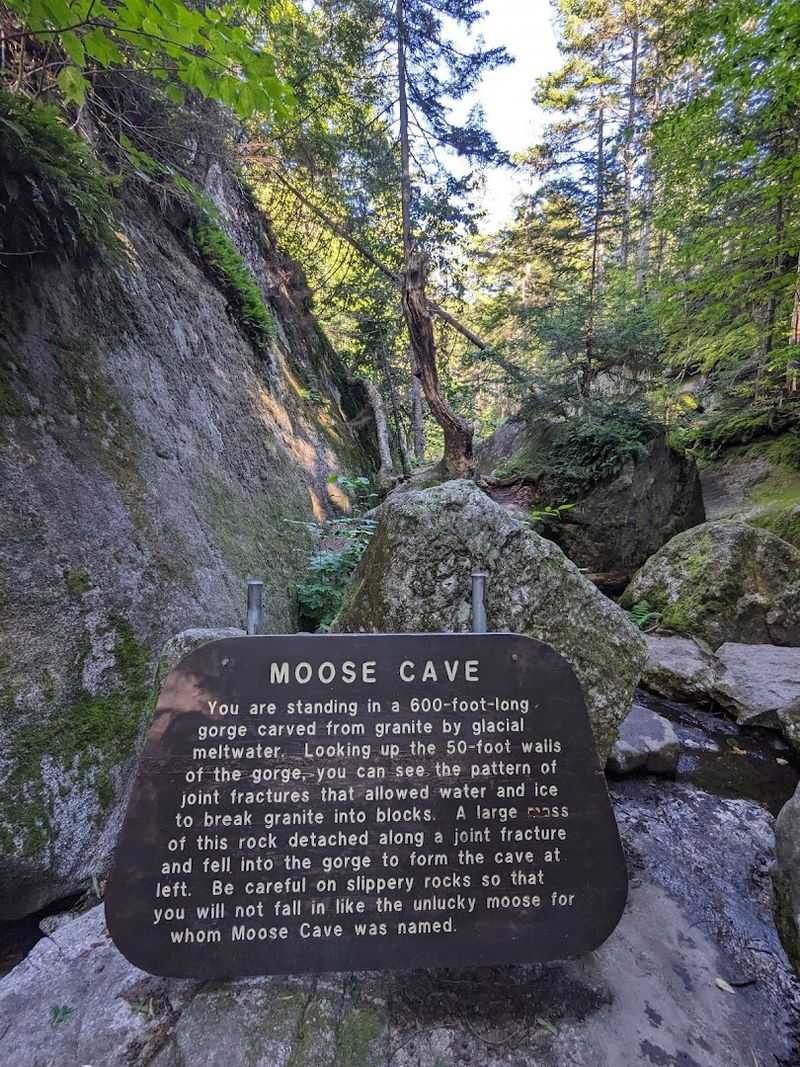
Moose Cave does not require a full day or a trail map to enjoy. The loop trail is short, but stairs, slopes, narrow passages, and uneven surfaces make it less accessible than its distance might suggest.
What waits at the end of that short walk, though, is genuinely surprising: a narrow, moss-covered gorge where the air turns noticeably cooler and the walls close in around you like a scene from an adventure story.
The gorge was carved by glacial meltwater thousands of years ago, and the smooth, sculpted rock walls still show the marks of that slow, powerful process. Interpretive signs along the path explain the geology without turning the walk into a lecture, which keeps the experience fun for kids and curious adults alike.
The cave itself is more of a deep rock crevice than a true cave, but the dramatic narrowness of it more than makes up for any technical distinctions. It is a quick stop that consistently surprises first-time visitors with just how atmospheric it feels.
The Appalachian Trail Runs Here
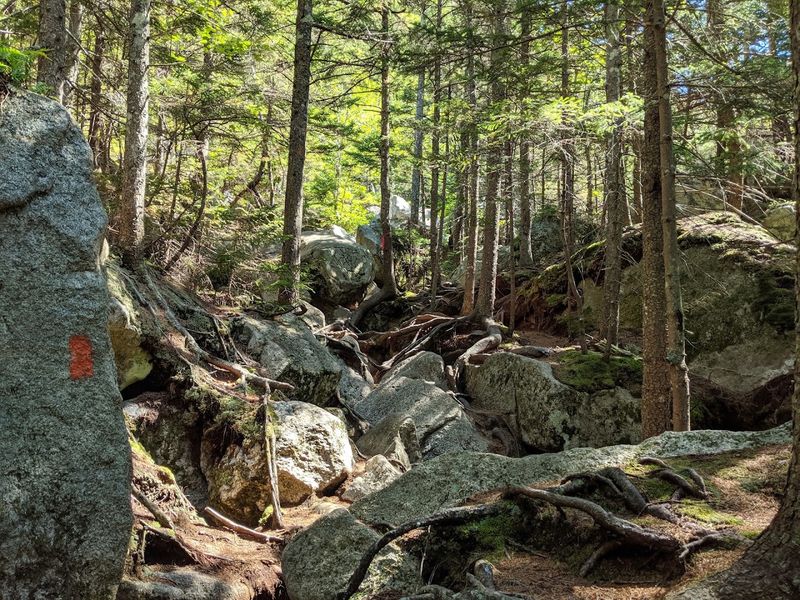
Not every state park can claim a piece of one of the most famous long-distance trails in the world, but Grafton Notch State Park can.
The Appalachian Trail, which stretches more than 2,000 miles from Georgia to Maine, passes directly through the park, giving visitors a chance to walk a section of trail that thru-hikers spend months dreaming about reaching.
For day visitors, this means access to some genuinely wild and remote-feeling terrain without needing to commit to a multi-day backpacking trip.
The AT section through the park connects to several other trails, including the route up to Table Rock, so hikers can mix and match their route to suit their energy and experience level.
Seeing thru-hikers pass through with massive packs and trail-worn boots adds a fascinating human element to any visit. There is something quietly inspiring about sharing the trail with thru-hikers and section hikers making their way through western Maine.
When The Notch Turns Gold
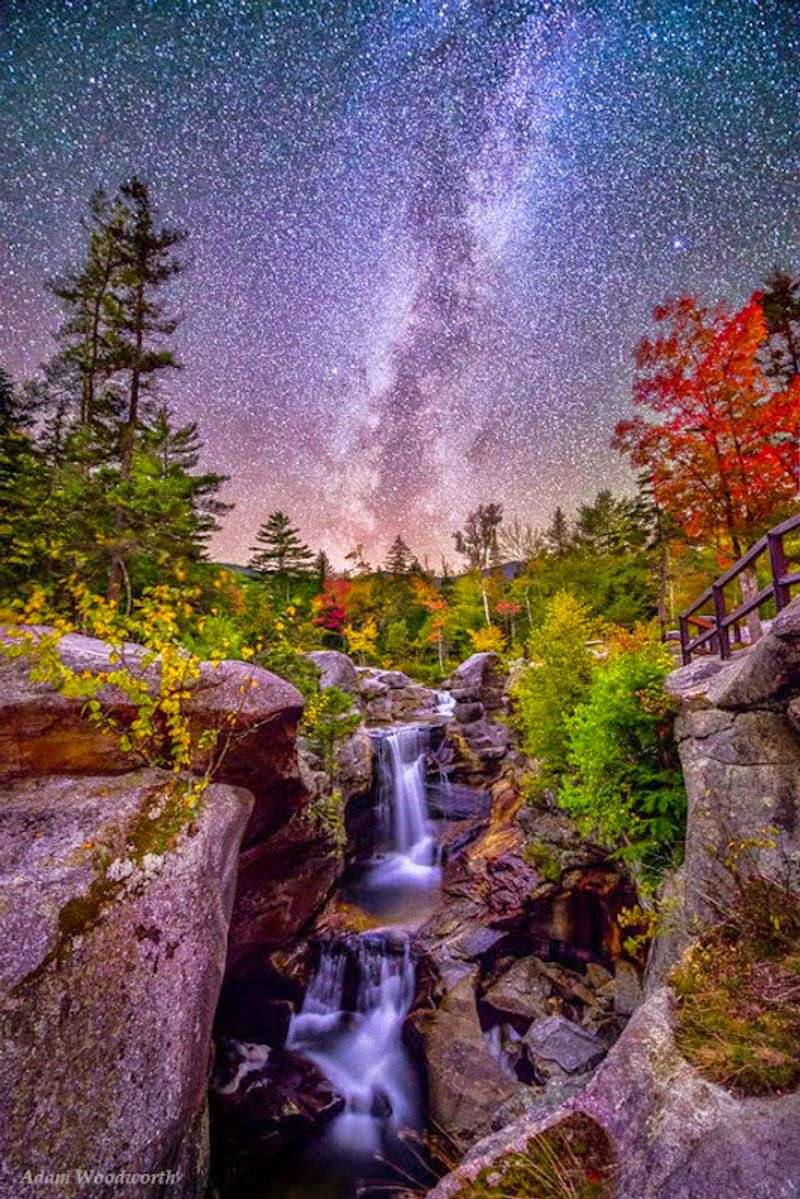
Late September and early October transform Grafton Notch into something that looks almost artificially colorful.
The surrounding mountains shift through every shade of red, orange, gold, and rust, and the contrast against the dark granite cliffs and silver river creates a visual experience that is hard to put into words. Driving the scenic road through the park during peak foliage is an activity all on its own.
The timing varies slightly from year to year depending on temperature and rainfall, but the window of peak color typically runs from late September through the first week of October at this elevation.
Arriving on a clear, sunny morning gives the best light for photography, and the reflection of autumn colors in the Bear River adds an extra layer of drama to any shot.
Even easy roadside stops like Screw Auger Falls take on an entirely different character when surrounded by peak fall color. Visitors who plan their trip around foliage season consistently describe it as one of the most visually striking experiences in all of Maine.
The River Behind The Scenery
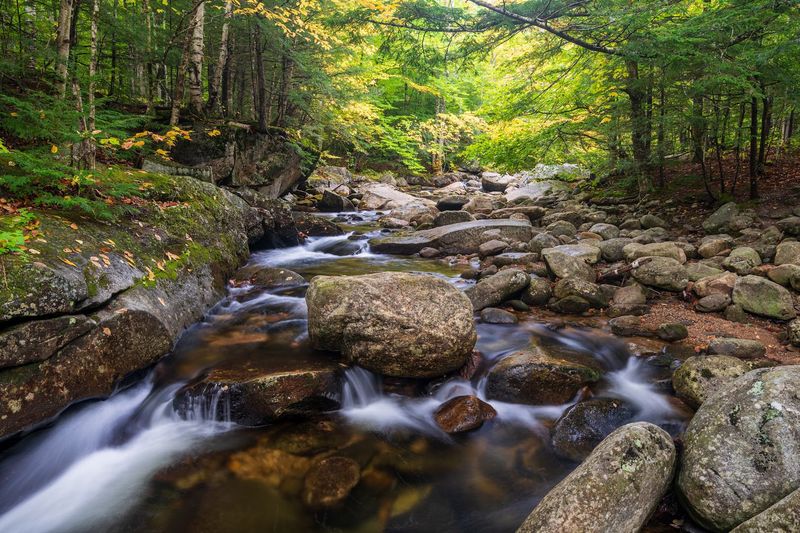
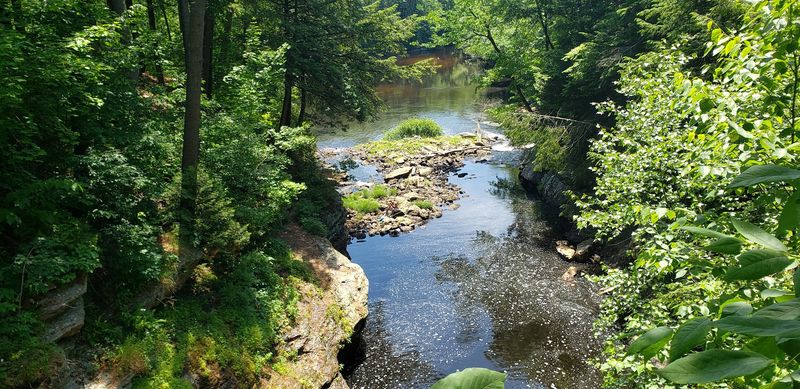
Water is the defining feature of Grafton Notch, and the Bear River is the reason why. Running along the base of the notch, the river connects nearly every major attraction in the park, from the waterfalls to the gorges to the forested hiking trails that trace its banks.
Following the sound of water is genuinely a reliable navigation strategy here. The river runs shallow and clear over smooth, colorful stones through much of the park, creating natural wading spots that families with young children find irresistible on warm days.
The water temperature stays cool even in summer, which makes it a refreshing break after a long hike rather than a bracing shock to the system.
Fishing is permitted in designated sections of the river, and the park’s remote location means the water quality stays high and the atmosphere stays peaceful.
Sitting beside the Bear River with nothing but the sound of moving water and birdsong is, honestly, one of the most restorative things you can do on a Maine summer afternoon.
The Park After The Snowfall
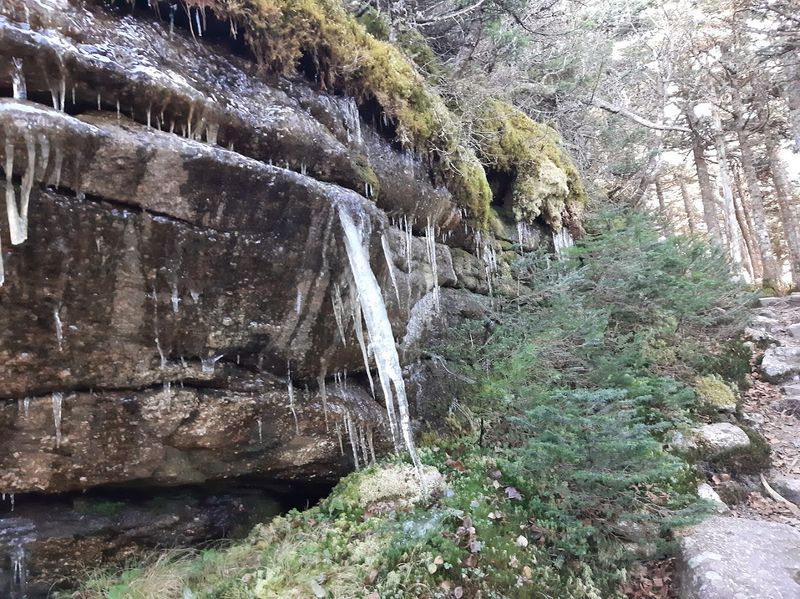
Most people picture summer hikes and autumn leaves when they think about Maine state parks, but Grafton Notch has a completely different personality in winter.
The park allows off-season recreation during posted day-use hours, and visitors may cross-country ski or snowshoe on ungroomed trails when conditions permit.
The same trails that feel demanding under summer sun become peaceful, quiet corridors through a snow-blanketed forest in winter.
The frozen waterfalls take on an otherworldly appearance, with ice formations building up in layers over the granite ledges throughout the coldest months. Moose Cave looks particularly dramatic when icicles line the gorge walls.
Wildlife activity is often easier to spot in winter because animal tracks stand out clearly in the snow. Moose, deer, and a variety of bird species move through the park regularly, and the quiet of a winter morning makes encounters far more likely than during the busier summer season.
Winter here is genuinely underrated.
The Eyebrow Is No Easy Climb
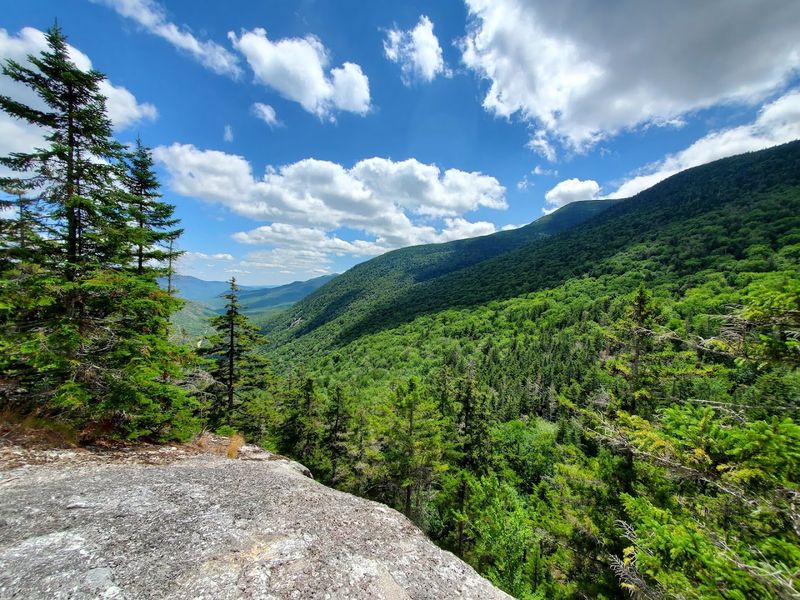
Among the trails at Grafton Notch, the Eyebrow Trail has earned a reputation for being one of the most demanding and exhilarating options in the park.
The trail climbs steeply to a series of exposed ledges that sit above the main notch, offering dramatic aerial views of the valley and the cliffs across the way. The name comes from the curved shape of the ledge as seen from below.
Wet conditions make this trail genuinely hazardous. The rock becomes slippery quickly, and some sections require using hands and feet to move across exposed surfaces.
Experienced hikers with proper footwear and dry weather conditions find it an incredibly rewarding challenge, but it is not a trail to underestimate based on its short distance alone.
The views from the exposed ledges are among the most dramatic in the entire park, looking straight down into the notch with nothing between you and the treetops far below.
For hikers who are ready for it, the Eyebrow delivers a level of intensity that most state park trails simply cannot match.
Wildlife Around Every Bend
Grafton Notch sits in a stretch of western Maine that remains genuinely wild, and the wildlife reflects that. Moose are the headline act, and sightings near the river corridor and boggy areas along the park road are common enough that it is worth slowing down and scanning the treeline regularly.
Early morning and evening hours offer the best chances of spotting one up close.
Beyond moose, the park supports a rich variety of bird species that make it a productive destination for birdwatchers.
Warblers, thrushes, and various raptors move through the area depending on the season, and the remote forest habitat supports species that are harder to find in more developed parts of the state.
White-tailed deer, beavers, and the occasional black bear also inhabit the surrounding forest, though the latter are rarely seen by casual visitors. Hunting may be permitted in portions of the surrounding public lands under current Maine laws, seasonal rules, and posted restrictions.
Plan Before Entering The Notch
A little preparation goes a long way at Grafton Notch. Cell service can be limited or unreliable inside the park, so visitors should download maps and directions before arriving.
The nearest gas stations are roughly 30 miles away in Bethel, Maine to the south or Errol, New Hampshire to the west, so arriving with a full tank is strongly recommended.
The park is open 24 hours a day, seven days a week, which gives visitors tremendous flexibility. Facilities are minimal by design, with pit toilets available at major stops and no visitor center on site.
Bug spray is genuinely essential from late spring through midsummer, when black flies and mosquitoes can be intense.
Parking is available at several Route 26 stops, including Screw Auger Falls, Moose Cave, and the main Appalachian Trail parking area used for Table Rock.
The park phone number is +1 207-824-2912 for any pre-visit questions. Going in informed means spending more time enjoying and less time problem-solving.