
This Maine Yarn Shop Has Hundreds Of Choices You Won’t Find At Your Average Craft Store
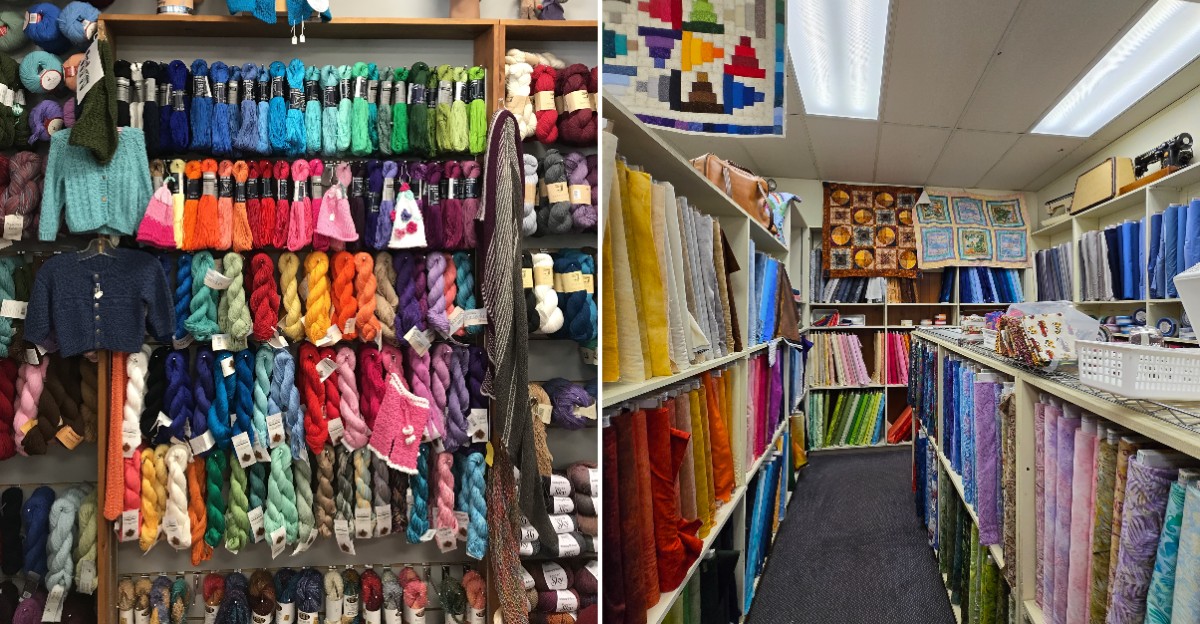
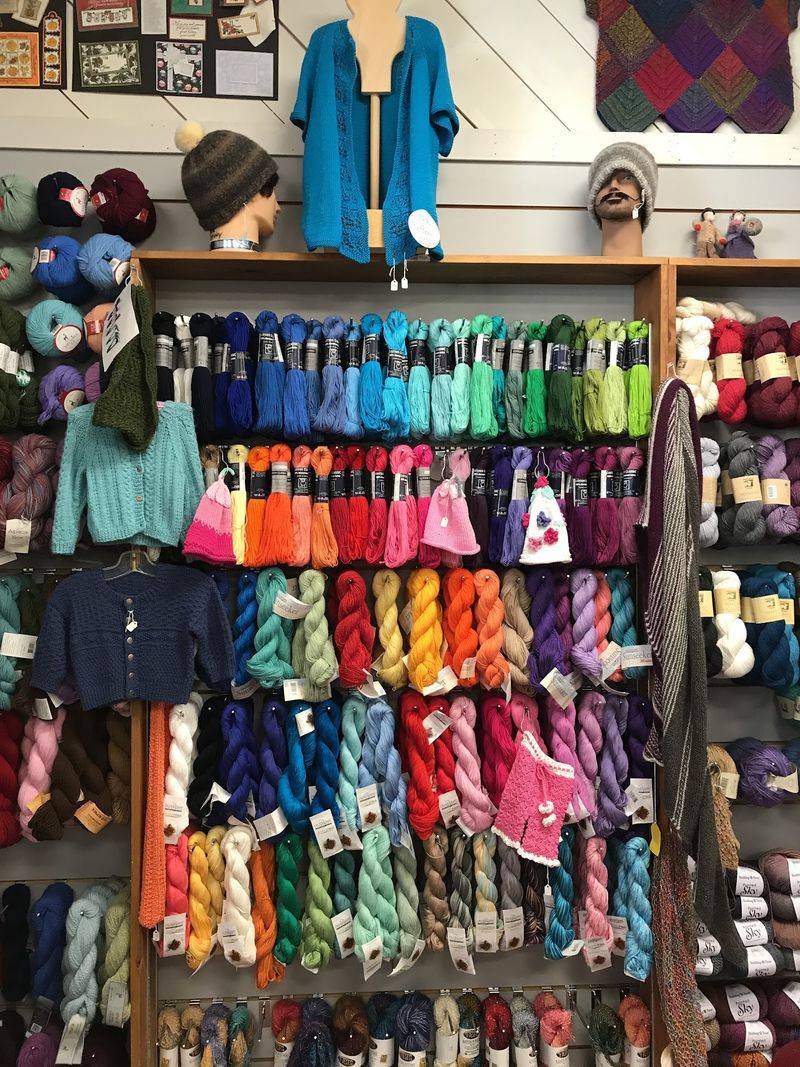
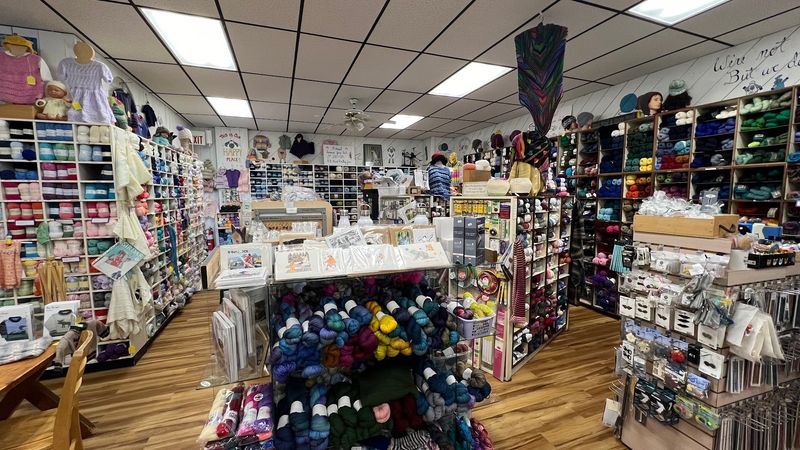
More than 600 different yarns sit under one roof at this family-run shop. That number made me do a double take. Most big craft chains can’t come close.
The shelves go well beyond the usual suspects. Malabrigo, Cascade, and Berroco share space with yarns spun and dyed right here in Maine. I like how local fiber farms get real shelf space next to the famous names.
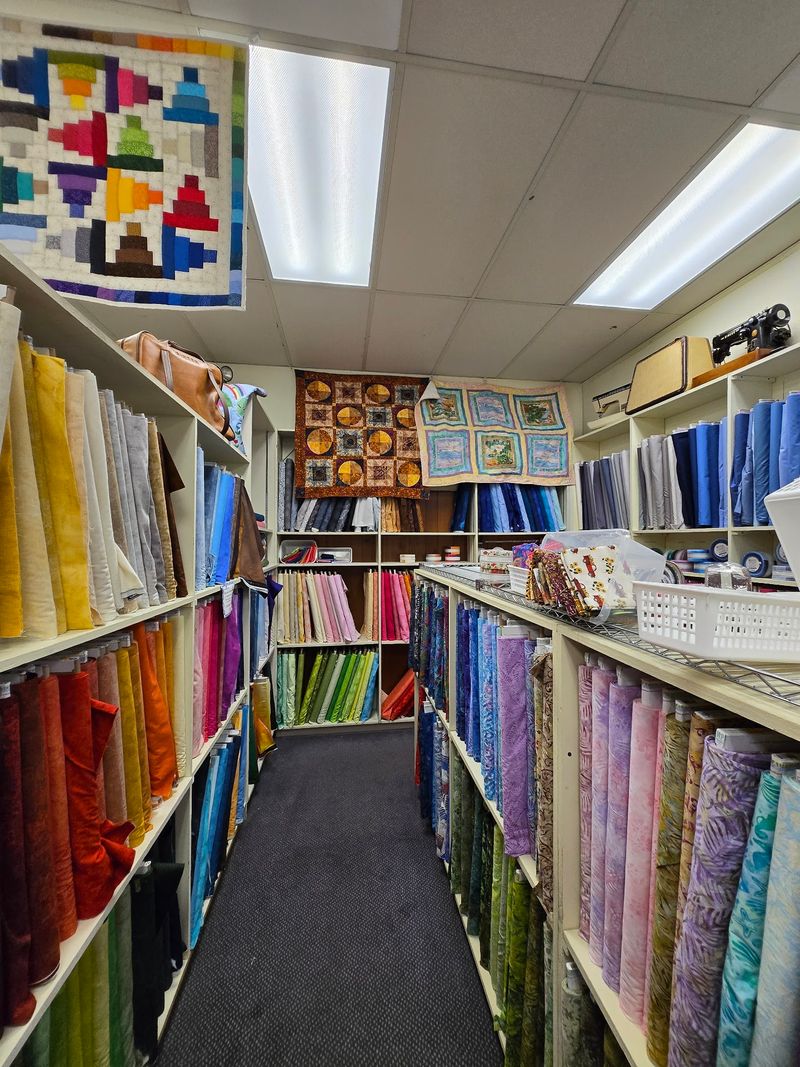
Then there’s the other half of the building. Quilters get over 1,000 bolts of fabric, plus prints, solids, and batiks. I believe that makes it one of the rare spots where knitters and sewists can shop side by side.
The family behind it has been at this for generations. Classes run upstairs and down.
Six Hundred Yarns Walk Into A Shop And Nobody Leaves Empty-Handed
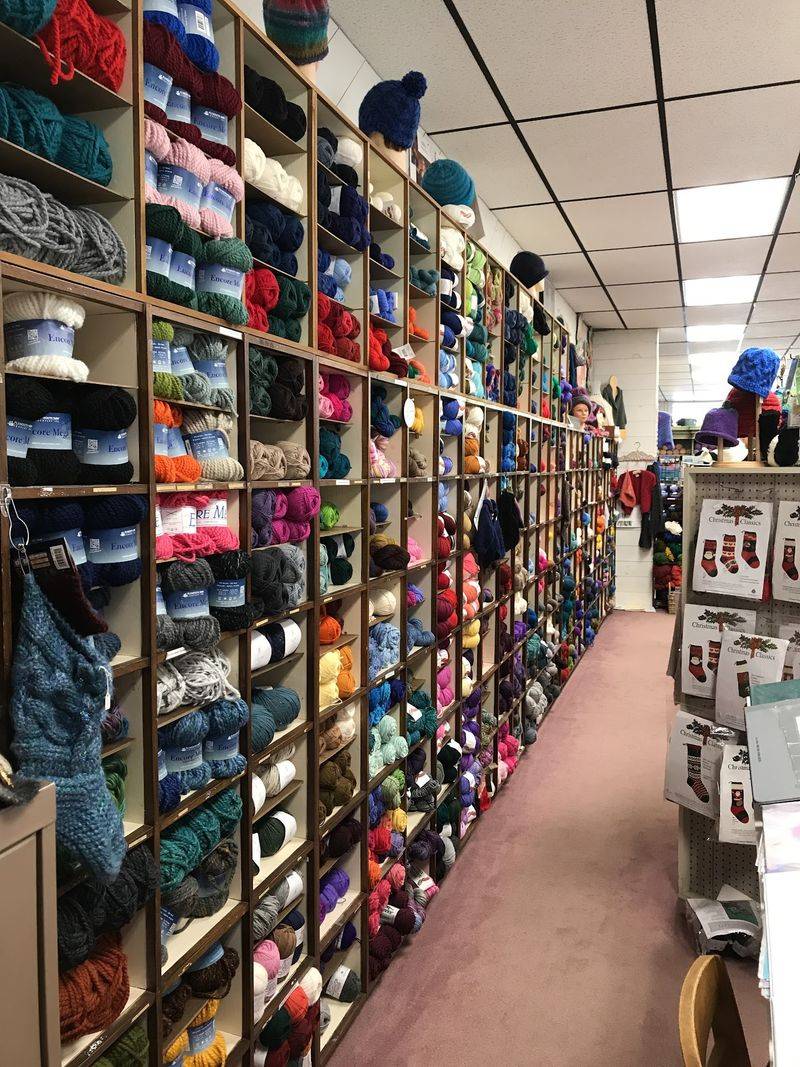
Yardgoods Center in Waterville runs a yarn department so large it needs its own entrance. The shop carries more than 600 different yarns, which is a lot of decisions for one afternoon.
That count matters because chain craft stores usually stick to a few dependable brands. Here, the shelves stretch from simple acrylics for everyday projects to high-end fibers for something special.
You get range, not just repetition.
Big names are well represented. Berroco, Cascade Yarns, and Lion Brand all have a home on the shelves.
So if your pattern calls for a classic, you’re covered.
The fun starts when you wander past the familiar labels. Malabrigo Yarn brings its famously rich colors, and Araucania Yarns adds its own South American flair.
Asylum Fibers and Emma’s Yarn round things out with smaller-batch personality.
A smart move is bringing your pattern along. Yarn weight and fiber content matter, and having the details handy makes swapping much easier.
It also keeps you from buying six skeins of the wrong thing.
Give yourself time, too. With this many options, a quick trip rarely stays quick.
Your project bag will understand.
Maine-Made Yarn Gets The Spotlight It Deserves
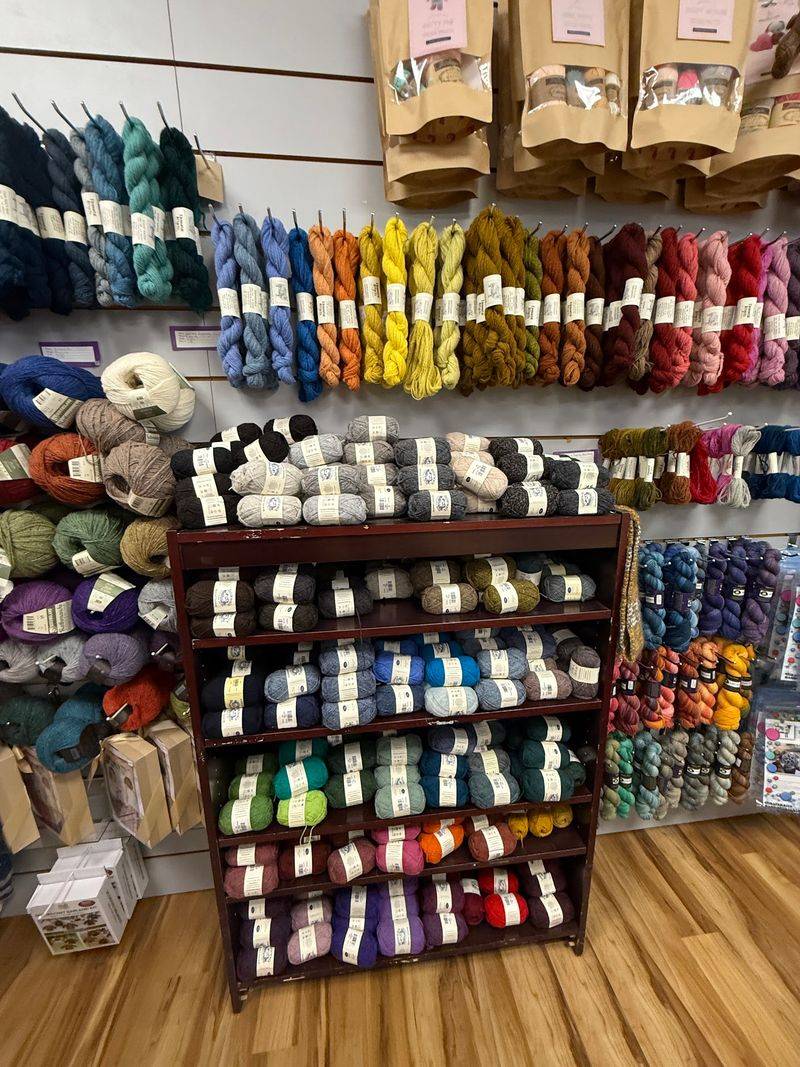
Local fiber farms don’t just get a token basket by the register here. Yardgoods Center stocks a variety of Maine yarns, giving homegrown makers real shelf presence.
Ontheround, a Maine-based yarn company, is one name worth watching for on your visit. Seven Sisters Arts offers another Maine-made option, with hand-dyed yarns that bring something special to the selection.
These are the skeins that make knitting friends ask, where did you get that?
Buying local yarn has a practical side as well. Small producers often dye in limited batches, so colors can vary from lot to lot.
Grab enough for your whole project at once to avoid a mismatched sleeve.
Traveling knitters have extra reason to stop. The shop has taken part in the Maine Yarn Cruise, a statewide event that sends fiber fans from store to store.
Collecting a skein from each stop makes a great souvenir that actually gets used.
A Maine-made yarn also tells a story every time you wear it. Hats, scarves, and mittens become small pieces of the state you carry around.
That’s a much better souvenir than a magnet.
Brand New Knitters Can Start From Absolute Zero
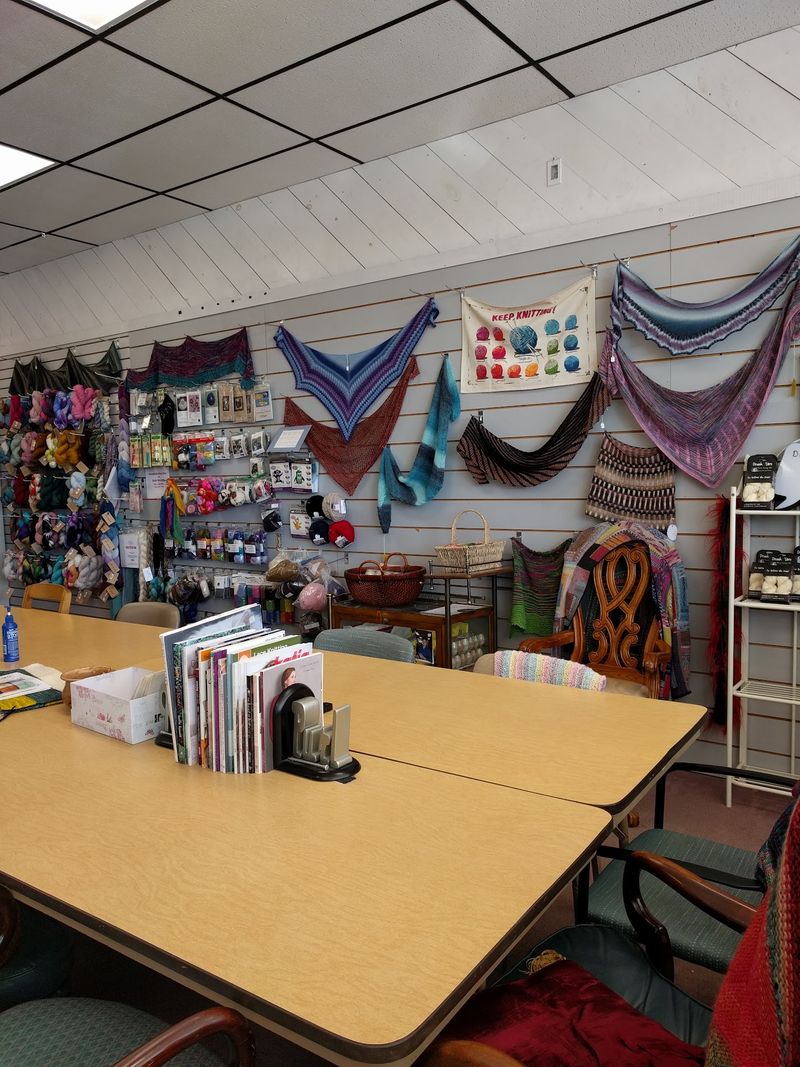
Casting on, knitting, purling, and binding off. Those four skills cover the basics, and Yardgoods Center teaches them in a class called Knit 101, Learn to Knit.
The course runs as a four-class series. That pacing helps a lot, since muscle memory takes time to build.
One rushed session rarely sticks, but several lessons give your hands a chance to catch up.
Classes happen almost every day of the week, so finding a time that works is easier than you’d expect. Spaces for classes exist on more than one floor of the building.
Open knitting and crocheting sessions have also been offered.
Here’s a tip for first-timers. Pick a smooth, light-colored yarn for practice because it shows each stitch clearly.
Dark or fuzzy yarn hides mistakes, and you actually want to see them while learning.
Don’t stress about wobbly first rows either. Every experienced knitter started with a lumpy square that looked slightly haunted.
Getting through that phase with a teacher nearby beats watching endless videos alone.
By the end, you’ll have real skills and a reason to shop the yarn wall.
Socks Stop Being Scary Once Someone Shows You How
Ask a group of knitters which project intimidates them most, and socks usually come up fast. Heels, gussets, and tiny needles can scare off even confident crafters.
Yardgoods Center tackles that fear with a class called Super Socks, Sock Knitting for Beginners. Students learn the cuff-down method using larger yarn.
Thicker yarn means bigger stitches, which makes each step easier to see and fix.
That’s a clever approach. Once you understand how a sock is built, switching to thinner yarn feels like a natural next step.
The construction stays the same while only the scale changes.
Another workshop, Pattern Stitches, shows how knit and purl stitches combine into textured designs. Ribbing, seed stitch, and similar patterns all come from those two basic moves.
It’s a good bridge between beginner scarves and fancier projects.
General craft classes are on the schedule too, so knitting isn’t the only option. Check with the shop for current class times and offerings, since schedules shift.
Finishing your first pair of handmade socks feels like a small victory. Your feet will probably be smug about it all winter.
Quilters, Brace Yourselves For A Thousand Bolts
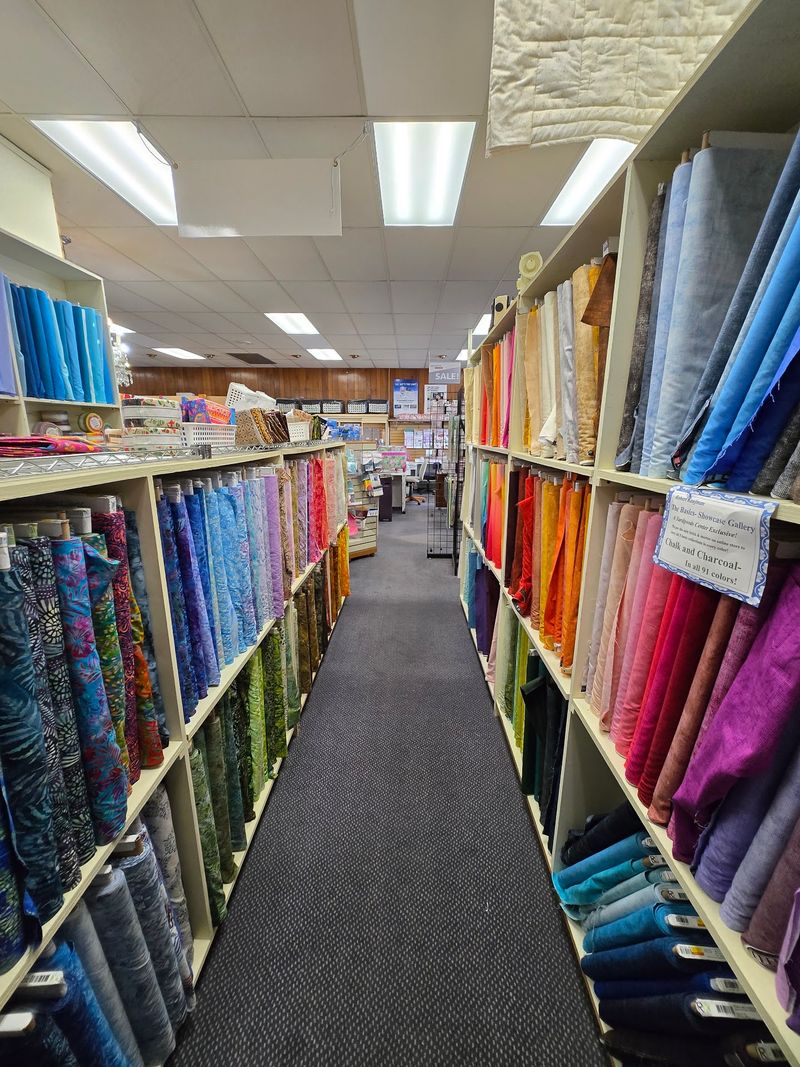
Over 1,000 bolts of quilting fabric line the fabric department. That’s the side of the building that made Yardgoods Center a stop on quilt shop hops and bus tours.
The mix covers prints, solids, and batiks. Batiks are especially fun for quilters, since their wax-resist dyeing creates rich, swirly color.
They add depth to a quilt without much extra effort.
Clothing fabrics and upholstery fabrics share the space as well. So a garment sewist and a couch reupholsterer could both leave happy.
That variety is rare in one independent shop.
Bag makers get a nice bonus here. The store stocks nylon webbing in many colors, which works great for straps and handles.
Matching webbing to your fabric makes homemade bags look polished.
A planning tip will save you some headaches. Bring a photo of your pattern’s fabric requirements and a list of yardage.
With this many bolts, it’s easy to fall for five fabrics and forget the backing.
Thread, notions, and patterns are on hand too. You can gather a full project in one trip, which your gas tank will appreciate.
Your Sewing Machine Might Want A Spa Day Here
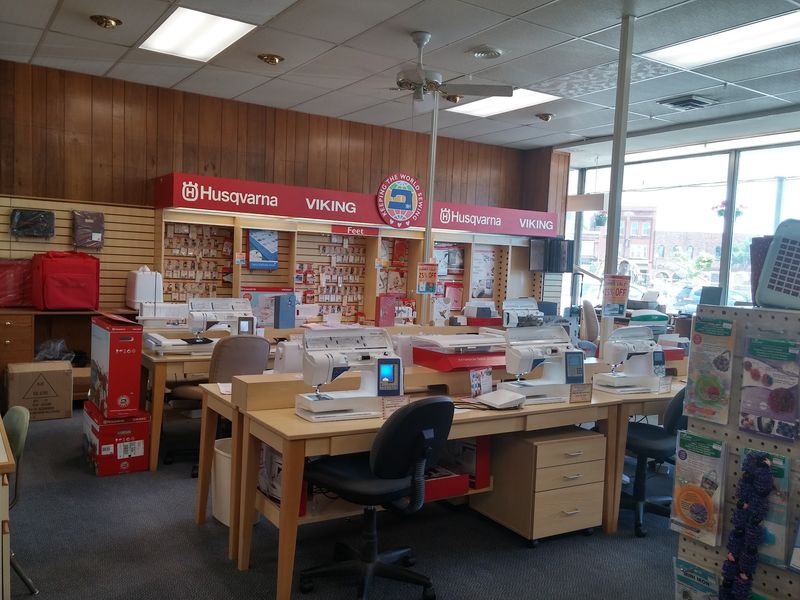
Yardgoods Center lists Husqvarna Viking, Baby Lock, Singer, and Pfaff among the sewing machine brands it sells. That puts serious sewing and embroidery machines on display, not just basic starter models.
Buying a machine from a dealer has real perks. You can see features demonstrated in person and ask questions before committing.
That beats guessing from a product page.
Machine cleaning is offered too. Lint and thread fluff build up inside machines over time, which can affect stitch quality.
Regular cleanings help keep everything running smoothly.
Scissor sharpening is another handy service here. Dull fabric shears chew edges and make cutting a chore.
Sharp blades turn the job into one clean glide.
A quick rule many sewists follow is simple. Keep your fabric scissors for fabric only, and hide them from anyone hunting for paper scissors.
Paper dulls blades fast, and nobody wants that argument at home.
Since services can change, call ahead about what’s currently available before hauling in heavy equipment. A short phone call saves a long drive.
Then you can plan your fabric shopping around the drop-off.
Three Generations Of Thread Run Through This Family
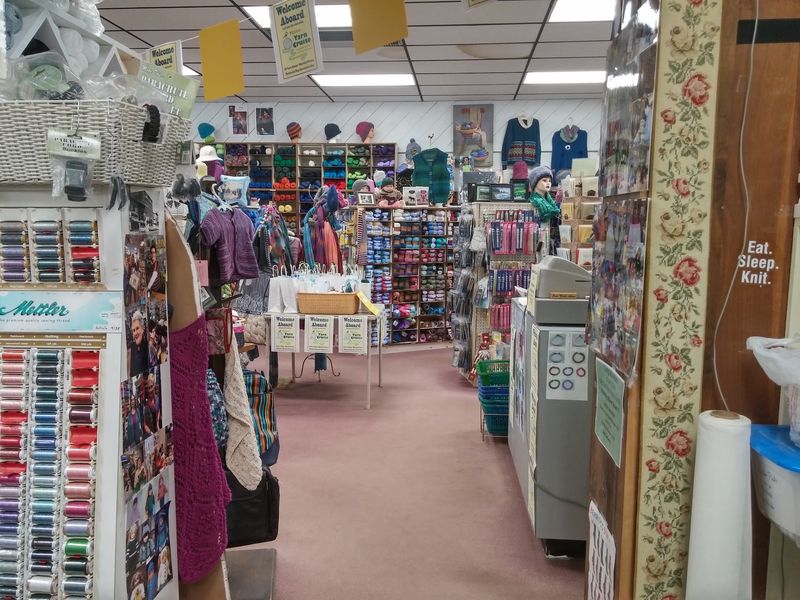
The Vlodek family’s ownership of this business stretches back to 1949, when the original owners opened Yardgoods Center. Records also show it was established in Maine in 1949 and incorporated in 1960.
That kind of staying power is rare in retail. Plenty of craft stores have come and gone since then.
Yardgoods Center kept going by staying in the family.
Today, the Vlodek family still leads the way. Kenneth Vlodek manages the fabric department.
His sister, Joyce Vlodek Atkins, runs the needlework and yarn department.
Family-run shops often feel different from chains because owners are usually right there on the floor. Joyce has been helping knitters and crocheters for decades.
That long experience shows in how the yarn side is stocked and organized.
History like this matters for shoppers in a practical way. A business with deep roots tends to know its community and what local crafters actually need.
It’s less about trends and more about steady service.
Supporting an independent family store also keeps that tradition alive. Every skein or yard of fabric helps the next chapter happen.
Not a bad reason to treat yourself.
Cross Stitch, Felting, And Other Detours Worth Taking
Knitting and quilting grab most of the attention, but the shelves go further. The needlework side covers embroidery, cross stitch, needlepoint, and felting supplies too.
That’s great news for crafters who bounce between hobbies. Plenty of us have three projects going and a fourth idea brewing.
Having supplies for all of them in one place feels like a small miracle.
Knitters will find a deep stock of needles in many sizes and styles. Patterns, tools, and accessories fill in the gaps.
Running out of stitch markers mid-project becomes a solvable problem.
Crocheters aren’t left out, either. The same huge yarn wall works for hooks as well as needles.
Open crochet sessions have also appeared on the schedule.
Trying a new craft can be a nice reset when your main hobby feels stale. Cross stitch is relaxing and portable.
Felting is oddly satisfying, since you poke wool until it becomes a shape.
Pick up a small starter kit if you’re curious. It’s a low-pressure way to test something new without buying a whole studio’s worth of gear.
Check The Clock Before You Load Up The Car
You’ll find the shop at 60 Concourse W, Waterville, ME 04901, right in central Maine. The yarn department has its own entrance, so look for both doors.
Timing really matters with this place. The fabric side currently opens Tuesday through Saturday from 10 AM to 4 PM.
It’s closed on Sundays and Mondays.
The yarn shop keeps slightly different hours. It’s open every day except Sunday and legal holidays.
Its day runs a bit longer than the fabric side.
Because the two departments run on separate schedules, a quick call before a long drive is wise. Hours can shift, especially around holidays and special events.
Nobody wants to stare at a locked door after an hour on the road.
Waterville sits along the Kennebec River, which makes it an easy stop on a Maine road trip. Pair your shopping with a meal downtown and make a day of it.
Bring a tote bag and a little patience for yourself. Between the yarn wall and the fabric bolts, leaving with just one thing is a bold plan.