
This Maryland Bay Lets You Kayak Through A Ghost Fleet Of Historic Shipwrecks
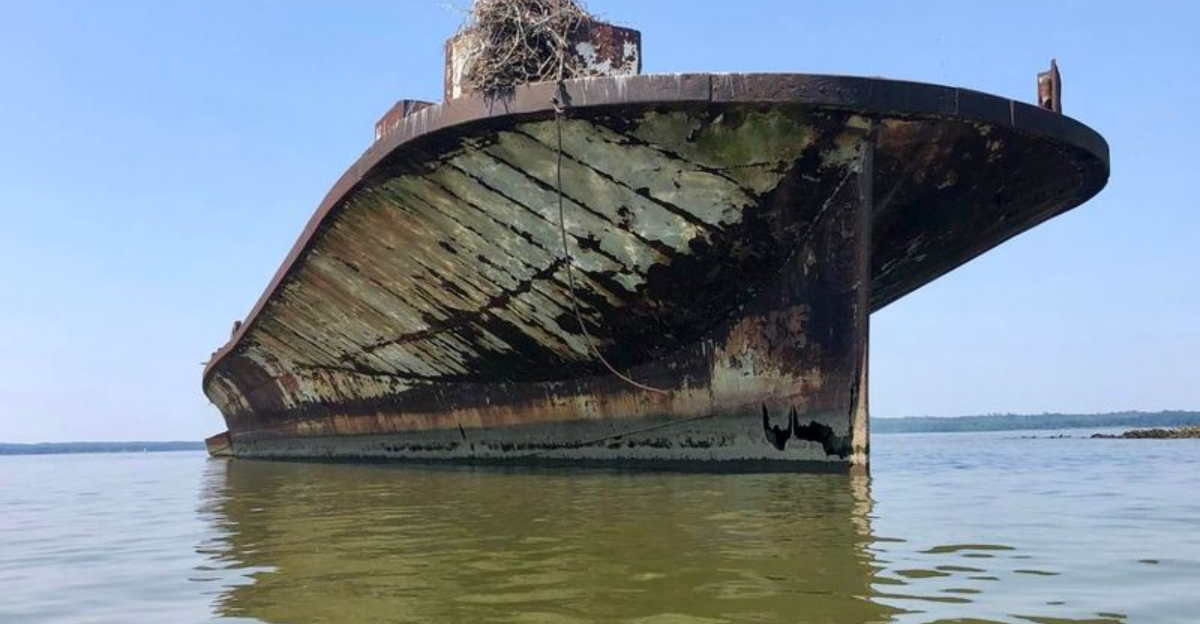
This Maryland bay looks like something from another world. Calm water.
Silent trees. Then you notice it.
Shapes beneath the surface. Wooden ribs rising from the shallows like bones.
This is a place where history didn’t sink. It stayed. More than a century ago, ships were built fast. Too fast.
Many never saw battle. After World War I, they were abandoned here on the Potomac River. Time and water slowly took over.
Fire softened their frames. Mud swallowed their hulls. Nature finished the job. Now the bay is quiet again, but not empty.
Over 100 wrecks still rest below and above the waterline. Some look like islands.
Others like ghosts waiting just under your kayak. Paddle through it and you’re not just kayaking.
You’re moving through history. Through rust, wood, and silence.
It’s eerie. Beautiful. Unforgettable.
A Sunken World War I Navy You Can Actually Paddle Through
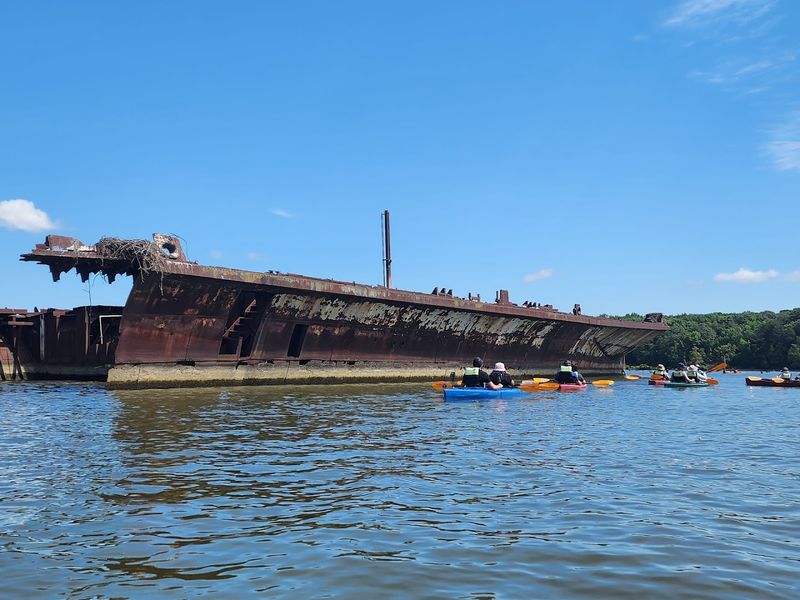
Picture paddling quietly across the water and suddenly realizing you are completely surrounded by the bones of old ships.
That is the Ghost Fleet experience at Mallows Bay, and it genuinely feels like stepping into another dimension. Most of the wrecks here are wooden steamships constructed between 1917 and 1919 as part of the U.S.
Emergency Fleet program.
Over 40 shipyards across 17 states worked around the clock to build these vessels. The war ended before most of them ever set sail.
They were eventually towed to Mallows Bay for salvage, a project that never reached completion.
Nature took over from there, slowly wrapping the wooden hulls in moss, vines, and new ecosystems.
Today, roughly 200 to 230 wrecks rest in these waters, forming what historians and marine scientists consider the most varied collection of historic shipwrecks in the Western Hemisphere. Some wrecks are massive and clearly visible.
Others are just barely peeking above the waterline. Every paddle stroke reveals something new, and the sheer scale of it all hits you in a way no photograph can fully capture.
Finding Your Way To Mallows Bay Park
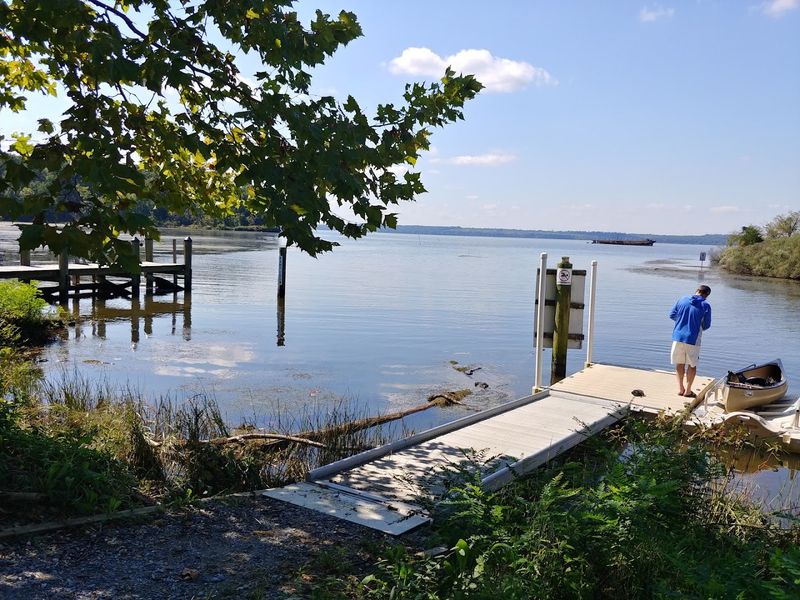
Finding Mallows Bay Park feels a little like discovering a secret that most people somehow missed. The park sits at 1440 Wilson Landing Road, Nanjemoy, Maryland 20662, tucked into a quiet corner of Charles County along the Potomac River.
The drive itself is part of the adventure, winding through rural Maryland roads lined with trees.
Plan to take your time getting there. The access road into the park is unpaved and a bit rugged, so driving slowly is genuinely recommended.
A standard vehicle handles it fine, but you will appreciate keeping a relaxed pace on that crushed stone path.
Parking is generous, with ample space for regular vehicles and trailers carrying boats. The park opens at 7 AM daily, which makes early morning arrivals very doable.
Getting there early is actually a smart move, since low tide reveals far more of the shipwrecks and the lighting is gorgeous for photos.
The park phone number is 301-932-3470 if you want to check conditions before heading out. Entrance is free, which makes this whole extraordinary experience even more remarkable.
What The On-Water Experience Actually Feels Like
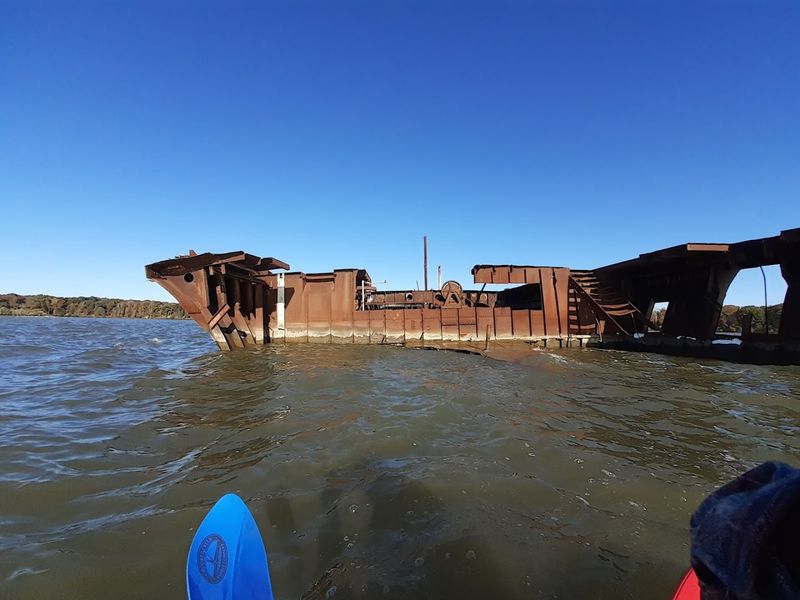
Gliding up alongside a ship that was built over a hundred years ago is a feeling that is genuinely hard to put into words. The wrecks are enormous up close.
Some hulls tower above you while others sit just at waterline level, their weathered wooden planks slowly being reclaimed by reeds and roots.
A waterproof map of the shipwrecks is available at the park, and grabbing one before launching is absolutely worth it. The map identifies key wrecks and shares brief histories, turning your paddle into a self-guided tour through maritime history.
The whole route covers roughly two to three miles, which takes most people about two to three hours at a comfortable pace.
One important tip: use a hard-shell kayak rather than an inflatable. Submerged metal and wood can sit just below the waterline, especially during high tide, and inflatables are genuinely vulnerable to punctures.
The protected waters inside the bay stay relatively calm even on breezy days, making it a manageable paddle for most experience levels. Wearing a life jacket is non-negotiable out here.
Why Low Tide Changes Everything
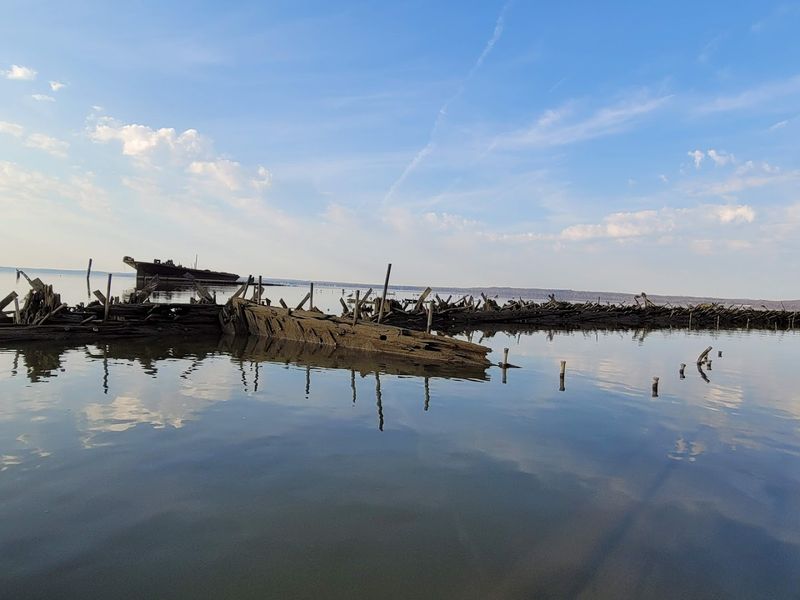
Timing really is everything at Mallows Bay, and low tide is your golden ticket to the full experience. When the water pulls back, entire sections of ship hulls emerge from the river, revealing structural details that high tide keeps completely hidden.
You can see the curved ribs of old wooden frames, rusted metal fittings, and the sheer size of these vessels in a way that feels almost theatrical.
High tide is not without its own magic. The water rises enough that you can actually paddle directly through some of the skeletal hulls, which is genuinely one of the most surreal experiences this park offers.
The tradeoff is that submerged wreckage becomes invisible, so extra caution is needed during those higher water moments.
The recommended paddling season runs from May through September, when water temperatures are safer and weather conditions are most cooperative.
Guided kayak tours are offered by the Charles County Department of Recreation, Parks and Tourism between May and October, which is a fantastic option if you want expert context added to the visual spectacle. Checking a tide chart before your visit will help you plan the most rewarding outing.
The Accomac And Other Famous Wrecks Worth Seeking Out
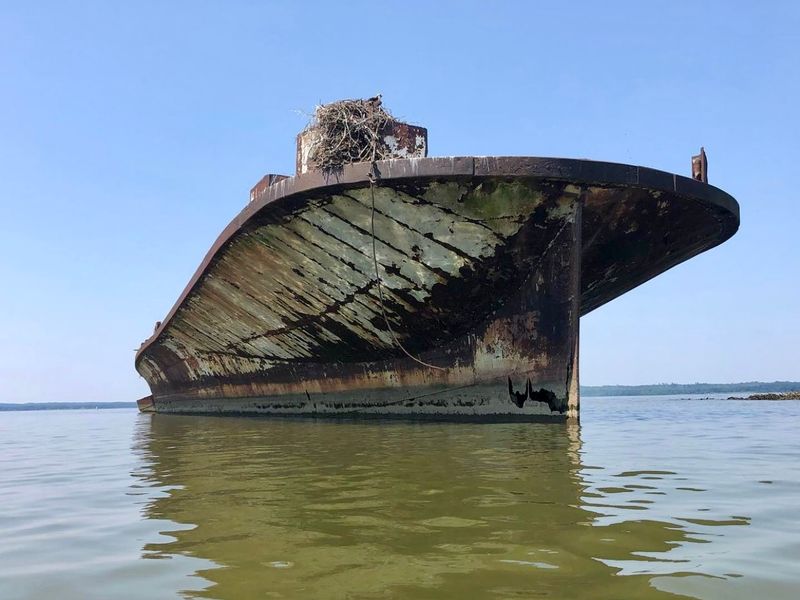
Not all wrecks are created equal, and a few of them have earned genuine celebrity status among regular visitors.
The Accomac is usually the first to greet paddlers entering the bay. Its rusted bow rises dramatically from the water, and the sheer presence of it sets the tone for everything that follows.
The Accomac was a passenger ferry before it ended up here, which adds a certain poignant charm to the whole encounter.
Further into the bay, the Dertona and Musabi are among the more structurally impressive wrecks, with large sections of their frames still clearly visible above the waterline.
Each one tells a slightly different chapter of American maritime history, and the variety keeps the paddle feeling fresh from start to finish.
Then there is the Heron Wreck, a fan favorite not just for its history but for the wildlife it attracts. Great blue herons have claimed it as a favorite perch, and spotting one standing motionless on the old hull is one of those images that sticks with you long after the paddle is over.
The waterproof map helps locate all of these, so keep it handy throughout your visit.
Bald Eagles, Ospreys, And River Otters
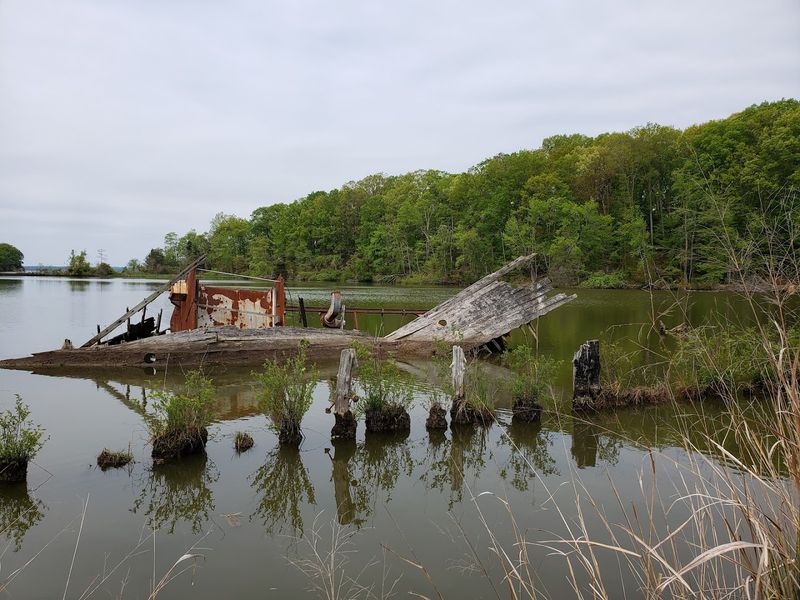
Here is a fun plot twist: Mallows Bay is not just a maritime history site. It is also one of the most unexpectedly rich wildlife destinations in the entire mid-Atlantic region.
The decaying shipwrecks have created a layered habitat that supports an almost absurd variety of species, and the wildlife encounters here are genuinely breathtaking.
Bald eagles are a regular sighting, often perching right on top of the old hulls as if they own the place. Ospreys are equally common, diving dramatically into the water to catch fish while you watch from your kayak.
Great blue herons stand in the shallows with their characteristic stillness, looking regal and completely unbothered by passing paddlers.
River otters and beavers also call this sanctuary home, and spotting one while out on the water feels like a bonus prize nobody warned you about.
Cormorants, red-winged blackbirds, and swallows add more life to the scene. The ecosystem that has grown up around these old ships is a genuine conservation success story.
Bringing binoculars is a very smart move, because the wildlife here rewards a closer look at every turn.
The National Marine Sanctuary Designation
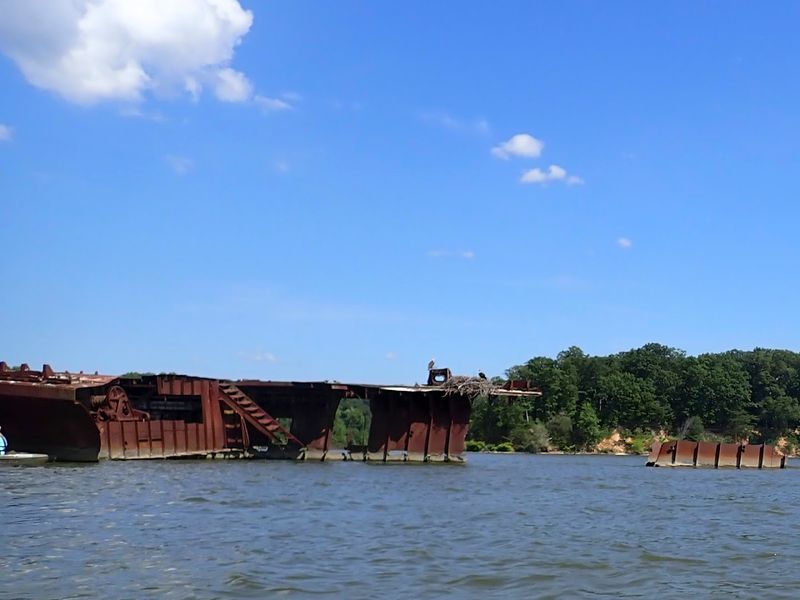
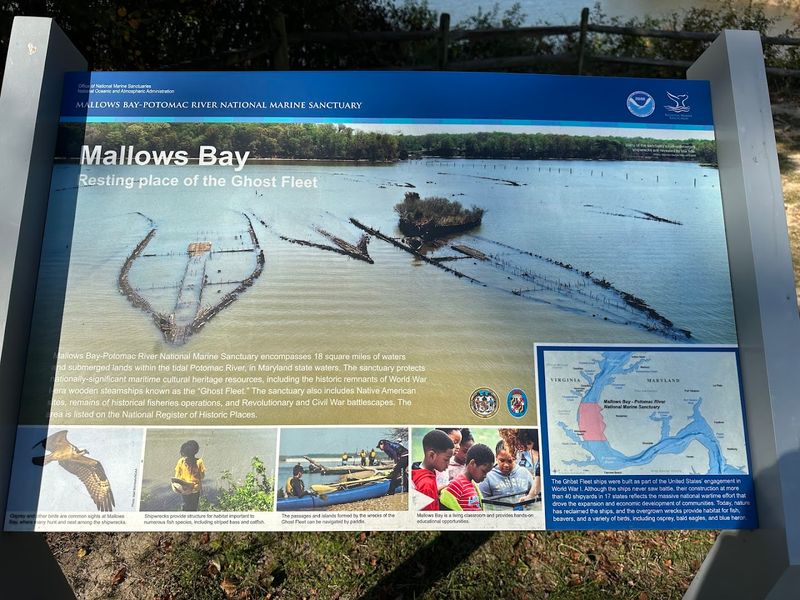
On September 3, 2019, Mallows Bay officially became the Mallows Bay-Potomac River National Marine Sanctuary, marking a genuinely historic moment for the region.
It was the first national marine sanctuary to be designated within the entire Chesapeake Bay watershed, which is a distinction that carries real weight in conservation circles.
The sanctuary status does more than just add an impressive title to the park sign. It provides formal protection for the shipwrecks, the surrounding ecosystem, and the rich cultural history embedded in these waters.
The sanctuary also recognizes indigenous history at this site stretching back nearly 12,000 years, adding layers of human story that go far beyond the World War I era vessels.
NOAA, the National Oceanic and Atmospheric Administration, oversees the sanctuary and supports ongoing research, education, and conservation efforts here.
The official website at sanctuaries.noaa.gov/mallows-potomac offers excellent background reading before your visit.
Understanding the sanctuary status before arriving genuinely deepens the experience, because you realize you are paddling through a place that the entire nation has recognized as worth protecting forever.
Exploring Mallows Bay On Foot
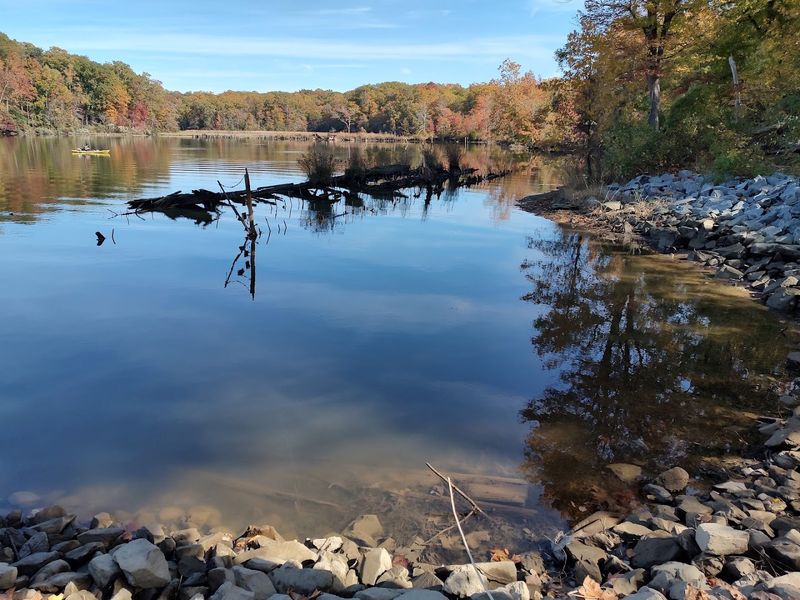
Not everyone arrives with a kayak, and the good news is that Mallows Bay Park delivers a genuinely rewarding experience on foot too.
The park offers a one-mile nature loop trail that winds through woodland and open areas, providing beautiful views of the Potomac River and the bay along the way.
The trail is well-marked and manageable for most fitness levels, though wearing sturdy shoes is a solid idea given the natural terrain.
At low tide, the trail offers views of several shipwrecks from the shoreline, and two fixed binocular stands are positioned to give you a closer look at wrecks further out in the water. Herons, ospreys, toads, and butterflies make regular appearances along the path.
Grabbing a map at the trailhead before setting off is recommended, since the layout includes a few branching options. Picnic tables near the parking area and down by the water make for a pleasant lunch break mid-adventure.
The combination of hiking and shoreline shipwreck viewing makes this a genuinely complete outdoor outing, even without ever touching a paddle. Every step reveals something interesting.
Practical Tips For Your Mallows Bay Visit
A little preparation goes a long way at Mallows Bay, and a few smart choices will turn a good visit into a truly great one. The park is open Monday through Sunday from 7 AM to 7 PM, and entrance is completely free.
Arriving earlier in the day gives you the best light, the calmest water, and the best chance of catching low tide conditions.
The facility includes a dedicated floating kayak launch, a boat ramp, ample parking for vehicles and trailers, and portable restrooms on site.
There is no visitor center, but waterproof maps of the shipwrecks are available at the launch area and can also be downloaded from the NOAA sanctuary website ahead of time. Hard-shell kayaks are strongly preferred over inflatables for safety reasons.
Life jackets are essential and non-negotiable on the water. Insect repellent and tick awareness are smart additions to your packing list if you plan to hike the trails.
For questions or current conditions, the park can be reached at 301-932-3470. Whether you spend two hours or a full day here, Mallows Bay has a way of making you wonder why it took you so long to discover it.