
This Massachusetts Museum Started With A Painting Found In The Trash (And It’s Still Celebrating Bad Art)
A painting of a grandma in a field of flowers was sitting in the trash on a Boston curb. Someone rescued it for the frame, then fell for the picture instead.
Turns out, the real treasure was the painting nobody wanted.
Who rescues a masterpiece from the garbage? In this case, nobody.
The painting was gloriously bad, and that was exactly what made it special.
That curbside find in Massachusetts inspired an entire museum with more than 700 pieces. Every one was made by someone who tried their best, with results that took an unexpected turn.
I love that the funny labels treat each artistic mishap like a priceless treasure.
Perfect brushstrokes can wait. This museum celebrates the paintings that missed the mark, proving that art doesn’t have to be flawless to deserve a place on the wall.
Here, even the biggest artistic blunders get their own standing ovation.
The Trash Can Discovery That Kicked Everything Off
Back in 1993, antique dealer Scott Wilson spotted a painting sticking out of trash cans on a curb in the Roslindale area of Boston. He wanted the frame.
He did not expect to want the picture.
The painting was called Lucy in the Field with Flowers. Wilson and his friend Jerry Reilly got hooked on it, and honestly, who could blame them?
It had serious effort behind it, plus a big dose of something going wrong.
Friends pushed Wilson to start collecting more art like it. That push turned into The Museum Of Bad Art, founded in the fall of 1993.
The first exhibit opened in March 1994, which means one curbside rescue grew into a real institution.
Lucy is still the signature piece today. Think of her as the museum’s Mona Lisa, if the Mona Lisa had a rougher day at the easel.
Every great story needs a starting point, and this one began next to the garbage.
Next time you see a painting by the curb, you might take a second look. You never know which castoff could launch the next big idea.
Bad Art Has Rules, And They Are Surprisingly Strict
Not every ugly painting gets a spot on these walls. The curators have a clear standard, and it’s pickier than you might guess.
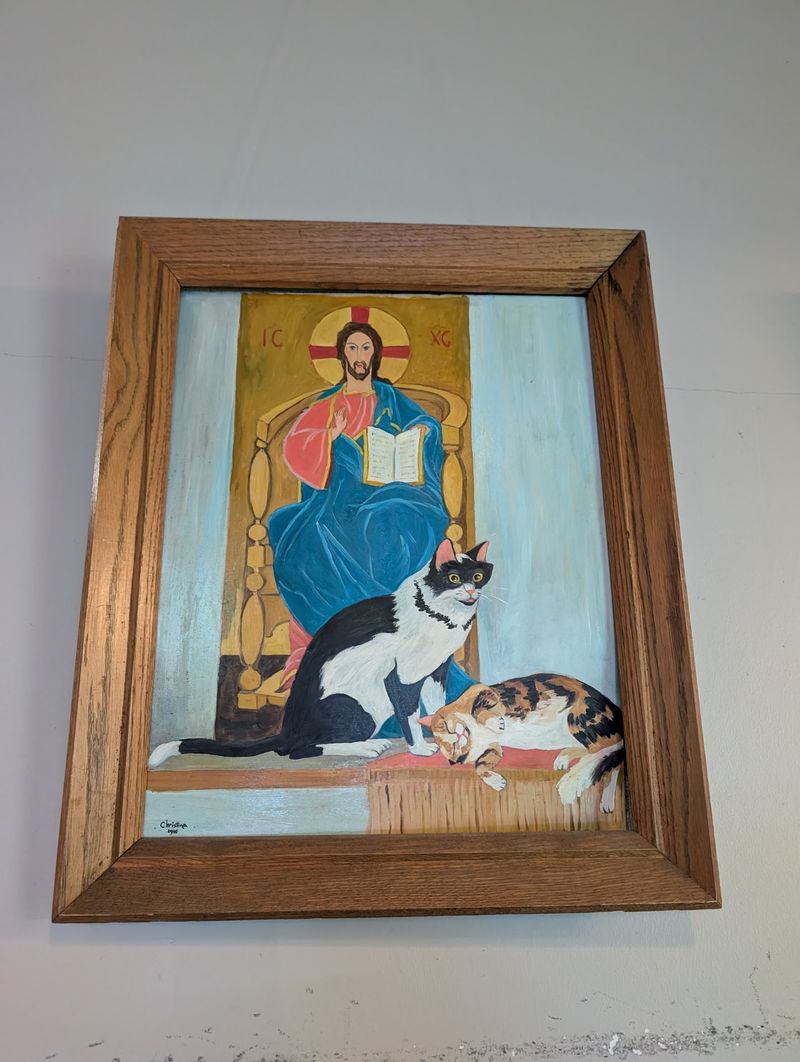
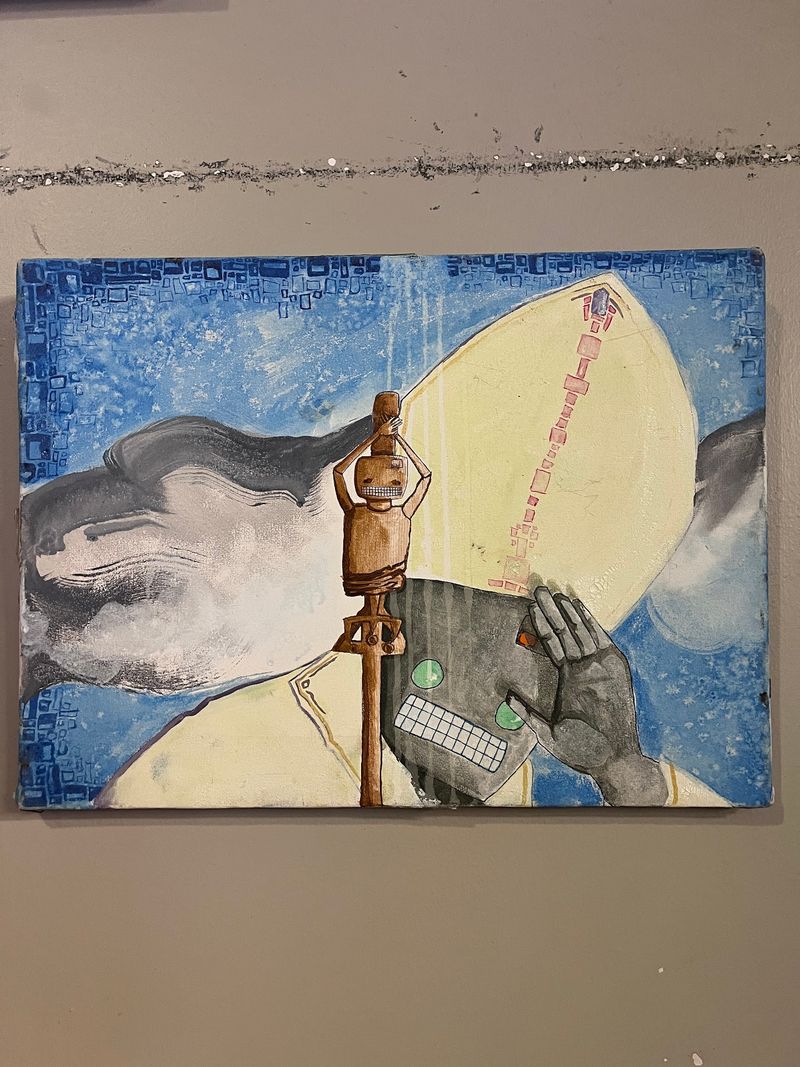
The art has to be made with serious intent. In other words, the artist really tried.
Then, somewhere in the idea or the execution, something went terribly wrong. That combination is the magic recipe.
Deliberate kitsch doesn’t count. Neither does art that’s simply sloppy or careless.
A velvet painting made to be cheesy on purpose would miss the mark, because the joke has to come from honest effort.
The Museum Of Bad Art describes its goal as celebrating artists whose work would be appreciated in no other forum. I think that’s kind of sweet.
It turns a would-be flop into a spotlight moment.
So when you look around, try a little game. Ask yourself what the artist was going for, then figure out where the wheels came off.
Was it the strange proportions? The wild color choices?
The mystery creature in the background?
That question turns a simple stroll into a detective hunt. You’ll start seeing art differently, even the fancy stuff in other museums.
The Labels Might Steal The Show From The Paintings
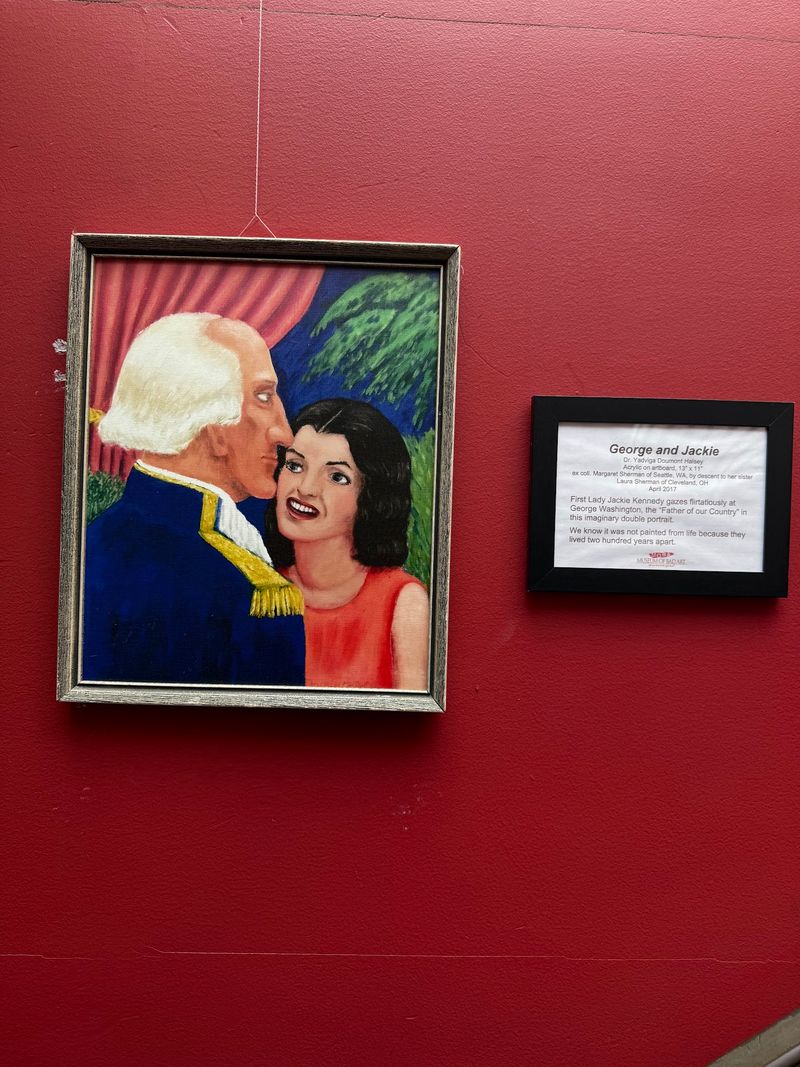
Some museums give you a title, a date, and a polite yawn. Here, every piece comes with a descriptive label written in a deadpan style that’s pure comedy gold.
The writers treat each painting with total seriousness. They analyze odd choices like an expert discussing a Renaissance classic.
That straight face is exactly what makes the jokes land.
My advice is simple. Slow down and actually read them.
Skimming the labels is like watching a comedy with the sound off, and you’ll miss half the fun.
Bring a friend if you can. Reading the funniest lines out loud to each other is basically part of the experience.
Just try not to snort-laugh too loudly near the art.
The labels also teach you something sneaky. They show how art critics think and talk, just with a playful twist.
Kids and teens can pick up real art vocabulary without feeling like they’re in class.
Pick a favorite label before you leave. It makes a great conversation starter later, and you’ll probably be quoting it at dinner for weeks.
Over 700 Pieces, But Only A Lucky Few Get Wall Time
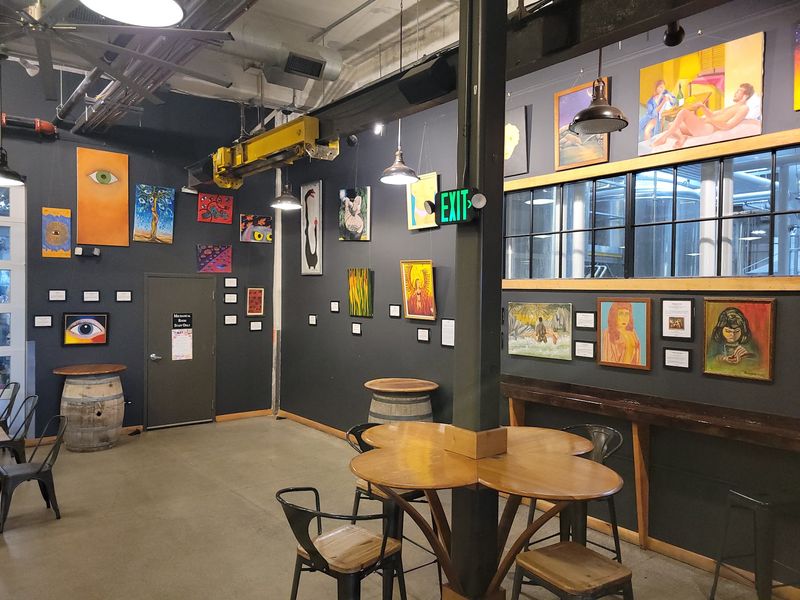
Seven hundred works of art sounds like a lot to see in one visit. Good news, you won’t have to.
The permanent collection tops 700 pieces, yet space is tight.
That means only about 50 to 70 works hang at any given time. The rest wait their turn in storage, like understudies hoping for a big break.
Why does this matter to you? Because the museum has changing exhibits.
A visit this year might show different paintings than a visit later on. Repeat trips can feel fresh.
A smaller display also keeps things manageable. You can see everything without your feet giving out, and you won’t feel rushed.
It’s the right size for a fun afternoon stop.
Many pieces in the collection came from donations and thrift-store finds. So the art on the walls has traveled quite a road.
Some pieces were once in somebody’s attic or a bargain bin.
Here’s a tip. Snap a photo of your favorite piece.
If you come back later and it’s gone, you’ll have proof it once ruled the room.
You Will Find The Gallery Inside A Busy Dorchester Hangout
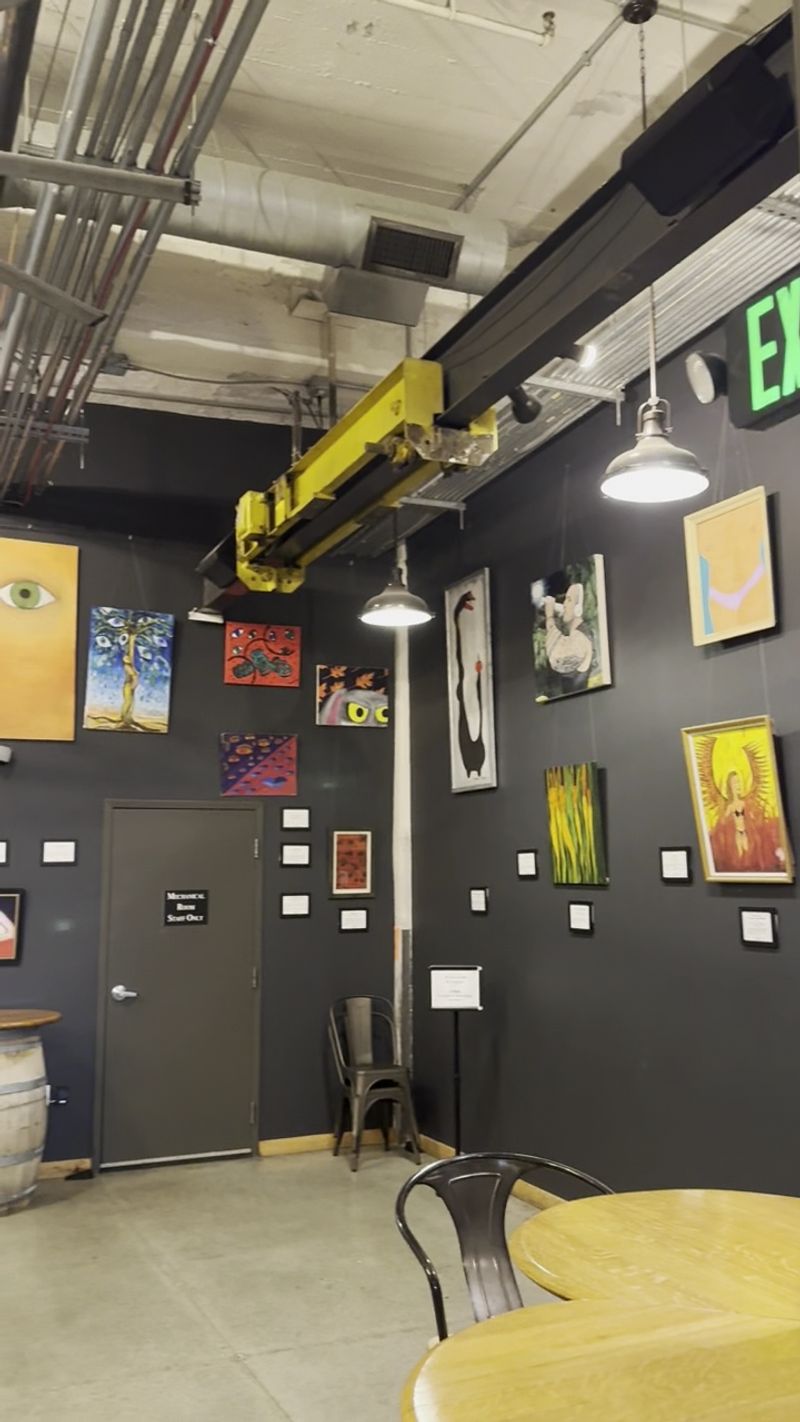
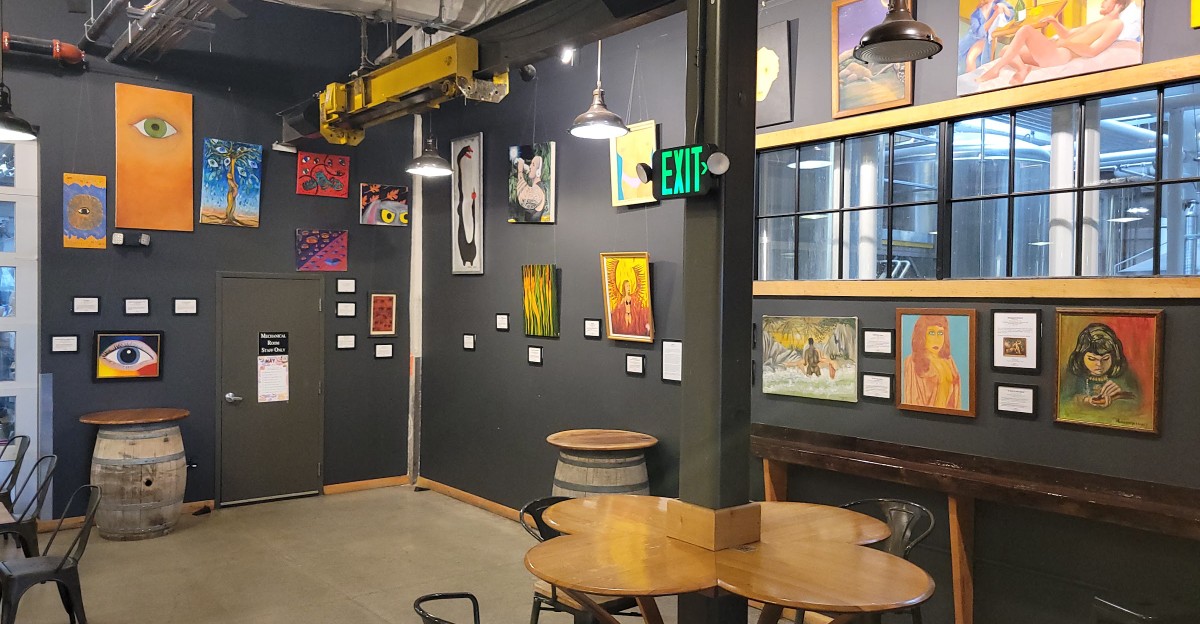
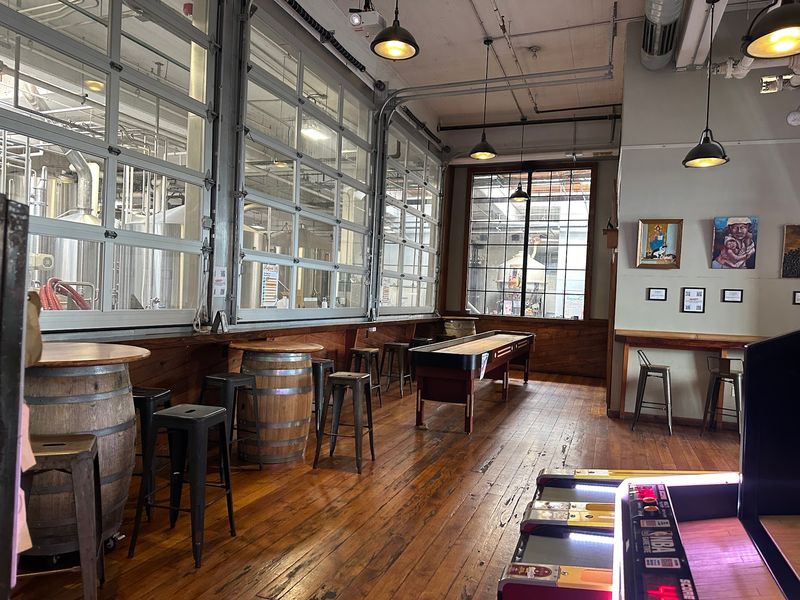
Forget marble columns and hushed hallways. The Massachusetts gallery for The Museum Of Bad Art sits inside Dorchester Brewing Co. at 1250 Massachusetts Ave Ste 1, Boston, MA 02125.
So the setting is lively, social, and casual. The art hangs where people gather to eat, chat, and hang out.
It’s a very different vibe from a quiet museum hall.
The museum has moved around over the years. Past homes included the Dedham Community Theater and the Somerville Theater, but those spots are no longer in use.
Dorchester is the current home base.
Getting there is fairly simple. The JFK/UMass station on the Red Line is the closest stop for public transit fans.
Drivers will be glad to hear free parking is available too.
One heads-up for families. Since the space is a busy restaurant-style spot, it can feel loud at times.
Don’t expect library silence while you study the paintings.
I actually like that mix. Bad art and a buzzing room seem made for each other.
Laughing out loud fits right in.
Free Admission Makes Saying Yes Way Too Easy
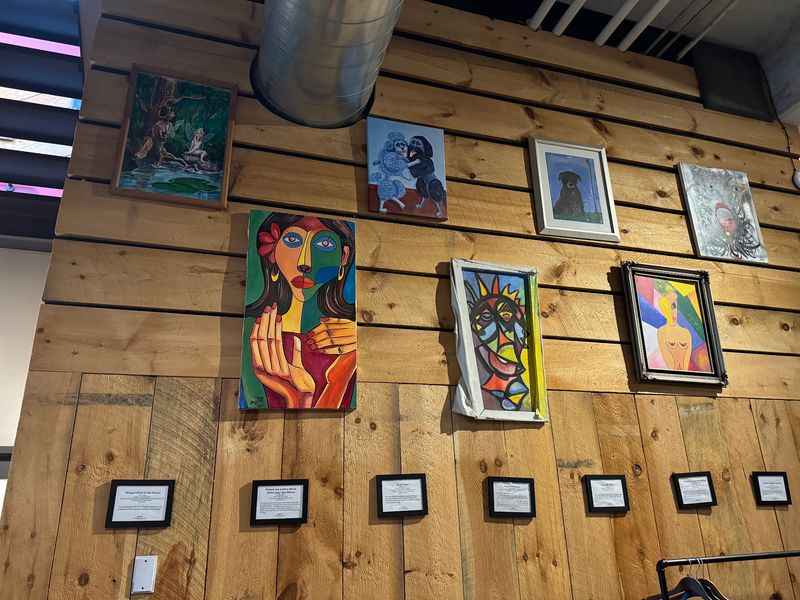
Zero dollars. That’s what it costs to walk through the door and see the collection.
In a city where outings add up fast, that’s a pretty sweet deal.
Free entry makes this a smart pick for a spontaneous afternoon. Got an hour between plans in Boston?
You can swing by without a big commitment.
The hours are generous, too. Doors open at 11:30 AM every day.
Closing time is 9 PM on Sundays and Mondays, 10 PM Tuesday through Thursday, and 11 PM on Fridays and Saturdays. Visitors under 21 are not admitted after 6 PM on Fridays and Saturdays.
Those late hours help a lot. You can visit after school, after work, or after a long day of sightseeing.
Evening visits can be fun when you want a laid-back finish.
Since the museum runs on a tiny budget, consider buying something from the host space. It’s a friendly way to support the place that gives this art a home.
Budget-friendly families will appreciate how easy this is. You get culture, laughs, and a great story without opening your wallet at the door.
Barbecue Turns An Art Stroll Into A Whole Meal
Hungry art critics, rejoice. M&M BBQ is an on-site partner, so food is right there when you need a snack break.
This makes planning way easier. You can study a few paintings, grab a bite, then head back for round two.
No need to pack granola bars or hunt for lunch nearby.
Sharing a meal also gives everyone a chance to debate. Which painting was the funniest?
Which one was secretly good? Which one should never be looked at after dark?
These are important questions.
Nonalcoholic drinks are on hand, so younger visitors aren’t left out. Families can turn the visit into a casual lunch or dinner outing.
Timing tip for busy days. Plan your meal around the gallery so you aren’t rushing either one.
The art deserves your full attention, and so does good barbecue.
I can’t imagine a better pairing for this museum. Smoky comfort food and wonderfully awkward paintings are both about enjoying life without fussing.
Napkins recommended, especially before pointing at anything framed.
No Paid Staff, No Offices, And Plenty Of Heart
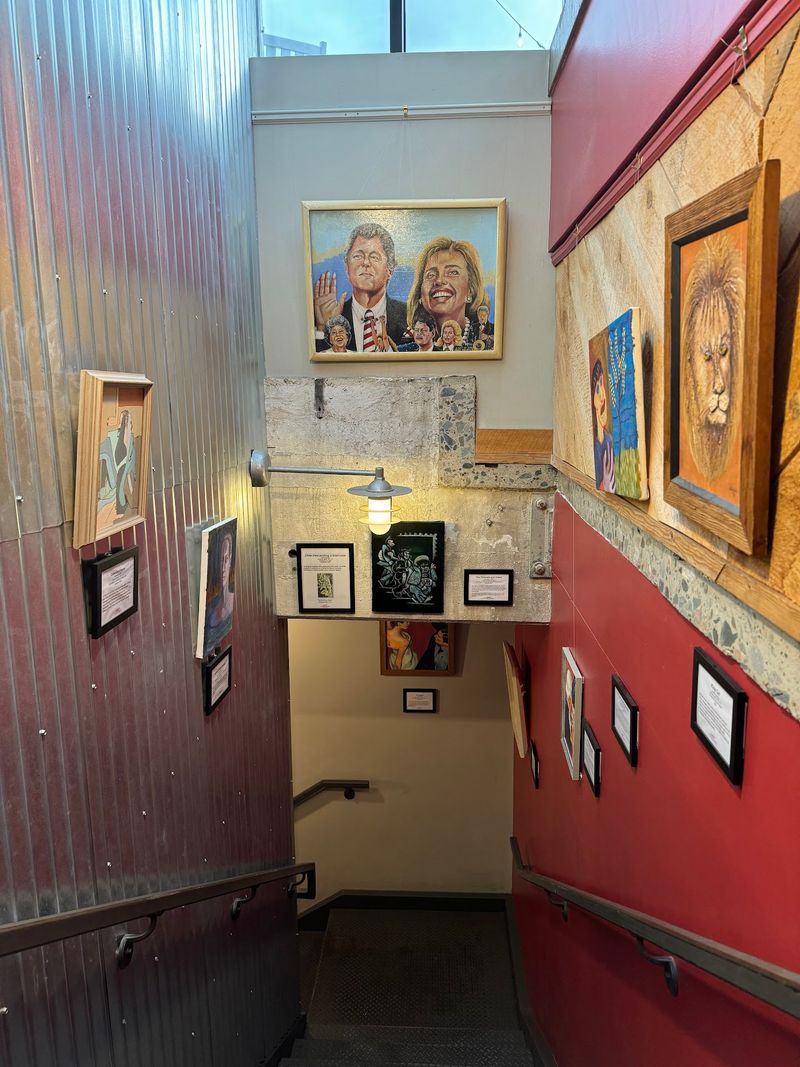
Most museums run on big budgets and large teams. The Museum Of Bad Art operates without paid staff or offices.
It’s a shoestring setup powered by passion and donations.
That fact makes the whole place feel even more charming. People keep it going because they love it, not because it’s a giant business.
Donations are tax-deductible in the U.S. So if the collection makes you smile, you can help keep the laughs coming.
Even a small gift helps a tiny operation like this.
The team also stays in touch with fans through MOBA News, an email newsletter. It shares updates about special events, which pop up now and then.
Here’s a fun lesson for young readers. You don’t need tons of money to build something people remember.
You need a good idea, some friends, and a lot of stubborn enthusiasm.
The founders started with one painting from a curb. Decades later, it’s still running strong in Massachusetts.
That’s a pretty inspiring story for a museum full of art that didn’t quite work out.
Bad Art Fans Can Keep The Fun Going Well Past Boston
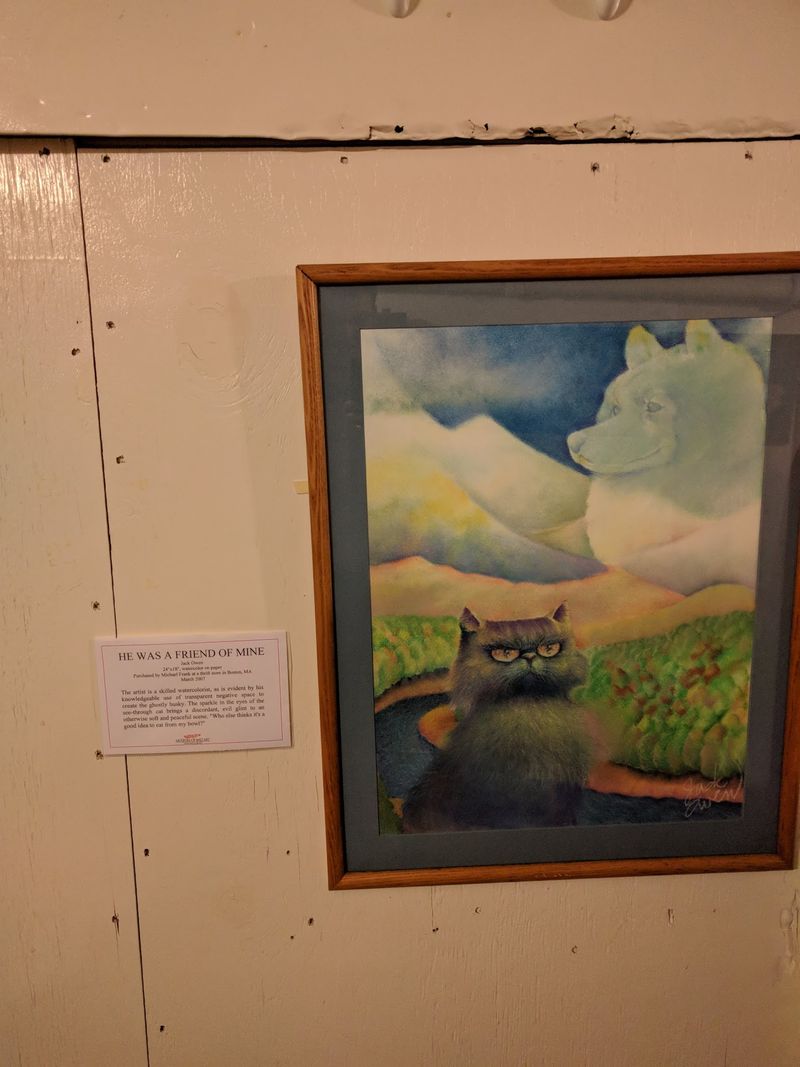
Your love of bad art doesn’t have to end at the exit. The museum reaches people far beyond Massachusetts through traveling exhibits, special events, and changing shows.
Online, there’s a YouTube channel and a Facebook page. Both are easy ways to keep up with new pieces and goofy updates between visits.
There’s even a sister gallery in Canada.
Planning a family trip north someday? That could be a fun bonus stop.
Seeing both spots would make you a certified bad art expert.
Want a creative challenge at home? Try painting something seriously, giving it your best effort, then writing a deadpan label for it.
It’s a hilarious family activity, and it teaches you to look at art with fresh eyes.
Who knows? Your masterpiece might be so wonderfully wrong that it deserves a frame of its own.
Lucy would be proud.