
This Massachusetts Restaurant Was JFK’s Favorite Place To Disappear For Lunch
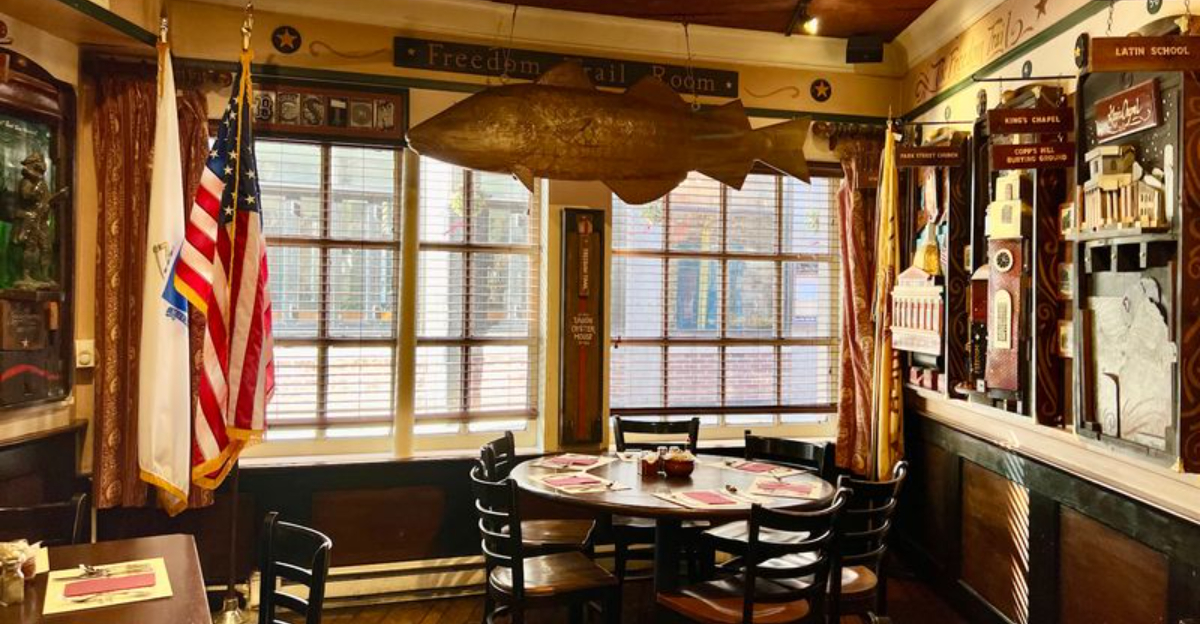
Before the White House, before the speeches, before history turned him into a photograph on every classroom wall, JFK had a Sunday lunch routine in Massachusetts.
Picture the scene.
A young Kennedy, a newspaper in hand, a bowl of lobster stew, and the same upstairs booth waiting for him. No presidential entourage. No Secret Service spectacle.
Just a Boston kid who happened to be on his way to becoming one of the most recognizable Americans of the 20th century. That’s the kind of detail that makes old-school American history feel wonderfully human.
Because decades later, people still walk into this historic dining room and look for the table where one of America’s most beloved presidents used to spend his Sundays. The food was simple.
The setting was old Boston. The man sitting there would become legend.
America’s Oldest Restaurant Has Been Open Since Before You Can Imagine
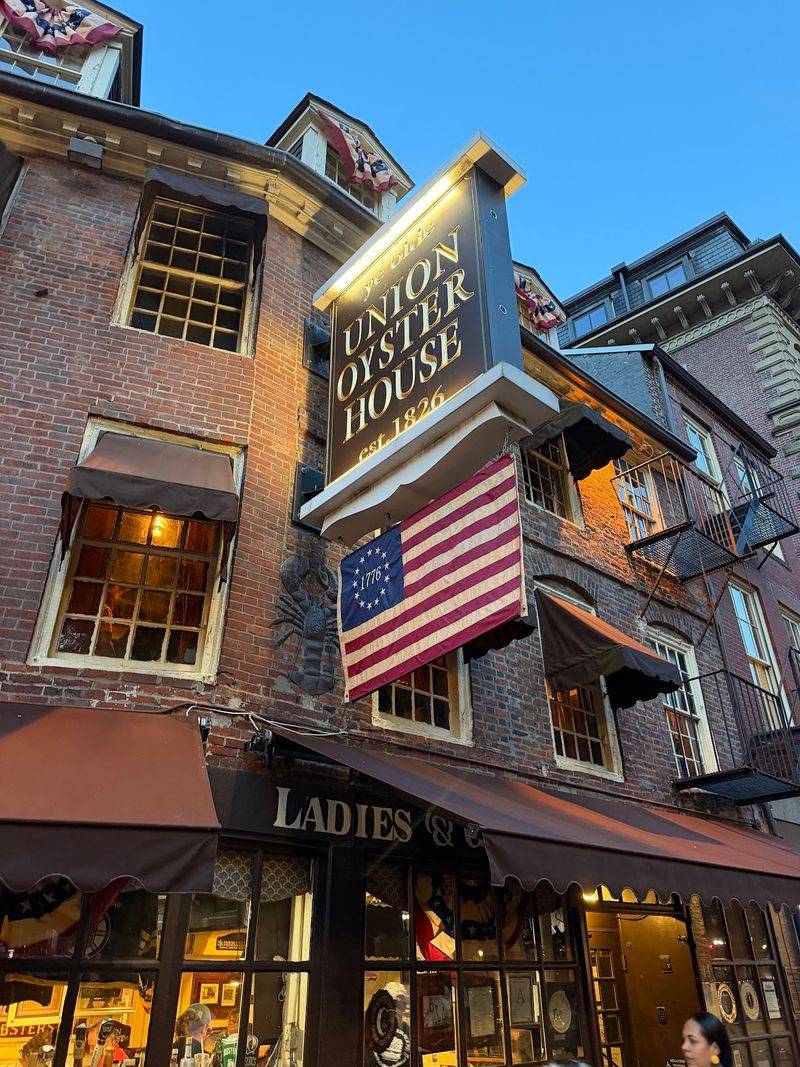
Some restaurants feel old. Union Oyster House actually is old.
We are talking 1826, which means this place was already a Boston institution before Abraham Lincoln was even a teenager.
The building itself dates back to around 1716, making it one of the earliest surviving brick structures in the entire city. That kind of history is not something you can fake or manufacture.
Before it became the beloved seafood landmark it is today, the building served as a dry goods shop, dealing in silks and fine fabrics.
It has always been a place where people gathered, traded, and connected. That communal energy never really left.
Walking through its doors today, you feel it immediately.
The floors creak. The wooden beams are dark with age.
Every corner of the room seems to hold a secret from another century. This is not a themed restaurant trying to look historic.
This is the real thing, preserved and alive. Visiting here feels less like eating out and more like stepping into a living chapter of American history that just happens to serve extraordinary clam chowder.
JFK’s Secret Lunch Spot Is Still Right There Waiting For You
Here is a fun piece of trivia that will make your jaw drop a little. When John F.
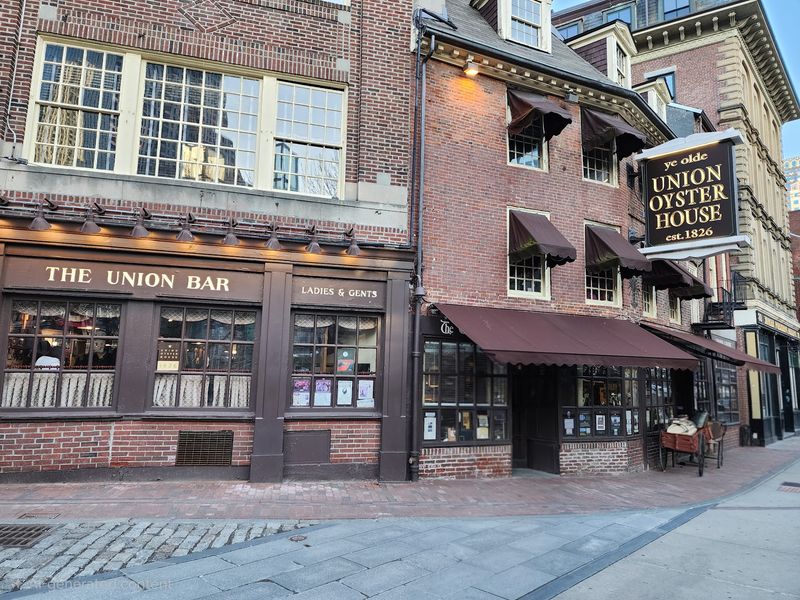
Kennedy was in Boston, he had a go-to spot for a quiet, low-key lunch, and it was right here at Union Oyster House, located at 41 Union St in Boston’s historic Haymarket neighborhood.
His preferred seat was Booth 18, tucked upstairs in the dining room, offering just enough privacy for a future president to relax and enjoy a bowl of lobster stew.
That booth still exists today. It is marked with a commemorative plaque honoring his memory and his loyalty to this legendary spot.
You can actually request to sit there when you visit, which makes for one of the most unexpectedly cool dining experiences in New England.
Imagine settling into the same worn wooden booth where a president once sat, quietly savoring his lunch.
It transforms a regular meal into something genuinely memorable. Not many restaurants in the world can offer that kind of connection to history.
Booth 18 is proof that some places carry meaning far beyond what is on the menu.
The Clam Chowder Here Is Not Just Good, It Is Legendary
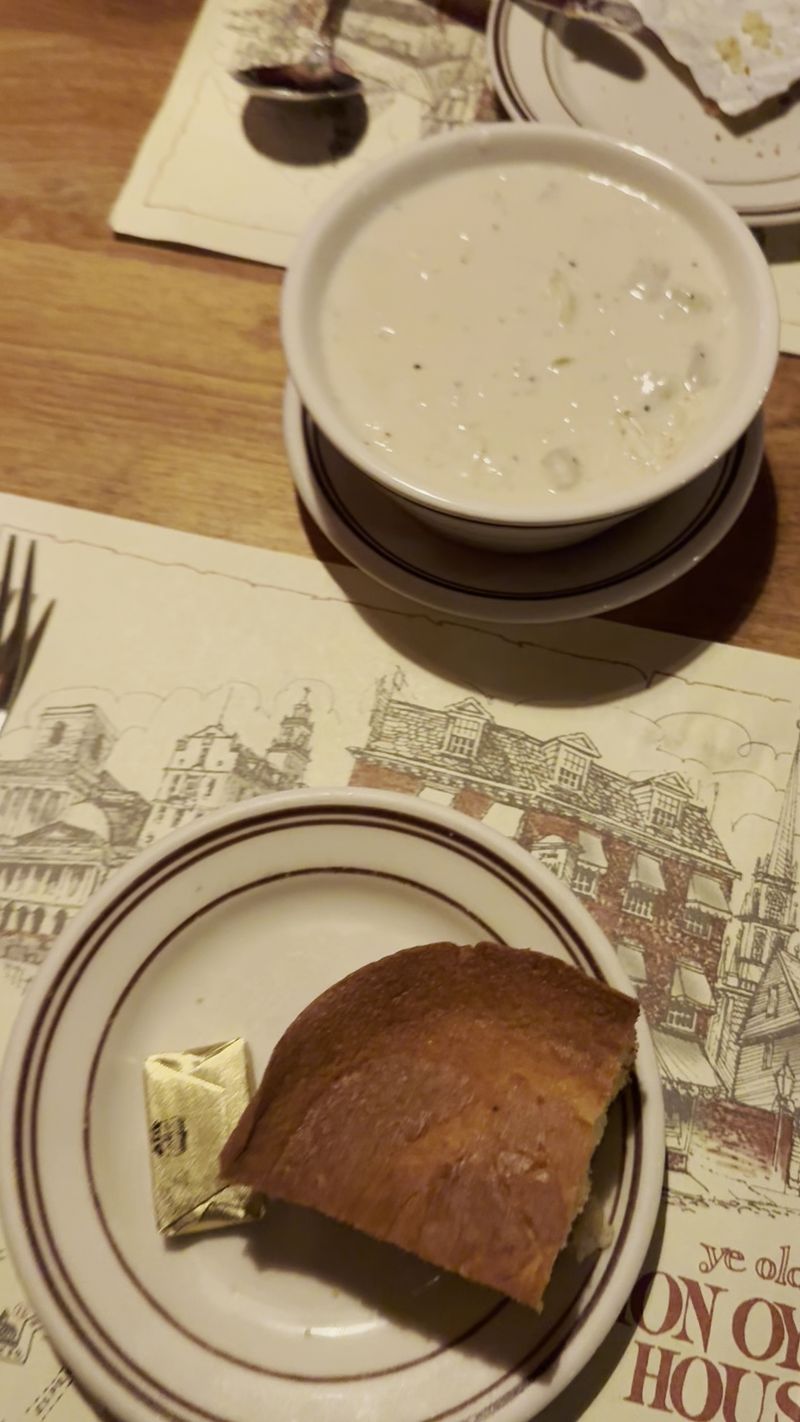
Forget everything you think you know about clam chowder. The version served at Union Oyster House rewrites the rulebook entirely.
Thick, creamy, and loaded with tender clam chunks, it tastes exactly like what you imagine the ocean would taste like if the ocean were warm and comforting. People travel to Boston specifically to sit down with a bowl of this chowder, and they leave with zero regrets.
The recipe has been refined over nearly two centuries of practice. That kind of dedication shows in every single spoonful.
It is not fussy or over-complicated. It is just honest, deeply satisfying New England cooking done at the highest possible level.
Pair it with a slice of their warm, sweet cornbread and you have a lunch that feels like a hug from the city itself.
Clam chowder appears on menus all over Boston, but tasting it here puts everything else in perspective. This is the benchmark, the original standard by which all other chowders should be measured.
Once you try it here, every other version will feel like it is missing something important.
The Oyster Bar Inside Is A True Piece Of American Culinary History
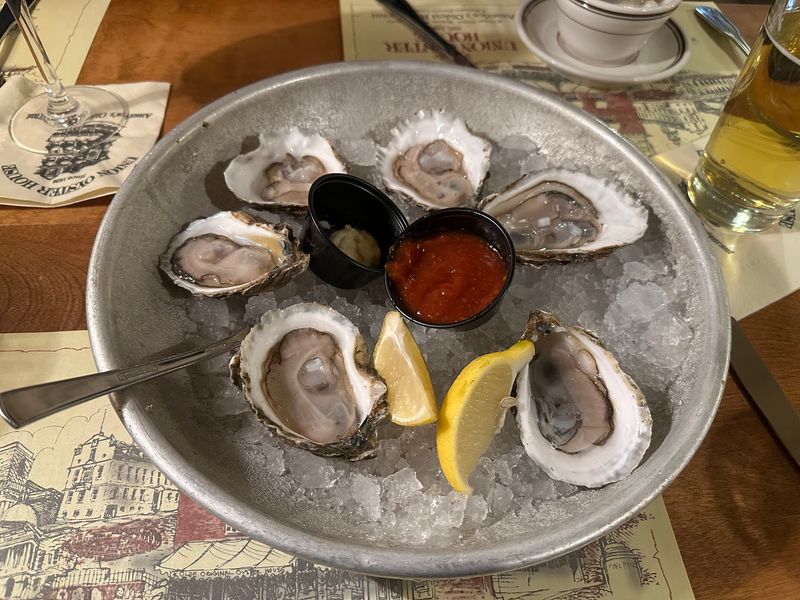
Right when you walk in, the oyster bar grabs your attention immediately. It is a beautiful semi-circular counter, worn smooth by generations of elbows and good conversation.
Food historians believe this was the very first oyster bar of its kind in the United States, which makes sitting down at it feel like claiming a small piece of culinary legend for yourself.
Watching the oysters get shucked fresh right in front of you is part of the whole experience. There is something deeply satisfying about seeing skilled hands work quickly and confidently through each shell, revealing the briny treasure inside.
The oysters arrive cold, clean, and tasting unmistakably of the sea. They are the kind that make you close your eyes for a second just to appreciate them.
Snagging a seat at the bar during a busy afternoon requires a little patience and good timing. But once you are there, perched on your stool with a plate of freshly shucked oysters in front of you, the wait feels completely worth it.
This is one of those rare dining experiences that genuinely lives up to its reputation.
Revolutionary History Was Actually Made Inside These Very Walls
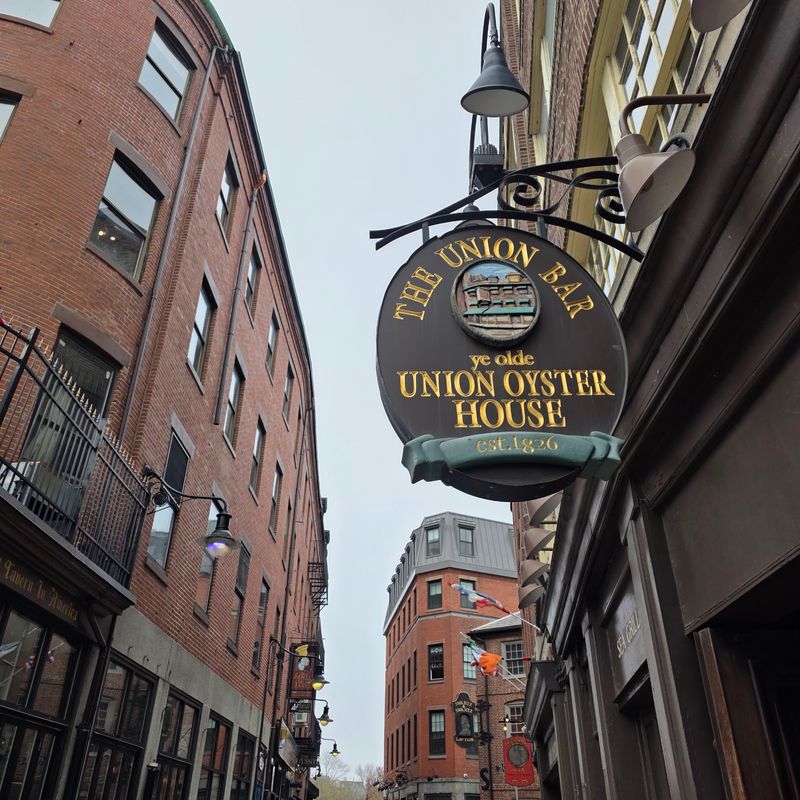
Long before oysters were the main event here, this building was buzzing with revolutionary energy. The second floor of the structure famously housed the printing press for The Massachusetts Spy, one of the most influential newspapers of the American Revolution.
Fiery words and bold ideas traveled from this building out into a world that was actively trying to reshape itself.
The building also served as the headquarters for Ebenezer Hancock, who held the role of paymaster for the Continental Army.
Imagine the weight of that responsibility being managed from what is now a beloved seafood restaurant. History has a wonderful way of layering itself into unexpected places.
Even more surprising is the story of Louis Philippe, a future King of France, who once lived on the second floor and reportedly taught French lessons to Boston’s fashionable young women to earn his keep. The walls of this building have absorbed centuries of extraordinary stories.
Standing inside and knowing all of this makes even a simple bowl of chowder feel like part of something much larger and more significant than an ordinary lunch.
Cornbread So Good It Might Upstage The Main Course
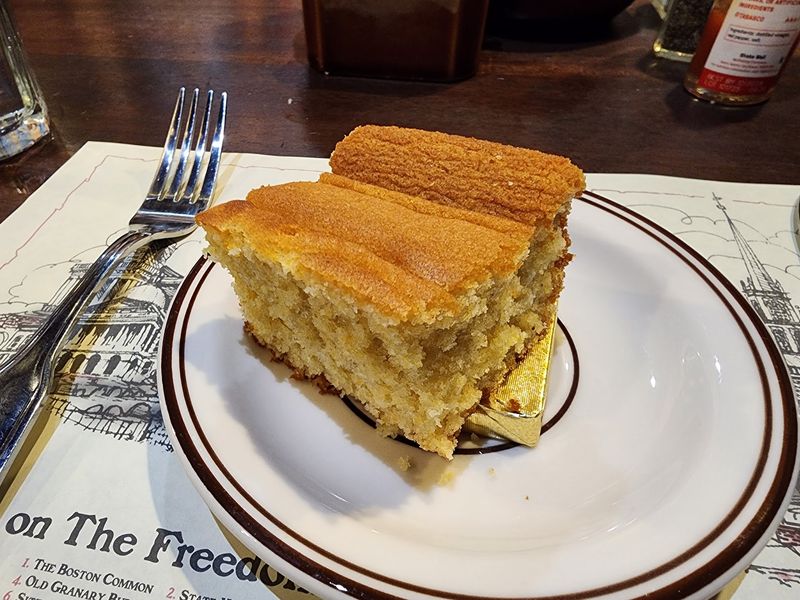
Nobody expects to walk into a legendary seafood institution and immediately fall in love with the cornbread. But here we are.
The moment a basket of their warm, sweet, moist cornbread lands on your table, everything else temporarily fades into the background. It is the kind of simple, well-executed side that reminds you why classic recipes endure for generations.
It arrives complimentary with your meal, which feels like a generous and genuinely welcoming gesture. The texture is soft without being crumbly, and the sweetness is perfectly balanced.
Slather on a little butter and take a bite before your chowder even arrives.
You will not regret it, though you might find yourself plotting how to get a second basket before the meal is over.
In a restaurant full of iconic dishes and centuries of culinary tradition, the cornbread holds its own with surprising confidence. It is the kind of detail that tells you this kitchen cares about the full experience, not just the headlining plates.
Small touches like this are exactly what separates a truly great restaurant from one that simply has a famous name attached to it.
The Toothpick Got Its American Start Right Here And That Is Oddly Delightful
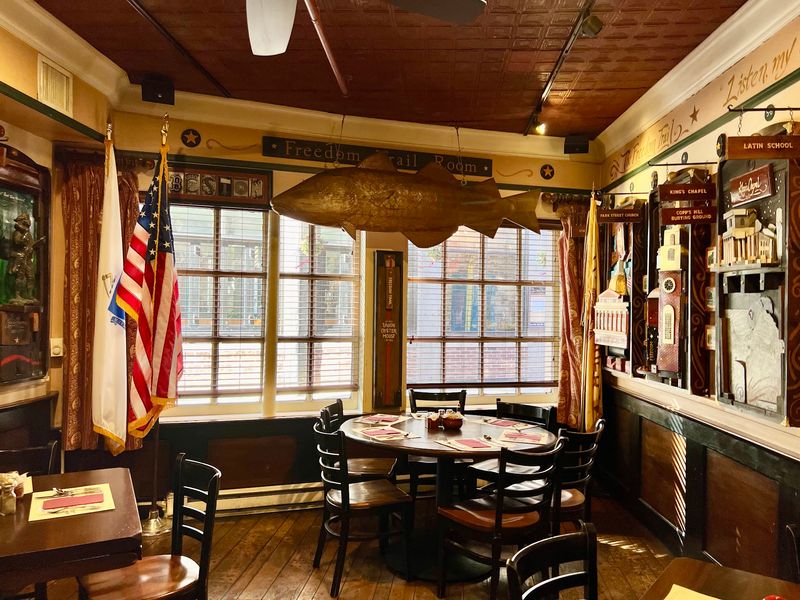
Of all the quirky footnotes in American culinary history, this one might be the most unexpectedly charming. It is widely believed that the toothpick made its American debut right here at Union Oyster House.
Around 1890, a clever entrepreneur from Maine reportedly paid Harvard students to dine at the restaurant and then loudly request toothpicks after finishing their meals.
The idea was simple and surprisingly effective.
By creating public demand, he convinced the restaurant to start stocking them. That small, almost ridiculous marketing scheme helped introduce the toothpick as a standard dining accessory across the country.
The fact that it started here, of all places, feels perfectly fitting for a restaurant that seems to have been present for every major moment in American history.
It is the kind of story that makes you look at the most ordinary objects in a completely different way. Next time you absentmindedly reach for a toothpick after a meal, you can trace that small habit all the way back to a clever college student in 1890 sitting inside this very building.
History really does hide in the most unexpected places.
A National Historic Landmark That Still Serves Lunch Every Single Day
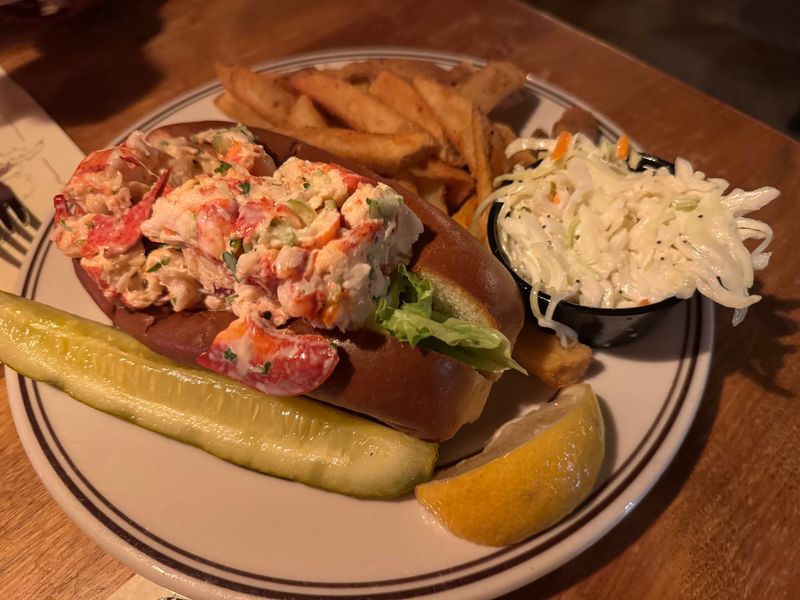
Not every National Historic Landmark will also serve you a hot lobster roll on a Tuesday afternoon. Union Oyster House manages to be both a federally recognized piece of American heritage and a fully functioning, packed-to-the-rafters restaurant at the same time.
That combination is genuinely rare and worth celebrating every time you walk through the front door.
The building’s Georgian architectural style is a surviving example of early colonial construction that has endured for over three centuries.
Careful preservation efforts over the years have kept its original character intact without turning it into a museum piece. It feels lived-in and real, which is exactly what makes it so compelling to visit.
The Freedom Trail runs right past it, connecting it physically to Boston’s most celebrated historical sites.
Knowing that the National Park Service recognizes this place as significant adds a layer of meaning to every visit.
You are not just eating at a restaurant with a good story. You are sitting inside a building that the United States government has officially deemed irreplaceable.
That is the kind of context that makes every bite of broiled Boston scrod taste just a little bit more extraordinary.
Daniel Webster And The Art Of Eating An Unreasonable Number Of Oysters
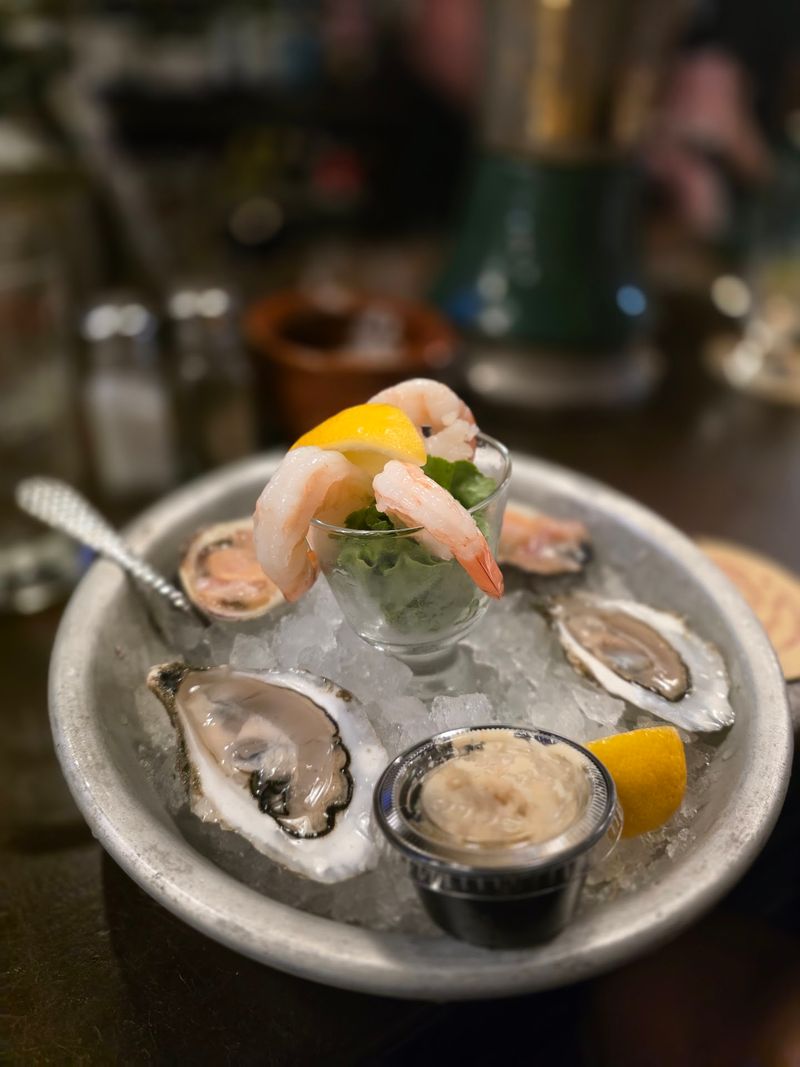
JFK was not the only notable figure who made Union Oyster House a personal favorite. The legendary American statesman Daniel Webster was a regular here long before Kennedy ever claimed his booth.
Webster was not shy about his love of oysters.
By most accounts, he would settle in at the bar and work his way through at least six plates in a single sitting, washing them down with brandy and water.
Six plates. Let that sink in for a moment.
That is not a snack. That is a commitment.
Webster’s dedication to the oysters at this establishment has become one of the restaurant’s most beloved pieces of lore, repeated with obvious delight by anyone who knows the history of this place.
It paints a vivid and wonderfully human picture of a great man enjoying a very simple pleasure with great enthusiasm.
Stories like this are what give Union Oyster House its texture and warmth beyond the food itself. It is a place where history did not just pass through, it pulled up a stool, ordered another round, and stayed a while.
Will your visit add a small story of its own to these walls?