
This Massive Arkansas Spring Forms Its Own 10-Acre Lake And It’s Absolutely Stunning
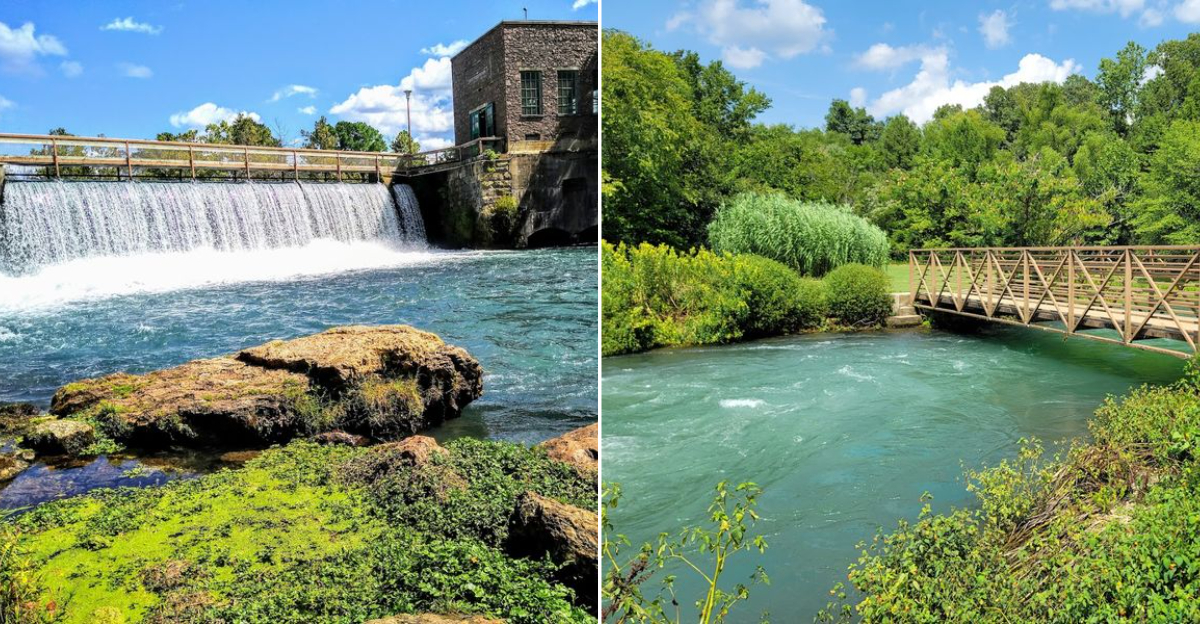
You hear the water before you really notice what’s happening. It rises straight out of the ground with surprising force, pushing up from deep underground and spreading across the surface.
The first time I stood beside it, I kept staring at the water, trying to grasp how much was actually moving below that calm surface. Every hour, millions of gallons surge up and pour into a basin that quickly becomes a lake covering about ten acres.
The shoreline feels quiet, yet the spring never stops working. The water stays cold, clear, and constantly in motion.
I like standing there for a while and watching the surface shift and swirl. It’s hard not to think about how long this flow has been shaping the landscape.
Places like this remind me that the Ozarks still hold some of the most powerful natural water sources in the region.
A Spring That Pushes Out Millions Of Gallons Every Hour

Few natural features in the United States move water quite the way this one does, and standing at the edge of it makes that point impossible to ignore.
Arkansas claims this as its largest spring, and the numbers behind it are staggering in the best possible way.
Close to 9 million gallons of water push up from underground every hour, a rate so consistent and powerful that the land around it has been shaped by that relentless output.
I remember watching the surface of the spring and noticing that it never looked calm, not in a violent way, but in the way that something alive and breathing looks when it is working hard.
The sheer volume of water that emerges here puts it in the conversation with some of the largest springs anywhere on the planet, which feels like a bold claim until you see it for yourself.
Designated as a National Natural Landmark, this extraordinary feature is Mammoth Spring, located at 17 US-63, Mammoth Spring, AR 72554.
Where Cold Water Rises From Deep Underground
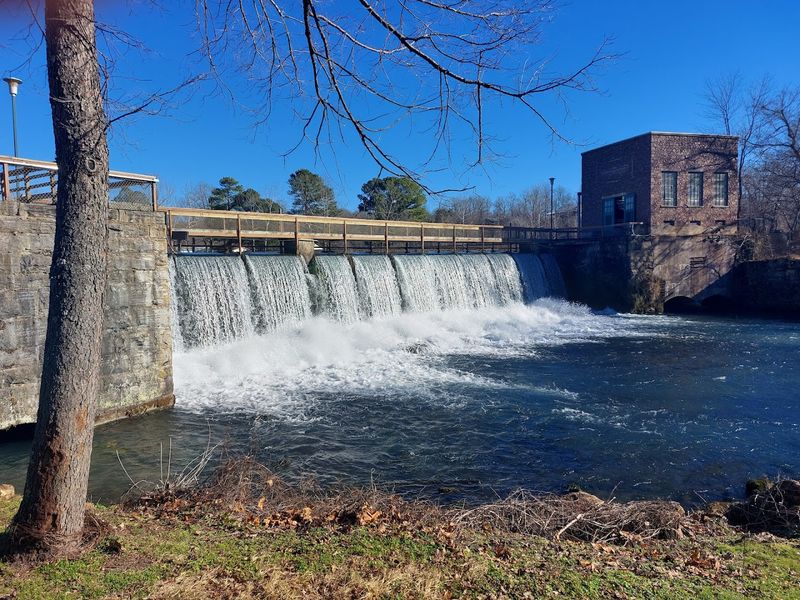
There is something almost mysterious about water that has been traveling through solid rock for what could be thousands of years before finally surfacing into daylight.
That is exactly what happens at Mammoth Spring, where the water originates deep beneath the Ozark Plateau and follows a hidden underground path before emerging with surprising clarity.
The source sits within a karst landscape, a type of terrain shaped by dissolving rock, where water carves out channels and caverns over long stretches of geological time.
When I peered into the spring pool, the water was so transparent that I could see the rocky bottom clearly, which felt almost eerie given how much water was moving through it.
That clarity comes directly from the filtration that happens underground, as the water passes through layers of porous limestone that strip out sediment and impurities along the way.
The temperature stays locked in a cool range year-round because the underground environment insulates the water from seasonal changes on the surface, giving the spring a steady, refreshing chill no matter when you visit.
How The Flow Forms A 10-Acre Lake
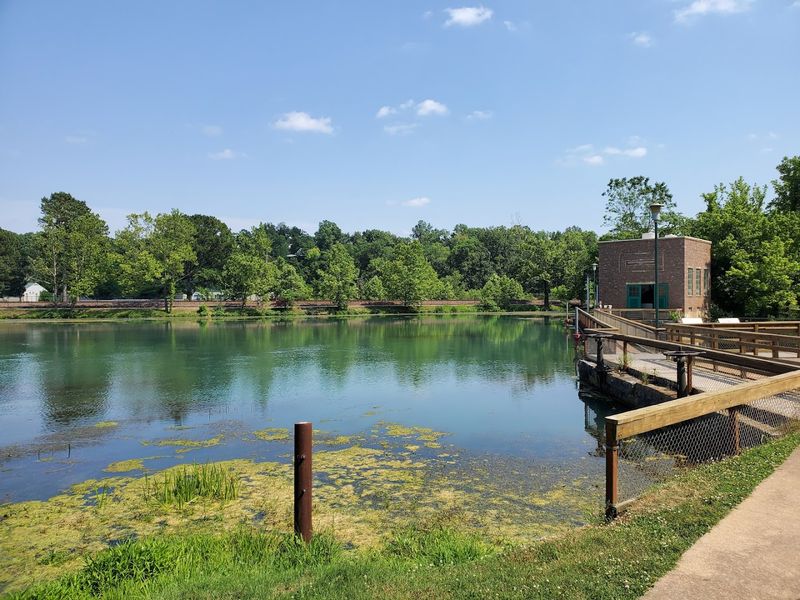
Not many springs in the world can claim that their output is large enough to maintain a 10-acre lake, but Mammoth Spring does exactly that without breaking a sweat.
The water that surges up from underground does not simply trickle into a stream and call it a day, it accumulates into a body of water that covers a full ten acres before finding its way south.
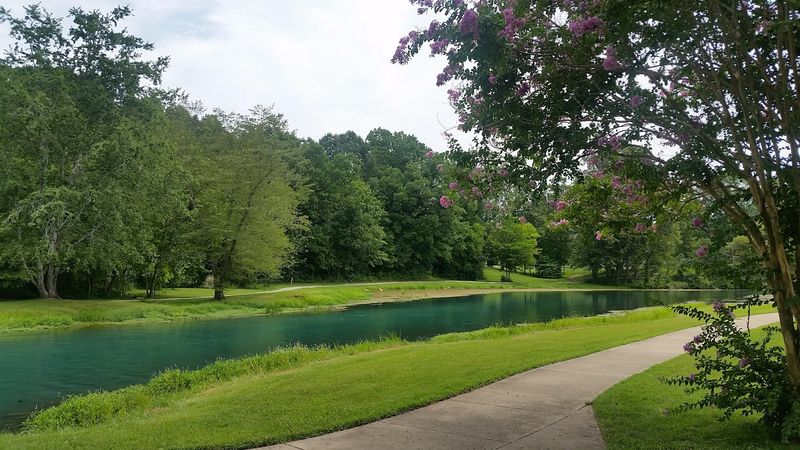
Spring Lake, as this formed body of water is called, sits right at the base of the spring and gives the whole area a peaceful, almost resort-like quality that catches visitors off guard. A historic dam built during the area’s milling and hydroelectric days helped shape the lake that visitors see today.
I walked along the edge of the lake on a bright morning, and the stillness of the surface contrasted sharply with the force I knew was feeding it from below.
Picnic areas and walking paths surround the lake, making it an easy spot to spend a full afternoon without feeling rushed or overwhelmed by crowds.
The lake also functions as a kind of transition zone, where the raw power of the spring softens into something you can sit beside and genuinely appreciate at your own pace.
The Karst System Behind This Ozark Giant
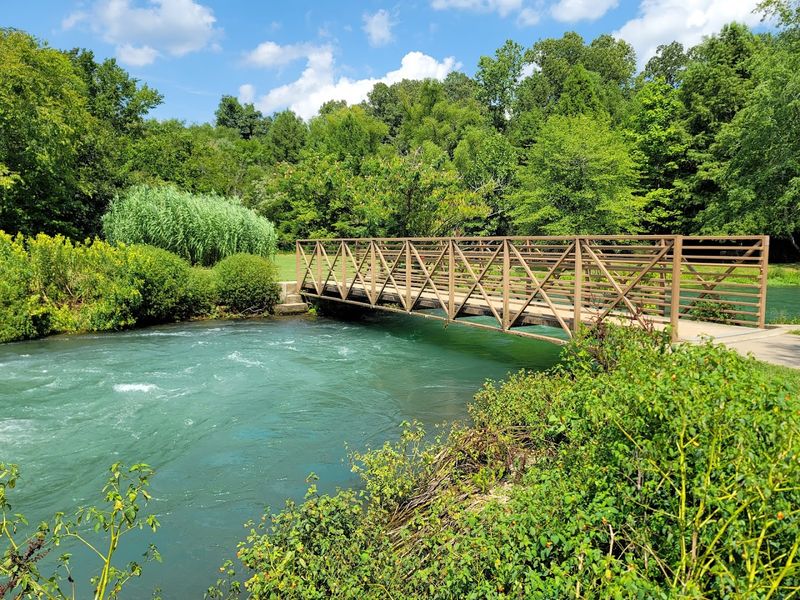
Understanding what makes Mammoth Spring tick requires a quick trip underground, at least in imagination, to look at the karst system that powers the whole operation.
Karst terrain forms when slightly acidic rainwater slowly dissolves soluble rock like limestone over vast amounts of time, carving out an elaborate network of tunnels, chambers, and conduits beneath the surface.
The Ozark Plateau, which stretches across northern Arkansas and into neighboring states, sits on thick beds of this kind of rock, making the region a hotspot for springs, caves, and sinkholes.
Water that falls as rain in the uplands can travel for miles underground before it finds an exit point, and Mammoth Spring happens to be one of the most dramatic exit points in the entire system.
I found it fascinating to think that the water I was watching emerge had once been rainfall on some distant hillside, slowly working its way through invisible underground corridors to reach this spot.
That geological backstory gives Mammoth Spring a depth, both literal and figurative, that makes a visit feel like more than just a walk in the park.
Why The Water Stays Clear And Cold Year-Round
One of the first things I noticed when I got close to the spring was the temperature, and it stopped me in my tracks because even on a warm afternoon, the air near the water carried a distinct chill.
The consistent coldness is not seasonal luck but a direct result of where the water comes from, deep underground where temperatures remain stable regardless of what the surface weather is doing.
That underground insulation keeps the spring water hovering in a cool range throughout every season, which is exactly why the Spring River downstream is known as prime trout habitat.
Trout are famously particular about water temperature and oxygen levels, and the cold, well-oxygenated output of Mammoth Spring creates conditions they find irresistible, much to the delight of anglers who travel here from across the region.
The clarity of the water works hand in hand with the cold, since the same underground limestone filtration that removes sediment also keeps the temperature steady and the oxygen content high.
Visiting in July felt no different from what I imagined visiting in January would feel like, at least as far as the spring itself was concerned, and that consistency is part of its quiet magic.
The Historic Dam, Mill, And Hydroelectric Legacy
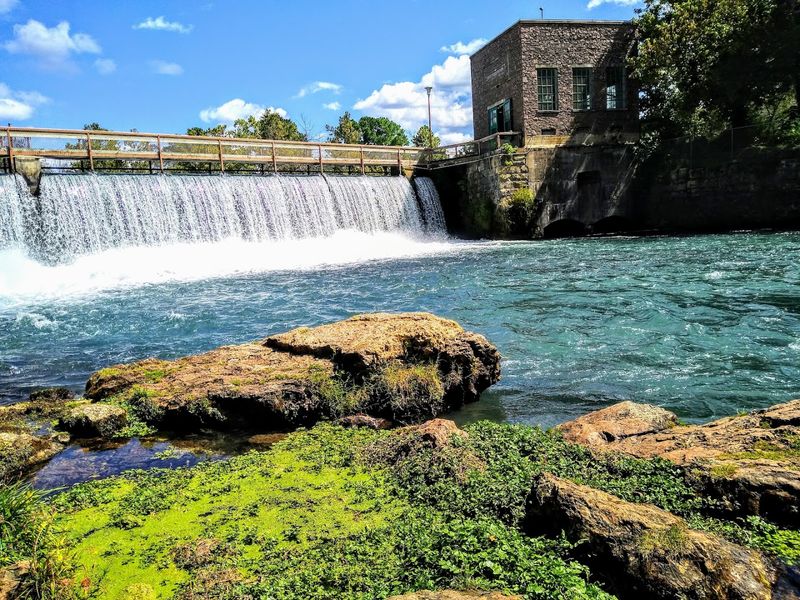
Long before Mammoth Spring became a state park and a landmark for nature lovers, it was already putting itself to work in ways that shaped the surrounding community for generations.
The powerful outflow of the spring attracted early settlers and industrialists who recognized that this much moving water represented an enormous amount of usable energy.
A mill was built to harness the flow, and later a hydroelectric plant was added, turning the spring into a local power source that brought electricity to the area during a time when that was still a remarkable achievement.
Walking through the park today, you can still see remnants of that industrial past, with old structures near the water that hint at a busier, more utilitarian chapter in the spring’s history.
The 1886 Frisco train depot, which has been carefully restored and now operates as a museum, adds another layer to the story, showing how the railroad and the spring together helped put this small Arkansas town on the map.
Spending time with those historical details turned my visit from a simple nature outing into something that felt more like reading a living chapter of Arkansas history right on-site.
Where The Outflow Becomes The Spring River
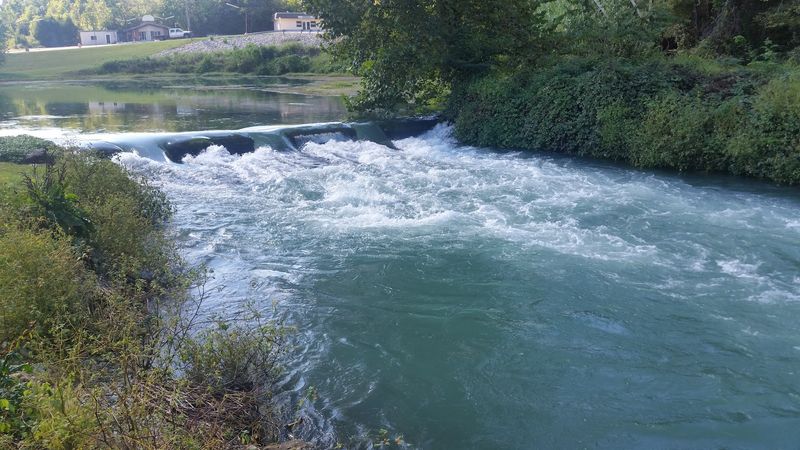
After all that drama at the spring itself, the water does not simply disappear, it gathers itself together and heads south as the Spring River, one of Arkansas’s most beloved waterways.
The river that begins here carries the same cold, clear quality as the spring that feeds it, which makes the first several miles below Mammoth Spring particularly attractive for trout fishing and recreational floating.
I watched a pair of anglers working the water just downstream from the lake, standing knee-deep in a current that looked more like something from a mountain stream catalog than a typical Arkansas river.
Canoeists, kayakers, and tubers have been taking advantage of the Spring River for as long as people have been looking for a good excuse to be on the water, and the float trips here have a devoted following.
The river continues winding through the Ozark landscape for many miles, picking up tributaries and character along the way, but its personality is established right here at its source.
Knowing that this entire river owes its existence to a single boiling pool of underground water made every mile of it feel a little more extraordinary to me.