
This Massive Bear Ranch In America Is Right Here In Michigan, And It’s Perfect For Families
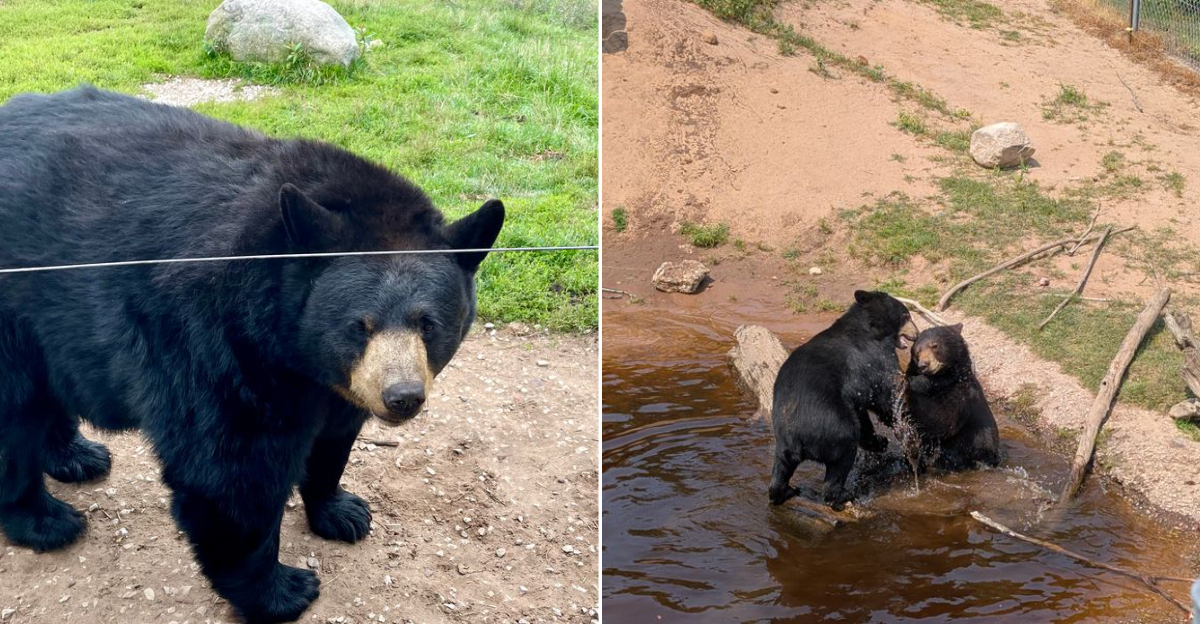
I’m the type of person who will drive three hours out of the way just for a five-minute glimpse of a rescue animal, so finding a 160-acre black bear sanctuary in the middle of the Upper Peninsula was basically my version of hitting the jackpot. This isn’t some tiny, depressing roadside exhibit, but a massive, family-run operation where you can actually see the bears behaving like, well, bears.
I spent my afternoon trekking between the four sprawling habitats, which are huge enough that the bears actually have room to vanish into the brush if they aren’t feeling social.
As the largest bear rescue in the United States, this Upper Peninsula landmark is a powerhouse for Michigan wildlife conservation and a must-visit for families who value ethical animal encounters. It’s easily the most interesting, low-ego wildlife experience I’ve had in the state, and seeing those bears thrive in the pines is a memory I’m keeping for a long time.
Arriving Through The Pines
The road narrows significantly as you head deeper into the pines, and the air immediately begins to smell like damp needles and that sharp, clean cold unique to the North. The signage you’ll encounter is plain, confident, and delightfully old-school, which sets the tone for the entire visit perfectly.
Oswald’s Bear Ranch is located at 13814 Co Rd 407, Newberry, MI 49868. Families ease past the entrance booth, wave to the staff, and roll into a parking area that is unglamorous yet exactly right for a facility that puts its budget into the animals rather than fancy asphalt.
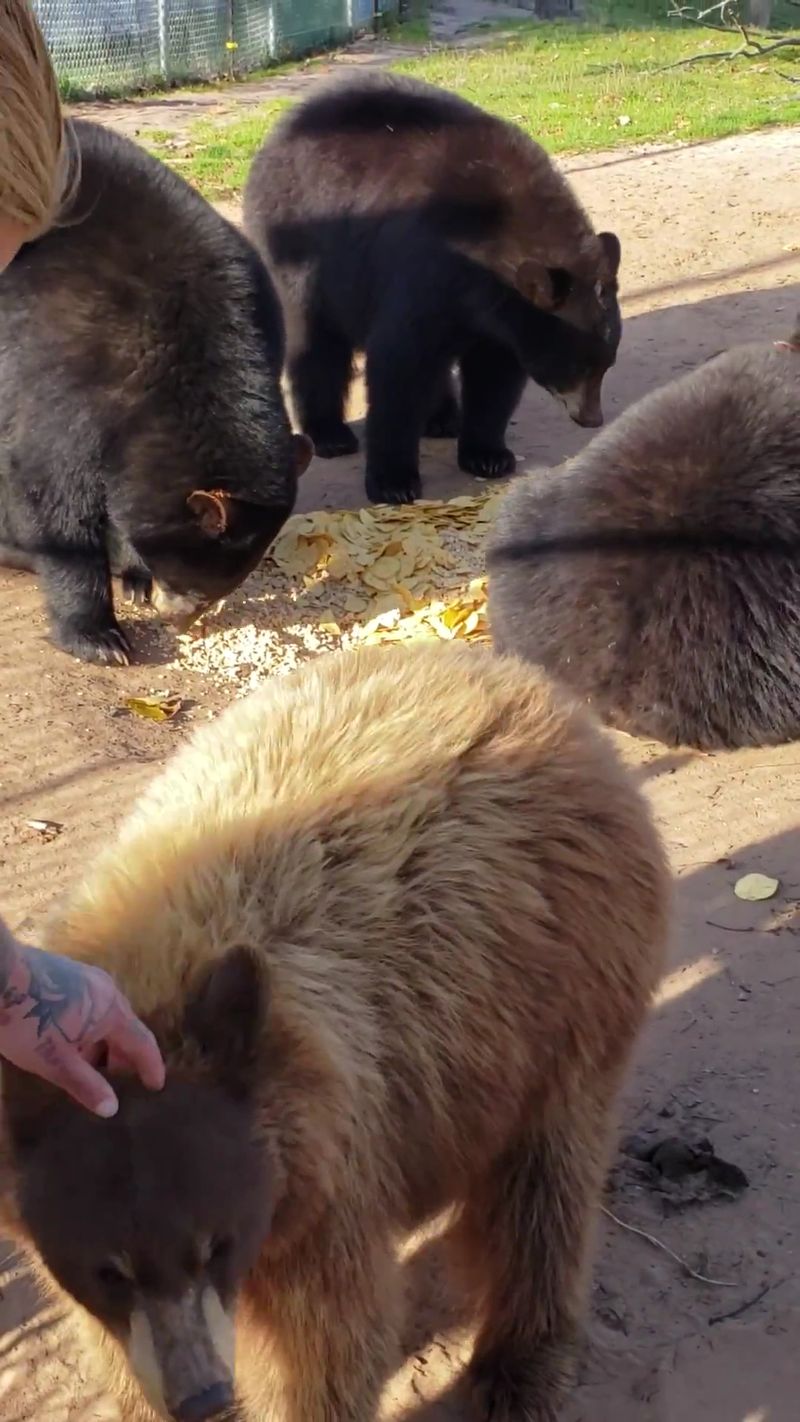
This place began as a focused rescue effort for black bears that needed a safe, long-term home after being orphaned or injured.
The mission here has always been straightforward, care, space, and public education. Because this is not a theme park, a certain clarity quickly settles the mood for everyone who enters. Once you pay your admission and grab a simple map, make sure you are wearing comfortable shoes.
The ground is mostly flat, but those 160 acres mean the distances add up quickly. A little sunscreen goes a long way out here, and so does a healthy dose of patience.
First Look From The Platforms
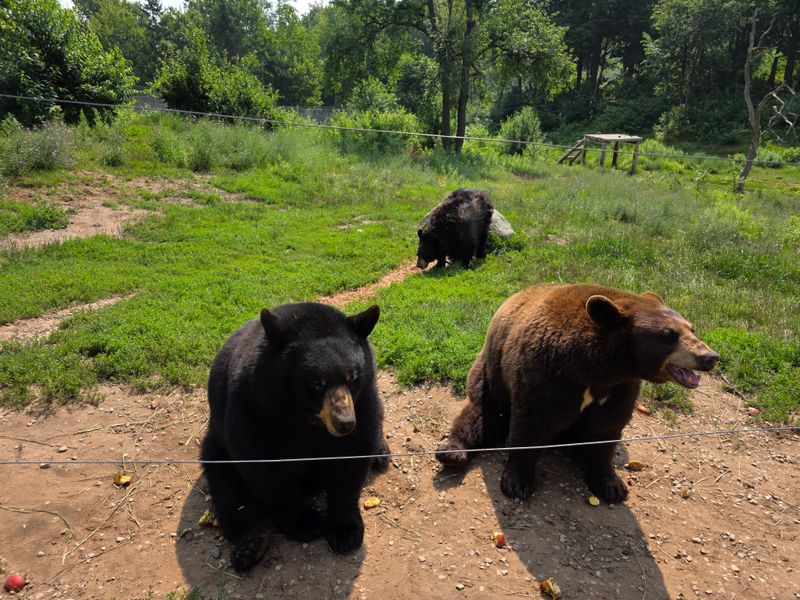
The first viewing platform rises modestly from the forest floor, just enough to widen your eyes and instinctively slow your voice to a whisper. Below you, the black bears unhurriedly nose through the tall grass, perhaps tipping over a heavy log to find something interesting beneath.
The real surprise is the sheer scale of the operation, four massive habitats, each roomy and designed with the bears’ natural instincts in mind. Historically, the ranch expanded over many years as the number of rescues increased, steadily adding acreage and better vantage points for visitors.
These elevated platforms allow you to gain a great perspective without putting any physical pressure on the animals. You’ll notice the rails feel sturdy and well-worn, a reassuring detail that speaks to the years of families who have stood in this exact spot.
I suggest taking your time at each stop, bears can be perfectly still for long stretches, then suddenly engage with a stump or a water trough in a burst of activity. A patient five minutes often reveals one perfect moment you would have missed by rushing to the next enclosure.
Listening For Quiet Behaviors
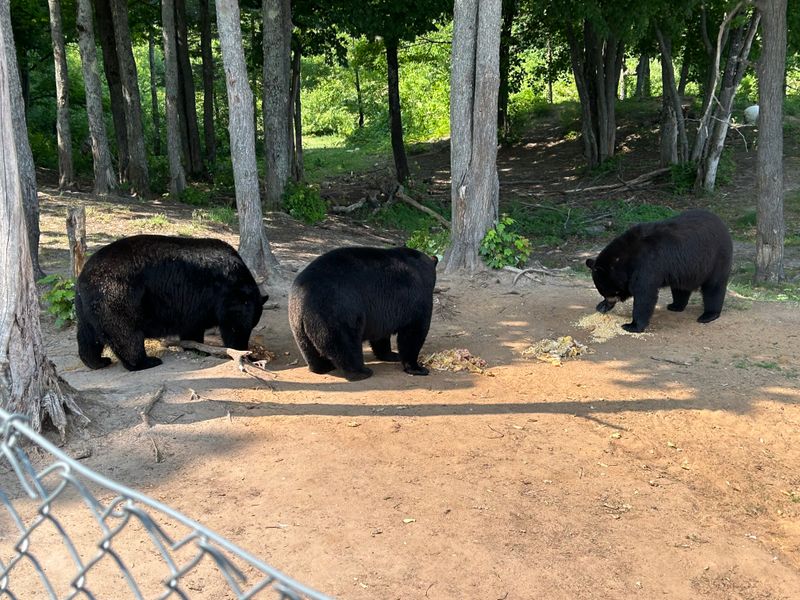
There is a distinct hush that hangs over the enclosures, only punctuated by the sound of soft pawsteps on pine needles and an occasional, heavy huff. If you watch closely, you can see the way a bear sniffs the air, decides on a direction, and then chooses a path as if it were following a private, internal map of the forest.
Kids quickly pick up on this quiet rhythm and tend to lower their voices without even being told. This sanctuary leans heavily into observation over spectacle, a Michigan wildlife tradition built through decades of dedicated rescue work.
The caregivers keep the daily routines very predictable, which creates much steadier and more relaxed animal behavior. The result is a sense of calm rather than the chaotic energy you find at more commercialized zoos.
Stand perfectly still for a full minute and try to track the movements of just one bear. Notice the powerful roll of its shoulders, the quick flick of its ears, and the way it carefully tests the wind. You will likely leave the ranch with much sharper eyes than you had when you arrived.
Reading The Signs That Actually Help
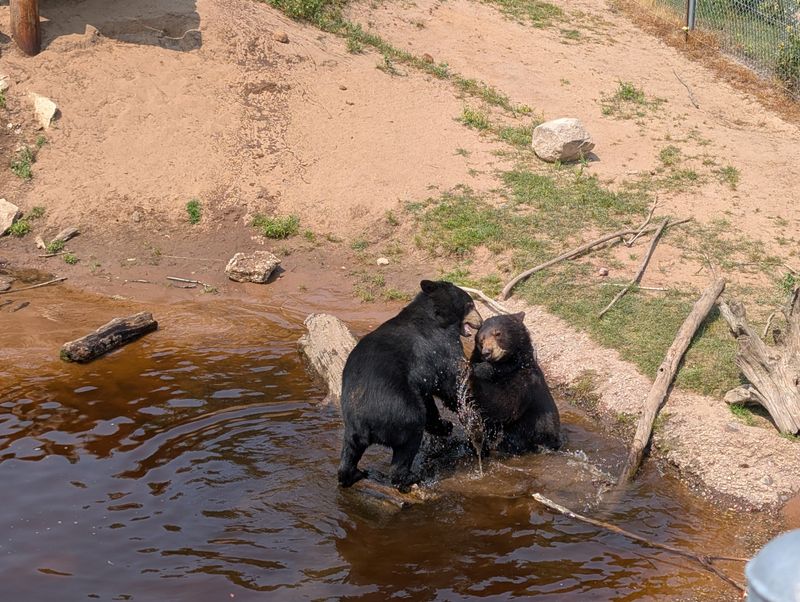
Handy placards are scattered throughout the ranch, offering just enough detail to anchor what you are seeing without being overwhelming. They cover the specific rescue backgrounds of individual bears, their varied diets, and their shifting seasonal habits without drowning you in scientific jargon.
The most helpful signs link a specific behavior to practical care, which makes the habitats feel intelligible and grounded. The ranch team has refined these educational markers over time as visitor questions have repeated and evolved.
That quiet curation reflects a rescue-first history, where public education is designed to support the overall welfare of the animals. These signs feel purposeful and honest rather than merely decorative.
Try reading one slowly, then look up and test the information against the scene playing out in front of you. You might find yourself predicting the bears’ movements before they happen.
Photographing With Respect
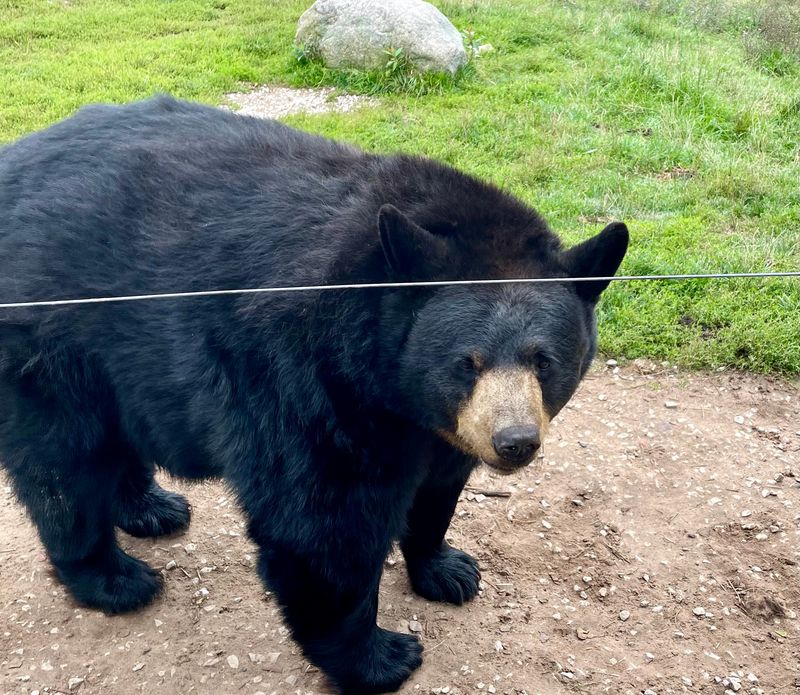
Light shifts incredibly fast in the Upper Peninsula, meaning the colors of the forest can bloom and fade within a matter of minutes. Overcast days are actually a huge gift for photographers here, as the soft light smooths out the glare on the bears’ thick fur and the surrounding grass.
Whatever the weather, avoid pressing your lens against the rails or angling your phone through the safety fencing, as sudden movements can startle the bears and will almost certainly spoil your composition. The history of this site as a rescue facility means that the animals always come first and the images come second.
You might hear the staff reminding visitors to keep their devices quiet and their movements measured. This firm boundary is what preserves the steady, peaceful mood that you came to experience in the first place.
I recommend using your zoom, bracing your elbows for stability, and waiting for natural profiles rather than trying to whistle for a head-on shot. The water troughs and fallen logs often produce the best moments worth your patience.
Walking The Layout Without Rushing
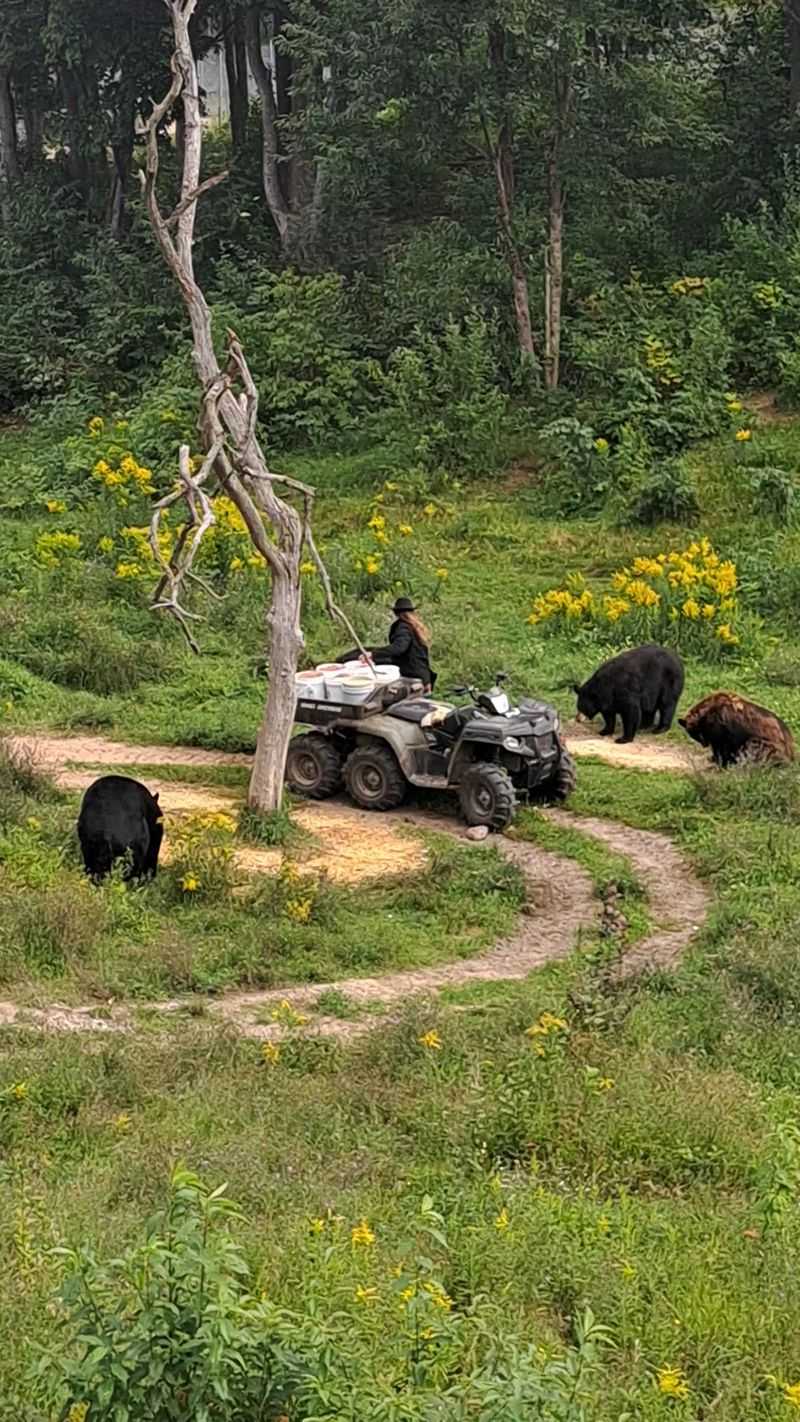
The paths stretch wider than you might expect, featuring gentle arcs that naturally steer the crowds instead of corralling them into tight lines. Benches seem to appear exactly when your legs start to request a pause.
The sequence of the habitats keeps your interest high, cleverly alternating between open grassy fields and denser, shaded corners where the bears like to retreat during the heat of the day. As the ranch grew to accommodate more rescues over the years, the circulation of the property evolved alongside the actual need for space.
That organic, practical growth has created a layout that feels lived-in and comfortable. It suggests a philosophy of function first and flair second.
If you want to warm up slowly, start your walk in a clockwise direction, if the kids are especially eager to see the biggest habitats, head counterclockwise.
Meeting The People Who Keep Rhythm
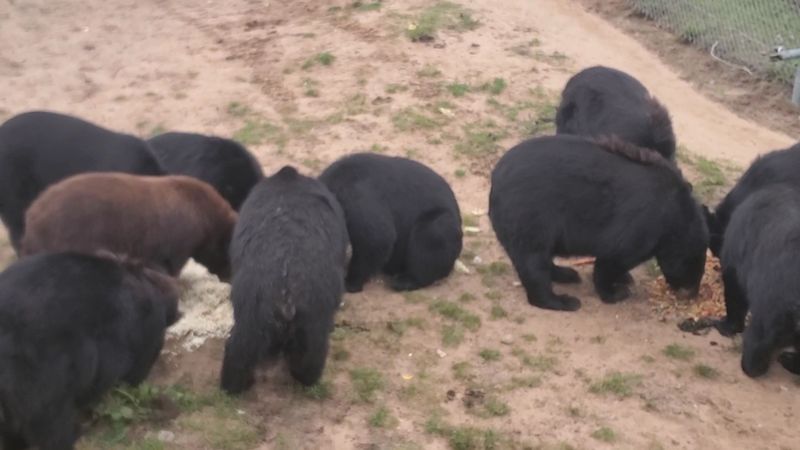
Every so often, a staff member may drift by with a low-key update about a recent rescue, a feeding time, or which platform happens to be the quietest at that moment. The tone is always friendly and never theatrical, which helps set a steady pace for your day.
You quickly feel folded into an ordinary, daily routine that runs on the fuel of absolute consistency. The ranch is family-founded, and that lineage is evident in the way the protocols sound so practiced and natural.
Years of rescue experience have hardened into excellent habits that benefit the bears and visitors alike. The information you get from the team tends to be direct, spare, and incredibly useful.
Don’t be afraid to ask short, focused questions about the residents. You will usually get a specific, practical answer, along with a helpful nudge toward a better viewing spot. Once you’ve had your chat, let them get back to work, that quiet, behind-the-scenes effort is exactly why the ranch feels so stable and safe.
Seasonal Surprises Worth Catching
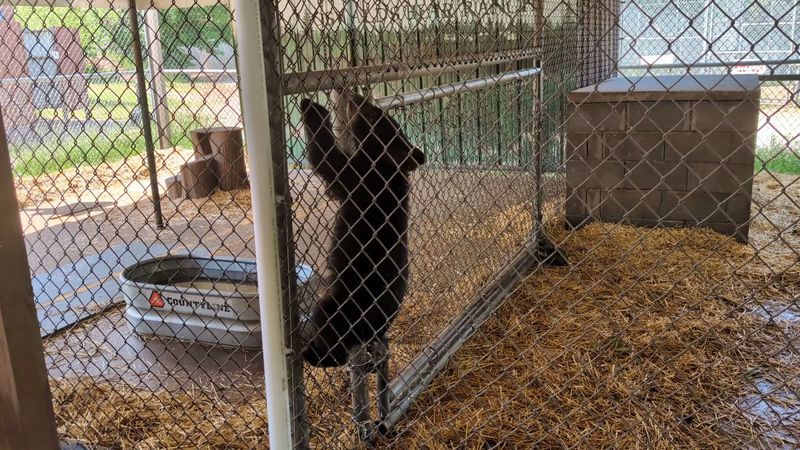
The summer months at the ranch hum with insects and the soft dust of the trails, while early fall brings a sharpness to the air that seems to heighten your hearing. The bears respond to these changes in subtle, fascinating ways, such as taking longer foraging loops or spending more time at the shaded edges of the forest.
Each season effectively edits the soundtrack and the pacing of the entire property. This annual rhythm reflects the broader cycles of the Upper Peninsula, which are dictated by light and temperature.
Decades of specialized rescue care have taught the staff how to align their work with that local cadence, ensuring nothing is ever rushed just for show. Before you head out, check the local forecast, layer your clothing, and bring plenty of water regardless of the month.
The cloud cover can flip from bright to dark in minutes, completely changing the bears’ behavior. If one platform gets a bit quiet, simply follow the breeze to the next one and try out a new viewing angle.
Learning Through Little Details
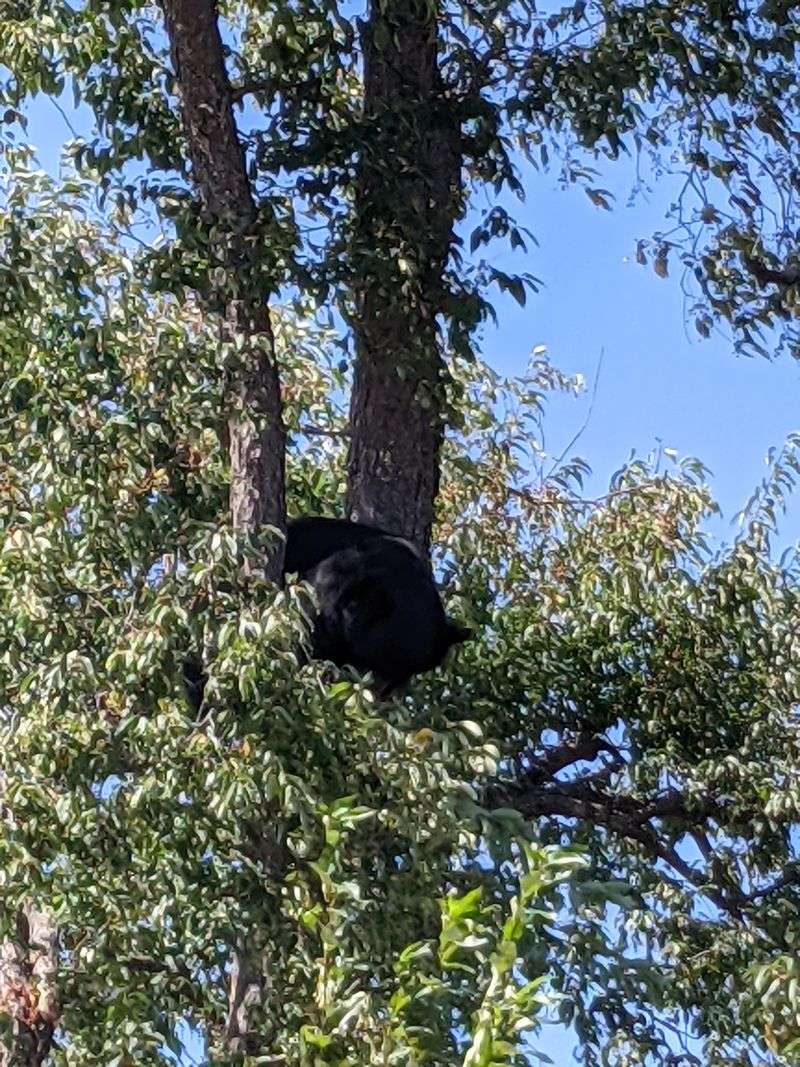
Look closely at logs with pry marks and claw scores. Those traces tell a daily story of strength, problem-solving, and appetite. Even the scuffed dirt around a stump can hint at repeated puzzles set out by keepers.
Enrichment is a practiced technique here, refined through years of rescue care. It nudges natural behaviors without gimmickry. The design reads humble because it works.
Point out these clues to kids and predict the next move together. You learn to spot where bears prefer leverage or shade. That shared guessing game turns into a habit you will carry to other wildlife places.
Planning The Day Like A Local
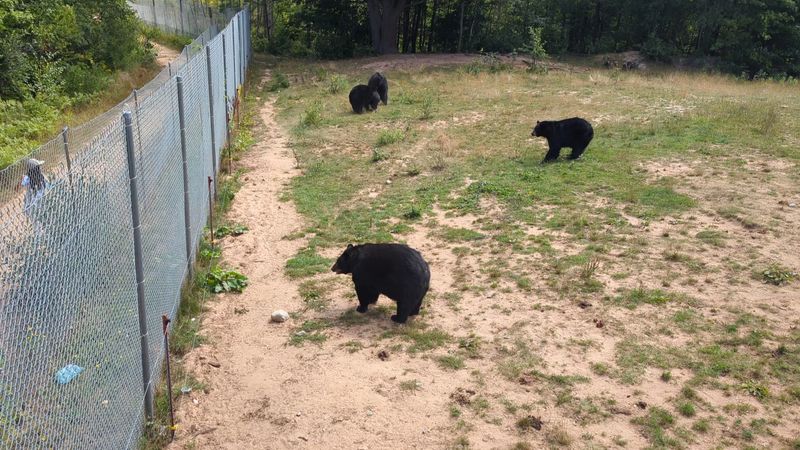
Mornings are calmer, with slant light and fewer voices on the platforms. Midday fills in, then the last hour thins pleasantly as closing nears. Those brackets help you choose your rhythm and avoid sprinting.
Locals know the posted hours matter: 9:30 AM to 4 PM, seven days, with seasonal adjustments posted on-site and online. The consistency honors both visitors and animal routines. It is a dependable anchor.
Bring water, simple snacks, and layers. Shoes with grip beat fashion every time on gravel. Snap the phone number and address so navigation is easy on the way out to Newberry or the next trail.