
This Massive Florida Lake Was Built Over A Town Destroyed By A Hurricane
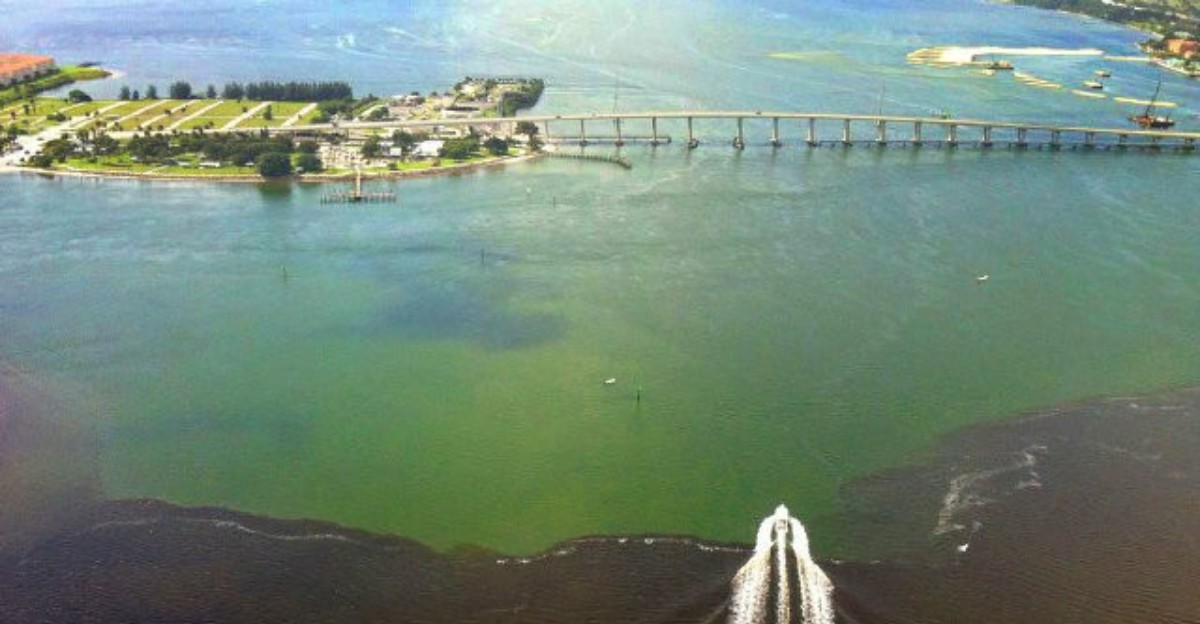
Florida has plenty of lakes, but Lake Okeechobee feels more like an inland sea.
Stand along the shore and the water seems to stretch forever. Boats disappear into the distance.
Alligators patrol the shallows. Anglers head out searching for trophy bass.
But the peaceful view hides a much darker story.
Powerful hurricanes struck the region in 1926 and 1928, sending lake water surging into nearby communities and causing catastrophic destruction. Thousands of lives were lost, and the disasters ultimately changed how Florida protected the towns surrounding the lake.
Today, the massive Herbert Hoover Dike circles much of Lake Okeechobee, standing as a reminder of what happened here nearly a century ago.
Yet history is only one reason this enormous lake is fascinating.
There are spectacular sunsets, wildlife-filled wetlands, fishing spots, scenic trails, and small communities that still revolve around the water.
So grab the binoculars and keep an eye out for gators.
A Lake So Wide You Cannot See Across It
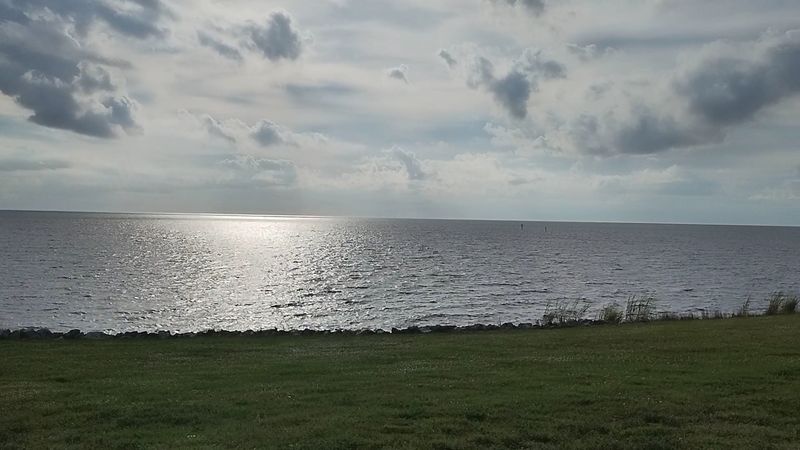
Picture standing on a grassy levee, squinting at the horizon, and seeing nothing but water and sky. That is the first surprise most visitors get at Lake Okeechobee.
The far shore simply disappears.
The lake covers roughly 730 square miles, making it the largest freshwater lake in Florida. It is often called the second largest natural freshwater lake located entirely within the lower 48 states, trailing only Lake Michigan.
One visitor who drove up from Sunrise summed it up perfectly: it is a big lake.
Here is the funny part. For all that size, the water is shallow, averaging only about nine feet deep.
In some spots near the north end, you could almost stand up if not for the gators. Because it is so wide and flat, the lake even creates its own weather, and boaters say conditions out in the middle can feel very different from the shore.
The name comes from the Hitchiti language and means big water, which might be the most honest name in Florida. If you want the best first look, head to an overlook along the dike near Port Mayaca or Okeechobee city.
Bring sunglasses, because the glare off all that water is serious.
The 1928 Storm That Changed Everything
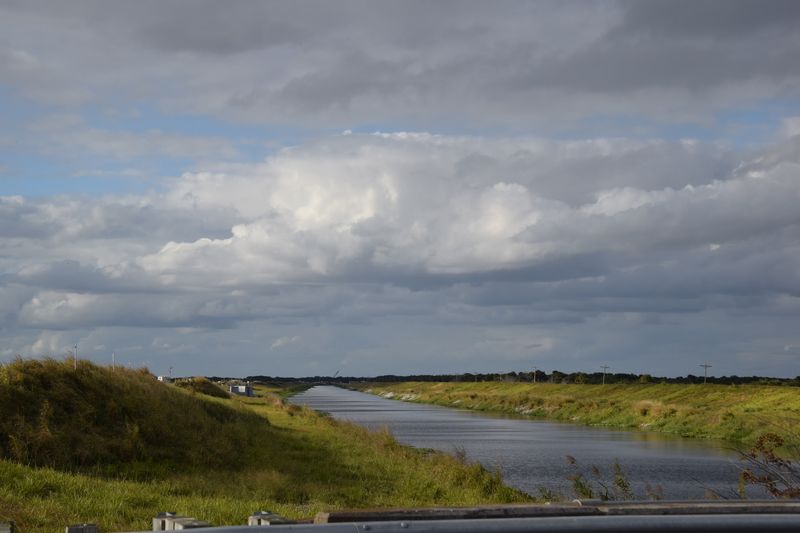
On the night of September 16, 1928, a monster hurricane slammed into Palm Beach and kept going inland. When it reached Lake Okeechobee, its winds pushed the shallow water over a small mud dike on the south shore.
Within hours, a wall of water rolled across towns like Belle Glade, Pahokee, Chosen, and South Bay.
Two years earlier, the 1926 Miami hurricane had already flooded the town of Moore Haven on the west side of the lake, killing hundreds. So when people say a town was destroyed by a hurricane here, they are not exaggerating.
Several were.
The lake itself was not built over those towns, since it is a natural body of water thousands of years old. What came next, though, was a massive human project to tame it.
The storm explains almost everything you will see as you travel around the shoreline today, from the tall dike to the quiet memorials.
Meet The Giant Wall Called The Herbert Hoover Dike
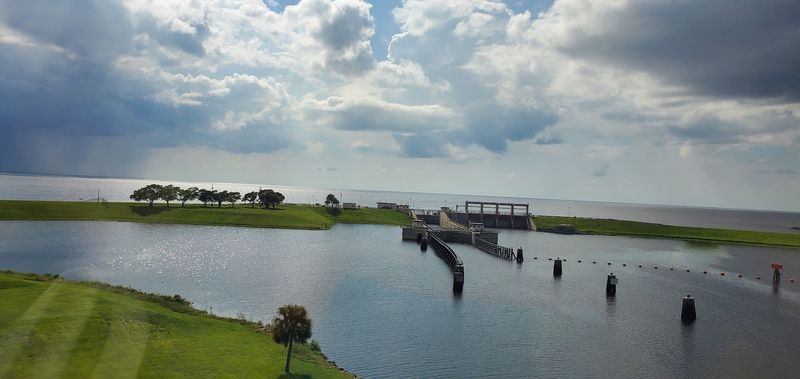
You might drive right up to Lake Okeechobee and wonder where the lake went. Blame the dike.
After the 1928 disaster, the federal government stepped in, and the U.S. Army Corps of Engineers began building a huge earthen wall around the lake in the 1930s.
Today the Herbert Hoover Dike stretches about 143 miles and circles most of the lake. It was named for President Hoover, who toured the damage after the storm and pushed for flood control.
From the road it looks like a long grassy hill, but climb up and the whole lake suddenly opens before you.
Engineers have spent years strengthening it, because an old earthen dike holding back that much water is no small worry. Major rehabilitation work was largely wrapped up in recent years, though sections may still close now and then for maintenance.
Here is a tip that makes a big difference. Do not judge the lake from your car window.
Park at a recreation area, walk up the ramp or stairs to the top, and take in the view. That moment when the water appears is the real wow of a trip here.
Walk Or Bike 110 Miles Of Big Sky
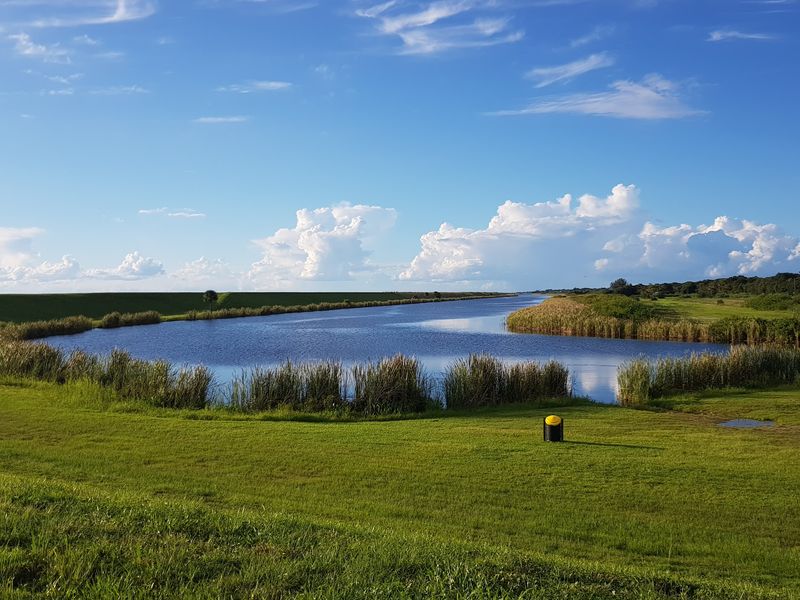
Grab a bike, fill your water bottle, and get ready for some of the flattest riding in America. On top of the dike runs the Lake Okeechobee Scenic Trail, roughly 110 miles long and part of the Florida National Scenic Trail.
Much of the trail is paved, while some sections are grass or gravel, so check conditions before planning a full loop. One reviewer took an e-bike ride at sunset and said words and pictures could not capture the beauty.
Others mention easy riding, peaceful views, and nice picnic stops along the way.
Access is generally free, and the trail is usually open from sunrise to sunset. Hours and closures can change with the seasons, construction, or high water, so look up updates from the Army Corps of Engineers first.
Parking is available at many recreation areas and boat ramps around the lake, with restrooms at some of the bigger ones.
Paved sections can work well for wheelchair users and strollers, though ramps up the dike vary in steepness. Shade is almost nonexistent up there.
Pack sunscreen, a hat, and bug spray, because mosquitoes love calm evenings. Windy days keep the bugs away but make pedaling a real workout.
Gators Everywhere You Look
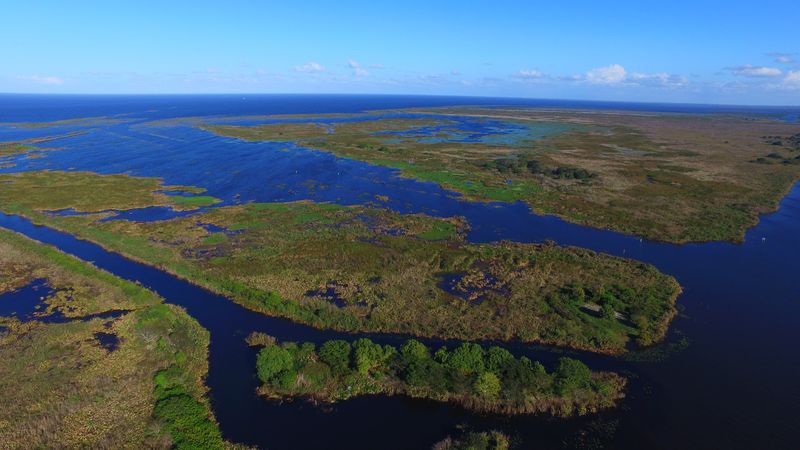
Ask a local about swimming in Lake Okeechobee and you will probably get a laugh. One visitor was told plainly not to try it because of the thousands of alligators.
That advice is worth following.
Gators are the number one thing people talk about here, and for good reason. You can spot them sunning on muddy banks, floating like logs in the canals, or sliding quietly through the marsh grass.
Airboaters say the real show comes at night, when a flashlight sweep reveals rows of glowing red eyes staring back from the water.
The lake is also packed with other wildlife. Look for wading birds like herons, egrets, and wood storks, plus turtles basking on logs.
Snail kites, a rare hawk that eats apple snails, hunt over the marsh too, so birders should bring binoculars.
Watching safely is simple. Keep at least 30 feet away, never feed an alligator, and keep pets and small kids close to you near the water.
Feeding gators is illegal in Florida and teaches them to approach people. Early morning and late afternoon are prime viewing times, when the animals are active and the light is soft and golden.
Bass Fishing Bragging Rights
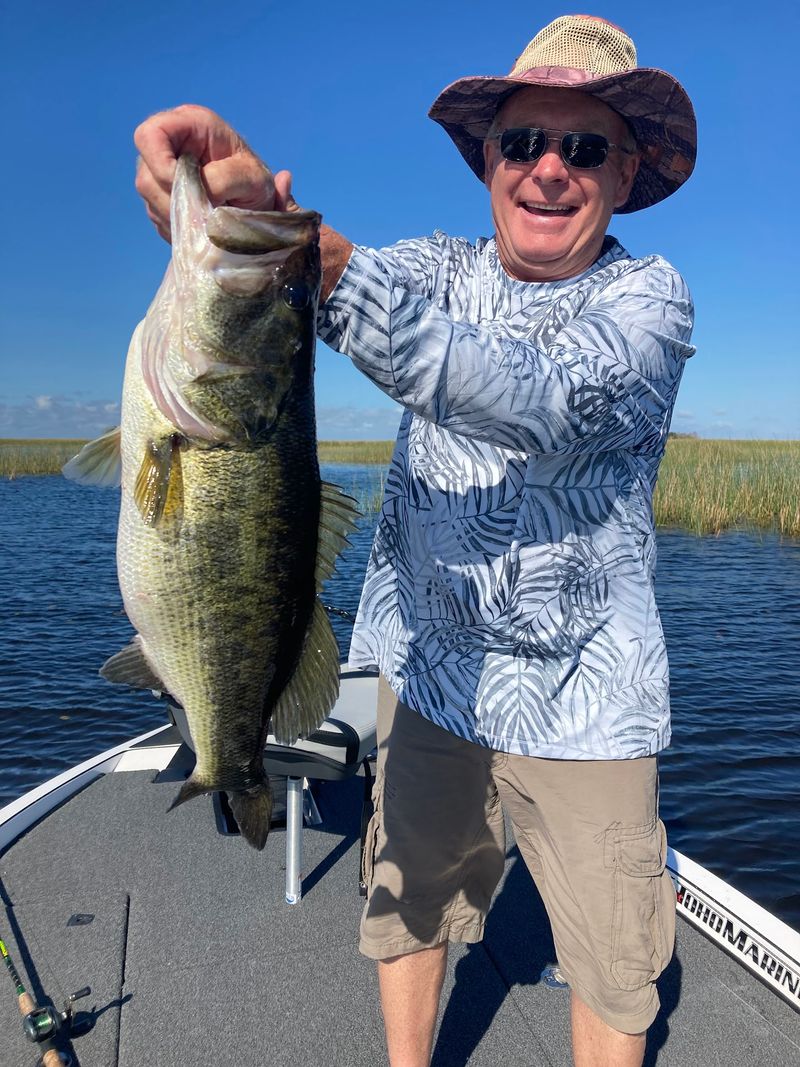
Walk into a diner near the lake and you may find yourself eating breakfast under a giant mounted fish. Local restaurants love showing off trophy catches, and one visitor called them impressive.
That tells you a lot about this place.
Lake Okeechobee is famous for largemouth bass and has hosted big professional tournaments for years. Anglers also chase crappie, which locals call speckled perch or specks, plus bluegill and catfish.
The grassy shallows give fish plenty of places to hide and feed.
If you are new to the lake, hiring a fishing guide is a smart move. The water is shallow, full of grass, and easy to get lost in, since tall vegetation can block your view of landmarks.
Towns like Clewiston and Okeechobee have marinas and guide services, and Roland and Mary Ann Martin’s Marina in Clewiston is a well-known hub for anglers.
Before you cast, buy a Florida freshwater fishing license, which most adults need. Winter and early spring are popular seasons, when bass move shallow to spawn.
Fishing from the bank is possible at many access points, so you do not need a boat to try your luck.
Sunsets That Stop People In Their Tracks
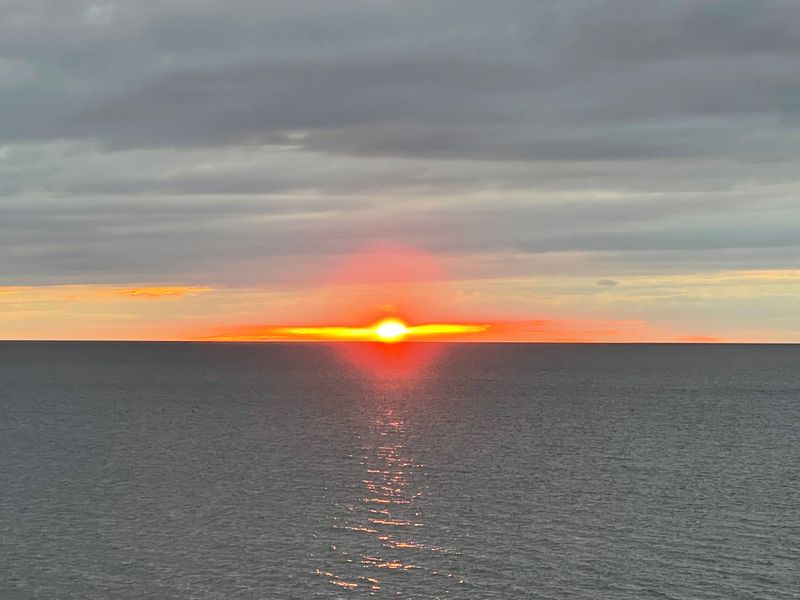
Something magical happens around dusk. The water goes still, the sky catches fire in shades of orange and pink, and the whole flat landscape glows like a painting.
Visitors rave about this more than almost anything else. One reviewer who had lived in Florida for twenty years finally visited and said there were no words to describe it.
Another called the lake lovely, especially at sunset, while someone else added the gorgeous night skies to the list.
Since the lake is so wide, the west and south shores face open water, which makes the eastern and northern sides great for watching the sun sink over the lake. Port Mayaca on the east side and spots near Okeechobee city on the north are popular choices.
The top of the dike gives you a clear, wide view with nothing in the way.
Plan to arrive about 30 minutes early so you can find parking and settle in. Bring a folding chair, a snack, and bug spray, since mosquitoes come out as the light fades.
Stick around after dark if skies are clear. Away from big city lights, the stars here can be surprisingly bright.
Boats Can Cross Florida Right Through Here
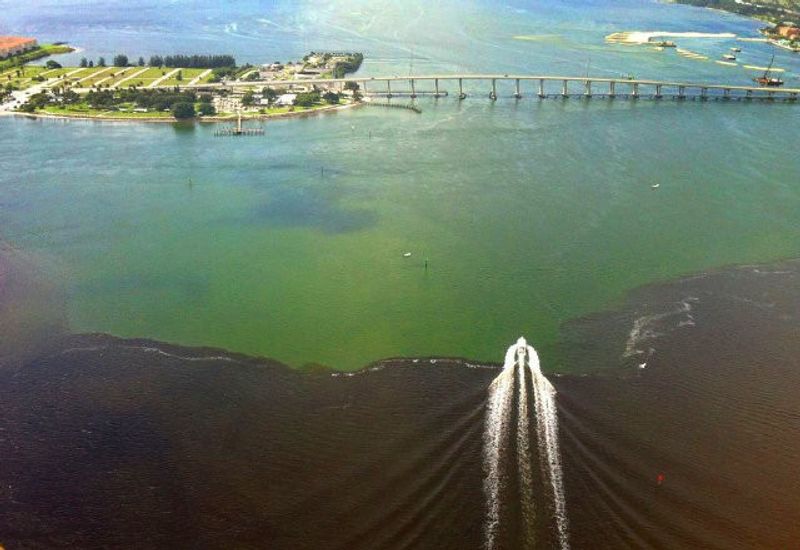
Here is a fun bit of trivia to share at dinner. You can take a boat from the Atlantic Ocean to the Gulf Coast without ever going around the tip of Florida.
The Okeechobee Waterway runs about 154 miles from Stuart on the east coast to Fort Myers on the west. It uses the St. Lucie Canal, the open lake, and the Caloosahatchee River, with a series of locks to raise and lower boats.
Lake Okeechobee sits right in the middle of the route.
One cruising couple crossed the lake in about five hours at eight knots and said the locks were a highlight. They also warned it is not a lake for skiing and play, especially on days with algae.
That is honest advice for boaters expecting a typical party lake.
Even without a boat, you can enjoy the action. Watching vessels pass through the lock at Port Mayaca or Moore Haven is surprisingly relaxing.
Lock schedules and closures can change with water levels and maintenance, so check with the Army Corps of Engineers before planning a trip. Airboat tours run from several towns if you want a fast, noisy ride over the marsh.
Small Towns With Big Stories
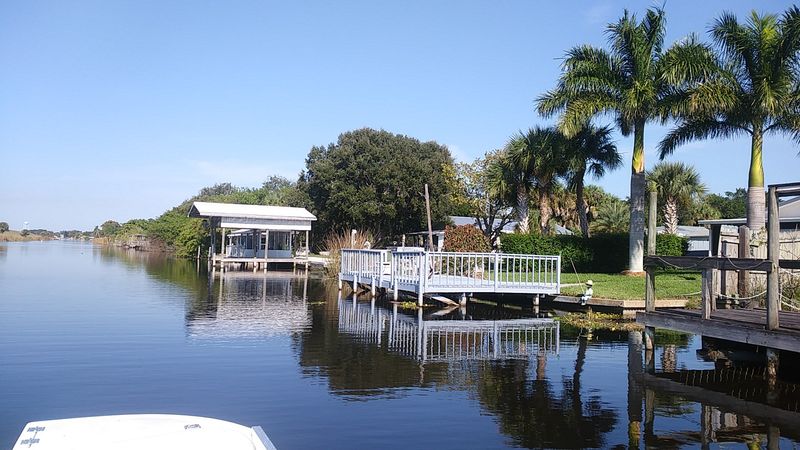
A road trip around the lake is like flipping through a history book. Each town on the shoreline has its own flavor, and many carry memories of the great storms.
In Belle Glade, a memorial sculpture outside the public library honors the people lost in 1928, showing a family trying to escape the rising water. Clewiston calls itself America’s Sweetest Town, thanks to the sugar cane fields that stretch for miles around the south shore.
Pahokee sits right against the dike and has a marina with lovely lake views.
Up north, Okeechobee city is home to Okeechobee Battlefield Historic State Park. It marks the site of a major fight on Christmas Day in 1837, during the Second Seminole War.
Book lovers should know that Zora Neale Hurston wrote about the 1928 hurricane in her famous novel Their Eyes Were Watching God.
Plan for a full day if you want to circle the whole lake by car. Grab a meal at a local spot, like Lightsey’s in Okeechobee, which one visitor enjoyed for an early dinner.
Small museums and parks often keep shorter hours, so call ahead before you go.
A Lake That Needs A Little Love
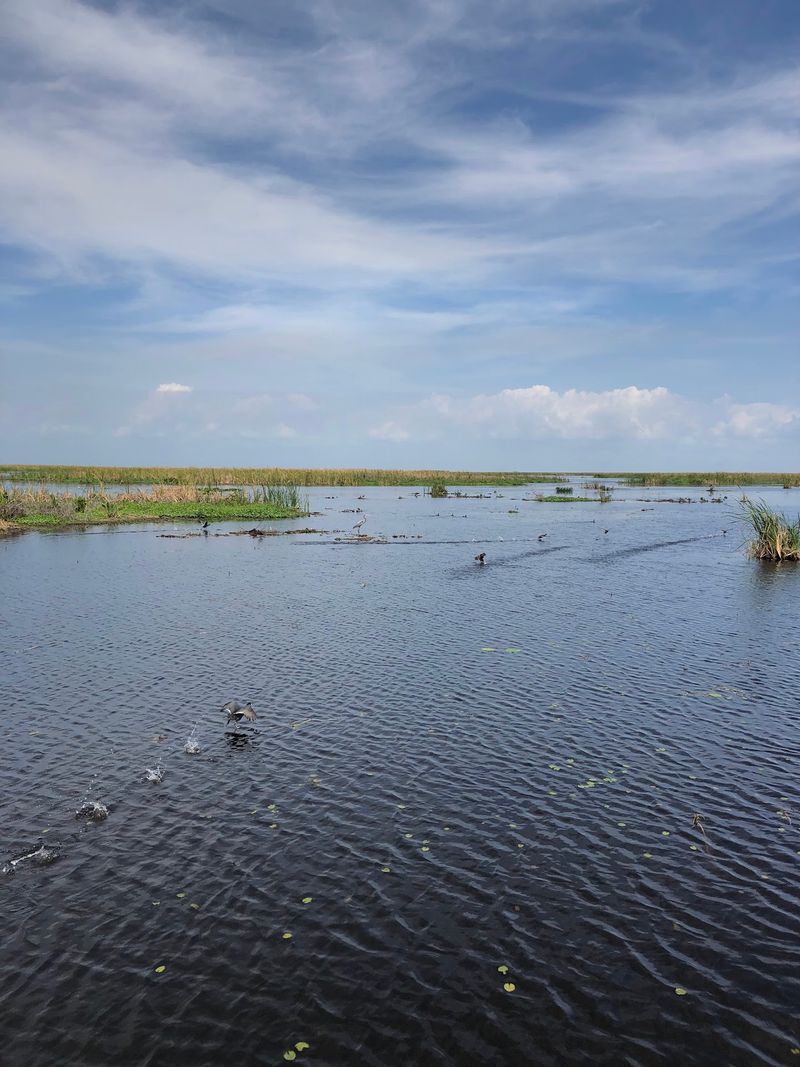
Not every review of Lake Okeechobee is a love letter. A few visitors worry deeply about the lake’s health, and one even called it a bomb waiting to explode.
Their concern is real. For decades, fertilizer runoff from farms and cities has carried extra nutrients into the water, mostly from the north.
On hot summer days, those nutrients can feed blue-green algae blooms that turn parts of the lake bright green. When water is released through canals to the coasts, algae can travel with it.
The lake also no longer flows south naturally the way it once did into the Everglades, since the dike and canals now control the water. Big restoration projects, including a large reservoir south of the lake, aim to clean and redirect more of that flow.
As a visitor, you can still have a wonderful time. Check Florida health department algae alerts before fishing or boating, and avoid touching water that looks green or scummy.
Keep dogs out of algae, too. Respecting this wild place helps ensure the gators, birds, and sunsets stay around for the next generation of explorers.