
This Massive Maine Lake Is Hiding A Fascinating Story Beneath The Surface
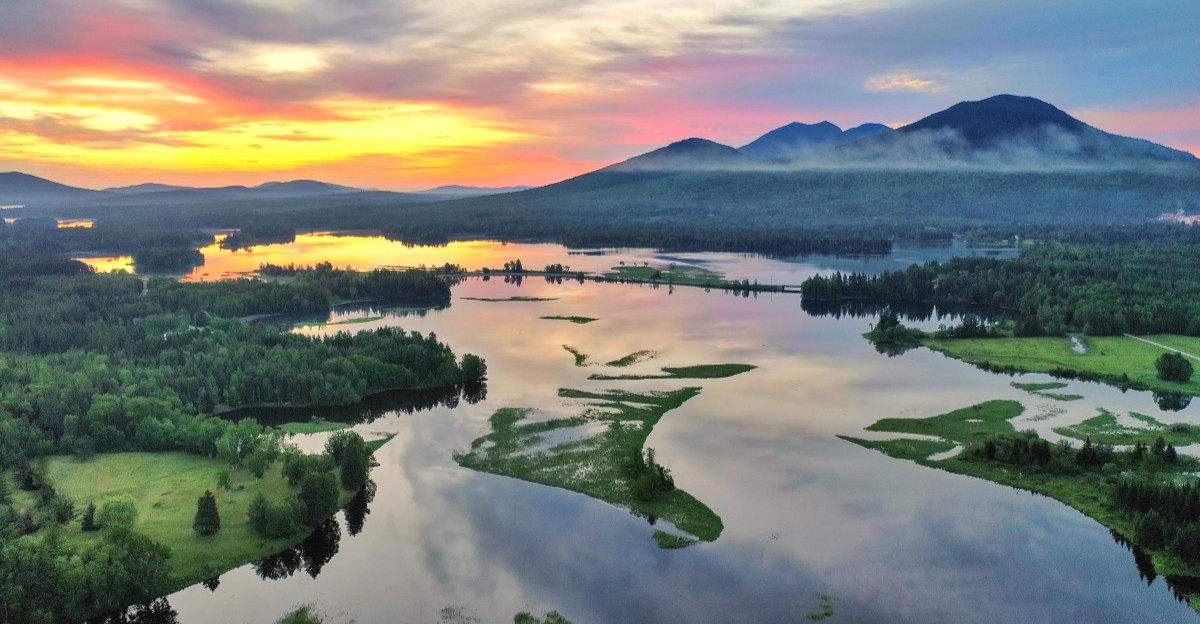
Picture a lake so wide and calm that the mountains seem to melt right into it. Flagstaff Lake looks peaceful enough today, especially with the Bigelow Range rising along the shore.
But there is a much stranger story underneath that water.
The remains of former villages are still down there, along with old foundations and roads that once connected everyday life in this part of Maine. Families lived here, children went to school here, and then everything changed when the valley was flooded to create the lake.
That history gives the place a completely different feel once you know it. A paddle across the water is not just about the scenery anymore.
There is a story beneath every quiet cove.
And there is plenty to enjoy above the surface too, including paddling, camping, wildlife watching, mountain views, and some seriously peaceful stretches of shoreline.
A Village Sleeps Under The Water
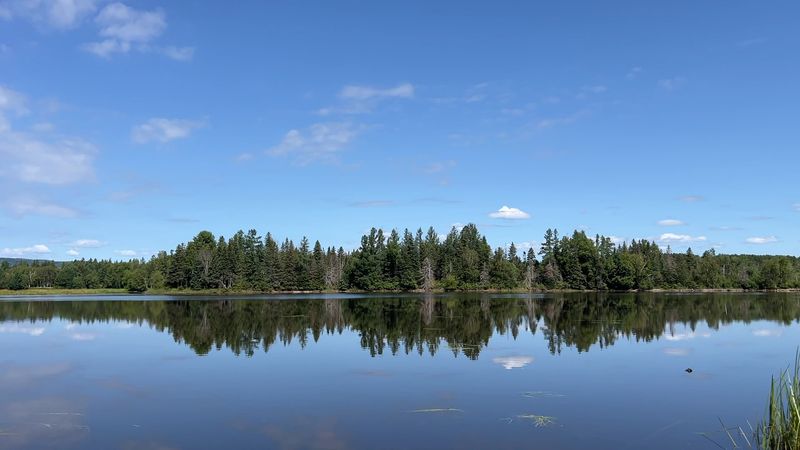
Back in 1950, the little town of Flagstaff, Maine, went quiet for good. A power company built Long Falls Dam on the Dead River, and the rising water spread across the valley where the village once stood.
Before the flooding, Flagstaff had homes, farms, a school, a church, and busy dirt roads. Nearby Dead River and Bigelow were also affected by the flooding.
Residents were paid for their land and had to move, and many settled in towns close by, including Eustis and Stratton.
Buildings were taken down or burned before the water arrived, so there is no full town waiting like a movie set below. What remains are cellar holes, stone walls, old road beds, and bits of foundations.
In dry years, when the water level drops, some of these traces peek out along the edges.
That history gives every paddle stroke a little extra weight. Families who once lived here still share memories of the old town, and local history groups work hard to keep those stories alive.
So the next time the surface looks smooth and ordinary, remember that a whole chapter of Maine life rests just out of sight, keeping its secrets in the cool, dark water.
The Dam That Changed Everything
Numbers tell a big part of this tale. Long Falls Dam was finished in 1950 by Central Maine Power, creating one of the largest lakes in the state.
The main goal was not swimming or fishing. Engineers wanted to store water so they could control the flow of the Dead River and the Kennebec River farther downstream.
That steady flow helped power plants make electricity for homes and mills across Maine.
Because the lake is managed for water storage, its level can rise and fall quite a bit during the year. In late summer and fall, you might notice wide muddy shores and tree stumps that were hidden earlier in the season.
Boaters should watch for those stumps, since they can pop up in surprising places.
Here is a handy tip for visitors. Check current water conditions before launching a boat, and bring a map that shows shallow areas.
A little planning keeps your trip smooth and your propeller happy.
The dam itself sits at the eastern end of the lake, and it is worth a quick look to see the structure that turned a river valley into a giant blue playground.
Mountain Views That Steal The Show
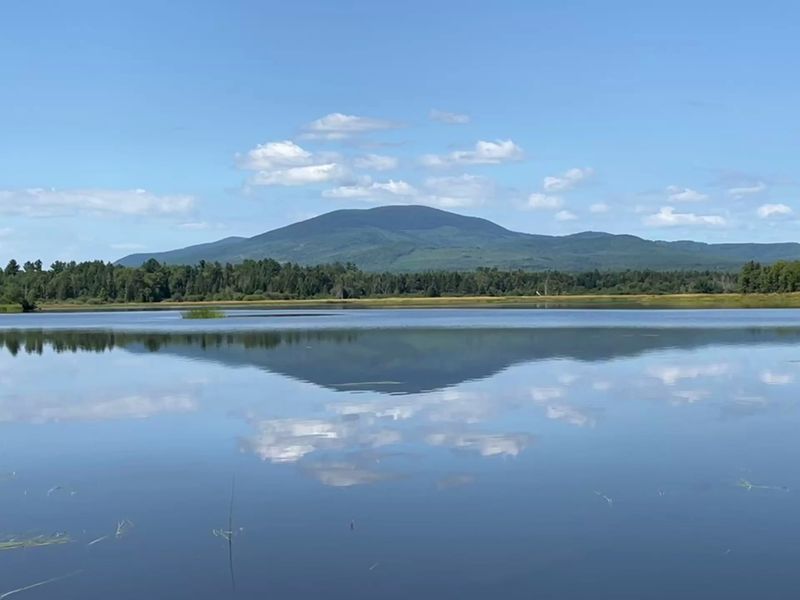
Look south from almost anywhere on the water, and the Bigelow Range fills the horizon like a jagged green wall. Peaks such as Avery Peak and West Peak rise above 4,000 feet, making the scenery here seriously peak-worthy.
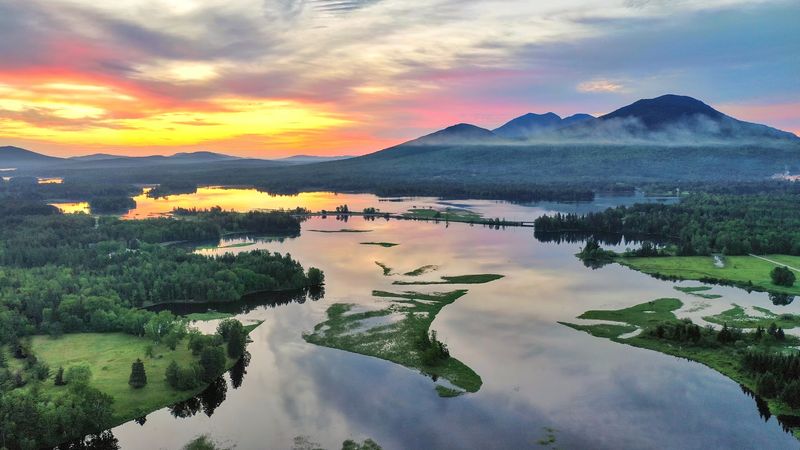
On calm mornings, the mountains reflect so clearly in the lake that it can be hard to tell where the land stops and the water begins. Photographers love the early light, when mist drifts across the surface and the sky turns soft pink.
The best views often come from the water itself. Paddle a canoe or kayak toward the southern shore, and the mountains seem to grow taller with each stroke.
Roadside pullouts along Route 27 near Stratton and Eustis also offer quick peeks for travelers passing through.
Fall is especially colorful. In late September and early October, maples and birches blaze red, orange, and gold, while dark evergreens add contrast.
Summer brings bright blue skies and puffy clouds that make every picture look like a postcard.
Pack a camera with a charged battery, or at least clear space on your phone. Once the sun starts sinking behind the ridges, you will not want to miss a single frame.
Paddling Paradise With Room To Roam
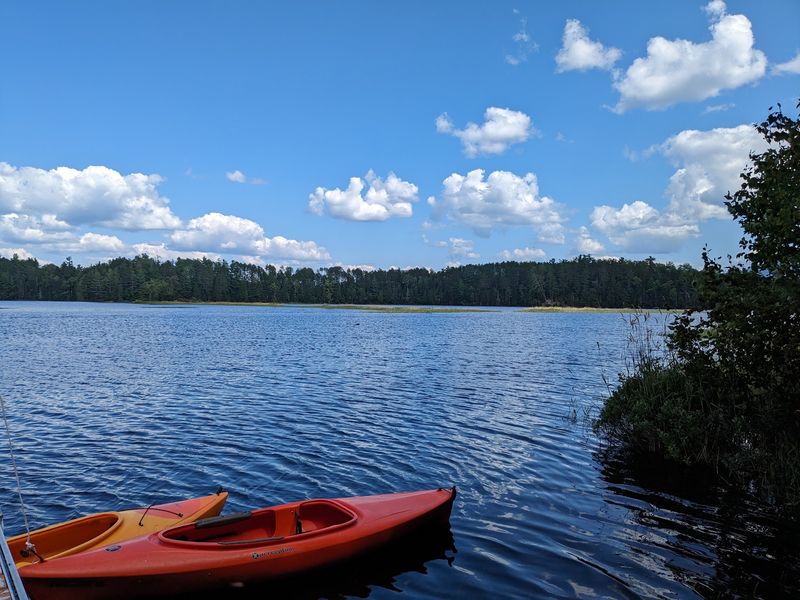
Grab a paddle and prepare for miles of open water. The lake stretches about 24 miles long, which means you can explore for days without seeing the same cove twice.
Canoes and kayaks are the stars here. The Northern Forest Canoe Trail passes through, linking the lake to rivers and waterways across the region.
Many paddlers use it as part of longer trips, while others simply spend a relaxing afternoon hugging the shoreline.
Wind is the main thing to respect. Because the lake is so wide and shallow in many spots, afternoon breezes can build choppy waves fast.
Plan to cross open stretches early in the morning, and stay close to shore if the weather looks unsure.
Always wear a life jacket, even if you are a strong swimmer. Pack water, sun protection, and a dry bag for your phone and snacks.
Islands dot the lake, and some make lovely spots for a lunch break. You might spot loons diving for fish or hear their haunting calls echo across the water.
With so much space to wander, this lake turns every paddle trip into a fresh little adventure worth rowing home about.
Campsites With A Front Row Seat
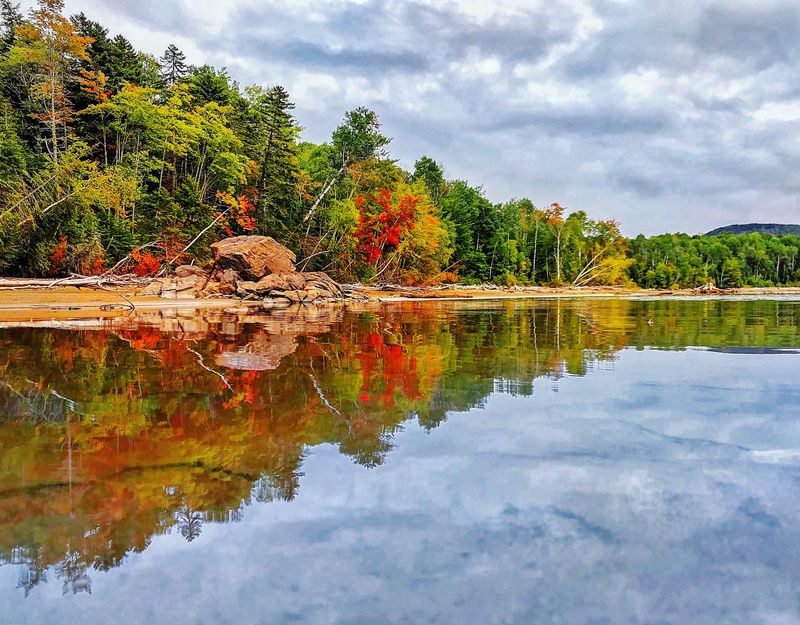
Few things beat unzipping a tent and seeing a lake glowing in the morning sun. Around the shores, campers can find a mix of drive-in sites and remote spots reachable only by boat or trail.
Much of the land around the lake belongs to the Bigelow Preserve and the Flagstaff Lake Public Lands, managed by the state of Maine. Many of these sites are free and first come, first served, with simple fire rings and picnic tables.
The Appalachian Trail also crosses nearby, and hikers sometimes stop at shelters close to the water.
Remote sites offer a true sense of quiet. You may hear nothing but loons, wind, and the crackle of your campfire.
Bring your own water filter, since there is no running water at most spots.
Follow Leave No Trace habits. Pack out all trash, use existing fire rings, and check fire rules before lighting a flame.
Store food carefully to keep curious critters away.
For comfort, bring a warm sleeping bag even in summer, because nights in these mountains can turn chilly fast. Wake up early, sip something hot, and enjoy a view that no hotel room could match.
Wildlife Watching In The North Woods
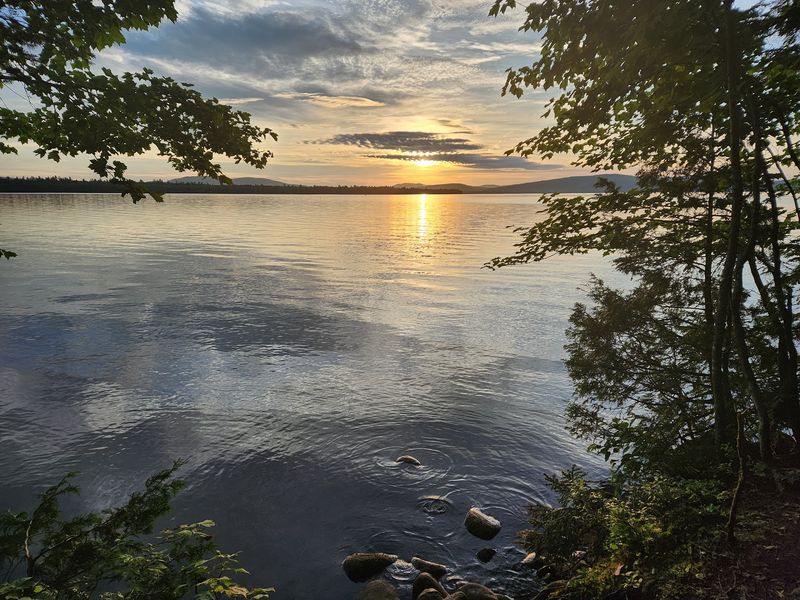
Keep your eyes peeled, because the neighbors here have antlers. Moose are regular visitors around the lake, especially in marshy coves at dawn and dusk when they wade in to munch on water plants.
Common loons are another highlight. Their black and white feathers and eerie calls are a classic sound of Maine summers.
Bald eagles and ospreys soar overhead, scanning the water for fish, while beavers build lodges along quiet inlets.
Deer, foxes, and even black bears live in the surrounding forest, though bears usually stay out of sight. Smaller creatures like otters and mink sometimes pop up along the rocky banks.
For the best chances, move slowly and quietly. A pair of binoculars makes a huge difference, letting you see details without getting too close.
Always keep a safe distance from moose, since they are large and can be unpredictable, particularly mothers with calves.
Drivers should take extra care on Route 27 and nearby roads after dark, because moose often cross without warning. Slow down and scan the roadside.
Spotting a wild animal in its home is a thrill, and it quickly becomes the story everyone wants to tell at dinner.
Fishing For Stories And Supper
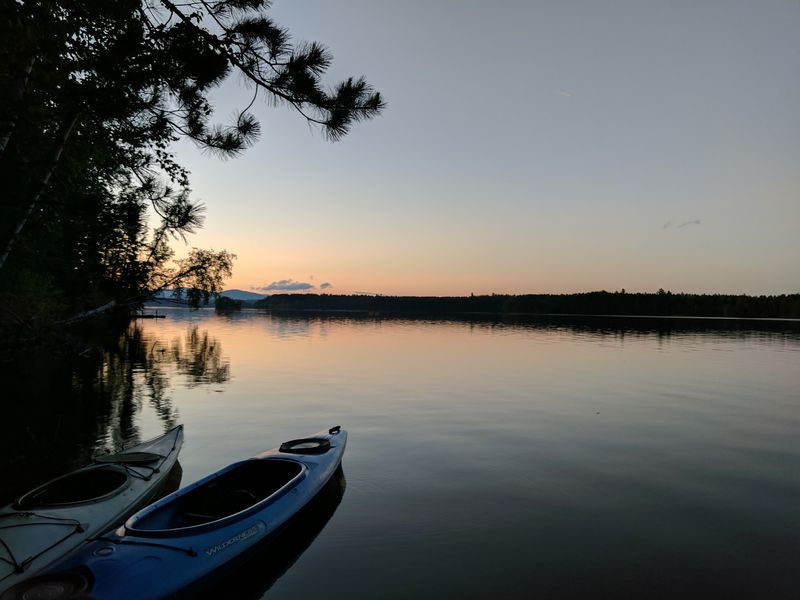
Anglers, get your lines ready. The lake holds a mix of fish, including yellow perch, white perch, chain pickerel, and smallmouth bass, plus some brook trout in cooler areas and nearby streams.
Because the lake is fairly shallow and warm in many spots, warm-water species tend to do well. Pickerel lurk near weedy edges, and perch often gather in schools, which makes them fun for younger fishers who like quick action.
A Maine fishing license is required for anyone 16 and older, and rules can change, so check the latest regulations from the state before casting. Some streams flowing into the lake have special rules to protect trout.
Early mornings and evenings usually bring the best bites. Try casting near drop-offs, submerged stumps, or rocky points.
Those old stumps from the flooded valley actually create great hiding places for fish, so the lake’s past helps out today’s anglers.
Ice fishing is also popular in winter, when the surface freezes solid and small shelters appear across the ice. Dress in warm layers and never head out unless the ice is confirmed safe.
Hook or no hook, a morning on the water here is a reel treat.
Smart Tips For Planning Your Visit
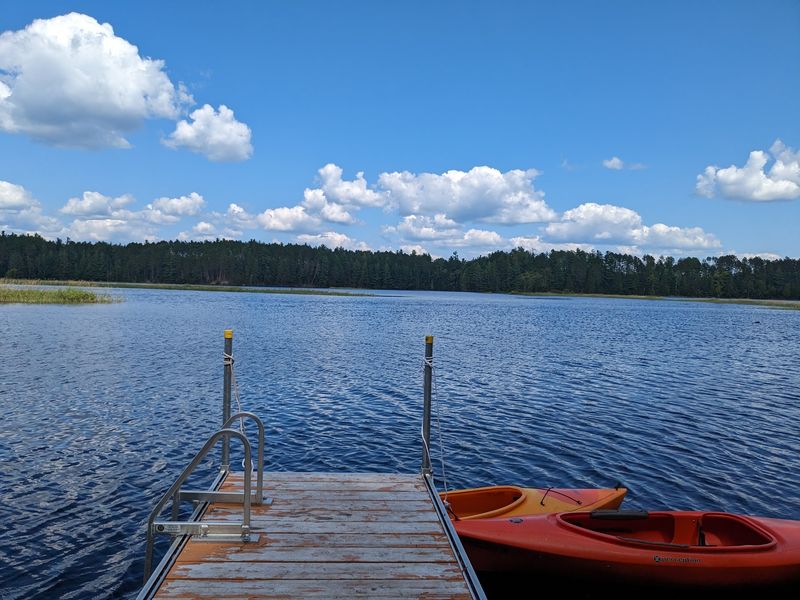
Flagstaff Lake stretches across Eustis and several surrounding townships in western Maine, with Route 27 providing access near Stratton.
Summer, from late June through August, offers warm days for paddling and swimming. Early summer can bring black flies and mosquitoes, so pack bug spray and long sleeves.
Fall is a favorite season for color and cooler hiking weather, while winter brings snowmobiling, cross country skiing, and ice fishing.
Services are limited, so plan ahead. Stratton and Eustis have small stores, places to eat, and lodging options, but cell service around the lake can be spotty.
Download maps before you leave and tell someone your plans if you head into remote areas.
Boat launches are available at several points, and parking is usually simple. Many visitors also combine a lake trip with hikes in the Bigelow Range or a scenic drive toward Rangeley.
Above all, respect the land and its history. The quiet water holds memories of a valley that once was home to many families.
Visit with care, and you will leave with a story of your own beneath the surface.