
This Massive Michigan Used Bookstore Is Big Enough To Fill Your Whole Day
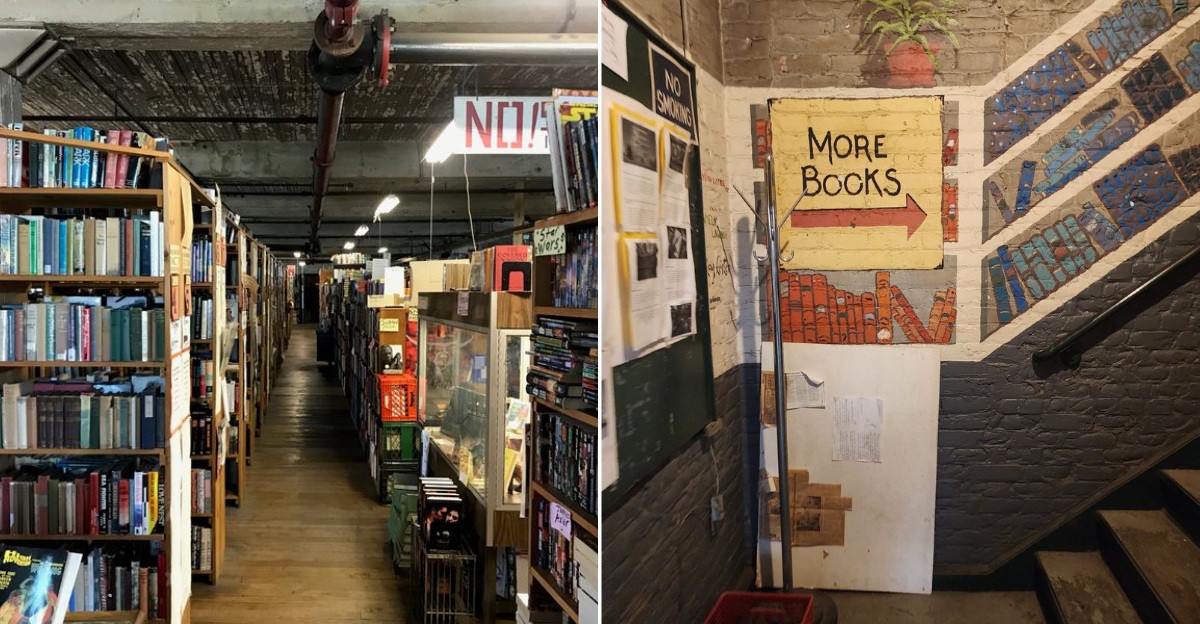
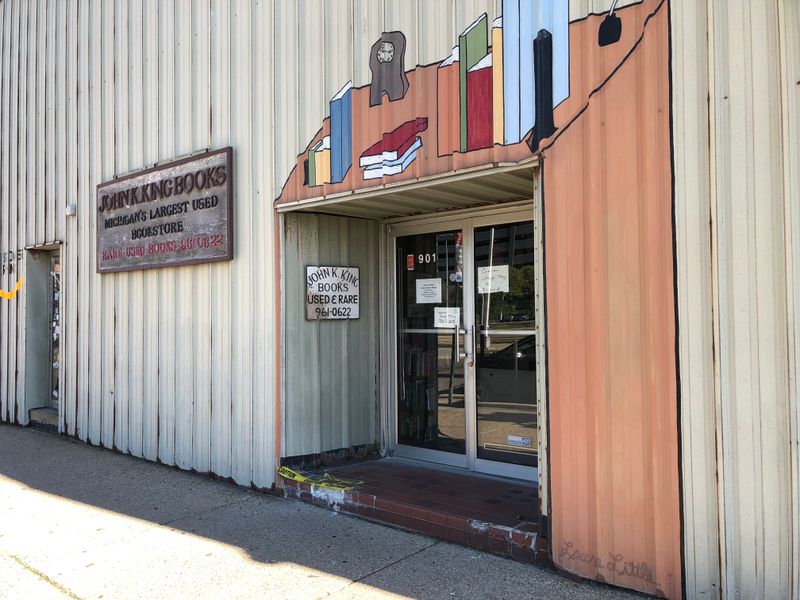
Walk into John K. King Used & Rare Books at 901 W. Lafayette Blvd, Detroit, MI 48226, and the air really does change, paper-scented and alert, like you’ve stepped into a quiet station where every shelf is a departure board for a different kind of trip.
The building’s former life as the Advance Glove factory still reads in the bones of the place, and the four customer floors feel less like “rooms” and more like a city made of stacks, where you arrive with a single title in mind and somehow end up tracing Detroit’s history through old maps, forgotten yearbooks, union pamphlets, and penciled margins that preserve someone else’s thought mid-sentence.
I like that serendipity here isn’t chaotic, it’s structured, sections are logical enough to keep you oriented, but the sheer density of the shelves practically guarantees a few happy accidents, a book that falls into your hands because you reached for something else, a binding that catches your eye, a topic you didn’t know you cared about until you’re ten minutes deep in it.
If you come with a modest plan and the willingness to get pleasantly lost, this is the rare place where both instincts, discipline and wandering, actually cooperate.
Map Your Floors Before You Wander
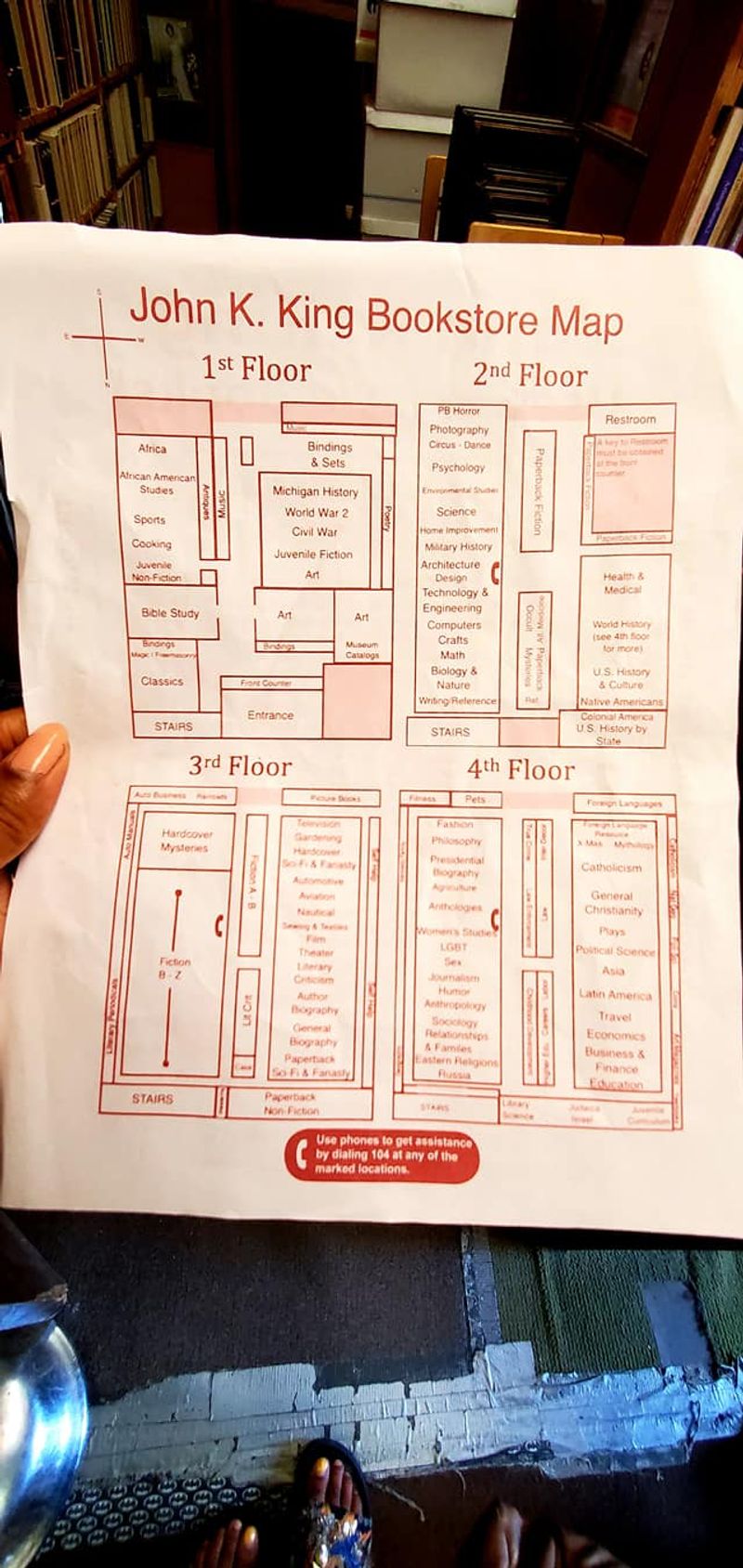
Before committing your energy to the shelves, taking a few minutes to study the store map near the front counter establishes a mental framework that prevents early fatigue while still leaving room for discovery.
Because the building was never designed as a bookstore, aisles bend unpredictably, rooms appear behind thick columns, and categories sometimes emerge where offices once existed, which makes orientation feel earned rather than automatic.
The mood remains steady and workmanlike, with browsers moving slowly and staff members who understand the layout well enough to redirect you efficiently if you ask without breaking your concentration.
Detroit-focused sections share space with architecture, music, and regional history, while rare materials live separately and require intentional planning rather than casual wandering.
Arriving early on a weekday reduces stairwell congestion and allows longer stretches of uninterrupted browsing, which matters more here than in smaller stores.
Comfortable shoes become a practical decision rather than an afterthought once you realize how much vertical movement the visit demands.
Carrying a small, controlled bag helps you navigate tight corners without brushing fragile spines or disrupting the careful order of the shelves.
Let The Building Tell You What It Was
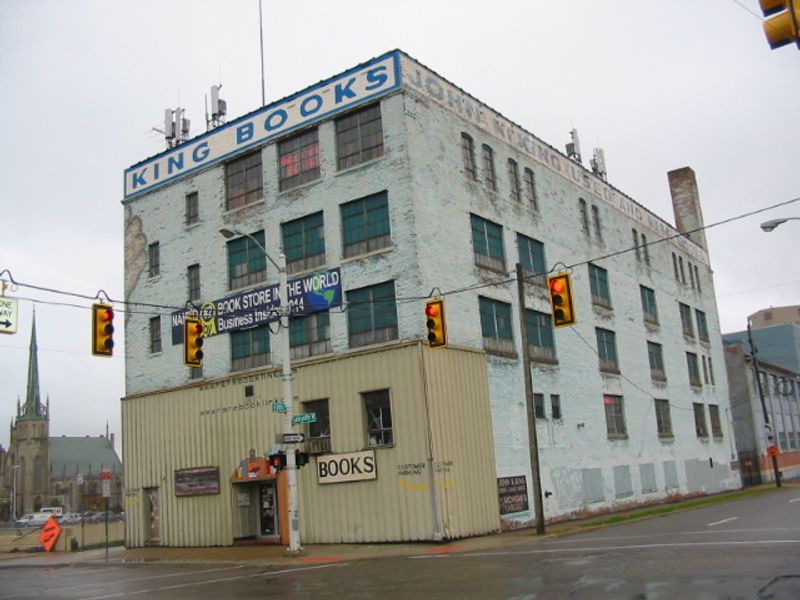
Concrete pillars, oversized windows, and heavy stair rails quietly reveal the building’s previous life as the Advance Glove Factory, and that industrial skeleton still shapes how light, sound, and movement behave inside the store.
Footsteps echo just enough to feel communal without becoming distracting, creating a sense that others are nearby even when you are browsing alone in a narrow aisle.
The building’s history matters because inventory naturally clusters in irregular spaces where offices, storage rooms, or work areas once existed, producing moments of surprise rather than uniform repetition.
Typed and handwritten subject cards clipped to shelves reflect a practical system built over decades rather than a polished retail aesthetic.
Lower shelves often hold valuable material that escapes casual scanning, making posture and patience part of the search process.
Using a phone light or small flashlight prevents awkward contortions while protecting both books and knees.
Paying attention to the building itself turns navigation into context, grounding the experience in place rather than pure accumulation.
Follow The Paper Smell To Local History
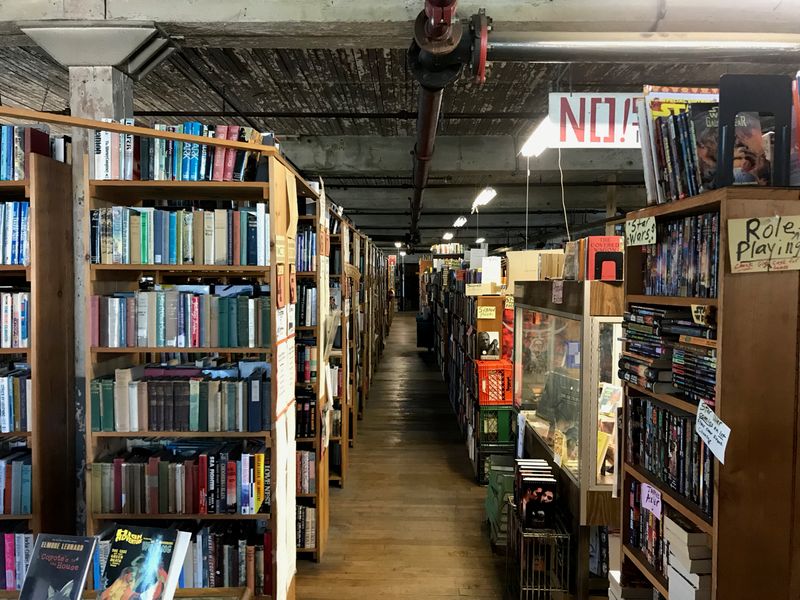
A warm, unmistakable paper scent lingers strongest near the Michigan and Detroit sections, subtly guiding you toward city histories, automotive ephemera, and neighborhood guides that feel lived-in rather than curated.
That sensory cue pairs with a calm atmosphere, even during busier hours, where the dominant sounds remain page turns and quiet footsteps instead of conversation.
Shelving rises high, so scanning from waist level upward often reveals slimmer volumes that hide behind heavier bindings.
Bottom shelves reward closer inspection, especially for pamphlets, folded maps, and modestly priced local publications overlooked by casual browsers.
Keeping mental or photographic notes of section markers helps you retrace steps after inevitable detours.
The store encourages slow accumulation rather than decisive grabs, which suits subjects rooted in place and memory.
By following smell and texture instead of signage alone, you end up reading the city through its physical traces rather than a single narrative.
Ask A Bookseller About The Annex
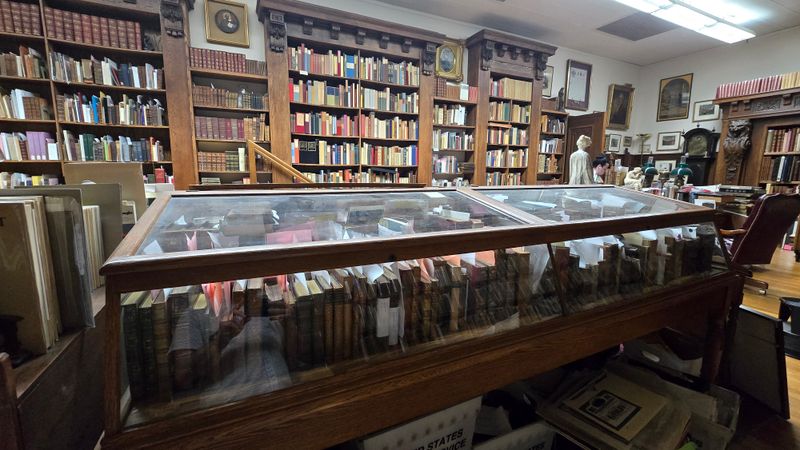
Leaving questions unasked in a store of this scale almost guarantees missed discoveries, because the staff understand not only where books live, but how inventory flows, shifts, and quietly resurfaces over time.
Booksellers here speak in practical terms rather than sales language, offering direct guidance that respects your curiosity without overselling rarity or urgency.
Their knowledge becomes especially useful when navigating the relationship between the main floors and the Rare Book Room or annex, which operates under different expectations and access rhythms.
That separation reinforces the idea that value is contextual, not hierarchical, with everyday paperbacks treated as seriously as fragile first editions.
Asking about the annex also connects you to Detroit’s broader book culture, where trading, collecting, and repair function as working crafts rather than elite pursuits.
Staff advice often saves hours of unfocused wandering by narrowing the field just enough to keep exploration productive.
The exchange itself becomes part of the visit, grounding the massive collection in human memory rather than sheer volume.
Ride The Stairs Not The Clock
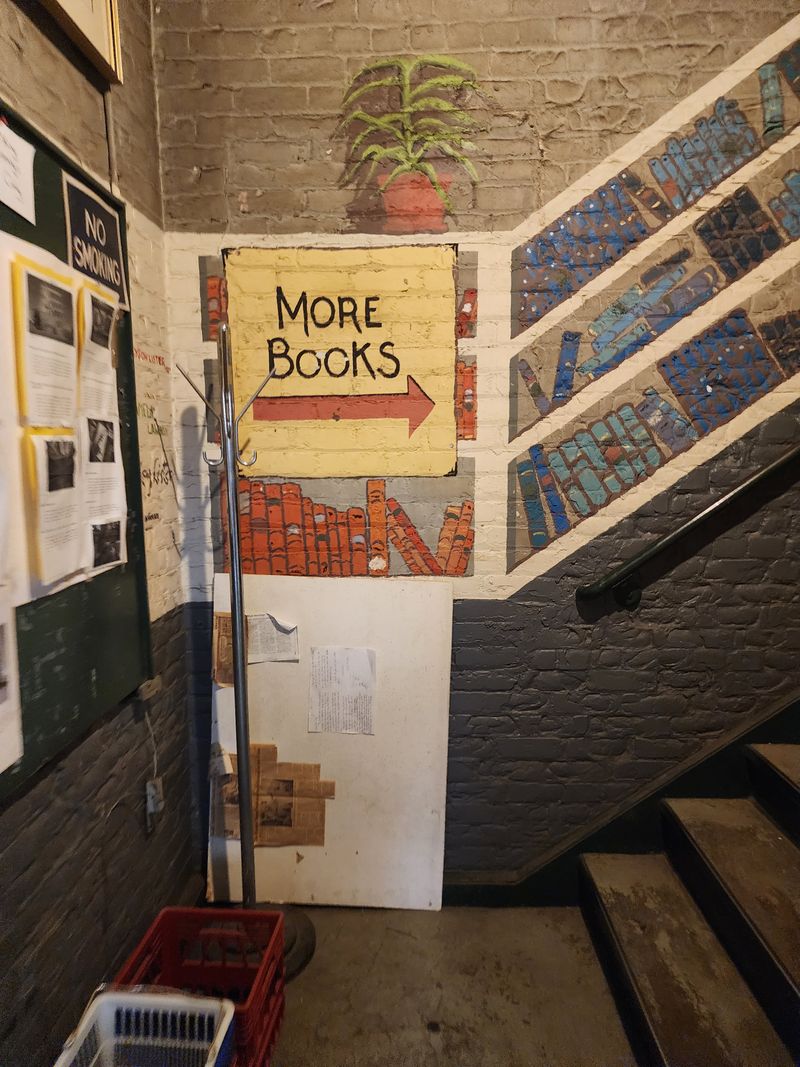
The stairwells act as the store’s circulatory system, moving people between floors at a pace that resists urgency and gently discourages rushing from section to section.
Painted steps, directional notes, and worn railings quietly orient you, allowing the building to guide movement without signage overload.
Natural light shifts across the stair landings throughout the day, subtly marking time in a way that feels more intuitive than checking a watch.
Thousands of hands have carried books up and down these same stairs, and that accumulated motion gives the space a sense of shared endurance.
Timing matters less than stamina, which is why pacing your climbs and descents keeps the experience pleasurable instead of draining.
Arriving earlier in the day gives you the luxury of finishing an entire floor before fatigue sets in.
Letting the stairs dictate rhythm rather than the clock allows the visit to unfold organically rather than feeling measured or transactional.
Notice The Handwritten Section Cards
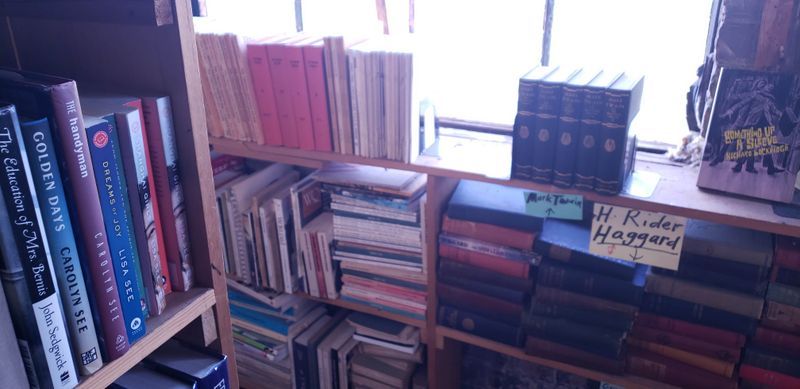
Small, easily overlooked details carry disproportionate importance here, especially the handwritten and typed section cards clipped modestly to shelves instead of printed boldly or digitally displayed.
These labels reflect a system built incrementally by readers rather than designers, favoring clarity and adaptability over visual polish.
The handwriting itself suggests continuity, as if each card marks a decision made by someone who handled the books rather than merely cataloged them.
Subcategories often appear on narrower cards tucked into corners, revealing specialized topics like Great Lakes shipping or early automotive manuals to those who lean in.
Over time, patterns emerge in pricing, condition notes, and placement that teach you how to scan more efficiently.
Sliding books back carefully using a finger as a spacer protects older cloth spines from unnecessary wear.
Paying attention to these cards turns browsing into collaboration with the system rather than resistance against it.
Seasonal Light Changes The Hunt
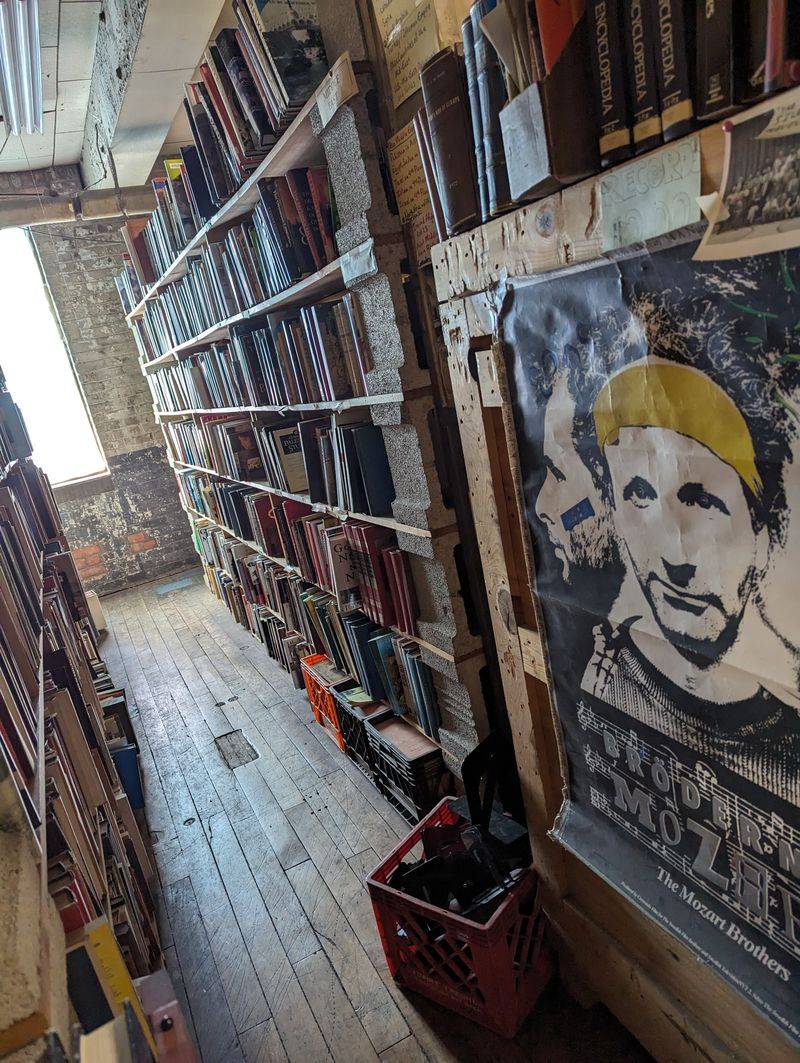
Winter light settles into the aisles slowly and unevenly, softening the edges of shelves and muting color so that browsing becomes quieter and more inward, while summer light floods upper floors through factory windows, sharpening contrast and making dust particles drift visibly in the air like a reminder that time is passing even while you stand still.
These seasonal shifts subtly change how long you linger in certain sections, because darker months invite slower reading and closer inspection, whereas brighter days encourage movement, scanning, and a kind of visual restlessness that sends you climbing another staircase sooner than planned.
Detroit’s external rhythm seeps inside during these changes, bringing Tigers game energy on warm days or a hushed, coat-heavy patience in winter that alters how people share space without ever needing signage or instruction.
The building absorbs those changes without adjusting its system, which means the method stays constant even as mood fluctuates dramatically from month to month.
In colder seasons, layers become part of the browsing strategy, especially near windows where temperature pockets form, making pauses feel intentional rather than uncomfortable.
Warmer months reward strategic breaks near stairwell fans or open areas where airflow resets your attention before the next aisle.
Understanding how light reshapes the hunt allows you to plan visits not just by availability, but by the kind of searching experience you want to have that day.
Hunt The Odd Formats
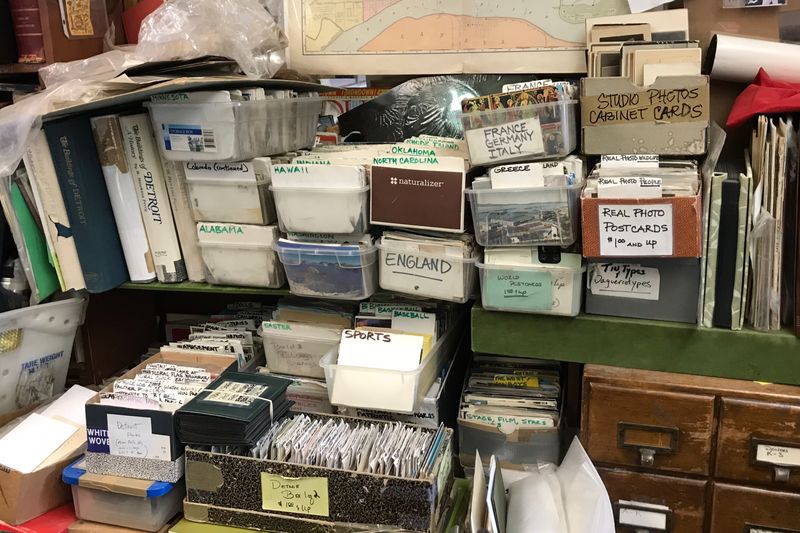
Standard hardcovers dominate first impressions, but the real character of the store reveals itself when you slow down enough to notice ephemera drawers, oversized atlases, spiral-bound local guides, pamphlets, and fragile formats that resist uniform shelving and therefore hide in less obvious places.
These materials are stored with a quiet respect for their awkward dimensions, often tucked into corners, laid flat on low tables, or separated to prevent damage from casual browsing traffic.
That preservation approach slows the pace naturally, because odd formats demand two hands, careful lifting, and a moment of decision before engagement.
Maps, portfolios, and large-format art books reward patience by offering content that feels tactile and spatial rather than purely textual.
Lifting older atlases correctly becomes part of the ritual, requiring awareness of weight, hinge stress, and paper brittleness.
Keeping these finds grouped together reduces the risk of accidental reshelving or loss while you continue exploring other floors.
The habit of hunting odd formats turns browsing into excavation, where discovery feels earned rather than algorithmic.
Ground Yourself With A Theme
Facing four floors of dense shelving without a guiding idea can quickly drain attention, which is why grounding yourself with a single theme transforms abundance from overwhelm into opportunity.
Themes like midcentury design, Detroit architecture, Motown history, or Great Lakes shipping act as anchors that pull related titles into focus across multiple sections.
The building’s grid supports this approach, allowing you to loop back through familiar areas while spotting new connections between shelves that initially seemed unrelated.
Focused curiosity creates momentum, because each discovery reinforces the next rather than competing with it.
Limiting yourself to one theme per floor reduces decision fatigue while still leaving room for serendipitous detours.
Photographing title pages or condition notes preserves context without forcing immediate commitment.
This strategy turns the store from a test of endurance into a sustained conversation between intention and chance.
Leave Time For The Last Sweep
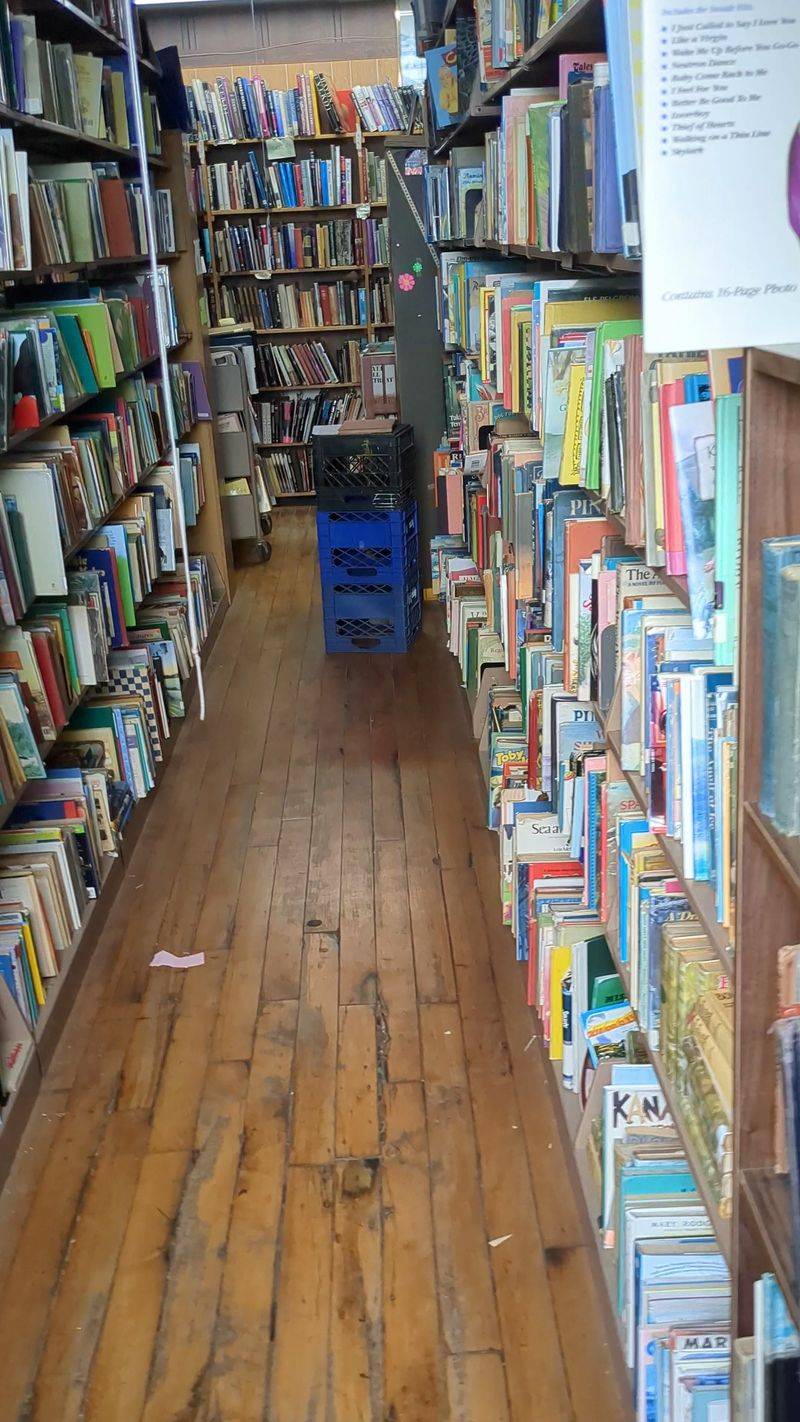
The final sweep through the store is not an afterthought but a distinct phase of the visit, because fatigue lowers expectations just enough for overlooked paperbacks, slim chapbooks, or oddly shelved titles to suddenly stand out with a quiet insistence that feels less like luck and more like delayed recognition.
As closing time approaches, the building settles into a softer register, footsteps thin out, voices drop, and browsing becomes less competitive, which paradoxically makes decision-making easier rather than harder.
Books that escaped attention earlier reveal themselves when your internal filter relaxes, allowing spines to register without strategic intent or thematic pressure.
This moment often produces the most personal finds, not the most valuable ones, because your sense of urgency has dissolved and preference replaces optimization.
Timing the last sweep thirty to forty minutes before closing gives enough space to move deliberately without rushing staff or yourself.
Carrying a slightly smaller stack at this stage keeps focus sharp and prevents fatigue-driven impulse buys that do not survive the walk to the register.
When you finally step back onto the street, the sensation is not completion but compression, as if an entire day of wandering has folded itself into the weight of the books in your hands.