
This Michigan Antique Mall Is Packed With So Many Treasures You May Lose Track Of Time
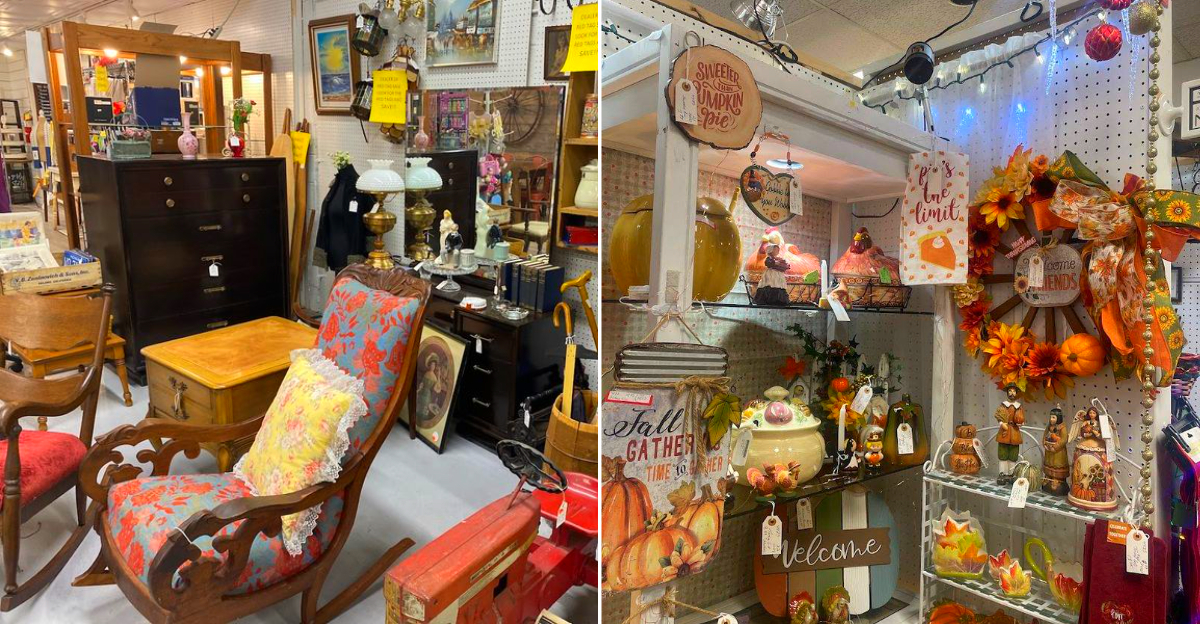
Look, if your idea of “antiquing” involves sneezing in a damp basement while dodging structural cobwebs, this place is going to be a massive shock to your system. Located right on Plymouth Road, this isn’t a hoarding situation, it’s a high-functioning, 24,000-square-foot nostalgia machine that is actually clean enough to breathe in.
They’ve split the floor plan with the kind of logistical precision I wish my own life had: antiques on one side for the history buffs, and handmade crafts on the other for people who actually like things that don’t smell like a 1940s attic.
Shop the most organized Michigan antique mall for rare collectibles, farmhouse decor, and custom handmade gifts at this top-rated Livonia shopping destination.
You’ll walk in looking for a specific birthday card and walk out three hours later wondering how you lived this long without a hand-carved birdhouse and a mint-condition lunchbox from 1982.
First-Timers Game Plan
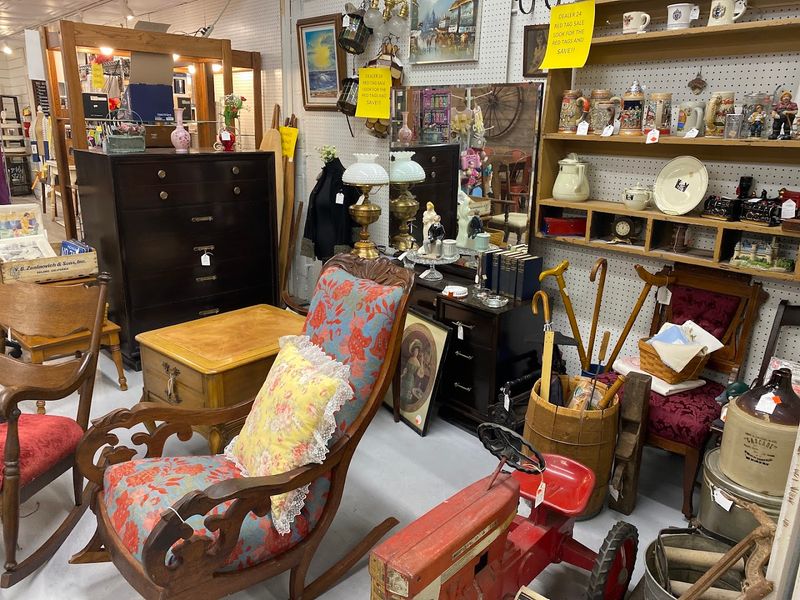
The first few steps feel like entering a tidy maze, bright lights revealing rows of booths that bend time. Start near the Plymouth Road entrance and follow the right wall to keep bearings as the aisles subtly zigzag. Comfortable shoes help when curiosity keeps rerouting you.
Town Peddler splits neatly between antiques and handmade goods, and the separation keeps browsing focused rather than chaotic. Check posted hours before arriving because Sundays open later, and weekday evenings go until seven.
Snap a quick photo of the store map near the registers to retrace your path without backtracking. Bring a small tape measure, a tote, and patience; treasures surface for those who pause to look under displays, open drawers, and read tiny handwritten tags.
Finding It
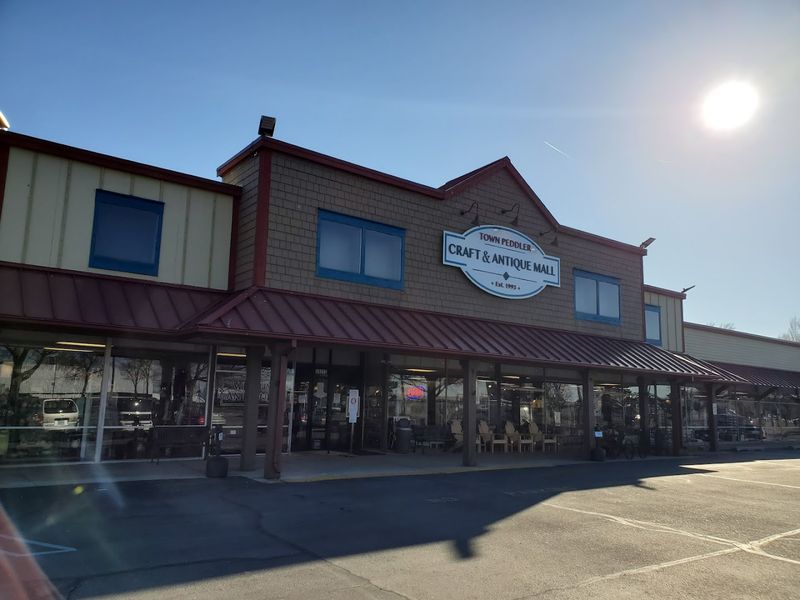
Finding Town Peddler Craft and Antique Mall at 35323 Plymouth Rd, Livonia, MI 48150 is a simple trip to a major commercial artery in western Wayne County. The sprawling, single-story building sits prominently on Plymouth Road, offering a massive indoor landscape that contrasts with the busy suburban traffic outside.
Within minutes, the sheer scale of the mall becomes clear, as you navigate a labyrinth of over 400 individual dealer booths filled with everything from vintage toys to handcrafted home decor.
Pro tip: wear comfortable shoes and give yourself at least two hours to walk the entire floor, as the “mall” layout is designed for slow, discovery-based wandering. Between the seasonal holiday displays and the hidden treasures in the back corners, the experience is a massive and ever-changing tribute to local craftsmanship and nostalgia.
Lighting, Layout, And Aisles
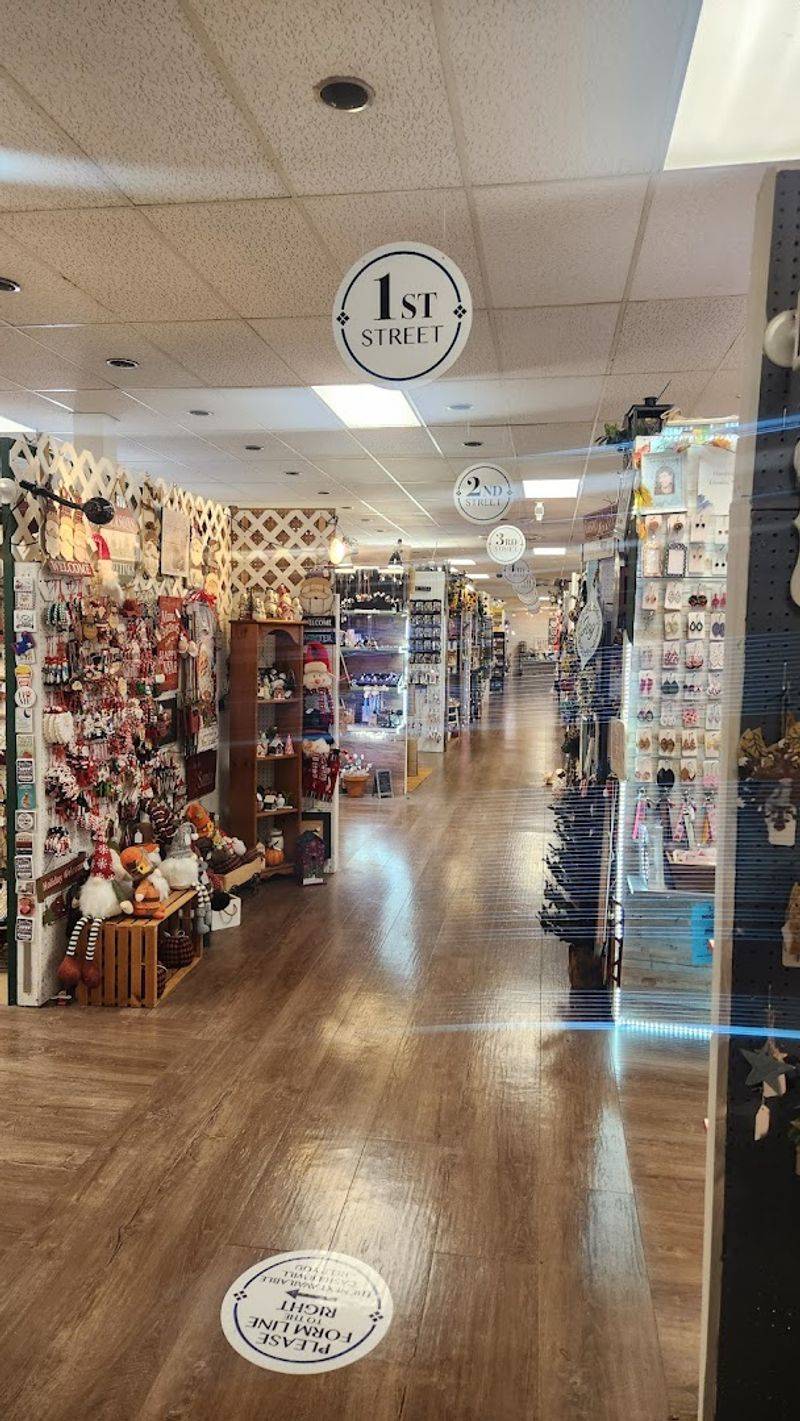
Fluorescent brightness keeps the merchandise crisp, and glass cases sparkle without glare. Aisles branch like tributaries with short connectors, which makes wandering feel exploratory yet contained. Visibility stays high, so small objects do not vanish into shadow.
The mall has grown with vendor booths over decades, and the organized grid reflects that steady expansion. When aisles feel tight, step into a booth corner to let traffic flow. Rolling carts fit, but a soft tote keeps you nimbler during busy Saturdays.
Note the two-register checkout area near the front, where staff can hold items while you loop back for a second pass. Use that courtesy when comparing similar glassware sets across booths to avoid juggling fragile finds in tighter turns.
Seasonal Displays And Traditions
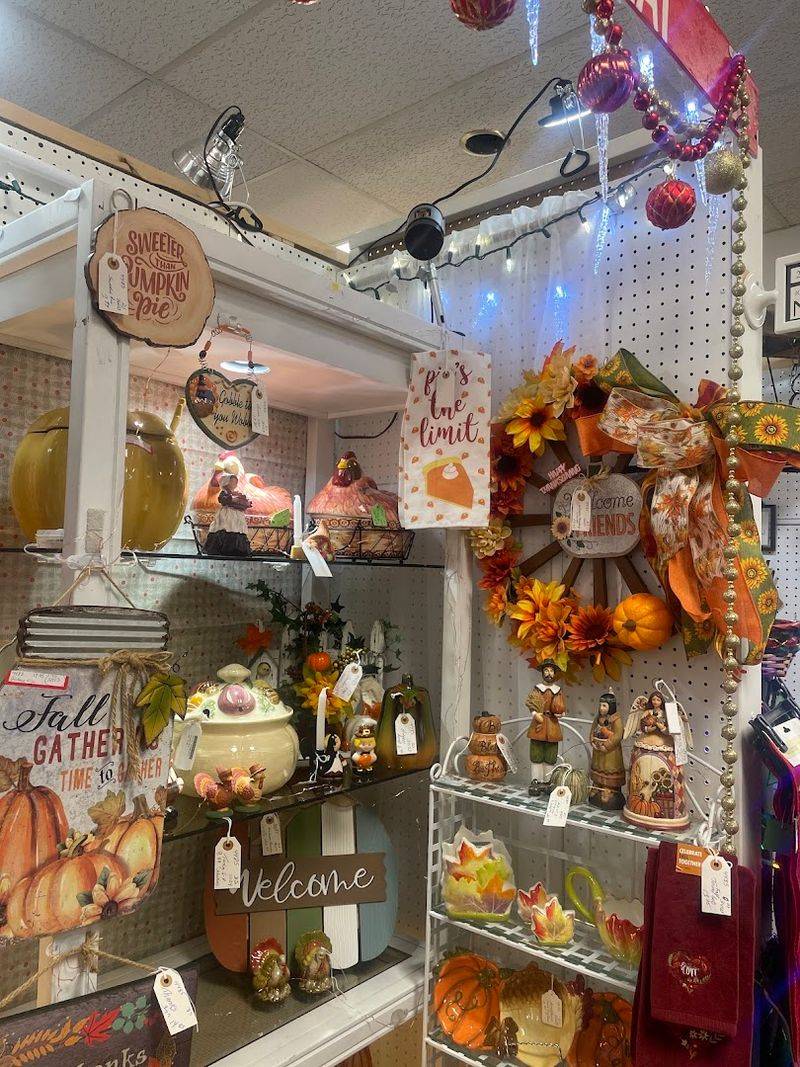
Snowmen, autumn leaves, and spring florals cycle through vendor vignettes, giving the floor a gentle calendar heartbeat. Displays lean festive without crowding pathways, so the mood shifts while the navigation stays calm. Themes also spotlight gift ideas at exactly the right moment.
Metro Detroit nostalgia pops up fast during holiday weeks, from Motown memorabilia to auto plant souvenirs. The blend reads as hometown pride rather than kitsch. You leave feeling anchored to place, even if you only bought a postcard and a smile.
Timing matters: Sundays start at eleven, and weekday evenings run to seven, so late afternoon browsing pairs well with slower crowds. Check the website banner for special sales that often cluster around seasonal resets and vendor booth refreshes across the floor.
Conversations With Makers And Dealers
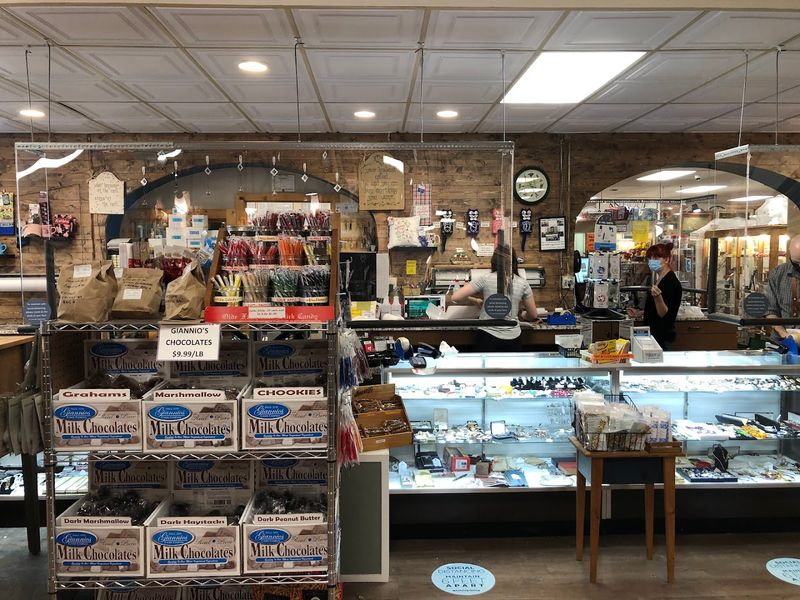
One minute you are admiring a hand-turned pen, the next you are decoding the patina on a midcentury lamp. Many vendors split time between crafting and curating, which gives their booths a distinctive voice. Questions are welcomed when asked with care.
I have learned to ask what is firm versus flexible on price, and whether a layaway or hold is possible. Polite conversation often reveals related stock in back. Keep your tone curious, then jot booth numbers so you can return after comparing.
If a maker is present, request care instructions because finishes, fabrics, and glues vary by craft tradition. That guidance protects your purchase once it leaves the cheerfully bright aisles and rides home.
Soundtrack, Scents, And Silence
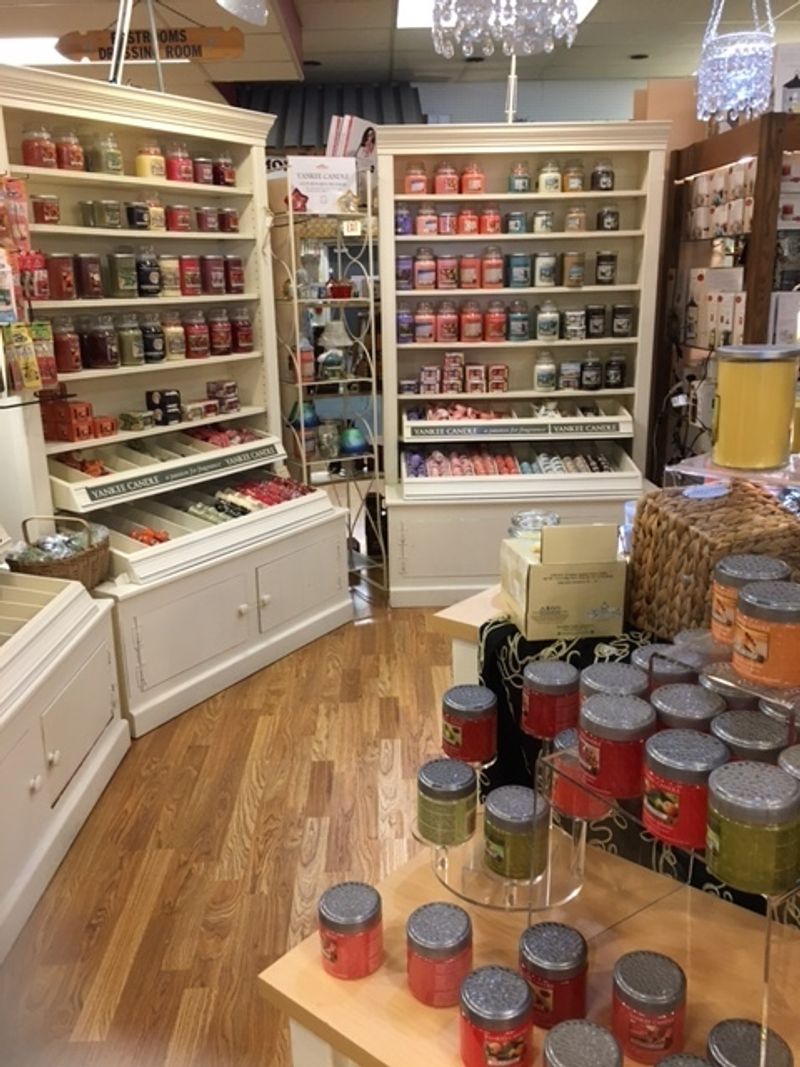
Soft background music mingles with the whisper of hangers and the click of glass cabinet locks. Unlike musty barns, the air here stays clean, with only faint notes of candle wax and wood polish. That sensory calm keeps attention on detail.
When you need a reset, pause near the front where space opens by the checkout counters. Breathing room helps you sort wants from needs. Hydrate, stretch, and then dive back to reconsider that Art Deco clock you pretended not to love.
Scented booths cluster strategically, so follow neutral zones if fragrance distracts you. If sensitivity is high, start on the antique side first, where candles are fewer. Staff will hold items while you step outside to reset before finishing your hunt.
Price Tags, Sales, And Strategy
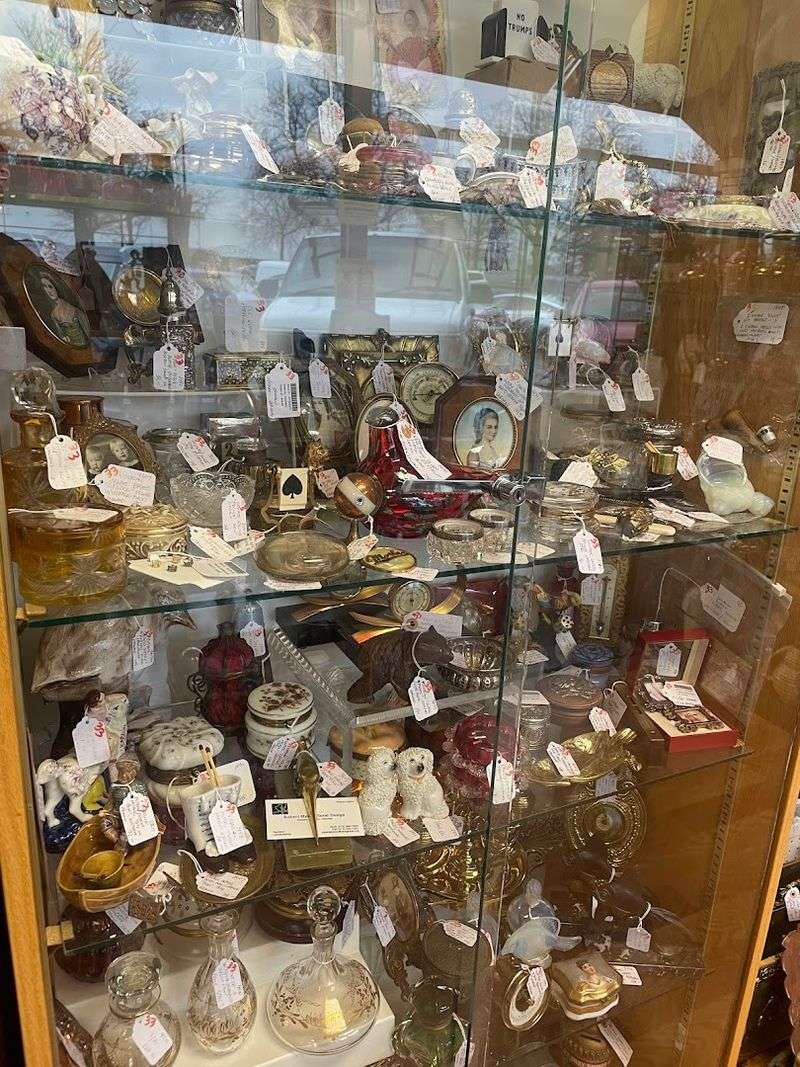
Sticker styles vary by vendor, but watch for colored dots that signal rotating discounts. Sales often line up with booth refresh cycles and seasonal overhauls. Prices can feel ambitious, yet rare patterns and complete sets justify patience.
Keep a short list of target measurements so you can act quickly when the right shelf or frame appears. Ask about return policies at the main desk because policies differ by seller. If shipping becomes necessary, get a quote before you emotionally commit.
Glass cases near the front display higher value pieces, and staff will unlock them for closer inspection. Examine under good light, note flaws, and photograph tags with permission. That record helps you compare two similar items across booths without confusion.
Architecture Of Cases And Fixtures
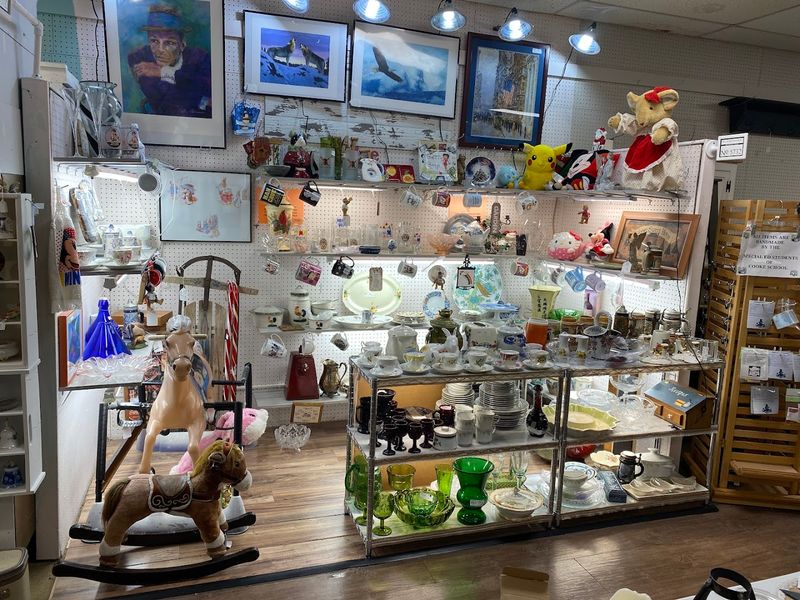
Display cabinets alternate between vintage wood and modern glass, creating a rhythm that suits both lace doilies and chrome toys. Pegboards hold ephemera without crowding, while low tables showcase quilts you can actually unfold. The floor plan invites careful handling.
I appreciate the balance of locked cases and open bins, because it matches different shopping tempos. For delicate jewelry, request assistance; for postcards, settle in and sift. Keep a clean microfiber cloth handy if you plan to inspect reflective surfaces for hairline scratches.
Look down occasionally; floor-level baskets hide linens and ironstone. Kneeling is worth it, but mind foot traffic by tucking in close to the booth boundary line before you browse the bottom row.
Local Threads And Motown Echoes
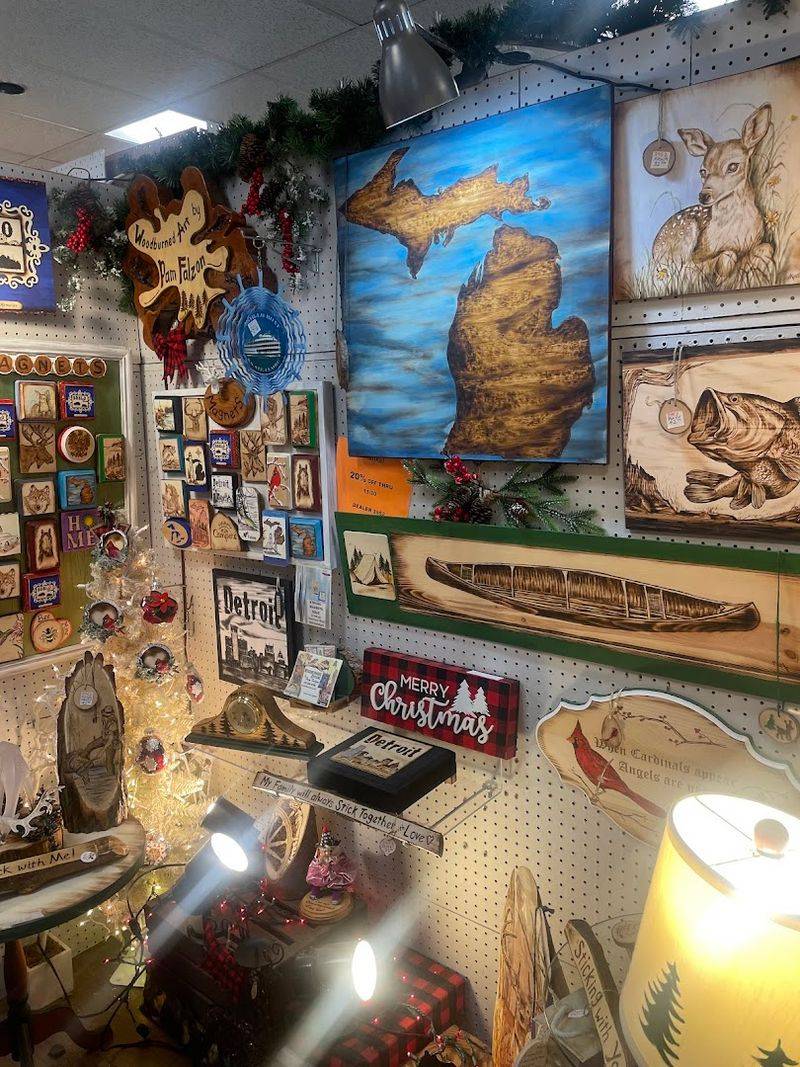
Detroit history hums through label art, union pins, and souvenir glass from big game days. You can sense the manufacturing backbone in tool catalogs and factory photos. It is less a museum than a friendly archive you can hold.
Vendors sometimes group local pieces together, which helps new collectors recognize authentic typography and material weight. That small education pays off when you spot misprints or reproductions. Compare rivets, stitching, and paper stock before deciding what deserves a place on your wall.
If giving a gift, pair a Motown single with a program from the same era, then add a handwritten note. The thoughtfulness elevates value far beyond price, and the recipient will feel the city’s warm pulse in their hands.
Navigating Crowds With Grace
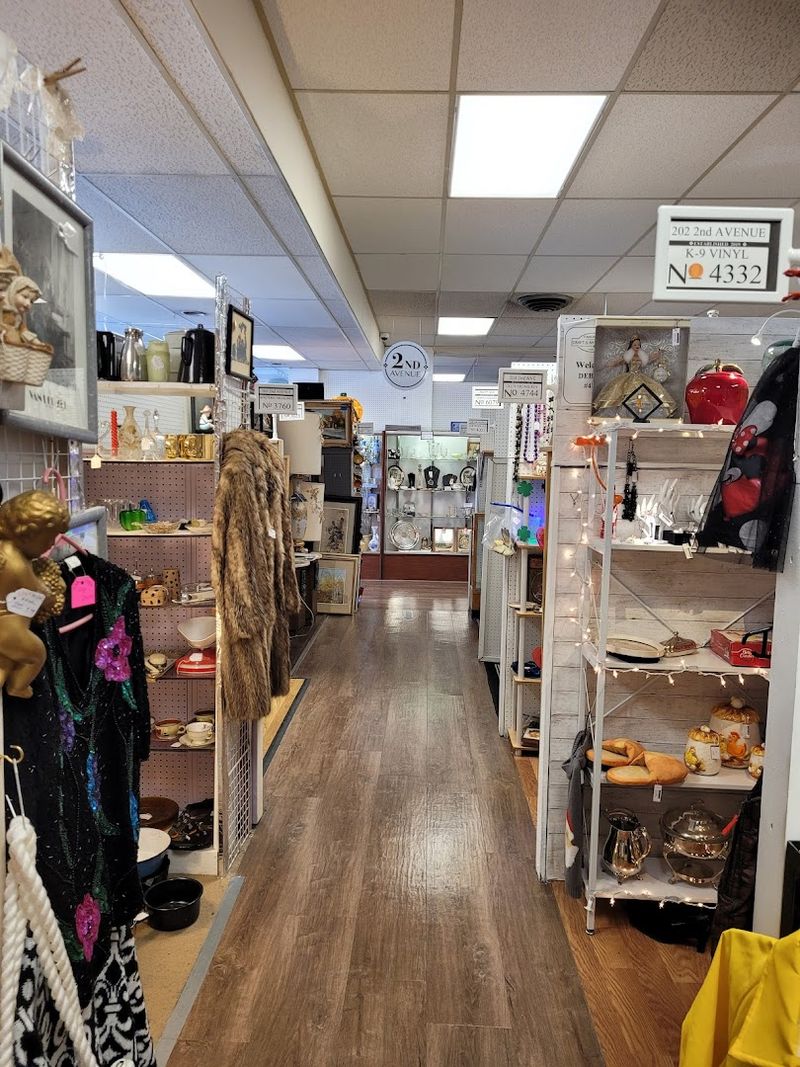
Weekends fill with slow happy browsers, and aisles shrink when strollers meet rolling carts. Patience makes everything smoother, especially at narrow booth entries. A small shoulder bag keeps hips slim and corners negotiable.
Let others pass, then step back into the flow to rejoin your treasure trail. At the registers, form two tidy lines as signs suggest. If a hold shelf looks full, ask the cashier to tag your piece and note your phone number.
Weekday mornings offer quieter aisles, and Tuesday through Thursday often feel especially relaxed. Consider timing your visit then if you need thoughtful comparison time between similar china patterns or book editions. Quicker decisions happen when the environment breathes and distractions fall away.
Checkout, Packing, And The Last Look
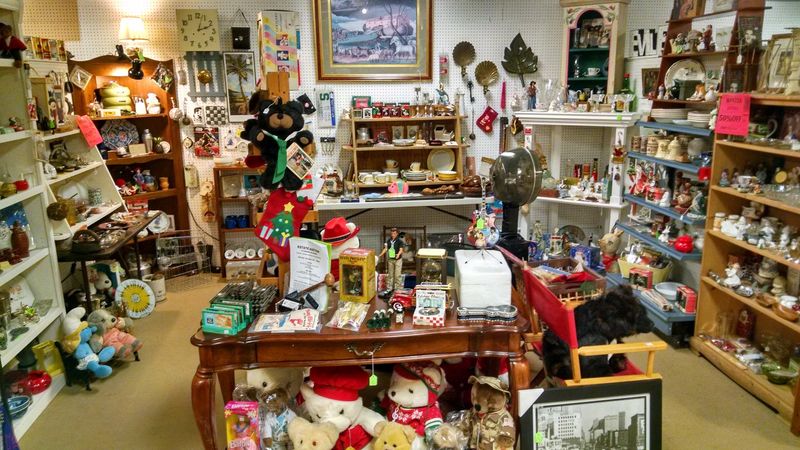
As you near the front, regroup and review photos of tags, prices, and booth numbers. That five-minute audit prevents regret and duplicate purchases. Prioritize fragile pieces for wrapping first. Staff at the two-register station move efficiently, labeling each item with its booth code.
Ask for extra paper if you plan to drive on bumpy roads. Before stepping out, take one last sweep of the endcaps; small treasures love to hide there.
If weather turns wet, load the car from the curbside zone near Plymouth Road and keep textiles sealed in plastic. Save your receipt, because it lists booth identifiers that help with future matching. The moment the door closes behind you, time resumes at normal speed.