
This Michigan Archipelago Has 36 Islands And Some Of The Calmest Paddling Waters On The Great Lakes
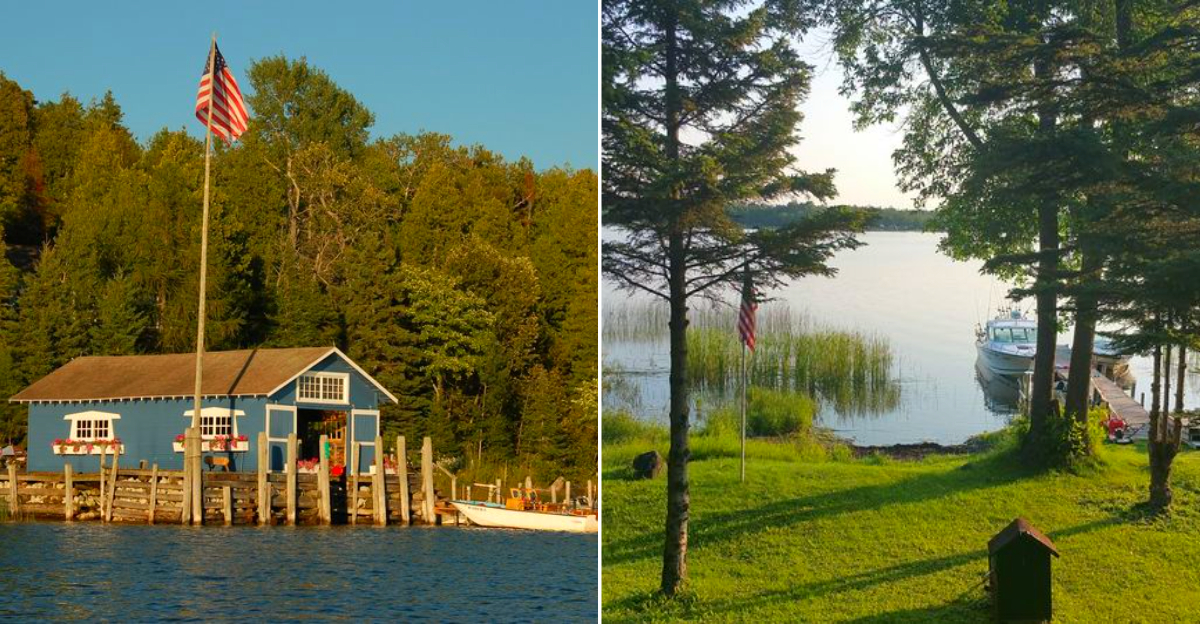
The islands cluster together on the northern shore of Lake Huron like they are keeping a secret from the rest of the state, and in a way, they are.
The channels between them stay flat and glassy even when the open water beyond the archipelago turns choppy, which means a kayaker can paddle for hours without feeling the kind of current that makes you grip the paddle tighter.
Michigan island destinations usually mean a ferry schedule and a crowd, but Les Cheneaux moves at the speed of a village that has been hosting the same families for five generations.
The antique wooden boat show fills the marina in August, the historical museum covers Ojibwe history and fur trader roots, and by September, the maples turn the whole shoreline into something you cannot photograph without feeling like the lens is lying.
Start With The Shelter Of The Channels
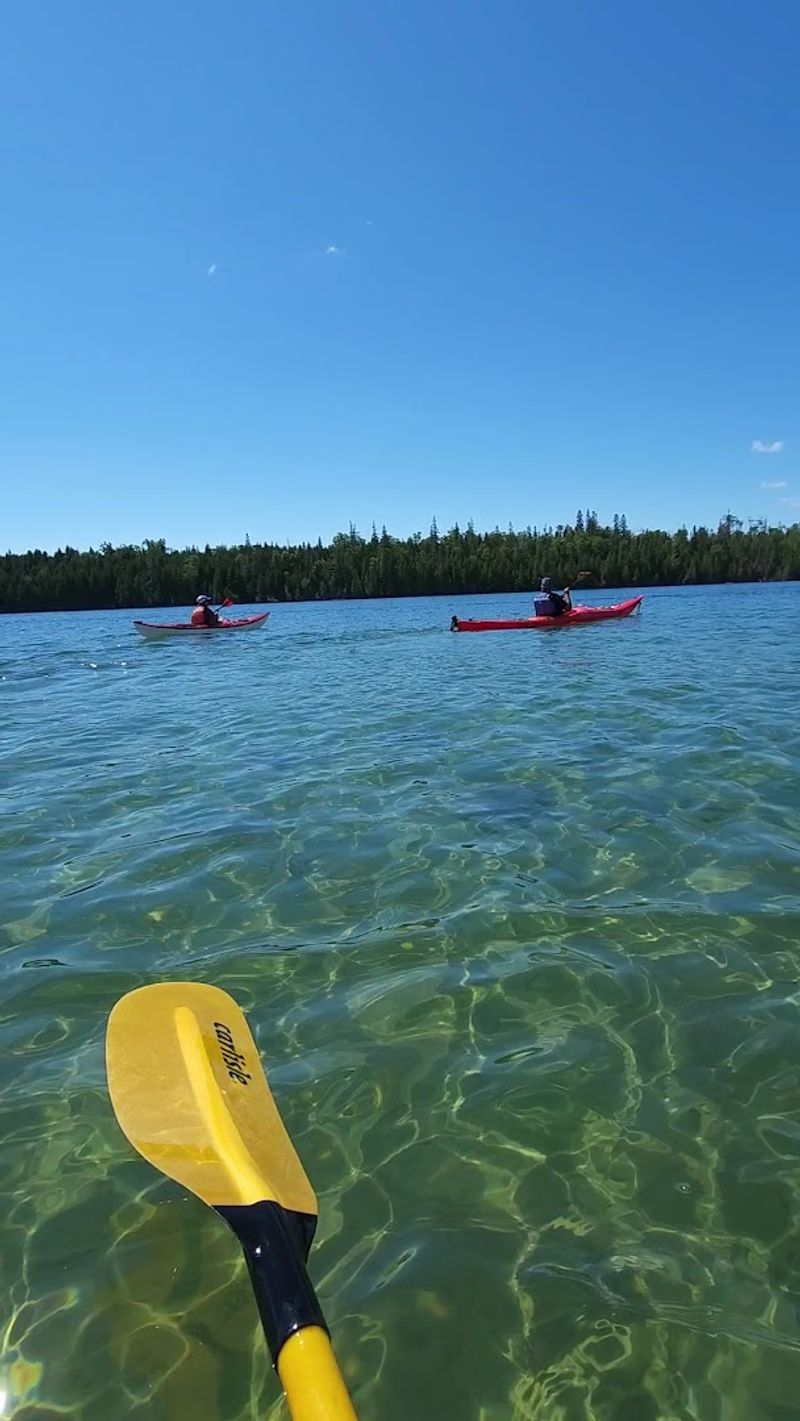
The first thing to understand is that the calm here is not an accident. The islands break up Lake Huron into protected channels and bays, which makes paddling feel unusually forgiving for such a big body of water.
Even when the open lake looks brisk, these interior routes can stay gentle and inviting. That natural protection gives the area a welcoming quality, especially for anyone who loves the idea of Great Lakes paddling but not the intimidation of exposed water.
That shelter shapes the whole mood of a visit. You are not battling the landscape so much as moving with it, slipping past cedar-lined shores and quiet docks.
For beginners, it is reassuring. For experienced paddlers, it means you can pay attention to details instead of just conditions.
The rhythm becomes slower, quieter, and more observant, which is exactly what makes the islands feel so memorable from the water.
Hessel And Cedarville Are The Doorways To The Channels
The Les Cheneaux Islands sit in Clark Township, Michigan, along the northern Lake Huron shoreline between Hessel and Cedarville. From the Mackinac Bridge area, head east into the Upper Peninsula and follow the scenic road toward these two small waterfront communities.
There is no single front gate for the islands, so pick your mainland starting point before you drive. Hessel gives you a marina-style arrival, while Cedarville offers another easy village approach to the same island-and-channel landscape.
Once you reach the waterfront, the map finally starts making sense. The islands sit just offshore, broken into sheltered channels, docks, boat launches, and quiet views that feel less like one destination and more like a whole shoreline unfolding.
Paddle Government Island For A Grounded First Look
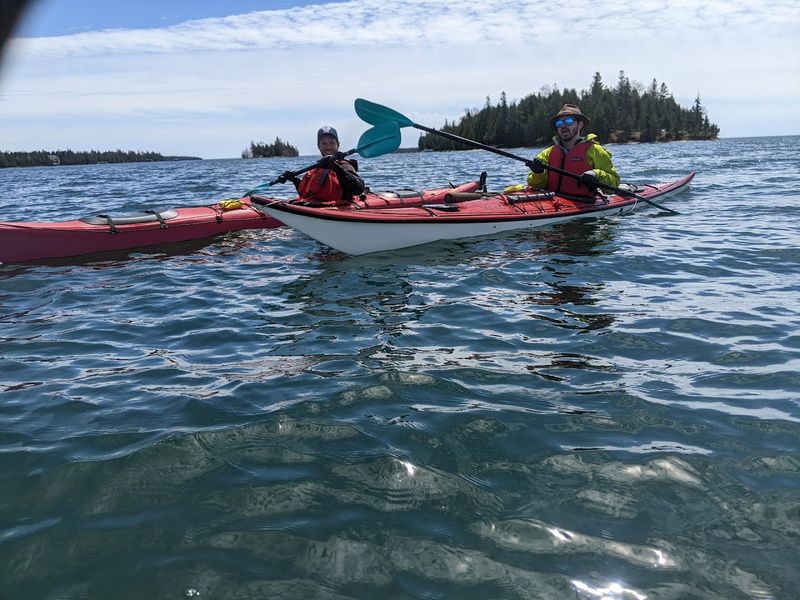
Government Island matters because it is the only public island in the chain, and that simple fact changes how you explore. Reachable by kayak, canoe, or boat, it offers hiking trails and designated rustic camping, giving visitors a direct way to step onto the landscape rather than only glide past it.
That access makes the island feel like a reward, especially after time spent threading through the quieter channels.
The shoreline has that satisfying Great Lakes mix of stone, trees, and weather. A landing here turns a paddling day into something more textured, with room to stretch, walk, and notice the forest beyond the waterline.
If you want one destination that explains the area’s character clearly, this is a smart place to start. It gives the trip a sense of arrival, while still preserving the wild, lightly touched feeling that makes Les Cheneaux so appealing.
Look Closely At The Boathouses
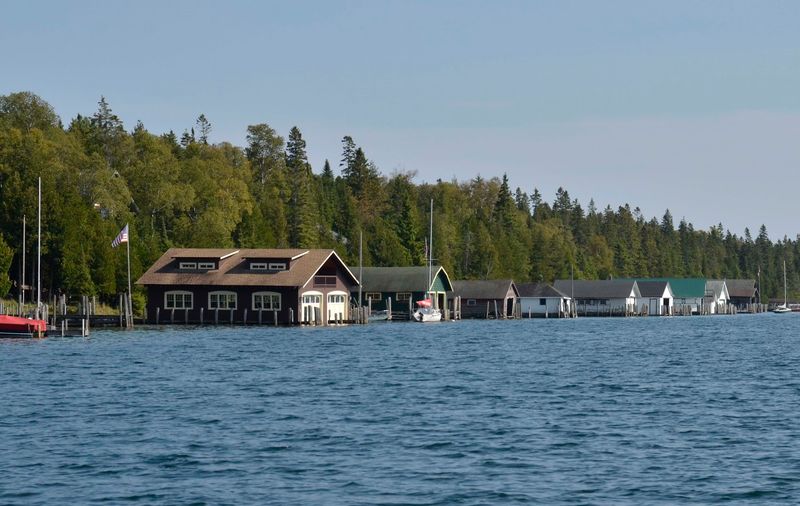
Some places announce their history with monuments. Here, it lingers in the boathouses.
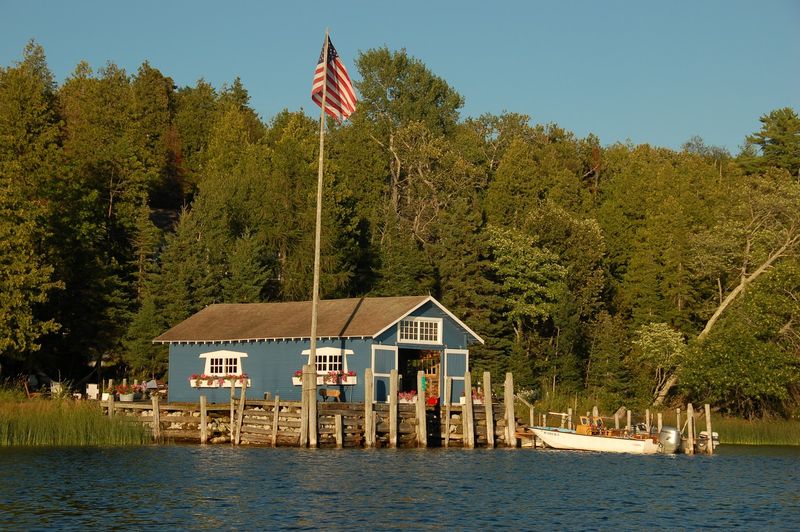
Wooden structures along the shore, often painted in cheerful colors or softened by age, tell a story about generations who built life around boats, weather, storage, and the practical elegance of getting on the water quickly.
They also give the islands a visual identity that feels inseparable from the channels themselves. You notice rooflines, doors opening almost to the lake, and docks that seem designed by long habit rather than fashion.
It is architecture with purpose, but also with personality. Pay attention as you paddle or drive the shoreline, because these details explain the region quietly and well.
Make Room For Maritime History
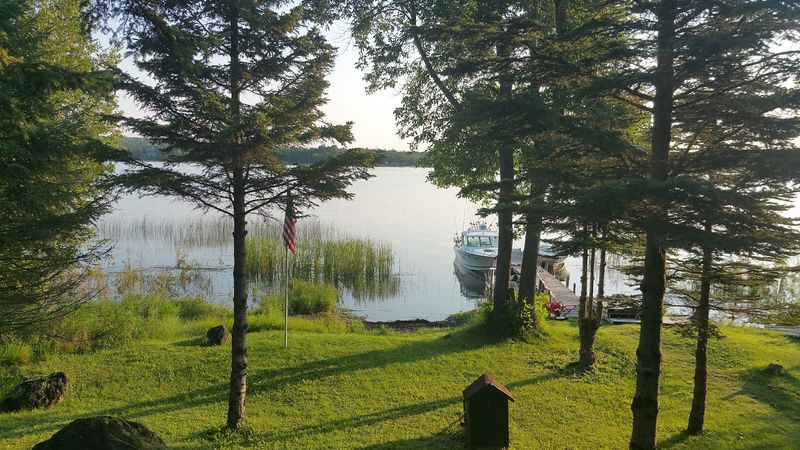
The islands are beautiful enough to tempt you into treating them as pure scenery, but the history deserves equal time. Indigenous presence long predates the resort era, and French explorers moved through these channels centuries ago.
Later came homesteaders, logging activity, and the summer communities that still shape the shoreline today.
That layered past becomes clearer at the Les Cheneaux Historical and Maritime Museums in Cedarville, where local stories connect boats, settlement, and everyday life. I like places more when they stop feeling generic, and this is where that happens.
The water becomes more than pretty surface. It turns into a route, a livelihood, and a memory field.
Time Your Visit Around Wooden Boat Culture
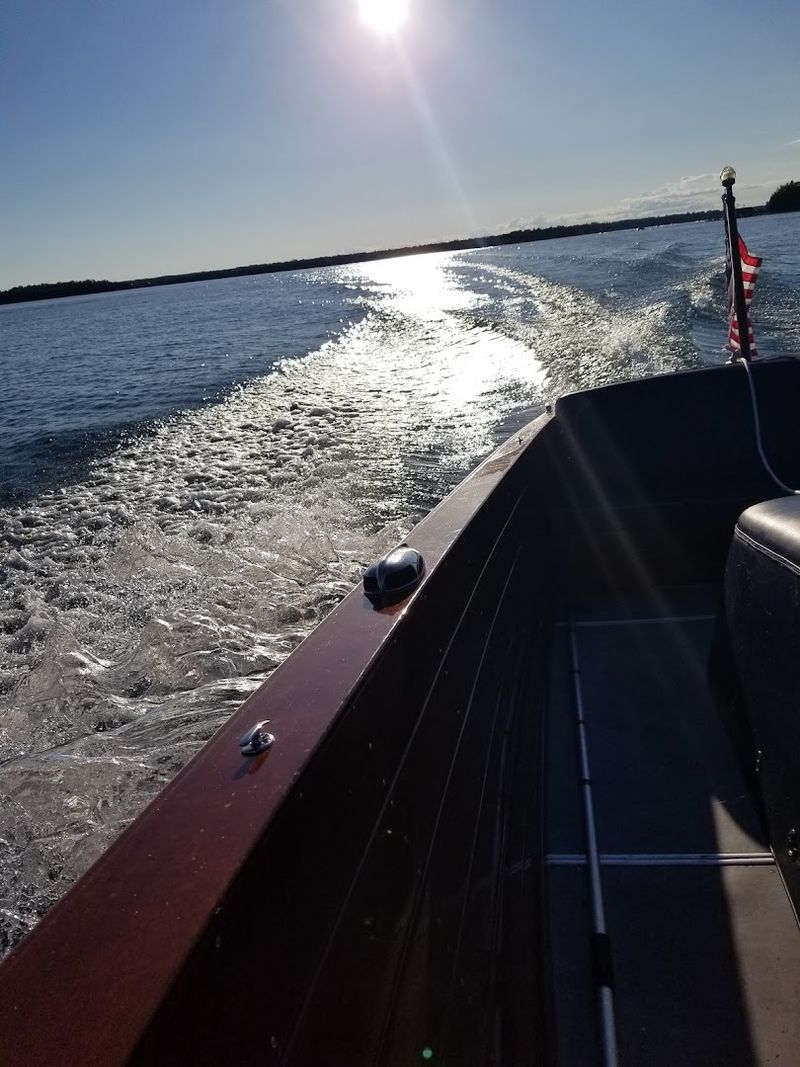
In August, Hessel hosts the Antique Wooden Boat Show, and suddenly the local boating culture becomes gloriously visible.
Classic wooden boats gather in a setting that already feels perfectly suited to them, as if the channels had been waiting all year for polished hulls, varnished details, and admiring slow walks along the docks.
This is not just nostalgia put on display. It reflects a living tradition of craftsmanship and care that still shapes the area.
If your schedule allows, this event offers one of the clearest windows into the region’s identity. Pair it with the Festival of the Arts, and you get a broader sense of how skill and place still belong together here.
Notice How Conservation Shows Up In Small Ways
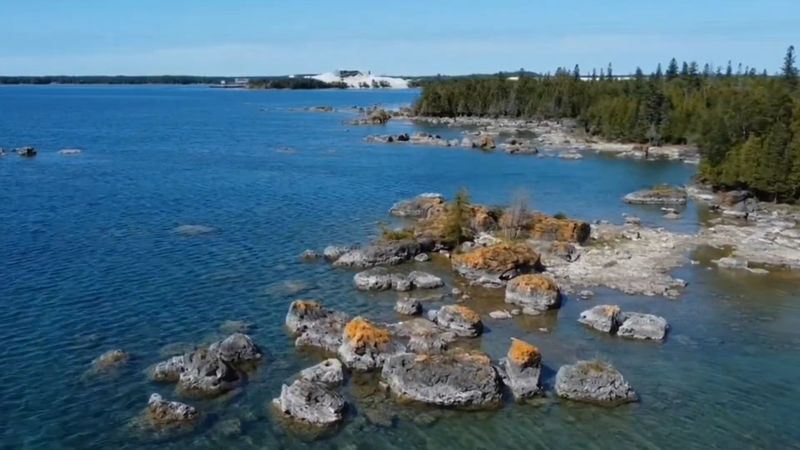
The clearness of the water can feel so natural that it is easy to forget how much care goes into keeping it that way.
Local conservation groups, including the Les Cheneaux Watershed Council and the Les Cheneaux Islands Association, work on water quality and invasive species issues that directly affect the paddling experience.
You may not see that work in dramatic gestures. Instead, it appears in the continued health of coves, marsh edges, and channels that still feel unusually intact.
The Nature Conservancy has recognized this broader landscape for its ecological value, and the designation makes sense once you are there. Preservation here is not abstract.
It is visible in every quiet, clean shoreline.
Expect Wildlife To Reward Your Patience

The most memorable moments are often the least theatrical. A marshy edge goes still. Reeds shift. A bird call seems to bounce between water and woods.
Because the channels are protected and the pace is naturally slow, wildlife watching feels built into the geography rather than added as a special activity.
This is one reason paddling works so well here. You move quietly enough to notice patterns in the shoreline and the life around it, especially in coves and wetland pockets.
There is no guarantee of a grand sighting, which somehow improves the experience. Attention itself becomes the reward, and the islands are very good at teaching that habit.
Treat The Seasons As Different Destinations
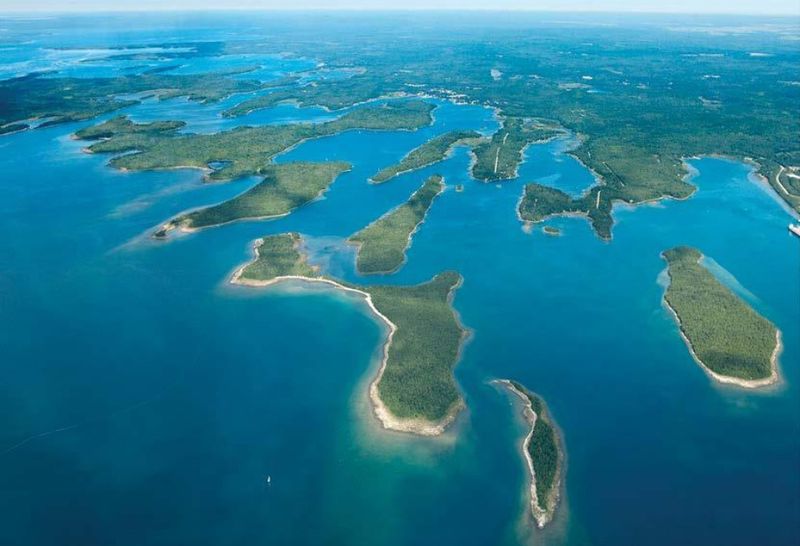
Summer is the obvious draw, with paddling, boating, and clear-water days, but it is not the only season that makes sense here. Autumn brings strong color to the deciduous trees mixed among evergreens, and the whole archipelago takes on a sharper, quieter beauty that suits unhurried exploration.
Winter changes the terms completely, turning the islands into a snow-covered landscape used for ice fishing and snowmobile travel. Spring feels looser and more tentative, with thaw, fresh growth, and fewer people.
That range matters because it keeps the place from becoming one-note. The Les Cheneaux Islands are not just a summer postcard. They are a year-round environment with distinct moods.
Learn From The Boatbuilding Tradition
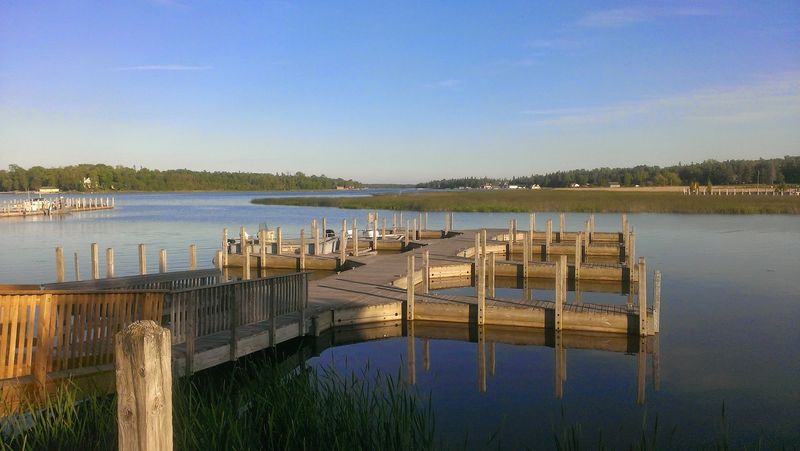
One of the most satisfying local details is that the region’s boat culture is not preserved only behind glass. In Cedarville, the Great Lakes Boat Building School keeps traditional and modern marine craftsmanship active through hands-on training.
That gives the area a living continuity that many scenic destinations talk about but cannot actually demonstrate.
Even if you are not taking a class, knowing this work is happening changes how you see the boats, docks, and shoreline structures around you. They belong to an ongoing skill set, not just a decorative past.
I appreciate that honesty. The islands feel beautiful, yes, but also competent, shaped by people who understand watercraft from the keel up.
Leave Time For The Place To Slow You Down
My strongest recommendation is not about mileage, gear, or a perfect route. It is to resist overscheduling.
The Les Cheneaux Islands reveal themselves through intervals: a turn into a narrower passage, the geometry of a boathouse, the hush of a protected bay, the gentle realization that the Great Lakes can sometimes feel intimate.
That is the real luxury here. You are in a landscape substantial enough to carry history, ecology, and working traditions, yet calm enough to experience at human speed.
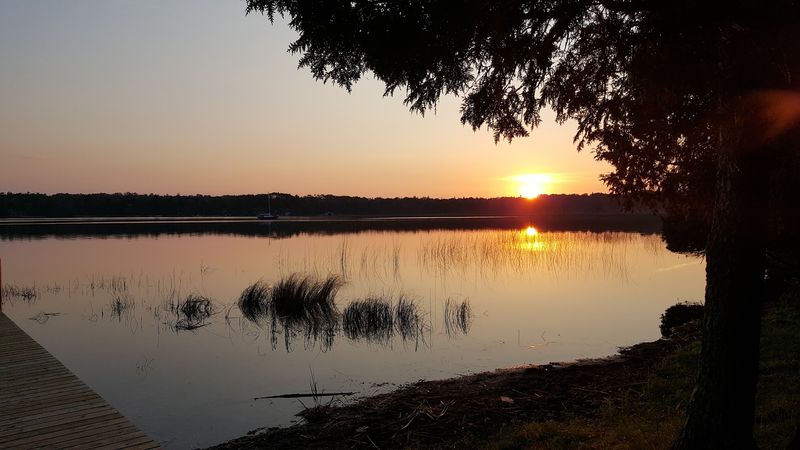
Let a little empty time into the day. Sit by the water after paddling. Watch the light move on the channels. The place becomes richer when you stop trying to conquer it.