
This Michigan Art Store Turns Other People S Craft Supplies Into A Treasure Hunt
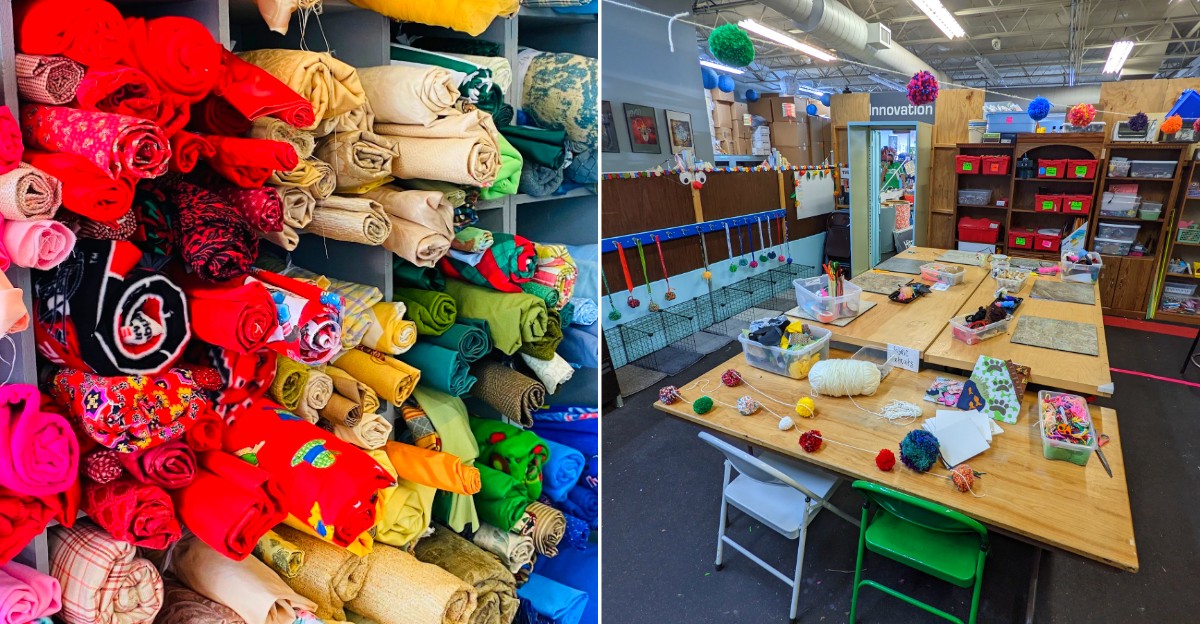
Where does a theater company go when it needs velvet curtains for a production? Where does a school teacher find mosaic tiles for a full classroom without spending a full paycheck?
This place. Bins overflow with fabric swatches, paint tubes, picture frames, buttons, yarn ends, plus stacks of paper in every weight you can imagine. Nothing costs what it would at a retail store.
Everything arrived as a donation from someone who could not bear to throw it away. The nonprofit behind it processes thirty tons of material a year that would otherwise sit in landfills.
Artists browse alongside teachers, parents, plus college students filling bags with odd treasures they never knew they needed. The inventory shifts weekly.
What you find on Tuesday disappears by Saturday. Donated craft supplies turn this art store into a Michigan treasure hunt where creativity stays affordable and every visit differs.
Set A Budget Before Browsing
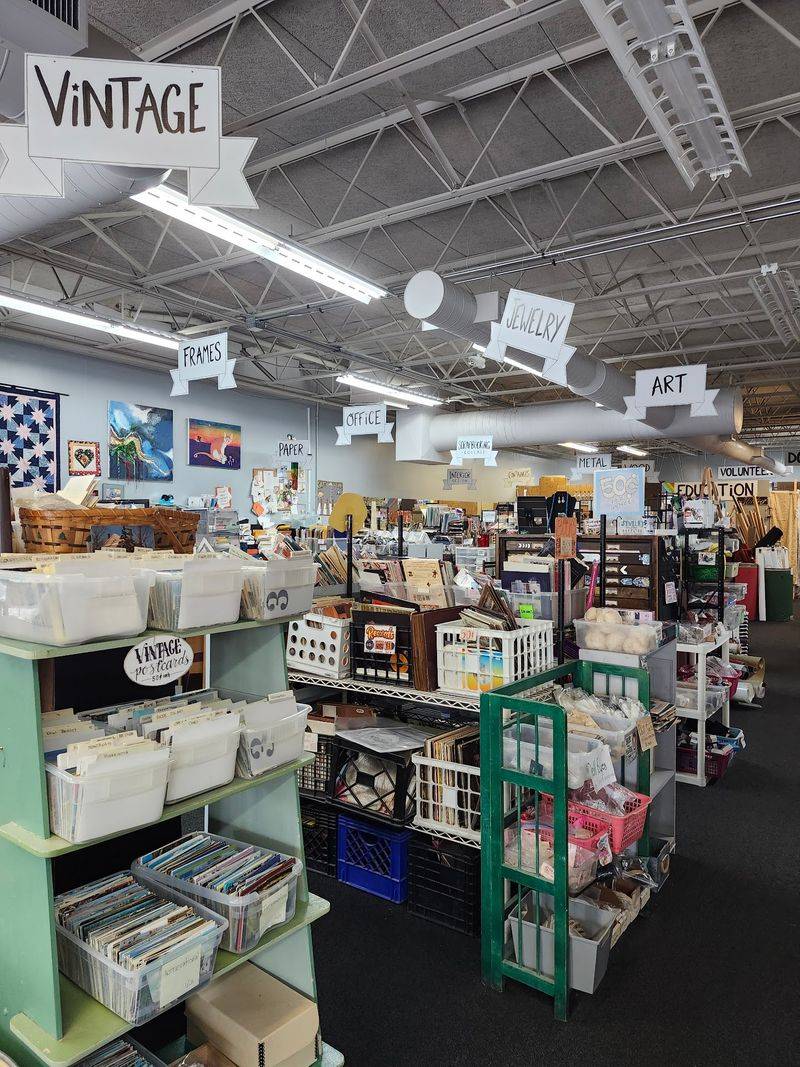
Low prices make restraint surprisingly difficult, especially when one shelf leads to another promising possibility. SCRAP often prices donated goods below regular retail cost, but several small purchases can still add up.
Choose a spending limit before entering and keep a rough total as your cart grows.
Price tags deserve attention because condition, amount, and usefulness vary between donated items. Compare partial bundles with complete packages, particularly when buying yarn, paint, adhesives, or specialty tools.
A bargain only helps when it suits a real project. I like dividing the budget into two parts: planned materials and unexpected discoveries.
That leaves room for a peculiar stamp or vintage paper packet while protecting funds for the supplies you actually came to find.
Washtenaw Avenue Hides A Craft Supply Treasure Hunt
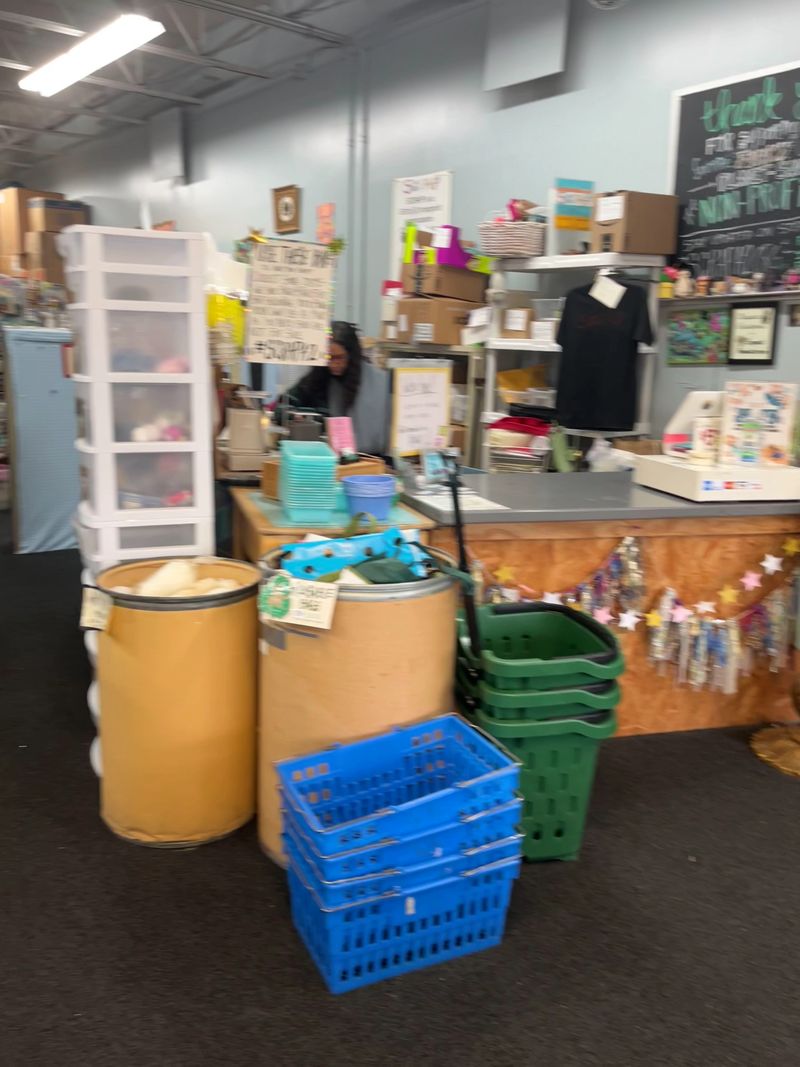
SCRAP Creative Reuse sits at 4567 Washtenaw Avenue in Ann Arbor, Michigan, along the busy commercial stretch east of central Ann Arbor. Washtenaw Avenue is the road to stay with for the final approach, with the reuse center tucked among the corridor’s larger roadside businesses.
The last stretch feels more strip-road than downtown, so the street number does most of the navigating. Once you reach the 4500 block of Washtenaw, the destination is right along the commercial corridor rather than buried inside a neighborhood.
Pull into the property at 4567 Washtenaw Avenue and use the parking serving the center, then head straight toward the storefront. If you are dropping off materials instead of shopping, follow the donation instructions once you arrive.
Browse Once Before Choosing
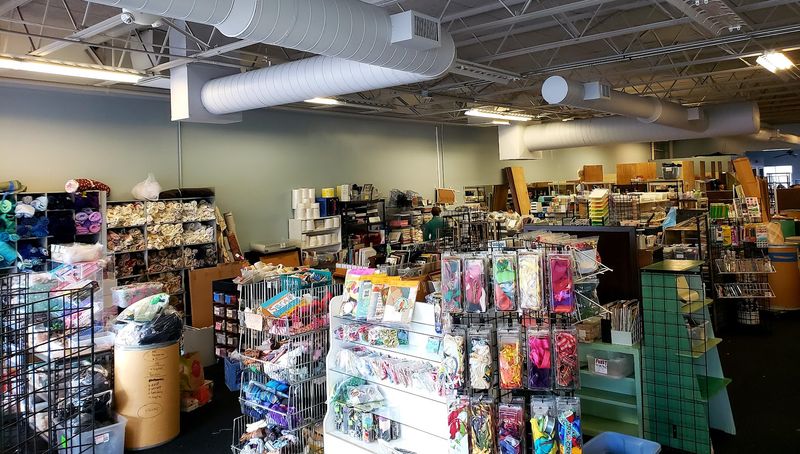
Color arrives from every direction inside the store, and the first impulse is to start collecting immediately. Resist it for one quick loop.
Walking through the main sections first reveals what is available, how materials are grouped, and which corners deserve extra time.
The abundance becomes easier to understand once you spot the paper area, fabric wall, glassware shelves, and bins of smaller pieces. Notice prices and quantities without making every decision at once.
After that survey, return to the strongest candidates with a clearer project in mind. Constantly changing inventory means no visit follows a fixed script, yet a preview prevents the opening aisle from consuming your whole budget.
It also reduces duplicate purchases hidden beneath early finds.
Dig Slowly Through The Barrels
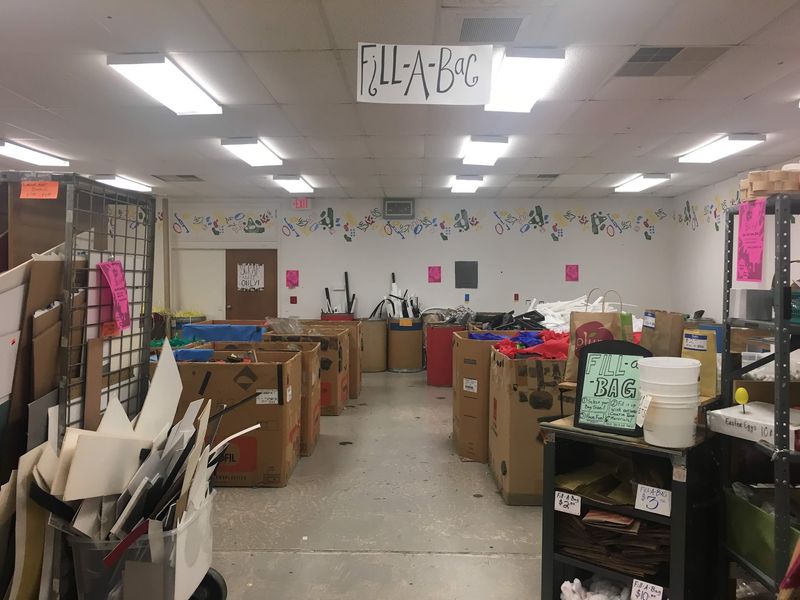
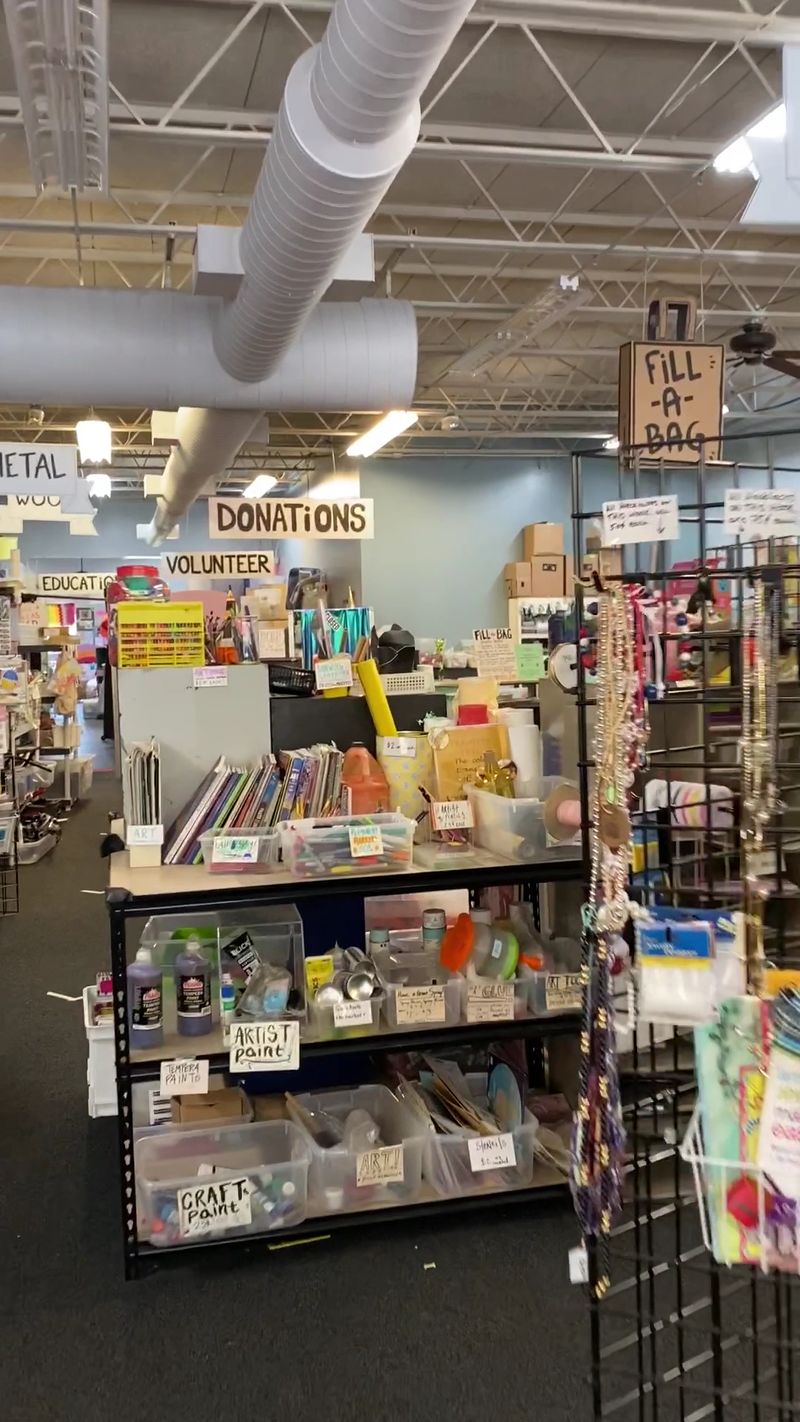
Deep barrels turn small craft supplies into a hands-on search, with colors and shapes shifting whenever something moves. The popular fill-a-bag area may contain crayons, clips, beads, trims, and assorted pieces that resist tidy labels.
Look slowly rather than sweeping across the surface.
Gently move items aside and check the bottom, where heavier or less obvious objects settle. Bring a project idea, such as collage, model scenery, jewelry, or a classroom sorting activity, to guide your choices.
Examine sharp edges and damaged pieces before adding anything to your bag. Courtesy matters in a shared treasure hunt, so avoid emptying containers or blocking access while sorting.
The prize is not simply finding more; it is noticing one useful detail others passed over.
Check Paper From Every Angle
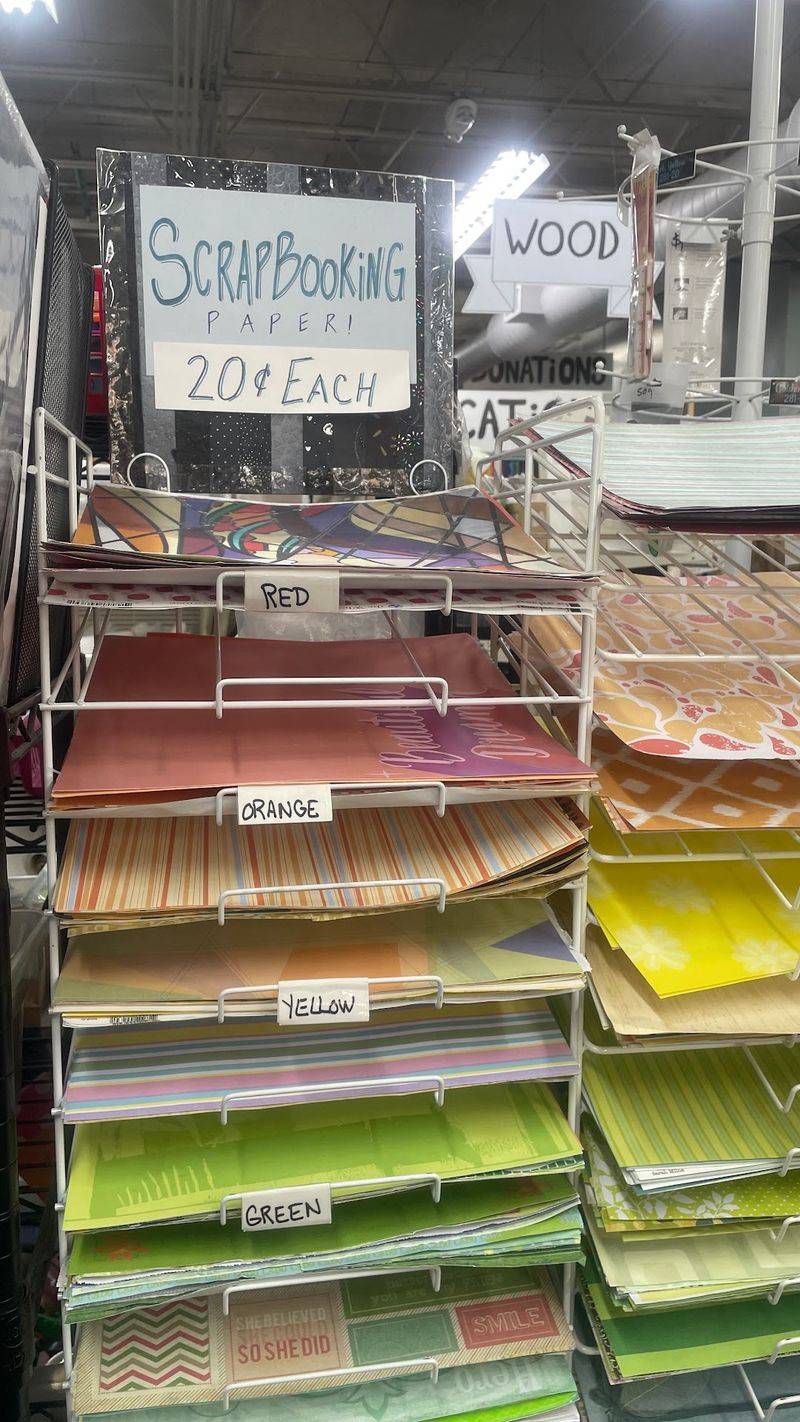
Paper here appears in more forms than a sensible desk drawer could ever hold. Cardstock, envelopes, greeting cards, gift wrap, scrapbook sheets, and vintage ephemera may sit within a few steps of one another.
Check both sides because older prints, writing, fading, or texture can change how a piece works.
Flex sheets lightly to test brittleness, then inspect corners for bends or moisture damage. Mixed sizes are useful for card making, collage, journaling, and school projects, but measure anything intended for a frame or printer.
Flat pieces should travel beneath lighter purchases in your cart. Pairing colors while still in the store also saves guesswork later.
A forgotten postcard or unusual office form can become the strongest part of a handmade design.
Measure Fabric Before Falling In Love
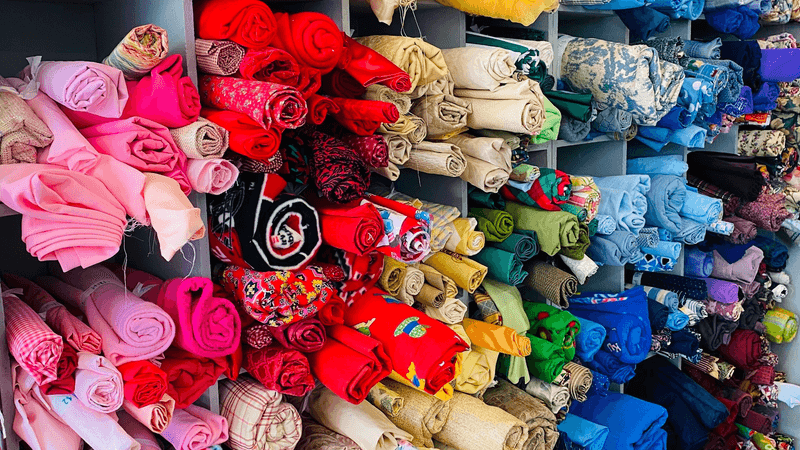
The fabric wall can make a simple errand stretch pleasantly longer, especially when prints and textures are clustered together. Remnants vary in size, fiber, age, and condition, so admiration should come with a little practical checking.
Carry project measurements on your phone or a small note.
Unfold fabric carefully when store rules and space allow, then inspect edges, stains, odors, and faded areas. Confirm that the usable portion is large enough for your pattern, repair, quilt block, costume detail, or wrapping idea.
Nearby sewing notions may help complete the plan, but match thread weight, button count, and trim length before buying. Since stock changes constantly, coordinating pieces may not return later.
Flexible projects work best when a wonderful textile is limited.
Let Odd Materials Suggest A Project
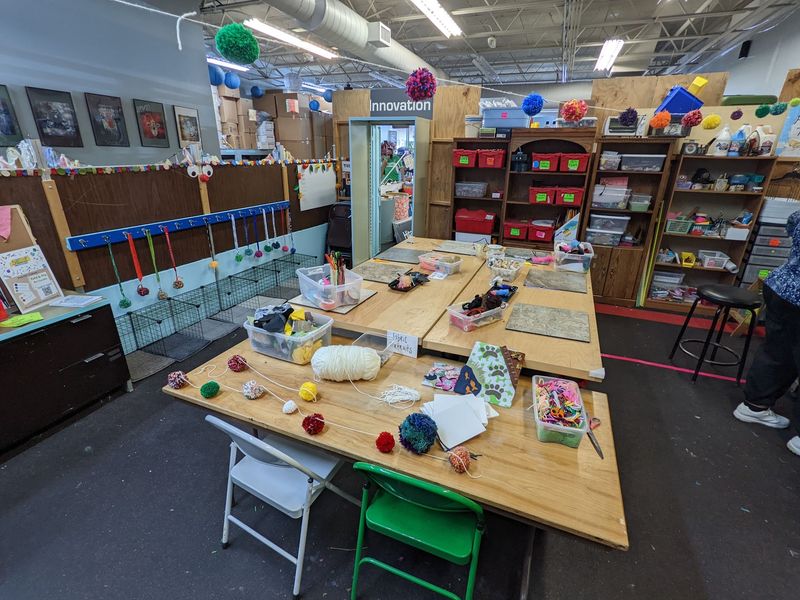
A wooden shape with no clear purpose can be more inspiring than a perfect boxed kit. SCRAP receives materials from individuals and local businesses, including objects that were never sold as traditional art supplies.
Their unclear purpose is part of the charm.
Turn unusual pieces over, study their texture, and imagine simple uses before placing them in your cart. Wood, metal, plastic, office parts, and packaging might become stamps, model scenery, collage layers, sculpture bases, or learning tools.
Avoid taking mystery materials that seem unsafe, dirty, or impossible to store. One or two experiments are more manageable than a bagful of vague intentions.
Creative reuse works best when curiosity meets a realistic plan, suitable tools, and enough space to make something.
Visit Again For Fresh Surprises
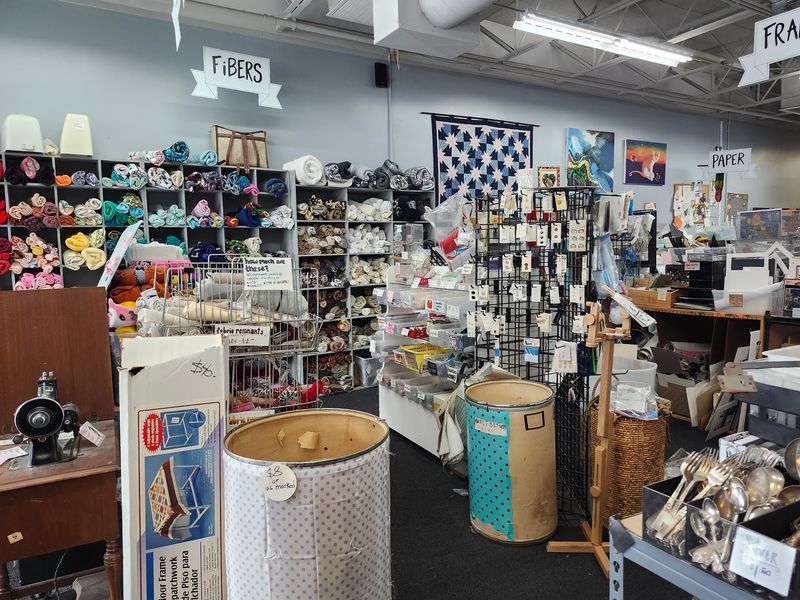
No shelf at SCRAP promises the same selection next week, which makes repeat visits genuinely different. Donations continually reshape the store, bringing fresh yarn, stickers, frames, cards, tools, and specialty leftovers.
If one trip lacks a needed item, another may produce it unexpectedly.
Keep a short wish list and check relevant sections whenever you return. Regular browsing works especially well for flexible hobbies such as collage, card making, mixed media, sewing, and classroom crafts.
Still, never assume a specific color, brand, or quantity will appear by a deadline. Buy essential supplies elsewhere when certainty matters, then use SCRAP for affordable additions and inspiration.
The changing stock rewards patience without guaranteeing outcomes. That balance is precisely what keeps the hunt lively rather than routine.
Plan Donations Before Arriving
Donating requires more preparation than placing old craft supplies in the car and hoping for the best. SCRAP accepts clean, reusable art, craft, and office materials, helping worthwhile leftovers return to community use.
Sorting everything at home makes the handoff smoother for staff and volunteers.
Walk-in donations are accepted on Thursdays from 11 a.m. to 6 p.m.; other donation times require an appointment. Organize accepted materials in no more than three boxes with lids, following the nonprofit’s current instructions.
Remove trash, leaking products, and objects too damaged to reuse. Before driving to 4567 Washtenaw Avenue, check the official website for updated acceptance details or temporary limits.
Thoughtful packing protects supplies and reduces the work needed before they reach store shelves.
Look Beyond Shopping For Programs
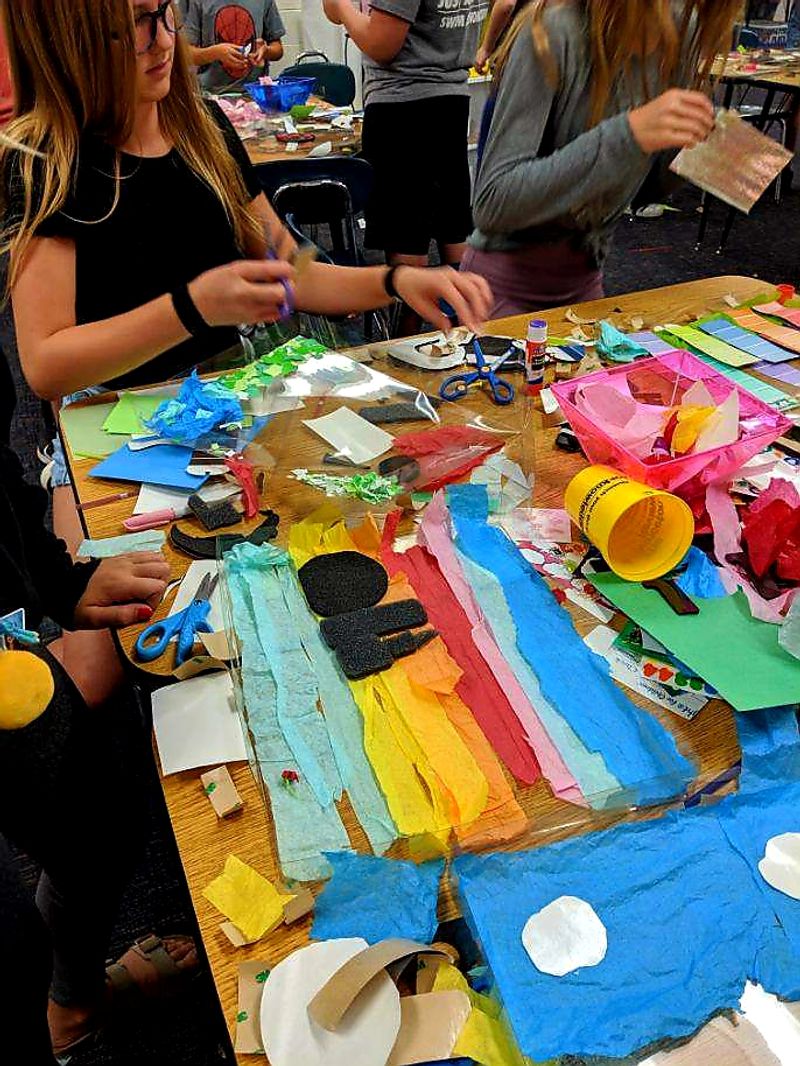
Shelves are only one part of the nonprofit’s work. Educational programs turn donated materials into shared skills through workshops, interactive field trips, crafternoons, and Camp Scrap, a summer day camp.
Offerings can include activities such as sewing or jewelry making, depending on the schedule.
Check the official calendar before visiting if learning is as important as shopping. Registration rules, ages, costs, and available spaces can differ by program, so reading the details prevents disappointment.
Families, school groups, and curious adults may all find suitable options at different times. Volunteers also help sort, package, organize, and support events, keeping the reuse system moving.
Joining a program reveals the larger idea behind the store: materials gain value when people have knowledge, encouragement, and room to experiment.
Leave Enough Time To Wander
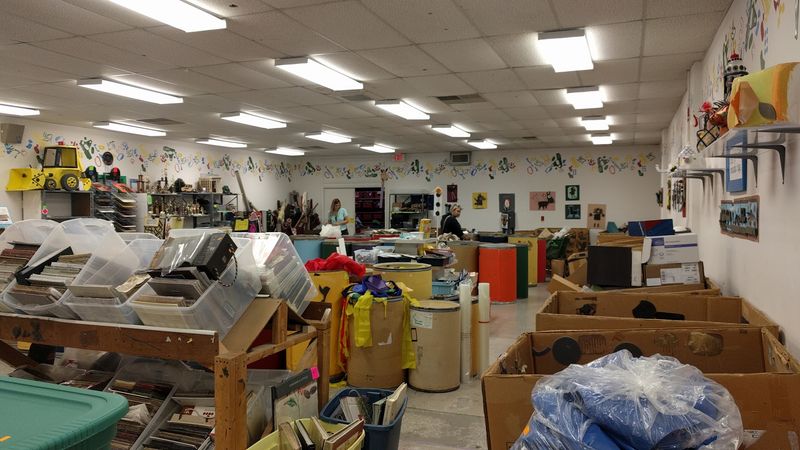
A rushed stop misses the quiet logic beneath the colorful overload. SCRAP is organized by general material types, and colors are often grouped, but each section still rewards close attention.
Allow at least enough time to circle back after your first look.
The store is open for public shopping Monday through Sunday from 11 a.m. to 6 p.m. at 4567 Washtenaw Avenue. Its location on a busy commercial corridor is convenient by car, though traffic conditions may affect travel time.
Arriving well before closing gives you space to inspect finds, compare prices, and check out without hurrying. An online store also offers local pickup or shipping when available. Even so, wandering in person best captures the textures, surprises, and second-chance spirit.