
This Michigan Bar In Detroit Turns the Polish Yacht Club Nickname Into Local Legend
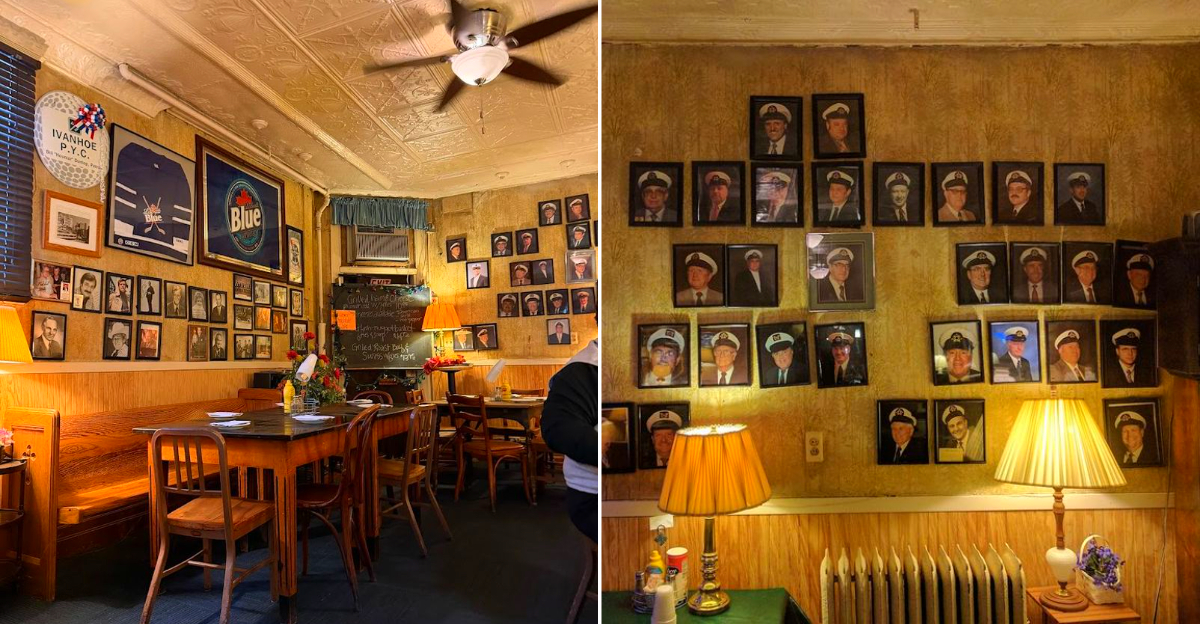
Detroit has a talent for turning history into something you can actually sit inside, and this place does it without making a big museum display of itself.
It feels lived-in, funny, and properly rooted, the kind of neighborhood classic where the walls seem to know more stories than anyone has time to tell.
I like places like this because they do not chase coolness. They simply keep serving people, decade after decade, until coolness finally gets smart enough to catch up.
Food lovers in Michigan will find old-school Detroit character, Polish-inspired comfort food, neighborhood history, and a beloved local atmosphere in this classic cafe.
The charm is in the details, the compact room, the old photos, the steady lunch rhythm, and that nickname that sounds ridiculous until it suddenly feels perfect. Come for the food, but stay for the sense that Detroit’s best stories are often hiding in plain sight.
Let The Nickname Do Its Work
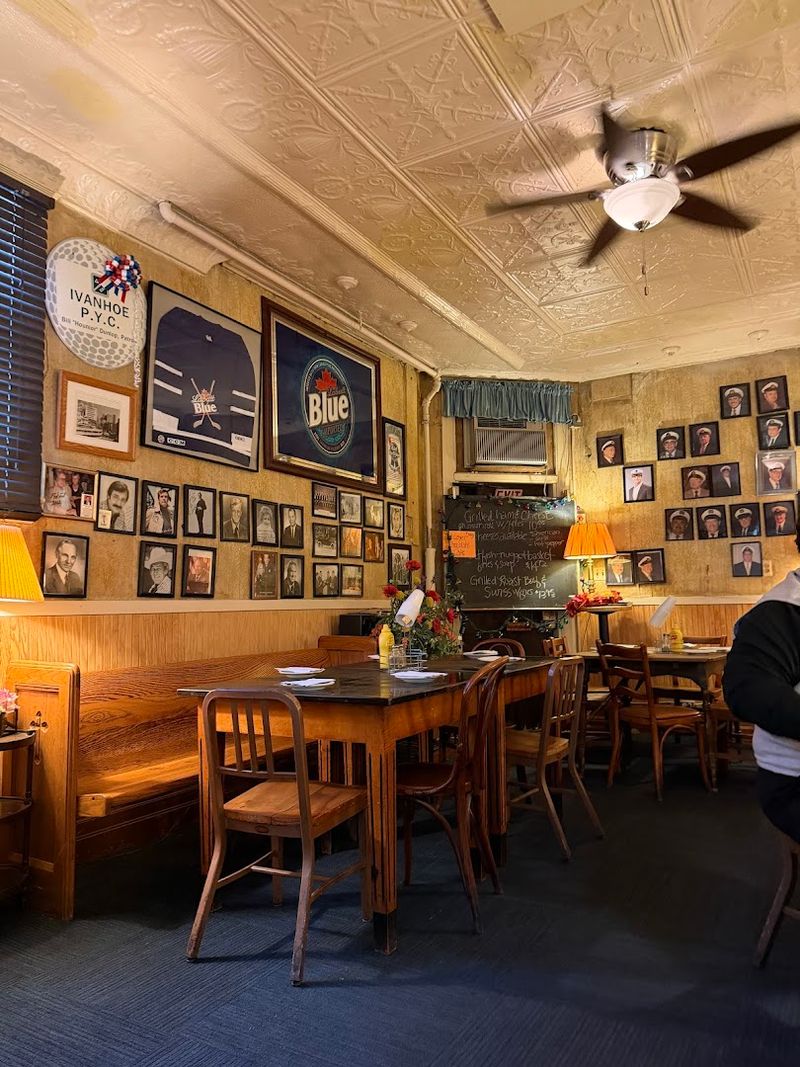
The first thing to understand is that Polish Yacht Club is a joke with deep roots, not a nautical claim. The nickname grew out of neighborhood humor and community identity, and one oft-repeated story traces it to a bartender’s quick excuse in the early 1960s.
Big John Sobczak also formally founded the Polish Yacht Club in 1961, turning the bit into a local institution with meetings and lore. Inside, that playful identity feels affectionate rather than kitschy.
Commodore photos and memorabilia make the room feel half clubhouse, half family archive, which is exactly why the legend lasts. You are not visiting a themed attraction here. You are stepping into a Detroit place that let a neighborhood joke mature into civic folklore without losing its straight face.
Reaching The Cafe
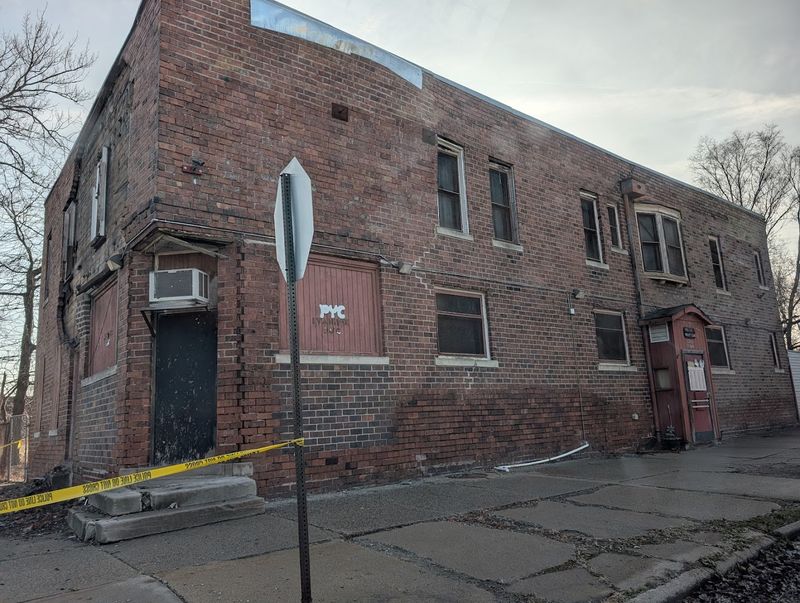
To reach Ivanhoe Cafe at 5249 Joseph Campau Ave, Detroit, Michigan 48211, take I-94 to the Mt. Elliott Street exit. Head north on Mt. Elliott Street for approximately half a mile, then turn east onto East Ferry Street.
Continue for two blocks until you reach the intersection with Joseph Campau Avenue, where the restaurant is located on the northwest corner.
The destination is situated in the Poletown East neighborhood, just south of the Hamtramck border and north of the I-94 corridor. If arriving from the Lodge Freeway (M-10) or I-75, exit toward the city’s east side and utilize Grand Boulevard to connect to Joseph Campau Avenue.
Parking is available in a private gated lot directly across the street from the building, as well as along the surrounding curbs of Joseph Campau Avenue. Access the lot via the entrance on the east side of the street.
Go For Lunch, And Plan Like A Local
The most practical tip is also the one most likely to save your visit. Ivanhoe Cafe keeps limited weekday hours, typically Tuesday through Friday from 11:30 AM to 3 PM, with the kitchen usually closing promptly at 2 PM. This is not a casual drop-in-anytime place, so timing matters more here than at most city lunch spots.
Reservations are recommended, and calling ahead is smart if you are making a special trip. Arriving earlier in the lunch window usually makes the experience smoother and less rushed.
The schedule gives the cafe a certain old-school discipline that I find oddly reassuring. It serves lunch on its own terms, and once you know that, the visit feels more intentional and more enjoyable.
Expect A Room That Feels Lived In
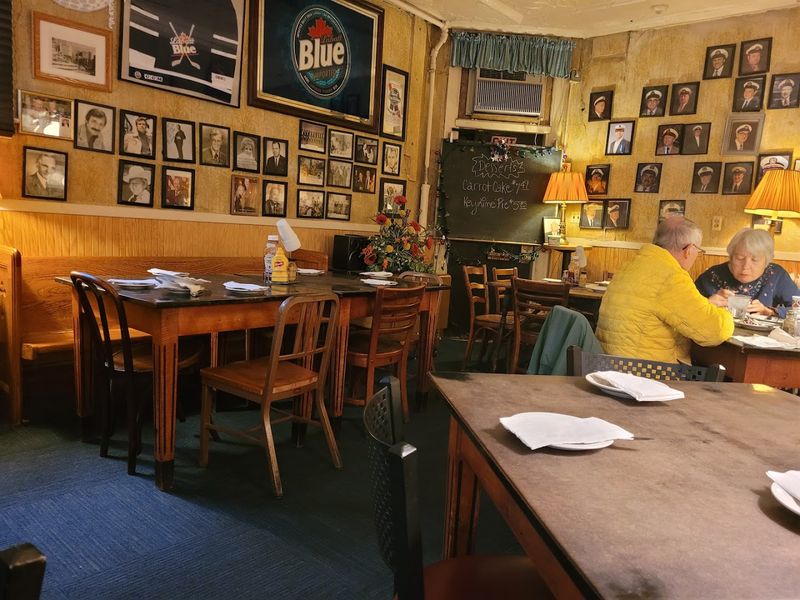
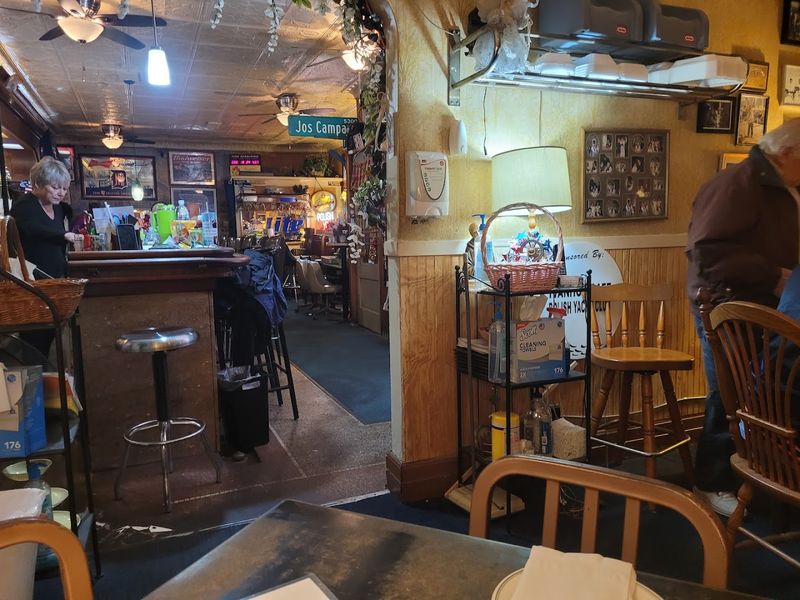
What lingers most for me is the room’s texture. Ivanhoe Cafe has the kind of interior that blurs the line between restaurant, neighborhood club, and informal museum, with framed photos, old memorabilia, and a long-established counter shaping the mood.
The lighting tends warm, the space is compact, and fresh flowers on tables soften what could otherwise feel purely nostalgic. That combination keeps the place from becoming sternly historical. It feels homey, but not staged to look homey, which is a different thing altogether.
You may notice people settling in with the ease of habit, as though they have crossed this threshold for years. That relaxed familiarity is one reason the cafe feels beloved instead of merely preserved. It still has daily use, not just memory.
Start With The House Welcome
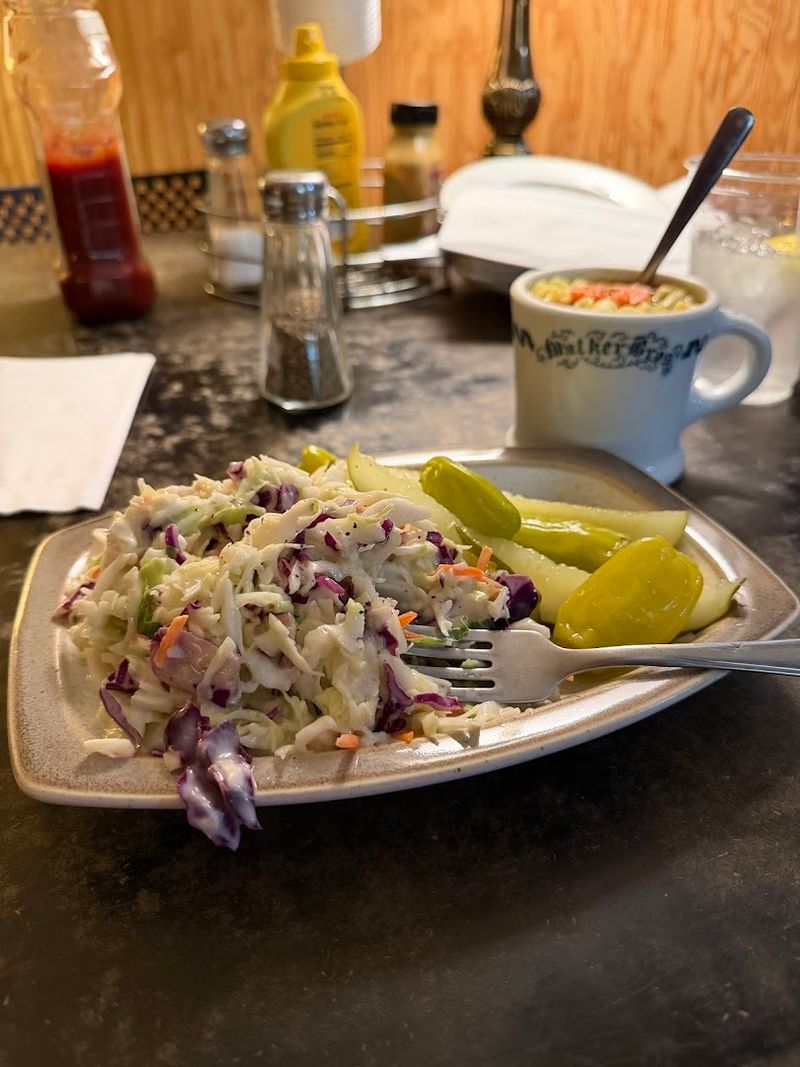
One of the nicest rituals here arrives before the main event. A complimentary plate of coleslaw and pickles is a familiar opening at Ivanhoe Cafe, and it does more than fill time while you wait. It signals the house style immediately: generous, unfussy, and confident enough not to oversell itself.
That little opening course also tunes your expectations toward comfort rather than novelty. The food at Ivanhoe is rooted in Polish and classic lunch traditions, so the pleasure comes from steadiness, portion, and flavor rather than trendiness.
If you value places that still understand how to welcome a table without fanfare, this detail will probably charm you. It certainly changed the tempo of my visit, making lunch feel hosted rather than merely served.
Order From The Durable Classics
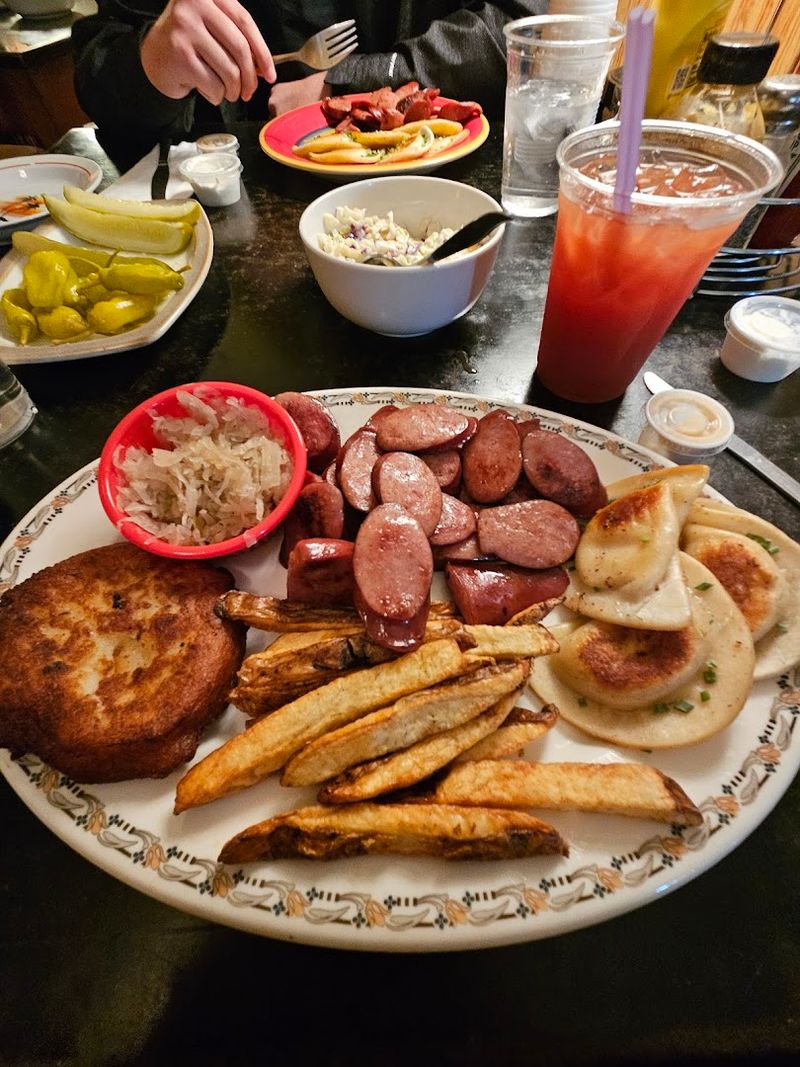
Ivanhoe Cafe has a menu that rewards restraint. The durable standouts are the fish dinners, especially perch and walleye, along with kielbasa, potato pancakes, and substantial sandwiches such as the Slim Jim, loaded with Dearborn ham and melted cheese.
The appeal is not novelty but repetition done well over time, which is usually a better bargain. There are other options too, including trout, salmon, catfish, frog legs, and Reubens with a Polish lean. Portions are generally generous, and the cooking is described most accurately as comforting rather than delicate.
I would come ready for a proper lunch, not a quick snack. This is food built for appetite, memory, and conversation in a room that values all three equally.
Read The Neighborhood With Nuance
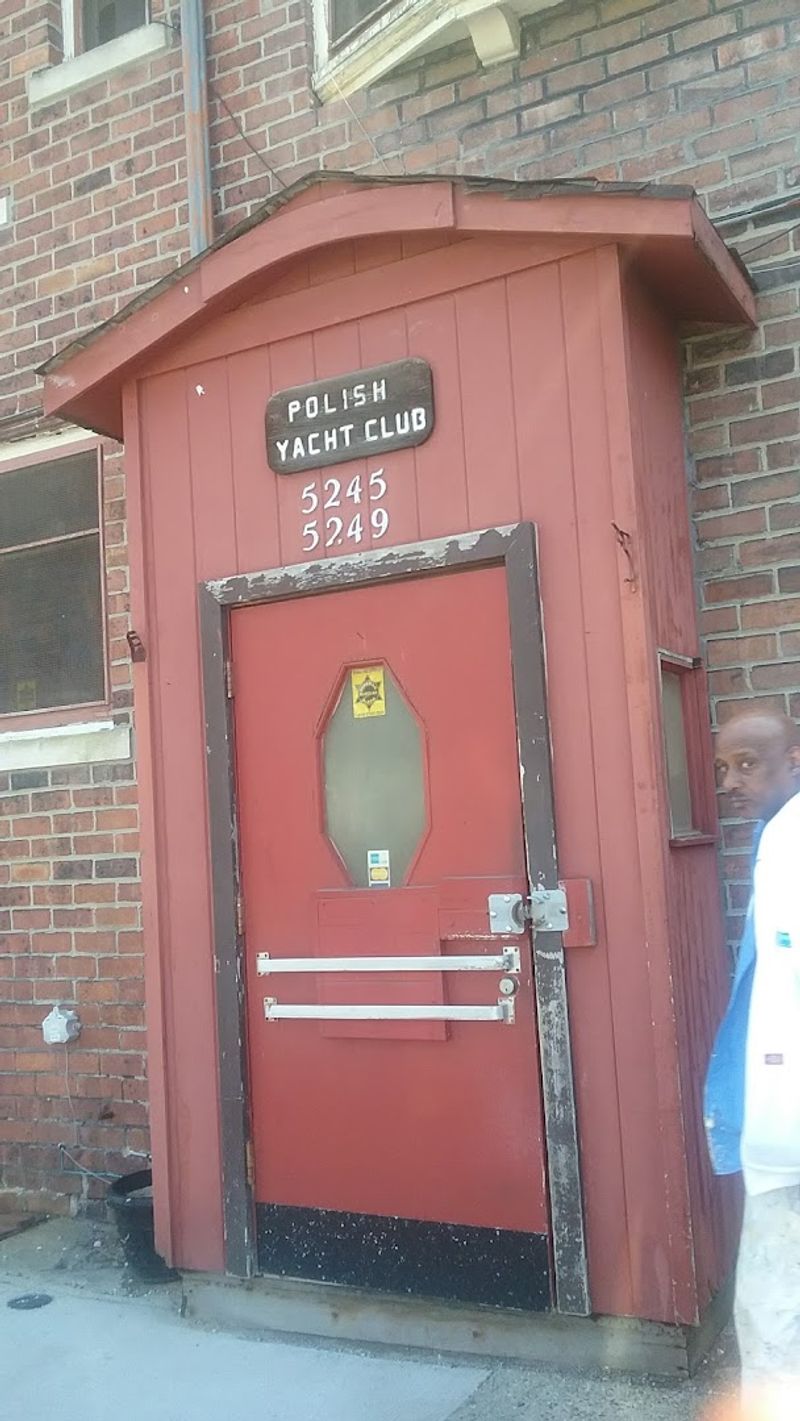
The block around Ivanhoe Cafe can look rougher than the warmth inside might suggest. It sits in a historically Polish part of Detroit near Hamtramck, and the contrast between exterior surroundings and interior hospitality is part of the experience.
The key is not to dramatize it, but to arrive alert, practical, and respectful of the area as it is. Street parking is available, and some visitors have noted someone outside keeping an eye on cars. Standard urban common sense is enough here, just as it is in many city neighborhoods.
Once inside, the mood shifts quickly from caution to ease. That transition says something important about the cafe’s role in the city. It remains a trusted room in a changing landscape, not an isolated curiosity.
Pay Attention To The Family Continuity
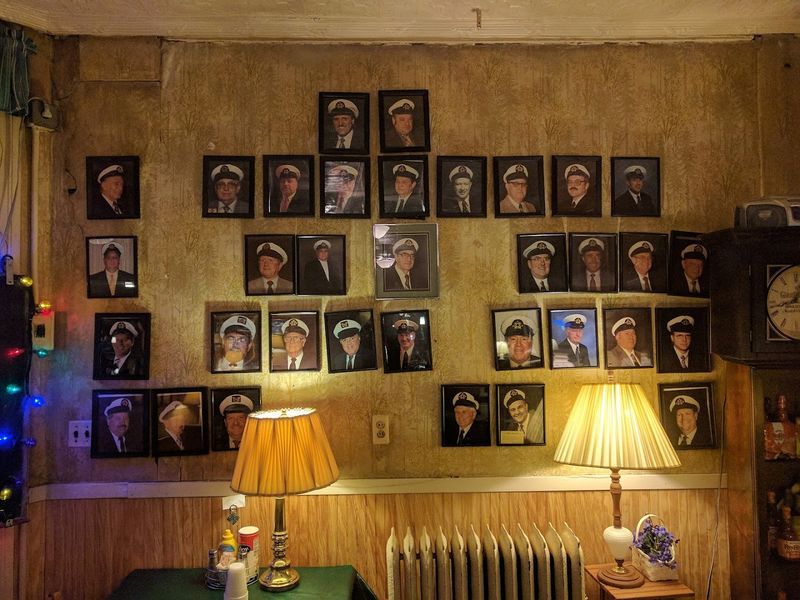
Family continuity gives Ivanhoe Cafe much of its authority. After founder Stanislaus Grendzinski established the place, his daughter Agnes Grendzinski and her husband Stanley Sienkiewicz ran it for sixty years. Today ownership remains in the family line through Lucille, widow of Big John Sobczak, with management by their daughter Patti Galen.
That sequence is worth knowing because it explains the unusual steadiness of the place. Details survive here not because someone bought nostalgia as a concept, but because relatives kept showing up to preserve a working business.
You can feel that difference in the room. The cafe does not seem curated by outsiders. It feels inherited, maintained, and still answerable to the neighborhood that made it matter in the first place.
Treat The Decor Like A Local Archive
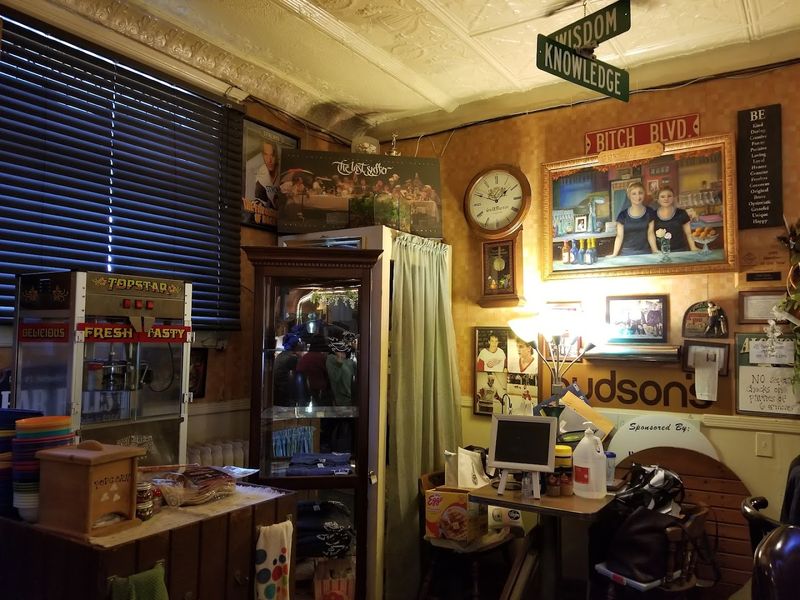
Some places hang old photos because old photos are expected. Here, the walls feel more specific than decorative, with commodore portraits, historical images, and memorabilia that connect directly to the Polish Yacht Club identity and the cafe’s long life.
The effect is not polished museum curation. It is closer to a local archive that kept growing one frame at a time. Spend a few extra minutes looking around before your food arrives. The visual clutter has its own logic, and it helps decode why the cafe is often described as part restaurant, part memory chamber.
I found that the room became more legible the longer I sat with it. Nothing shouted for attention, yet nearly everything seemed to carry a story with it.
Respect The Pace Of The Place
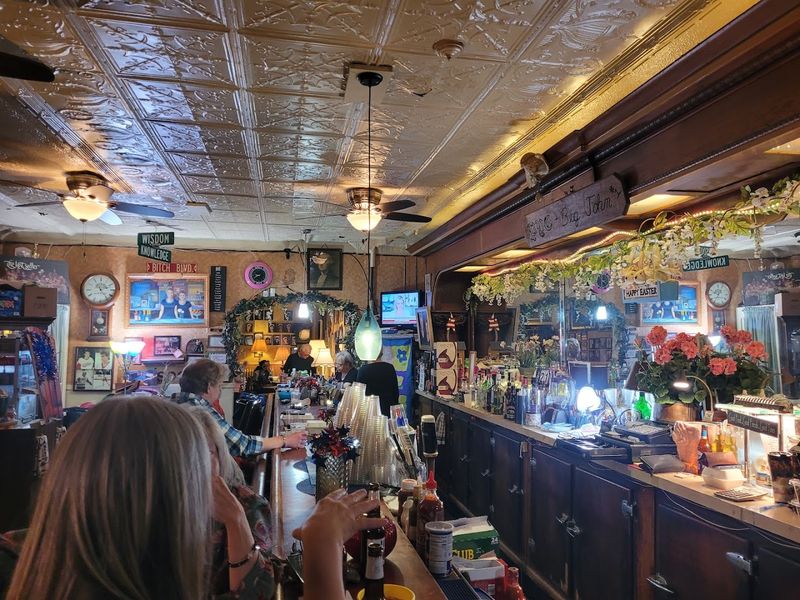
Ivanhoe Cafe is not the right stop if your schedule is measured in frantic half-hours. Lunch here can move at a deliberate pace, especially when the room is busy, and that tempo is part of the bargain you make when you choose an old-school institution over a streamlined chain.
The payoff is atmosphere, attention, and food that feels settled into its identity. Practical expectations help enormously. Build in time, arrive early when possible, and treat the meal as a destination rather than a box to check between errands.
Once I stopped expecting speed, the place made much more sense. Its rhythm belongs to conversation, routine, and regulars who are not in a hurry to flatten lunch into efficiency. That slower cadence is one of its quiet charms.
Understand why the legend still works
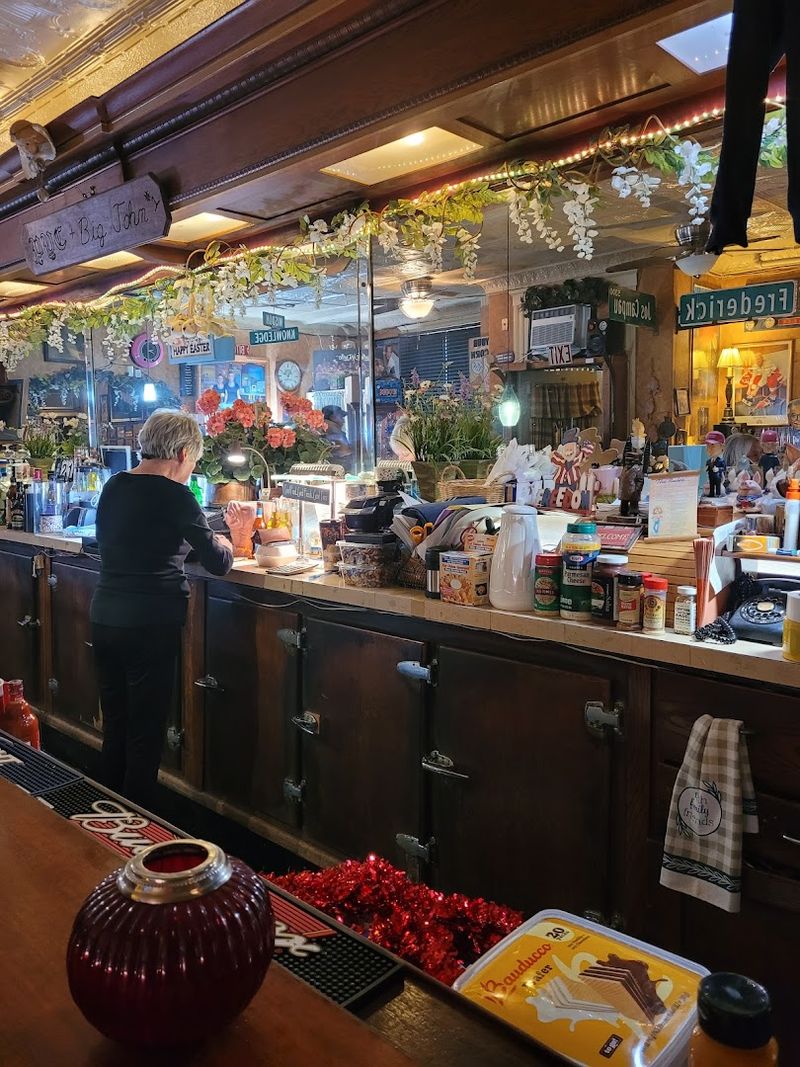
The legend works because Ivanhoe Cafe never seems to be trying too hard. It has been operating since 1909, the Polish Yacht Club nickname has genuine neighborhood history behind it, and the cafe still offers the practical virtues that keep local institutions alive: dependable service, fair prices, traditional food, and a room people want to return to.
Those are sturdier foundations than hype. By the end of a visit, the joke in the nickname starts to feel oddly precise. A yacht club suggests membership, ritual, and a little comic self-importance, all of which fit this place better than they should. What stays with you is not irony but affection.
Detroit has many legends, yet this one remains useful because it still functions as lunch, memory, and neighborhood theater at once.