
This Michigan Bird Sanctuary Has A Boardwalk Most Drivers Pass Without Knowing
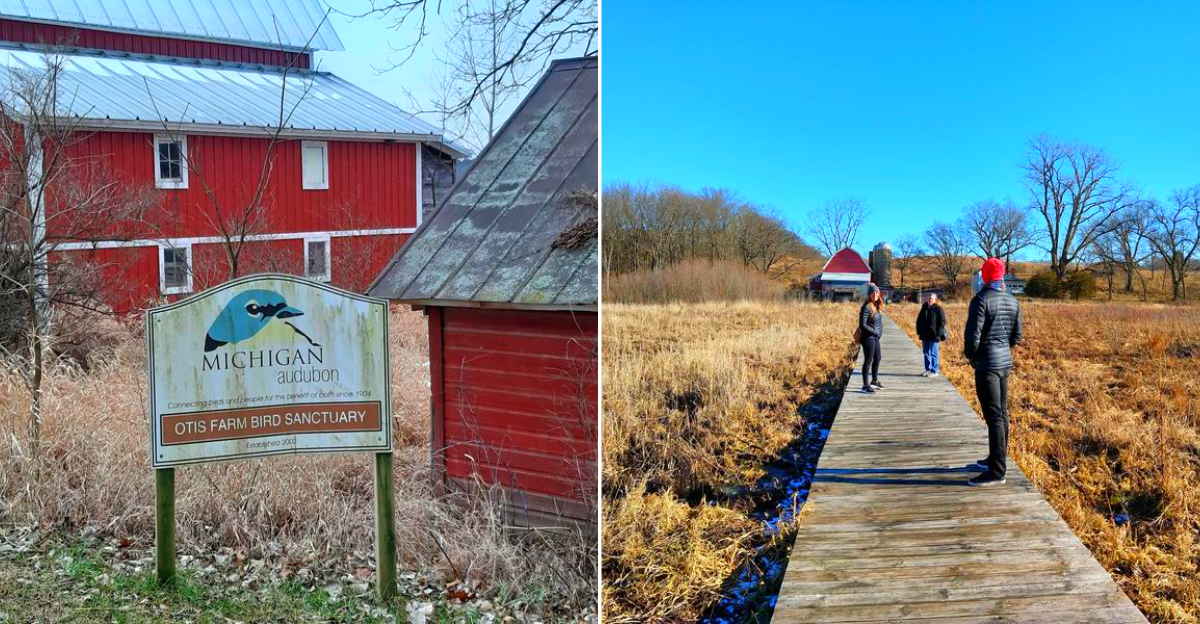
Almost missed the turn. The sign is small, the road is unmarked, and my GPS insisted I was driving into a cornfield.
But a friend who birds obsessively told me I had to see this place, so I kept going. Two miles down a gravel path, the trees close in and everything changes.
The highway noise vanishes. A boardwalk appears through the cattails, and suddenly I am walking over water that reflects the sky like a mirror. I counted four bird species in the first ten minutes, and I am not even good at identifying them.
The sanctuary sits on wetlands that filter the entire region’s water supply, which means this quiet patch of marsh is doing more work than most people will ever realize.
I stood on the observation platform for twenty minutes without checking my phone once. That never happens to me. Not ever.
Slow Down Near The Entrance
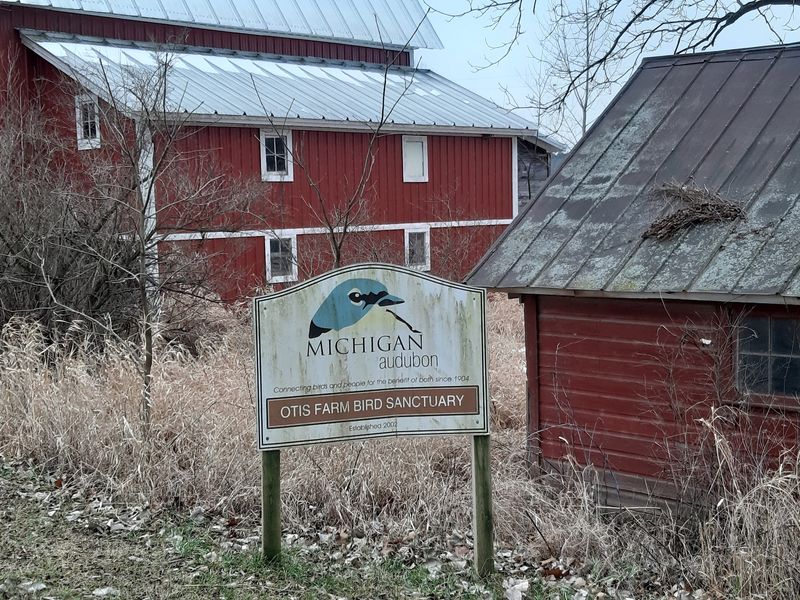
Havens Road does not announce the sanctuary with much drama, so reduce your speed as you approach 3560 Havens Road near Hastings. Use navigation, watch carefully for the entrance, and avoid stopping suddenly if another vehicle follows closely.
The low-key arrival fits a preserve that rewards attention rather than hurry. A parking area serves visitors, although access conditions can vary by season, especially when wet ground or winter weather complicates travel.
The sanctuary itself remains open year-round. Before leaving home, check Michigan Audubon information for current notices and save the location offline because rural phone service may be uneven.
Arriving with daylight to spare makes the entrance easier to spot and gives you time to understand the trail before starting your walk safely.
Havens Road Leads From The Farm To The Boardwalk
Otis Farm Bird Sanctuary is located at 3560 Havens Road outside Hastings, Michigan, beside the Barry State Game Area. From Hastings, follow M-43 south for about five miles, turn west onto Goodwill Road, then head south on Havens Road.
Continue along Havens Road until the sanctuary’s red barn and tile silo come into view on the right. The rural setting makes those farm structures the clearest landmark as you approach the sanctuary property.
Use the grass parking area along Havens Road past the farmhouse, then walk about 500 feet north along the road to the maintained trailhead. The sanctuary’s short public boardwalk can also be reached near the barn and picnic tables, while visitors should avoid parking directly in front of the house.
Expect A Natural Trail
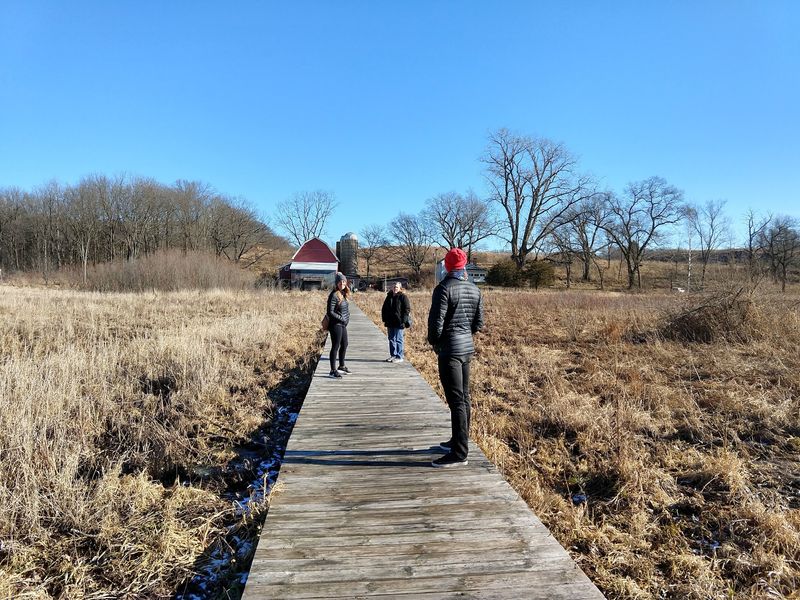
Polished pavement is not the main event here. Otis Sanctuary has an easy 1.9-mile trail system shaped like a lollipop, with a shared approach that reaches a loop through wetlands, hardwood forest, and open prairie.
Most surfaces are grass or packed dirt, while a boardwalk section adds a closer look at wetter habitat. Wear sturdy shoes that can handle mud, dew, roots, and uneven patches.
After heavy rain, slow your pace rather than stepping around puddles and widening the trail. The route is short enough for an unhurried outing, but changing ground can make it feel longer.
Photograph any posted map before leaving the parking area, then notice landmarks at junctions so the return remains simple for everyone in your group.
Pause Along The Boardwalk
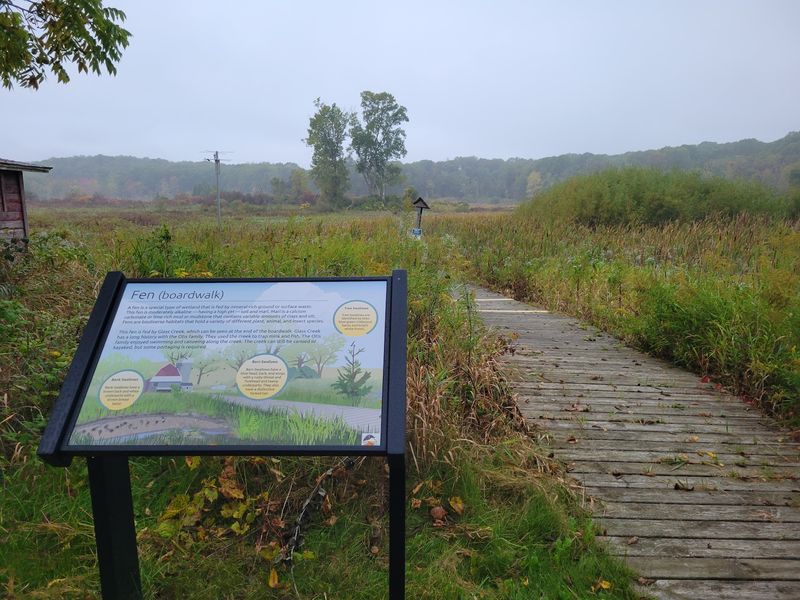
The boardwalk feels like a small secret rather than a grand attraction. It carries visitors into wet surroundings where reeds, shallow water, and forest edges create feeding and nesting space for birds, frogs, and other wildlife.
Walk softly, keep voices low, and stop every few steps instead of marching straight across. Stillness often reveals movement that disappears when feet keep thumping.
Scan low vegetation first, then the waterline and distant branches. Binoculars help, although patient eyes can catch plenty without special equipment.
Because the sanctuary’s primary routes are natural ground, do not expect a long, continuous boardwalk network. Treat the built section as one useful window into a larger landscape, and leave room for other visitors to pass without stepping into fragile habitat nearby.
Listen Before Looking
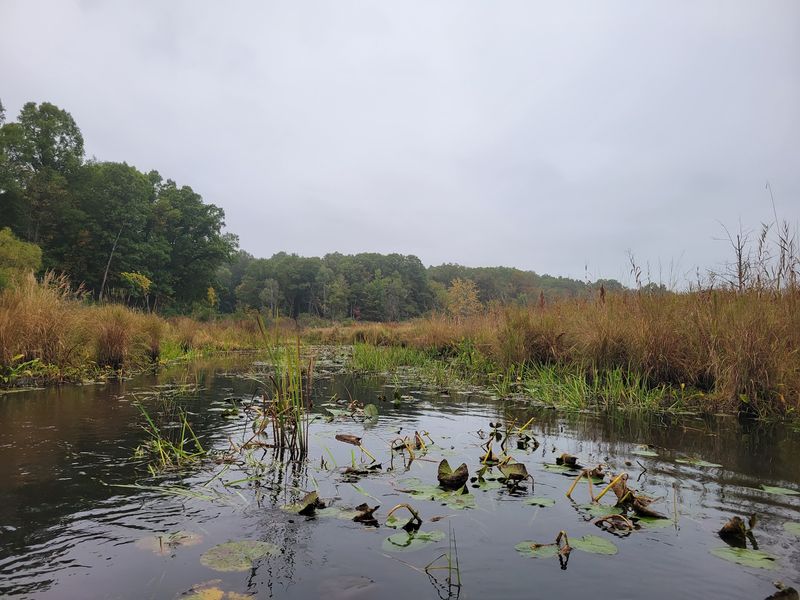
Early spring turns Otis Sanctuary into an orchestra with very small musicians. From late March into early April, Western Chorus Frogs, Spring Peepers, and Wood Frogs can create a layered chorus around marshes and wet hollows.
Spring Peepers deliver sharp, alarm-like notes, while Wood Frogs add calls often compared with clucking. Stop beside the wetland, close your eyes briefly, and separate one sound from the next.
A warm, damp evening may produce stronger calling, but remain aware of closing daylight and trail conditions. Record a short audio clip instead of approaching the water, since trampling edges can damage sensitive habitat.
Birding by ear works similarly: pause, locate the direction of a song, and only then raise binoculars to search nearby branches carefully.
Visit During Warbler Season
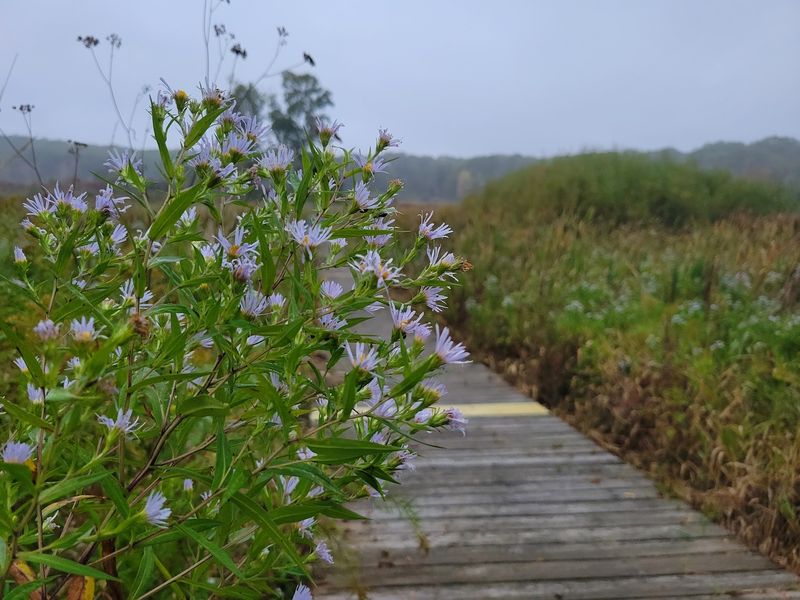
A tiny blue bird gives this quiet property an outsized place on birding maps. Cerulean Warblers breed in mature forest habitat here, aided by the sanctuary’s position beside the Barry State Game Area, a Globally Important Bird Area.
Late spring and early summer can bring warblers, sparrows, tree swallows, and other active songbirds. Start early, when birds are often vocal and temperatures remain comfortable.
Cerulean Warblers usually stay high in leafy canopies, so listen for songs and scan upper branches rather than searching only at eye level. A lightweight pair of binoculars reduces neck strain during long looks overhead.
Avoid recorded bird calls, which can disturb breeding birds. Patience works better: choose a safe spot, remain quiet, and let natural movement guide your attention upward.
Scan Every Habitat Layer
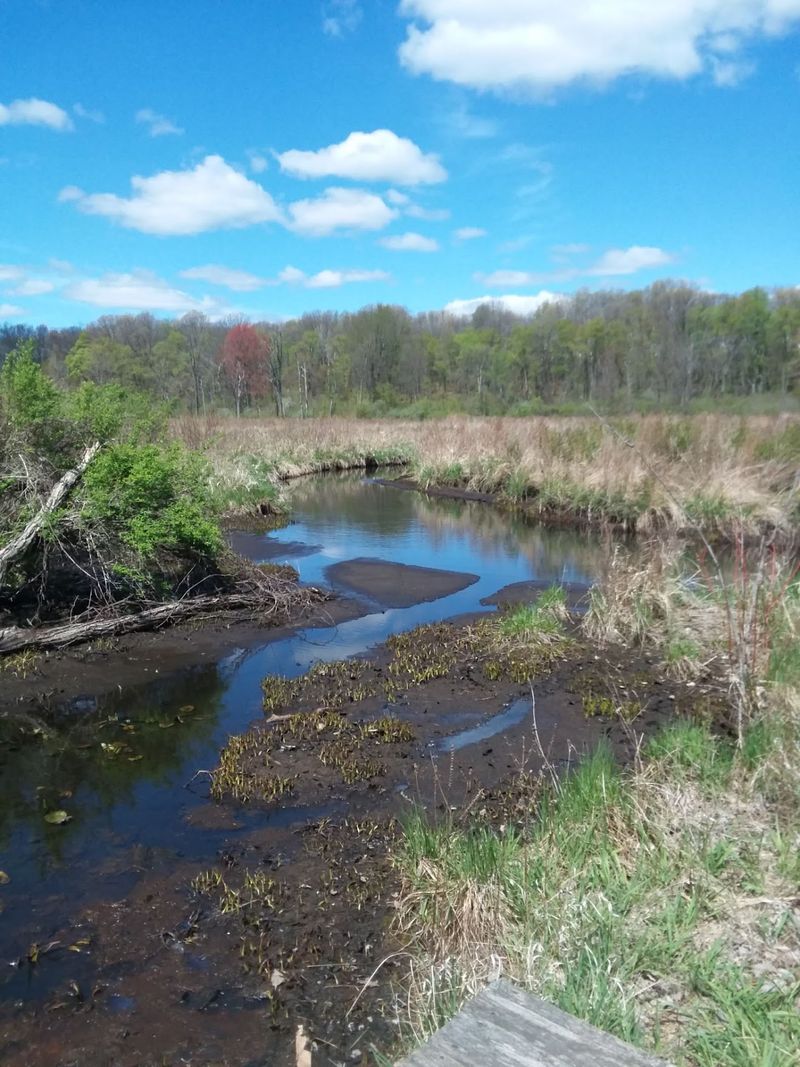
Otis changes character faster than its modest mileage suggests. Rolling fields meet mature forest, broad marshland, kettle hole marshes, springs, and Glass Creek, giving wildlife several kinds of shelter within 128 protected acres.
Adjust your search whenever the scenery shifts. Look for sparrows along grassy edges, warblers among leaves, and woodpeckers on trunks or dead limbs.
Pileated and Red-headed Woodpeckers are among the notable possibilities. Over open areas, check the sky for Sandhill Cranes, Bald Eagles, or Ospreys instead of keeping your gaze fixed on the trail.
Move slowly at habitat borders because those transition zones can be especially active. A simple notebook helps record where each sighting occurred, making patterns easier to recognize during later visits and across different seasons at Otis.
Wear Tick-Smart Clothing
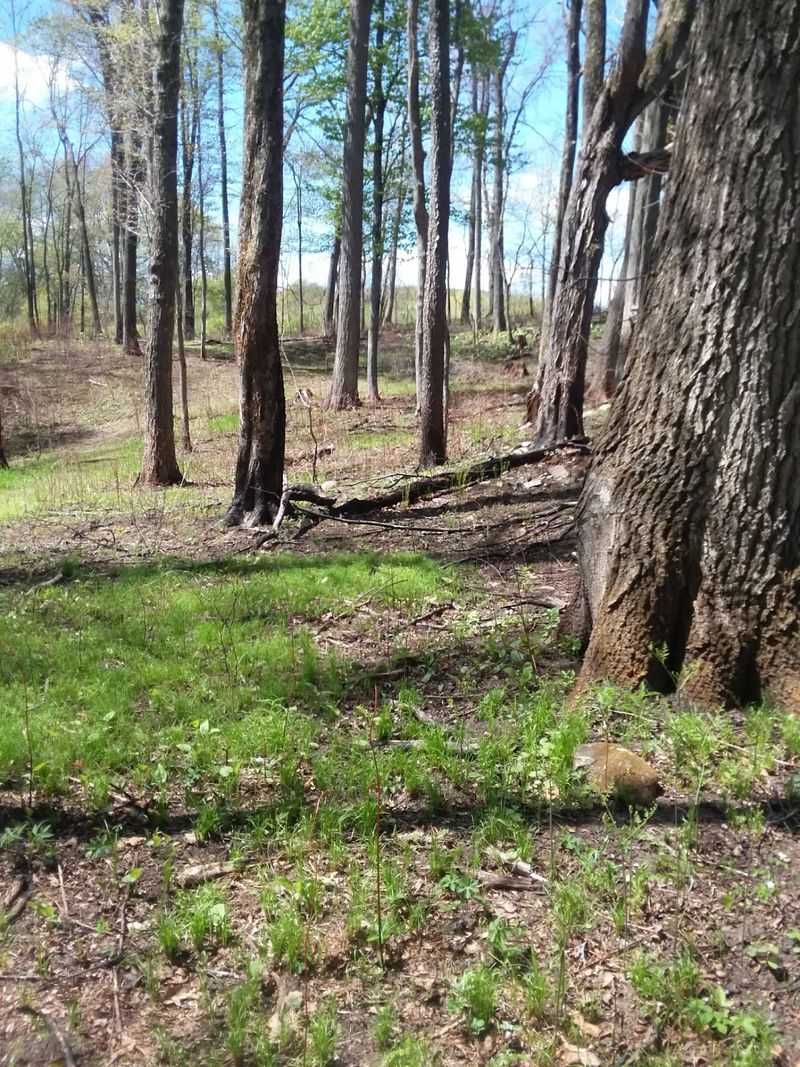
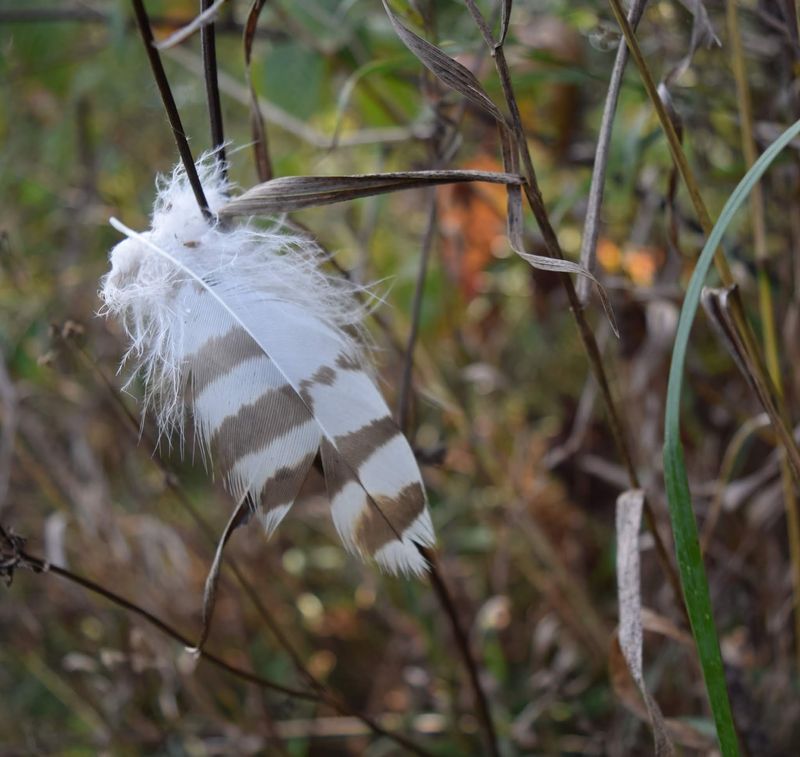
Tall grass can leave an unwanted souvenir, and it is considerably less charming than a feather photograph. Wear closed shoes, long pants, and light-colored clothing that makes ticks easier to notice during and after the walk.
Stay near the center of the trail rather than brushing against vegetation. An appropriate insect repellent can add protection when used according to its label.
Check socks, waistbands, hairlines, and other hidden areas after returning to the vehicle, then repeat a careful check at home. Children and pets need inspection as well, although visitors should confirm current sanctuary rules before bringing animals.
Mud is another likely companion, so keep spare footwear or a washable mat in the car. Preparation lets everyone enjoy the fields without bringing pieces of them home.
Respect The Farmhouse Story
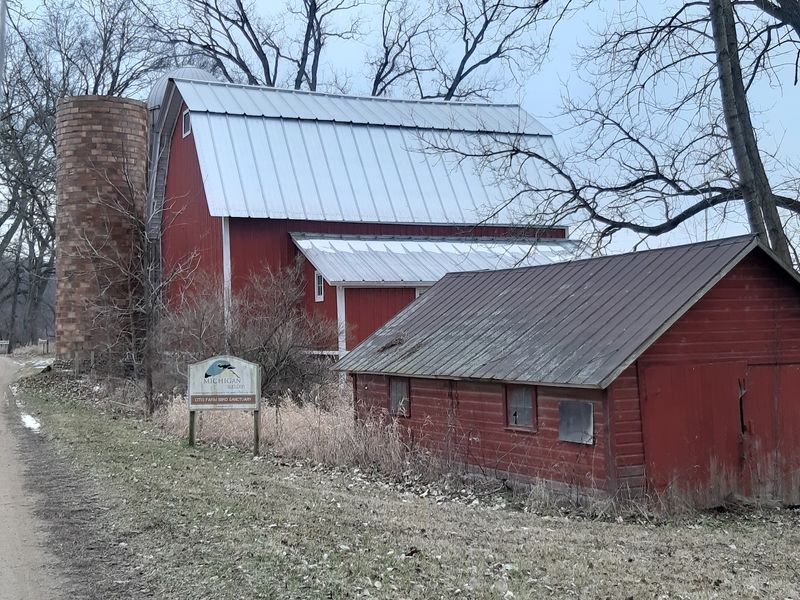
An old farmhouse quietly explains why the sanctuary feels different from a designed city park. The land once belonged to the Otis family, who later willed the farm to the Michigan Audubon Society for conservation.
Family history includes an attempt by Great-grandpa Otis to grow onions and his Depression-era business selling clay tile silo kits. The original farmhouse remains on the property and has served as housing for a resident naturalist or caretaker, so treat it as a residence rather than a visitor center.
Admire historical structures from public areas, respect signs, and avoid wandering around private spaces. The concrete silo also belongs to the farm story.
Plans have imagined it becoming an observation point someday, but visitors should not assume it is currently open.
Watch For Turtles Crossing
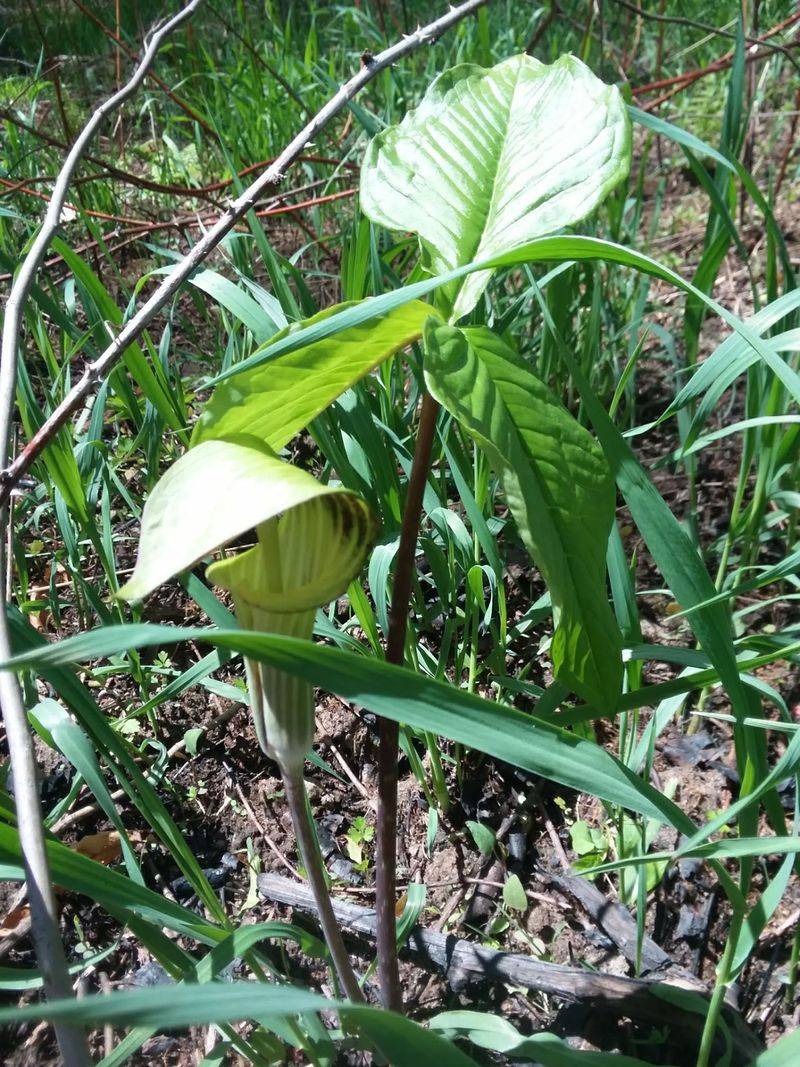
A domed shell near the road deserves both kindness and common sense. Eastern Box Turtles, a species of special concern in Michigan, live around the sanctuary alongside deer, foxes, raccoons, and wild turkeys.
If a turtle is crossing and traffic conditions make helping safe, move it only in the direction it was already traveling. Turning it around may send the determined animal straight back toward the road.
Never risk your safety, stop traffic dangerously, or carry wildlife away from its home area. On the trail, observe turtles without handling them and give larger animals plenty of room.
Watch the ground ahead, especially near wet areas and during warmer months. Slow driving near the entrance protects creatures that do not understand painted lines, speed limits, or hurried schedules.
Check Access Before Paddling
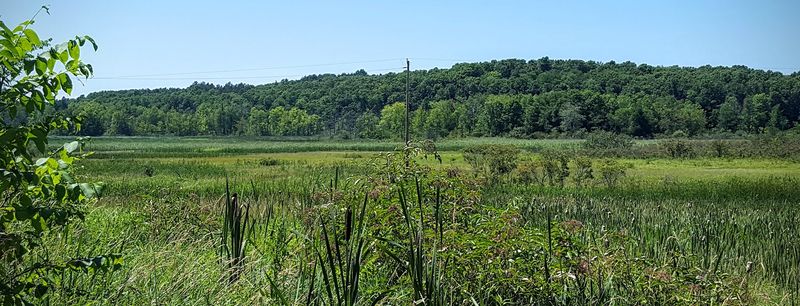
Glass Creek offers a view of Otis that walking shoes cannot provide. The trout stream flows through the property, and Michigan Audubon members may have access to a small launch point for kayaks and canoes.
Membership access does not replace trip planning. Confirm current permission, launch conditions, water levels, and any sanctuary guidance before carrying a boat onto the property.
Use a personal flotation device, bring only equipment you can manage safely, and clean boats and footwear to reduce the spread of invasive species. Keep distance from nesting birds and avoid pushing into shallow vegetation merely for a photograph.
Nonmembers can still appreciate Glass Creek from allowed trail viewpoints. Water moves the sanctuary’s story quietly, connecting springs, wetlands, wildlife habitat, and the surrounding Barry County landscape.
Leave Time For Quiet
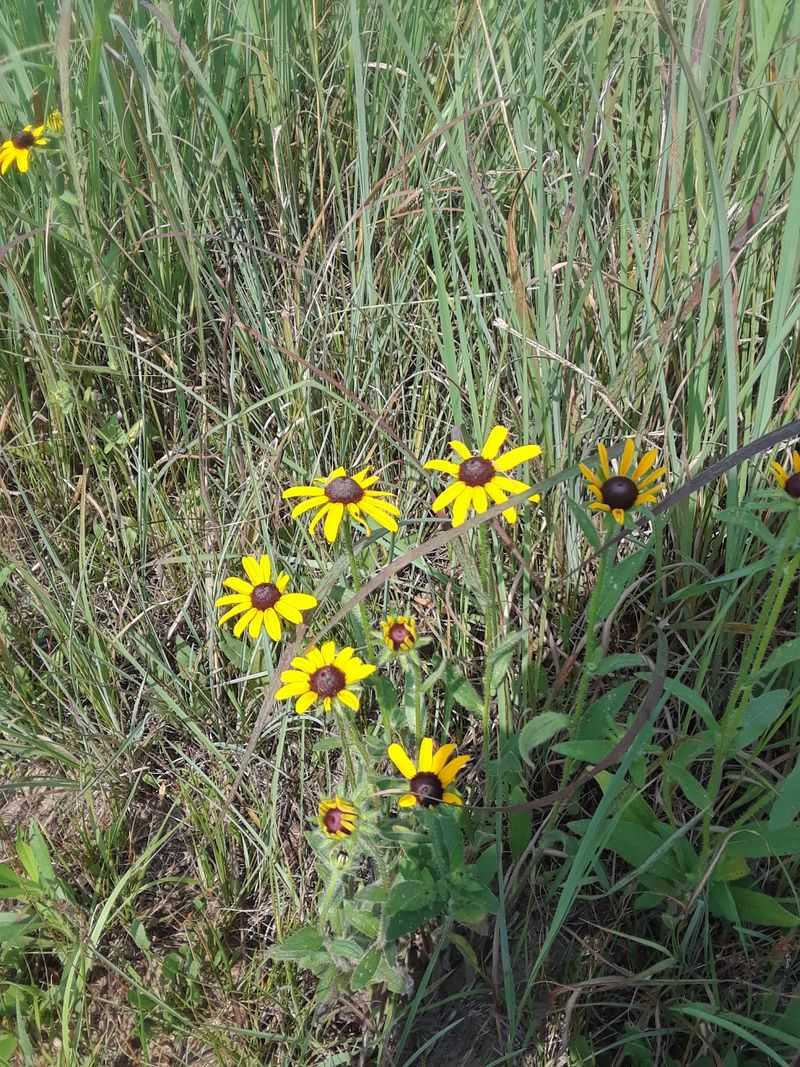
Silence here is rarely empty. Wind brushes field grass, woodpeckers hammer beyond view, cranes call from wetlands, and a sudden wingbeat can interrupt thoughts more effectively than any phone notification.
Allow at least enough time to walk the 1.9-mile route without racing, then add a few pauses for listening. Put the phone on silent, speak softly, and pack out everything you carry in.
Morning often favors bird activity, while late-day light can make fields and marsh edges especially attractive. Each season changes the experience, from spring frog choruses and migrating songbirds to summer growth and colder, leafless views.
Check weather and access conditions before a winter or muddy-season visit. Otis rewards repeat trips because no single walk reveals all 128 acres completely.