
This Michigan Birding Trail Follows 142 Miles Of Shoreline And More Than 200 Bird Species
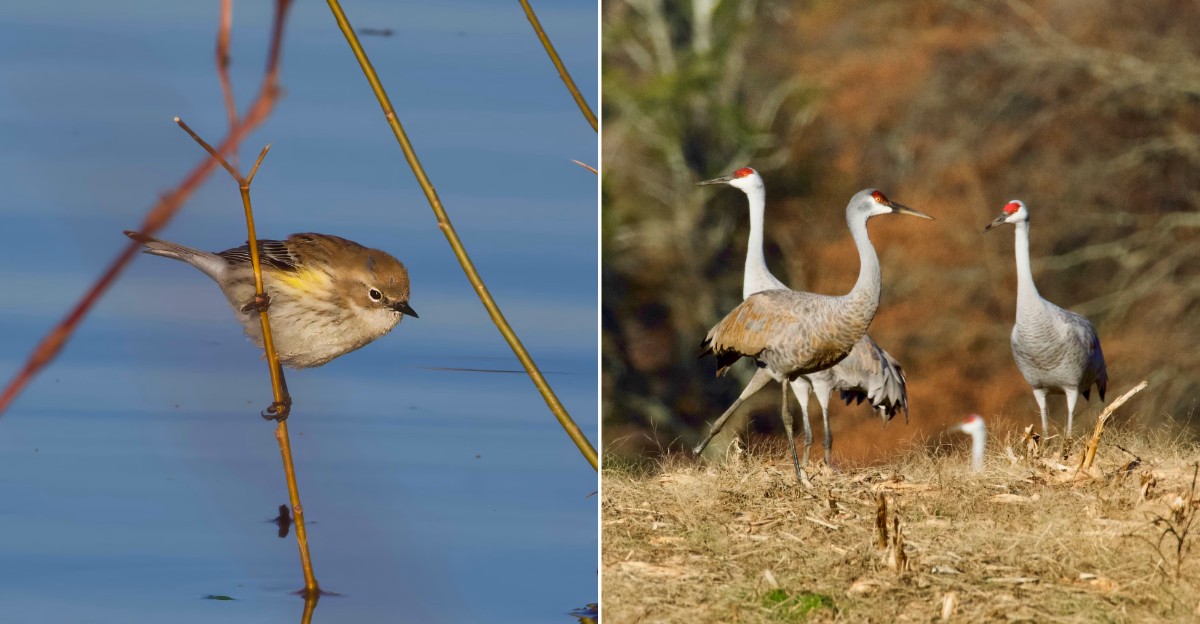
More than 200 bird species show up along one stretch of shoreline road. That includes pelicans, eagles, and a crowd of tiny warblers that arrive every May like clockwork.
The route runs 142 miles around a single bay of Lake Huron. Peninsulas along the way act like natural funnels, so tired migrating birds pile up in surprising numbers.
I like how this trip mixes beaches, marshes, and quiet forest paths into one long drive. I believe it might be the easiest way to see a huge slice of Michigan’s wildlife without hiking into the backcountry. You just follow the shore and stop where the birds are.
I can’t imagine a better excuse for a road trip with binoculars. So which stop would you hit first, the sandy point or the eagle nests?
May Brings A Warbler Rush You Won’t Believe
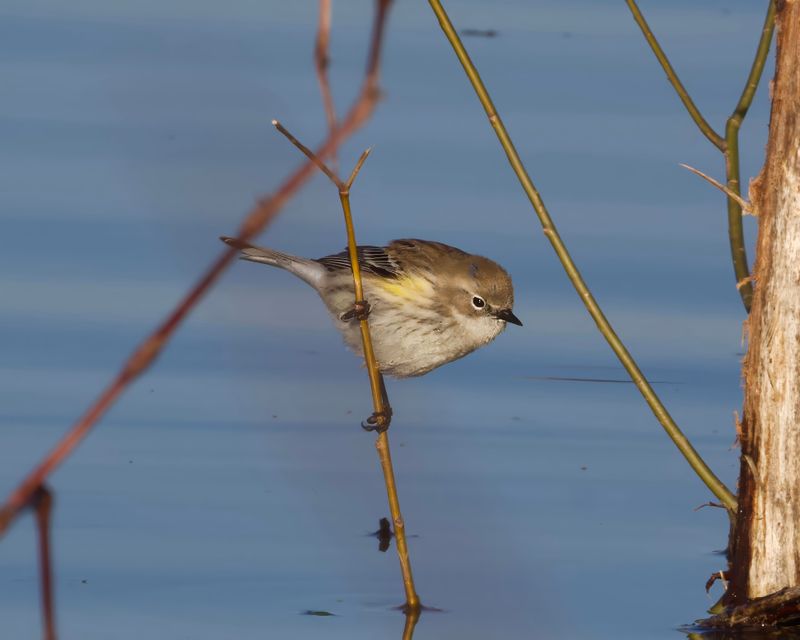
Tiny birds, huge show. Each May, Tawas Point fills with migrating warblers in some of the highest concentrations around.
Warblers are small songbirds with bright yellows, oranges, and blues. They travel north at night and drop down to rest and feed during the day. When they reach the shoreline, many stop before facing the open lake.
That pause creates the magic. Trees and shrubs can buzz with color and song, sometimes right at eye level.
An annual birding festival is held at Tawas Point every May. It’s a great chance to learn from experienced birders and pick up identification tips.
Spring is widely considered the best birding season along the whole trail. Birds wear their brightest breeding colors and sing loudly to attract mates. Migration also packs more birds into each patch of habitat.
A few practical tips help a lot. Bring binoculars, a field guide or bird app, and patience. Warbler neck is real, so take breaks from staring up into the treetops. Your shoulders will thank you later.
The Lighthouse Is Your Birding Starting Point

The Saginaw Bay Birding Trail follows Lake Huron’s Saginaw Bay shoreline through Michigan, connecting stops from Tawas Point State Park to Port Crescent State Park. For a practical western starting point, follow U.S. Highway 23 into East Tawas and turn toward Tawas Beach Road.
The narrow sandy point and its historic lighthouse mark Tawas Point State Park at 686 Tawas Beach Road. This shoreline habitat is a birding stop on a much longer driving route, not the beginning of a continuous walking path.
Use the park’s designated visitor parking and follow its marked nature trail or viewing areas. Continue along the bay at your own pace to other public birding stops, checking park access and the Michigan Recreation Passport requirements before traveling.
Why 142 Miles Never Feels Long Here

Think of the route as a giant horseshoe wrapped around Saginaw Bay. The Saginaw Bay Birding Trail runs from Tawas Point State Park in the west to Port Crescent State Park in the east.
Highways do most of the work. The trail uses M-25, M-13, and about 40 miles of the US-23 State Recreation Byway between Standish and Tawas.
Along the way, it passes through Saginaw, Bay, Arenac, Iosco, Tuscola, and Huron counties. That’s a lot of Michigan without ever losing sight of the water for long.
The habitat keeps changing, which keeps things interesting. You’ll find grasslands, wetlands, wooded areas, beaches, and harbors.
Each habitat attracts different birds. That variety helps explain how more than 200 species can be seen along the route.
You don’t have to drive it all at once. Many people pick a region and spend a day exploring a handful of stops. Splitting the trip also gives you more time on trails and less time staring at the dashboard.
Marshes Near Tawas Hold Some Surprising Characters
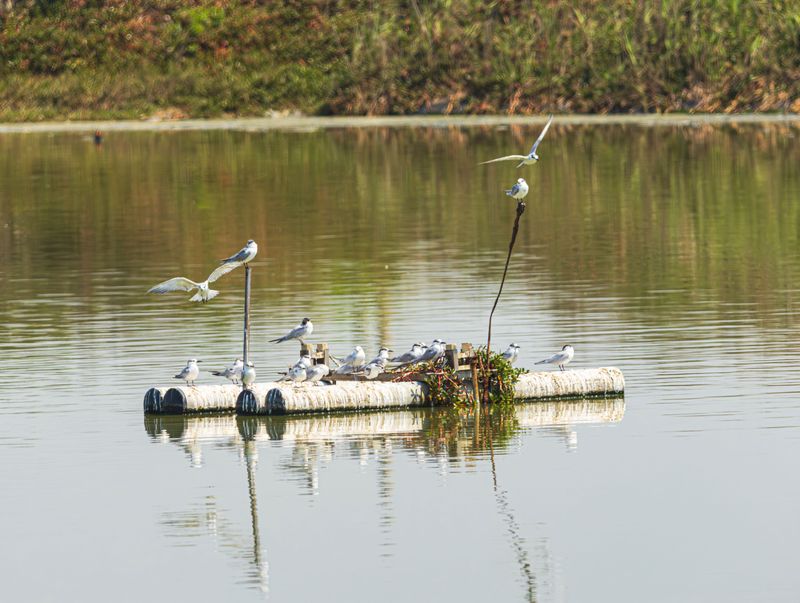
Head south from Tawas and the marsh birds take over. Arenac and Iosco counties hold several wetland stops worth your time.
Tuttle Marsh Wildlife Area offers wetlands that welcome waterfowl. Its mudflats attract herons, marshbirds, and shorebirds looking for an easy meal.
Wigwam Bay State Wildlife Area is known for unique and rare wetland species. Black Terns, Forster’s Terns, and Caspian Terns all appear there. So do Yellow-headed Blackbirds, which look like someone dipped their heads in mustard.
Gateway Park is another strong pick. Look for waterfowl, gulls, terns, and swallows swooping over the water.
Lucky visitors might spot a Red-necked Phalarope or Bonaparte’s Gull. Caspian Terns, the biggest terns around, also show up with their bold red bills.
Marsh birding rewards slow movement. Stand still, listen for calls, and scan the edges where reeds meet open water. Insect repellent is smart in warmer months, since wetlands are popular with bugs too. Waterproof shoes can also save your socks.
Bay City Hides A Birding Hub In Plain Sight
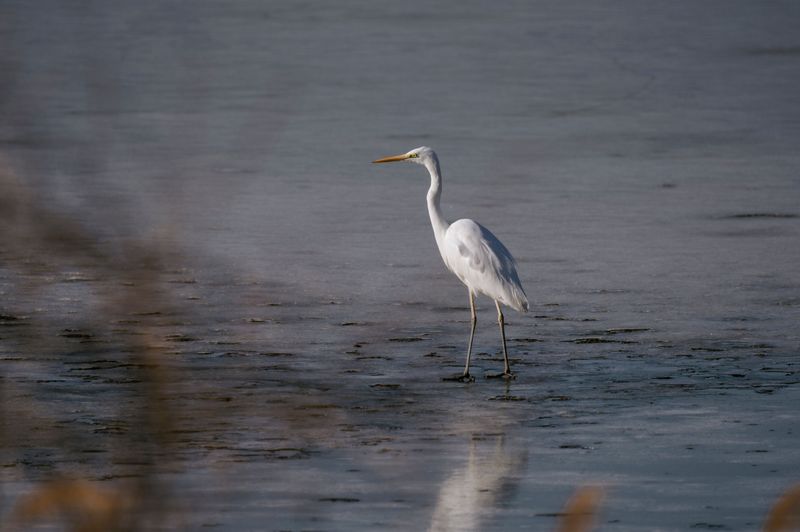
City birding gets a bad rap, and Bay City is ready to fix that. Discovery Preserve at Euclid Park is considered a hub of the trail.
You’ll find it at 1701 S. Euclid Ave. in Bay City. The preserve offers sightings of urban species along with plenty of wetland birds.
Look closely at the man-made structures. There’s a Chimney Swift tower, plus Wood Duck nesting boxes, chickadee houses, and Eastern Bluebird boxes.
The wetlands steal the show, though. Waterfowl gather there alongside Great Egrets and several types of herons.
Green, Great Blue, and Black-crowned Night Herons all use the area. Night herons are stocky birds that often hunch like they’re waiting for a bus.
Nearby Bay County has more to explore. Golson Nature Area features two Bald Eagle nests, plus trails and boardwalks. Wah Sash Kah Moqua Nature Preserve offers grassland habitat where Northern Harriers and Eastern Kingbirds commonly nest. Together, these stops make Bay County an easy half-day adventure.
Blackbirds With Golden Heads Have Called This Marsh Home For Ages

Some birds just look like they’re wearing costumes. Yellow-headed Blackbirds, with their bright golden heads and black bodies, fit that description perfectly.
Nayanquing Point State Wildlife Area in Bay County is home to one of the oldest and largest colonies of these birds. That makes it a must for anyone who loves bold colors.
Their song is famously odd. It sounds a bit like a rusty gate trying to sing opera.
The area also draws plenty of water birds. In fall, it becomes a popular place to watch raptors heading south.
Hawks and other birds of prey often ride wind currents during migration. Watching them glide overhead feels like a slow, quiet air show.
Plan for spring and early summer if the blackbirds are your main goal. That’s when they’re nesting and most active in the cattails.
Bring a spotting scope if you have one. Marsh birds often stay a bit far out, and extra magnification helps you enjoy the details without disturbing them.
Owls, Ibis, And Swans Gather Around Saginaw

Saginaw County brings some heavy hitters. Shiawassee National Wildlife Refuge hosts birds all year, which makes it a solid stop in any season.
Winter visitors may find Long-eared Owls. Over time, the refuge has also logged rarities like Glossy Ibis, Red Knot, Le Conte’s Sparrow, and Gray Kingbird.
Those are names that make serious birders grab their car keys fast. Even without a rarity, the refuge offers plenty to see.
Crow Island State Game Area sits nearby with hiking trails and observation stations. More than 100 species use its habitats, including Tundra Swan, Common Gallinule, and Rusty Blackbird.
Green Point Environmental Learning Center adds a forest option. It has over 2 miles of trails and serves as a stopover for migrating warblers. Over 150 species have been recorded there.
Mixing these three stops gives you wetlands, woods, and open water in one region. Pack snacks and layers, because Michigan weather can switch moods quickly. A thermos of hot cocoa makes winter owl searches much happier.
Eagles And Cranes Nest Where The Thumb Pokes Out
Peninsulas play a clever trick on migrating birds. Spots like Sand Point Nature Preserve act as migratory traps, concentrating birds that follow the shoreline.
The preserve covers 220 acres in Huron County. It offers 5 miles of trails through excellent habitat.
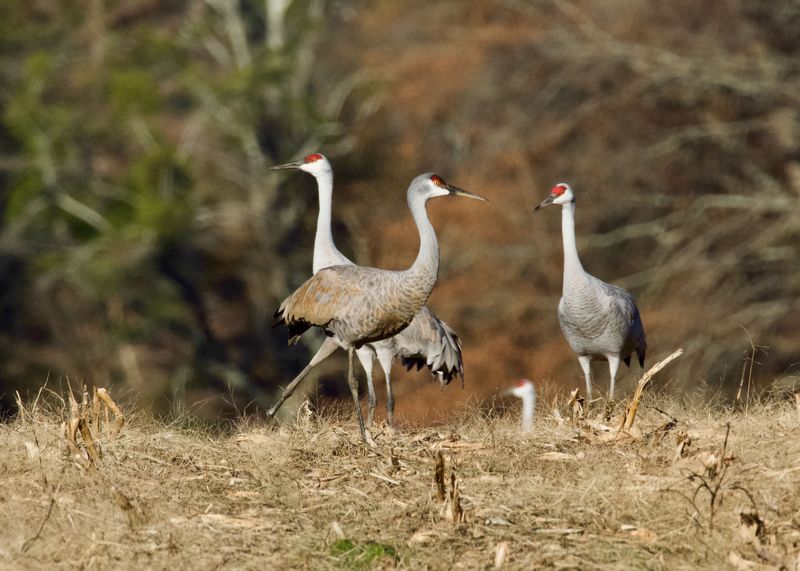
Bald Eagles and Sandhill Cranes nest there every year. You might also see Great Egrets, Wood Ducks, Great Blue Herons, and many songbirds.
Cranes are tall, gray birds with red caps and a rattling call. Once you hear one, you’ll never mistake it for anything else.
Farther along the Thumb, Port Austin State Harbor has recorded over 135 species. Red-throated Loon, Spotted Sandpiper, and Ruddy Turnstone have all appeared there.
Greater White-fronted Geese and other migrating waterfowl also pass through. Harbor walls make easy viewing spots.
The trail then wraps up at Port Crescent State Park on the eastern end. Ending a long Michigan birding trip there feels like a fitting finale, with the big lake stretching out ahead.
Plan Smart And Every Season Pays Off
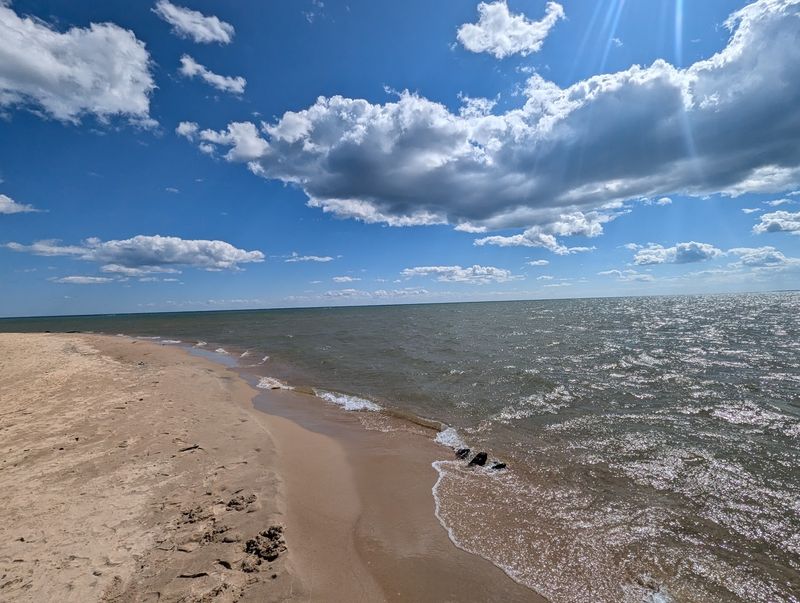
Good news for anyone who hates waiting for the perfect weekend. Birding along the Saginaw Bay Birding Trail works all year.
Spring wins for color, song, and sheer numbers. Fall migration comes in a close second, with raptors and waterfowl heading south.
Winter brings owls and hardy ducks. Summer offers nesting eagles, cranes, and blackbirds busy raising families.
The trail was developed by the Saginaw Basin Land Conservancy in partnership with Michigan Audubon. Their work helps connect birders with public lands around the bay.
Many stops have helpful features. You’ll find trailheads, parking, restrooms, picnic areas, boardwalks, and observation towers.
Those structures make a big difference. A raised platform lets you scan marshes without wading in.
Some practical advice goes a long way. Dress in layers, carry water, and check each site’s rules before visiting.
Keep a simple list of what you spot. With over 200 species possible, you might be surprised how fast it grows. Fair warning, birding lists become oddly addictive.