
This Michigan Campground Puts You Within Walking Distance Of Lake Michigan And A Kayak-Ready River
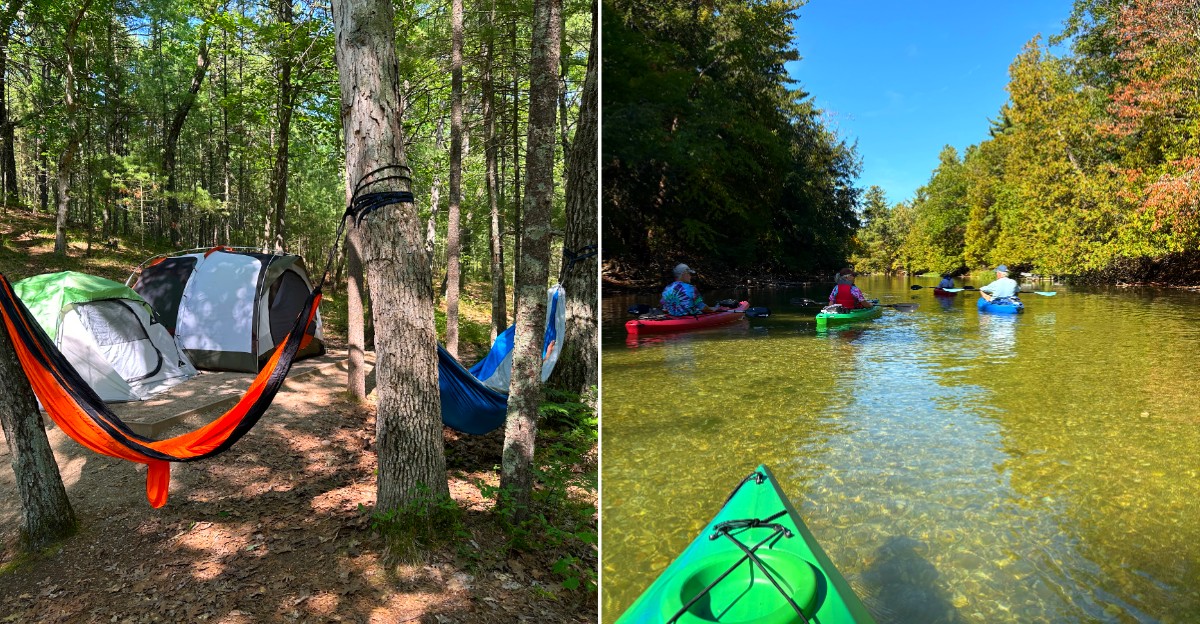
The trail starts at the edge of camp and ends at sand. Not a crowded beach with parking meters and ice cream vendors.
Just a narrow strip of Lake Michigan shoreline that feels like walking into a photograph.
I set up camp in the afternoon, paddled the river before dinner, and woke early enough to watch fog lift off the water while coffee was still hot. The sites sit beneath trees that filter morning light.
Hot showers exist. So does a fish cleaning station and a kayak launch that puts you on the water in under ten minutes.
The trail to the lake is a mile and a half of dune grass and quiet boardwalk.
Most people drive past this stretch of Michigan looking for something bigger. The ones who stop realize the best spots never needed a billboard.
Every sunrise at this campground in Michigan earns its reputation without trying.
Match The Site To Your Setup
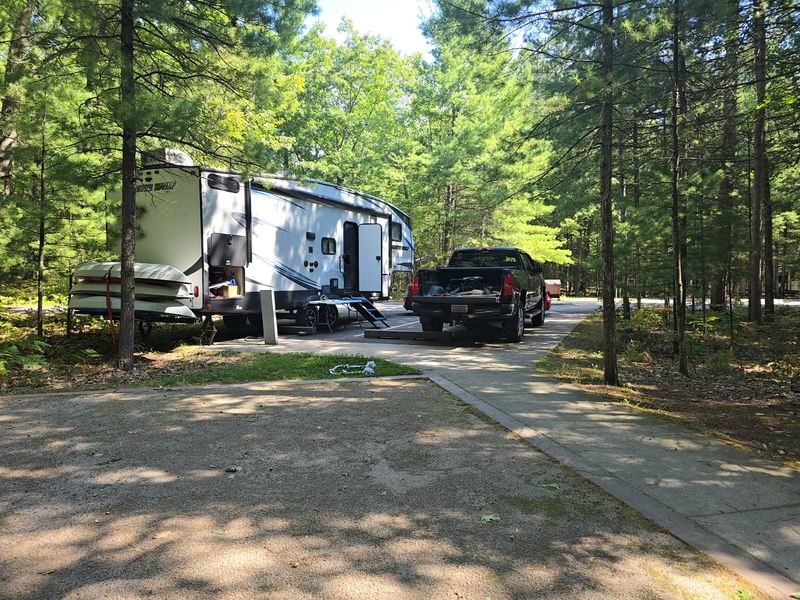
A beautiful campsite becomes awkward when the trailer fits but the tow vehicle does not. Before choosing a space, measure your full setup and study whether the listing shows a back-in, pull-through, tent, or walk-in arrangement.
Platte River Campground offers electrical and non-electrical choices, but campers should verify the exact features attached to each reservable site. Parking must remain on designated pavement, so never assume nearby soil can hold an extra bumper or truck.
Some picnic tables and fire rings may also sit behind the parked camper.
Tent campers should examine walking distance and gear needs before selecting a walk-in spot. RV travelers can save considerable fuss by checking pad length, site grade, and electrical details.
Accurate measurements beat creative parking every single time.
Reserve Your Campsite Early
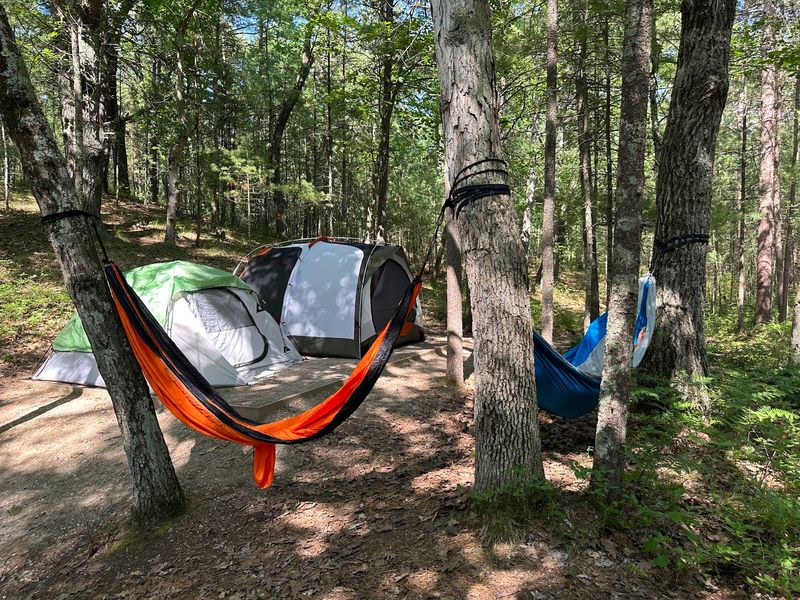
Platte River Campground sits at 5685 Lake Michigan Road near Honor, Michigan, in the Platte River District of Sleeping Bear Dunes National Lakeshore. M-22 is the main approach, with Lake Michigan Road making the final turn into the campground area.
The last stretch shifts quickly from the scenic highway into dense woods. Once you turn onto Lake Michigan Road, follow the campground signs through the forest until the ranger station and campground entrance come into view.
Stop at the campground office to check in before heading to your site. The dump station and campground access sit right near the entrance, then the internal roads branch off toward the different camping loops.
Pack For Persistent Mosquitoes
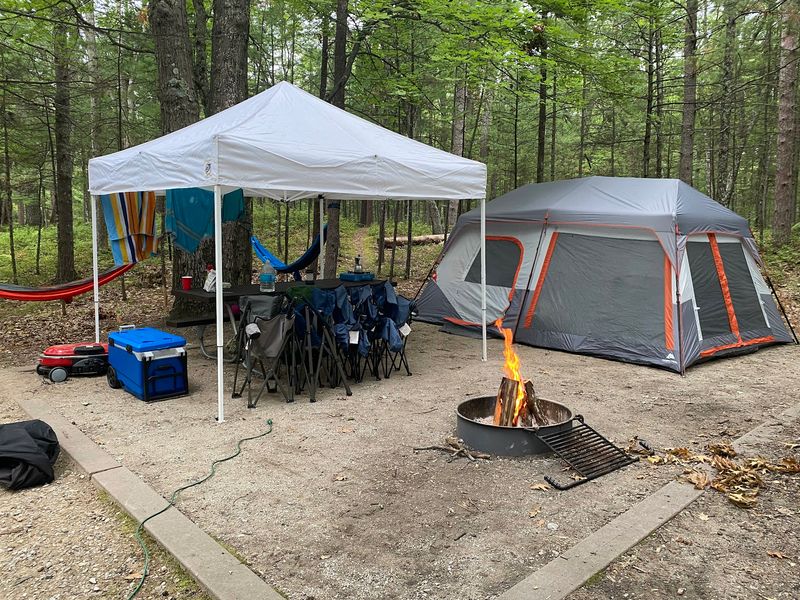
At dusk, the local mosquitoes sometimes arrive with the confidence of creatures holding reservations. Woodlands, wetlands, and nearby water create excellent habitat for them, particularly during warm, damp stretches of summer.
Bring an effective insect repellent and follow its label carefully. Lightweight long sleeves, long pants, and a screened shelter can make meals more pleasant without turning camp into a constant swatting contest.
Check tents and screen doors for gaps before darkness settles, and avoid leaving standing water around your site.
Conditions change with weather, so mosquito pressure may be mild one week and fierce the next. Pack protection even when the forecast looks lovely.
Keeping repellent beside your daypack, rather than buried inside the car, also helps before riverside walks and evening bathroom trips.
Follow The Trail Toward Lake Michigan
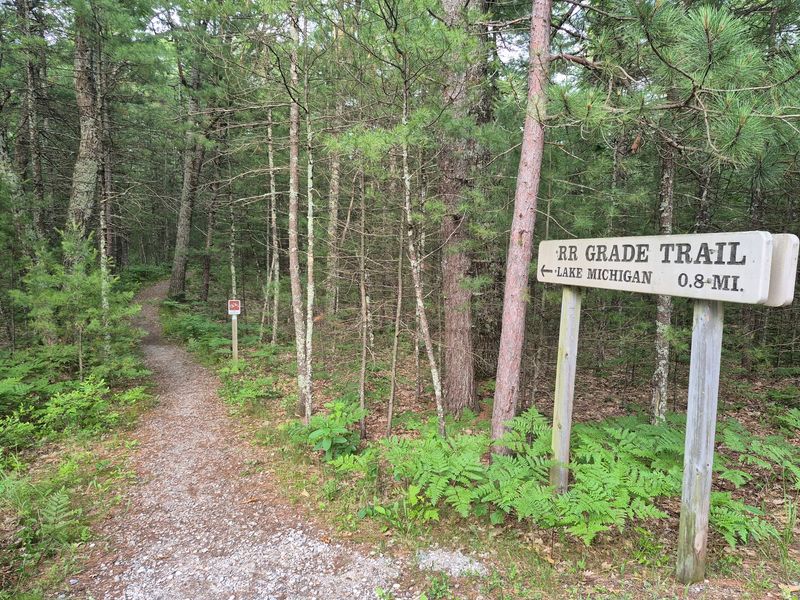
Pine shade gradually gives way to brighter sand on the route from camp toward Lake Michigan. The Railroad Grade trail provides a walking connection toward the Platte River and Platte Point area, turning a beach outing into part of the day rather than another drive.
Wear supportive shoes because sandy sections can make a seemingly easy walk feel longer. Carry drinking water, sun protection, and a light layer, since conditions beside the lake may differ from those under the campground trees.
Save enough energy for the return trip.
Distances reported by devices can vary with routes and starting sites, so consult the official map instead of relying on a casual estimate. Visitors with mobility concerns should review trail conditions beforehand.
The freshwater horizon rewards measured, unhurried progress.
Plan A Platte River Paddle
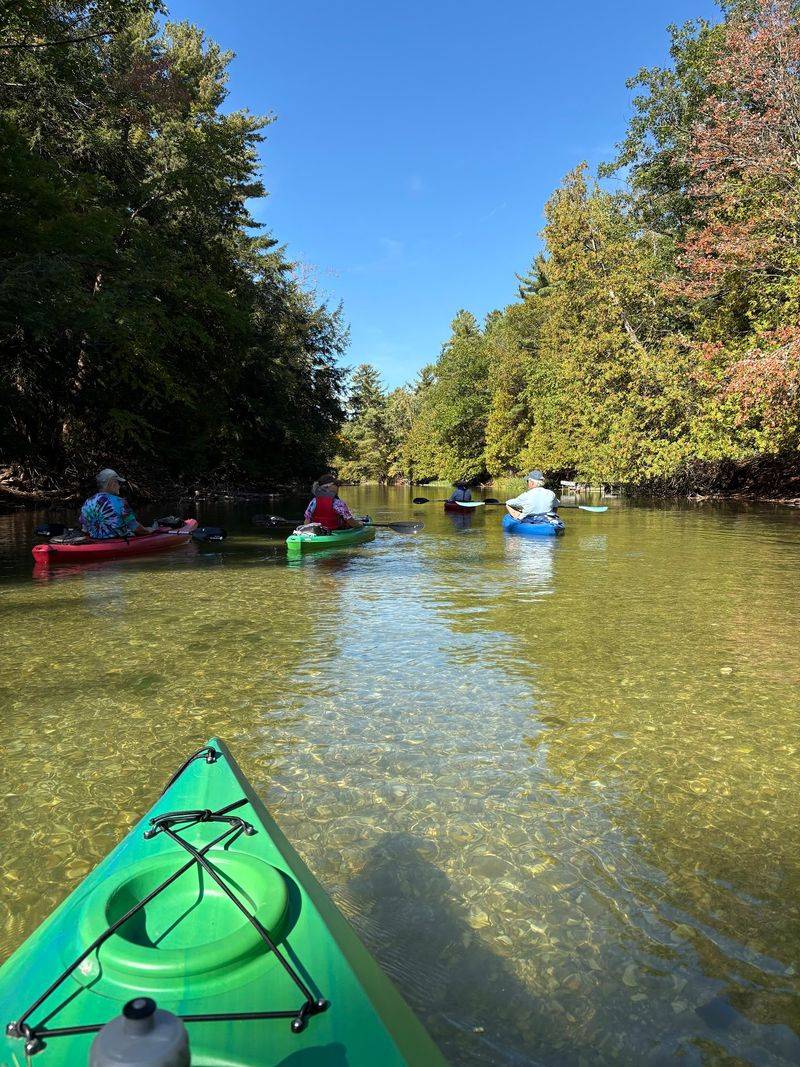
Clear water sliding over a sandy bottom makes the Lower Platte look almost purpose-built for an easygoing paddle. Its gentle character attracts kayaks and canoes, yet moving water still deserves attention and proper preparation.
Arrange equipment and transportation with an authorized local outfitter if you lack your own boat or shuttle. Ask about current conditions, launch locations, trip length, age requirements, and the correct takeout before starting.
Everyone should wear a properly fitted life jacket, even when the water appears calm.
Secure phones and keys in waterproof containers, then pack sun protection and drinking water. Avoid dragging boats across sensitive banks or blocking launch areas while organizing gear.
A thoughtful river plan leaves more time for watching minnows flicker below and trees drift quietly past.
Respect The River Mouth
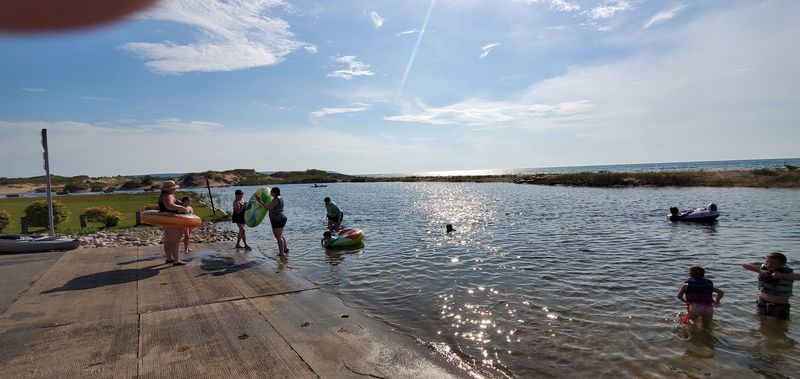
Few scenes announce northern Michigan quite like a clear river meeting an enormous blue lake. At Platte Point, paddlers and beach visitors share a striking stretch of sand where the Lower Platte reaches Lake Michigan.
Pause before entering the lake because waves, wind, water temperature, and currents can differ sharply from the protected river. Keep children close, wear flotation equipment when boating, and follow posted warnings or ranger guidance.
Never treat calm-looking freshwater as harmless.
Busy days also require courtesy near landing and launching areas. Move boats and equipment away promptly so others can pass, and keep personal belongings from spreading across narrow routes.
Pack out every scrap, including snack wrappers and loose cord. The river mouth remains special when visitors leave only temporary footprints behind.
Make Good Use Of Modern Facilities
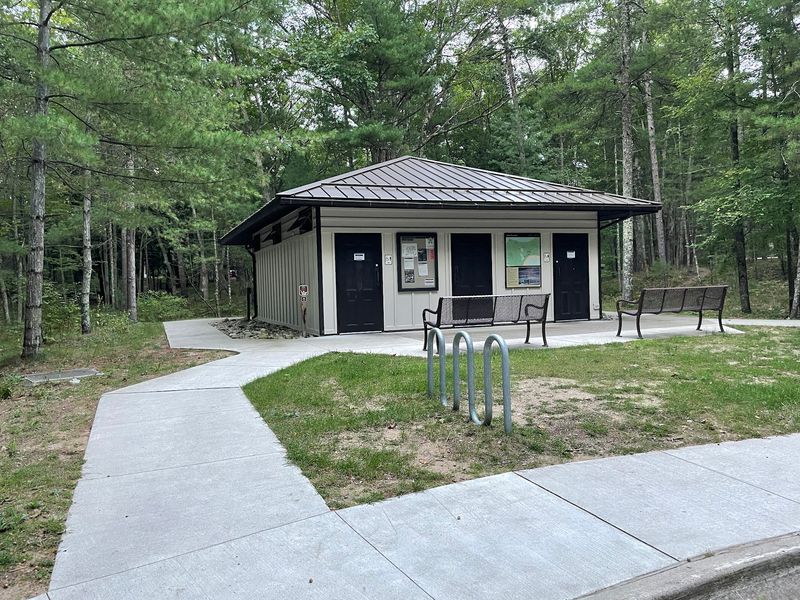
Hot water feels downright luxurious after a sandy hike or several hours in a kayak. Platte River Campground has flush toilets and showers during its regular operating season, giving tent campers a welcome layer of comfort inside the national lakeshore.
Bring shower shoes, a towel, toiletries, and a small bag that can hang or stay dry. Choose quieter times when possible, keep visits efficient, and leave the space ready for the next person.
Families may find it useful to organize clean clothing before walking over.
Facility availability can shift outside peak season, and water systems may operate differently during colder months. Confirm current services through official National Park Service information rather than assuming everything is open.
Campground comforts work best when travelers arrive prepared and share them thoughtfully.
Explore The Platte Plains Trails
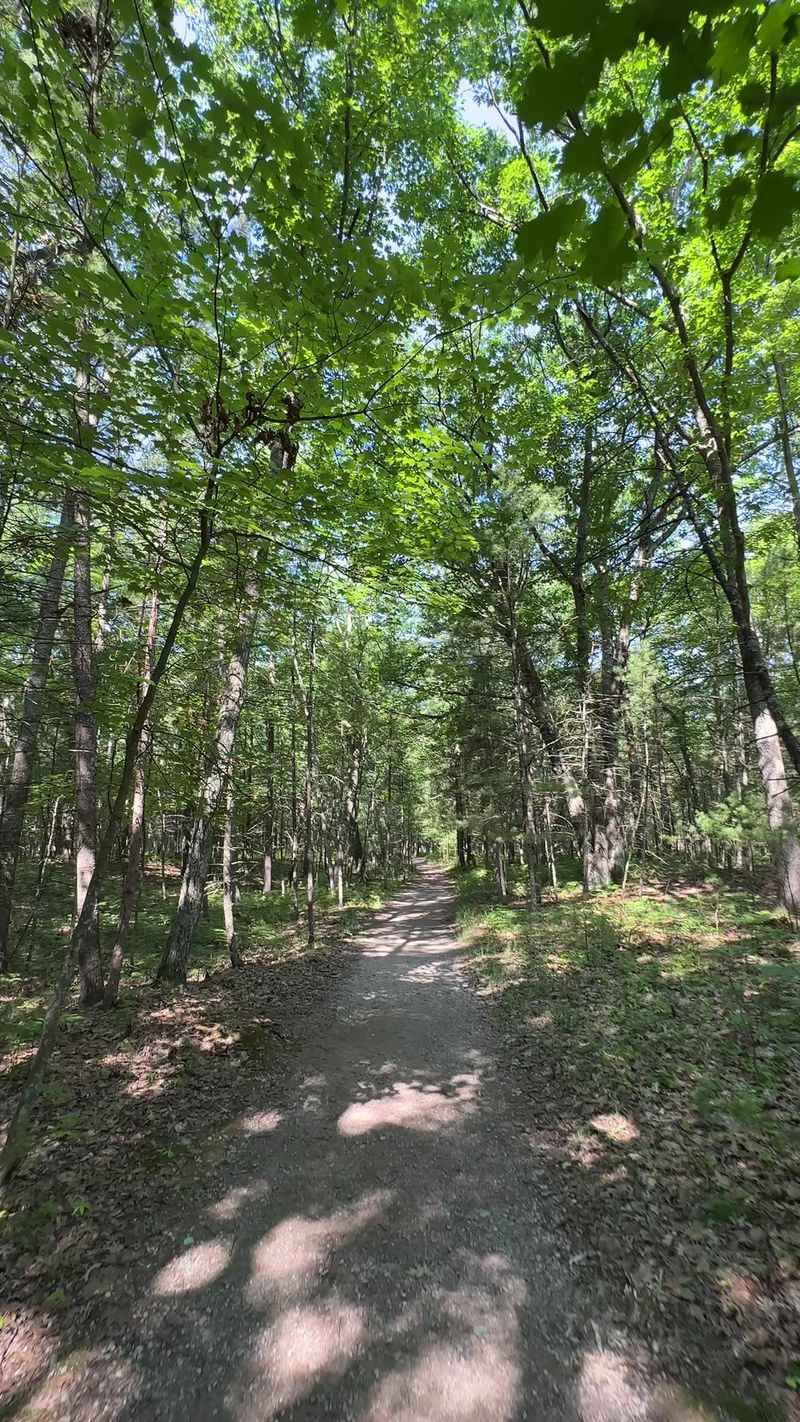
Beyond the river, more than 25 miles of the Platte Plains trail system weave through forest, meadow, wetland, and dune country. The shifting scenery reveals how much variety hides behind an address that sounds mainly focused on camping.
Study the official trail map and pick a route suited to your time, fitness, and daylight. Options include areas around Bass Lake and Otter Creek, but distances and conditions should be confirmed before departure.
Carry water, insect protection, and a charged phone while understanding that reception may be unreliable.
Stay on marked paths to protect plants and avoid confusion at intersections. Wet stretches, exposed sand, or fallen branches can slow an otherwise moderate outing.
Tell someone your planned route, then give the woods enough attention to surprise you properly.
Keep Food And Wildlife Apart
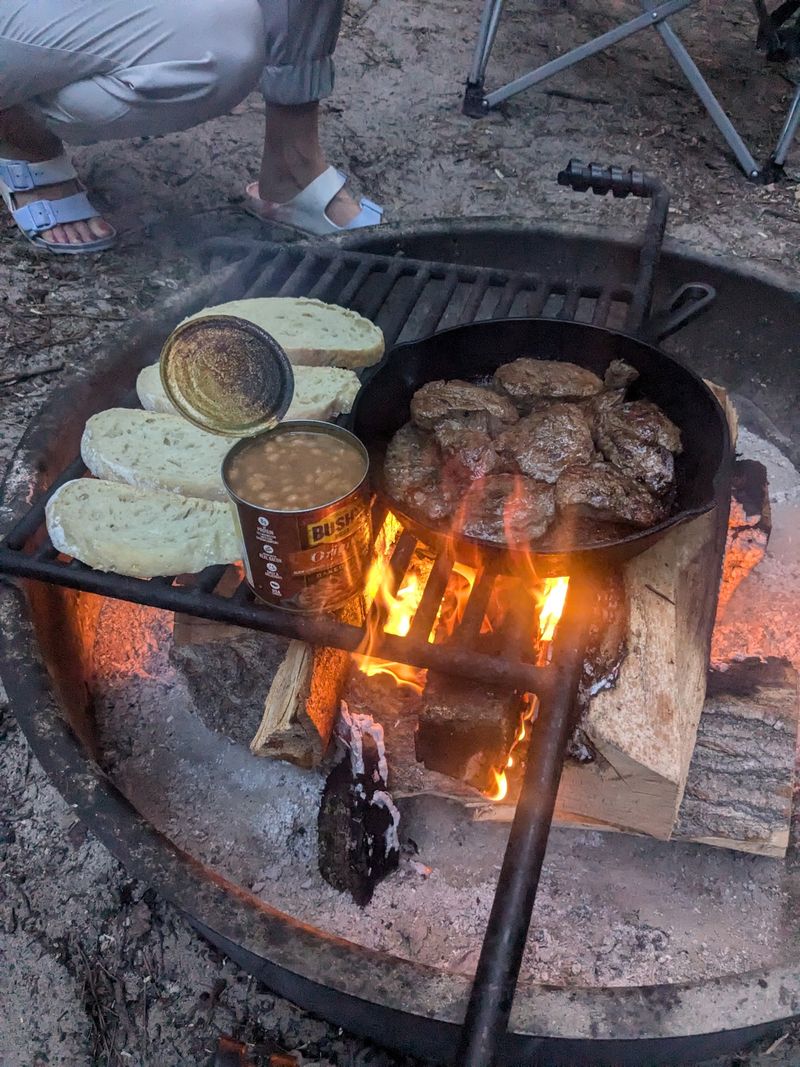
Chipmunks may look like tiny campground supervisors, but feeding them creates trouble for animals and people. Deer, raccoons, squirrels, and other wildlife can learn quickly when campers leave food, trash, or scented supplies within reach.
Store food and scented items according to current National Park Service rules, preferably inside a secured vehicle when directed. Clean the picnic table after meals, dispose of waste properly, and never leave cooking supplies unattended.
Even toothpaste, pet food, and coolers can attract unwanted nighttime attention.
Watch animals from a respectful distance and resist the urge to improve a photograph with a snack. Natural behavior is healthier than a close encounter built around crumbs.
Before bed or a day trip, inspect the entire site for dropped pieces that smaller visitors might discover.
Catch Sunset Without Rushing

Evening light can turn Lake Michigan from bright blue to polished silver, then scatter warm color across the horizon. Watching from the Platte Point area is memorable, but the walk back deserves as much planning as the view.
Carry a flashlight or headlamp for every person, even if sunset seems far away. Temperatures can fall after dark, so add a light jacket and keep track of the route before the trail loses detail.
Depart early enough to avoid hurried steps through deep sand.
Check sunset time and campground quiet hours that day. White light can bother other walkers, so aim beams toward the ground and use only what you need.
Back at camp, soft voices preserve the wooded stillness for neighbors already settling into sleeping bags.
Check Seasonal Conditions Before Arriving
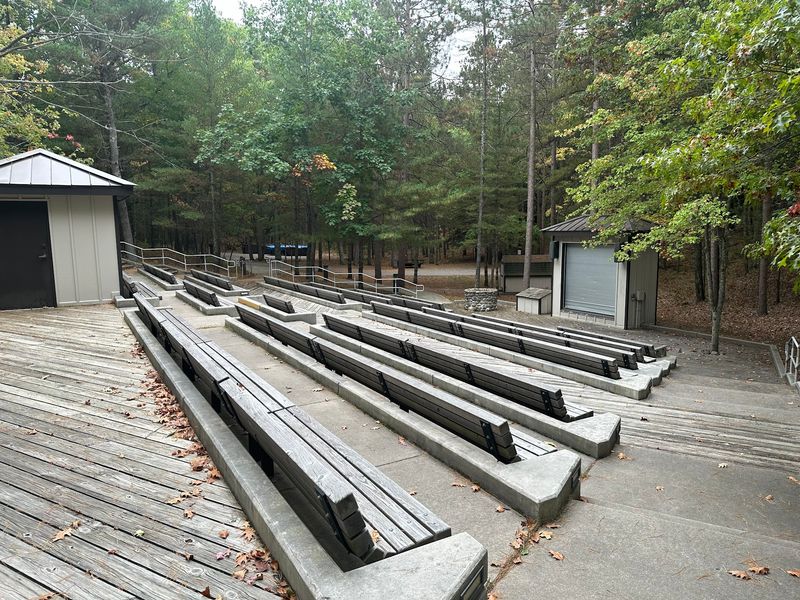
April snow piles and September color can belong to the same campground story. Platte River Campground operates year-round, but available loops, water, showers, reservation procedures, and other services may change outside the busiest season.
Read current National Park Service alerts shortly before traveling, then check weather, road conditions, and Recreation.gov details. Pack for cold nights even when afternoons look pleasant, since Lake Michigan weather can shift quickly.
Spring mud and autumn leaves may also alter walking conditions.
Fall visitors sometimes pair camping with observation of the seasonal salmon run in the Platte River area, although timing varies. Respect closures, fishery operations, and posted rules wherever you explore.
Flexible plans are especially useful here, because seasonal changes are not flaws. They are part of the landscape’s rhythm.